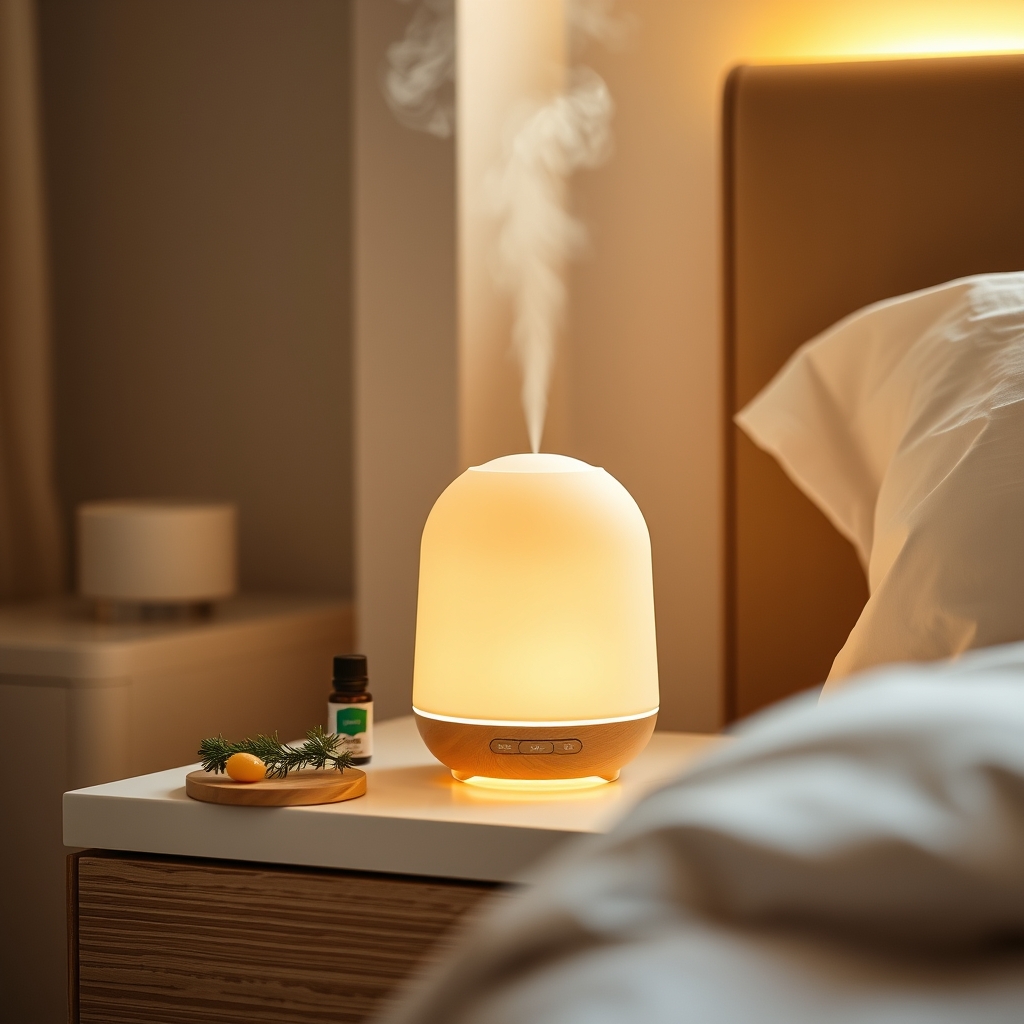
Diffusers are generally safe during pregnancy when used in moderation, especially in the second and third trimesters with proper dosage
By Shubhra Mishra — a mom of two who turned her own confusion during pregnancy into BumpBites, a global mission to make food choices clear, safe, and stress-free for every expecting mother. 💛
Check whether any food is safe during pregnancy with the BumpBites Food Safety Checker.
Quick verdict: ⚠️ Talk to your doctor first. An essential oil diffuser can be used during pregnancy, but it should be limited in duration, concentration, and choice of oils, and you should follow safety guidelines.
It’s 2 a.m., the nightstand lamp casts a soft glow, and you just heard a faint “click” from the diffuser you left on after a long day. Suddenly, a wave of worry hits: is diffuser safe during pregnancy? You’re not alone—many expecting parents wonder whether the gentle mist and aromatic clouds might harm their developing baby.
We’ve gathered the latest guidance from the American College of Obstetricians and Gynecologists (ACOG), the UK’s National Health Service (NHS), and the U.S. Food and Drug Administration (FDA) to give you a clear answer. In short, diffusing essential oils is not outright forbidden, but it does come with limits on how often, how many drops, and which oils you choose. Below you’ll find a trimester‑by‑trimester breakdown, dosage recommendations, brand pointers, safer alternatives, and a quick‑reference table for related aromatherapy products.
Read on for a calm, evidence‑based overview that lets you decide whether to keep the diffuser on, switch it off, or explore other ways to enjoy soothing scents while you’re pregnant.
Stage
Verdict
Notes
First trimester
⚠️ Use with caution
Limit sessions to 15‑20 minutes, use 1‑2 drops per 100 ml water, and avoid strong oils such as rosemary, clary sage, and peppermint.
Second trimester
✅ Generally safe
Same dosage limits apply; many providers consider this the lowest‑risk period for aromatherapy.
Third trimester
⚠️ Use with caution
Shorter sessions (≤15 minutes) are advised; avoid oils that may trigger uterine contractions (e.g., wintergreen).
Breastfeeding
✅ Generally safe
Maintain low concentration; most oils are considered low‑risk for the infant, but watch for newborn sensitivity.
Keep the diffuser low‑tech and set it for short bursts to enjoy scent without overexposure.
What is an essential oil diffuser?
An essential oil diffuser is a device that disperses volatile aromatic compounds from plant‑derived essential oils into the air, creating a scented mist or vapor. The most common type for home use is the ultrasonic diffuser, which uses high‑frequency vibrations to break oil droplets into microscopic particles that blend with water. This method produces a cool mist, unlike heat‑based diffusers that can alter the chemical composition of some oils.
People use diffusers for relaxation, improved sleep, mood enhancement, or to mask odors. In pregnancy, many expectant mothers turn to aromatherapy to alleviate nausea, stress, or mild aches. The appeal lies in the non‑invasive nature of inhalation—no swallowing or skin contact is required—yet the scent molecules still reach the brain through the nasal passages, potentially influencing mood and physiological responses.
Because essential oils are highly concentrated, the safety of a diffuser hinges on three variables: the type of oil, the concentration (drops per unit of water), and the exposure time. When any of these variables is excessive, the risk of irritation or systemic effects rises, especially for a pregnant person whose body is already undergoing hormonal and physiological changes.
There are also a few alternative diffuser technologies worth mentioning. Nebulizing diffusers atomize pure oil without water, creating a stronger aroma, while heat‑based diffusers (often called “essential oil warmers”) gently warm the oil to release scent. Both of these tend to deliver higher concentrations of oil into the air, which is why most clinicians recommend sticking with ultrasonic, low‑heat models during pregnancy.
Is an essential oil diffuser safe during pregnancy?
Current guidance from ACOG states that “the use of scented products, including essential oils, should be approached with caution during pregnancy” and recommends limiting exposure to low concentrations. The NHS echoes this, advising that pregnant women avoid “strong, undiluted essential oils” and keep inhalation sessions brief.
FDA regulation of essential oils is limited; they are marketed as cosmetics or aromatherapy products, not medicines. Consequently, the agency does not set specific safety limits for inhalation. However, the CDC notes that volatile organic compounds (VOCs) from any scented product can irritate the respiratory tract, especially in individuals with asthma or heightened sensitivities—a concern that applies to many pregnant people.
Overall, the evidence suggests that a diffuser is not a teratogen (a substance that causes birth defects) when used responsibly. Risks are primarily related to irritation, allergic reactions, or, in rare cases, hormonal effects from certain oils (e.g., clary sage’s estrogen‑like activity). Because the data are not definitive, most obstetricians advise a conservative approach: low‑dose, short‑duration diffusion of pregnancy‑approved oils, and a pause if any discomfort occurs.
It’s also worth noting that the safety profile can differ based on pre‑existing conditions. For example, women with a history of migraines may find certain oils (like peppermint or eucalyptus) to be triggers, while those with asthma should watch for any increase in wheezing. In such cases, consulting your provider before beginning any aromatherapy routine is prudent.
Is using an essential oil diffuser safe in the first trimester?
The first trimester is the period of organogenesis, when the baby’s major organs are forming. Because this window is especially sensitive, many providers recommend extra caution with any inhaled substances. Using a diffuser in the first trimester is permissible if you follow strict limits—no more than 15‑20 minutes per session, a maximum of 1‑2 drops of a pregnancy‑compatible oil per 100 ml of water, and avoidance of strong, potentially uterotonic oils such as rosemary, clary sage, and peppermint.
If you notice any headaches, nausea, or respiratory irritation, stop the diffuser immediately and consult your provider. Some women find that a brief, low‑dose lavender or citrus diffusion can actually help with morning sickness, but it should never replace medical treatment for severe symptoms.
Because the first trimester also coincides with a heightened sense of smell for many pregnant people, you may feel more sensitive to strong aromas. This heightened olfactory acuity is a normal hormonal effect and a useful cue—if a scent feels overpowering, reduce the number of drops or shorten the session.
How many drops of essential oil can I use in a diffuser while pregnant?
Most aromatherapy experts, including the American Herbalists Guild, advise a maximum of 1‑2 drops per 100 ml of water for pregnant users. This translates to roughly 3‑4 drops in a typical 300‑ml diffuser tank. Sessions should be limited to 30 minutes, with the device turned off for at least 30‑60 minutes before the next use. This “low‑dose” rule helps keep airborne concentrations below levels that could cause irritation or trigger hormonal activity.
Remember that the potency of an oil varies: a single drop of a highly concentrated oil like eucalyptus can be more intense than a drop of a milder oil such as chamomile. When in doubt, start with the lowest amount and increase only if you feel completely comfortable and have no adverse reactions.
For those who prefer a more structured approach, you can use a simple calculator: multiply the volume of water in your diffuser (in milliliters) by 0.01 to get the maximum number of drops. For a 300‑ml unit, that yields 3 drops—well within the 1‑2 drops per 100 ml guideline.
Are there any essential oil diffusers that are safer for pregnant women?
Safety isn’t just about the oil; the diffuser’s design matters too. Ultrasonic diffusers that operate without heat are preferred because heat can change the chemical profile of some oils, potentially creating irritating compounds. Look for models that include:
Automatic shut‑off after a set time (usually 30‑45 minutes).
BPA‑free and phthalate‑free plastic or glass reservoirs.
Adjustable mist settings, allowing you to choose a low‑intensity output.
Easy‑to‑clean components to prevent mold or bacterial buildup.
Brands such as “InnoGear,” “URPOWER,” and “doTERRA” offer models with these safety features and have received positive reviews from pregnant users. While no diffuser can be declared “pregnancy‑approved” by a regulatory agency, choosing a device with these built‑in safeguards reduces the risk of over‑exposure.
Another practical tip is to keep the diffuser out of the bedroom while you sleep. Even if the device has an automatic shut‑off, a brief period of residual mist can linger, and prolonged exposure during sleep is not recommended for anyone, especially a pregnant person.
What are the risks of using a diffuser during pregnancy?
Potential risks fall into three categories:
Respiratory irritation: Inhalation of strong or poorly diluted oils can cause coughing, throat irritation, or exacerbate asthma.
Allergic reactions: Some essential oils are known allergens; mist landing on skin or being inhaled can trigger hives, rash, or sinus congestion.
Hormonal or uterine effects: Certain oils (e.g., clary sage, rosemary, and peppermint) have been shown in limited studies to influence uterine smooth‑muscle tone, which could theoretically increase contraction risk, especially in the first trimester.
These risks are generally low when you stay within the recommended dosage and avoid high‑risk oils. Nevertheless, if you have a history of migraines, asthma, or a known oil allergy, it’s wise to discuss diffuser use with your obstetrician before beginning.
Can a diffuser cause pregnancy complications?
There is no strong evidence linking diffuser use to major pregnancy complications such as preterm labor, low birth weight, or fetal anomalies. However, because some essential oils can act as mild uterotonics, a cautious approach is still advised. The consensus among ACOG and NHS clinicians is that occasional, low‑dose diffusion of pregnancy‑approved oils is unlikely to cause complications, but you should discontinue use if you experience any unexplained uterine cramping, bleeding, or severe nausea.
It’s also important to consider the environment where you use the diffuser. A poorly ventilated room can allow vapor concentrations to build up, increasing the chance of irritation. Opening a window or using a fan can help keep the air fresh and dilute any lingering scent.
Safe dosage / amount / brands
Item
Recommended drops per 100 ml
Maximum session length
Suggested brand
Ultrasonic essential oil diffuser
1‑2 drops
30 minutes (auto shut‑off)
InnoGear (model UG‑350)
Nebula diffuser (LED light model)
1‑2 drops
30 minutes
URPOWER Nebula Series
Essential oil roll‑on (pregnancy blend)
Pre‑diluted; apply 2‑3 pumps
As needed
doTERRA “Pregnancy Blend”
Pregnancy‑safe room spray (citrus)
2‑3 sprays per room
Immediate use
Mrs. Meyers “Citrus Burst” (oil‑free)
When selecting a diffuser, prioritize models with an automatic shut‑off timer and a water‑only reservoir. Avoid devices that require direct heating of the oil, as heat can break down delicate compounds into irritants. Keep the diffuser in a well‑ventilated area, and never operate it overnight while you’re asleep.
Cleaning the diffuser regularly is another safety step. Residual oil can become rancid and produce stronger odors, which may increase irritation. A simple rinse with warm water and a splash of white vinegar once a week is sufficient for most models. Always follow the manufacturer’s instructions to avoid damaging electronic components.
Side effects and risks
Most side effects are mild and reversible:
Headaches or dizziness: Often a sign of over‑concentration; reduce drops or shorten the session.
Respiratory irritation: Coughing, throat tightness, or wheezing may indicate sensitivity—stop use and ventilate the room.
Skin rash: Direct contact with mist can cause contact dermatitis, especially with oils like tea tree or eucalyptus.
Allergic reactions: Sneezing, watery eyes, or hives suggest an allergy; discontinue immediately and seek medical advice.
If you experience any of the following, call your obstetrician right away: persistent abdominal pain, uterine cramping, vaginal bleeding, sudden worsening of asthma symptoms, severe nausea that does not improve with usual measures, or a rash that spreads rapidly. These symptoms may indicate a reaction that needs medical evaluation.
Safer alternatives
Pregnancy‑safe aromatherapy pillow – releases a subtle fragrance without continuous mist.
Essential oil roll‑on for pregnancy – pre‑diluted, low‑dose, applied to pulse points.
Soy scented candles (lavender‑free) – provide a warm scent without inhaling volatile oils.
Herbal ginger tea – natural nausea relief without aromatic exposure.
Warm compress for relaxation – eases muscle tension without any scent.
Pregnancy‑safe room spray (pure citrus) – quick burst of fragrance, used sparingly.
Essential oil inhaler (non‑diffuser) – personal, low‑dose inhalation when needed.
Steam inhalation with plain water – clears nasal passages without adding oils.
Massage with a pregnancy‑approved carrier oil (e.g., sweet almond) – provides tactile comfort and mild scent.
Weighted blanket – offers soothing pressure without any aromatics.
Related items — safety at a glance
Item
Verdict
One‑line note
Ultrasonic essential oil diffuser
⚠️ Use with limits
Low‑dose, short‑duration diffusion is generally considered safe.
Nebula diffuser
⚠️ Use with limits
Same precautions as ultrasonic models; LED lights add no risk.
Cool mist humidifier
✅ Generally safe
Does not disperse essential oils; safe for all trimesters.
Offers calming pressure without fragrance exposure.
Myth vs. fact
Myth: All essential oils are natural, so they’re automatically safe for pregnant women.
Fact: “Natural” does not equal “risk‑free.” Some oils have strong pharmacologic actions (e.g., clary sage’s estrogen‑like effect) and should be avoided or heavily diluted.
Myth: Diffusing a few drops once a week will never cause any problem.
Fact: Even low‑dose exposure can trigger irritation or allergic reactions in sensitive individuals; start with the smallest amount and monitor your response.
Myth: If a product is labeled “essential oil diffuser,” it’s been tested for pregnancy safety.
Fact: No regulatory body certifies diffusers for pregnancy; safety depends on user practices and oil selection, not the device label.
Myth: Aromatherapy can replace medical treatment for morning sickness.
Fact: While some oils (like ginger or lemon) may provide mild relief, they are adjuncts—not substitutes—for prescribed anti‑nausea medication when needed.
Key takeaways
Use a diffuser only with pregnancy‑approved oils and keep the concentration to 1‑2 drops per 100 ml of water.
Limit each diffusion session to 30 minutes or less, and give the room a break of equal length.
Choose ultrasonic, low‑heat models with automatic shut‑off and BPA‑free reservoirs.
Watch for headaches, respiratory irritation, or skin reactions; stop use and contact your provider if they occur.
Safer alternatives—such as roll‑ons, aromatherapy pillows, or ginger tea—can provide similar relaxation without continuous inhalation.
Maintain good ventilation and clean your diffuser weekly to prevent oil buildup.
Frequently asked questions
Can I use a diffuser while pregnant?
Yes, you can use a diffuser while pregnant if you follow low‑dose guidelines (1‑2 drops per 100 ml) and limit sessions to 30 minutes, choosing oils that are known to be safe, such as lavender or sweet orange.
What essential oils are safe to diffuse during pregnancy?
Pregnancy‑safe oils include lavender, sweet orange, bergamot (without phototoxic compounds), and chamomile. Avoid strong uterotonic oils like rosemary, clary sage, peppermint, and wintergreen unless your provider gives specific permission.
How many drops of essential oil are safe in a diffuser for pregnant women?
Most experts recommend no more than 1‑2 drops per 100 ml of water—roughly 3‑4 drops in a typical 300‑ml diffuser tank—per session.
Are there any risks associated with diffusing essential oils in pregnancy?
Risks are generally mild and include respiratory irritation, allergic reactions, and, with certain oils, potential uterine stimulation. Keeping the dose low and avoiding high‑risk oils minimizes these concerns.
Is it safe to diffuse lavender oil during pregnancy?
Lavender is considered low‑risk when properly diluted (1‑2 drops per 100 ml) and used for short periods; it can help with anxiety and sleep without known harmful effects.
Should I avoid using a diffuser in the third trimester?
It’s best to be cautious in the third trimester—limit sessions to 15‑20 minutes and continue to avoid strong oils that could trigger contractions.
Do diffuser brands matter for pregnant safety?
Yes. Brands that offer ultrasonic, low‑heat technology, automatic shut‑off timers, and BPA‑free reservoirs provide safer operation for pregnant users.
Can I use a diffuser if I have a history of migraines?
Women with migraine histories should avoid oils known to trigger headaches, such as peppermint or eucalyptus, and may prefer milder scents like lavender or citrus; always discuss with your provider.
How often should I clean my diffuser during pregnancy?
Clean the diffuser at least once a week with warm water and a splash of white vinegar to prevent oil residue buildup, which can intensify scents and increase irritation risk.
Mix and match low‑risk aromatherapy methods to keep your space soothing without over‑reliance on a diffuser.
When to call your doctor
If you experience any of the following after using a diffuser, contact your obstetrician or midwife promptly: persistent abdominal pain or cramping, vaginal bleeding, sudden worsening of asthma or shortness of breath, severe nausea that does not improve with usual measures, or a rash that spreads rapidly. These symptoms may indicate a reaction that needs medical evaluation. Remember, this article provides general information and does not replace personalized medical advice.
References
American College of Obstetricians and Gynecologists. “Guidelines for Use of Aromatherapy During Pregnancy.” ACOG Committee Opinion, 2022.
National Health Service (UK). “Essential Oils and Pregnancy.” NHS website, updated 2023.
U.S. Food and Drug Administration. “Cosmetic and Fragrance Safety.” FDA, 2021.
Centers for Disease Control and Prevention. “Volatile Organic Compounds (VOCs) and Respiratory Health.” CDC, 2020.
American Herbalists Guild. “Essential Oil Dilution Guidelines for Sensitive Populations.” AHG Position Statement, 2021.
World Health Organization. “Indoor Air Quality Guidelines.” WHO, 2021.
Not sure about the label on Is Diffuser Safe During Pregnancy products?
Snap the ingredients list and SafeFilter checks every ingredient for your stage — only 3 free scans this month, then you're locked until reset. Unlimited from $7/mo or $50/yr.
When Shubhra Mishra was expecting her first child in 2016, she was overwhelmed by conflicting food advice — one site said yes, another said never. By the time her second baby arrived in 2019, she realized millions of mothers face the same confusion.
That sparked a five-year journey through clinical nutrition papers, cultural diets, and expert conversations — all leading to BumpBites: a calm, compassionate space where science meets everyday motherhood.
Her long-term vision is to build a global community ensuring safe, supported, and free deliveriesfor every mother — because no woman should face pregnancy alone or uninformed. 🌿
🌍 Stand with mothers, shape safer guidance
Join a small circle of experts who review BumpBites articles so expecting parents everywhere can decide with confidence.