Limit Differin during pregnancy. Most experts recommend avoiding it, especially in the first trimester, due to potential risks. Learn safe dosage and alternatives.
By Shubhra Mishra — a mom of two who turned her own confusion during pregnancy into BumpBites, a global mission to make food choices clear, safe, and stress-free for every expecting mother. 💛
Check whether any food is safe during pregnancy with the BumpBites Food Safety Checker.
Quick verdict: ❌ Best avoided. Differin (adapalene) is a topical retinoid, and while the risk of birth defects from topical use is considered low, most obstetric authorities recommend avoiding all retinoids—including Differin—during pregnancy as a precaution. If you're already using it, stop and talk to your provider about safer alternatives.
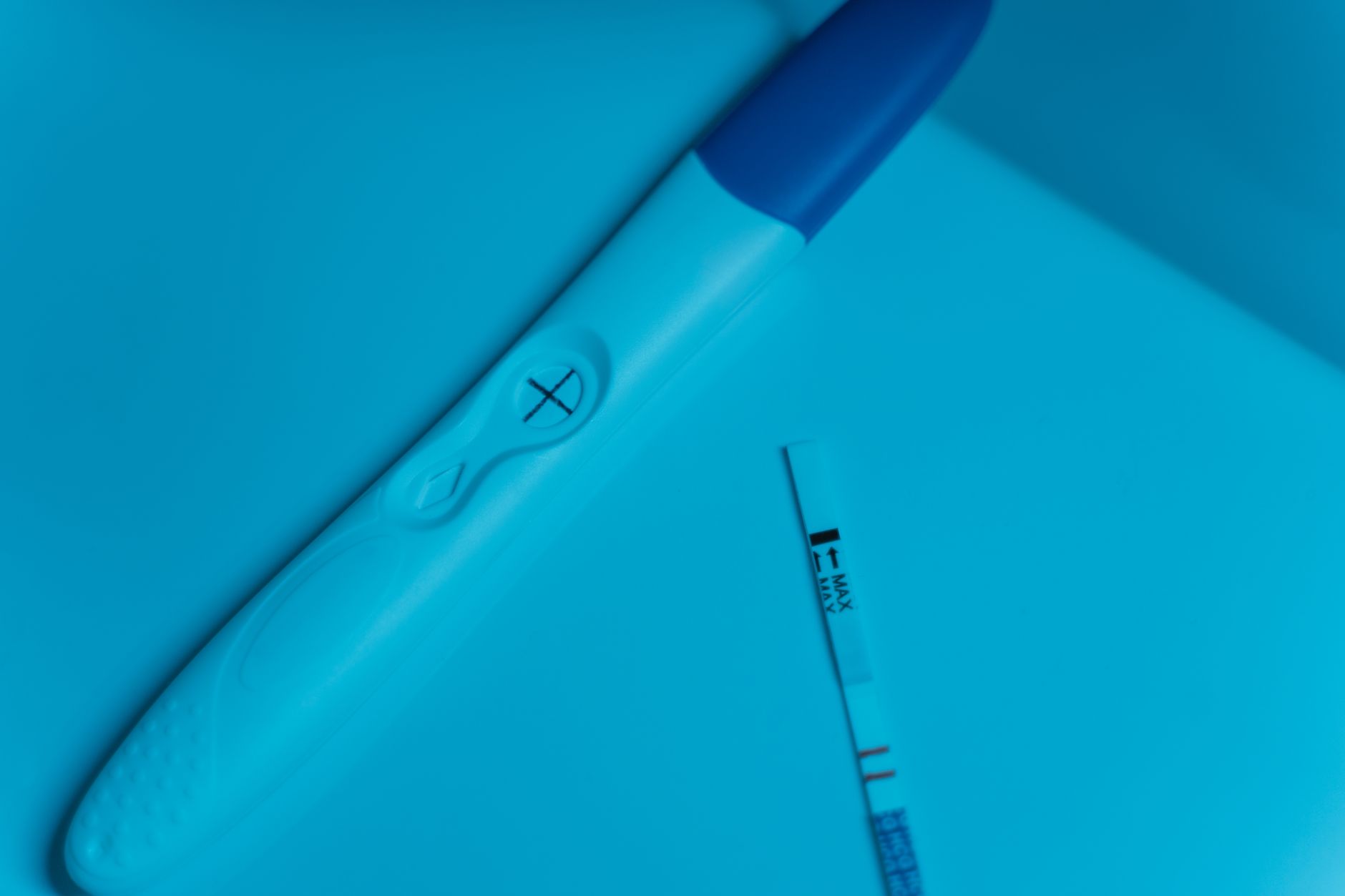
You’re staring at the tiny tube on your bathroom counter, the one you’ve relied on for years to keep breakouts at bay. Now, with a positive pregnancy test in hand, the question hits like a wave: is Differin safe during pregnancy? Maybe you’ve already used it a few times since conceiving. Maybe you’re just researching before your next refill. Either way, you’re not alone—this is one of the most common late-night Google searches for expecting parents.
Here’s the good news: you’re being proactive, and that’s exactly what your baby needs right now. The less-good news? Differin falls into a category of skincare ingredients that most obstetricians recommend avoiding during pregnancy. But before you spiral into worry, let’s break down what the evidence actually says, what safer options exist, and what to do if you’ve already used it. (Spoiler: one or two applications aren’t cause for panic.)
Differin safety during pregnancy and breastfeeding
Trimester
Verdict
Notes
First trimester
❌ Avoid
Highest risk period for organ development; retinoids are best avoided entirely.
Second trimester
❌ Avoid
While risk is lower, most guidelines recommend discontinuing retinoids throughout pregnancy.
Third trimester
❌ Avoid
No evidence of harm, but precautionary avoidance is standard.
Breastfeeding
⚠️ Caution
Limited data; some providers may allow it, but safer alternatives are preferred.
What is Differin?
Differin (adapalene) is a topical retinoid, a class of medications derived from vitamin A. It’s used to treat acne by speeding up skin cell turnover, unclogging pores, and reducing inflammation. Unlike older retinoids like Retin-A (tretinoin), Differin is available over-the-counter in the U.S. and is often recommended as a first-line acne treatment for mild to moderate breakouts.
Retinoids work by binding to specific receptors in the skin, which helps regulate cell growth and reduce acne formation. While they’re highly effective, they’re also known to cause irritation, dryness, and increased sun sensitivity—side effects that can be particularly frustrating during pregnancy, when hormonal shifts already make your skin more reactive.
Differin comes in two forms: a 0.1% gel (the most common OTC version) and a 0.3% gel (prescription-only). Both are applied once daily, usually at night, to clean, dry skin. It’s not absorbed deeply into the bloodstream, but even small amounts can theoretically cross the placental barrier—hence the caution during pregnancy.
If you’ve been using Differin and just found out you’re pregnant, you’re not alone—and stopping now is the safest next step.
Is Differin safe during pregnancy?
The short answer: no, Differin is not considered safe during pregnancy, according to the majority of obstetric and dermatologic guidelines. Here’s what the authorities say:
ACOG (American College of Obstetricians and Gynecologists): Recommends avoiding all retinoids—including topical forms like Differin—during pregnancy due to theoretical risks, even though the actual risk of birth defects from topical use is considered low.
NHS (UK National Health Service): Lists adapalene (Differin) as a medication to avoid during pregnancy, citing insufficient safety data.
FDA: Classifies adapalene as a Pregnancy Category C drug, meaning animal studies have shown potential risks, but human studies are lacking. The FDA advises using it only if the potential benefit justifies the potential risk to the fetus.
Why the caution? Retinoids, including Differin, are chemically related to isotretinoin (Accutane), an oral acne medication with a well-documented risk of severe birth defects when taken during pregnancy. While topical retinoids like Differin are absorbed in much smaller amounts, the concern is that even minimal systemic exposure could pose a risk—especially during the first trimester, when fetal organ development is most vulnerable.
That said, the actual risk of birth defects from topical retinoids is considered very low. A 2019 review in the Journal of the American Academy of Dermatology found no increased risk of major congenital malformations in infants exposed to topical retinoids during pregnancy. However, the authors noted that the data is limited, and most experts still recommend erring on the side of caution.
Bottom line: if you’re pregnant or trying to conceive, it’s best to avoid Differin. The potential risks—however small—aren’t worth it when safer alternatives exist.
Is Differin safe to use in the first trimester of pregnancy?
The first trimester (weeks 1–12) is the most critical window for fetal development. During this time, your baby’s organs, brain, and spinal cord are forming, and exposure to certain medications or chemicals can disrupt this process. This is why most providers recommend avoiding all retinoids—including Differin—during the first trimester.
While the risk of birth defects from topical retinoids is low, the first trimester is when the theoretical risk is highest. If you’ve already used Differin a few times before realizing you were pregnant, try not to panic. The amount absorbed through the skin is minimal, and the likelihood of harm is very small. However, stopping now is the safest choice.
If you’re struggling with acne during this time, talk to your provider about pregnancy-safe alternatives (more on those below). Hormonal changes can make acne worse in early pregnancy, but there are effective, low-risk options to manage it.
Can I use Differin during the second trimester?
By the second trimester (weeks 13–26), the risk of major birth defects decreases significantly because your baby’s organs are already formed. However, most obstetric guidelines still recommend avoiding Differin throughout pregnancy, including the second trimester.
The concern here isn’t just about birth defects—it’s also about the lack of long-term safety data. While the risk of harm is likely very low, there’s no conclusive evidence that topical retinoids are safe at any stage of pregnancy. Given that safer alternatives exist, most providers will advise discontinuing Differin until after delivery or breastfeeding.
If you’re dealing with persistent acne in the second trimester, your provider may recommend a pregnancy-safe topical treatment like azelaic acid or benzoyl peroxide (more on these in the “Safer Alternatives” section).
What dosage of Differin is recommended for pregnant women?
There is no “safe” dosage of Differin for pregnant women. Both the 0.1% (over-the-counter) and 0.3% (prescription) formulations are recommended to be avoided during pregnancy. Here’s why:
Minimal absorption, but not zero: Studies show that only about 0.25% of adapalene is absorbed into the bloodstream after topical application. While this is a tiny amount, it’s not zero—and during pregnancy, even small exposures to retinoids are discouraged.
No established safe threshold: Unlike some medications where a low dose might be considered safe, there’s no data to suggest that a smaller amount of Differin is risk-free during pregnancy. The precautionary principle applies here: if there’s uncertainty, avoidance is the standard recommendation.
Alternative options exist: Since there are effective, pregnancy-safe acne treatments available, most providers will steer you toward those instead of trying to find a “safe” dose of Differin.
If you’ve been using Differin and just found out you’re pregnant, stop using it immediately and talk to your provider. They can help you transition to a safer alternative and monitor your skin’s response.
Switching to a pregnancy-safe acne treatment can help you manage breakouts without worry.
What are the risks of using Differin while pregnant?
The primary concern with using Differin during pregnancy is the theoretical risk of birth defects. While the evidence is limited, here’s what we know:
Birth defects: Oral retinoids like isotretinoin (Accutane) are known to cause severe birth defects, including craniofacial, cardiac, and central nervous system abnormalities. While topical retinoids like Differin are absorbed in much smaller amounts, the concern is that even minimal exposure could pose a risk—especially during the first trimester.
Limited human data: Most studies on topical retinoids and pregnancy are small or observational. A 2019 review found no increased risk of major birth defects in infants exposed to topical retinoids, but the authors noted that the data is not robust enough to rule out all risks.
Skin irritation: Pregnancy already makes your skin more sensitive, and Differin can cause dryness, redness, and peeling. This can be uncomfortable and may worsen conditions like eczema or rosacea, which can flare during pregnancy.
Unnecessary stress: Pregnancy comes with enough worries. Using a medication that’s not recommended during this time can add unnecessary anxiety, especially if you’re already feeling overwhelmed.
It’s also worth noting that the risk of harm from Differin is likely very low. If you’ve already used it a few times, try not to panic. The amount absorbed through the skin is minimal, and the chances of it affecting your baby are small. However, stopping now and switching to a safer alternative is the best way to put your mind at ease.
Should I avoid Differin if I have eczema during pregnancy?
If you have eczema (atopic dermatitis) during pregnancy, Differin is not a good choice—and not just because of the pregnancy concerns. Here’s why:
It can worsen eczema: Differin is a retinoid, which can be drying and irritating to the skin. If you already have eczema, using Differin can make flare-ups worse, leading to more redness, itching, and discomfort.
Pregnancy can trigger eczema flares: Many women experience eczema flare-ups during pregnancy due to hormonal changes and increased skin sensitivity. Using a potentially irritating product like Differin can exacerbate this.
Safer alternatives exist: If you’re dealing with both acne and eczema during pregnancy, your provider can recommend gentle, pregnancy-safe treatments that won’t aggravate your skin. Options like zinc oxide cream or low-potency topical steroids (if prescribed) may be better suited for your needs.
If your eczema is severe, talk to your provider about a pregnancy-safe treatment plan. They may refer you to a dermatologist who specializes in treating skin conditions during pregnancy.
Is over-the-counter Differin gel safe for pregnant women?
No, over-the-counter Differin gel (0.1% adapalene) is not considered safe for pregnant women. While it’s available without a prescription, it’s still a retinoid, and the same precautions apply as with the prescription-strength version.
Here’s what you need to know:
Same active ingredient, same concerns: The OTC version of Differin contains the same active ingredient (adapalene) as the prescription-strength gel, just at a lower concentration. While the 0.1% formulation may be slightly less potent, it’s still not recommended during pregnancy.
No “safe” concentration during pregnancy: There’s no evidence that a lower concentration of adapalene is safer during pregnancy. The precautionary principle applies to all retinoids, regardless of strength.
Easier access, higher risk of misuse: Because OTC Differin is readily available, some women may continue using it during pregnancy without realizing the potential risks. If you’re pregnant or trying to conceive, it’s important to check the safety of all skincare products—even those you can buy without a prescription.
If you’ve been using OTC Differin and just found out you’re pregnant, stop using it and talk to your provider about safer alternatives. They can help you find a pregnancy-safe acne treatment that works for your skin.
Side effects and risks of Differin during pregnancy
While the primary concern with Differin during pregnancy is the theoretical risk of birth defects, there are other side effects and risks to be aware of:
Potential side effects of Differin during pregnancy
Side Effect
Why It Happens
What to Do
Skin irritation (redness, dryness, peeling)
Differin increases skin cell turnover, which can cause dryness and irritation, especially in sensitive pregnancy skin.
Stop using Differin and switch to a gentler, pregnancy-safe moisturizer or acne treatment.
Increased sun sensitivity
Retinoids make your skin more prone to sunburn, which is already a risk during pregnancy due to hormonal changes.
Use a broad-spectrum sunscreen (SPF 30 or higher) daily, and avoid prolonged sun exposure.
Worsening of eczema or rosacea
Differin can be drying and irritating, which may trigger or worsen inflammatory skin conditions.
Stop using Differin and talk to your provider about a pregnancy-safe treatment for your skin condition.
Theoretical risk of birth defects
While the risk is low, topical retinoids like Differin are chemically related to oral retinoids, which are known to cause birth defects.
Stop using Differin and discuss safer alternatives with your provider.
If you experience severe skin irritation, rash, or other concerning symptoms after using Differin, stop using it immediately and contact your provider. While these side effects are usually mild, they can be uncomfortable—and during pregnancy, your skin may be more reactive than usual.
Safer alternatives to Differin during pregnancy
If you’re dealing with acne during pregnancy, you don’t have to suffer through breakouts. There are several pregnancy-safe alternatives to Differin that can help keep your skin clear without the risks. Here are the best options, backed by obstetric and dermatologic guidelines:
Benzoyl peroxide 2.5% gel:
Benzoyl peroxide is one of the most effective and widely recommended acne treatments for pregnancy. It works by killing acne-causing bacteria and reducing inflammation. The 2.5% concentration is strong enough to be effective but gentle enough for sensitive pregnancy skin. It’s available over the counter and is considered safe by the ACOG and FDA.
Azelaic acid 15% cream:
Azelaic acid is a pregnancy-safe topical treatment that reduces inflammation, unclogs pores, and helps fade dark spots. It’s often prescribed for acne and rosacea and is considered low-risk during pregnancy. It’s available by prescription or in some over-the-counter formulations.
Low-strength salicylic acid 0.5% wash:
Salicylic acid is a beta-hydroxy acid (BHA) that exfoliates the skin and unclogs pores. While high concentrations (like those in chemical peels) should be avoided during pregnancy, low-strength salicylic acid washes (0.5% or less) are generally considered safe for occasional use. Stick to once-daily use and avoid leaving it on your skin for prolonged periods.
Sulfur mask:
Sulfur is a natural mineral that helps dry out acne and reduce inflammation. It’s available in masks, spot treatments, and cleansers and is considered safe during pregnancy. Sulfur can be drying, so follow up with a gentle moisturizer.
Tea tree oil topical solution (diluted):
Tea tree oil has antibacterial and anti-inflammatory properties that can help treat mild acne. However, it should always be diluted (mix 1–2 drops with a teaspoon of carrier oil, like jojoba or coconut oil) to avoid skin irritation. Avoid using it undiluted or ingesting it, as it can be toxic in high concentrations.
Zinc oxide cream:
Zinc oxide is a mineral-based ingredient that helps reduce inflammation and soothe irritated skin. It’s often used in diaper rash creams but can also be applied to acne-prone areas to calm breakouts. It’s safe, gentle, and non-comedogenic (won’t clog pores).
Clindamycin topical gel (prescription):
Clindamycin is a topical antibiotic that reduces acne-causing bacteria. It’s often prescribed for inflammatory acne and is considered safe during pregnancy. It’s available by prescription only, so talk to your provider if you think this might be a good option for you.
Erythromycin topical solution (prescription):
Erythromycin is another topical antibiotic that’s safe for use during pregnancy. It’s often prescribed for mild to moderate acne and can be used alone or in combination with other treatments like benzoyl peroxide.
When choosing a pregnancy-safe acne treatment, start with the gentlest option and gradually increase strength if needed. Always patch-test new products to check for irritation, and talk to your provider if you’re unsure which option is best for your skin.
Related items — acne treatment safety at a glance
If you’re navigating acne during pregnancy, you’re probably wondering about the safety of other common treatments too. Here’s a quick comparison of how Differin stacks up against other popular acne medications:
Pregnancy safety of common acne treatments
Product
Verdict
Notes
Retin-A (tretinoin)
❌ Avoid
Another topical retinoid; same precautions as Differin.
Tazorac (tazarotene)
❌ Avoid
Strong topical retinoid; considered higher risk than Differin.
Aczone (dapsone)
⚠️ Caution
Limited data; some providers may allow it, but safer alternatives are preferred.
Benzac (benzoyl peroxide)
✅ Generally safe
One of the safest and most effective acne treatments during pregnancy.
Clearasil (benzoyl peroxide)
✅ Generally safe
Over-the-counter benzoyl peroxide is pregnancy-safe.
Low-strength salicylic acid (0.5–2%) is generally safe; avoid higher concentrations.
Neutrogena Oil-Free Acne Wash (salicylic acid)
⚠️ Caution
Washes with low-strength salicylic acid are generally safe for occasional use.
La Roche-Posay Effaclar Duo (benzoyl peroxide + lipo-hydroxy acid)
✅ Generally safe
Benzoyl peroxide is safe; lipo-hydroxy acid is a gentle exfoliant with limited data but low risk.
When in doubt, benzoyl peroxide and azelaic acid are the safest bets for treating acne during pregnancy. Always check with your provider before starting any new skincare product, especially if you’re unsure about its safety.
Myth vs. fact about Differin and pregnancy
When it comes to is Differin safe during pregnancy, there’s a lot of misinformation floating around. Let’s clear up some of the most common myths:
Myth: If Differin is over-the-counter, it must be safe during pregnancy.
Fact: Just because a product is available without a prescription doesn’t mean it’s safe for use during pregnancy. Differin is a retinoid, and all retinoids—including OTC versions—are recommended to be avoided during pregnancy due to theoretical risks.
Myth: Topical retinoids like Differin are absorbed in such small amounts that they can’t harm the baby.
Fact: While the amount of adapalene absorbed through the skin is minimal, there’s no conclusive evidence that even small amounts are safe during pregnancy. Most obstetric guidelines recommend avoiding all retinoids as a precaution, especially during the first trimester.
Myth: If I’ve already used Differin during pregnancy, my baby is definitely at risk.
Fact: The risk of birth defects from topical retinoids is considered very low. If you’ve used Differin a few times before realizing you were pregnant, try not to panic. Stop using it now and talk to your provider—they can help you transition to a safer alternative and monitor your pregnancy as usual.
Key takeaways
Differin is not considered safe during pregnancy. Most obstetric authorities recommend avoiding all retinoids—including Differin—due to theoretical risks, even though the actual risk of birth defects from topical use is low.
First-trimester use is of greatest concern. The first 12 weeks are the most critical for fetal development, and exposure to retinoids during this time is particularly discouraged.
There is no “safe” dosage of Differin for pregnant women. Both the 0.1% (OTC) and 0.3% (prescription) formulations are recommended to be avoided.
Safer alternatives exist. Benzoyl peroxide, azelaic acid, and low-strength salicylic acid washes are effective, pregnancy-safe options for treating acne.
If you’ve already used Differin, don’t panic. The risk of harm is very low, but stopping now and switching to a safer alternative is the best way to put your mind at ease.
Always talk to your provider. If you’re unsure about the safety of any skincare product during pregnancy, your provider can help you make an informed decision.
Frequently asked questions
Can I use Differin while pregnant?
No, Differin is not recommended for use during pregnancy. While the risk of birth defects from topical retinoids like Differin is considered low, most obstetric guidelines advise avoiding all retinoids as a precaution. If you’re pregnant or trying to conceive, talk to your provider about safer alternatives for treating acne.
What are the side effects of Differin during pregnancy?
The main concern with Differin during pregnancy is the theoretical risk of birth defects. Other side effects include skin irritation (redness, dryness, peeling), increased sun sensitivity, and potential worsening of conditions like eczema or rosacea. If you experience severe irritation or rash, stop using Differin and contact your provider.
Is it safe to use retinoids in the third trimester?
No, retinoids—including Differin—are not considered safe during any trimester of pregnancy. While the risk of birth defects is highest in the first trimester, most guidelines recommend avoiding retinoids throughout pregnancy due to the lack of conclusive safety data. Safer alternatives exist for treating acne in the third trimester.
What acne treatments are safe during pregnancy?
Benzoyl peroxide, azelaic acid, and low-strength salicylic acid washes are among the safest acne treatments during pregnancy. Other options include sulfur masks, diluted tea tree oil, zinc oxide cream, and prescription topical antibiotics like clindamycin or erythromycin. Always talk to your provider before starting any new skincare product during pregnancy.
Does Differin cause birth defects?
The risk of birth defects from topical retinoids like Differin is considered very low, but not zero. Oral retinoids (like isotretinoin) are known to cause severe birth defects, and while topical retinoids are absorbed in much smaller amounts, most experts recommend avoiding them during pregnancy as a precaution. If you’ve used Differin before realizing you were pregnant, try not to panic—the risk is minimal.
How long should I stop using Differin before trying to get pregnant?
Most providers recommend stopping Differin at least one month before trying to conceive. This gives your body time to clear any residual medication and reduces the risk of exposure during the early weeks of pregnancy, when fetal development is most vulnerable. If you’re planning a pregnancy, talk to your provider about transitioning to a pregnancy-safe acne treatment.
Can topical acne medication be absorbed enough to affect the baby?
Most topical acne medications are absorbed in very small amounts, but some—like retinoids—are still recommended to be avoided during pregnancy. While the risk of harm from topical retinoids is low, the precautionary principle applies: if there’s uncertainty, avoidance is the safest choice. Benzoyl peroxide and azelaic acid are absorbed in negligible amounts and are considered safe during pregnancy.
Are over-the-counter acne products safer than prescription ones during pregnancy?
Not necessarily. Some over-the-counter acne products—like Differin (adapalene)—are not recommended during pregnancy, while some prescription products (like clindamycin or erythromycin) are considered safe. Always check the active ingredients and talk to your provider before using any acne treatment during pregnancy.
When to call your doctor
While the risk of harm from Differin during pregnancy is low, there are a few situations where you should contact your provider:
You’ve been using Differin and just found out you’re pregnant.
You experience severe skin irritation, rash, or allergic reaction after using Differin.
You’re struggling with persistent acne and need help finding a pregnancy-safe treatment.
You’re planning a pregnancy and want to transition off Differin safely.
You have questions or concerns about the safety of any skincare product during pregnancy.
Remember: this article is informational only and not a substitute for medical advice. Always talk to your provider about your specific situation and follow their guidance.
References
American College of Obstetricians and Gynecologists (ACOG). (2021). Skin Conditions During Pregnancy.
National Health Service (NHS). (2023). Can I Use Adapalene (Differin) While Pregnant?
U.S. Food and Drug Administration (FDA). (2022). Pregnancy and Lactation Labeling (Drugs) Final Rule.
Murase, J. E., Heller, M. M., & Butler, D. C. (2014). Safety of dermatologic medications in pregnancy and lactation: Part I. Pregnancy. Journal of the American Academy of Dermatology, 70(3), 401.e1-401.e14.
Panchaud, A., et al. (2019). Pregnancy outcome following exposure to topical retinoids: A multicenter prospective study. Journal of the American Academy of Dermatology, 80(4), 1078-1084.
Mayo Clinic. (2023). Pregnancy and Acne: What’s Safe to Use?
American Academy of Dermatology (AAD). (2022). Acne During Pregnancy: Treatment and Safety.
Not sure about the label on Is Differin Safe During Pregnancy products?
Snap the ingredients list and SafeFilter checks every ingredient for your stage — only 3 free scans this month, then you're locked until reset. Unlimited from $7/mo or $50/yr.
When Shubhra Mishra was expecting her first child in 2016, she was overwhelmed by conflicting food advice — one site said yes, another said never. By the time her second baby arrived in 2019, she realized millions of mothers face the same confusion.
That sparked a five-year journey through clinical nutrition papers, cultural diets, and expert conversations — all leading to BumpBites: a calm, compassionate space where science meets everyday motherhood.
Her long-term vision is to build a global community ensuring safe, supported, and free deliveriesfor every mother — because no woman should face pregnancy alone or uninformed. 🌿
🌍 Stand with mothers, shape safer guidance
Join a small circle of experts who review BumpBites articles so expecting parents everywhere can decide with confidence.