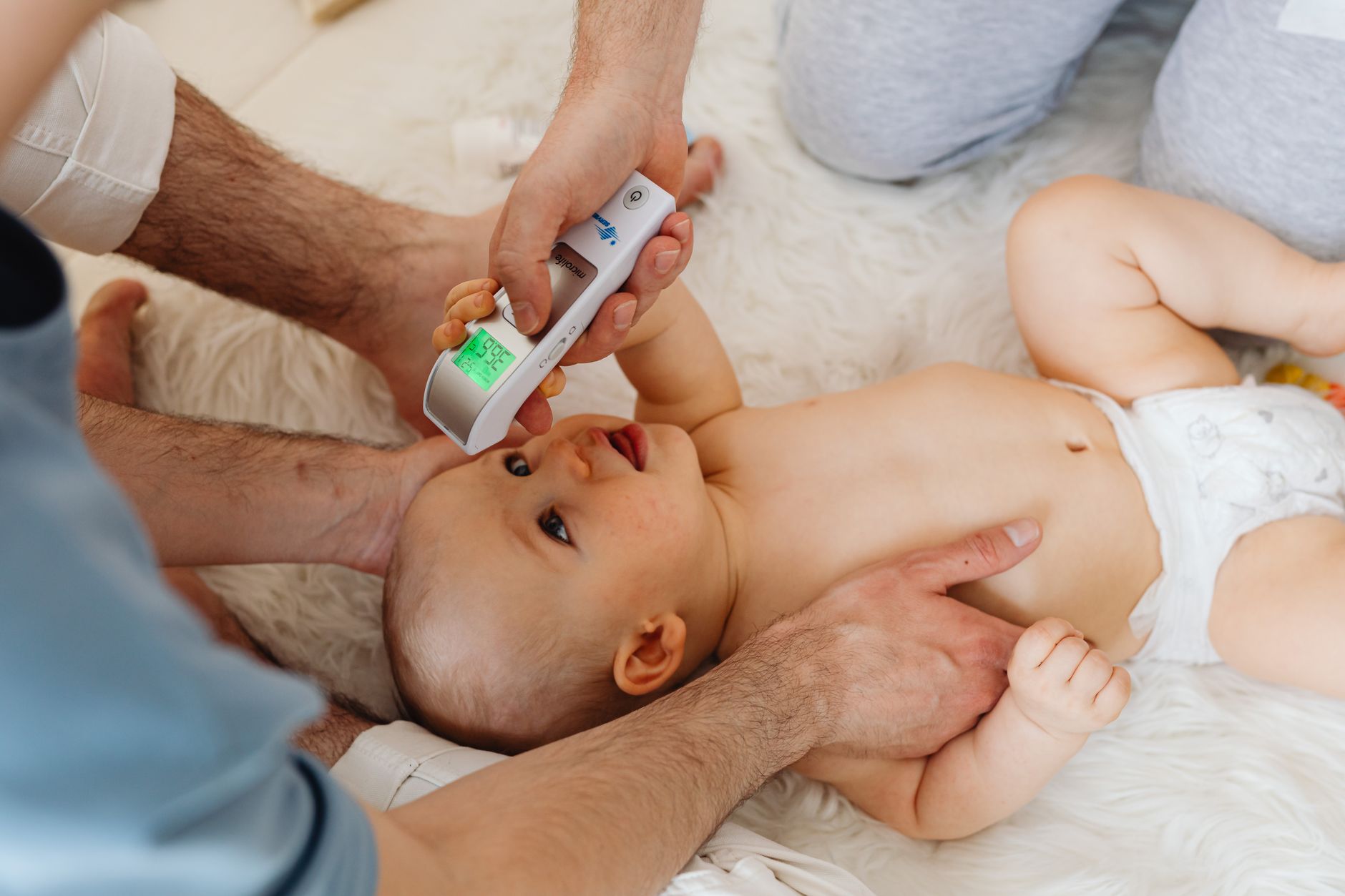
Safe in moderation. Baby Motrin (ibuprofen) is generally safe during pregnancy if used in the recommended dosage, but avoid it in the third trimester unless advised by a doctor.
By Shubhra Mishra — a mom of two who turned her own confusion during pregnancy into BumpBites, a global mission to make food choices clear, safe, and stress-free for every expecting mother. 💛
Check whether any food is safe during pregnancy with the BumpBites Food Safety Checker.
Quick verdict: ⚠️ Motrin (ibuprofen) is not recommended for babies under 6 months old due to the risk of kidney damage and other serious side effects. For infants 6 months and older, Motrin can be used for fever or pain relief at the correct dosage, but acetaminophen (Tylenol) is generally considered the safer first choice for babies of all ages. Always consult your pediatrician before giving any medication to your baby.
You’re up at 2 a.m., your baby is fussy, their forehead feels warm, and the thermometer confirms it: a fever. You reach for the medicine cabinet, but then the panic sets in—is Baby Motrin safe for my baby? Maybe you’ve heard conflicting advice, or maybe this is the first time you’re considering giving medication to your little one. Take a deep breath. We’re here to walk you through what’s safe, what’s not, and what to do instead.
Motrin (ibuprofen) is a common over-the-counter medication for pain and fever, but when it comes to babies—especially newborns and infants under 6 months—it’s not as straightforward as you might think. In this guide, we’ll cover everything you need to know: whether Motrin is safe for your baby’s age, how much to give (and when), what side effects to watch for, and safer alternatives that can bring relief without the risks. By the end, you’ll have a clear plan—and permission to stop worrying.
Safety snapshot: Motrin for babies at a glance
Age group
Verdict
Notes
Newborns (0–3 months)
❌ Not recommended
Risk of kidney damage and other serious side effects. Always call your pediatrician before giving any medication.
Infants (3–6 months)
❌ Not recommended
Same risks as newborns. Acetaminophen (Tylenol) is the preferred choice for fever or pain relief.
Babies (6–12 months)
⚠️ Safe with limits
Can be used at the correct dosage for fever or pain, but acetaminophen is still the safer first option. Always follow your pediatrician’s guidance.
Toddlers (12+ months)
⚠️ Safe with limits
Generally safe at the correct dosage, but monitor for side effects like stomach upset or allergic reactions.
Motrin Infant Drops are formulated for babies 6 months and older, but always check with your pediatrician before use.
What is Motrin?
Motrin is a brand name for ibuprofen, a nonsteroidal anti-inflammatory drug (NSAID) commonly used to reduce fever, relieve pain, and decrease inflammation. It works by blocking the production of prostaglandins—chemicals in the body that cause pain, fever, and swelling. While Motrin is widely used for adults and older children, its safety and effectiveness for babies, particularly those under 6 months, are more limited.
Motrin comes in several formulations for children and infants, including:
Motrin Infant Drops: A concentrated liquid designed for babies 6 months and older, with a dosing syringe for precise measurement.
Children’s Motrin Liquid: A less concentrated liquid for older infants and toddlers, typically used for ages 2 and up.
Motrin Chewable Tablets: For children who can safely chew tablets, usually recommended for ages 2 and older.
While Motrin is effective for reducing fever and pain, it’s not without risks—especially for young babies. That’s why understanding the age guidelines, dosage, and potential side effects is so important before giving it to your little one.
Is Motrin safe for babies?
The short answer is: it depends on your baby’s age. According to the American Academy of Pediatrics (AAP), the U.S. Food and Drug Administration (FDA), and the National Health Service (NHS) in the UK, Motrin (ibuprofen) is not recommended for babies under 6 months old. For infants 6 months and older, Motrin can be used for fever or pain relief, but it should be given at the correct dosage and only when necessary.
Here’s why age matters so much:
Kidney function: Ibuprofen is processed by the kidneys, and babies under 6 months have immature kidney function. This increases the risk of kidney damage or failure, especially if the baby is dehydrated (a common issue during illness).
Stomach irritation: Ibuprofen can irritate the stomach lining, leading to discomfort, nausea, or even bleeding in rare cases. Babies’ stomachs are more sensitive, making this a bigger concern.
Allergic reactions: While rare, some babies may have an allergic reaction to ibuprofen, which can cause symptoms like rash, swelling, or difficulty breathing.
Overdose risk: Giving too much Motrin can lead to serious complications, including kidney damage, seizures, or even coma. This risk is higher in younger babies because their bodies process medications differently.
For these reasons, acetaminophen (Tylenol) is the preferred choice for fever and pain relief in babies of all ages. It’s processed by the liver rather than the kidneys, making it a safer option for young infants. However, acetaminophen also has risks if overdosed, so it’s important to follow dosing guidelines carefully (more on that later).
If your baby is under 6 months old and has a fever, the AAP recommends calling your pediatrician before giving any medication. Fevers in newborns can sometimes signal a serious infection, so it’s important to rule out underlying causes.
Safety by age group
Newborns (0–3 months)
Verdict: ❌ Not recommended
Motrin should never be given to newborns under 3 months old. At this age, babies’ kidneys and liver are still developing, and ibuprofen can put too much strain on these organs. Additionally, fevers in newborns can be a sign of a serious infection, such as meningitis or a urinary tract infection, so it’s critical to call your pediatrician right away. They may recommend bringing your baby in for evaluation rather than giving medication at home.
If your pediatrician advises giving medication for a fever, they will likely recommend acetaminophen (Tylenol) at a very specific dosage based on your baby’s weight. Never give Motrin to a newborn without explicit guidance from your doctor.
Infants (3–6 months)
Verdict: ❌ Not recommended
Even though your baby is a little older, Motrin is still not recommended for infants between 3 and 6 months. The risks of kidney damage, stomach irritation, and overdose remain high at this age. If your baby has a fever or seems uncomfortable, the AAP and FDA recommend using acetaminophen (Tylenol) instead, as it’s processed by the liver and is less likely to cause kidney-related complications.
As with newborns, always call your pediatrician before giving any medication to a baby under 6 months. They can help you determine whether medication is necessary or if your baby should be seen in person.
Babies (6–12 months)
Verdict: ⚠️ Safe with limits
For babies 6 months and older, Motrin can be used to reduce fever or relieve pain, but it should be given at the correct dosage and only when necessary. The AAP and FDA consider ibuprofen safe for this age group, but it’s still not the first-line recommendation. Acetaminophen (Tylenol) is generally preferred because it has a lower risk of side effects, especially for babies with sensitive stomachs or mild dehydration.
If you do give Motrin to your baby, follow these guidelines:
Always use the dosing syringe or dropper that comes with the medication to ensure accuracy.
Give the medication with food or milk to reduce the risk of stomach irritation.
Avoid giving Motrin if your baby is dehydrated (signs include fewer wet diapers, dry mouth, or sunken eyes), as this increases the risk of kidney damage.
Do not give Motrin for more than 3 days in a row for fever or 5 days in a row for pain without consulting your pediatrician.
If your baby’s fever persists for more than 24 hours or if they seem unusually fussy, lethargic, or dehydrated, call your pediatrician right away.
Toddlers (12+ months)
Verdict: ⚠️ Safe with limits
For toddlers 12 months and older, Motrin is generally considered safe when used as directed. At this age, the risks of kidney damage and stomach irritation are lower, but it’s still important to follow dosage guidelines and monitor for side effects. Motrin can be particularly helpful for reducing high fevers or relieving pain from teething, ear infections, or minor injuries.
Here’s what to keep in mind for toddlers:
Use the correct formulation (e.g., Children’s Motrin Liquid or Chewable Tablets) based on your child’s age and weight.
Give the medication with food or milk to minimize stomach upset.
Avoid giving Motrin if your child is vomiting or has diarrhea, as they may be dehydrated.
Do not give Motrin for more than 3 days for fever or 10 days for pain without consulting your pediatrician.
As always, if your child’s symptoms worsen or don’t improve, call your pediatrician for guidance.
Is Motrin safe for newborns and infants under 6 months?
No, Motrin is not safe for newborns or infants under 6 months old. The American Academy of Pediatrics (AAP), FDA, and NHS all advise against giving ibuprofen (the active ingredient in Motrin) to babies in this age group due to the risk of serious side effects, including:
Kidney damage or failure: Ibuprofen is processed by the kidneys, and babies under 6 months have immature kidney function. This increases the risk of kidney-related complications, especially if the baby is dehydrated (a common issue during illness).
Stomach irritation or bleeding: Ibuprofen can irritate the stomach lining, leading to discomfort, nausea, or even bleeding in rare cases. Babies’ stomachs are more sensitive, making this a bigger concern.
Allergic reactions: While rare, some babies may have an allergic reaction to ibuprofen, which can cause symptoms like rash, swelling, or difficulty breathing.
Overdose: Giving too much Motrin can lead to serious complications, including seizures or coma. The risk is higher in younger babies because their bodies process medications differently.
If your baby under 6 months has a fever, the AAP recommends calling your pediatrician before giving any medication. Fevers in newborns and young infants can sometimes signal a serious infection, so it’s important to rule out underlying causes. If your pediatrician advises giving medication, they will likely recommend acetaminophen (Tylenol), which is processed by the liver and is considered safer for young infants.
Never give Motrin to a baby under 6 months without explicit guidance from your pediatrician. If you’re unsure, it’s always better to err on the side of caution and call your doctor.
If your baby under 6 months has a fever, always call your pediatrician before giving any medication.
What is the safe dosage of Motrin for a 3-month-old baby?
Motrin should not be given to a 3-month-old baby. The FDA, AAP, and NHS all recommend against using ibuprofen (the active ingredient in Motrin) for infants under 6 months due to the risk of kidney damage, stomach irritation, and other serious side effects. If your 3-month-old has a fever or seems uncomfortable, call your pediatrician for guidance. They will likely recommend acetaminophen (Tylenol) at a dosage based on your baby’s weight.
For babies 6 months and older, the safe dosage of Motrin depends on your child’s weight, not their age. Here’s a general guideline for Motrin Infant Drops (50 mg/1.25 mL concentration):
Baby’s weight
Dosage (Motrin Infant Drops)
Maximum daily dose
12–17 lbs (5.4–7.7 kg)
1.25 mL (50 mg)
3 doses in 24 hours (every 6–8 hours)
18–23 lbs (8.2–10.4 kg)
1.875 mL (75 mg)
3 doses in 24 hours (every 6–8 hours)
Always use the dosing syringe or dropper that comes with the medication to ensure accuracy. Never use a household spoon, as this can lead to incorrect dosing. If you’re unsure about the dosage, call your pediatrician or pharmacist for guidance.
Here are some additional tips for safe dosing:
Weigh your baby: Dosage is based on weight, not age. Use a baby scale or your pediatrician’s scale for accuracy.
Space doses correctly: Do not give Motrin more often than every 6–8 hours. Giving it too frequently can increase the risk of side effects.
Avoid combining medications: Do not give Motrin at the same time as other ibuprofen-containing products (e.g., Advil) or other NSAIDs, as this can lead to overdose.
Check the concentration: Motrin Infant Drops are more concentrated than Children’s Motrin Liquid. Make sure you’re using the correct product for your baby’s age and weight.
If your baby spits up or vomits within 15 minutes of giving Motrin, you can give another dose. However, if it’s been longer than 15 minutes, wait until the next scheduled dose to avoid overdosing.
Can I give Motrin to a baby who has a fever?
It depends on your baby’s age. Motrin (ibuprofen) can be given to babies 6 months and older to reduce fever, but it’s not recommended for infants under 6 months. For babies in this younger age group, acetaminophen (Tylenol) is the safer choice for fever relief. Here’s what you need to know:
For babies under 6 months
Do not give Motrin. Fevers in newborns and young infants can sometimes signal a serious infection, so it’s important to call your pediatrician before giving any medication. They may recommend bringing your baby in for evaluation or suggest giving acetaminophen (Tylenol) at a dosage based on your baby’s weight.
Signs that you should call your pediatrician right away include:
A fever of 100.4°F (38°C) or higher in a baby under 3 months.
A fever of 102°F (38.9°C) or higher in a baby 3–6 months.
Fever lasting more than 24 hours in a baby under 6 months.
Other symptoms like lethargy, poor feeding, rash, difficulty breathing, or unusual fussiness.
For babies 6 months and older
Motrin can be used to reduce fever, but it should be given at the correct dosage and only when necessary. The AAP and FDA consider ibuprofen safe for this age group, but it’s still not the first-line recommendation. Acetaminophen is generally preferred because it has a lower risk of side effects, especially for babies with sensitive stomachs or mild dehydration.
Here’s how to safely give Motrin for fever:
Check the dosage: Use the dosing chart based on your baby’s weight (see the table above). Never exceed the recommended dose.
Use the right product: Motrin Infant Drops are formulated for babies 6–23 months. Children’s Motrin Liquid is for older toddlers.
Give with food or milk: This can help reduce the risk of stomach irritation.
Space doses correctly: Do not give Motrin more often than every 6–8 hours. Giving it too frequently can increase the risk of side effects.
Monitor for dehydration: Fever can cause fluid loss, so offer your baby plenty of breast milk, formula, or water (if they’re over 6 months). Signs of dehydration include fewer wet diapers, dry mouth, or sunken eyes.
If your baby’s fever doesn’t improve within 24 hours or if they seem unusually fussy, lethargic, or dehydrated, call your pediatrician. They can help determine whether further evaluation is needed.
What are the possible side effects of Motrin for babies?
While Motrin (ibuprofen) can be effective for reducing fever and pain in babies 6 months and older, it’s not without risks. Like all medications, Motrin can cause side effects, some of which can be serious. Here’s what to watch for:
Common side effects (usually mild)
These side effects are generally mild and may go away on their own. However, if they persist or worsen, call your pediatrician:
Stomach upset or nausea: Motrin can irritate the stomach lining, leading to discomfort or mild nausea. Giving the medication with food or milk can help reduce this risk.
Diarrhea or constipation: Some babies may experience changes in bowel movements after taking Motrin.
Dizziness or drowsiness: Motrin can cause mild dizziness or sleepiness in some babies.
Mild rash or itching: This could be a sign of a mild allergic reaction. If the rash spreads or is accompanied by other symptoms, call your pediatrician.
Serious side effects (seek medical attention immediately)
These side effects are rare but require immediate medical attention. Call your pediatrician or seek emergency care if your baby experiences any of the following:
Severe allergic reaction: Symptoms include hives, swelling of the face/lips/tongue, difficulty breathing, or wheezing. This is a medical emergency.
Stomach pain or vomiting blood: This could indicate stomach bleeding, which is a serious side effect of ibuprofen.
Black or bloody stools: This is another sign of stomach bleeding and requires immediate medical attention.
Decreased urination or dark urine: This could signal kidney damage, especially if your baby is dehydrated. Signs of dehydration include fewer wet diapers, dry mouth, or sunken eyes.
Seizures or confusion: These are signs of a serious overdose or adverse reaction and require emergency care.
Yellowing of the skin or eyes (jaundice): This could indicate liver problems, though it’s more commonly associated with acetaminophen overdose.
Long-term risks
While rare, long-term or excessive use of Motrin can increase the risk of:
Kidney damage: Ibuprofen is processed by the kidneys, and prolonged use can strain these organs, especially in babies with pre-existing kidney problems or dehydration.
Stomach ulcers or bleeding: Long-term use of NSAIDs like ibuprofen can increase the risk of stomach ulcers or bleeding, though this is more common in adults.
Increased risk of infections: Some studies suggest that long-term NSAID use may slightly increase the risk of certain infections, though this is not well-studied in infants.
To minimize the risk of side effects, always follow the dosing guidelines, avoid giving Motrin to babies under 6 months, and never combine it with other ibuprofen-containing products. If your baby has a pre-existing medical condition (e.g., kidney or liver problems), talk to your pediatrician before giving Motrin.
Always monitor your baby for side effects after giving medication, and call your pediatrician if you notice anything unusual.
Are there safer alternatives to Motrin for treating infant fever and pain?
Yes! If your baby is under 6 months old or if you’re looking for a safer option for fever or pain relief, acetaminophen (Tylenol) is the gold standard. It’s processed by the liver rather than the kidneys, making it a gentler choice for young infants. Here are some of the safest and most effective alternatives to Motrin for babies:
1. Tylenol Infant Drops (acetaminophen)
Why it’s safer: Acetaminophen is the AAP’s recommended first choice for fever and pain relief in babies of all ages, including newborns. It has a lower risk of kidney damage and stomach irritation compared to ibuprofen.
Dosage: Follow the dosing chart based on your baby’s weight. For infants under 24 lbs, the typical dose is 1.25 mL (40 mg) every 4–6 hours, with a maximum of 5 doses in 24 hours.
Formulation: Tylenol Infant Drops are concentrated for precise dosing in young babies.
2. Children’s Tylenol (acetaminophen) syrup
Why it’s safer: Like Tylenol Infant Drops, this liquid formulation is safe for babies 2 months and older (with pediatrician approval). It’s less concentrated than the infant drops, making it a good option for older infants and toddlers.
Dosage: Dosage is based on weight. For example, a 12–17 lb baby can take 2.5 mL (80 mg) every 4–6 hours, with a maximum of 5 doses in 24 hours.
Formulation: Comes with a dosing syringe or cup for accuracy.
3. Calpol Infant Suspension (acetaminophen)
Why it’s safer: Calpol is a popular brand of acetaminophen in the UK and other countries. It’s safe for babies 2 months and older (with pediatrician approval) and is known for its gentle formulation.
Dosage: Follow the weight-based dosing chart on the packaging. For example, a 9–12 lb baby can take 2.5 mL every 4–6 hours.
Formulation: Comes in a strawberry-flavored liquid that many babies tolerate well.
4. Little Fevers Acetaminophen Drops
Why it’s safer: These drops are specifically formulated for infants and are free of dyes, alcohol, and artificial flavors. They’re a good option for parents who prefer a more natural formulation.
Dosage: Dosage is based on weight. For example, a 6–11 lb baby can take 0.4 mL (16 mg) every 4–6 hours.
Formulation: Comes with a dosing syringe for precise measurement.
5. Infant Acetaminophen (e.g., Pediacare)
Why it’s safer: Pediacare and other infant acetaminophen products are designed for babies 2 months and older. They’re processed by the liver, making them a safer choice for young infants.
Dosage: Follow the weight-based dosing chart. For example, a 12–17 lb baby can take 1.25 mL (40 mg) every 4–6 hours.
Formulation: Comes in a grape-flavored liquid that’s easy to administer.
6. Feverfew herbal tea (for older infants, with caution)
Why it’s safer: Feverfew is an herbal remedy traditionally used to reduce fever and inflammation. However, it’s not recommended for babies under 6 months, and even for older infants, it should be used with caution and only under the guidance of a pediatrician.
Dosage: If your pediatrician approves, you can brew a weak tea using 1/4 teaspoon of dried feverfew leaves in 1 cup of hot water. Let it cool, then offer 1–2 teaspoons to your baby (if they’re over 6 months). Do not sweeten with honey, as honey is unsafe for babies under 1 year.
Formulation: Always use organic, food-grade feverfew leaves to avoid contaminants.
Additional non-medication strategies for fever and pain relief
In addition to medication, there are several non-pharmacological strategies you can use to comfort your baby and reduce fever or pain:
Hydration: Offer breast milk, formula, or water (if your baby is over 6 months) frequently to prevent dehydration.
Cool compress: Use a damp, cool washcloth on your baby’s forehead or neck to help lower their temperature.
Light clothing: Dress your baby in lightweight, breathable clothing to help them stay cool.
Room temperature: Keep the room at a comfortable temperature (around 68–72°F or 20–22°C) to prevent overheating.
Comfort measures: Cuddle, rock, or sing to your baby to help them feel secure and relaxed.
Teething remedies: If your baby is teething, offer a chilled (not frozen) teething ring or gently rub their gums with a clean finger.
Remember, fever is the body’s natural response to infection, and a low-grade fever (under 102°F or 38.9°C) doesn’t always need to be treated with medication. Focus on keeping your baby comfortable and hydrated, and call your pediatrician if the fever persists or if your baby seems unusually fussy or lethargic.
Is Motrin safe for babies with kidney or liver problems?
No, Motrin is not safe for babies with kidney or liver problems. Ibuprofen (the active ingredient in Motrin) is processed by the kidneys, and babies with pre-existing kidney conditions are at a higher risk of kidney damage or failure when taking this medication. Similarly, while ibuprofen is not primarily processed by the liver, babies with liver problems may have difficulty metabolizing the drug, increasing the risk of side effects.
Kidney problems
If your baby has a history of kidney problems, such as:
Congenital kidney defects
Kidney disease
Dehydration (which can strain the kidneys)
A history of kidney stones
Motrin should be avoided entirely. The kidneys are responsible for filtering ibuprofen out of the body, and impaired kidney function can lead to a buildup of the drug, increasing the risk of toxicity. Instead, your pediatrician will likely recommend acetaminophen (Tylenol), which is processed by the liver and is a safer option for babies with kidney issues.
Liver problems
While ibuprofen is not primarily metabolized by the liver, babies with liver problems may still be at risk. Conditions such as:
Liver disease
Jaundice (yellowing of the skin or eyes)
Gilbert’s syndrome (a mild liver condition)
can affect how your baby’s body processes medications. In these cases, your pediatrician may recommend lower doses of acetaminophen or avoid it altogether, depending on the severity of the liver condition. Never give Motrin to a baby with liver problems without consulting your pediatrician first.
What to do if your baby has kidney or liver problems
If your baby has a pre-existing kidney or liver condition, here’s what you should do:
Call your pediatrician: Before giving any medication, including Motrin or acetaminophen, consult your pediatrician. They can recommend the safest option based on your baby’s specific condition.
Avoid NSAIDs: In addition to Motrin, avoid other NSAIDs like Advil or Aleve, as these can also strain the kidneys.
Monitor for side effects: If your pediatrician approves acetaminophen, watch for signs of liver toxicity, such as jaundice, dark urine, or unusual tiredness.
Stay hydrated: Offer breast milk, formula, or water (if your baby is over 6 months) frequently to support kidney and liver function.
Follow up: Regular check-ups with your pediatrician are important to monitor your baby’s kidney or liver function over time.
If your baby has a fever or seems uncomfortable, focus on non-medication strategies like hydration, cool compresses, and comfort measures. Always err on the side of caution and call your pediatrician if you’re unsure.
Not sure about the label on Is Baby Motrin Safe For Baby products?
Snap the ingredients list and SafeFilter checks every ingredient for your stage — only 3 free scans this month, then you're locked until reset. Unlimited from $7/mo or $50/yr.
When Shubhra Mishra was expecting her first child in 2016, she was overwhelmed by conflicting food advice — one site said yes, another said never. By the time her second baby arrived in 2019, she realized millions of mothers face the same confusion.
That sparked a five-year journey through clinical nutrition papers, cultural diets, and expert conversations — all leading to BumpBites: a calm, compassionate space where science meets everyday motherhood.
Her long-term vision is to build a global community ensuring safe, supported, and free deliveriesfor every mother — because no woman should face pregnancy alone or uninformed. 🌿
🌍 Stand with mothers, shape safer guidance
Join a small circle of experts who review BumpBites articles so expecting parents everywhere can decide with confidence.