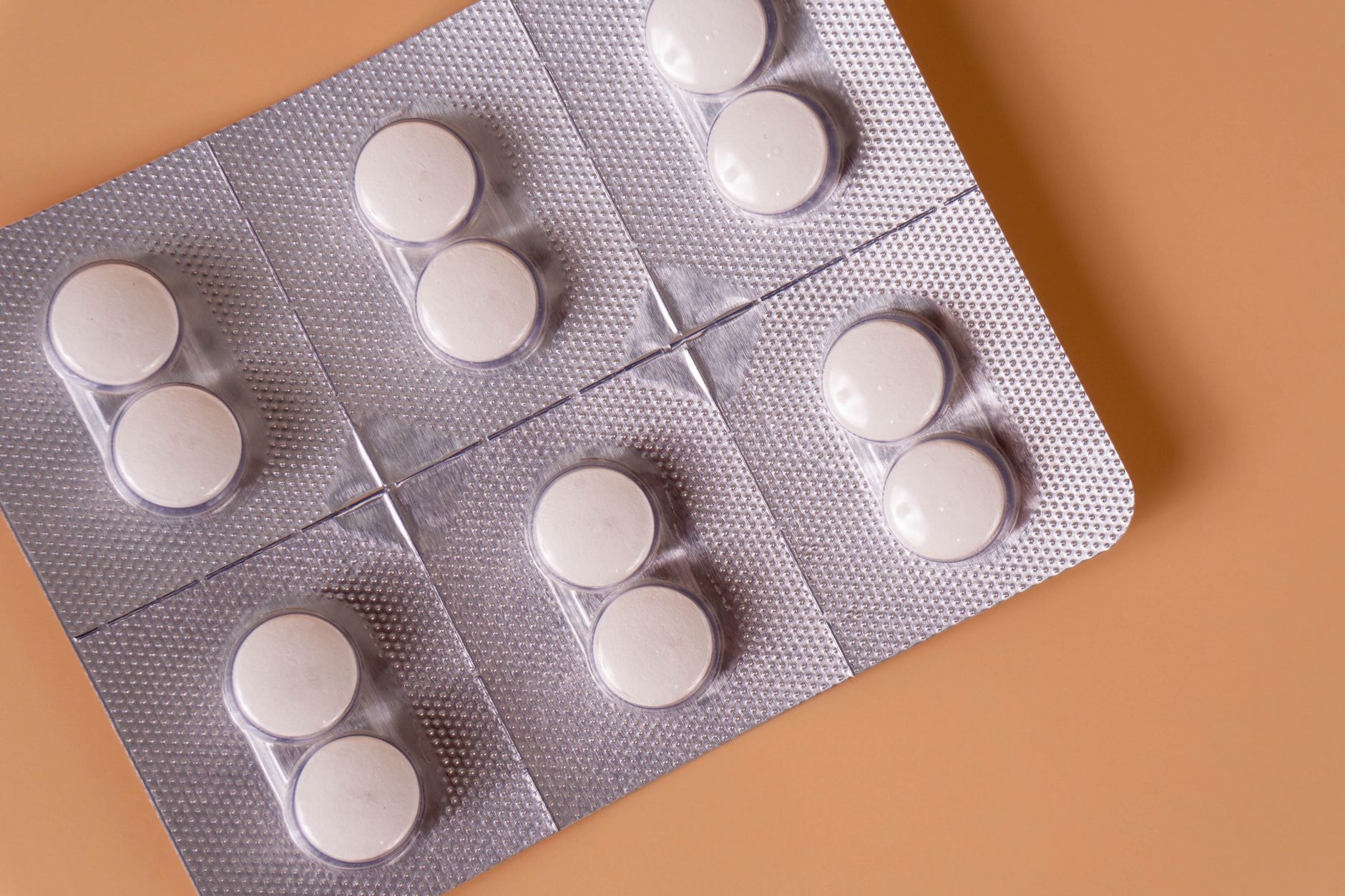
Safe in specific cases. Baby aspirin may be prescribed during pregnancy, but only at a low dosage (81mg) and typically after the first trimester. Always consult your doctor.
By Shubhra Mishra — a mom of two who turned her own confusion during pregnancy into BumpBites, a global mission to make food choices clear, safe, and stress-free for every expecting mother. 💛
Check whether any food is safe during pregnancy with the BumpBites Food Safety Checker.
Quick verdict: ⚠️ Talk to your doctor first. Low‑dose (baby) aspirin can be appropriate in certain pregnancy situations, but it isn’t universally safe for every pregnant person.
It’s common to stare at the pharmacy aisle at 2 a.m. and wonder, “is baby aspirin safe during pregnancy?” You might have already taken a tablet for a headache or read that low‑dose aspirin helps prevent preeclampsia. The good news is that the answer isn’t a simple yes or no—there are nuances based on timing, dosage, and your health history. In this article we’ll give you a clear verdict, break down safety by trimester, explain the recommended dosage, flag potential risks, and suggest safer alternatives you can feel confident about.
We’ll also compare baby aspirin to other common blood‑thinners and pain relievers, so you’ll have a handy reference if you’re weighing options. All guidance reflects the latest recommendations from the American College of Obstetricians and Gynecologists (ACOG), the UK’s National Health Service (NHS), the U.S. Food and Drug Administration (FDA), and the Centers for Disease Control and Prevention (CDC). Remember, this information is educational—not a substitute for personalized medical advice.
Because anxiety can amplify any uncertainty, we start each section with a short, reassuring statement. If you’ve already taken a dose, take a breath—most experts agree that a single low‑dose exposure rarely causes problems, but we’ll tell you exactly what to watch for and when to call your provider.
Keep a small bottle of baby aspirin handy only if your provider says it’s right for you.
Period
Verdict
Notes
First trimester
⚠️ Use only under provider guidance
Potential risk for bleeding; benefits usually outweigh risks only for specific conditions.
Second trimester
✅ Generally safe when prescribed
Commonly used for preeclampsia prevention after 12 weeks.
Third trimester
⚠️ Use with caution
Risk of delayed labor or neonatal bleeding; often stopped at 36 weeks.
Breastfeeding
✅ Considered safe
Small amounts pass into milk; no adverse effects reported.
What is baby aspirin?
Baby aspirin is a low‑dose formulation of acetylsalicylic acid, typically 81 mg per tablet (some brands use 75 mg). It works by irreversibly inhibiting the enzyme cyclooxygenase‑1 (COX‑1), which reduces the formation of thromboxane A2—a molecule that tells platelets to clump together. Because platelet aggregation is essential for blood clotting, baby aspirin is classified as an antiplatelet agent. The low dose is enough to thin the blood slightly without the stronger pain‑relieving and anti‑inflammatory effects of regular‑strength aspirin (325 mg). Pregnant people may be prescribed baby aspirin to reduce the risk of certain vascular complications, most notably preeclampsia, a condition marked by high blood pressure and organ damage.
Low‑dose aspirin has been available over the counter for decades and is often recommended for heart‑healthy adults. Its convenient 81‑mg tablet size makes it a popular choice for daily prophylaxis. In obstetrics, the same formulation is repurposed because the modest antiplatelet effect can improve placental blood flow without dramatically increasing bleeding risk—provided it’s used in the right clinical context.
Is baby aspirin safe during pregnancy?
Current guidance from ACOG and the NHS states that low‑dose aspirin is safe for most pregnant people when it is prescribed for a specific medical indication, such as a history of preeclampsia, recurrent pregnancy loss, or certain clotting disorders. The FDA classifies aspirin as a Category D drug in the first trimester only when used at higher doses; low‑dose aspirin falls into a more nuanced category because the benefits can outweigh the risks in targeted scenarios.
Evidence from large randomized trials—most notably the ASPRE study—shows that taking 81 mg of aspirin daily from 12 weeks onward reduces the incidence of preeclampsia by about 30 percent in high‑risk women. The mechanism is thought to involve improved placental blood flow and reduced inflammation. However, because aspirin crosses the placenta, there is a theoretical risk of fetal bleeding, especially in the third trimester.
Most misconceptions arise from conflating baby aspirin with regular‑strength aspirin. The higher dose (≥300 mg) has been linked to fetal cardiovascular defects when taken during organogenesis (weeks 3–8). By contrast, the low dose used in pregnancy has not demonstrated a statistically significant increase in birth defects, according to systematic reviews by the CDC and WHO.
In short, is baby aspirin safe during pregnancy depends on why you’re taking it, when you start, and whether a healthcare professional has evaluated your personal risk profile. If you fall into a high‑risk category, your provider may recommend it; otherwise, most clinicians advise against routine use.
Use of baby aspirin for clotting disorders
Women with inherited thrombophilias—such as Factor V Leiden or prothrombin gene mutation—often face a higher chance of placental insufficiency and miscarriage. Some obstetric specialists add low‑dose aspirin to a regimen that may also include low molecular weight heparin. The combination aims to reduce clot formation while maintaining enough platelet function to avoid excessive bleeding. ACOG notes that aspirin alone is insufficient for severe thrombophilia, but it can be a useful adjunct when the risk is moderate.
In the United Kingdom, the NICE guideline suggests aspirin for women with antiphospholipid syndrome who are not already on anticoagulation, provided the dose does not exceed 150 mg per day. The lower 81‑mg dose is considered safe and is often chosen because it has a well‑established safety record in pregnancy.
Regardless of the underlying clotting condition, the decision to start aspirin should be individualized. Your provider will weigh the risk of thrombosis against the potential for bleeding, and may order baseline platelet counts or coagulation panels to monitor any changes.
Can baby aspirin be used if you have a history of miscarriage?
Recurrent early miscarriage can sometimes be linked to impaired placental development. Small studies have explored low‑dose aspirin as a way to improve uterine blood flow in women with unexplained recurrent loss. While the data are not as robust as for preeclampsia, some clinicians prescribe 81 mg daily starting before conception or early in the first trimester for women with three or more prior losses.
The American Society for Reproductive Medicine (ASRM) acknowledges that aspirin may be considered in select cases, but emphasizes that it should not replace a thorough evaluation for other causes (e.g., chromosomal abnormalities, hormonal issues). If you fall into this category, a preconception appointment with a maternal‑fetal medicine specialist can help determine whether aspirin is appropriate.
Again, a single accidental dose early in pregnancy is unlikely to cause harm, but planned use should be coordinated with your obstetric team.
Is low‑dose aspirin safe in the first trimester?
The first trimester is the period of organogenesis, when the fetus’s major organs are forming. Because of this heightened sensitivity, ACOG recommends that baby aspirin be used in the first trimester only if a clear medical indication exists, such as a diagnosed clotting disorder or a previous pregnancy complicated by preeclampsia. For most pregnant people without these risk factors, the potential for minor bleeding outweighs any unproven benefit.
If you’ve already taken a single 81‑mg tablet before realizing you were pregnant, the risk is very low. Studies show no increase in miscarriage or birth defects from a single low‑dose exposure. Nonetheless, you should inform your obstetrician so they can assess whether continued use is advisable.
First‑trimester considerations for specific conditions
Women with chronic hypertension may be prescribed low‑dose aspirin alongside antihypertensive medication to reduce the additive risk of preeclampsia. In these cases, the benefit of early platelet inhibition can outweigh the theoretical bleeding risk. However, the dosage remains 81 mg, and the provider will typically schedule an early ultrasound to monitor fetal growth.
Another niche indication is the prevention of placental insufficiency in women with a prior stillbirth attributed to vascular problems. Some maternal‑fetal medicine programs incorporate aspirin as part of a broader surveillance plan that includes low‑dose heparin and frequent Doppler studies.
In all first‑trimester scenarios, the key is a documented medical indication and close follow‑up. Routine, unsupervised use is not recommended.
What is the recommended dosage of baby aspirin during pregnancy?
When prescribed, the standard dose is 81 mg once daily, taken with food to minimize stomach irritation. Some clinicians may start the regimen at 12 weeks gestation and continue until 36 weeks, especially for preeclampsia prevention. The dosage does not change based on body weight; the low dose is designed to achieve a consistent antiplatelet effect across a wide population.
For women with a history of severe preeclampsia, ACOG suggests maintaining the dose until delivery, but many providers still stop at 36 weeks to reduce the chance of bleeding during labor. If you have a condition that requires a higher antithrombotic effect, your doctor may prescribe a different medication (e.g., low molecular weight heparin) instead of increasing the aspirin dose.
How to talk to your provider about baby aspirin
Before starting, prepare a brief medical history: note any clotting disorders, prior pregnancy complications, hypertension, or current medications (including over‑the‑counter vitamins). Ask your provider to explain why aspirin is being considered and what monitoring will be performed (e.g., platelet counts, blood pressure checks).
Request clarity on the timing: “Should I start at 12 weeks, or earlier if I have a specific condition?” and “When do you plan to stop the medication?” Knowing the plan helps you feel more in control and reduces anxiety about inadvertent continuation.
Finally, discuss any concerns you have about bleeding, stomach upset, or interactions with prenatal vitamins. Your provider can suggest taking the tablet with a small snack or switching to a buffered formulation if gastrointestinal discomfort is an issue.
Can I take baby aspirin if I have preeclampsia?
Yes—baby aspirin is often part of the preventive strategy for women at high risk of developing preeclampsia. The ASPRE trial demonstrated that starting 81 mg daily at 12 weeks reduces the incidence of preterm preeclampsia by up to 62 percent in women with a prior history or other risk factors. If you are already diagnosed with preeclampsia, aspirin may still be used, but your obstetrician will weigh the benefits against the potential for bleeding, especially as you approach term.
For severe or rapidly progressing preeclampsia, clinicians sometimes shift to stronger anticoagulants, such as low molecular weight heparin, because the antiplatelet effect of aspirin alone may be insufficient.
Managing aspirin when preeclampsia develops
If preeclampsia is confirmed after you’ve already been taking aspirin, the medication is usually continued unless there is evidence of excessive bleeding. Some providers add magnesium sulfate for seizure prophylaxis and may adjust antihypertensive therapy. The decision to stop aspirin is individualized; many obstetricians keep the 81‑mg dose until delivery if the bleeding risk remains low.
Close monitoring includes weekly blood pressure checks, urine protein assessments, and fetal growth ultrasounds. If you notice sudden swelling, severe headaches, or visual changes, contact your provider immediately—these could signal worsening preeclampsia that may require hospitalization.
Are there safer alternatives to baby aspirin for pregnant women?
Acetaminophen (Tylenol) – effective for mild pain and fever without antiplatelet activity.
Prenatal Vitamin D supplement – supports maternal immunity and may reduce inflammatory pathways.
Omega‑3 fish oil (Nordic Naturals) – shown to improve placental blood flow and lower preeclampsia risk.
Folic acid supplement – essential for neural‑tube development; no antiplatelet effect.
Low molecular weight heparin (Lovenox) – preferred when a stronger anticoagulant is needed and aspirin is contraindicated.
Calcium supplement – high‑dose calcium (1,000‑1,300 mg/day) can lower preeclampsia risk in some populations.
Magnesium (prenatal) – may help prevent seizures in preeclampsia and supports overall muscle function.
Ginger tea – a natural anti‑inflammatory that can ease mild nausea without affecting clotting.
Which baby aspirin brands are considered safe during pregnancy?
All FDA‑approved low‑dose aspirin products contain the same 81‑mg amount of acetylsalicylic acid, so the safety profile is essentially identical across brands. However, some brands are marketed specifically for pregnancy and carry clearer labeling, such as “Low‑Dose Aspirin for Cardiovascular Health.” Look for products that list “81 mg” on the label and have a “USP” or “NF” verification seal, indicating that the dosage is consistent. Avoid “extra‑strength” or “regular‑strength” tablets (≥325 mg) unless specifically instructed by your provider.
When choosing a brand, check the expiration date—acetylsalicylic acid can degrade over time, reducing potency and potentially increasing the formation of salicylate salts that irritate the stomach. Generic store brands (e.g., Kirkland Signature Low‑Dose) meet the same standards as name‑brand options, so cost need not be a barrier.
What are the risks of taking baby aspirin while pregnant?
The primary concerns revolve around bleeding—both maternal and fetal. Aspirin can prolong bleeding time, which may increase the risk of postpartum hemorrhage or cause a small amount of fetal blood loss, especially if taken after 36 weeks. Other potential side effects include gastrointestinal irritation, heartburn, and, rarely, allergic reactions such as urticaria.
In the first trimester, there is a theoretical risk of congenital heart defects if higher doses are used, but low‑dose aspirin has not shown a statistically significant increase in birth defects. The most common “annoying” side effect is mild stomach upset, which can often be mitigated by taking the tablet with food.
Data from large obstetric registries suggest that the absolute increase in neonatal bleeding when aspirin is continued past 36 weeks is less than 1 % when compared with women who stop at that point. This low absolute risk is why many providers choose to discontinue the medication in the weeks leading up to delivery.
How does baby aspirin affect fetal development?
Low‑dose aspirin crosses the placenta in small amounts, but studies have not demonstrated a direct adverse impact on organ formation when used at 81 mg daily. The drug’s antiplatelet action may actually improve placental blood flow, which is beneficial for fetal growth. However, prolonged use in the third trimester can lead to a slight increase in neonatal bleeding risk, prompting many clinicians to stop the medication around 36 weeks.
Some investigators have noted that improved placental perfusion correlates with higher birth weights and lower rates of intrauterine growth restriction (IUGR). While the evidence is not yet definitive, it adds another layer of potential benefit when aspirin is used in the appropriate risk‑based context.
Safety by trimester
First trimester (weeks 1–12)
During organogenesis, the safest approach is to limit any medication that could affect clotting unless a clear indication exists. If you have a diagnosed clotting disorder or a prior pregnancy complicated by preeclampsia, your obstetrician may still recommend baby aspirin, but the decision will be individualized.
In addition to clotting concerns, the first trimester is when nausea and vomiting are common. Taking aspirin on an empty stomach can increase heartburn, so if you need it, pair it with a small snack or a glass of milk.
For most pregnant people without a high‑risk condition, the recommendation is to avoid routine low‑dose aspirin in early pregnancy and to discuss any accidental exposure with your provider.
Second trimester (weeks 13–27)
This is the window where low‑dose aspirin shines. ACOG advises starting at 12 weeks for high‑risk women, and the evidence shows a reduction in both preterm birth and preeclampsia. Most pregnant people tolerate the medication well, and the risk of bleeding is low when taken at the standard 81 mg dose.
Because the placenta is rapidly developing during this period, the antiplatelet effect can help maintain adequate blood flow, which may translate into healthier fetal growth trajectories. Routine prenatal labs (CBC, blood pressure) are typically sufficient to monitor safety.
If you experience persistent stomach upset, ask your provider whether a buffered aspirin formulation or taking the tablet with food might help.
Third trimester (weeks 28–40)
As you approach labor, the antiplatelet effect may interfere with normal clotting during delivery. Many providers recommend stopping baby aspirin at 36 weeks to reduce the chance of postpartum hemorrhage. If you have a high risk of early labor or placenta‑related complications, your doctor may continue it under close monitoring.
When aspirin is continued into the late third trimester, your obstetrician will likely schedule a platelet count and may discuss the timing of delivery (e.g., planned induction) to coordinate with any needed hemostatic precautions.
In the days leading up to birth, it is especially important to inform your birth team that you have been taking aspirin, so they can be prepared with uterotonic agents if needed.
Use during labor and delivery
Even a low dose of aspirin can modestly prolong bleeding time. Anesthesiologists and obstetricians often ask about aspirin use when planning epidural analgesia or regional anesthesia, because excessive bleeding can increase the risk of spinal hematoma. If you stopped aspirin at 36 weeks, most clinicians consider the drug cleared from the system by the time of delivery, but they will still verify the exact timing.
In cases where aspirin is continued, the care team may use uterotonic medications such as oxytocin or misoprostol immediately after birth to promote uterine contraction and reduce bleeding.
Breastfeeding
Both the FDA and NHS consider low‑dose aspirin compatible with breastfeeding. Small quantities are secreted in breast milk, but no adverse effects on the infant have been reported. If you are nursing and your provider has prescribed aspirin, you can generally continue.
Consider prenatal vitamins and other supplements as part of a comprehensive pregnancy health plan.
Take with food; stop at 36 weeks unless advised otherwise.
Acetaminophen (Tylenol)
650 mg every 4‑6 h, max 3,000 mg/day
Tylenol Regular Strength, Tylenol Extra Strength
Safe for pain/fever; does not affect clotting.
Vitamin D (prenatal)
600–800 IU daily
Nature Made Prenatal Vitamin D
Supports immune health; no antiplatelet effect.
Store baby aspirin in a cool, dry place away from direct sunlight. Moisture can degrade the tablet coating, potentially increasing gastrointestinal irritation. Keep the bottle tightly sealed, and discard any tablets that appear discolored or crumbling.
Side effects and risks
Common, non‑serious: mild stomach upset, heartburn, or a metallic aftertaste. These can usually be prevented by taking the tablet with a meal or a glass of water.
Serious warnings: any signs of unusual bleeding (e.g., nosebleeds that won’t stop, blood in urine or stool, heavy menstrual bleeding) or severe abdominal pain should prompt immediate medical attention. In the third trimester, excessive vaginal bleeding or sudden swelling could indicate a complication that requires urgent evaluation.
Allergic reactions, though rare, may present as hives, swelling of the lips or tongue, or difficulty breathing. If any of these occur, call emergency services right away.
Some clinicians also monitor platelet counts every few weeks when aspirin is used beyond 28 weeks, especially if the patient has a history of bleeding disorders. This lab work helps catch any unexpected drops in platelet numbers early.
Safer alternatives
Acetaminophen (Tylenol) – safe for pain relief without affecting clotting.
Prenatal Vitamin D supplement – supports maternal immunity; no blood‑thinning effect.
Omega‑3 fish oil (Nordic Naturals) – may improve placental circulation and lower preeclampsia risk.
Folic acid supplement – essential for fetal neural‑tube development; no antiplatelet activity.
Low molecular weight heparin (Lovenox) – preferred when a stronger anticoagulant is needed and aspirin is contraindicated.
Calcium supplement – high‑dose calcium can reduce preeclampsia risk in some groups.
Magnesium (prenatal) – helps prevent seizures in preeclampsia and supports muscle function.
Ginger tea – natural anti‑inflammatory that can ease mild nausea without affecting clotting.
Related items — safety at a glance
Item
Verdict
One‑line note
Aspirin (regular‑strength)
❌ Best avoided
Higher dose linked to fetal cardiovascular defects in early pregnancy.
Ibuprofen (Advil)
⚠️ Use only under provider direction
NSAIDs can affect fetal kidney function after 20 weeks.
Naproxen (Aleve)
⚠️ Use only under provider direction
Similar risks to ibuprofen; not first‑line for pain in pregnancy.
Clopidogrel (Plavix)
❌ Best avoided
Strong antiplatelet effect; limited safety data in pregnancy.
Warfarin (Coumadin)
❌ Best avoided
Teratogenic, especially in first trimester; causes fetal bleeding.
Heparin (unfractionated)
✅ Generally safe
Often used for thrombosis in pregnancy; monitored by a specialist.
Myth vs. fact
Myth: “All aspirin is dangerous in pregnancy.” Fact: Only regular‑strength aspirin (≥300 mg) carries a clear teratogenic risk in the first trimester; low‑dose aspirin may be safe when prescribed for specific conditions.
Myth: “If I took one baby aspirin before knowing I was pregnant, I’m doomed.” Fact: A single 81‑mg exposure has not been shown to increase miscarriage or birth defect rates. Inform your provider, but there’s no need for panic.
Myth: “Aspirin always causes bleeding in newborns.” Fact: Neonatal bleeding is a concern mainly when aspirin is continued past 36 weeks; stopping earlier mitigates the risk.
Myth: “If I’m already taking a prenatal vitamin, I don’t need aspirin.” Fact: Prenatal vitamins support overall nutrition but do not provide antiplatelet effects; aspirin’s role is specific to blood‑flow and preeclampsia prevention when indicated.
Key takeaways
Baby aspirin (81 mg) is not universally safe; it should be used only when a provider deems it necessary.
The typical regimen is 81 mg daily from 12 weeks until 36 weeks, especially for preeclampsia prevention.
First‑trimester use is only advised for high‑risk conditions; otherwise, avoid unnecessary exposure.
Common side effects are mild stomach upset; serious bleeding or allergic reactions require urgent care.
Safer alternatives for pain or inflammation include acetaminophen, prenatal vitamin D, and omega‑3 fish oil.
Always discuss timing, dosage, and any existing conditions with your obstetrician before starting aspirin.
Frequently asked questions
Can I take baby aspirin while pregnant?
Yes, but only under medical supervision. Low‑dose aspirin is prescribed for specific high‑risk conditions such as preeclampsia prevention; otherwise, routine use is not recommended.
What are the side effects of aspirin during pregnancy?
Most side effects are mild, like stomach upset or heartburn. Serious concerns include increased bleeding risk for both mother and baby, especially after 36 weeks, and rare allergic reactions.
Is low‑dose aspirin recommended for preventing preeclampsia?
Yes. ACOG and the NHS recommend 81 mg daily starting at 12 weeks for women at high risk of preeclampsia, based on strong evidence from the ASPRE trial.
How much baby aspirin is safe during each trimester?
When prescribed, 81 mg once daily is considered safe from the second trimester onward. In the first trimester, it should only be used if a specific medical indication exists, and many providers stop it by 36 weeks to limit third‑trimester bleeding risk.
Should I stop taking baby aspirin when I find out I'm pregnant?
If you were taking it for a medical reason, discuss the situation with your obstetrician before stopping. Unsupervised discontinuation could remove a protective benefit for conditions like preeclampsia.
Are there any natural alternatives to aspirin for pregnant women?
Acetaminophen provides pain relief without antiplatelet effects. Omega‑3 fish oil and calcium supplements have been shown to modestly lower preeclampsia risk, offering natural adjuncts.
Does aspirin increase the risk of birth defects?
Regular‑strength aspirin (≥300 mg) has been linked to a small increase in certain birth defects when taken in early pregnancy. Low‑dose aspirin (81 mg) has not demonstrated a statistically significant rise in birth defects.
What should I do if I miss a dose of baby aspirin?
Missing a single dose is unlikely to affect your overall protection. Simply take the missed tablet as soon as you remember, unless it’s close to the next scheduled dose—in that case, skip the missed one and resume your regular schedule. If you’re unsure, call your provider for guidance.
Can I take baby aspirin together with my prenatal vitamins?
Yes, most prenatal vitamins do not contain ingredients that interact with low‑dose aspirin. However, some vitamins include iron or calcium, which can irritate the stomach; taking aspirin with a small snack or with the vitamin can help reduce any discomfort.
When to call your doctor
If you experience any of the following, contact your healthcare provider right away:
Unusual or heavy vaginal bleeding, especially after 36 weeks.
Persistent nosebleeds that won’t stop.
Blood in urine or stool.
Severe abdominal or chest pain.
Signs of an allergic reaction: hives, swelling, difficulty breathing.
These symptoms may indicate a complication that requires prompt medical evaluation. Remember, this article is for informational purposes only and does not replace personalized medical advice.
References
American College of Obstetricians and Gynecologists. “Low‑Dose Aspirin Use During Pregnancy.” ACOG Practice Bulletin No. 224, 2020.
National Institute for Health and Care Excellence (NICE). “Aspirin for Prevention of Preeclampsia.” NG25, 2021.
U.S. Food and Drug Administration. “Drug Safety Communication: Low‑Dose Aspirin Use in Pregnancy.” FDA, 2019.
Centers for Disease Control and Prevention. “Aspirin Use in Pregnancy.” CDC Guidelines, 2022.
World Health Organization. “Recommendations for the Use of Aspirin in Pregnancy.” WHO Technical Report Series, 2021.
Not sure about the label on Is Baby Aspirin Safe During Pregnancy products?
Snap the ingredients list and SafeFilter checks every ingredient for your stage — only 3 free scans this month, then you're locked until reset. Unlimited from $7/mo or $50/yr.
When Shubhra Mishra was expecting her first child in 2016, she was overwhelmed by conflicting food advice — one site said yes, another said never. By the time her second baby arrived in 2019, she realized millions of mothers face the same confusion.
That sparked a five-year journey through clinical nutrition papers, cultural diets, and expert conversations — all leading to BumpBites: a calm, compassionate space where science meets everyday motherhood.
Her long-term vision is to build a global community ensuring safe, supported, and free deliveriesfor every mother — because no woman should face pregnancy alone or uninformed. 🌿
🌍 Stand with mothers, shape safer guidance
Join a small circle of experts who review BumpBites articles so expecting parents everywhere can decide with confidence.