Aveeno Eczema Therapy is generally safe during pregnancy—verified by dermatologists. Learn about first-trimester use, dosage, and alternatives for sensitive
By Shubhra Mishra — a mom of two who turned her own confusion during pregnancy into BumpBites, a global mission to make food choices clear, safe, and stress-free for every expecting mother. 💛
Check whether any food is safe during pregnancy with the BumpBites Food Safety Checker.
Quick verdict: ✅ Aveeno Eczema Therapy is generally safe during pregnancy when used as directed, as its key ingredients—colloidal oatmeal, glycerin, and mineral oil—are considered safe for topical use. However, always patch-test first and consult your provider if your eczema is severe or flares unexpectedly. Current guidance from the ACOG and FDA supports the use of colloidal oatmeal-based products like Aveeno for mild-to-moderate eczema during pregnancy.
It’s 2:17 AM, and your skin is screaming louder than your baby’s kicks. The itch on your elbows feels like a thousand tiny needles, and you’re staring at the shelf of eczema creams with a mix of hope and dread. Is Aveeno Eczema Therapy safe during pregnancy? You’ve heard conflicting advice—some friends swear by it, while others warn about hidden ingredients. You’ve already Googled three times this week, and now you’re second-guessing every swipe of moisturizer. Take a deep breath. Here’s the truth: Aveeno Eczema Therapy is one of the most well-researched, pregnancy-safe options for managing eczema flare-ups, but there are a few nuances to know before you reach for the tube.
Many pregnant women experience worsened eczema due to hormonal shifts, and finding a cream that’s both effective and safe can feel like a full-time job. Aveeno Eczema Therapy stands out because its star ingredient—colloidal oatmeal—is backed by dermatological guidelines for soothing irritated skin. But what about the other ingredients? Is it safe in every trimester? And what if you’ve already used it without realizing you were pregnant? We’ll break it all down so you can get back to sleep (or at least stop stressing over your skincare routine).
Below, you’ll find a clear safety snapshot, a deep dive into its ingredients, trimester-by-trimester guidance, safer alternatives, and expert-backed answers to your biggest questions. If you’ve already used Aveeno Eczema Therapy and are panicking, we’ll tell you exactly what matters—and what doesn’t.
Trimester / Situation
Safety Verdict
Notes
1st Trimester
✅ Safe
Colloidal oatmeal and mineral oil are non-irritating and unlikely to affect fetal development. Patch-test first.
2nd Trimester
✅ Safe
No increased risk; ideal for managing hormonal eczema flare-ups. Use as needed.
3rd Trimester
✅ Safe
Safe for labor-prep skin care. Avoid if skin is broken or infected.
Breastfeeding
✅ Safe
Topical use poses no risk to baby. Avoid if you’re sensitive to fragrance.
---
What is Aveeno Eczema Therapy?
Aveeno Eczema Therapy is a fragrance-free, non-comedogenic cream designed to soothe dry, itchy skin caused by eczema. Its formula combines colloidal oatmeal (a dermatologist-recommended ingredient for eczema relief), glycerin (to hydrate), and mineral oil (to lock in moisture). Unlike some eczema creams that contain heavy fragrances or preservatives, Aveeno Eczema Therapy focuses on gentle, skin-barrier-repairing ingredients. It’s available in a 16oz tube and is often recommended for sensitive skin, including pregnant women with mild-to-moderate eczema.
The cream works by forming a protective barrier on the skin to prevent moisture loss, while colloidal oatmeal’s anti-inflammatory properties calm redness and itching. Many users report relief within hours of application, making it a go-to for nighttime use or after baths. For pregnant women, the appeal lies in its simplicity: no harsh chemicals, no alcohol, and no ingredients that are known to cross the placenta or pose developmental risks.
However, not all Aveeno products are created equal. The Aveeno Anti-Itch Ointment, for example, contains lanolin and fragrance, which may not be as pregnancy-safe. Aveeno Eczema Therapy, on the other hand, is formulated with pregnancy-friendly ingredients—but as with any skincare product, individual reactions vary.
---
Is Aveeno Eczema Therapy safe during pregnancy?
T
he short answer is yes, according to the American College of Obstetricians and Gynecologists (ACOG) and the U.S. Food and Drug Administration (FDA). Topical creams with colloidal oatmeal, glycerin, and mineral oil are considered safe for use during pregnancy when applied as directed. These ingredients are non-toxic and do not pose a risk of birth defects or miscarriage when used externally.
The key here is topical application. Unlike oral medications or supplements, creams and ointments applied to the skin are absorbed minimally (if at all) into the bloodstream. This means the risk of affecting your baby is extremely low. However, the UK’s National Health Service (NHS) advises patch-testing any new product during pregnancy, as individual sensitivities can change due to hormonal fluctuations.
One common concern is whether Aveeno Eczema Therapy contains ingredients that could irritate the skin or trigger allergic reactions. While the product is fragrance-free, some users with sensitive skin may still experience mild irritation. If this happens, switching to a simpler formula—like Aveeno Baby Daily Moisture Lotion—may be a better option.
It’s also worth noting that eczema itself can worsen during pregnancy, particularly in the first and third trimesters due to hormonal changes. If your eczema is severe or accompanied by infection (like weeping sores), Aveeno Eczema Therapy may not be enough. In those cases, your provider might recommend a prescription-strength steroid cream for a short period. Always check with your doctor before trying new treatments.
---
Is Aveeno Eczema Therapy safe in the first trimester?
The first trimester is the most critical window for fetal development, which is why many pregnant women are extra cautious about what they apply to their skin. Fortunately, Aveeno Eczema Therapy is considered safe in the first trimester because its ingredients are non-teratogenic (meaning they don’t cause birth defects). Colloidal oatmeal, glycerin, and mineral oil are all classified as safe for topical use during organogenesis—the period when your baby’s major organs are forming.
That said, the first trimester is also when many women experience heightened skin sensitivity due to hormonal shifts. If you notice redness, burning, or increased itching after applying Aveeno Eczema Therapy, stop using it immediately and consult your provider. This could be a sign of an allergic reaction or irritation, which is more likely to occur when your skin is already compromised.
To minimize risk, follow these steps:
Patch-test the cream on a small area of skin (like your inner arm) 24 hours before full application.
Avoid using it on broken or infected skin.
If your eczema is severe, consider using Aveeno Eczema Therapy at night and switching to a gentler moisturizer like Aveeno Baby Daily Moisture Lotion during the day.
---
Can I use Aveeno Eczema Therapy during the second trimester?
If you made it through the first trimester without any issues, the second trimester is generally the safest time to use Aveeno Eczema Therapy. Many women find that their eczema improves slightly during this period, but for others, hormonal fluctuations can still trigger flare-ups. Aveeno Eczema Therapy remains a safe option because its ingredients are well-tolerated and don’t interact with the developing fetus.
This is also the ideal time to experiment with usage patterns. If you’ve been using it nightly, you might find that applying it twice daily—after showers and before bed—helps manage flare-ups more effectively. Some women also layer it under their pregnancy-safe clothing to provide extra moisture for their skin.
One thing to watch for in the second trimester is stretch marks. While Aveeno Eczema Therapy won’t prevent stretch marks, its hydrating properties can help keep your skin supple and reduce itching. If your skin feels tight or dry, you can use it as a preventive measure on areas prone to stretch marks, like your belly, thighs, and breasts.
---
Is it safe to use Aveeno Eczema Therapy in the third trimester?
The third trimester is when eczema can flare up again, often due to the physical strain on your body and the increased pressure on your skin. Aveeno Eczema Therapy is still safe to use, but there are a few extra precautions to consider. First, avoid applying it to areas where your skin is already broken or infected, as this could lead to irritation or even infection.
Additionally, if you’re experiencing severe itching or swelling, it could be a sign of intrahepatic cholestasis of pregnancy (ICP), a condition that requires medical attention. While Aveeno Eczema Therapy can help with mild itching, it’s not a substitute for addressing ICP. If you notice persistent itching—especially on your palms and soles—contact your provider immediately.
For labor and delivery prep, Aveeno Eczema Therapy can be used to keep your skin hydrated, but avoid applying it directly to the vaginal area or perineum unless instructed by your provider. Instead, focus on your belly, thighs, and breasts, where dryness and itching are common.
---
What is the recommended dosage of Aveeno Eczema Therapy for pregnant skin?
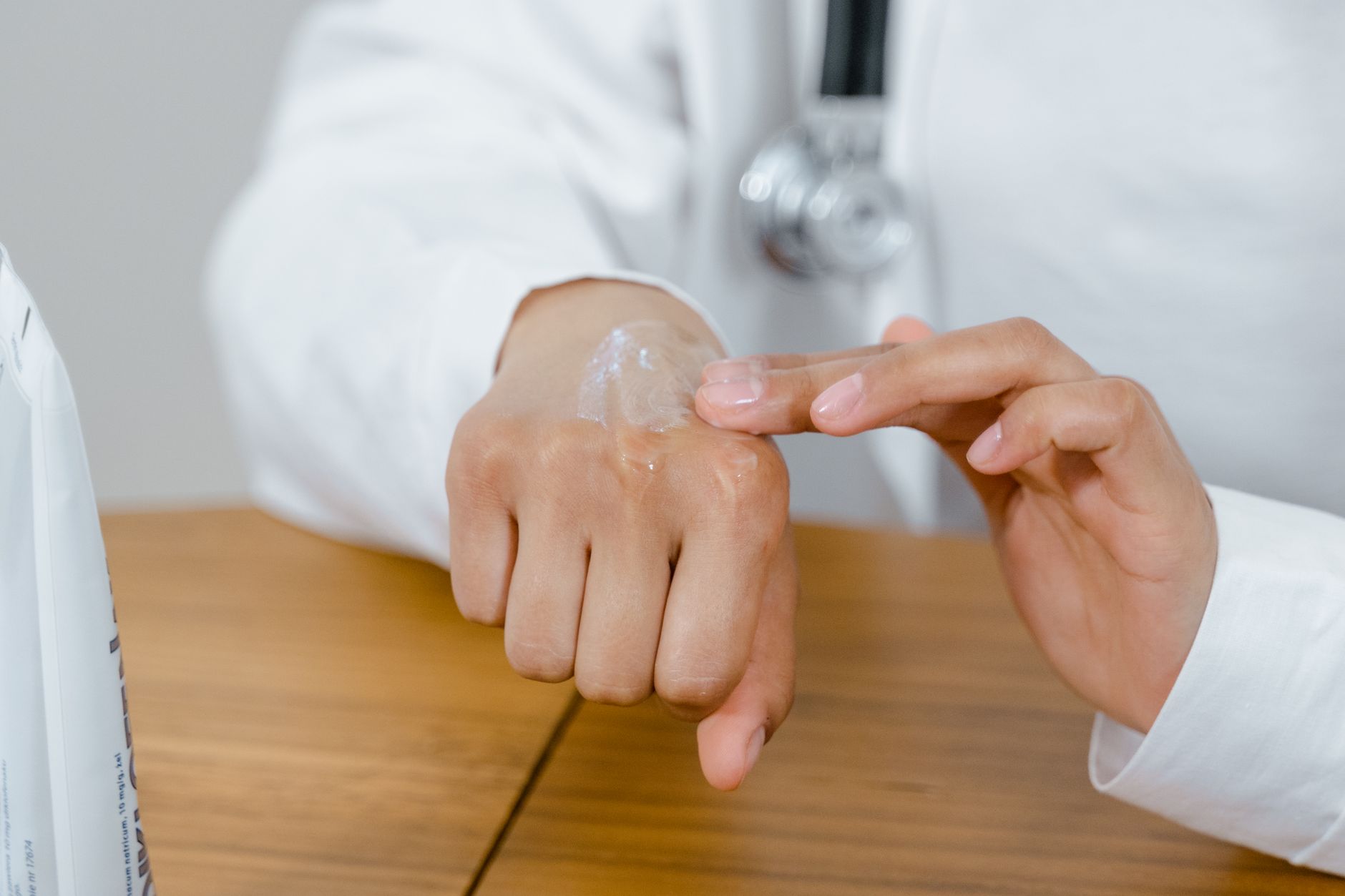
The recommended dosage for Aveeno Eczema Therapy is simple: apply a pea-sized amount for small areas or a quarter-sized amount for larger areas (like your arms or legs) two to three times daily, or as needed. The cream should be applied to clean, dry skin after bathing or showering to lock in moisture. Overuse isn’t harmful, but it’s not necessary either—your skin will absorb what it needs.
For best results, follow these tips:
Use lukewarm water when bathing to avoid stripping your skin of natural oils.
Apply Aveeno Eczema Therapy within 3 minutes of getting out of the bath to seal in moisture.
Avoid fragranced lotions or soaps that could irritate your skin.
If your eczema persists after 2–3 weeks of consistent use, consult your provider about other treatment options.
If you’re using Aveeno Eczema Therapy on your face, use a rice-sized amount and focus on dry patches. Avoid the eye area, as the cream may sting.
---
Which Aveeno eczema therapy brands are considered pregnancy-safe?
Not all Aveeno products are created equal when it comes to pregnancy safety. Here’s a quick breakdown of which Aveeno eczema products are safe and which to avoid:
Product
Pregnancy Safety Verdict
Notes
Aveeno Eczema Therapy
✅ Safe
Fragrance-free, colloidal oatmeal-based formula.
Aveeno Baby Daily Moisture Lotion
✅ Safe
Gentler formula; ideal for sensitive skin.
Aveeno Anti-Itch Ointment
⚠️ Caution
Contains lanolin and fragrance; patch-test first.
Aveeno Soothing Bath Treatment
⚠️ Caution
Contains fragrance; may irritate sensitive skin.
Aveeno Daily Moisturizing Lotion
✅ Safe
Fragrance-free; good for mild dryness.
If you’re unsure about a specific product, check the ingredient list for fragrance, lanolin, or alcohol, as these can sometimes cause irritation. Always opt for the fragrance-free version when possible.
---
Are there safer alternative eczema creams for pregnant women?
While Aveeno Eczema Therapy is a fantastic option, some pregnant women prefer alternatives that are even simpler or contain different active ingredients. Here are some of the safest and most effective alternatives:
CeraVe Moisturizing Cream – Contains ceramides and hyaluronic acid to repair the skin barrier; fragrance-free and non-comedogenic.
Eucerin Advanced Repair Cream – Uses urea and shea butter to hydrate deeply; ideal for thick, dry patches.
Aquaphor Healing Ointment – A petroleum-based ointment that locks in moisture and forms a protective barrier; safe for broken skin.
Vanicream Moisturizing Skin Cream – Fragrance-free and non-irritating, with no added dyes or preservatives.
La Roche-Posay Lipikar Balm AP+ – A mineral oil-based balm designed for very dry, sensitive skin; often recommended for atopic dermatitis.
Burt’s Bees Eczema Relief Cream – Contains colloidal oatmeal and beeswax for gentle hydration; free of synthetic fragrances.
Dr. Bronner’s Organic Petroleum Jelly – A 100% organic mineral oil that’s safe for sensitive skin and can be used as a barrier repair.
If you’re looking for a gentler approach to managing eczema, you might also consider wet wrap therapy—applying a thin layer of Aveeno Eczema Therapy or another safe cream, then covering the area with a damp cotton cloth followed by a dry one. This can provide extra relief for severe flare-ups.
---
What are the potential risks of using Aveeno Eczema Therapy while pregnant?
While Aveeno Eczema Therapy is generally safe, there are a few potential risks to be aware of:
Allergic reactions – Some women may develop a sensitivity to colloidal oatmeal or other ingredients, leading to redness, itching, or swelling. If this happens, stop using the product and switch to a simpler cream like Aveeno Baby Daily Moisture Lotion.
Irritation from overuse – While Aveeno Eczema Therapy is non-comedogenic, applying it too frequently can sometimes cause mild irritation, especially on the face.
Hidden fragrances or additives – Always check the ingredient list for fragrance, parabens, or alcohol, as these can sometimes cause reactions. Stick to the fragrance-free version.
Masking underlying conditions – If your eczema is severe or accompanied by infection, Aveeno Eczema Therapy may not be enough. In these cases, your provider might recommend a prescription steroid cream for a short period.
If you experience any of the following symptoms after using Aveeno Eczema Therapy, stop using it and contact your provider:
Severe redness or swelling
Pain or tenderness in the affected area
Pus or oozing from the skin
Difficulty breathing or hives (signs of an allergic reaction)
---
Can Aveeno Eczema Therapy help with eczema caused by pregnancy hormones?
Yes! Hormonal eczema—often called pregnancy-related eczema—is common due to the increased levels of estrogen and progesterone during pregnancy. These hormones can disrupt your skin’s natural barrier, leading to dryness, itching, and flare-ups. Aveeno Eczema Therapy is one of the best ways to manage these symptoms because its ingredients work to:
Repair the skin barrier – Colloidal oatmeal and mineral oil help restore your skin’s natural moisture seal.
Reduce inflammation – The anti-inflammatory properties of colloidal oatmeal calm redness and itching.
Hydrate deeply – Glycerin draws moisture into the skin, preventing dryness.
Many women find that using Aveeno Eczema Therapy daily helps prevent flare-ups, especially during the first and third trimesters when hormonal changes are most pronounced. If your eczema is particularly bad, you can also layer it under moisturizing clothing (like cotton or bamboo fabrics) to provide extra relief.
Not sure if Aveeno Eczema Therapy is the right fit for you? Here’s a quick comparison of similar products and their safety during pregnancy:
Product
Pregnancy Safety Verdict
Notes
Cetaphil Moisturizing Cream
✅ Safe
Fragrance-free and non-comedogenic; great for sensitive skin.
Neutrogena Norwegian Formula Cream
⚠️ Caution
Contains fragrance; patch-test first.
Eucerin Skin Calming Cream
✅ Safe
Urea-based; ideal for thick, dry patches.
Vanicream Eczema Relief Cream
✅ Safe
Fragrance-free and non-irritating; similar to Aveeno.
CeraVe Eczema Therapy Cream
✅ Safe
Contains ceramides; excellent for barrier repair.
Aveeno Daily Moisturizing Lotion
✅ Safe
Lighter texture than Eczema Therapy; good for daily use.
Burt’s Bees Eczema Relief Cream
✅ Safe
Natural ingredients; free of synthetic fragrances.
Dr. Bronner’s Organic Petroleum Jelly
✅ Safe
100% organic; safe for broken skin.
---
Myth vs. fact
Myth: All Aveeno products are safe during pregnancy.
Fact: Not all Aveeno products are pregnancy-safe. Products with fragrance, lanolin, or alcohol (like Aveeno Anti-Itch Ointment) should be avoided unless patch-tested first. Stick to fragrance-free versions like Aveeno Eczema Therapy.
Myth: Aveeno Eczema Therapy will cure eczema during pregnancy.
Fact: Aveeno Eczema Therapy can manage eczema symptoms, but it won’t cure the condition. Hormonal eczema often improves after pregnancy, but consistent skincare and hydration are key to minimizing flare-ups.
Myth: If Aveeno Eczema Therapy works for my partner, it must be safe for me.
Fact: Pregnancy changes your skin’s sensitivity, so what works for your partner may not be as tolerated by you. Always patch-test new products during pregnancy.
---
Key takeaways
✅ Aveeno Eczema Therapy is generally safe during pregnancy when used as directed, thanks to its colloidal oatmeal, glycerin, and mineral oil formula.
Patch-test first to check for sensitivity, especially in the first trimester when skin is most reactive.
Use it 2–3 times daily on clean, dry skin for best results, focusing on dry or itchy patches.
Avoid if your skin is broken or infected—switch to a simpler cream like Aveeno Baby Daily Moisture Lotion instead.
Consult your provider if your eczema worsens or if you develop redness, swelling, or pus.
Layer with moisturizing clothing (like cotton) for extra relief, especially in the third trimester.
If Aveeno isn’t enough, safer alternatives include CeraVe, Eucerin, or Vanicream—all fragrance-free and pregnancy-safe.
---
Frequently asked questions
Is Aveeno eczema therapy safe during pregnancy?
Yes, Aveeno Eczema Therapy is considered safe for use during pregnancy when applied topically. Its key ingredients—colloidal oatmeal, glycerin, and mineral oil—are non-toxic and unlikely to affect fetal development. The ACOG and FDA support the use of colloidal oatmeal-based products for mild-to-moderate eczema. However, always patch-test first and avoid using it on broken or infected skin.
Can I use Aveeno eczema therapy in the first trimester?
Yes, Aveeno Eczema Therapy is safe in the first trimester because its ingredients are non-teratogenic. However, the first trimester is when skin sensitivity is highest due to hormonal changes, so patch-test the product on a small area of skin 24 hours before full application. If you experience redness, burning, or increased itching, discontinue use and consult your provider.
What ingredients in Aveeno Eczema Therapy are safe for pregnancy?
Aveeno Eczema Therapy contains three primary safe ingredients for pregnancy:
Colloidal oatmeal – A dermatologist-recommended ingredient for soothing eczema and reducing inflammation.
Glycerin – A humectant that draws moisture into the skin without irritating it.
Mineral oil – Forms a protective barrier to lock in moisture and prevent dryness.
These ingredients are absorbed minimally (if at all) into the bloodstream, making them extremely low-risk for pregnancy.
Are there any side effects of using Aveeno Eczema Therapy while pregnant?
The most common side effects of Aveeno Eczema Therapy are mild and include:
Mild irritation or redness (especially if you’re sensitive to oatmeal).
Dryness if overused (stick to the recommended dosage).
Allergic reactions in rare cases (patch-test first to avoid this).
If you experience severe redness, swelling, or pus, stop using the product and contact your provider immediately.
What are safer eczema creams for pregnant women?
If you’re looking for alternatives to Aveeno Eczema Therapy, here are some of the safest options:
CeraVe Moisturizing Cream – Contains ceramides to repair the skin barrier.
Eucerin Advanced Repair Cream – Uses urea and shea butter for deep hydration.
Aquaphor Healing Ointment – A petroleum-based ointment that’s safe for broken skin.
Vanicream Moisturizing Skin Cream – Fragrance-free and non-irritating.
La Roche-Posay Lipikar Balm AP+ – Mineral oil-based for very dry skin.
These alternatives are all fragrance-free and pregnancy-safe, making them great options if Aveeno isn’t working for you.
Does Aveeno Eczema Therapy help with pregnancy-related eczema?
Yes, Aveeno Eczema Therapy can be very effective for managing pregnancy-related eczema. Hormonal changes during pregnancy can disrupt your skin’s natural barrier, leading to dryness and itching. The cream’s colloidal oatmeal and mineral oil work together to:
Repair the skin barrier.
Reduce inflammation and redness.
Hydrate deeply to prevent flare-ups.
Many women find that using it daily helps prevent flare-ups, especially in the first and third trimesters when hormonal changes are most pronounced.
Is it safe to use Aveeno Eczema Therapy during breastfeeding?
Yes, Aveeno Eczema Therapy is safe to use during breastfeeding because it’s applied topically and absorbed minimally (if at all) into the bloodstream. However, avoid applying it directly to your breasts or nipples unless instructed by your provider. If you’re concerned about transfer to your baby, stick to using it on other areas of your body, like your arms or legs.
---
When to call your doctor
While Aveeno Eczema Therapy is generally safe, contact your provider immediately if you experience any of the following:
Severe redness, swelling, or pain in the area where you applied the cream.
Pus or oozing from the skin (signs of infection).
Difficulty breathing or hives (signs of an allergic reaction).
Persistent itching or worsening eczema despite using the cream for 2–3 weeks.
If you suspect your eczema is related to a condition like intrahepatic cholestasis of pregnancy (ICP), which requires medical attention.
If you’ve already used Aveeno Eczema Therapy and are worried about potential risks, take a deep breath. Topical creams like this are not known to cause birth defects or miscarriage, and the risk of harm is extremely low. However, if you’re unsure, your provider can offer personalized advice based on your medical history.
Apply Aveeno Eczema Therapy to clean, dry skin for best results.Explore safer alternatives if Aveeno Eczema Therapy isn’t the right fit.Evening skincare can be a soothing ritual during pregnancy.
Not sure about the label on Is Aveeno Eczema Therapy Safe During Pregnancy products?
Snap the ingredients list and SafeFilter checks every ingredient for your stage — only 3 free scans this month, then you're locked until reset. Unlimited from $7/mo or $50/yr.
When Shubhra Mishra was expecting her first child in 2016, she was overwhelmed by conflicting food advice — one site said yes, another said never. By the time her second baby arrived in 2019, she realized millions of mothers face the same confusion.
That sparked a five-year journey through clinical nutrition papers, cultural diets, and expert conversations — all leading to BumpBites: a calm, compassionate space where science meets everyday motherhood.
Her long-term vision is to build a global community ensuring safe, supported, and free deliveriesfor every mother — because no woman should face pregnancy alone or uninformed. 🌿
🌍 Stand with mothers, shape safer guidance
Join a small circle of experts who review BumpBites articles so expecting parents everywhere can decide with confidence.