Is Autoimmune Protocol (AIP) Pregnancy Safe? What to Know

Is Autoimmune Protocol (AIP) Pregnancy Safe? What to Know
On this page

Is Autoimmune Protocol (AIP) pregnancy safe during pregnancy? It's conditional. Discuss with your doctor to ensure nutrient needs are met and to avoid

Shubhra Mishra

By Shubhra Mishra — a mom of two who turned her own confusion during pregnancy into BumpBites, a global mission to make food choices clear, safe, and stress-free for every expecting mother. 💛

Are you a qualified maternal-health or nutrition expert? Join our reviewer circle.

Wondering about another food?

Check whether any food is safe during pregnancy with the BumpBites Food Safety Checker.

Quick verdict: ⚠️ Safe with limits and strict medical supervision. While the Autoimmune Protocol (AIP) aims to reduce inflammation, following such a restrictive diet during pregnancy without close guidance from both your obstetrician and a registered dietitian specializing in prenatal nutrition carries significant risks of nutrient deficiencies for both you and your developing baby.
For many expecting parents managing an autoimmune condition, the question "is autoimmune protocol aip pregnancy safe during pregnancy?" can bring a wave of worry. Perhaps you've been following the Autoimmune Protocol (AIP) for years to manage your symptoms, or maybe you're newly pregnant and exploring dietary changes to feel your best. The thought of continuing or starting a restrictive diet during a time when you're constantly told to "eat for two" can feel incredibly daunting and confusing. We understand that concern deeply. At BumpBites, we know you want to do everything right for your baby's health, and navigating dietary choices can feel like walking a tightrope. This article will break down the safety of the Autoimmune Protocol during pregnancy, outlining what the evidence says, the potential risks, and how to approach your nutritional needs with confidence and clarity. The good news is that with careful planning and expert support, you can manage your autoimmune condition and ensure a healthy pregnancy.
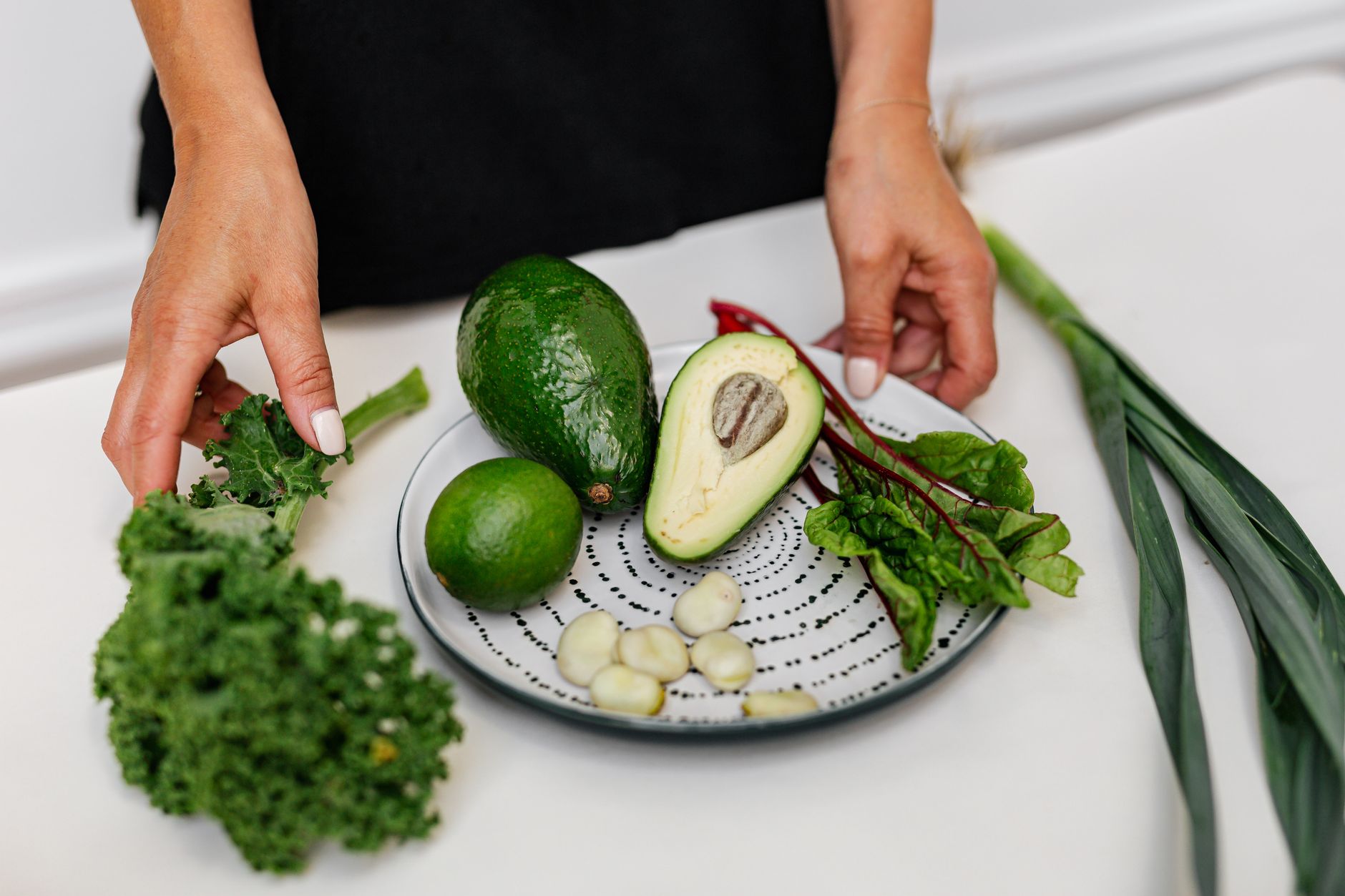
A pregnant woman looking thoughtfully at a variety of fresh, colorful vegetables and fruits on a kitchen counter, symbolizing healthy food choices.
Focusing on nutrient-dense whole foods is key during pregnancy, especially when considering restrictive diets.

Safety Snapshot: AIP During Pregnancy

Trimester/Stage Verdict Notes
First Trimester ⚠️ Consult your doctor/dietitian High risk for nutrient deficiencies due to morning sickness & critical organ development. Close monitoring is essential if continuing.
Second Trimester ⚠️ Consult your doctor/dietitian Increased caloric & nutrient needs for fetal growth. May need to reintroduce certain foods to ensure adequacy.
Third Trimester ⚠️ Consult your doctor/dietitian Highest caloric & nutrient demands. Risk of deficiencies (iron, calcium, B vitamins) if not carefully managed. Focus on nutrient density.
Breastfeeding ⚠️ Consult your doctor/dietitian Even higher caloric & nutrient needs than pregnancy. Potential impact on milk supply and infant nutrition if diet is insufficient or too restrictive.

What is the Autoimmune Protocol (AIP)?

The
Autoimmune Protocol (AIP) is an elimination diet designed to help manage autoimmune diseases by reducing inflammation and promoting gut healing. It's often used by individuals with conditions like Hashimoto's thyroiditis, rheumatoid arthritis, lupus, and inflammatory bowel disease. The diet focuses on removing foods believed to trigger inflammation or immune responses, while emphasizing nutrient-dense whole foods that support gut health. During the initial elimination phase, AIP strictly removes grains, legumes, dairy, eggs, nightshades (like tomatoes, potatoes, peppers), nuts, seeds, refined sugars, processed foods, and certain oils. The idea is to "reset" the immune system by eliminating potential triggers. After a period of strict adherence (typically 30-90 days), foods are gradually reintroduced one by one, allowing individuals to identify specific triggers that worsen their symptoms. The goal is to create a personalized, sustainable diet that minimizes autoimmune flares while providing adequate nutrition. Proponents of AIP often report reduced pain, fatigue, and other symptoms associated with their conditions. However, it's a highly restrictive approach, and its nutritional completeness, especially during critical life stages like pregnancy, requires careful consideration.

Is the Autoimmune Protocol (AIP) safe during pregnancy?

The question "is autoimmune protocol aip pregnancy safe during pregnancy?" doesn't have a simple yes or no answer. Generally, highly restrictive diets like AIP are not recommended during pregnancy without very close medical and nutritional supervision. While the intent of AIP – to reduce inflammation and support overall health – is admirable, the strict elimination phase can pose significant challenges to meeting the elevated nutritional demands of pregnancy. The American College of Obstetricians and Gynecologists (ACOG) and the UK's National Health Service (NHS) consistently emphasize the importance of a balanced, varied, and nutrient-dense diet throughout pregnancy. Their guidance typically advises against restrictive eating patterns unless medically necessary and managed by a team of healthcare professionals. The primary concern with AIP during pregnancy is the potential for nutrient deficiencies. Essential food groups removed by AIP, such as dairy (calcium, Vitamin D), legumes (folate, iron, protein), grains (B vitamins, fiber), and eggs (choline, protein), are critical sources of nutrients vital for fetal development and maternal health. If you are already on AIP and find yourself pregnant, or if you are considering starting it, the most crucial step is to consult immediately with your obstetrician and a registered dietitian (RD) who specializes in prenatal nutrition. They can help you assess your current nutritional status, identify potential gaps, and work with you to either adapt the AIP diet to be nutritionally complete for pregnancy or transition to a safer, less restrictive eating pattern that still supports your autoimmune condition. The goal is always to balance symptom management with the absolute necessity of providing all the nutrients needed for a healthy pregnancy and baby.

Is the Autoimmune Protocol diet safe during early pregnancy?

The first trimester is a period of rapid and critical development for your baby, including the formation of major organs and systems. This means your body has exceptionally high nutritional demands, even if your caloric needs haven't significantly increased yet. For this reason, the question "is autoimmune protocol aip pregnancy safe during pregnancy?" becomes particularly critical in early pregnancy. Morning sickness, a common companion of the first trimester, can already make it difficult to eat a varied diet. Layering a highly restrictive diet like AIP on top of this can exacerbate challenges in meeting your nutrient needs. Key nutrients like folate (crucial for neural tube development), iron, choline, and various B vitamins are often found in foods restricted by AIP, such as legumes, grains, and eggs. Without careful planning and supplementation, there's a heightened risk of deficiencies that could impact both maternal health and fetal development. If you are already following AIP when you discover you're pregnant, don't panic. The first step is to schedule an urgent consultation with your obstetrician and a registered dietitian. They can help you evaluate your current intake, recommend specific blood tests to check for deficiencies, and guide you on safe reintroductions or necessary adjustments to ensure you and your baby are getting everything you need. The focus should shift from strict elimination to nutrient adequacy, potentially adapting the AIP framework rather than adhering to its most restrictive phase.

Second Trimester Safety

As you move into the second trimester, your baby's growth accelerates, and your own caloric and nutrient needs continue to climb. This is a time when many pregnant people find relief from morning sickness, making it easier to eat a wider variety of foods. Continuing a highly restrictive AIP diet without careful management during this phase can still lead to deficiencies in essential nutrients like calcium (for bone development), iron (to prevent anemia), and healthy fats (for brain development). Your dietitian can help you strategically reintroduce certain foods that are well-tolerated and provide vital nutrients, even if they are typically restricted on a strict AIP elimination phase. For example, if you tolerate gluten-free grains or certain legumes, reintroducing them could significantly boost your intake of B vitamins, fiber, and protein. Regular monitoring of your weight gain, energy levels, and blood tests will be crucial to ensure you're both thriving.

Third Trimester Safety

The third trimester brings the highest demands for calories and nutrients as your baby rapidly gains weight and prepares for birth. Your body also needs to build up nutrient stores for labor, recovery, and potential breastfeeding. At this stage, the risks associated with an unmanaged, highly restrictive AIP diet are at their peak. Deficiencies in iron can lead to severe anemia, which can cause fatigue, shortness of breath, and even impact birth outcomes. Inadequate calcium intake can affect your bone density and the baby's bone development. It's critical to work closely with your healthcare team to ensure you're getting enough protein, healthy fats, vitamins, and minerals. This might involve a more liberalized version of AIP, targeted supplementation, and a strong emphasis on the most nutrient-dense foods allowed. Your doctor will also likely be monitoring various aspects of your health, including fetal monitoring, to ensure everything is progressing as it should.

AIP While Breastfeeding

Breastfeeding places even greater nutritional demands on your body than pregnancy. Producing breast milk requires a significant amount of calories, protein, and a wide array of vitamins and minerals. Continuing a restrictive AIP diet during breastfeeding without expert guidance can potentially impact your milk supply and the nutritional quality of your breast milk, as well as deplete your own nutrient stores. Many mothers find that they need to be less restrictive during breastfeeding than they were before or during pregnancy to maintain their energy levels and milk production. If you have an autoimmune condition that flares during breastfeeding, your dietitian can help you identify specific triggers while still ensuring a nutritionally complete diet. This might involve a carefully managed reintroduction phase or targeted supplementation. Your healthcare provider will also be considering your overall health and any existing medical protocols to ensure your well-being.

What are the risks of following AIP while pregnant?

The primary concern regarding "is autoimmune protocol aip pregnancy safe during pregnancy" revolves around the potential for nutritional deficiencies. Pregnancy is a period of immense growth and development, requiring increased amounts of almost every nutrient. A diet that eliminates entire food groups, like AIP, can make it challenging to meet these elevated needs, even for those without an autoimmune condition. Here are the key risks:
  • Nutrient Deficiencies: AIP eliminates grains (sources of B vitamins, fiber, iron), legumes (folate, iron, protein, fiber), dairy (calcium, Vitamin D), eggs (choline, protein), and nuts/seeds (healthy fats, magnesium, zinc, Vitamin E). Deficiencies in these critical nutrients can lead to:
    • Folate deficiency: Increased risk of neural tube defects in the baby.
    • Iron deficiency anemia: Maternal fatigue, increased risk of preterm birth, low birth weight.
    • Calcium and Vitamin D deficiency: Impaired bone development for the baby, increased risk of preeclampsia and maternal bone density loss.
    • Choline deficiency: Important for fetal brain development.
    • Inadequate protein and healthy fats: Can impact fetal growth and development.
  • Insufficient Caloric Intake: The restrictive nature of AIP can make it difficult to consume enough calories, especially if appetite is low due to morning sickness or other pregnancy discomforts. Inadequate caloric intake can lead to insufficient maternal weight gain and potentially impact fetal growth.
  • Increased Stress: Managing a highly restrictive diet can be stressful, particularly during pregnancy when you're already navigating many changes. Chronic stress can have negative impacts on both maternal and fetal health.
  • Social Isolation: Dietary restrictions can make social eating challenging, potentially leading to feelings of isolation.
  • Impact on Autoimmune Condition: While AIP aims to help autoimmune conditions, if not properly managed during pregnancy, the stress and nutrient deficiencies could potentially worsen symptoms for some individuals, or lead to new challenges.
It's essential to remember that these risks are significantly mitigated with the guidance of a healthcare team.

Can AIP cause nutrient deficiencies during pregnancy?

Yes, AIP can absolutely cause nutrient deficiencies during pregnancy if not meticulously planned and supervised. This is one of the biggest reasons why the question "is autoimmune protocol aip pregnancy safe during pregnancy?" leans towards a conditional "safe with limits." The diet's core principle is to eliminate common food allergens and inflammatory triggers, but many of these eliminated foods are also rich sources of vital nutrients for pregnancy. Consider the following:
  • Calcium and Vitamin D: Dairy products are a primary source for many. Without them, and without adequate sun exposure or supplementation, meeting the increased calcium needs for fetal bone development and preventing maternal bone density loss becomes challenging.
  • Iron: While red meat (AIP-compliant) is a good source, legumes and some grains (restricted) also contribute significantly. Iron deficiency anemia is already common in pregnancy, and AIP can heighten this risk.
  • Folate: Crucial for preventing neural tube defects. Legumes (beans, lentils) are excellent sources, as are some grains. While leafy greens are AIP-compliant and rich in folate, relying solely on them may not be enough.
  • B Vitamins (especially B1, B2, B3, B5, B6): Whole grains, legumes, and certain nuts/seeds are good sources. These are vital for energy metabolism and fetal development.
  • Choline: Eggs are a top source of choline, essential for fetal brain and spinal cord development. Eliminating eggs necessitates alternative sources like liver (if consumed), certain vegetables, and supplementation.
  • Fiber: Grains and legumes are major fiber contributors. While fruits and vegetables provide fiber, a very restrictive AIP can still lead to inadequate intake, potentially worsening pregnancy-related constipation.
  • Healthy Fats: Nuts and seeds are restricted, which are good sources of omega-3 and omega-6 fatty acids, important for fetal brain and eye development.
To address these potential deficiencies, a registered dietitian can help you identify nutrient-dense AIP-compliant foods, strategize safe food reintroductions, and recommend appropriate prenatal supplements. Blood tests to monitor your nutrient levels will also be a critical part of your care plan.

How to safely adapt AIP for pregnancy?

If you and your healthcare team decide that adapting AIP is the best approach for managing your autoimmune condition during pregnancy, the key is careful planning, flexibility, and consistent monitoring. The goal shifts from strict elimination to ensuring nutritional adequacy while still minimizing triggers. This makes "is autoimmune protocol aip pregnancy safe during pregnancy?" a question of *how* you implement it. Here’s how to safely adapt AIP for pregnancy:
  1. Work with a Prenatal Registered Dietitian (RD): This is non-negotiable. An RD specializing in pregnancy and autoimmune conditions can help you create a personalized plan, identify potential nutrient gaps, and guide safe food reintroductions.
  2. Prioritize Nutrient Density: Focus heavily on AIP-compliant, nutrient-dense foods. This includes:
    • Ample protein: Grass-fed meats, poultry, wild-caught fish (low mercury), organ meats (in moderation, discuss with doctor due to Vitamin A).
    • Lots of vegetables: A wide variety of colorful non-nightshade vegetables for vitamins, minerals, and fiber.
    • Healthy fats: Avocado, olive oil, coconut oil. Consider fish oil supplements (discuss with doctor).
    • Fruits: In moderation, for antioxidants and fiber.
  3. Strategic Food Reintroductions: Work with your dietitian to carefully reintroduce foods that provide crucial nutrients but are generally well-tolerated. This might include:
    • Eggs: If tolerated, eggs are a fantastic source of protein, choline, and healthy fats.
    • Legumes: If tolerated, small amounts of well-cooked legumes (e.g., lentils, chickpeas) can provide folate, iron, and fiber.
    • Gluten-free grains: If tolerated, quinoa, rice, or oats can add B vitamins, fiber, and calories.
    • Dairy: If tolerated, fermented dairy like kefir or yogurt (full-fat, unsweetened) can offer calcium and probiotics.
  4. Targeted Supplementation: Your obstetrician and dietitian will likely recommend a high-quality prenatal vitamin, along with specific supplements to address potential gaps, such as additional folate, iron, calcium, Vitamin D, and omega-3 fatty acids.
  5. Regular Monitoring: Consistent blood tests throughout your pregnancy are vital to monitor your iron levels, Vitamin D, and other key nutrients. Your dietitian can also track your weight gain and overall well-being.
  6. Listen to Your Body: Pregnancy can change how you react to foods. Be flexible and adjust your diet based on how you feel. If a previously tolerated food starts causing issues, or if a restricted food becomes appealing and you feel you need it for nutrients, discuss it with your team.
Remember, the goal is to support both your autoimmune health and your pregnancy, and sometimes this requires a more flexible approach to AIP.

Are there pregnancy-safe alternatives to AIP for autoimmune conditions?

Yes, absolutely! If the strictness of AIP feels overwhelming or unsafe during pregnancy, there are several less restrictive, yet still beneficial, dietary and lifestyle approaches that can help manage autoimmune conditions while ensuring optimal prenatal nutrition. These alternatives often answer the "is autoimmune protocol aip pregnancy safe during pregnancy?" question with a clearer "yes, with guidance." Here are several pregnancy-safe alternatives:
  • Mediterranean Diet: Widely recommended for overall health, including during pregnancy. It emphasizes whole grains, fruits, vegetables, legumes, nuts, seeds, olive oil, and lean proteins (especially fish). It's rich in anti-inflammatory compounds and provides a broad spectrum of nutrients.
  • Anti-inflammatory Diet (doctor-supervised): This approach focuses on reducing inflammatory foods (like processed foods, refined sugars, unhealthy fats) and increasing anti-inflammatory foods (fruits, vegetables, omega-3 rich fish, whole grains) without the extreme restrictions of AIP. It's often personalized and guided by a doctor or dietitian.
  • Gluten-Free Diet (if medically necessary): If you have celiac disease or a diagnosed gluten sensitivity, a gluten-free diet is essential. However, it's not universally recommended for autoimmune conditions during pregnancy unless there's a clear medical indication, as it can inadvertently lead to deficiencies if not carefully managed.
  • Dairy-Free Diet (if medically necessary): Similar to gluten-free, if you have a diagnosed dairy allergy or severe intolerance, a dairy-free diet is necessary. Otherwise, dairy can be a valuable source of calcium and Vitamin D during pregnancy.
  • Targeted Nutrient Supplementation: Working with your doctor to identify specific nutrient deficiencies (e.g., Vitamin D, Omega-3s, Iron) and supplementing accordingly can address underlying issues without broad food restriction.
  • Stress Management Techniques: Chronic stress can worsen autoimmune symptoms. Practices like prenatal yoga, meditation, mindfulness, and adequate sleep can significantly help. While discussing your overall health, your doctor might even touch upon managing trauma in pregnancy, highlighting the importance of mental well-being.
  • Gentle Exercise: Regular, moderate exercise (like walking, swimming, prenatal yoga) can reduce inflammation, improve mood, and support overall health without the risk of dietary deficiencies.
  • Acupuncture (for symptom management): Some individuals find acupuncture helpful for managing pain and inflammation associated with autoimmune conditions. Always consult your obstetrician before starting any complementary therapies during pregnancy.
These alternatives offer pathways to manage autoimmune symptoms with less dietary burden, allowing for a more varied and nutritionally robust intake during pregnancy.

Is AIP safe for autoimmune conditions like Hashimoto's during pregnancy?

For individuals managing specific autoimmune conditions like Hashimoto's thyroiditis, the question "is autoimmune protocol aip pregnancy safe during pregnancy?" is often asked with a particular hope for symptom relief. While AIP can be effective for some in managing Hashimoto's symptoms outside of pregnancy, its safety during pregnancy, even for specific conditions, remains conditional. Hashimoto's thyroiditis affects thyroid function, which is critical for both maternal and fetal health. Untreated or poorly managed hypothyroidism during pregnancy can lead to complications such as preeclampsia, gestational hypertension, preterm birth, and impaired fetal brain development. Therefore, ensuring stable thyroid function and adequate nutrient intake is paramount. While AIP aims to reduce inflammation that can exacerbate Hashimoto's, the restrictive nature of the diet might inadvertently impact the very nutrients needed for thyroid health and overall pregnancy. For example, some nutrients crucial for thyroid function, like selenium and zinc, are found in foods that might be restricted or consumed in lower quantities on AIP if not carefully managed. Iodine, while sometimes present in high amounts in certain AIP-friendly seaweeds, needs to be balanced, as both deficiency and excess can be problematic for thyroid function. If you have Hashimoto's and are pregnant or planning to conceive, your primary focus should be on working with an endocrinologist and obstetrician to ensure your thyroid hormone levels are optimally managed. A prenatal dietitian can then help you adapt your diet – whether it's a modified AIP or another anti-inflammatory approach – to support both your thyroid health and your pregnancy, ensuring you receive adequate iodine (typically from a prenatal vitamin), selenium, zinc, and other vital nutrients. The goal is to manage the autoimmune aspect without compromising the broad nutritional needs of pregnancy.

What foods are restricted on AIP and are they critical for pregnancy?

Understanding the specific foods restricted on the Autoimmune Protocol (AIP) is key to evaluating "is autoimmune protocol aip pregnancy safe during pregnancy." Many of these foods, while potential triggers for some autoimmune individuals, are indeed critical sources of nutrients for a healthy pregnancy. Here's a breakdown of commonly restricted AIP foods and their importance during pregnancy:
Food Category Restricted by AIP Key Nutrients & Importance in Pregnancy Potential Impact of Restriction
Grains (all, including gluten-free like rice, oats, quinoa) B vitamins (folate, thiamine, niacin), iron, magnesium, fiber, carbohydrates (energy). Folate is crucial for neural tube development. Risk of B vitamin, iron, and fiber deficiencies. May lead to lower energy levels and increased constipation.
Legumes (beans, lentils, peanuts, soy) Folate, iron, protein, fiber, magnesium, zinc. Excellent plant-based protein and iron sources. Significant risk of folate, iron, and protein deficiencies, especially for those not consuming much meat.
Dairy (all forms) Calcium, Vitamin D, protein, phosphorus. Essential for fetal bone and tooth development, and maternal bone health. High risk of calcium and Vitamin D deficiencies if not adequately supplemented or obtained from other sources.
Eggs Choline, protein, Vitamin D, B vitamins. Choline is vital for fetal brain and spinal cord development. Risk of choline and protein deficiency.
Nuts & Seeds (all forms) Healthy fats (omega-3s), magnesium, zinc, Vitamin E, fiber, protein. Important for fetal brain and eye development. Risk of healthy fat, magnesium, and zinc deficiencies.
Nightshades (tomatoes, potatoes, peppers, eggplant, spices like paprika) Vitamin C, Vitamin A, potassium, antioxidants. While not "critical" in the same way as dairy or grains, they contribute to overall nutrient intake. Less direct impact on critical pregnancy nutrients, but reduces variety and antioxidant intake.
Refined Sugars & Processed Foods No beneficial nutrients. Elimination is beneficial; these foods offer empty calories and can contribute to inflammation.
Certain Oils (e.g., vegetable, canola) Unhealthy fats. Elimination is beneficial; focus on healthy fats like olive oil, avocado oil, coconut oil.
As you can see, many restricted categories provide nutrients that are indeed critical during pregnancy. This underscores why strict adherence to AIP without professional guidance can be problematic. The goal is to find a balance where autoimmune triggers are minimized while ensuring maximal nutrient intake.
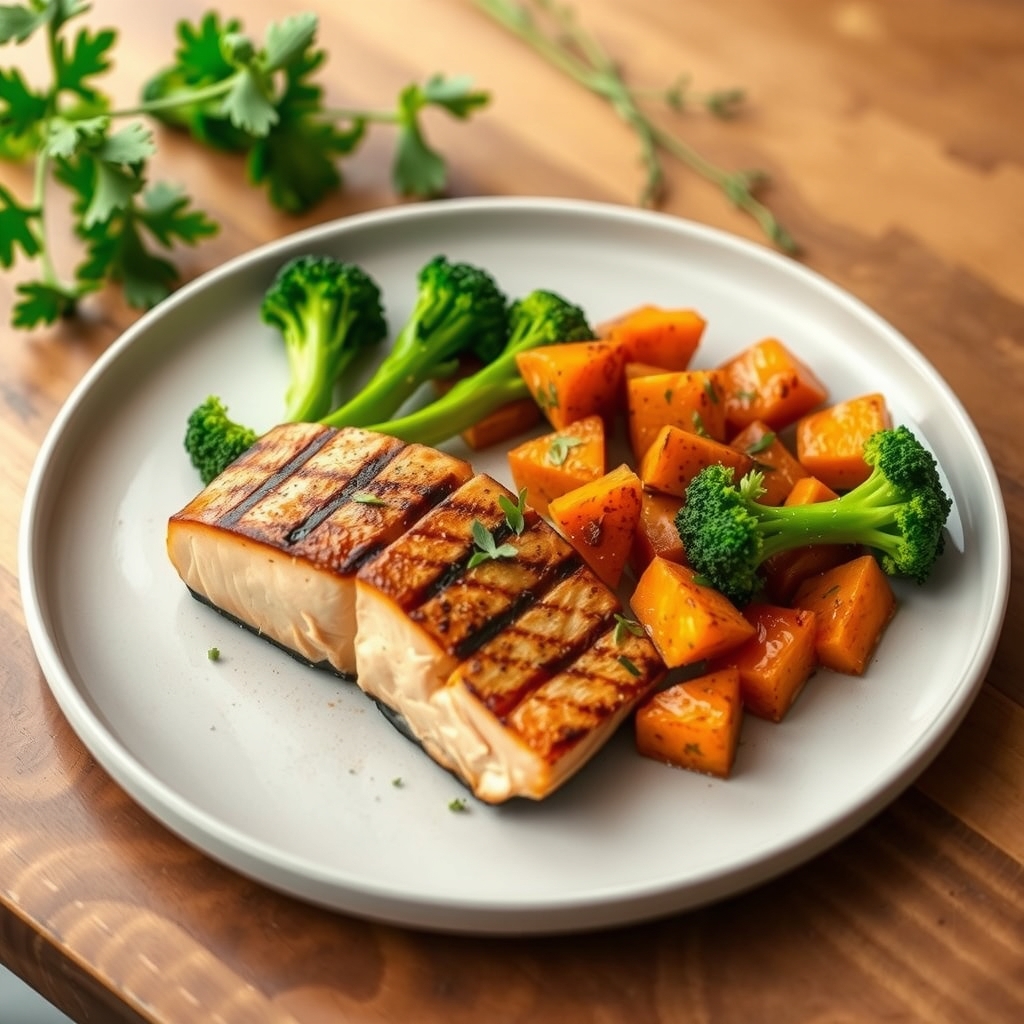
A balanced, colorful meal with pregnancy-safe, AIP-adapted foods like grilled salmon, roasted sweet potatoes, and steamed broccoli on a plate.
With careful planning, an AIP-adapted diet can be rich in nutrients from compliant foods.

Should I continue AIP during breastfeeding?

The considerations for "is autoimmune protocol aip pregnancy safe during pregnancy" extend into the postpartum period, particularly if you are breastfeeding. Similar to pregnancy, breastfeeding places significant nutritional and caloric demands on your body. Producing breast milk requires a substantial amount of energy, protein, vitamins, and minerals. If you continue a strict AIP diet during breastfeeding without careful planning and supervision, you risk:
  • Inadequate Milk Supply: Insufficient caloric or nutrient intake can potentially impact your ability to produce enough breast milk.
  • Maternal Nutrient Depletion: Your body will prioritize providing nutrients for breast milk, potentially depleting your own stores of essential vitamins and minerals, leading to fatigue, hair loss, and other postpartum issues.
  • Nutrient Imbalance in Breast Milk: While breast milk is remarkably resilient, extreme maternal deficiencies can, in some cases, affect the nutrient profile of the milk.
  • Increased Postpartum Fatigue and Stress: The demands of a newborn combined with the strictness of AIP can be incredibly draining, potentially worsening postpartum recovery and mental health.
Many mothers find that they need to reintroduce more foods during breastfeeding to meet their increased needs and maintain milk supply. If you are using AIP to manage an autoimmune condition that is flaring postpartum, working with a dietitian is crucial. They can help you identify specific triggers while ensuring you maintain a nutritionally complete diet for yourself and your baby. This might involve a more liberalized version of AIP or a different anti-inflammatory approach, focusing on nutrient-dense foods and targeted supplementation as needed.

Side effects and risks of unmanaged AIP in pregnancy

When considering "is autoimmune protocol aip pregnancy safe during pregnancy," it's vital to be aware of the potential side effects and risks if the diet is not managed expertly by healthcare professionals. These risks can affect both the pregnant person and the developing baby. Risks for the Pregnant Person:
  • Severe Nutrient Deficiencies: As discussed, inadequate intake of iron, calcium, folate, B vitamins, Vitamin D, choline, and healthy fats can lead to anemia, bone density loss, extreme fatigue, and compromised immune function.
  • Inadequate Weight Gain: If caloric intake is too low, you may not gain sufficient weight, which can impact fetal growth and increase the risk of preterm birth.
  • Increased Fatigue and Weakness: Nutrient deficiencies and low energy intake can exacerbate common pregnancy fatigue, making it harder to cope with daily life.
  • Worsening of Autoimmune Symptoms: While AIP aims to help, the stress of restriction or actual nutrient deficiencies can, paradoxically, worsen autoimmune flares for some individuals.
  • Digestive Issues: Inadequate fiber from restricted grains and legumes can lead to constipation, a common pregnancy complaint.
  • Psychological Stress: The burden of maintaining a highly restrictive diet during pregnancy can contribute to anxiety and stress.
Risks for the Developing Baby:
  • Neural Tube Defects: Primarily due to folate deficiency, a significant risk if legumes and fortified grains are eliminated without adequate supplementation.
  • Low Birth Weight and Preterm Birth: Associated with maternal malnutrition and inadequate weight gain.
  • Impaired Organ Development: Deficiencies in critical nutrients like choline, iron, and various vitamins can impact the proper development of the baby's brain, bones, and other organs.
  • Developmental Delays: Long-term impacts of severe nutrient deficiencies on fetal brain development can potentially lead to developmental challenges.
It's important to differentiate between "annoying but not dangerous" side effects (like mild constipation) and "call your provider now" symptoms. If you experience persistent fatigue, severe constipation, significant weight loss, or any new or worsening symptoms of your autoimmune condition while on AIP during pregnancy, contact your doctor immediately. These could be signs of serious nutrient deficiencies or other complications.

Safer alternatives to AIP for autoimmune conditions during pregnancy

If you're wondering "is autoimmune protocol aip pregnancy safe during pregnancy?" and finding the answer complex, you'll be glad to know there are several safer, more flexible, and equally effective approaches to managing autoimmune conditions during pregnancy. These options prioritize both your autoimmune health and your baby's nutritional needs. Here are some recommended alternatives:
  • Mediterranean Diet: Focuses on whole, unprocessed foods, abundant fruits and vegetables, healthy fats (olive oil), lean proteins (fish, poultry), and moderate whole grains and legumes. It's rich in anti-inflammatory compounds and widely endorsed for pregnancy.
  • Anti-inflammatory Diet (Doctor-Supervised): A personalized approach that identifies and limits your *specific* triggers (e.g., sugar, processed foods) while emphasizing nutrient-dense, whole foods without broad elimination of entire food groups. This is often supervised by a registered dietitian.
  • Targeted Elimination Diet (Short-Term, Supervised): If you suspect a specific food group is a strong trigger, a very short-term (e.g., 2-4 weeks) elimination of just that group (e.g., dairy or gluten) can be done under strict medical and dietitian supervision, followed by reintroduction or careful substitution.
  • Gluten-Free Diet (Only if Medically Necessary): Essential for celiac disease or diagnosed non-celiac gluten sensitivity. For others, it's not generally recommended during pregnancy due to potential nutrient gaps if not carefully managed.
  • Dairy-Free Diet (Only if Medically Necessary): Necessary for diagnosed dairy allergies or severe intolerances. Otherwise, dairy is a valuable source of calcium and Vitamin D.
  • Focus on Whole, Unprocessed Foods: Simply eliminating highly processed foods, refined sugars, and unhealthy trans fats can significantly reduce inflammation and improve overall health for anyone, including pregnant individuals, without resorting to extreme restrictions.
  • Targeted Nutrient Supplementation: Work with your doctor to identify any specific nutrient deficiencies (e.g., Vitamin D, Omega-3s, Iron) and supplement as advised. A high-quality prenatal vitamin is always recommended.
  • Stress Management & Gentle Exercise: Incorporating practices like prenatal yoga, meditation, adequate sleep, and gentle walks can profoundly impact autoimmune symptoms and overall well-being during pregnancy.
These alternatives offer a balanced approach, helping you manage your autoimmune condition effectively while ensuring you meet the crucial nutritional demands of pregnancy. For those exploring "is autoimmune protocol aip pregnancy safe during pregnancy," it's common to wonder about other popular diets and supplements. Here's a quick look at the pregnancy safety of related items:
Item Verdict Note
Keto diet ❌ Best avoided Highly restrictive, potential for nutrient deficiencies, and unknown effects of ketosis on fetal development.
Paleo diet ⚠️ Safe with limits Less restrictive than AIP, but still eliminates dairy, grains, and legumes. Requires careful planning to ensure nutrient adequacy.
Whole30 ❌ Best avoided An elimination diet designed for short-term "reset." Too restrictive for continuous use during pregnancy without strict supervision.
Intermittent fasting ❌ Best avoided Not recommended during pregnancy due to potential impacts on maternal energy, nutrient intake, and fetal growth.
Gluten-free diet ⚠️ Talk to your doctor first Only necessary if medically indicated (e.g., celiac disease). Otherwise, no proven benefit and can lead to nutrient gaps if not managed.
Dairy-free diet ⚠️ Talk to your doctor first Only necessary if medically indicated (e.g., allergy/intolerance). Requires careful substitution for calcium and Vitamin D.
Nightshade-free diet ⚠️ Talk to your doctor first Generally safe if other nutrient-dense vegetables are prioritized, but no broad recommendation for pregnancy unless sensitive.
Probiotics ✅ Generally safe Specific strains may be beneficial for gut health; discuss with your doctor to choose an appropriate supplement.
Turmeric supplements ⚠️ Talk to your doctor first While culinary turmeric is safe, high-dose supplements are not well-studied in pregnancy and may have blood-thinning effects.
Elimination diet (general) ⚠️ Talk to your doctor first Only undertake short-term, targeted elimination diets under strict medical and dietitian supervision during pregnancy.

Myth vs. fact

Navigating diet during pregnancy, especially with an autoimmune condition, can lead to many misconceptions. Let's clear up some common myths about "is autoimmune protocol aip pregnancy safe during pregnancy."

Myth: The more foods I eliminate, the healthier my baby and I will be.

Fact: While eliminating inflammatory processed foods is beneficial, excessively restrictive diets like a strict AIP can lead to nutrient deficiencies during pregnancy. A wider variety of nutrient-dense whole foods is generally better for ensuring you and your baby get all necessary vitamins and minerals.

Myth: AIP will cure my autoimmune disease, so it's worth the risk during pregnancy.

Fact: AIP is a tool for managing autoimmune symptoms and reducing inflammation, not a cure. While it can be very effective for symptom management, it doesn't eliminate the underlying condition. During pregnancy, the risks of nutrient deficiencies often outweigh the unmanaged benefits of strict AIP, necessitating a modified approach.

Myth: If I felt great on AIP before pregnancy, it will be fine to continue it.

Fact: Pregnancy dramatically changes your body's nutritional needs and how you react to foods. What worked pre-pregnancy may not be adequate or safe during pregnancy. Always reassess your diet with your obstetrician and a registered dietitian once you become pregnant.

Key takeaways

  • The Autoimmune Protocol (AIP) is **not generally recommended** in its strict elimination phase during pregnancy due to high risks of nutrient deficiencies.
  • If you have an autoimmune condition and are pregnant, **consult your obstetrician and a prenatal registered dietitian immediately** to discuss your diet.
  • The primary concern with AIP during pregnancy is the **potential for deficiencies** in critical nutrients like folate, iron, calcium, Vitamin D, and choline, which are vital for fetal development and maternal health.
  • **Safe adaptation of AIP** involves strategic reintroductions of nutrient-dense foods, targeted supplementation, and close monitoring by your healthcare team.
  • **Safer alternatives** like the Mediterranean diet or a doctor-supervised anti-inflammatory diet can effectively manage autoimmune symptoms with less restriction.
  • **Breastfeeding** also places high nutritional demands, requiring careful dietary management if continuing AIP.

Frequently asked questions

Can you do AIP while pregnant?

You can potentially follow an *adapted* version of AIP while pregnant, but never the strict elimination phase without expert guidance. It requires close supervision from both your obstetrician and a registered dietitian specializing in prenatal nutrition to ensure you meet all elevated nutrient needs for a healthy pregnancy.

Is it safe to do an elimination diet while pregnant?

Most broad, unsupervised elimination diets are not safe during pregnancy due to the high risk of nutrient deficiencies. However, a very short-term, targeted elimination of a single suspected trigger food, under strict medical and dietitian guidance, may be considered if absolutely necessary for a severe medical condition.

What diets are safe for autoimmune disease during pregnancy?

The Mediterranean diet is generally considered safe and beneficial for autoimmune conditions during pregnancy, as it's rich in anti-inflammatory foods and promotes overall health. A personalized, doctor-supervised anti-inflammatory diet that focuses on whole foods and limits specific triggers is also a good option.

Can AIP help with pregnancy symptoms?

While AIP aims to reduce inflammation and may alleviate some autoimmune symptoms, it's not designed to treat general pregnancy symptoms like morning sickness or fatigue. In fact, its restrictive nature could potentially exacerbate some pregnancy discomforts or nutrient deficiencies if not carefully managed.

What foods should be avoided during pregnancy with an autoimmune disease?

Beyond standard pregnancy food safety guidelines (e.g., raw fish, unpasteurized dairy), there's no universal list of foods to avoid specifically for autoimmune disease during pregnancy. Your individual triggers should be identified with a dietitian, and generally, highly processed foods, refined sugars, and unhealthy fats are best limited.

Is it safe to restrict foods during pregnancy?

Broadly restricting entire food groups during pregnancy is generally not safe due to the risk of nutrient deficiencies. However, avoiding specific foods due to a diagnosed allergy, intolerance, or if they are known, strong personal autoimmune triggers, can be safe when done under strict medical and nutritional supervision.

Does AIP affect fertility?

There's limited direct research on AIP's effect on fertility. For some individuals with autoimmune conditions impacting fertility, managing inflammation through diet *could* potentially be beneficial. However, extreme caloric restriction or nutrient deficiencies from an unmanaged AIP could negatively impact hormonal balance and fertility.

What supplements are safe for autoimmune disease during pregnancy?

Beyond a high-quality prenatal vitamin (which is essential for all pregnant individuals), specific supplements like additional folate, iron, calcium, Vitamin D, and omega-3 fatty acids may be recommended based on your individual needs and potential deficiencies. Always discuss *all* supplements with your obstetrician.

When to call your doctor

If you are pregnant and considering or currently following the Autoimmune Protocol (AIP), it is crucial to maintain open communication with your healthcare provider. Call your doctor or obstetrician immediately if you experience any of the following:
  • Excessive Weight Loss or Insufficient Weight Gain: If you are losing weight or not gaining weight appropriately for your stage of pregnancy.
  • Persistent Fatigue, Weakness, or Dizziness: These can be signs of anemia or other severe nutrient deficiencies.
  • New or Worsening Autoimmune Symptoms: If your autoimmune condition flares up or symptoms become unmanageable.
  • Severe or Persistent Digestive Issues: Such as chronic constipation, diarrhea, or abdominal pain.
  • Concerns about Fetal Movement or Growth: Any worries about your baby's well-being.
  • Difficulty Eating or Keeping Food Down: If morning sickness or other issues make it impossible to consume enough AIP-compliant foods.
  • Any other concerning symptoms that arise or persist during your pregnancy.
Remember, this article provides general information and is not a substitute for professional medical advice. Always consult with your healthcare provider for personalized guidance regarding your health and pregnancy.

References

  1. American College of Obstetricians and Gynecologists (ACOG). (2028). Nutrition During Pregnancy.
  2. National Health Service (NHS). (2023). Foods to avoid in pregnancy.
  3. Centers for Disease Control and Prevention (CDC). (2023). Folic Acid.
  4. Mayo Clinic. (2023). Pregnancy diet: Focus on these essential nutrients.
  5. Academy of Nutrition and Dietetics. (2020). Eating Right During Pregnancy.

Editor's pick for this topic

Not sure about the label on Is Autoimmune Protocol Aip Pregnancy Safe During Pregnancy products?

Snap the ingredients list and SafeFilter checks every ingredient for your stage — only 3 free scans this month, then you're locked until reset. Unlimited from $7/mo or $50/yr.

Informational only — not medical advice.

Shubhra Mishra

About the Author

When Shubhra Mishra was expecting her first child in 2016, she was overwhelmed by conflicting food advice — one site said yes, another said never. By the time her second baby arrived in 2019, she realized millions of mothers face the same confusion.

That sparked a five-year journey through clinical nutrition papers, cultural diets, and expert conversations — all leading to BumpBites: a calm, compassionate space where science meets everyday motherhood.

Her long-term vision is to build a global community ensuring safe, supported, and free deliveriesfor every mother — because no woman should face pregnancy alone or uninformed. 🌿

🌍 Stand with mothers, shape safer guidance

Join a small circle of experts who review BumpBites articles so expecting parents everywhere can decide with confidence.

⚠️ Always consult your doctor for medical advice. This content is informational only.

Recommended picks

Ritual Ritual Essential Prenatal

Prenatal pick

RitualRitual Essential Prenatal

Choline + DHA + folate from methylfolate (not synthetic).

$39Check prenatal →
Nordic Naturals Nordic Naturals Prenatal DHA (Strawberry Softgels)

Prenatal pick

Nordic NaturalsNordic Naturals Prenatal DHA (Strawberry Softgels)

Premium fish-oil DHA in strawberry softgels — gentle on the stomach.

$55Check prenatal →