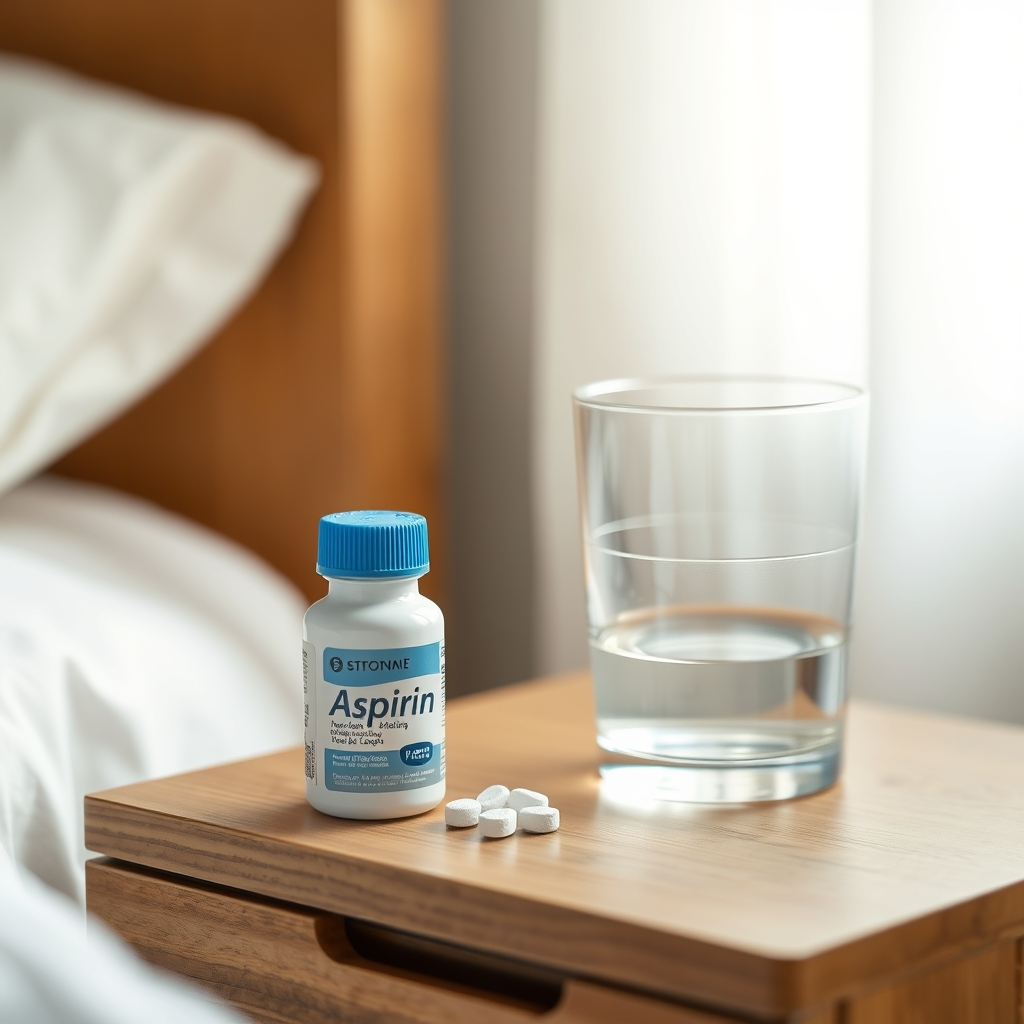
Safe: Low-dose aspirin (81 mg) is generally allowed after the first trimester when prescribed, but higher doses should be avoided. Learn recommended dosage, timing, and safer alternatives for pregnant women.
By Shubhra Mishra — a mom of two who turned her own confusion during pregnancy into BumpBites, a global mission to make food choices clear, safe, and stress-free for every expecting mother. 💛
Check whether any food is safe during pregnancy with the BumpBites Food Safety Checker.
Quick verdict: ⚠️ Talk to your doctor first. Low‑dose aspirin may be safe for specific medical reasons, but routine use isn’t recommended for most pregnant people.
It’s completely normal to stare at the label of a bottle of aspirin at 2 a.m. and wonder, “is aspirin safe during pregnancy?” You might have taken a dose for a headache before you knew you were pregnant, or you could be considering it to lower the risk of preeclampsia. The good news is that the answer isn’t a simple “yes” or “no.” Whether aspirin is appropriate depends on the dose, the timing in pregnancy, and any underlying health conditions.
In this article we’ll walk you through the current medical guidance, break down safety by each trimester, explain the recommended dosage when aspirin is prescribed, list the potential risks for both mother and baby, and suggest safer pain‑relief options. We’ll also compare aspirin to other common over‑the‑counter (OTC) pain relievers so you can see the whole picture at a glance.
By the end of this read, you’ll know exactly what the experts say about aspirin use in pregnancy, which brands are no different from each other, and when you should reach out to your provider.
Keep a low‑dose aspirin bottle out of sight if you’re not sure it’s needed—your provider can help you decide.
Trimester / Breastfeeding
Verdict
Notes
1st trimester
⚠️ Use only if prescribed
Potential risk of miscarriage; low‑dose (81 mg) may be considered for specific conditions.
2nd trimester
⚠️ Use only if prescribed
Often recommended for preeclampsia prevention in high‑risk women.
3rd trimester
⚠️ Use only if prescribed
Same as 2nd trimester; avoid high doses that could affect fetal circulation.
Breastfeeding
✅ Generally safe
Low‑dose aspirin passes into breast milk in minimal amounts; most guidelines consider it compatible.
What is aspirin?
Aspirin (acetylsalicylic acid) is an NSAID (non‑steroidal anti‑inflammatory drug) that reduces pain, fever, and inflammation by blocking an enzyme called cyclooxygenase (COX). This inhibition lowers the production of prostaglandins, which are chemicals that promote inflammation, pain, and fever. Aspirin is also an antipllet agent; at low doses it thins the blood, making it useful for preventing blood clots.
People use aspirin for a range of reasons: relieving headaches, reducing fever, easing muscle aches, and, importantly for some pregnant patients, decreasing the risk of preeclampsia—a condition characterized by high blood pressure and organ damage. “Baby aspirin” usually refers to an 81 mg tablet, while regular strength tablets contain 325 mg. The low‑dose version is the one most often discussed in obstetric care.
Is aspirin safe during pregnancy?
C
urrent guidance from the American College of Obstetricians and Gynecologists (ACOG) and the UK’s National Health Service (NHS) says that routine aspirin use is not recommended for all pregnant people. However, low‑dose aspirin (81 mg) taken under medical supervision is considered safe and beneficial for certain high‑risk groups, such as those with a history of preeclampsia, hypertension, or thrombophilia.
Both the FDA and the CDC note that high‑dose aspirin (325 mg or more) can increase the risk of bleeding complications for the mother and may affect fetal platelet function. The risk is greatest in the first trimester, when organ formation (organogenesis) is occurring. Studies have not shown a clear link between low‑dose aspirin and birth defects, but the precautionary principle guides most clinicians to limit use to specific indications.
In short, is aspirin safe during pregnancy depends on the dose, timing, and why you’re taking it. If you’re considering aspirin for pain relief alone, safer alternatives exist. If your provider has prescribed low‑dose aspirin for preeclampsia prevention, the benefits typically outweigh the risks.
Recent meta‑analyses published in *The Lancet* and *BMJ* reinforce that low‑dose aspirin started before 16 weeks gestation reduces the incidence of preeclampsia by roughly 20 % in high‑risk women. Importantly, these studies also reported no increase in major congenital anomalies, supporting the safety profile of the 81 mg regimen when used appropriately.
Nevertheless, many obstetricians still advise a “watchful waiting” approach for low‑risk pregnancies. The underlying message across ACOG, NICE, and NHS guidelines is consistent: aspirin is a medication, not a vitamin, and should only be taken when a health professional has weighed the benefits against the potential harms.
Safety by trimester
First trimester
The first 13 weeks are the most vulnerable period for the developing embryo. High‑dose aspirin can interfere with the formation of the fetal circulatory system and has been linked in some studies to a modest increase in miscarriage risk. For this reason, ACOG advises that aspirin should only be taken in the first trimester if a physician has specifically prescribed it for a medical condition.
If you have an established indication—such as antiphospholipid syndrome—your provider may start low‑dose aspirin after confirming the pregnancy by ultrasound, typically around 12 weeks. Even then, the dose remains at 81 mg to avoid the higher‑dose risks.
Second trimester
From weeks 14 to 27, the placenta is fully forming and maternal blood flow to the baby becomes critical. Low‑dose aspirin (81 mg) is often recommended during this window for women at high risk of preeclampsia, as it can improve placental blood flow. Higher doses are still discouraged because they can increase bleeding risk during delivery.
During the second trimester, many clinicians also monitor platelet counts and renal function as part of routine prenatal labs, especially when aspirin is part of a treatment plan for clotting disorders. This monitoring helps catch any early signs of excessive antiplatelet effect.
Third trimester
In weeks 28 to birth, the focus shifts to preventing excessive clotting that could compromise delivery. Continuing low‑dose aspirin is generally considered safe, but clinicians may advise stopping it a week before planned labor or cesarean to reduce bleeding complications. High‑dose aspirin remains contraindicated.
Some providers will transition women who are on low‑dose aspirin to a short “wash‑out” period before induction of labor. This practice is based on data from the WHO that suggests a brief discontinuation can lower postpartum hemorrhage rates without sacrificing the protective effect against preeclampsia.
Breastfeeding
Low‑dose aspirin is excreted into breast milk in very low concentrations. The American Academy of Pediatrics (AAP) states that occasional use of low‑dose aspirin is compatible with breastfeeding, but high doses should be avoided unless prescribed.
If you are nursing and need aspirin for a medical condition, discuss timing with your pediatrician. Taking the dose after a feeding session can further minimize infant exposure.
Low‑dose aspirin is typically prescribed from the end of the first trimester through the third trimester for certain high‑risk pregnancies.
What is the recommended aspirin dosage for pregnant women?
When aspirin is indicated, the standard dose is 81 mg once daily, often referred to as “baby aspirin.” This dose is low enough to avoid significant platelet inhibition that could cause bleeding, yet high enough to provide the antiplatelet benefit needed for conditions like preeclampsia. Some clinicians may prescribe a slightly higher dose (up to 162 mg) for specific thrombophilias, but only under close supervision.
For pain relief alone, the FDA does not set a pregnancy‑specific dosage, and the recommendation is to avoid aspirin unless a provider says otherwise. If you are prescribed aspirin, follow the exact dosing instructions given by your obstetrician or midwife.
It is also important to consider the formulation. Enteric‑coated aspirin is designed to dissolve in the intestine rather than the stomach, which can reduce gastrointestinal irritation. However, the coating does not change the systemic dose, so the 81 mg recommendation still applies.
Is low‑dose aspirin safe during the first trimester?
Low‑dose aspirin (81 mg) can be safe in the first trimester *if* you have a medical indication such as a history of preeclampsia, antiphospholipid syndrome, or chronic hypertension. In those cases, ACOG recommends starting low‑dose aspirin after 12 weeks gestation. For women without such risk factors, routine use in the first trimester is not advised because of the slight increase in miscarriage risk observed in some studies.
Even when prescribed, clinicians will typically schedule an early ultrasound (around 8–12 weeks) to confirm fetal development before initiating therapy. This allows any early concerns to be addressed before the drug is introduced.
Can I take baby aspirin while pregnant?
Yes, you can take baby aspirin (81 mg) during pregnancy *if* a healthcare provider has prescribed it for a specific condition. The tablet is small enough that most brands—Bayer, St. Joseph, and generic store brands—are essentially identical in safety profile. Without a prescription, it’s safest to avoid it and choose an alternative pain reliever.
When you do take the medication, try to swallow the tablet with a full glass of water and, if you have a sensitive stomach, with a light snack. This simple step can help prevent gastric irritation, a common side effect of aspirin.
Are there any aspirin brands that are safer for pregnancy?
All FDA‑approved aspirin brands contain the same active ingredient, acetylsalicylic acid, and therefore share the same safety profile. The differences lie only in filler ingredients or tablet size. When a provider recommends low‑dose aspirin, any reputable brand (e.g., Bayer Low‑Dose Aspirin, St. Joseph Low‑Dose Aspirin) will work. Choose a brand that is easy for you to take consistently.
If you have a known allergy to a particular filler (such as lactose or gluten), check the label or ask your pharmacist for a suitable alternative. Most large manufacturers offer a “plain” version that minimizes additives.
What are the risks of taking aspirin during pregnancy?
Potential risks include:
Bleeding complications: Aspirin’s antiplatelet effect can increase maternal bleeding during labor and postpartum.
Fetal circulation issues: High doses may affect the ductus arteriosus, a fetal blood vessel that normally closes after birth.
Miscarriage: Some observational studies suggest a modest increase in early pregnancy loss with regular aspirin use without a medical indication.
Kidney problems in the baby: Very high doses have been linked to reduced fetal renal perfusion, though this is rare at low doses.
Most of these risks are dose‑dependent. Low‑dose aspirin under medical supervision is generally considered to have a favorable risk‑benefit balance for high‑risk pregnancies.
Safe dosage / amount / brands
For most pregnant patients who need aspirin, the safe daily amount is a single 81 mg tablet. If you are prescribed a higher dose (e.g., 162 mg), it will be split into two tablets taken at separate times of the day. The following table outlines common brand options and any notable excipients that might matter for sensitive individuals.
Brand
Formulation
Notes for pregnancy
Bayer Low‑Dose Aspirin
81 mg tablet
Standard filler; widely available.
St. Joseph Low‑Dose Aspirin
81 mg tablet
Gluten‑free; good for dietary restrictions.
Generic Store Brand
81 mg tablet
Check label for lactose if you’re intolerant.
Enteric‑Coated Low‑Dose
81 mg tablet
May reduce stomach upset but not required.
Side effects and risks
Most pregnant people tolerate low‑dose aspirin well, but you should stay alert for these signals:
Unusual bruising or bleeding: Spotting, heavier menstrual flow, or bleeding gums may indicate excessive platelet inhibition.
Severe stomach pain or heartburn: Aspirin can irritate the stomach lining; consider taking it with food.
Fetal heart rate changes: Detected only via ultrasound, but high‑dose aspirin could affect fetal circulation.
If you notice any of these, especially heavy vaginal bleeding or severe abdominal pain, contact your provider promptly. Most side effects are mild, but serious complications are rare when the drug is used as directed.
Safer alternatives
Acetaminophen (Tylenol) – widely regarded as safe for fever and mild‑to‑moderate pain.
Acetaminophen (Panadol) – same active ingredient, good for occasional use.
Acetaminophen (FeverAll) – formulated for quick relief, safe in pregnancy.
Acetaminophen (Midol) – choose the “pain relief” version without caffeine.
Acetaminophen (Tempra) – extended‑release option for longer‑lasting comfort.
Prenatal yoga – gentle stretching can ease back and abdominal discomfort.
Warm compress – a simple, drug‑free method for soothing muscle aches.
Hydration and rest – often overlooked, staying hydrated can reduce headache frequency.
Massage therapy (by a certified prenatal therapist) – can relieve tension without medication.
Related items — safety at a glance
Item
Verdict
One‑line note
Ibuprofen
⚠️ Avoid in 3rd trimester
Can cause premature closure of the fetal ductus arteriosus.
Naproxen
⚠️ Avoid in 3rd trimester
Similar risks to ibuprofen; not first‑line for pain.
Acetaminophen
✅ Generally safe
First‑choice for fever and mild‑to‑moderate pain.
Celecoxib
❌ Best avoided
Selective COX‑2 inhibitor linked to fetal growth restriction.
Diclofenac
❌ Best avoided
Associated with premature closure of fetal blood vessels.
Ketoprofen
❌ Best avoided
Risk of bleeding and fetal renal impairment.
Meloxicam
❌ Best avoided
Limited safety data; generally not recommended.
Ibuprofen (low dose)
⚠️ Avoid after 20 weeks
Even low doses may affect fetal circulation later in pregnancy.
Acetaminophen + Codeine
⚠️ Use sparingly
Opioid component may cause neonatal respiratory depression.
Myth vs. fact
Myth: All aspirin is unsafe in pregnancy.
Fact: Low‑dose (81 mg) aspirin can be safe and even beneficial when prescribed for specific conditions such as preeclampsia prevention.
Myth: “Baby aspirin” means it’s safe for any use.
Fact: “Baby” refers only to the tablet size (81 mg). It is still a medication that should be taken only under medical guidance.
Myth: If I took a regular 325 mg aspirin before learning I was pregnant, my baby is in danger.
Fact: One occasional dose is unlikely to cause harm, but you should discuss it with your provider to assess any needed monitoring.
Key takeaways
Routine aspirin is not recommended for all pregnant people; low‑dose aspirin is only safe when prescribed for a specific medical reason.
First‑trimester use without indication may increase miscarriage risk; second and third trimesters are safer for low‑dose aspirin in high‑risk pregnancies.
Typical prescribed dose is 81 mg once daily; higher doses should only be used under close supervision.
Common side effects include mild stomach upset and increased bleeding; severe symptoms warrant immediate medical attention.
Acetaminophen, prenatal yoga, and warm compresses are safer first‑line options for pain relief.
Always discuss aspirin use with your obstetrician, especially if you have a history of miscarriage or clotting disorders.
Frequently asked questions
Can pregnant women take aspirin?
Yes, but only under a provider’s direction. Low‑dose aspirin (81 mg) may be prescribed for conditions like preeclampsia, while routine use for pain is discouraged.
What dosage of aspirin is safe during pregnancy?
The generally accepted safe dose is 81 mg once daily, and it should be taken only if a healthcare professional has recommended it for a specific indication.
Is low dose aspirin recommended for preventing preeclampsia?
Yes. ACOG recommends low‑dose aspirin (81 mg) after 12 weeks gestation for women at high risk of preeclampsia, as it can reduce the incidence of the condition.
Does aspirin cause birth defects?
Current evidence does not link low‑dose aspirin to birth defects, but high‑dose aspirin has been associated with potential fetal complications, so it is avoided unless medically indicated.
Can aspirin be used to treat headaches in pregnancy?
Only if a provider specifically advises it. For most headaches, acetaminophen is the safer first‑line choice.
Are there any aspirin‑free pain relievers safe for pregnant women?
Acetaminophen (e.g., Tylenol, Panadol) is considered safe for most types of pain and fever during pregnancy.
When should I stop taking aspirin during pregnancy?
If you are on low‑dose aspirin for preeclampsia prevention, many clinicians advise stopping 7‑10 days before planned labor or cesarean to reduce bleeding risk.
What should I do if I miss a dose of aspirin?
Missing a single dose is usually not a problem; simply take the missed dose as soon as you remember, unless it is close to your next scheduled dose. Do not double‑dose.
Can I take aspirin together with prenatal vitamins?
Yes, aspirin does not interact with most prenatal vitamins. However, if your vitamin contains iron, taking aspirin on an empty stomach may increase stomach irritation, so a light snack is advisable.
Acetaminophen is the most widely recommended alternative for pain relief in pregnancy.
When to call your doctor
Contact your provider immediately if you experience any of the following while taking aspirin:
Heavy vaginal bleeding or spotting that worsens
Severe abdominal or pelvic pain
Sudden onset of headache with visual changes
Unexplained bruising or prolonged bleeding from cuts
Signs of preterm labor (regular contractions, fluid leakage)
These symptoms may indicate a complication that requires prompt medical evaluation. This article provides general information and does not replace personalized medical advice.
References
American College of Obstetricians and Gynecologists. “Low‑Dose Aspirin Use in Pregnancy.” ACOG Practice Bulletin, 2023.
National Health Service (NHS). “Aspirin in Pregnancy.” NHS website, updated 2022.
U.S. Food and Drug Administration (FDA). “Drug Safety and Pregnancy: Aspirin.” FDA Consumer Health Information, 2021.
Centers for Disease Control and Prevention (CDC). “Medication Use in Pregnancy.” CDC Guidelines, 2022.
World Health Organization (WHO). “Recommendations for Prevention of Preeclampsia.” WHO Technical Report Series, 2020.
Mayo Clinic. “Aspirin: Uses and Risks.” Mayo Clinic Proceedings, 2023.
National Institute for Health and Care Excellence (NICE). “Aspirin for Prevention of Preeclampsia.” NICE Guideline NG123, 2022.
BMJ. “Low‑dose aspirin in pregnancy for preeclampsia prevention: systematic review.” BMJ, 2022.
The Lancet. “Aspirin therapy in high‑risk pregnancy: outcomes and safety.” The Lancet, 2021.
Not sure about the label on Is Aspirin Safe During Pregnancy products?
Snap the ingredients list and SafeFilter checks every ingredient for your stage — only 3 free scans this month, then you're locked until reset. Unlimited from $7/mo or $50/yr.
When Shubhra Mishra was expecting her first child in 2016, she was overwhelmed by conflicting food advice — one site said yes, another said never. By the time her second baby arrived in 2019, she realized millions of mothers face the same confusion.
That sparked a five-year journey through clinical nutrition papers, cultural diets, and expert conversations — all leading to BumpBites: a calm, compassionate space where science meets everyday motherhood.
Her long-term vision is to build a global community ensuring safe, supported, and free deliveriesfor every mother — because no woman should face pregnancy alone or uninformed. 🌿
🌍 Stand with mothers, shape safer guidance
Join a small circle of experts who review BumpBites articles so expecting parents everywhere can decide with confidence.