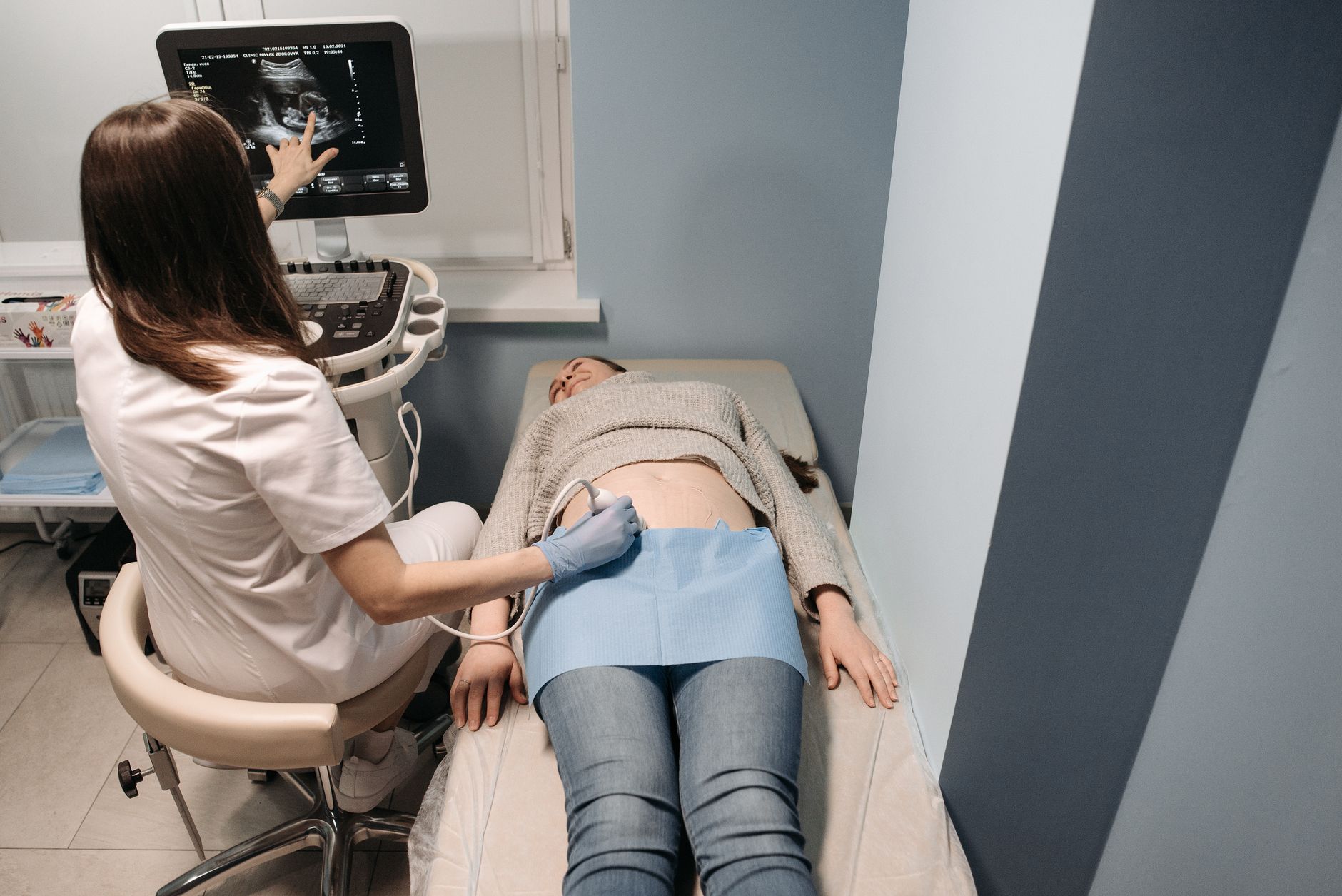
Is Aripiprazole (Abilify) safe during pregnancy? It's conditional. Discuss risks vs. benefits with your doctor, as untreated conditions also pose risks.
By Shubhra Mishra — a mom of two who turned her own confusion during pregnancy into BumpBites, a global mission to make food choices clear, safe, and stress-free for every expecting mother. 💛
Check whether any food is safe during pregnancy with the BumpBites Food Safety Checker.
Quick verdict: ⚠️ Safe with limits — aripiprazole (Abilify) can be used during pregnancy only when medically necessary and under close monitoring, as it carries a small but elevated risk of certain birth defects and neonatal complications. Most obstetricians recommend avoiding it in the first trimester and using the lowest effective dose possible in later trimesters. If you’re already taking it, do not stop abruptly without consulting your provider.
You’re scrolling through your phone at 2 am, heart pounding, when you realize you’ve been taking Abilify for months—and now you’re pregnant. The panic sets in: Is aripiprazole safe during pregnancy? Will it harm my baby? Can I keep taking it? Or worse, what if I’ve already taken it before I knew I was pregnant? You’re not alone. Many women with bipolar disorder, schizophrenia, or treatment-resistant depression worry about their medications when they discover a pregnancy. The good news? There are safer options, and your provider can help you navigate this carefully. But first, let’s break down what the science says—and what you can do next.
This article covers everything you need to know about Abilify (generic name: aripiprazole) during pregnancy, including trimester-specific safety, dosage guidelines, side effects, and safer alternatives. We’ll also address the most common fears—like birth defects or withdrawal risks—so you can make an informed decision with confidence. If you’ve already taken Abilify before realizing you were pregnant, take a deep breath: most experts agree that a single dose isn’t cause for alarm, but ongoing use requires careful planning and discussion with your healthcare team. Remember, managing your mental health is a crucial part of a healthy pregnancy, and your provider will work with you to find the safest path forward.
Below, you’ll find a clear safety snapshot, expert-backed guidance, and actionable steps to discuss with your healthcare team. Because pregnancy isn’t just about avoiding risks—it’s about balancing them with the need to manage your mental health. Let’s dive in.
May be used at lowest effective dose if necessary, but monitor for fetal growth and side effects like extrapyramidal symptoms. Regular glucose monitoring may be advised.
Third Trimester
⚠️ Safe with limits but increased neonatal risks
Risk of neonatal withdrawal symptoms (e.g., agitation, feeding difficulties, respiratory distress) if taken near delivery. Taper only under provider supervision.
Breastfeeding
⚠️ Safe with caution (low levels in milk)
Small amounts pass to breast milk; monitor infant for drowsiness or irritability. ACOG classifies as compatible with breastfeeding, but always discuss with your pediatrician.
Understanding your medication’s safety profile is the first step in managing it during pregnancy.
What is aripiprazole (Abilify)?
Aripiprazole, sold under the brand name Abilify, is an atypical antipsychotic medication primarily used to treat:
Bipolar disorder (to manage manic or depressive episodes)
Schizophrenia (to reduce hallucinations and delusions)
Depression (when combined with antidepressants, as an adjunctive treatment for major depressive disorder)
Irritability associated with autism spectrum disorder (in children and adolescents)
Tourette’s syndrome (to reduce tics)
It works by affecting neurotransmitters in the brain—specifically dopamine and serotonin—to restore balance. Unlike older antipsychotics, aripiprazole is associated with a lower risk of certain movement disorders (e.g., tardive dyskinesia), which is why it’s often preferred for long-term use for conditions like bipolar disorder or schizophrenia. For many, it significantly improves quality of life by stabilizing mood and reducing psychotic symptoms, allowing them to function daily.
Many women rely on Abilify to stabilize their mental health, and stopping it abruptly can trigger dangerous withdrawal symptoms like severe depression, anxiety, agitation, or even psychosis. This can pose significant risks to both the mother and the developing baby. That’s why the decision to continue, switch, or adjust medications during pregnancy is never simple—and why your psychiatrist and obstetrician’s combined guidance is absolutely critical.
Is aripiprazole (Abilify) safe during pregnancy?
T
he short answer? Abilify is not considered safe during pregnancy unless absolutely necessary, according to the American College of Obstetricians and Gynecologists (ACOG) and the U.S. Food and Drug Administration (FDA). However, this doesn't mean it's an automatic "no." The discussion centers on balancing the potential risks of the medication against the very real and often severe risks of untreated mental illness during pregnancy.
The FDA classifies aripiprazole as a Category C drug during pregnancy, meaning:
Animal studies show risks, but no controlled human data exists. The benefits may outweigh risks in some cases, but caution is required.
This classification stems from observational studies linking atypical antipsychotics—including aripiprazole—to:
Increased risk of birth defects, particularly heart anomalies (e.g., atrial septal defect) and cleft palate, when taken in the first trimester. While this risk is elevated, the absolute number of affected babies remains low.
Neonatal withdrawal symptoms (also known as Neonatal Adaptation Syndrome or NAS) if taken near delivery, such as:
Agitation or jitteriness
Feeding difficulties and poor weight gain
Respiratory distress or rapid breathing
Hypotonia (floppy baby syndrome) or hypertonia (stiffness)
Hypothermia or temperature regulation issues
Higher rates of preterm birth, low birth weight, and gestational diabetes in some studies. It's important to note that these outcomes may sometimes reflect the underlying maternal mental illness (e.g., poor nutrition, stress) rather than solely the drug itself.
However, the risks are not absolute. Many women with severe mental illnesses—especially bipolar disorder or schizophrenia—face greater risks to their health and their baby if their condition goes untreated. For example, uncontrolled bipolar disorder during pregnancy is linked to:
Increased risk of preterm labor and miscarriage
Higher likelihood of postpartum psychosis (a severe psychiatric emergency)
Poor adherence to prenatal care, leading to other complications
Increased risk of substance abuse or self-harm
This is why the ACOG and the Royal College of Psychiatrists (UK) emphasize that Abilify should only be used during pregnancy if:
The benefits clearly outweigh the risks for the mother’s mental health and overall well-being.
The dose is kept as low as possible to effectively manage symptoms.
The pregnancy is closely monitored with regular ultrasounds, fetal heart rate assessments, and maternal glucose checks.
If you’re currently taking Abilify and discover you’re pregnant, do not stop suddenly. Abrupt withdrawal can cause severe mood swings, suicidal ideation, or even relapse into psychosis, which can be far more dangerous than continuing the medication under supervision. Instead, work with your provider to:
Gradually taper the dose if clinically appropriate and safe.
Explore safer alternatives if a switch is deemed necessary (see below).
Monitor your baby’s growth and development closely throughout pregnancy.
For context, a 2021 study published in JAMA Psychiatry analyzed data from over 1 million pregnancies and found that women taking Abilify had a 1.5-fold increase in certain birth defects compared to those not taking antipsychotics. However, the absolute risk remained low (~1-2% extra risk), meaning the vast majority of babies are born healthy. This highlights the nuanced decision-making involved, always prioritizing the individual patient's needs.
A collaborative discussion between your obstetrician and psychiatrist is vital for managing medication during pregnancy.
Aripiprazole Safety by Trimester and During Breastfeeding
First Trimester: Critical Organogenesis
The first trimester—especially the first 8–12 weeks—is the most critical window for fetal development. This is when major organs form, and exposure to certain medications can increase the risk of birth defects. For aripiprazole, the evidence suggests:
❌ Best avoided if possible. The ACOG and FDA recommend not starting aripiprazole in the first trimester unless:
The mother has a severe, untreated mental illness (e.g., bipolar disorder with psychotic features, severe schizophrenia) that poses an immediate threat to her or the pregnancy.
No safer alternatives are available or have proven ineffective.
If you’re already taking Abilify and realize you’re pregnant in the first trimester, do not panic. A single dose or short-term use is unlikely to cause severe harm. However, ongoing use requires immediate discussion with your provider. They may recommend:
Switching to a safer alternative (e.g., quetiapine or olanzapine, or a mood stabilizer like lamotrigine).
Temporarily reducing the dose if symptoms allow stable mental health.
Increasing monitoring with high-resolution ultrasounds (e.g., a fetal echocardiogram) to check for structural abnormalities, especially heart defects.
Key red flags to watch for:
Any significant worsening of your mental health symptoms.
Unexplained fever, rash, or severe allergic reaction.
Second Trimester: Monitoring and Adjustment
The second trimester (weeks 13–26) is often considered a relatively safer window for medication adjustments after the first trimester’s organogenesis. However, Abilify still carries risks, and guidelines focus on:
Minimizing the dose: Aim for the lowest effective dose (e.g., 5–10 mg/day) that maintains your mental stability.
Avoiding increases: Do not raise the dose unless symptoms worsen significantly and other interventions (like therapy) are insufficient.
Monitoring fetal growth: Regular ultrasounds to check for:
Fetal growth restriction or low birth weight.
Signs of preterm labor.
Maternal metabolic monitoring: Atypical antipsychotics, including aripiprazole, can increase the risk of gestational diabetes. Your doctor will likely recommend a glucose tolerance test (GTT) around 24-28 weeks.
This period is often a good time to reassess your medication plan with your doctor, especially if you were unable to make changes in the first trimester. Discussions might include gradually tapering aripiprazole if your condition allows, or switching to an alternative with a better safety profile for the remainder of the pregnancy.
Third Trimester: Preparing for Delivery
As you approach the third trimester (weeks 27–40) and delivery, the primary concern with aripiprazole is the potential for neonatal withdrawal symptoms in the baby. If taken close to birth, the baby may experience these symptoms shortly after delivery.
Risk of Neonatal Adaptation Syndrome (NAS): Symptoms can include jitteriness, tremors, respiratory distress, feeding difficulties, and irritability. These typically appear within hours or days of birth and can require observation or treatment in a neonatal intensive care unit (NICU).
Avoid abrupt discontinuation: While the risk of NAS is present, stopping aripiprazole suddenly in the third trimester can trigger severe maternal relapse, which can be more detrimental. Any tapering should be done gradually and under strict medical supervision.
Delivery planning: Your healthcare team should be aware of your medication use to prepare for potential neonatal symptoms and ensure your baby receives appropriate monitoring immediately after birth.
The goal is to weigh the risk of neonatal symptoms against the risk of maternal relapse, finding the most stable path for both mother and baby during this crucial period.
Aripiprazole and Breastfeeding
When considering breastfeeding while taking aripiprazole, the good news is that low levels of aripiprazole pass into breast milk. The ACOG generally classifies it as compatible with breastfeeding, but caution and close monitoring are still advised.
Monitor the infant: Watch your baby for signs of drowsiness, irritability, poor feeding, or unusual weight gain/loss. These could indicate too much medication in their system.
Lowest effective dose: Continue to use the lowest effective dose to manage your symptoms.
Consult your pediatrician: Always discuss your medication use with your baby's pediatrician. They can help monitor your infant and provide specific guidance.
For many mothers, the benefits of breastfeeding (e.g., bonding, immune benefits for the baby) combined with the necessity of maintaining stable mental health outweigh the small potential risks. However, the decision is highly personal and should be made in consultation with your entire healthcare team.
Aripiprazole Dosage and Brand Considerations During Pregnancy
There is no official "safe" dosage range for aripiprazole during pregnancy, as the goal is always the lowest effective dose. However, most experts follow these guidelines to minimize potential risks:
Scenario
Recommended Approach
Notes
Already taking aripiprazole before pregnancy
Continue at lowest effective dose under provider supervision
Only consider if no other options work, and the benefits of treatment clearly outweigh the risks of medication and untreated illness.
Near delivery (third trimester)
Taper only under provider supervision if clinically safe to reduce neonatal withdrawal risk.
Abrupt cessation can cause severe maternal relapse. If tapering, do so gradually.
Breastfeeding
Continue at lowest dose; monitor infant for side effects
Small amounts pass to milk; watch for drowsiness or irritability. Discuss with pediatrician.
Typical doses of Abilify range from 5 mg to 30 mg daily, but during pregnancy, providers often aim for:
5–10 mg/day if possible (the lowest effective dose to maintain stability).
Avoid doses above 15 mg/day unless absolutely necessary due to severe symptoms and lack of response to lower doses.
Pregnancy can also alter how your body processes medications, potentially requiring minor dose adjustments to maintain therapeutic levels. Your doctor will monitor your symptoms closely and may adjust your dose based on clinical response, always aiming for the lowest effective amount.
Is the brand name Abilify safer than generic aripiprazole during pregnancy?
No, there is no difference in safety between Abilify (the brand-name version) and generic aripiprazole during pregnancy. Both contain the same active ingredient and are rigorously regulated by the FDA for quality, purity, and efficacy. The generic versions must meet the same standards as the brand-name drug.
Cost: Generic aripiprazole is often significantly cheaper and may be easier to afford long-term, which can improve adherence to treatment.
Inactive ingredients (excipients): While the active ingredient is identical, generic versions may use different inactive ingredients (fillers, binders, dyes). Some individuals might experience mild digestive upset or minor allergic reactions to these different excipients, but this is rare and not a pregnancy-specific concern.
Tracking features: Abilify MyCite (the ingestible pill with a tracking system) is not recommended during pregnancy. The tracking feature is unnecessary and could potentially cause undue anxiety or privacy concerns without offering any therapeutic benefit for pregnancy management.
Bottom line: If your provider prescribes aripiprazole, whether it’s branded or generic, the safety profile regarding your pregnancy remains the same. Focus on the prescribed dose, the monitoring plan, and open communication with your healthcare team rather than the brand name.
Does aripiprazole (Abilify) increase the risk of birth defects?
Yes, Abilify is associated with a slightly increased risk of certain birth defects, particularly when taken during the first trimester. It’s crucial to understand that "increased risk" does not mean "guaranteed harm." The absolute risk remains low, but it's a factor your healthcare team will consider.
Here’s what the research generally shows regarding specific types of birth defects:
Heart defects (e.g., atrial septal defect, ventricular septal defect, conotruncal defects): Studies have indicated a ~1.5–2x higher risk compared to women not taking antipsychotics. These are structural issues with the baby's heart.
Cleft palate or lip: Some studies link atypical antipsychotics to a higher incidence of oral clefts, though the evidence for aripiprazole specifically can be mixed and the overall risk remains very low.
Neural tube defects (e.g., spina bifida): There is no strong, consistent evidence directly linking aripiprazole to an increased risk of neural tube defects. However, folic acid supplementation is still universally recommended for all pregnant women (starting before conception) to prevent these defects, regardless of medication use.
The absolute risk remains low—meaning the vast majority of babies born to mothers taking Abilify are healthy. However, if you’re concerned, your provider may recommend enhanced prenatal screening, such as:
An early anatomy ultrasound (around 11–14 weeks) and a detailed fetal echocardiogram (around 18-22 weeks) to specifically check for structural abnormalities, especially heart defects.
Blood tests for alpha-fetoprotein (AFP) to screen for neural tube defects.
Discussing a switch to a safer alternative if possible and clinically appropriate.
What to do if you’ve already taken aripiprazole in the first trimester:
If you took Abilify before you knew you were pregnant—or even in early pregnancy—don’t panic. A single dose or short-term use is unlikely to cause severe harm. However, if you’ve been taking it regularly, schedule:
An urgent prenatal visit to discuss monitoring options and your individualized risk.
A joint obstetrician and psychiatrist consultation to assess your baby’s growth and development plan.
A clear plan for the next trimester (e.g., tapering, switching meds, or continuing with enhanced monitoring).
What are the potential side effects of aripiprazole in pregnancy?
Aripiprazole can cause side effects in both the mother and the baby. Being aware of these can help you and your healthcare team monitor for them effectively.
For the Mother
Extrapyramidal symptoms (EPS): These are movement disorders that can include dystonia (muscle spasms), akathisia (restlessness or inability to sit still), tremors, or rigidity. These are more common with higher doses but can occur at any level.
Weight gain and metabolic changes: Aripiprazole can increase the risk of gestational diabetes and high blood pressure, requiring closer monitoring of blood sugar and blood pressure throughout pregnancy.
Sedation or insomnia: Depending on the individual and dose, aripiprazole can cause either drowsiness or difficulty sleeping.
Increased prolactin levels: While less common with aripiprazole than some other antipsychotics, elevated prolactin can sometimes cause breast tenderness or irregular periods, though these are less likely to be noticed during pregnancy.
For the Baby
Neonatal Adaptation Syndrome (NAS): If taken near delivery, the baby may experience withdrawal-like symptoms such as agitation, jitteriness, tremors, respiratory distress, feeding difficulties, and changes in muscle tone. These symptoms typically resolve within days to weeks but may require NICU observation.
Hypothermia or temperature regulation issues in the first days after birth, making it harder for the baby to maintain a stable body temperature.
Low birth weight or preterm birth: While often linked to the underlying maternal illness, medication use may also contribute to these outcomes in some cases.
For Both
Increased risk of postpartum depression or psychosis if medication is stopped abruptly or managed poorly around delivery.
Long-term Effects on the Child
The long-term neurodevelopmental effects of in-utero exposure to aripiprazole are still a topic of ongoing research. Current studies generally suggest that while there may be subtle differences in development, major long-term cognitive or behavioral impairments are not consistently observed. However, due to the complexity of studying medication effects alongside maternal mental illness, it's an area where more definitive research is needed. Your pediatrician will monitor your child's development closely regardless of medication exposure.
When to call your doctor:
You experience severe drowsiness, confusion, or uncontrolled muscle movements (e.g., severe tremors, muscle spasms).
Your baby shows any signs of withdrawal after birth (e.g., excessive crying, poor feeding, rapid breathing, jitteriness).
You notice unusual heartbeats in your baby on a non-stress test or ultrasound.
Your mental health worsens significantly (e.g., severe depression, suicidal thoughts, psychotic symptoms) after stopping or reducing Abilify.
You develop symptoms of gestational diabetes (e.g., extreme thirst, frequent urination, fatigue).
How does aripiprazole affect fetal development?
Aripiprazole’s effects on fetal development are not fully understood, reflecting the challenge of conducting controlled studies in pregnant populations. However, existing research and clinical experience suggest a few key areas of concern and impact:
First-trimester exposure: This period is crucial for organogenesis. Exposure may increase the risk of:
Cardiac malformations (e.g., atrial or ventricular septal defects), which are structural problems with the heart.
Oral clefts (cleft palate or lip), though this risk is generally considered low.
While not directly linked to neural tube defects, adequate folic acid intake remains essential for all pregnancies.
Second- and third-trimester exposure: While major structural defects are less likely after the first trimester, exposure during these later stages is linked to:
Lower birth weight (fetal growth restriction).
Preterm birth (delivery before 37 weeks).
Metabolic impacts, potentially contributing to higher rates of gestational diabetes in the mother, which can indirectly affect fetal growth and health.
Near-delivery exposure: Exposure close to birth increases the risk of:
Neonatal Adaptation Syndrome (NAS), a collection of withdrawal-like symptoms that can include jitteriness, poor feeding, respiratory distress, and temperature instability.
This syndrome typically requires monitoring and supportive care for the newborn.
However, it’s important to reiterate that many women with bipolar disorder or schizophrenia have untreated illnesses, which can also significantly harm fetal development. For example:
Untreated bipolar disorder is linked to higher rates of preterm labor, low birth weight, and increased maternal stress hormones.
Severe depression during pregnancy increases the risk of poor maternal nutrition, substance abuse, and inadequate prenatal care, all of which negatively impact fetal outcomes.
Psychotic episodes can lead to poor judgment, self-neglect, and non-adherence to medical advice, posing direct risks to the pregnancy.
This is why the decision to use Abilify during pregnancy is so individualized and complex. Your provider will carefully weigh:
Your mental health history and symptom severity.
The risks of untreated illness (which can be profound) versus the specific risks of the medication.
The availability of safer alternatives and your response to them.
Your personal preferences and values regarding medication use.
Can aripiprazole be used for bipolar disorder during pregnancy?
Yes, Abilifycan be used for bipolar disorder during pregnancy, but only if absolutely necessary and under strict monitoring. The management of bipolar disorder during pregnancy is particularly challenging because both the illness itself and the medications used to treat it carry potential risks. Untreated bipolar disorder—especially when severe—poses significant risks to both mother and baby, including:
Increased risk of preterm birth and miscarriage.
Higher likelihood of postpartum psychosis, a severe and potentially life-threatening psychiatric emergency.
Poor adherence to prenatal care due to mood instability, leading to other complications.
Increased risk of complications like preeclampsia or gestational diabetes due to lifestyle factors during manic or depressive episodes.
Risk of self-harm or suicidal ideation during severe depressive episodes.
If you’re taking Abilify for bipolar disorder and discover you’re pregnant, your treatment plan will be carefully tailored and may include:
Continuing at the lowest effective dose if symptoms are well-controlled and the benefits outweigh risks.
Adding mood stabilizers like lithium or lamotrigine (though these have their own specific risks and monitoring requirements).
Switching to another atypical antipsychotic like quetiapine or olanzapine if aripiprazole is deemed too risky or less effective.
Intensifying psychotherapy or support groups to manage symptoms non-pharmacologically, alongside medication.
Key studies:
A 2019 study in JAMA Network Open found that women with bipolar disorder taking antipsychotics had lower rates of relapse into mania or depression compared to those who stopped medication during pregnancy. This underscores the importance of maintaining stability.
The ACOG states that continuing stable doses of antipsychotics is generally safer than stopping abruptly, especially for severe conditions like bipolar disorder, given the high risk of relapse.
What to avoid:
Stopping Abilify suddenly without medical guidance (can trigger severe mania or depression).
Increasing the dose without provider approval (higher risk of side effects for both mother and baby).
Self-medicating with other substances (e.g., alcohol, illicit drugs, unprescribed benzodiazepines) to "feel better," as these carry significant risks during pregnancy.
Safer Alternatives to Aripiprazole During Pregnancy
If you’re taking Abilify and concerned about pregnancy safety, there are safer alternatives depending on your diagnosis and individual response. The best choice will always be made in close consultation with your psychiatrist and obstetrician, considering your specific mental health needs and symptom profile. Below are some of the most commonly considered and generally safer options:
Sertraline (Zoloft) – Often preferred for depression or anxiety. An SSRI antidepressant with one of the lowest risks of birth defects among its class. ACOG considers it Category C but with minimal evidence of harm in large studies.
Fluoxetine (Prozac) – Another SSRI, often used for depression, anxiety, or certain forms of bipolar depression. Large studies show no increased risk of major birth defects when used in pregnancy, making it a common choice.
Olanzapine (Zyprexa) – An atypical antipsychotic that is generally considered safer than aripiprazole for bipolar disorder or schizophrenia in terms of birth defect risk. However, it still carries risks for neonatal withdrawal and a higher likelihood of maternal weight gain and gestational diabetes, requiring close monitoring.
Quetiapine (Seroquel) – Another atypical antipsychotic, often used for bipolar disorder, schizophrenia, or severe insomnia. Generally considered safer than aripiprazole regarding birth defects, but has been linked to higher rates of gestational diabetes and maternal weight gain in some studies.
Lithium – A mood stabilizer considered the gold standard for bipolar disorder. It is effective but requires strict monitoring for maternal thyroid and kidney function. There is a known, albeit small, risk of Ebstein’s anomaly (a rare heart defect) if taken during the first trimester, making careful risk-benefit analysis crucial.
Lamotrigine (Lamictal) – An anticonvulsant often used as a mood stabilizer for bipolar disorder. It has a generally favorable safety profile in pregnancy, with many studies showing no increased risk of major birth defects, making it a common alternative.
Haloperidol (Haldol) – A traditional (first-generation) antipsychotic. While older, it has a relatively lower birth defect risk compared to some atypical antipsychotics, but a higher risk of extrapyramidal symptoms (movement disorders) in the baby.
Escitalopram (Lexapro) – Another SSRI, often preferred for anxiety or mild depression. Similar to sertraline, it has limited evidence of harm and is often used safely in pregnancy.
What to discuss with your provider:
Given my specific diagnosis, could I safely switch to sertraline, fluoxetine, or lamotrigine instead?
If an antipsychotic is necessary, would quetiapine or olanzapine be a better option for me?
Can I reduce my dose gradually while adding non-pharmacological therapies like psychotherapy?
Are there non-pharmacological options (e.g., Cognitive Behavioral Therapy (CBT), Dialectical Behavior Therapy (DBT), mindfulness, support groups) that could help manage my symptoms, either alone or in conjunction with a lower medication dose?
Key takeaway: The safest approach is to consult your psychiatrist and obstetrician together to find a plan that balances your mental health needs with fetal safety. Never stop or switch medications without professional guidance, as this can lead to severe and dangerous relapse.
Related items — safety at a glance
If you’re researching Abilify safety, you may also be curious about other antipsychotics or mood stabilizers. Below is a quick comparison of similar medications during pregnancy:
Lower birth defect risk than aripiprazole; monitor for gestational diabetes and weight gain.
Quetiapine (Seroquel)
⚠️ Safe with limits
Generally safer than aripiprazole but linked to weight gain and gestational diabetes.
Clozapine
❌ Best avoided
High risk of agranulocytosis (low white blood cell count) in mother; not recommended in pregnancy unless absolutely life-saving.
Ziprasidone (Geodon)
⚠️ Safe with limits
Limited data; monitor for QTc prolongation (heart rhythm risk) in mother and neonate.
Lurasidone (Latuda)
⚠️ Safe with limits
Newer atypical; limited data but generally considered lower risk for metabolic side effects. Monitor for neonatal withdrawal.
Risperidone (Risperdal)
⚠️ Safe with limits
Associated with increased risk of birth defects (similar to aripiprazole) and neonatal EPS.
Lithium
⚠️ Safe with limits
Effective mood stabilizer; small risk of Ebstein's anomaly (heart defect) if taken in 1st trimester. Requires strict maternal monitoring.
Lamotrigine (Lamictal)
✅ Generally safe
Mood stabilizer; considered one of the safer options for bipolar disorder in pregnancy with low risk of major birth defects.
Myth vs. fact
There's a lot of misinformation and anxiety surrounding medication use during pregnancy. Let's clear up some common myths about aripiprazole:
Myth: Taking any psychiatric medication during pregnancy means my baby will definitely have birth defects.
Fact: This is not true. While some medications, like aripiprazole, carry a slightly increased risk of certain birth defects, the absolute risk remains low. Most babies exposed to these medications are born healthy. The decision is about balancing a small increased risk against the potentially much larger risks of untreated severe mental illness.
Myth: If I'm taking Abilify and get pregnant, I should stop it immediately to protect my baby.
Fact: Absolutely not. Abruptly stopping aripiprazole can lead to severe withdrawal symptoms, including relapse into psychosis, severe depression, or mania. These conditions can be more dangerous to both you and your baby than continuing the medication under medical supervision. Always consult your doctor before making any changes to your medication regimen.
Myth: Breastfeeding is impossible if I'm taking aripiprazole.
Fact: For most mothers, breastfeeding while taking aripiprazole is considered compatible. While small amounts pass into breast milk, the levels are generally low, and your baby can be monitored for any signs of side effects like drowsiness. The benefits of breastfeeding often outweigh the minimal risks, but it's a decision to make with your pediatrician and psychiatrist.
Key takeaways
Aripiprazole (Abilify) is generally best avoided in the first trimester due to a slightly elevated risk of birth defects.
For later trimesters, it can be used only if medically necessary, at the lowest effective dose, and under close monitoring.
Do not stop aripiprazole abruptly if you discover you're pregnant; abrupt withdrawal can be dangerous. Consult your doctor immediately.
The risks of untreated severe mental illness (like bipolar disorder or schizophrenia) during pregnancy can often outweigh the risks of carefully managed medication.
Safer alternatives like quetiapine, olanzapine, lamotrigine, sertraline, or fluoxetine may be considered depending on your diagnosis.
Close monitoring for both mother (e.g., gestational diabetes) and baby (e.g., fetal growth, neonatal withdrawal) is crucial if continuing aripiprazole.
Aripiprazole is generally considered compatible with breastfeeding, but monitor the infant for drowsiness or irritability.
Frequently asked questions
How much aripiprazole is safe during pregnancy?
There isn't a specific "safe" amount, as the goal is always the lowest effective dose. Most providers aim for 5-10 mg/day if possible, avoiding doses above 15 mg/day unless absolutely necessary for severe symptoms. Your doctor will determine the appropriate dose based on your individual needs and response.
What if I already took aripiprazole before I knew I was pregnant?
If you took aripiprazole before realizing you were pregnant, do not panic. A single dose or short-term use is unlikely to cause severe harm. However, it's crucial to schedule an urgent consultation with your obstetrician and psychiatrist to discuss your medication history, assess risks, and plan for monitoring or potential adjustments to your treatment plan.
Can I have aripiprazole in my first trimester?
Aripiprazole is generally best avoided in the first trimester due to the slightly elevated risk of birth defects during this critical period of organ development. If you are already taking it and become pregnant, your doctor will discuss the risks and benefits of continuing, tapering, or switching to a safer alternative.
Is Abilify MyCite safe during pregnancy?
While the active ingredient (aripiprazole) in Abilify MyCite has the same safety profile as other forms of aripiprazole, the ingestible sensor and tracking system are not recommended during pregnancy. The tracking feature offers no additional therapeutic benefit for pregnancy management and may cause unnecessary stress or privacy concerns. Focus on the medication itself and your doctor's guidance.
What's a safer alternative to aripiprazole?
Safer alternatives depend on your specific diagnosis. For bipolar disorder, options like quetiapine (Seroquel), olanzapine (Zyprexa), or lamotrigine (Lamictal) are often considered. For depression or anxiety, SSRIs like sertraline (Zoloft) or fluoxetine (Prozac) are generally preferred due to their lower risk profiles. Always discuss these options with your psychiatrist and obstetrician.
How is aripiprazole different from quetiapine in pregnancy?
Both aripiprazole and quetiapine are atypical antipsychotics, but quetiapine (Seroquel) is generally considered to have a slightly better safety profile regarding birth defects during pregnancy compared to aripiprazole. However, quetiapine is associated with a higher risk of maternal weight gain and gestational diabetes. The choice between them depends on individual patient response, side effect profile, and specific mental health needs.
Can aripiprazole be used for anxiety during pregnancy?
Aripiprazole is primarily an antipsychotic and mood stabilizer, not a first-line treatment for anxiety. While it might be used off-label or as an adjunct for severe anxiety co-occurring with conditions like bipolar disorder, generally safer alternatives for anxiety during pregnancy include SSRIs (like sertraline or fluoxetine) or psychotherapy. Discuss your anxiety symptoms with your provider to explore the most appropriate and safest treatment options.
When to call your doctor
While we aim to provide comprehensive information, this article is for informational purposes only and is not a substitute for professional medical advice. Always contact your healthcare provider if you have any concerns or experience any of the following:
You experience a sudden worsening of your mental health symptoms, including severe depression, suicidal thoughts, mania, or psychotic episodes.
You notice any signs of preterm labor (e.g., regular contractions, vaginal bleeding, pelvic pressure).
Your baby exhibits any unusual symptoms after birth, such as excessive jitteriness, feeding difficulties, breathing problems, or changes in muscle tone.
You develop symptoms of gestational diabetes (e.g., extreme thirst, frequent urination, fatigue) or high blood pressure.
You have severe side effects from aripiprazole, such as uncontrolled muscle movements, severe drowsiness, or an allergic reaction.
You are concerned about your medication or your pregnancy for any reason.
Your healthcare team is your best resource for personalized advice and care during pregnancy.
References
American College of Obstetricians and Gynecologists (ACOG). (2023). Practice Bulletin No. 222: Psychiatric Disorders in Pregnancy.
U.S. Food and Drug Administration (FDA). (2023). Aripiprazole (Abilify) Prescribing Information.
National Institute for Health and Care Excellence (NICE). (2023). Antenatal and postnatal mental health: clinical management and service guidance.
Mayo Clinic. (2023). Aripiprazole (Oral Route) Pregnancy and Breastfeeding Information.
Byatt, N., et al. (2021). Perinatal Mental Health: A Guide for Obstetricians and Gynecologists. Obstetrics & Gynecology.
Kulkarni, J., et al. (2019). Antipsychotic Use During Pregnancy and Risk of Relapse in Bipolar Disorder. JAMA Network Open.
Cohen, L. S., et al. (2021). Aripiprazole Use During Pregnancy and the Risk of Birth Defects. JAMA Psychiatry.
Not sure about the label on Is Aripiprazole Abilify Safe During Pregnancy products?
Snap the ingredients list and SafeFilter checks every ingredient for your stage — only 3 free scans this month, then you're locked until reset. Unlimited from $7/mo or $50/yr.
When Shubhra Mishra was expecting her first child in 2016, she was overwhelmed by conflicting food advice — one site said yes, another said never. By the time her second baby arrived in 2019, she realized millions of mothers face the same confusion.
That sparked a five-year journey through clinical nutrition papers, cultural diets, and expert conversations — all leading to BumpBites: a calm, compassionate space where science meets everyday motherhood.
Her long-term vision is to build a global community ensuring safe, supported, and free deliveriesfor every mother — because no woman should face pregnancy alone or uninformed. 🌿
🌍 Stand with mothers, shape safer guidance
Join a small circle of experts who review BumpBites articles so expecting parents everywhere can decide with confidence.