Is anal sex during pregnancy safe? Generally yes, but with important precautions. Learn when it's safe, potential risks, and what to avoid for a healthy
By Shubhra Mishra — a mom of two who turned her own confusion during pregnancy into BumpBites, a global mission to make food choices clear, safe, and stress-free for every expecting mother. 💛
Check whether any food is safe during pregnancy with the BumpBites Food Safety Checker.
Quick verdict: ⚠️ Safe with limits and precautions. For most healthy pregnancies, anal sex is generally considered safe when practiced with good hygiene, plenty of lubrication, and open communication with your partner. However, there are important precautions to take to avoid infection and injury, especially if you have certain pregnancy complications.
The journey of pregnancy brings a whirlwind of changes, and it's completely normal to have questions about every aspect of your life, including intimacy. If you're wondering, "Is anal sex during pregnancy safe?" you're not alone. Many expecting parents have similar questions about maintaining their sexual well-being while ensuring the health and safety of their baby. The good news is that for most healthy pregnancies, anal sex can be a safe and enjoyable part of your intimate life, as long as you take specific precautions.
At BumpBites, we understand that late-night Google searches are often fueled by a mix of curiosity and anxiety. We're here to provide clear, evidence-based information to help you navigate these questions with confidence. While your baby is well-protected in your uterus, separate from your rectum, there are still important considerations regarding hygiene, potential risks like infection or injury, and how any existing pregnancy complications might influence your decision. We'll break down the safety of anal sex in each trimester, discuss potential risks and how to avoid them, and explore safer alternatives if you're feeling hesitant.
Open communication and mutual comfort are key for any sexual activity during pregnancy.
Safety Snapshot: Anal Sex During Pregnancy
Trimester/Phase
Verdict
Notes
First Trimester
⚠️ Safe with precautions
Generally safe, but may be impacted by nausea, fatigue, and increased vaginal sensitivity. Focus on comfort and hygiene.
Second Trimester
✅ Generally Safe
Often the most comfortable trimester for sexual activity. Continue with strict hygiene and lubrication.
Third Trimester
⚠️ Safe with precautions
Generally safe, but may require more careful positioning due to belly size. Avoid if experiencing complications like placenta previa or preterm labor risk.
Breastfeeding/Postpartum
⚠️ Safe with precautions
Safe once fully healed from birth. Vaginal dryness due to hormonal changes is common, so extra lubrication is often needed. Prioritize comfort and listen to your body.
What is Anal Sex?
Anal sex, also known as anal intercourse, involves penetration of the anus and rectum by a penis, fingers, or sex toy. It's a form of sexual activity that many individuals and couples engage in for pleasure. Unlike vaginal sex, the anus and rectum are not self-lubricating, which means external lubrication is almost always necessary to prevent discomfort, pain, or injury. The rectum is a muscular tube that is part of the digestive system, leading to the large intestine. It's important to understand that the rectum is a separate anatomical structure from the vagina and uterus, which is where your baby is developing. This anatomical separation is key to understanding why anal sex during pregnancy is generally considered safe for the baby itself, as long as proper hygiene and precautions are followed.
Is Anal Sex Safe During Pregnancy?
For most people experiencing a healthy, uncomplicated pregnancy, the answer to "is anal sex during pregnancy safe?" is generally yes, with important caveats. Medical professionals, including the American College of Obstetricians and Gynecologists (ACOG), state that sexual activity, including anal sex, is safe throughout pregnancy unless your healthcare provider has advised against it due to specific medical conditions or complications. The key concerns with anal sex during pregnancy primarily revolve around hygiene, potential for injury, and the risk of infection.
The baby is well-protected within the amniotic sac and the muscular walls of the uterus, which is completely separate from the rectum. Therefore, direct physical harm to the baby from anal penetration is not a risk. The main considerations for expectant parents are maintaining excellent hygiene to prevent the transfer of bacteria from the anus to the vagina or urinary tract, which could lead to infections like urinary tract infections (UTIs) or bacterial vaginosis. Additionally, the tissues of the anus and rectum can be delicate, and pregnancy hormones can sometimes make tissues more sensitive or swollen, increasing the risk of small tears or aggravating conditions like hemorrhoids. Proper lubrication and gentle technique are crucial.
While the overall verdict is cautiously optimistic for healthy pregnancies, it's always best to discuss any specific concerns or medical conditions with your healthcare provider. They can offer personalized advice based on your individual health profile and pregnancy status, ensuring your peace of mind and safety.
Is Anal Sex Safe in the First Trimester of Pregnancy?
Yes, for most individuals, anal sex in the first trimester of pregnancy is generally considered safe. This is often a time of significant hormonal changes, which can lead to symptoms like nausea, fatigue, and breast tenderness, potentially reducing your sex drive. Some people also worry intensely about miscarriage during the first trimester. It's important to know that sexual activity, including anal sex, does not cause miscarriage in a healthy pregnancy. Miscarriages are typically due to chromosomal abnormalities or other factors unrelated to sexual intercourse. The baby is still very tiny and deeply protected within the uterus.
However, the increased blood flow to the pelvic area during pregnancy can make some tissues more sensitive, so what felt comfortable before pregnancy might feel different now. The most important things to remember are: use plenty of lubrication, be gentle, and maintain strict hygiene to prevent infections. If you experience any pain or discomfort, stop immediately. Open communication with your partner about comfort levels and boundaries is essential during this sensitive time.
Can You Have Anal Sex in the Second Trimester Without Risk?
The second trimester is often considered the "golden trimester" for many pregnant individuals, as early pregnancy symptoms like nausea tend to subside and energy levels may increase. For many, this also means a renewed interest in sexual activity. Anal sex in the second trimester is generally considered safe, often with fewer physical discomforts than the first or third trimesters. The uterus is growing, but it's usually not yet large enough to cause significant discomfort with certain positions. Again, the baby remains well-protected within the uterus, completely separate from the rectum.
The general precautions about hygiene, lubrication, and gentleness still apply. It's especially crucial to avoid any transfer of bacteria from the anal area to the vagina to prevent infections, which can be more serious during pregnancy. If you or your partner have any sexually transmitted infections (STIs), it's vital to use condoms and discuss this with your healthcare provider, as some STIs can pose risks during pregnancy.
Is Anal Sex During the Third Trimester of Pregnancy Dangerous?
As you enter the third trimester, your body undergoes further significant changes. Your growing belly can make certain positions challenging, and you might experience more fatigue, back pain, or Braxton Hicks contractions. Despite these changes, anal sex during the third trimester of pregnancy is generally not considered dangerous for the baby in a healthy, uncomplicated pregnancy. The same principles of hygiene, generous lubrication, and gentle movements are paramount. You might find that certain positions, such as spooning or being on your hands and knees, are more comfortable as your belly expands.
However, there are specific situations in the third trimester where anal sex, or any sexual activity, should be avoided. These include if you have a history of preterm labor, placenta previa (where the placenta covers the cervix), unexplained vaginal bleeding, or if your water has broken. In these cases, your healthcare provider will likely recommend pelvic rest, which means avoiding anything that could introduce bacteria or stimulate the uterus. Always consult your doctor if you have any concerns or specific complications. The risk of anal tears or hemorrhoid aggravation might also be slightly higher in the third trimester due to increased pressure and potential constipation, so extra caution is warranted.
How Often is it Safe to Have Anal Sex While Pregnant?
There is no specific recommended frequency or "safe amount" for how often it is safe to have anal sex while pregnant. The frequency of any sexual activity during pregnancy, including anal sex, is highly individual and should be guided by your comfort level, your partner's comfort, and any advice from your healthcare provider. For many, the desire for sex fluctuates throughout pregnancy due to hormonal changes, fatigue, and body image concerns. Some people find their libido increases, while others experience a decrease.
The most important factors are listening to your body, communicating openly with your partner, and adhering to strict safety precautions every time you engage in anal sex. If you experience any pain, discomfort, or bleeding, you should stop and consult your doctor. Prioritizing comfort, pleasure, and safety over frequency is always the best approach when considering if anal sex during pregnancy is safe for you.
What are the Risks of Anal Sex During Pregnancy?
While anal sex can be safe during pregnancy, it's important to be aware of the potential risks, most of which are preventable with proper precautions. The primary concerns are:
Infection: The most significant risk is the transfer of bacteria from the anus to the vagina or urinary tract. The rectum naturally contains bacteria that are harmless in the gut but can cause infections if introduced elsewhere. This can lead to urinary tract infections (UTIs), yeast infections, or bacterial vaginosis. UTIs, if left untreated, can sometimes lead to more serious kidney infections, which can be problematic during pregnancy.
Injury: The anal tissues are delicate and not self-lubricating. Without adequate lubrication, friction can cause small tears (anal fissures) or abrasions, which can be painful and increase the risk of infection. Pregnancy hormones can also make tissues more fragile or swollen, potentially increasing this risk.
Aggravation of Hemorrhoids: Hemorrhoids are common during pregnancy due to increased pressure on pelvic veins and constipation. Anal sex can irritate existing hemorrhoids, causing them to bleed, become more painful, or prolapse.
Discomfort and Pain: Changes in your body during pregnancy, such as increased pelvic pressure or general sensitivity, might make anal sex uncomfortable or painful, even with lubrication.
Sexually Transmitted Infections (STIs): If you or your partner are not monogamous or haven't been tested, unprotected anal sex carries the same STI risks as any other form of unprotected sex. STIs can pose serious risks to both you and your baby during pregnancy.
It's crucial to understand that these risks are primarily to the pregnant person and not directly to the baby, who is well-protected in the uterus. However, maternal infections can indirectly affect pregnancy outcomes, which is why prevention is so important.
Are There Safer Alternatives to Anal Sex During Pregnancy?
If you're feeling hesitant about anal sex during pregnancy, or if your healthcare provider has advised against it, there are many other intimate options that can keep you and your partner connected and satisfied. Exploring various forms of intimacy can often enhance your bond and create new ways to experience pleasure together. Here are several safer alternatives:
Vaginal sex during pregnancy: For most healthy pregnancies, vaginal intercourse is safe and often encouraged. It can be a wonderful way to maintain intimacy. You might need to experiment with different sex positions during pregnancy to find what's most comfortable as your body changes.
Oral sex during pregnancy: Giving and receiving oral sex is generally safe throughout pregnancy. The main precaution is to ensure your partner doesn't blow air into your vagina, which can cause an air embolism, a rare but serious complication.
Mutual masturbation: This can be a fulfilling way to explore pleasure individually while sharing an intimate space with your partner. It allows for complete control over what feels good and safe for each person.
Massage and sensual touch: Non-penetrative touch, such as full-body massages, back rubs, or gentle caresses, can be incredibly intimate and relaxing. It's a great way to relieve pregnancy discomforts and maintain physical closeness.
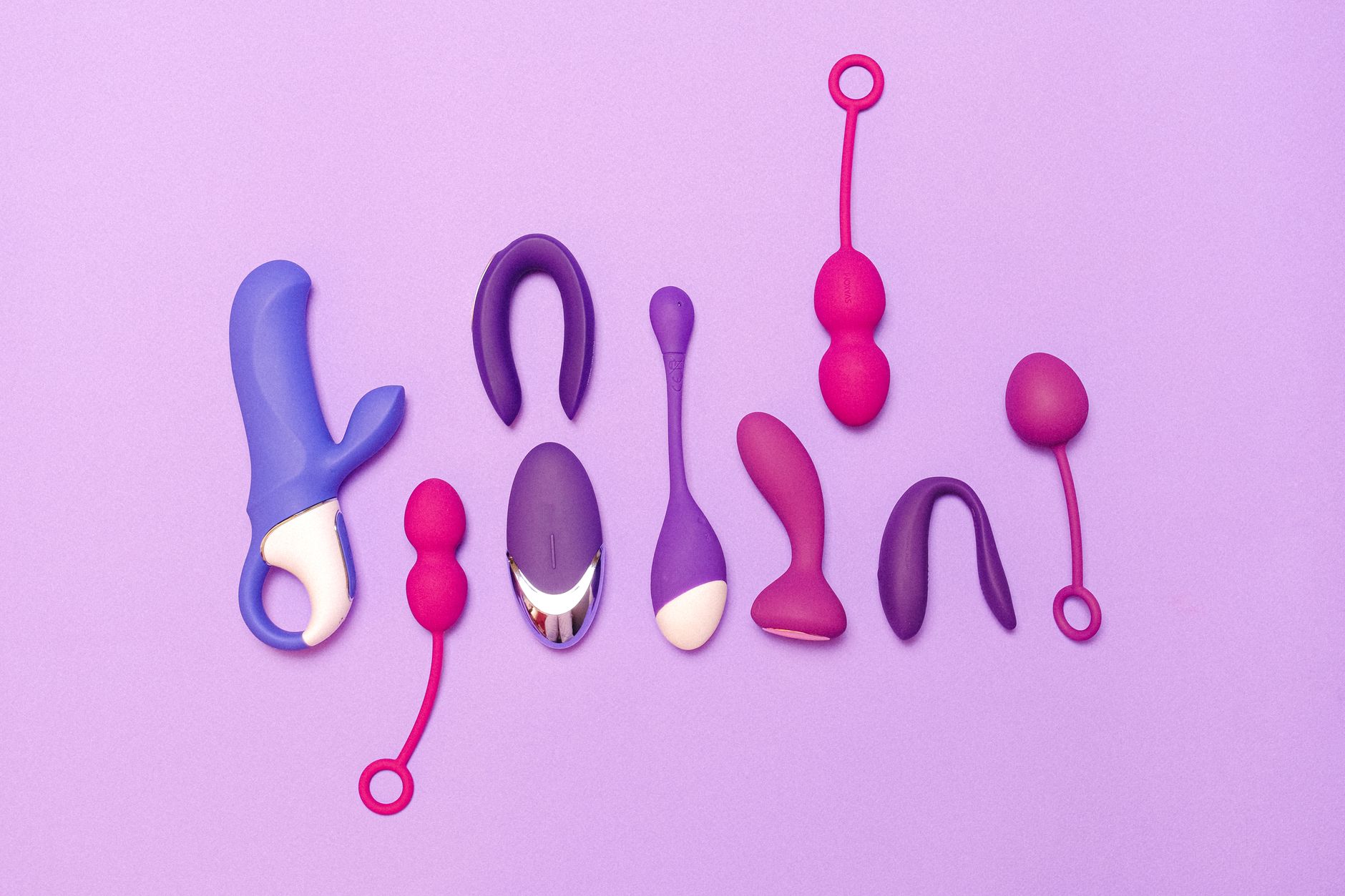
Using pregnancy-safe sex toys: Vibrators and other sex toys during pregnancy can be safely incorporated into your intimate life. Ensure they are clean and used with plenty of water-based lubricant.
Cuddling and intimacy without penetration: Sometimes, simply holding each other, kissing, and sharing tender moments can be enough to feel connected and loved. Emotional intimacy is just as important as physical intimacy during this special time.
Remember, the goal is to find what works best for you and your partner, prioritizing comfort, safety, and mutual pleasure. Don't hesitate to communicate your feelings and desires openly.
Can Anal Sex During Pregnancy Cause Miscarriage or Preterm Labor?
This is a very common and understandable concern, but for a healthy, uncomplicated pregnancy, the answer is generally no. There is no scientific evidence to suggest that anal sex during pregnancy directly causes miscarriage or preterm labor. The baby is securely cushioned within the amniotic sac and the strong muscular walls of the uterus, which is a completely separate system from the rectum. Penetration of the anus does not directly affect the uterus or cervix.
Miscarriages are most often caused by chromosomal abnormalities and occur in the first trimester, long before most people would attribute them to sexual activity. Preterm labor, while a serious concern, is typically triggered by other factors such as certain infections, uterine abnormalities, or cervical insufficiency, not by anal sex. However, if anal sex leads to a severe infection in the pregnant person (like an untreated UTI that escalates to a kidney infection), then *any* significant maternal infection could potentially pose a risk to the pregnancy. This is why preventing infection through strict hygiene is so important.
It's important to differentiate between direct causation and indirect risks. The act of anal sex itself won't cause these outcomes, but complications like infections, if they arise and are left untreated, could indirectly create issues. If you have any risk factors for preterm labor or a history of miscarriage, always discuss sexual activity with your healthcare provider for personalized advice.
Does Anal Sex Affect the Baby During Pregnancy?
No, anal sex does not directly affect the baby during pregnancy. This is one of the most reassuring facts for expecting parents. The baby is protected by several layers:
The strong uterine muscles.
The amniotic fluid within the amniotic sac.
The cervical mucus plug, which seals off the uterus from the vagina.
The rectum is anatomically separate from the vagina and uterus. Therefore, any activity in the rectum, including penetration, does not physically touch or disturb the baby. The baby is completely shielded from any direct contact or trauma from anal sex.
The only way anal sex could *indirectly* affect the baby is if it leads to a severe infection in the pregnant person that then spreads or causes systemic illness. For example, a severe, untreated urinary tract infection could potentially lead to kidney infection, which in turn could lead to complications like preterm labor. However, this is an indirect chain of events, and proper hygiene and prompt treatment of any symptoms of infection effectively mitigate this risk. In short, as long as you prioritize hygiene and listen to your body, you can rest assured that anal sex during pregnancy does not harm your baby.
What Precautions Should You Take for Anal Sex During Pregnancy?
To ensure anal sex during pregnancy is as safe and comfortable as possible, consider these essential precautions:
Prioritize Hygiene: This is the most crucial step. Before and after anal sex, both partners should thoroughly wash their hands. If you plan to switch to vaginal penetration, it is absolutely essential to wash any penetrating body parts or change condoms/sex toys to prevent the transfer of bacteria from the anus to the vagina. This helps prevent UTIs, yeast infections, and bacterial vaginosis.
Use Plenty of Lubrication: The anus does not self-lubricate. Always use a generous amount of water-based or silicone-based lubricant. This will minimize friction, reduce discomfort, and prevent small tears or abrasions, which can increase the risk of infection. Avoid oil-based lubricants with latex condoms, as they can weaken the condom.
Go Slow and Be Gentle: Always start slowly and communicate openly with your partner. Listen to your body and stop immediately if you feel any pain or discomfort. Rough or forceful penetration can cause injury.
Communicate with Your Partner: Openly discuss comfort levels, desires, and any concerns you might have. Your body is changing, and what felt good before pregnancy might feel different now. Ensure both partners are equally comfortable and enthusiastic.
Consider Condoms: Using condoms can help prevent the spread of STIs (if relevant) and also reduce the transfer of bacteria, especially if you plan to switch between anal and vaginal sex. Always use a new condom if switching.
Be Mindful of Positions: As your pregnancy progresses, certain positions might become more comfortable than others. Spooning, on your hands and knees, or lying on your side can often reduce pressure on your belly.
Stay Hydrated and Empty Your Bladder: Drinking plenty of water can help prevent UTIs, and emptying your bladder before and after sex can help flush out any bacteria that might have entered the urethra.
Following these precautions can significantly reduce the potential risks and allow you to enjoy intimacy safely.
Is Anal Sex Safe with Pregnancy Complications like Hemorrhoids or Placenta Previa?
When specific pregnancy complications are present, the safety of anal sex changes significantly. It's crucial to consult your healthcare provider for personalized advice in these situations.
Hemorrhoids During Pregnancy: Hemorrhoids are very common during pregnancy due to increased pressure on the pelvic veins and potential constipation. If you have hemorrhoids, anal sex is generally not recommended, or at the very least, requires extreme caution. Penetration can irritate, inflame, or even cause hemorrhoids to bleed or prolapse, leading to significant pain and discomfort. It's usually best to avoid anal sex until your hemorrhoids have resolved or significantly improved.
Placenta Previa and Sex: If you have placenta previa (where the placenta partially or completely covers the cervix), your doctor will likely advise against any form of penetrative sex, including both vaginal and anal sex. This is because any stimulation or pressure in the pelvic area could potentially trigger bleeding or contractions, which can be dangerous with placenta previa. In such cases, your doctor will recommend "pelvic rest," which means avoiding anything inserted into the vagina or rectum, and often includes orgasm.
Risk of Preterm Labor: If you have a history of preterm labor, a weakened cervix, or any other risk factors for early delivery, your doctor might recommend avoiding all forms of penetrative sex, including anal sex. While anal sex doesn't directly stimulate the uterus in the same way vaginal sex might (which can sometimes trigger contractions), the general caution is to avoid anything that could potentially lead to uterine irritability or infection.
Unexplained Vaginal Bleeding: Any unexplained vaginal bleeding during pregnancy is a red flag. If you experience this, you should abstain from all sexual activity and contact your healthcare provider immediately.
Water Breaking: Once your water has broken (rupture of membranes), any form of penetrative sex is strictly off-limits due to the high risk of introducing bacteria into the uterus, which can lead to serious infection.
Always prioritize your health and the health of your baby by following your doctor's specific recommendations if you have any pregnancy complications. When in doubt, it's always safer to abstain and discuss with your medical team.
Related Items – Safety at a Glance
Item/Activity
Verdict
Note
Oral sex during pregnancy
✅ Generally Safe
Safe, but avoid blowing air into the vagina.
Vaginal sex during pregnancy
✅ Generally Safe
Safe for most healthy pregnancies unless contraindicated by a doctor.
Sex positions during pregnancy
✅ Generally Safe
Many positions are safe; choose ones comfortable for your growing belly (e.g., spooning, on hands and knees).
Sex toys during pregnancy
✅ Generally Safe
Safe if clean, used gently, and with water-based lubricant; avoid if advised pelvic rest.
Lubricants during pregnancy
✅ Generally Safe
Water-based or silicone-based lubricants are safe and recommended, especially for anal sex.
Hemorrhoids during pregnancy
❌ Best Avoided (for anal sex)
Anal sex can aggravate hemorrhoids; best to avoid until resolved.
Placenta previa and sex
❌ Best Avoided
Any penetrative sex (vaginal or anal) is generally contraindicated due to bleeding risk.
Preterm labor and sex
⚠️ Talk to your doctor first
If at risk for preterm labor, your doctor may advise against all penetrative sex.
Bleeding after sex during pregnancy
⚠️ Talk to your doctor first
Normal to spot lightly after vaginal sex sometimes, but any significant bleeding warrants medical attention. Avoid further sex until cleared.
Pelvic rest during pregnancy
❌ Best Avoided (all penetrative sex)
If on pelvic rest, avoid anything inserted into the vagina or rectum, including anal sex.
Using plenty of water-based lubricant is crucial for comfortable and safe anal sex during pregnancy.
Myth vs. Fact
There's a lot of information and misinformation floating around about sex during pregnancy. Let's clear up some common myths regarding anal sex during pregnancy:
Myth: Anal sex can directly hurt the baby.
Fact: The baby is safely nestled in your uterus, protected by the amniotic sac and the uterine walls. The rectum is a completely separate anatomical structure from the reproductive organs. Therefore, anal penetration cannot directly touch or harm your baby.
Myth: Anal sex causes miscarriage or preterm labor.
Fact: For a healthy, uncomplicated pregnancy, there is no evidence that anal sex (or any sexual activity) causes miscarriage or induces preterm labor. Miscarriages are usually due to chromosomal issues, and preterm labor has other identified risk factors. The concern lies more with potential infections, which is why hygiene is paramount.
Myth: You can't have anal sex if you have hemorrhoids.
Fact: While it's generally *advised against* or requires extreme caution, it's not an absolute "can't." However, anal sex can significantly aggravate existing hemorrhoids, leading to pain, bleeding, and further swelling. It's usually much more comfortable and safer to avoid it until hemorrhoids have resolved. Always consult your doctor.
Key Takeaways
For most healthy pregnancies, anal sex during pregnancy is generally considered safe when proper precautions are followed.
The baby is well-protected in the uterus and not directly affected by anal penetration.
Strict hygiene (washing hands, changing condoms/toys if switching to vaginal penetration) is crucial to prevent infections like UTIs.
Always use plenty of water-based lubricant and be gentle to prevent injury and discomfort.
Avoid anal sex if you have pregnancy complications like placenta previa, a history of preterm labor, unexplained bleeding, or significant hemorrhoids.
Listen to your body, communicate openly with your partner, and stop if you experience any pain or discomfort.
When in doubt, always consult your healthcare provider for personalized advice.
Frequently Asked Questions
Can anal sex hurt the baby during pregnancy?
No, anal sex cannot directly hurt the baby during pregnancy. The baby is safely protected within the uterus, which is a separate anatomical structure from the rectum. As long as proper hygiene is maintained to prevent maternal infection, there is no direct risk to the baby.
Is anal sex safe at 38 weeks pregnant?
Anal sex can be safe at 38 weeks pregnant for most healthy individuals, provided there are no complications and strict hygiene is followed. However, your growing belly might make certain positions uncomfortable, and you should be extra gentle. Always stop if you experience pain or bleeding, and consult your doctor if you have any concerns.
What are the signs of infection after anal sex during pregnancy?
Signs of infection after anal sex during pregnancy might include burning or pain during urination, frequent urge to urinate (UTI symptoms), unusual vaginal discharge, itching, foul odor, fever, or persistent anal pain/bleeding. If you experience any of these symptoms, contact your healthcare provider immediately.
Can anal sex cause contractions?
Anal sex does not typically cause contractions. While orgasm from any sexual activity can sometimes lead to mild uterine contractions (Braxton Hicks), these are usually harmless and temporary in a healthy pregnancy. There's no evidence that anal penetration specifically triggers preterm labor.
Is it normal to bleed after anal sex while pregnant?
Bleeding after anal sex while pregnant is not normal and should be a cause for concern. It could indicate a small anal tear (fissure), irritated hemorrhoids, or other injury. If you experience bleeding, stop immediately and contact your healthcare provider for advice, especially if it's accompanied by pain or doesn't stop quickly.
Does anal sex increase the risk of hemorrhoids during pregnancy?
Anal sex itself doesn't cause hemorrhoids, but it can significantly irritate and aggravate existing hemorrhoids or make them more likely to develop if the tissues are already strained. The friction and pressure can cause pain, bleeding, or prolapse of hemorrhoids, which are already common in pregnancy.
Can anal sex trigger preterm labor?
There is no scientific evidence to suggest that anal sex directly triggers preterm labor in a healthy, uncomplicated pregnancy. The baby is well-protected in the uterus, and the rectum is separate. The primary risk is infection, and while severe maternal infections can sometimes indirectly lead to preterm labor, this is prevented by strict hygiene.
Should you use a condom for anal sex during pregnancy?
Yes, using a condom for anal sex during pregnancy is highly recommended. It helps prevent the spread of sexually transmitted infections (STIs) and significantly reduces the risk of transferring bacteria from the anus to the vagina, which can cause UTIs or other infections. Always use a new condom if switching to vaginal sex.
If you have any concerns or experience unusual symptoms, don't hesitate to reach out to your doctor.
When to Call Your Doctor
While anal sex during pregnancy is generally safe with precautions, there are specific situations when you should always contact your healthcare provider immediately:
Any unexplained vaginal bleeding or spotting after sex.
Persistent or severe abdominal pain or cramping.
Signs of infection, such as burning during urination, fever, chills, unusual vaginal discharge, or foul odor.
Fluid leaking from the vagina (could indicate your water has broken).
Severe or worsening pain in the anal area, especially if accompanied by bleeding.
If you have been diagnosed with any pregnancy complications (e.g., placenta previa, cervical insufficiency, risk of preterm labor) and have concerns about sexual activity.
Remember, this information is for educational purposes only and is not a substitute for professional medical advice. Always discuss your specific health concerns and any questions about sexual activity during pregnancy with your obstetrician or midwife.
References
American College of Obstetricians and Gynecologists (ACOG). (2020). Sex During Pregnancy.
Not sure about the label on Is Anal Sex During Pregnancy Safe During Pregnancy products?
Snap the ingredients list and SafeFilter checks every ingredient for your stage — only 3 free scans this month, then you're locked until reset. Unlimited from $7/mo or $50/yr.
When Shubhra Mishra was expecting her first child in 2016, she was overwhelmed by conflicting food advice — one site said yes, another said never. By the time her second baby arrived in 2019, she realized millions of mothers face the same confusion.
That sparked a five-year journey through clinical nutrition papers, cultural diets, and expert conversations — all leading to BumpBites: a calm, compassionate space where science meets everyday motherhood.
Her long-term vision is to build a global community ensuring safe, supported, and free deliveriesfor every mother — because no woman should face pregnancy alone or uninformed. 🌿
🌍 Stand with mothers, shape safer guidance
Join a small circle of experts who review BumpBites articles so expecting parents everywhere can decide with confidence.