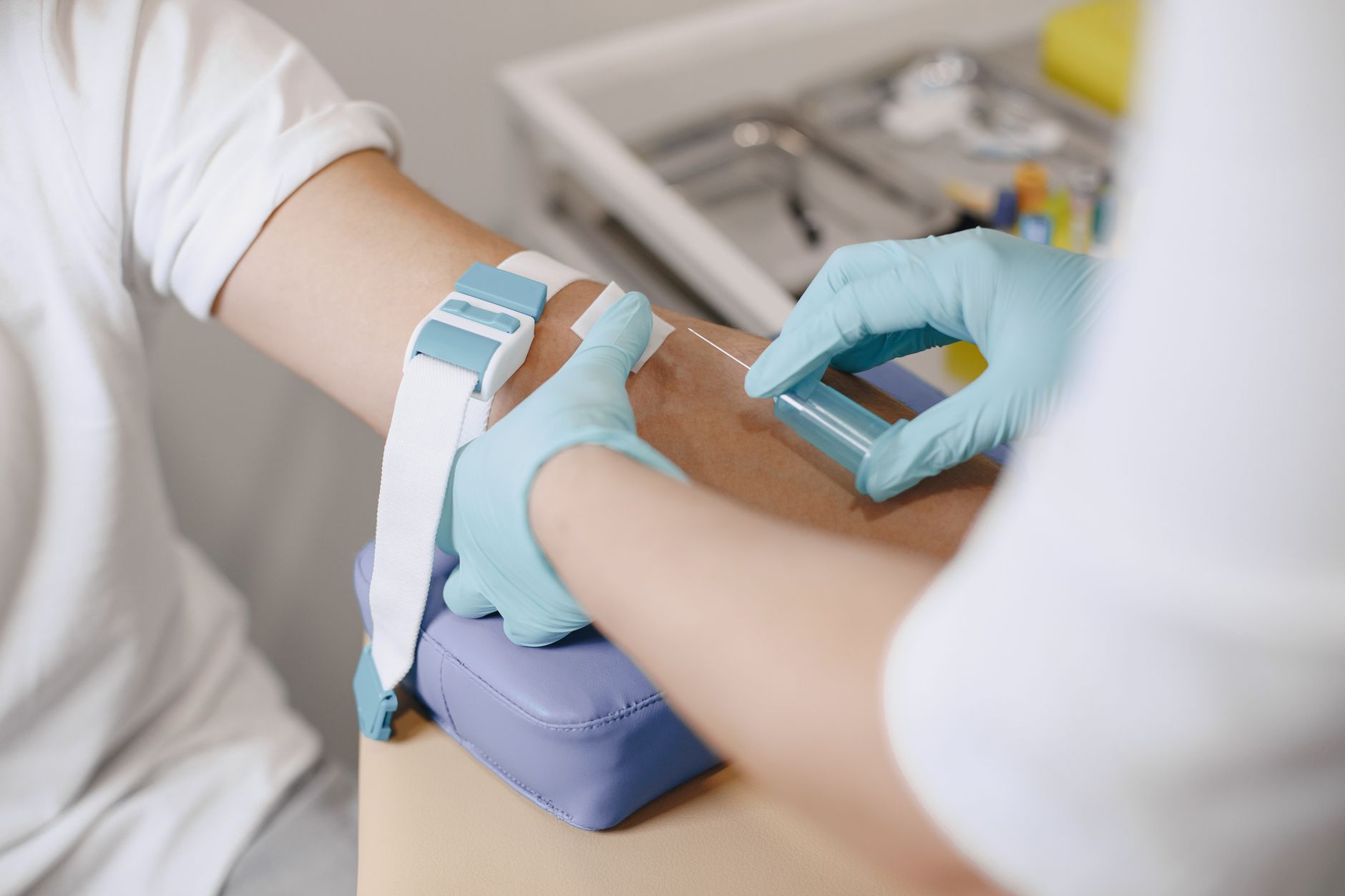
Allergy shots are generally safe during pregnancy, especially if you're already on a maintenance dose. Avoid starting new shots or increasing dosage in the first trimester. Consult your doctor.
By Shubhra Mishra — a mom of two who turned her own confusion during pregnancy into BumpBites, a global mission to make food choices clear, safe, and stress-free for every expecting mother. 💛
Check whether any food is safe during pregnancy with the BumpBites Food Safety Checker.
Quick verdict: ⚠️ Safe with limits. If you are already receiving allergy shots (immunotherapy) and well-tolerated them before pregnancy, most allergists and obstetricians agree that continuing them is generally considered safe. However, starting new allergy shots or increasing your current dose is typically not recommended during pregnancy due to the small risk of an allergic reaction.
The moment you see that positive pregnancy test, a wave of questions often follows. Suddenly, everything you put into your body, every routine you follow, comes under scrutiny. If you're one of the millions who rely on allergy shots to manage severe allergies, you might be staring at your next appointment card, wondering: "Is allergy shots safe during pregnancy?" You're not alone in this concern; it's a common worry for expecting parents navigating the complexities of prenatal care.
At BumpBites, we understand this anxiety. We're here to provide clear, evidence-based answers so you can make informed decisions with your healthcare provider. The good news is that for many, continuing allergy shots during pregnancy is a viable and often recommended option, especially if you've been on them for a while and have a stable maintenance dose. The primary concern revolves around the potential for an allergic reaction, which, while rare, needs careful consideration.
This comprehensive guide will walk you through the current medical recommendations regarding allergy shots and pregnancy, addressing questions about safety across all trimesters, dosage adjustments, potential risks, and safe alternatives. We'll also cover what to do if you're considering starting immunotherapy while pregnant and provide clear guidance on when to consult your doctor.
Discuss any concerns about your allergy shot regimen with your healthcare provider, especially when pregnant.
Safety Snapshot: Allergy Shots During Pregnancy
Here's a quick overview of allergy shot safety across different stages of pregnancy and breastfeeding:
Stage
Verdict
Notes
First Trimester
⚠️ Safe with limits
Generally safe to *continue* maintenance doses if well-tolerated. Avoid *starting* new shots or *increasing* doses due to higher risk of systemic reaction during critical fetal development.
Second Trimester
⚠️ Safe with limits
Continuing maintenance doses is generally safe. Still advised to avoid starting new shots or increasing doses. Focus on stable management and prompt treatment of any reactions.
Third Trimester
⚠️ Safe with limits
Continuing maintenance doses is generally safe. Maintain stable dosing. Close to delivery, discuss with your provider if any adjustments are needed, though typically not required.
Breastfeeding
✅ Generally safe
Allergy shots are considered safe during breastfeeding as the allergens and antibodies do not pass into breast milk in amounts that would harm the baby.
What Are Allergy Shots?
A
llergy shots, also known as allergen immunotherapy, are a long-term treatment option for managing severe environmental allergies and asthma. Unlike antihistamines or nasal sprays that only treat symptoms, allergy shots aim to desensitize your immune system to specific allergens over time.
The process involves a series of injections containing tiny, increasing amounts of the substances you're allergic to (such as pollen, dust mites, mold, or pet dander). The goal is to train your immune system to stop overreacting to these allergens, thereby reducing the severity of your allergic symptoms and potentially preventing the development of new allergies or asthma.
Allergy immunotherapy typically has two phases:
Build-up phase: This phase usually lasts 3 to 6 months, during which you receive injections one to two times a week. The dose of the allergen is gradually increased with each shot.
Maintenance phase: Once the effective dose is reached, the frequency of injections decreases to once every 2 to 4 weeks, and you continue at this dose for 3 to 5 years, or sometimes longer.
This treatment can be highly effective for many people, leading to significant symptom improvement and a reduced need for allergy medications. However, because it involves injecting allergens, there's always a small risk of an allergic reaction, ranging from mild local irritation to, in rare cases, a severe systemic reaction called anaphylaxis.
Can You Continue Allergy Shots While Pregnant?
For many individuals, the answer to "is allergy shots safe during pregnancy" regarding continuation is a reassuring yes, provided certain conditions are met. Most major medical organizations, including the American College of Obstetricians and Gynecologists (ACOG) and the American Academy of Allergy, Asthma & Immunology (AAAAI), generally agree that if you are already on a stable maintenance dose of allergy shots and have been tolerating them well without significant reactions, you can safely continue them throughout your pregnancy.
The reasoning behind this guidance is twofold. First, the risk of a severe allergic reaction (anaphylaxis) to a stable, well-tolerated maintenance dose is very low. Second, maintaining good control of maternal allergies and asthma is crucial for a healthy pregnancy. Uncontrolled allergies can lead to poor sleep, discomfort, and increased stress, while uncontrolled asthma can reduce oxygen supply to both the mother and the developing fetus. Continuing immunotherapy helps prevent these complications.
However, the key is consistency and stability. Your allergist will likely recommend that you continue your current maintenance dose without increasing it. If you've previously experienced any significant reactions to your shots, or if there's any uncertainty, your allergist and obstetrician will work together to assess the individual risks and benefits for you and your baby. It's always a shared decision between you and your healthcare team.
Is It Safe to Start Allergy Shots During Pregnancy?
While continuing allergy shots during pregnancy is often deemed safe, starting a new course of allergy immunotherapy or significantly increasing your dose during pregnancy is generally *not* recommended. This recommendation stems from the small but real risk of a systemic allergic reaction, including anaphylaxis, which is more likely to occur during the initial build-up phase when doses are increasing or when starting a new treatment.
Anaphylaxis is a severe, potentially life-threatening allergic reaction that can affect multiple body systems. During pregnancy, a severe maternal reaction could lead to reduced oxygen flow to the fetus, uterine contractions, or even preterm labor. Although rare, the potential risks to the developing baby outweigh the benefits of initiating treatment during pregnancy. Therefore, most allergists advise postponing the start of new allergy shots until after delivery.
If you find yourself pregnant while in the build-up phase of allergy shots, your allergist will likely recommend pausing the treatment or reverting to a lower, well-tolertolerated dose to minimize risk. This is a conversation you should have promptly with both your allergist and obstetrician to determine the safest path forward for your specific situation.
Are Allergy Shots Safe in the First Trimester?
First Trimester
The first trimester (weeks 1-12) is a critical period for fetal development, as all major organs are forming. This is often the time of greatest concern for any medication or treatment. When it comes to allergy shots, the guidance remains consistent: if you are already on a stable maintenance dose and have been tolerating your shots without significant reactions, continuing them in the first trimester is generally considered safe.
The primary concern during this delicate phase is to avoid any event that could compromise fetal oxygenation or development. A severe systemic allergic reaction (anaphylaxis) during the first trimester, though rare, could theoretically lead to decreased oxygen to the fetus or stimulate uterine contractions. Because the risk of such a reaction is highest when starting new shots or increasing doses, these actions are strongly discouraged during the first trimester. The goal is to maintain stability and minimize any potential stressors on your body and your baby.
Second Trimester
As you move into the second trimester (weeks 13-27), the risk profile for continuing allergy shots remains largely the same as in the first. If you've been on a stable maintenance dose and have not experienced adverse reactions, continuing your shots is still generally recommended. The major organs have already formed, but growth and maturation continue.
The emphasis remains on maintaining your current, well-tolerated dose and avoiding any increases. Good control of your allergies and asthma during the second trimester is beneficial for your comfort and overall pregnancy health, helping to prevent complications that could arise from uncontrolled symptoms. Your allergist will continue to monitor you closely for any signs of reaction.
Third Trimester
In the third trimester (weeks 28-40+), continuing allergy shots at a maintenance dose is still considered safe for most pregnant individuals. The focus remains on maintaining stability and avoiding any new risks. As you approach your due date, your healthcare team will ensure that your allergy management plan supports a healthy delivery.
Some providers might discuss the timing of your last shot before delivery, but typically, there's no need to stop shots unless you experience new or concerning reactions. Uncontrolled allergies or asthma can cause significant discomfort and potentially complicate labor and delivery, so maintaining effective treatment is beneficial. Always communicate any changes in your health or concerns to your allergist and obstetrician.
Breastfeeding
Good news for nursing parents: allergy shots are considered safe during breastfeeding. The tiny amounts of allergens and the antibodies produced in response to the shots are not transferred into breast milk in significant quantities that would pose a risk to your baby. In fact, some research suggests that the antibodies passed through breast milk might even offer some protective benefits against allergies for the infant, though more studies are needed to confirm this.
This means you can typically resume or continue your allergy shot regimen without concern for your breastfeeding baby. As always, discuss any specific concerns or questions with your allergist and lactation consultant.
What Is the Recommended Allergy Shot Dosage for Pregnant Women?
When it comes to allergy shots during pregnancy, the general recommendation is to maintain your current, well-tolerated maintenance dose. The primary goal is stability, not escalation. This means:
No Dose Increases: Your allergist will typically advise against increasing the dose of your allergy shots while you are pregnant. The risk of a systemic reaction, though small, is higher when the dose is being increased.
Maintenance Dosing: If you are already in the maintenance phase and receiving regular, stable doses without issues, you will likely continue at that same dose.
Dose Reduction (If Necessary): If you were in the build-up phase when you became pregnant, or if you experience any mild reactions to your current maintenance dose, your allergist might recommend reducing the dose slightly to ensure maximum safety. They may also increase the interval between shots.
Individualized Approach: Every person's allergy profile and pregnancy are unique. Your allergist will work closely with your obstetrician to determine the most appropriate and safest dosing schedule for you. They will consider your history of reactions, the severity of your allergies, and your overall health.
It's crucial to be transparent with your allergist about your pregnancy status as soon as you know, so they can adjust your treatment plan accordingly. Self-adjusting your dose is never recommended.
What Are the Risks of Allergy Shots During Pregnancy?
While continuing allergy shots during pregnancy is generally safe for those on a stable maintenance dose, it's important to understand the potential risks, primarily related to allergic reactions. These risks apply to the mother and, indirectly, to the baby.
Risks to the Mother
Systemic Allergic Reactions (Anaphylaxis): This is the most significant concern. Although rare with maintenance doses, a severe reaction can cause a rapid drop in blood pressure, breathing difficulties, swelling, and loss of consciousness. Symptoms can include widespread hives, itching, swelling of the face/throat, wheezing, dizziness, and a feeling of impending doom.
Local Reactions: More common and less severe, these include redness, swelling, and itching at the injection site. While uncomfortable, they are not typically dangerous to the pregnancy.
Increased Reactivity: Pregnancy can sometimes alter a woman's immune system and sensitivity, potentially leading to a slightly higher chance of reacting to a previously well-tolerated dose.
Risks to the Baby (Indirect)
The primary concern for the baby stems from a *maternal* systemic reaction, particularly anaphylaxis:
Reduced Oxygen Supply: A severe drop in maternal blood pressure and respiratory distress during anaphylaxis can lead to decreased oxygen flow to the fetus. This is the main reason why starting new shots or increasing doses is avoided, as these carry a higher risk of such reactions.
Uterine Contractions/Preterm Labor: In very rare cases, severe maternal anaphylaxis could potentially trigger uterine contractions or, in extreme cases, lead to preterm labor, especially if the mother is in distress.
Medications for Reaction: If a severe reaction occurs, medications like epinephrine are used to treat the mother. While epinephrine is generally considered safe and necessary in a life-threatening situation during pregnancy, the preferred approach is to prevent the need for it by maintaining stable, low-risk dosing.
It's important to note that the allergens themselves or the antibodies produced in response to the shots are not known to be directly harmful to the fetus or to cause birth defects. The risk to the baby is an indirect consequence of severe maternal distress. This is why close monitoring by an allergist, careful dose management, and prompt treatment of any reaction are paramount.
What Are Safe Alternatives to Allergy Shots When Pregnant?
If you're unable to continue allergy shots during pregnancy, or if you're looking for additional ways to manage your symptoms, several safe and effective alternatives are available. Always discuss these options with your doctor before starting any new medication or treatment.
Saline Nasal Sprays: A simple, drug-free option. Saline sprays help rinse allergens and irritants from nasal passages and moisturize dry nasal membranes, providing relief from congestion and irritation.
Loratadine (Claritin): Considered a first-line antihistamine during pregnancy by many experts. It's a non-drowsy, second-generation antihistamine that effectively relieves sneezing, runny nose, and itchy eyes without significant risks.
Cetirizine (Zyrtec): Another non-drowsy, second-generation antihistamine that is generally considered safe for use during pregnancy. It's effective for a wide range of allergy symptoms.
Budesonide Nasal Spray (Rhinocort): An inhaled corticosteroid nasal spray that is often preferred during pregnancy due to extensive safety data. It reduces inflammation in the nasal passages, providing relief from congestion, sneezing, and runny nose.
Fluticasone Nasal Spray (Flonase): Another commonly used and generally safe corticosteroid nasal spray during pregnancy. It works similarly to budesonide to reduce nasal inflammation.
Cromolyn Sodium Nasal Spray (Nasalcrom): A mast cell stabilizer that prevents the release of histamine and other inflammatory chemicals. It's a very safe option as it has minimal systemic absorption, making it an excellent choice for preventing allergy symptoms.
Air Purifiers: Using HEPA (High-Efficiency Particulate Air) filters in your home can help remove airborne allergens like pollen, dust mites, and pet dander, improving indoor air quality.
Dust Mite Covers: Encasing mattresses, pillows, and duvets in allergen-proof covers can significantly reduce exposure to dust mites, a common trigger for indoor allergies.
Environmental Controls: Simple measures like keeping windows closed during high pollen counts, showering after outdoor activities, vacuuming with a HEPA filter, and regular cleaning can minimize allergen exposure.
Many over-the-counter options can safely relieve allergy symptoms during pregnancy.
Related Items – Safety at a Glance
Here's a quick look at the pregnancy safety of other common allergy and cold medications:
Item
Verdict
Notes
Benadryl (Diphenhydramine)
⚠️ Safe with limits
Generally considered safe for occasional use in all trimesters, but can cause drowsiness. Not a first-line choice due to potential for uterine contractions with prolonged use.
Claritin (Loratadine)
✅ Generally safe
A preferred non-drowsy antihistamine for allergy symptoms during pregnancy. Extensive safety data.
Zyrtec (Cetirizine)
✅ Generally safe
Another preferred non-drowsy antihistamine, similar to Claritin, with good safety data for pregnancy.
Flonase (Fluticasone Nasal Spray)
✅ Generally safe
A preferred corticosteroid nasal spray for allergy relief; minimal systemic absorption.
Sudafed (Pseudoephedrine)
⚠️ Safe with limits
Generally avoided in the first trimester due to potential (though small) vascular effects. May be used cautiously in the second and third trimesters under doctor's guidance, especially for high blood pressure.
EpiPen (Epinephrine Auto-injector)
✅ Generally safe
Life-saving medication for anaphylaxis. The benefits of treating a severe allergic reaction far outweigh any potential risks during pregnancy.
Singulair (Montelukast)
✅ Generally safe
Often continued during pregnancy for asthma and allergy management if previously effective. Discuss with your doctor.
Asthma Inhalers (e.g., Albuterol)
✅ Generally safe
Essential for managing asthma, which is critical to control during pregnancy. Most commonly prescribed inhalers are safe and necessary.
Myth vs. Fact
There's a lot of information and misinformation floating around when you're pregnant. Let's clear up some common myths about allergy shots:
Myth: Allergy shots will directly harm my baby because I'm injecting allergens.
Fact: The tiny amounts of allergens in allergy shots are designed to desensitize your immune system, not harm your baby. The primary concern is a *maternal* systemic reaction (anaphylaxis), which could indirectly affect the baby due to reduced oxygen flow. However, the allergens themselves and the antibodies produced are not known to cause birth defects or directly harm the fetus.
Myth: I should stop my allergy shots immediately if I get pregnant, just to be safe.
Fact: Not necessarily. For individuals on a stable maintenance dose with a history of tolerating the shots well, continuing allergy shots is generally considered safe and often recommended by allergists and obstetricians. Stopping abruptly could lead to a return of severe allergy symptoms, which can be more detrimental to your well-being during pregnancy. Always consult your doctor before making any changes to your treatment.
Myth: If I have an allergic reaction to my shot while pregnant, I can't use an EpiPen because it's too risky for the baby.
Fact: If you experience a severe allergic reaction (anaphylaxis) while pregnant, using an EpiPen (epinephrine auto-injector) is crucial and life-saving. The benefits of treating anaphylaxis, which can quickly become life-threatening for both mother and baby due to oxygen deprivation, far outweigh any theoretical risks of the medication. Prompt treatment is paramount.
Key Takeaways
If you're on a stable maintenance dose of allergy shots and tolerating them well, continuing them during pregnancy is generally considered safe.
Avoid starting new allergy shots or increasing your current dose while pregnant due to the higher risk of systemic allergic reactions.
The main risk to the baby comes from a severe maternal allergic reaction (anaphylaxis), which can temporarily reduce oxygen supply.
Good control of your allergies and asthma during pregnancy is important for your health and your baby's development.
Many safe alternative medications and environmental controls are available for allergy symptom relief during pregnancy.
Always consult with your allergist and obstetrician to create an individualized plan for your allergy management during pregnancy.
Frequently Asked Questions
Is it safe to continue allergy shots during pregnancy?
Yes, for most pregnant individuals, it is generally safe to continue allergy shots if you are already on a stable maintenance dose and have a history of tolerating them well without significant reactions. This helps maintain control of your allergies and asthma, which is beneficial for a healthy pregnancy.
What happens if you get pregnant while on allergy shots?
If you get pregnant while on allergy shots, inform your allergist and obstetrician immediately. If you are in the maintenance phase, you will likely continue at your current stable dose. If you are in the build-up phase, your allergist will likely recommend pausing the build-up or reducing your dose to a previously tolerated level to minimize the risk of a reaction.
Can allergy shots cause birth defects?
No, there is no evidence to suggest that allergy shots directly cause birth defects. The tiny amounts of allergens or the antibodies produced are not known to be teratogenic (cause birth defects). The primary concern is the rare possibility of a severe maternal allergic reaction, which could indirectly affect the fetus due to a temporary reduction in oxygen supply.
Are allergy shots safe for breastfeeding?
Yes, allergy shots are considered safe during breastfeeding. The allergens and antibodies involved in immunotherapy do not pass into breast milk in amounts that would be harmful to a nursing infant. You can continue or resume your allergy shot regimen without concern for your baby.
What allergy medicine is safe for pregnancy?
Several allergy medicines are considered safe during pregnancy. These include non-drowsy antihistamines like loratadine (Claritin) and cetirizine (Zyrtec), as well as corticosteroid nasal sprays like fluticasone (Flonase) and budesonide (Rhinocort). Saline nasal sprays and cromolyn sodium nasal spray (Nasalcrom) are also very safe options. Always discuss with your doctor before taking any medication.
Can I start allergy immunotherapy while pregnant?
No, it is generally not recommended to start allergy immunotherapy (allergy shots) while pregnant. This is because the initial build-up phase, involving increasing doses of allergens, carries a higher risk of systemic allergic reactions, including anaphylaxis. The potential risks to the fetus from a severe maternal reaction outweigh the benefits of starting treatment during pregnancy.
What are the risks of stopping allergy shots during pregnancy?
The main risk of stopping allergy shots during pregnancy is the return or worsening of your allergic symptoms. Uncontrolled allergies can lead to significant discomfort, poor sleep, and increased stress. If you also have asthma, uncontrolled allergies can trigger asthma exacerbations, which can be more serious and potentially impact fetal oxygenation. Discuss the risks and benefits of stopping with your doctor.
Do allergy shots affect the baby?
Allergy shots themselves do not directly affect the baby. The primary concern is if the *mother* experiences a severe allergic reaction (anaphylaxis) to a shot. Such a reaction could indirectly affect the baby due to a temporary decrease in maternal blood pressure and oxygen supply. However, the allergens or antibodies are not known to be harmful to the developing fetus.
When to Call Your Doctor
While continuing allergy shots during pregnancy is generally safe under specific conditions, it's crucial to know when to seek medical attention. Always call your allergist or obstetrician immediately if you experience any of the following after an allergy shot:
Signs of a severe allergic reaction (anaphylaxis): This includes widespread hives, itching, swelling of the face, lips, or throat, difficulty breathing, wheezing, dizziness, a sudden drop in blood pressure, or a feeling of impending doom.
Severe or worsening local reactions: If the redness, swelling, or itching at the injection site is excessive, spreading, or lasts for more than 24-48 hours.
Any new or unusual symptoms: Especially if you're concerned they might be related to your allergy shots or your pregnancy.
Uterine contractions or abdominal cramping: While rare, these could be a sign of a more serious reaction or pregnancy complication.
Any changes in fetal movement: If you notice a decrease in your baby's movements after an injection.
Always err on the side of caution. Your healthcare team is there to support you through your pregnancy.
The information provided in this article is for informational purposes only and is not intended as a substitute for professional medical advice, diagnosis, or treatment. Always seek the advice of your physician or other qualified health provider with any questions you may have regarding a medical condition.
Not sure about the label on Is Allergy Shots Safe During Pregnancy products?
Snap the ingredients list and SafeFilter checks every ingredient for your stage — only 3 free scans this month, then you're locked until reset. Unlimited from $7/mo or $50/yr.
When Shubhra Mishra was expecting her first child in 2016, she was overwhelmed by conflicting food advice — one site said yes, another said never. By the time her second baby arrived in 2019, she realized millions of mothers face the same confusion.
That sparked a five-year journey through clinical nutrition papers, cultural diets, and expert conversations — all leading to BumpBites: a calm, compassionate space where science meets everyday motherhood.
Her long-term vision is to build a global community ensuring safe, supported, and free deliveriesfor every mother — because no woman should face pregnancy alone or uninformed. 🌿
🌍 Stand with mothers, shape safer guidance
Join a small circle of experts who review BumpBites articles so expecting parents everywhere can decide with confidence.