

Quick take: At 20 weeks pregnant, you’re officially halfway through your pregnancy — that’s about 4 months and 2 weeks along. Most providers count pregnancy in weeks, but if you’re thinking in months, 20 weeks lands you squarely in the middle of your second trimester. Your baby is now the size of a banana, and you might be feeling those first little flutters. This is also the time for your big mid-pregnancy anatomy scan, where you’ll get a detailed look at your baby’s development.
You’re scrolling through your calendar, counting squares, and suddenly it hits you: 20 weeks pregnant — how many months is that? It’s one of those moments that makes you pause, phone in hand, trying to do the math while your brain feels a little fuzzy. Maybe you’ve just felt your baby’s first tiny kick, or you’re about to walk into that big 20-week ultrasound, and the weeks-to-months conversion feels like a puzzle you can’t quite solve. You’re not alone — nearly every mom-to-be Googles this at some point.
Here’s the thing: pregnancy isn’t counted in neat 4-week months. It’s counted in weeks because it’s more precise, but that doesn’t stop your aunt, your coworker, or even your partner from asking, “So, how many months are you now?” At 20 weeks, you’re right in the sweet spot of your second trimester — the nausea is (hopefully) fading, your energy is coming back, and your baby is growing fast. Let’s break it down so you can answer with confidence — and know exactly what’s happening in your body and your baby’s world right now.
How Many Months Is 20 Weeks Pregnant?
At 20 weeks pregnant, you’re 4 months and 2 weeks along. But here’s the catch: pregnancy months aren’t the same as calendar months. A standard pregnancy month is considered to be 4 weeks long — not the 30 or 31 days you’re used to. That’s why 20 weeks doesn’t neatly line up with 5 full months. Instead, it falls at the very end of your 4th month and the beginning of your 5th.
Think of it this way: if you started your pregnancy on January 1st, 20 weeks later would land you around May 12th — not May 1st. That extra week or two is why the math can feel confusing. Most healthcare providers use weeks to track pregnancy because it’s more precise, but if you’re trying to explain how far along you are to family or friends, saying “about 4 and a half months” is a good rule of thumb.
One mom we talked to put it like this: “I kept thinking 20 weeks was 5 months, but my midwife said it’s actually closer to 4 months and 2 weeks. It made me realize how much we’re all just guessing — and that’s okay! The weeks are what really matter.”
How Many Months Is 20 Weeks Pregnant in the Second Trimester?
In terms of months, the second trimester spans from about month 4 to month 6. So at 20 weeks, you’re just over halfway through this phase. It’s a sweet spot where your energy returns, your bump is noticeable but not yet cumbersome, and you might even start feeling those first gentle baby movements — often called “quickening.”
Many women describe this time as the most enjoyable part of pregnancy. One reader shared, “At 20 weeks, I finally felt like I could breathe again. I wasn’t sick every day, I had energy to cook and walk, and I could actually enjoy being pregnant. It’s like my body and my baby were finally in sync.”
What Month Does 20 Weeks Pregnancy Correspond To?
20 weeks pregnant corresponds to the end of your 4th month and the very start of your 5th month. To be precise, it’s 4 months and 2 weeks into your pregnancy. Here’s how it breaks down:
- Month 1: Weeks 1–4
- Month 2: Weeks 5–8
- Month 3: Weeks 9–12
- Month 4: Weeks 13–16
- Month 5: Weeks 17–20 (so 20 weeks is the last week of this month)
This is why 20 weeks doesn’t quite feel like a full 5 months — because it isn’t. It’s the transition point between the two. If you’re trying to visualize it, think of it like this: if your due date is in December, 20 weeks would land you around mid-May, not the end of May. That extra week or two is what makes the conversion feel a little off.
It’s also worth noting that not all months have the same number of weeks. For example, February has 28 days (4 weeks), while July has 31 days (4 weeks and 3 days). That’s another reason why counting in weeks is more accurate for tracking pregnancy progress.
20 Weeks Pregnant Baby Size and Development Milestones
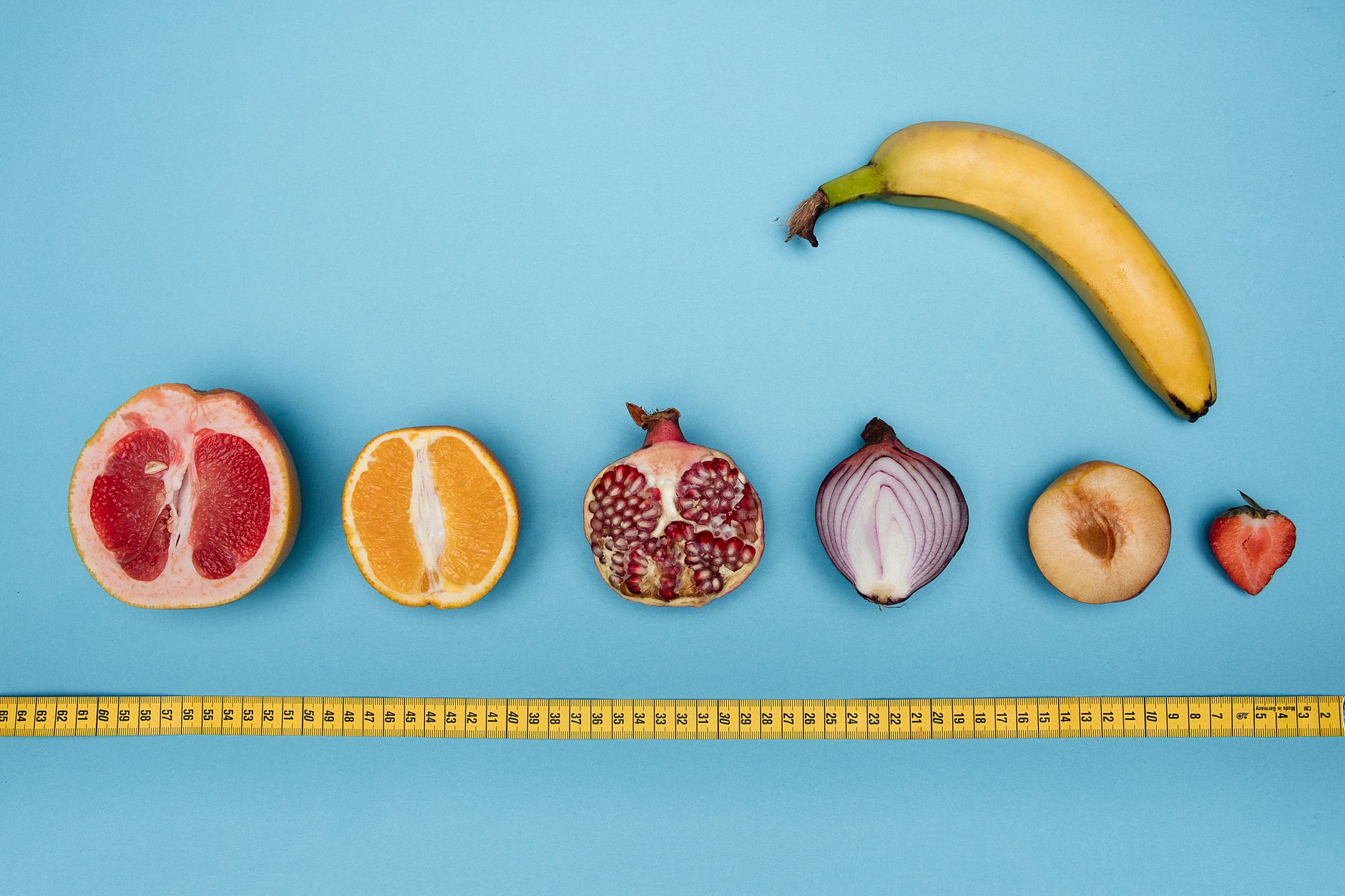
At 20 weeks, your baby is about the size of a banana — roughly 6.5 inches long from crown to rump and weighing around 10.5 ounces. That’s about the weight of a small apple. But size isn’t the only thing that’s changing. This is a huge week for development, and your baby is hitting some major milestones.
Here’s what’s happening inside your womb this week:
- Vernix caseosa: Your baby is now covered in a white, waxy substance called vernix. This protective coating shields their delicate skin from the amniotic fluid and helps with temperature regulation. You might even see some of it left on your baby’s skin at birth.
- Hearing development: Your baby’s ears are fully formed, and they can now hear sounds from the outside world — including your voice, your heartbeat, and even your stomach rumbling. Talking, singing, or reading to your baby can help them recognize your voice after birth.
- Movement: Your baby is becoming more active, and you might start feeling those first gentle flutters — often described as “butterflies” or “popcorn popping.” These early movements are called quickening. If you haven’t felt them yet, don’t worry; some women don’t notice them until 22 or even 24 weeks, especially if it’s their first pregnancy.
- Taste buds: Your baby’s taste buds are developing, and they can now taste the flavors of the amniotic fluid, which changes based on what you eat. Some studies suggest that babies exposed to a variety of flavors in the womb may be more open to trying new foods after birth.
- Sleep cycles: Your baby is starting to develop regular sleep-wake cycles. They might be more active at certain times of the day — often when you’re resting or lying down — and quieter at others.
- Hair and nails: Fine hair called lanugo is covering your baby’s body, and their eyebrows and scalp hair are starting to grow. Their fingernails and toenails are also forming.
- Reproductive system: If you’re having a girl, her uterus is fully formed, and her ovaries contain all the eggs she’ll ever have. If you’re having a boy, his testicles are beginning to descend from his abdomen into his scrotum.
One mom described the feeling of her baby’s movements at 20 weeks like this: “It was the weirdest, most wonderful thing. I was lying in bed, and suddenly I felt this little *tap* inside me. It wasn’t painful or even strong — just a tiny reminder that there was someone in there, growing and moving. I put my hand on my belly and just waited, and a few seconds later, it happened again. It was like a secret between me and my baby.”
What Are the Common Symptoms at 20 Weeks of Pregnancy?
At 20 weeks pregnant, your body is going through some noticeable changes — some exciting, some uncomfortable, and some just plain weird. Every woman’s experience is different, but here are the most common symptoms you might be feeling right now:
- Baby movements: As we mentioned earlier, you might start feeling those first gentle flutters or kicks. These movements will become stronger and more frequent as your baby grows. If you haven’t felt anything yet, don’t panic — it’s normal for first-time moms to feel them a little later.
- Growing belly: Your uterus is now about the size of a cantaloupe, and your bump is probably visible to everyone. You might notice your belly button starting to pop out (if it hasn’t already). Some women also develop a dark line called the linea nigra running down the center of their belly — this is normal and will fade after pregnancy.
- Back pain: As your belly grows, your center of gravity shifts, which can put extra strain on your lower back. You might also feel some discomfort in your hips and pelvis as the ligaments stretch to prepare for childbirth. Gentle exercise, prenatal yoga, and a good pregnancy pillow can help.
- Round ligament pain: This is a sharp or stabbing pain on one or both sides of your lower belly. It happens when the ligaments that support your uterus stretch and thicken. It’s usually harmless but can be startling. Changing positions slowly and avoiding sudden movements can help.
- Increased appetite: Many women find that their nausea fades around this time, and their appetite comes roaring back. You might feel hungrier than usual — and that’s okay! Focus on nutrient-dense foods to support your baby’s growth.
- Skin changes: Pregnancy hormones can cause a variety of skin changes, including acne, dark patches on your face (called melasma or “the mask of pregnancy”), and stretch marks. These are all normal and usually fade after pregnancy. Using gentle skincare products and staying hydrated can help.
- Leg cramps: Painful cramps in your calves or feet, especially at night, are common in the second trimester. They might be caused by fatigue, dehydration, or pressure on your nerves. Stretching before bed, staying hydrated, and getting enough magnesium and potassium can help prevent them.
- Swelling: Mild swelling in your feet and ankles is normal, especially at the end of the day. It happens because your body is holding onto extra fluid. Elevating your feet, wearing comfortable shoes, and avoiding standing for long periods can help. If the swelling is sudden or severe, call your provider — it could be a sign of preeclampsia.
- Heartburn and indigestion: As your uterus grows, it pushes against your stomach, which can cause acid reflux. Eating smaller meals, avoiding spicy or greasy foods, and not lying down right after eating can help. Some women also find relief with over-the-counter antacids (check with your provider first).
- Shortness of breath: Your growing uterus is also pressing against your diaphragm, which can make it harder to take deep breaths. This is normal, but if you feel dizzy or lightheaded, sit down and rest.
- Vaginal discharge: You might notice an increase in thin, milky-white discharge called leukorrhea. This is your body’s way of keeping your vagina clean and healthy. If the discharge is yellow, green, or has a strong odor, call your provider — it could be a sign of infection.
- Varicose veins: Increased blood volume and pressure on your veins can cause varicose veins — swollen, twisted veins that usually appear on your legs. They’re usually harmless but can be uncomfortable. Wearing compression stockings, elevating your legs, and avoiding standing for long periods can help.
One reader shared her experience with round ligament pain: “I was at the grocery store when suddenly I felt this sharp pain in my side. I thought something was wrong, but my midwife said it was just my ligaments stretching. It still freaked me out every time it happened, though. I learned to move a little slower and not twist too quickly — that helped a lot.”
How Does 20 Weeks Pregnant Compare to 5 Months Pregnant?
At first glance, 20 weeks and 5 months pregnant might seem like they should be the same thing — but they’re not quite. Here’s how they compare:
| 20 Weeks Pregnant | 5 Months Pregnant | |
|---|---|---|
| Weeks | 20 weeks | 21–24 weeks |
| Months | 4 months and 2 weeks | 5 months (weeks 17–20 are the last month of the 4th month, so 5 months starts at week 21) |
| Trimester | Middle of the second trimester | Late second trimester (weeks 21–24) |
| Baby’s size | About 6.5 inches long, 10.5 ounces (banana-sized) | About 10–12 inches long, 1–1.5 pounds (eggplant-sized) |
| Baby’s development | Vernix forms, hearing develops, first movements felt | Eyes open, lungs develop, stronger movements |
| Maternal symptoms | Growing belly, back pain, round ligament pain, increased appetite | More noticeable baby movements, swelling, heartburn, shortness of breath |
| Prenatal care | Anatomy scan (20-week ultrasound) | Regular check-ups, glucose screening (around 24–28 weeks) |
So why the confusion? It’s all about how we count months. If you think of 5 months as starting at week 17 (which some people do), then 20 weeks would technically fall into the 5th month. But most healthcare providers and pregnancy resources use the 4-week-per-month model, which means 20 weeks is still in the 4th month. This is why you’ll often hear people say, “I’m 4 and a half months pregnant” at 20 weeks.
One mom put it this way: “I told my boss I was 5 months pregnant at 20 weeks, and she said, ‘No, you’re only 4 months and 2 weeks!’ It was so confusing. I finally just started saying ‘20 weeks’ to avoid the math altogether.”
What Tests Are Done at 20 Weeks of Pregnancy?
The 20-week mark is a big one for prenatal care because it’s when you’ll have your anatomy scan — also called the mid-pregnancy ultrasound or level 2 ultrasound. This is one of the most detailed ultrasounds you’ll have during your pregnancy, and it’s a chance to check on your baby’s growth and development in a comprehensive way.
Here’s what your provider will be looking for during the anatomy scan:
- Baby’s size and growth: The technician will measure your baby’s head, abdomen, and femur (thigh bone) to make sure they’re growing at a healthy rate. They’ll also estimate your baby’s weight.
- Heart: The technician will check your baby’s heart rate and look at the structure of the heart to make sure all four chambers are developing properly. They’ll also check for any signs of congenital heart defects.
- Brain and spine: The technician will examine your baby’s brain and spinal cord to check for conditions like spina bifida or anencephaly.
- Face: They’ll look at your baby’s face to check for cleft lip or palate.
- Limbs: The technician will check that your baby has all their fingers and toes and that their arms and legs are moving normally.
- Organs: They’ll examine your baby’s stomach, kidneys, bladder, and other organs to make sure they’re developing properly.
- Placenta and amniotic fluid: The technician will check the position of your placenta and measure the amount of amniotic fluid to make sure there’s enough to support your baby’s growth.
- Gender: If you want to know, this is usually the time when you can find out your baby’s sex (if the baby is in a position where it’s visible). If you’d rather be surprised, let your technician know ahead of time.
In addition to the anatomy scan, your provider might also recommend the following tests at your 20-week appointment:
- Blood pressure check: High blood pressure can be a sign of preeclampsia, a serious pregnancy complication. Your provider will check your blood pressure at every visit.
- Urine test: Your provider might ask for a urine sample to check for protein (a sign of preeclampsia) or sugar (a sign of gestational diabetes).
- Fundal height measurement: Your provider will measure the distance from your pubic bone to the top of your uterus (called the fundus). This measurement helps track your baby’s growth. At 20 weeks, your fundal height should be about 20 centimeters.
- Glucose screening: While this is usually done between 24 and 28 weeks, some providers offer it earlier if you’re at higher risk for gestational diabetes. This test involves drinking a sugary solution and having your blood drawn an hour later to check your blood sugar levels.
- Additional genetic testing: If you had abnormal results on earlier genetic screenings (like the first-trimester screening or NIPT), your provider might recommend further testing, such as amniocentesis, to get more information.
The anatomy scan is often an emotional experience for parents. One reader described it like this: “Seeing my baby’s little hands and feet on the screen — and hearing that strong, steady heartbeat — made everything feel so real. I went from being excited to being completely overwhelmed with love. It was the first time I really let myself believe that I was going to be a mom.”
Is 20 Weeks Pregnant Considered Early or Late in the Second Trimester?
At 20 weeks pregnant, you’re right in the middle of your second trimester — often called the “sweet spot” of pregnancy. The second trimester officially runs from week 13 to week 27, so 20 weeks is the exact midpoint. This is why it’s sometimes called the “golden period” of pregnancy: the nausea and fatigue of the first trimester have usually faded, and the physical discomforts of the third trimester haven’t kicked in yet.
Here’s how 20 weeks fits into the bigger picture of your pregnancy:
- Early second trimester: Weeks 13–16. This is when many women start to feel better physically, but their bump might not be very noticeable yet. Energy levels are usually higher, and the risk of miscarriage drops significantly after week 12.
- Mid-second trimester: Weeks 17–24. This is where you are at 20 weeks! Your bump is growing, you might feel your baby’s first movements, and you’ll have your anatomy scan. This is often the most enjoyable phase of pregnancy for many women.
- Late second trimester: Weeks 25–27. Your baby is growing rapidly, and you might start to feel more physical discomforts, like back pain, swelling, and heartburn. You’ll also have more frequent prenatal visits to monitor your baby’s growth and your health.
So why does it matter where you are in the second trimester? Because your experience can change a lot depending on the phase. At 20 weeks, you’re likely feeling more like yourself again — you can eat normally, sleep better, and enjoy being pregnant. But as you move into the late second trimester, you might start to feel more tired, achy, or uncomfortable. Knowing where you are can help you prepare for what’s ahead.
One mom we talked to said, “I didn’t realize how much I’d love the second trimester. At 20 weeks, I felt like I had my body back — I could go for walks, eat what I wanted, and even sleep through the night. I tried to soak up every moment because I knew the third trimester would bring its own challenges.”
20 Weeks Pregnant Month Conversion Chart
If you’re tired of doing the math every time someone asks how far along you are, this conversion chart is for you. It breaks down the weeks of pregnancy into months, using the standard 4-week-per-month model that most healthcare providers use. Keep in mind that this is an estimate — every pregnancy is a little different, and your due date might shift slightly as your pregnancy progresses.
| Weeks Pregnant | Months Pregnant | Trimester |
|---|---|---|
| 1–4 weeks | 1 month | First trimester |
| 5–8 weeks | 2 months | First trimester |
| 9–12 weeks | 3 months | First trimester |
| 13–16 weeks | 4 months | Second trimester |
| 17–20 weeks | 5 months (20 weeks = 4 months and 2 weeks) | Second trimester |
| 21–24 weeks | 6 months | Second trimester |
| 25–28 weeks | 7 months | Third trimester |
| 29–32 weeks | 8 months | Third trimester |
| 33–36 weeks | 9 months | Third trimester |
| 37–40+ weeks | Full term | Third trimester |
Here’s a quick reference for the weeks-to-months conversion at 20 weeks:
- 20 weeks = 4 months and 2 weeks
- 20 weeks = halfway through pregnancy
- 20 weeks = middle of the second trimester
If you’re more of a visual learner, think of it like this: if your due date is in December, 20 weeks would land you around mid-May. That’s why it’s not quite 5 months — because May 12th isn’t the same as May 31st.
How Many Months Is 20 Weeks Pregnant in Calendar Months?
If you’re counting in calendar months (the kind you see on a wall calendar), 20 weeks pregnant is about 4 months and 2–3 weeks. Here’s why it’s not a clean 5 months: calendar months have 28, 30, or 31 days, while pregnancy months are standardized to 4 weeks (28 days) each. This mismatch is what makes the conversion feel a little off.
Let’s break it down with an example. If your last menstrual period (LMP) started on January 1st, here’s how your pregnancy would line up in calendar months:
- January: Weeks 1–4 (1 month)
- February: Weeks 5–8 (2 months)
- March: Weeks 9–12 (3 months)
- April: Weeks 13–16 (4 months)
- May: Weeks 17–20 (20 weeks falls around May 12th — so 4 months and about 1.5 weeks into May)
So in calendar months, you’d be 4 months and 1.5 weeks pregnant at 20 weeks. But because May has 31 days, that extra week or two doesn’t quite make it a full 5 months. This is why most healthcare providers stick to counting in weeks — it’s more precise and avoids the confusion of varying month lengths.
One mom shared her experience with calendar-month counting: “I kept trying to figure out how many calendar months I was at 20 weeks, and it drove me crazy. My due date was in December, so 20 weeks was mid-May. But May 12th isn’t the same as May 31st, so I wasn’t quite 5 months. I finally just gave up and started telling people ‘20 weeks’ — it was so much easier.”
What Is the Fetal Weight at 20 Weeks?
At 20 weeks pregnant, your baby weighs about 10.5 ounces (300 grams) — roughly the weight of a small apple or a standard-sized banana. To put that into perspective, that’s about the same weight as a deck of playing cards or a small bar of soap. It might not sound like much, but your baby has grown a lot since the first trimester, and they’re only going to get bigger from here.
Here’s how your baby’s weight compares to other common objects at this stage:
- 10.5 ounces = a small apple, a banana, a deck of cards, a bar of soap, or a small can of soda.
- Length: Your baby is about 6.5 inches long from crown to rump (the length of a banana) and roughly 10 inches long if you measure from head to toe (about the length of a carrot).
It’s important to remember that these measurements are averages. Every baby grows at their own pace, and your provider will monitor your baby’s growth at each prenatal visit to make sure everything is on track. If your baby is measuring a little bigger or smaller than average, it’s usually not a cause for concern — but your provider might want to keep an extra eye on things.
One reader described her surprise at her baby’s size at 20 weeks: “I couldn’t believe how much my baby had grown since my last ultrasound. At 12 weeks, they were the size of a lime, and now they were the size of a banana! It made me realize how fast this is all happening — and how much my body is doing to support this little person.”
What Are the Recommended Foods for a 20-Week Pregnant Woman?
At 20 weeks pregnant, your baby is growing rapidly, and your body needs extra nutrients to support that growth. This is a great time to focus on a balanced, nutrient-dense diet that includes plenty of protein, healthy fats, complex carbohydrates, and a variety of vitamins and minerals. Here are the foods we recommend for a 20-week pregnant woman:
Protein-Rich Foods
Protein is essential for your baby’s growth, especially as their muscles and organs develop. Aim for 75–100 grams of protein per day. Good sources include:
- Lean meats (chicken, turkey, lean beef)
- Fish (salmon, sardines, trout — aim for 2–3 servings per week, but avoid high-mercury fish like shark, swordfish, and king mackerel)
- Eggs (especially the yolks, which are rich in choline, a nutrient important for brain development)
- Dairy (Greek yogurt, cheese, milk — opt for pasteurized versions)
- Plant-based proteins (lentils, chickpeas, black beans, tofu, tempeh, quinoa)
- Nuts and seeds (almonds, walnuts, chia seeds, flaxseeds, pumpkin seeds)
Healthy Fats
Healthy fats are crucial for your baby’s brain and nervous system development. They also help your body absorb fat-soluble vitamins like A, D, E, and K. Focus on:
- Avocados
- Nuts and nut butters (peanut butter, almond butter)
- Seeds (chia, flax, pumpkin, sunflower)
- Olive oil and other plant-based oils
- Fatty fish (salmon, sardines, trout)
- Full-fat dairy (in moderation)
Complex Carbohydrates
Complex carbs provide sustained energy and are a great source of fiber, which can help with constipation (a common issue in pregnancy). Choose:
- Whole grains (brown rice, quinoa, oats, whole-wheat bread, whole-wheat pasta)
- Sweet potatoes
- Beans and lentils
- Fruits (berries, apples, bananas, oranges)
- Vegetables (leafy greens, broccoli, carrots, bell peppers)
Iron-Rich Foods
Iron is important for preventing anemia, which is common in pregnancy due to increased blood volume. Your iron needs double during pregnancy, so aim for 27 mg per day. Good sources include:
- Lean red meat
- Poultry (chicken, turkey

