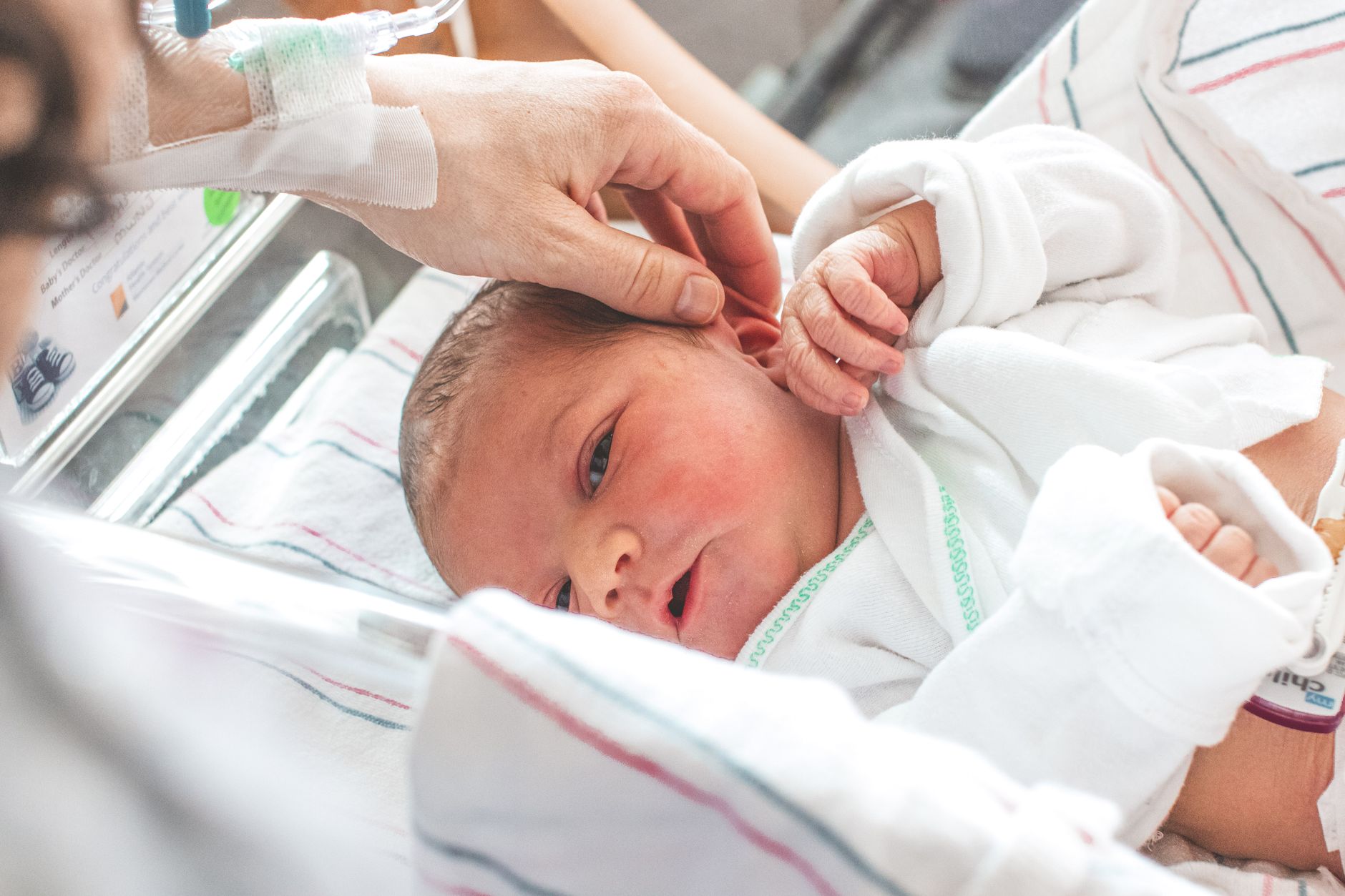
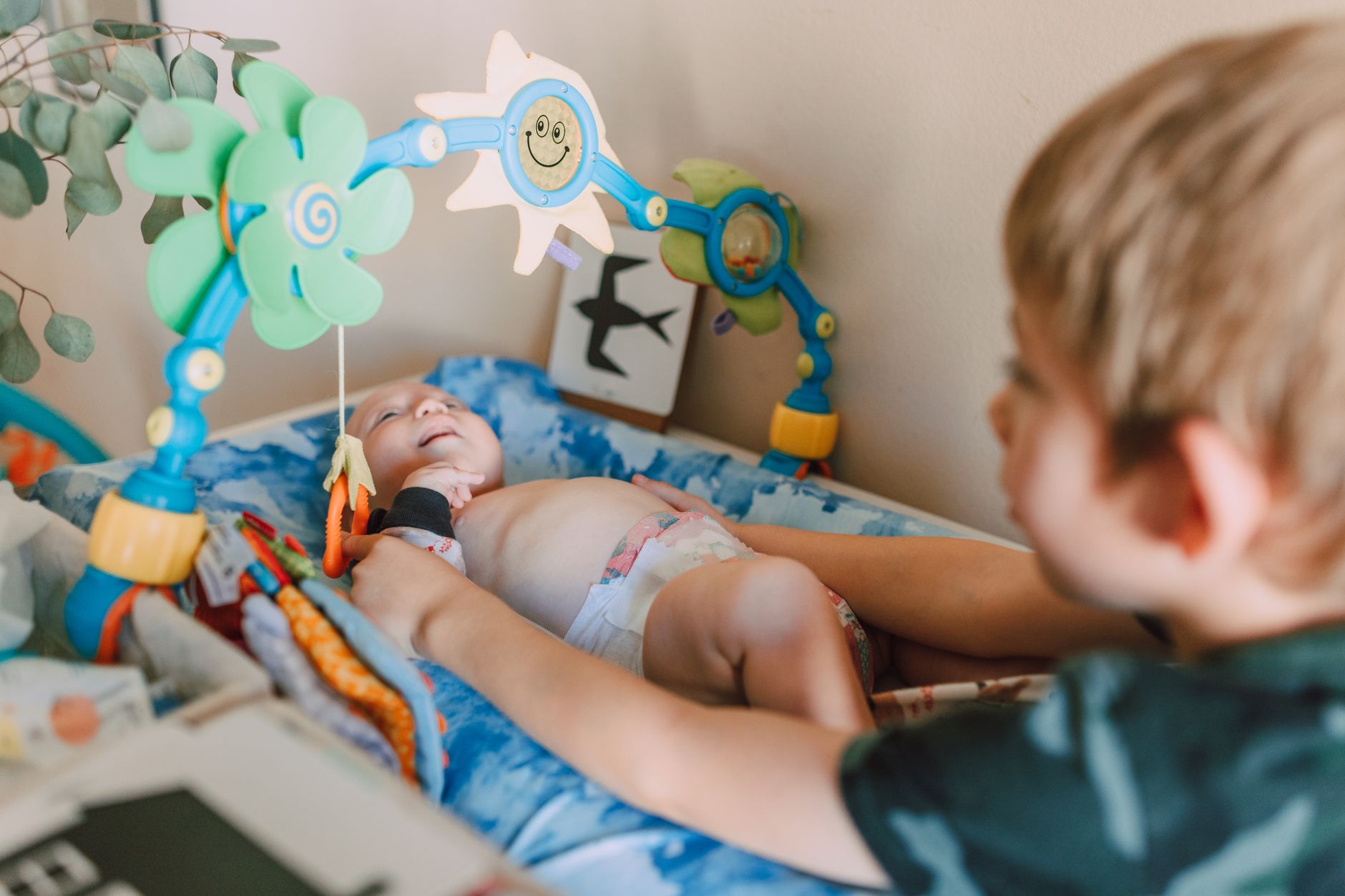
Quick take: The first time your older sibling meets your newborn in the hospital can be magical — or overwhelming. With a little prep, clear communication with hospital staff, and activities to keep them engaged, you can turn this visit into a bonding moment for your whole family. Remember, it’s okay if emotions run high: jealousy, excitement, or even nerves are normal. The key is to set them up for success with gentle explanations, small roles, and plenty of one-on-one time with you.Hospital Visit with Older Sibling Meeting Baby: A Modern Mom's Honest Guide
Imagine this: You’re exhausted, your hospital bag is packed, and your partner is holding your newborn for the first time. Then your older sibling walks in, eyes wide, clutching a stuffed animal like a lifeline. You want this moment to be special, but you’re also worried about how it’ll go. Will they be excited? Nervous? Jealous? And how do you even explain what’s happening to a child who’s never seen a newborn before?
This is the reality for so many parents. The hospital visit with an older sibling is one of the most tender and tense moments in early parenthood. It’s a chance to introduce your little one to your family, but it can also stir up a mix of emotions—excitement, curiosity, and sometimes even a flicker of jealousy or fear. You’re not alone if you’re feeling unsure. The good news? With a little planning, you can make this visit a positive experience for everyone.
In this guide, we’ll walk you through everything you need to know to prepare for your older sibling’s hospital visit. From what to expect during the visit to how to keep them calm and engaged, we’ll cover it all. We’ll also dive into hospital policies, activities to keep your older sibling occupied, and how to handle any emotions that come up. By the end, you’ll feel confident and ready to create a memorable (and stress-free) first meeting between your older child and your newborn.
--- ## What to Expect When Older Sibling Visits Newborn in Hospital The first time your older sibling sees the baby, it’s a big deal—both for them and for you. But what exactly will happen? Here’s what to anticipate, based on real moms’ experiences and hospital guidelines. ### The First Meeting Most hospitals allow siblings to visit for short periods, often 30–60 minutes at a time. Your older sibling might be overwhelmed by the baby’s size, the hospital noises, or even the smell of the nursery. Some kids are thrilled; others might feel left out or confused. It’s normal for them to want to hold the baby right away, but they might also be hesitant. If they’re nervous, reassure them that it’s okay to just sit and watch at first. ### The Hospital Environment Hospitals can feel intimidating to kids. Bright lights, beeping monitors, and strangers in scrubs might make them feel anxious. You can help by explaining what’s going on in simple terms. For example, you might say, *“This is where the baby sleeps until we take them home. The doctors and nurses are here to make sure they’re healthy.”* ### The Baby’s Needs Newborns are tiny and fragile, and your older sibling might not understand why they can’t be held like a stuffed animal. You can explain that babies are still learning how to eat, sleep, and even breathe, so they need lots of help. This is a great opportunity to involve your older sibling in gentle ways—like letting them help you change a diaper or sing to the baby. --- ## How to Prepare Older Sibling for Hospital Visit with Baby Preparation is key to making the visit go smoothly. Here’s how to get your older sibling ready emotionally and practically. ### Talk About It Beforehand Start the conversation early, even if you’re still in the hospital waiting room. Use simple, positive language. For example, *“We’re so excited to bring home our new baby! You’re going to get to meet them at the hospital today. They’re going to be so tiny and sleepy, and you’re going to be their big helper.”* If your older sibling is very young (under 5), keep it brief and focus on the fun parts. For older kids, you might even let them help pack a small bag for the visit—think a favorite book, a small toy, or a blanket. ### Role-Play the Visit If your older sibling is anxious, practice what the visit might look like. Use stuffed animals or dolls to act out meeting the baby. For example, you can say, *“Let’s pretend this is the baby. You can hold them gently, or just sit and talk to them. What do you think they’ll like?”* This helps them feel more in control. ### Bring Comfort Items Pack a small bag for your older sibling with familiar items. A favorite stuffed animal, a book, or even a new toy can make them feel more at ease. If they’re old enough, let them pick out a special gift for the baby—a onesie, a blanket, or a small toy. This can make them feel like an important part of the family. --- ## What Questions to Ask Hospital Staff About Sibling Visit Every hospital has its own rules about sibling visits, and these can vary. Don’t assume you know everything—ask these key questions when you check in. ### Visiting Hours and Duration Ask about the hospital’s visiting policies. Some hospitals allow siblings to visit for short periods (like 30–60 minutes), while others might have more flexible rules. If you’re planning a longer visit, confirm whether overnight stays are allowed. ### Safety Guidelines Newborns are fragile, so hospitals have rules to keep them safe. Ask about: - **Holding policies:** Can siblings hold the baby, or is it only parents? - **Hygiene rules:** Do siblings need to wash their hands before visiting? - **Restrictions:** Are there any items siblings can’t bring (like toys with small parts)? ### Special Considerations If your older sibling has any special needs—like allergies, sensory sensitivities, or anxiety—let the staff know. They might be able to accommodate them, like providing a quiet room or extra time for visits. --- ## How to Keep Older Sibling Calm During Newborn Hospital Stay The hospital can be overwhelming for kids, especially when there’s a tiny baby around. Here’s how to keep your older sibling calm and engaged. ### Create a Routine Kids thrive on routine. If you’re staying overnight, try to keep their usual bedtime and mealtime as close to normal as possible. This can help them feel more secure. ### Give Them a Role Kids love feeling helpful. Assign them small, manageable tasks: - **Storytime:** Let them read a book to the baby (even if the baby isn’t listening). - **Diaper duty:** Help you change a diaper (with supervision). - **Gift-giver:** Let them present a small gift to the baby, like a onesie or a blanket. ### Distraction Stations Bring along some quiet activities to keep them occupied: - **Coloring books and crayons** (hospital rooms often have tables). - **Small puzzles or building blocks** (check for choking hazards). - **A tablet with downloaded shows or games** (if allowed). ### Use Visual Aids For younger kids, a simple drawing or a photo of what to expect can help. For example, draw a picture of the baby in the crib and label parts like *“This is where the baby sleeps!”* or *“This is where you can sit and watch.”* --- ## What Activities Are Safe for Older Sibling During Baby Hospital Visit You want your older sibling to have fun, but safety comes first. Here are some safe and engaging activities for them during the visit. ### Gentle Play - **Soft toys:** Bring along a few plush toys for them to cuddle or play with. - **Quiet games:** Board games or card games (like Go Fish or Uno) can be great for older kids. - **Arts and crafts:** Finger painting or coloring can be a fun way to pass the time. ### Interactive Bonding - **Singing or dancing:** Kids love to move, and it’s a great way to connect with the baby. - **Storytelling:** Make up a story about the baby’s adventures (even if the baby isn’t listening). - **Baby “care”:** Let them help with gentle tasks like wiping the baby’s face with a damp cloth (under supervision). ### Screen Time (When Needed) If your older sibling is getting restless, a tablet with a favorite show or game can be a lifesaver. Just make sure to set limits and keep the volume low so it doesn’t disturb the baby. --- ## How to Handle Sibling Jealousy in Hospital Setting Jealousy is a natural part of sibling dynamics, and the hospital can amplify those feelings. Here’s how to address it before, during, and after the visit. ### Before the Visit - **Reassure them:** Remind them that you’ll always love them and that the baby is part of the family. For example, *“You’re our big helper, and we need you so much.”* - **Involve them:** Let them know they’ll have special roles, like picking out a gift for the baby or helping with small tasks. ### During the Visit - **One-on-one time:** Make sure they get plenty of attention from you. Sit with them, talk to them, and let them know how proud you are of them. - **Acknowledge their feelings:** If they seem upset, validate their emotions. Say something like, *“I know it’s hard to share your mommy and daddy, but we have so much love to go around.”* - **Give them a “special” task:** Let them do something that only they can do, like holding a special blanket for the baby or picking out a song to sing. ### After the Visit - **Celebrate their role:** Praise them for being a big helper. Say things like, *“You were such a good big sibling today!”* - **Plan a special activity:** Take them out for ice cream or to their favorite park to celebrate the baby’s arrival. - **Keep the conversation open:** Let them know they can always talk to you about their feelings. You might say, *“I’m here for you, no matter what.”* --- ## Hospital Policies for Sibling Visits: What You Need to Know Hospital policies can vary widely, so it’s important to ask about these key details when you check in. | **Policy Area** | **What to Ask** | **Example Answer** | |-----------------------|-------------------------------------------------------------------------------|-----------------------------------------------------------------------------------| | **Visiting Hours** | What are the visiting hours for siblings? | *“Siblings can visit from 10 AM–12 PM and 4 PM–6 PM, but only for 30-minute slots.”* | | **Holding Baby** | Can siblings hold the baby, or is it only parents? | *“Only parents can hold the baby, but siblings can sit and watch or help with small tasks.”* | | **Hygiene Rules** | Do siblings need to wash their hands before visiting? | *“Yes, all visitors must wash their hands with soap and water before entering the room.”* | | **Overnight Stays** | Can siblings stay overnight with the baby? | *“Overnight stays are allowed, but siblings must sleep in a separate room.”* | | **Toys/Items** | Are there restrictions on what siblings can bring? | *“Soft toys are fine, but no small items that could be a choking hazard.”* | | **Quiet Hours** | Are there quiet hours when siblings can’t visit? | *“Quiet hours are from 10 PM–8 AM, but siblings can visit during the day.”* | --- ## What to Bring for Older Sibling During Hospital Stay Packing a small bag for your older sibling can make a world of difference. Here’s what to include: ### Essentials - **Comfort items:** Favorite stuffed animal, blanket, or pillow. - **Snacks:** Their go-to snacks (check with the hospital about allergies). - **Change of clothes:** Hospitals can be messy, and kids often get into things. ### Activities - **Books:** A few of their favorite books or a new one to read together. - **Coloring books and crayons:** Great for quiet time. - **Small puzzles or games:** Like a travel-sized jigsaw puzzle or cards. ### Special Touches - **A new toy:** Something they’ve been wanting to open at the hospital. - **A journal:** Let them draw or write about their experience. - **A camera:** If they’re old enough, let them take photos of the baby (with your help). --- ## How to Talk to Older Sibling About Newborn in Hospital Communication is key. Here’s how to talk to your older sibling about the baby in a way that’s reassuring and age-appropriate. ### For Younger Kids (Under 5) - **Keep it simple:** Use short sentences and avoid complex explanations. *“We’re bringing home a new baby, and you’re going to be their big helper. They’re going to be so tiny and sleepy.”* - **Use props:** Show them pictures of babies or use stuffed animals to explain. - **Focus on the fun:** Emphasize the excitement of meeting the baby and the special roles they’ll have. ### For Older Kids (5 and Up) - **Be honest but gentle:** Explain that the baby will need lots of care and that they’ll be part of that. *“The baby is going to be very small and will need help with everything. But you’re going to be such a big help to us.”* - **Answer their questions:** Let them know it’s okay to ask anything. If they’re worried about being replaced, reassure them that you’ll always love them. - **Involve them in decisions:** Let them help choose a name for the baby or pick out a gift. ### For Teens - **Give them space:** Teens might want to observe from a distance or help in a more independent way. - **Acknowledge their feelings:** They might feel left out or overwhelmed. Let them know their feelings are valid. - **Set clear expectations:** If they’re staying overnight, let them know what’s expected of them (e.g., no loud noises during quiet hours). --- ## Sibling Visit to Hospital Newborn Tips: Pro Mom Strategies Moms who’ve been through this before share their best tips for making the visit smooth and special. ### Tip 1: Bring a Change of Clothes for Yourself Too Hospitals are messy, and you might end up with baby spit-up or a leaky diaper on your clothes. Pack an extra outfit for yourself so you can focus on your older sibling. ### Tip 2: Schedule Visits During Quiet Times If possible, plan visits during the baby’s quietest times (like after a feeding). This can help your older sibling see the baby in a calm state, which might ease their anxiety. ### Tip 3: Take Photos Together Let your older sibling take photos of the baby (with your help). This can help them feel more connected and give them a keepsake to remember the moment. ### Tip 4: Plan a Post-Visit Celebration After the visit, celebrate your older sibling’s role in the family. Take them out for ice cream or to their favorite park. This reinforces their importance and makes the experience positive. ### Tip 5: Don’t Overwhelm Them Keep visits short at first. If your older sibling seems overwhelmed, take a break and come back later. It’s okay to start with just 15–20 minutes and build up. --- ## Myth vs. Fact: Sibling Visits in the Hospital Let’s debunk some common myths about sibling visits during the hospital stay. ### Myth: Siblings Should Always Be Involved in Every Part of the Visit **Fact:** It’s okay to let siblings observe first. Not every child is ready to hold a baby or be involved in every task. Let them take it at their own pace. ### Myth: Older Siblings Will Always Be Excited About the Baby **Fact:** Jealousy and anxiety are normal. Some kids might feel left out or worried about being replaced. It’s important to validate their feelings and reassure them of their importance in the family. ### Myth: You Can’t Bring Too Many Toys or Distractions **Fact:** Too many toys can be overwhelming, especially in a hospital setting. Stick to a few quiet activities to keep them engaged without creating chaos. ### Myth: Sibling Visits Are Only About the Baby **Fact:** The visit is also about bonding with your older sibling. Make sure they get plenty of one-on-one time with you to feel secure and loved. --- ## Key Takeaways for a Smooth Hospital Visit Here’s a quick recap of the most important tips to remember: - **Prepare your older sibling emotionally** by talking about the visit beforehand and involving them in the process. - **Ask hospital staff about their policies** to avoid surprises during the visit. - **Give your older sibling a role** to help them feel important and engaged. - **Keep visits short and manageable** at first, especially if they’re nervous. - **Validate their feelings**—jealousy, excitement, and anxiety are all normal. - **Bring comfort items** to make the hospital feel more familiar. - **Plan a post-visit celebration** to reinforce their role in the family. - **Don’t forget to take care of yourself**—pack extra clothes and snacks for the whole family. --- ## Frequently Asked Questions About Sibling Visits in the Hospital ### What should I do if my older sibling is nervous about meeting the baby in the hospital? If your older sibling is nervous, start by validating their feelings. Say something like, *“It’s okay to feel nervous. This is a big change, and it’s normal to have questions.”* Then, reassure them that they’ll be a big helper and that you’ll always love them. Role-playing with stuffed animals or dolls can also help them feel more comfortable. If they’re still anxious, consider asking the hospital staff if they can arrange a quiet, one-on-one visit with you to ease them in. ### How can I keep my older sibling calm during the hospital stay? Keep your older sibling calm by sticking to their usual routine as much as possible, giving them small roles to play (like helping with diaper changes or singing to the baby), and bringing along comfort items like their favorite stuffed animal or a book. Distraction stations, like coloring books or tablets, can also help pass the time. Most importantly, make sure they get plenty of one-on-one time with you to feel secure and loved. ### What are the hospital rules for older sibling visits? Hospital rules for sibling visits can vary widely. Some common policies include: - Visiting hours are often limited (e.g., 30–60 minutes at a time). - Only parents may hold the baby, but siblings can sit and watch or help with small tasks. - All visitors must wash their hands before entering the room. - Overnight stays may be allowed, but siblings must sleep in a separate room. Always ask the hospital staff when you check in to confirm their specific policies. ### Should I let my older sibling stay overnight with the newborn? This depends on the hospital’s policies and your older sibling’s age and maturity level. Some hospitals allow siblings to stay overnight, but they may need to sleep in a separate room. If your older sibling is very young, it might be better to limit their stay to daytime visits to avoid overwhelming them. If they’re older and used to overnight stays, you might consider it—but always check with the hospital first. ### What activities can I do with my older sibling while in the hospital? There are plenty of safe and engaging activities to keep your older sibling occupied during your hospital stay: - **Gentle play:** Soft toys, coloring books, or quiet games like cards or puzzles. - **Bonding activities:** Singing, dancing, or reading books to the baby. - **Creative time:** Finger painting or drawing pictures of the baby. - **Screen time:** If allowed, a tablet with downloaded shows or games can be a lifesaver. - **Special tasks:** Let them help with small chores, like changing a diaper or picking out a song to sing. ### How do I explain the newborn’s needs to my older sibling? Explain the baby’s needs in simple, age-appropriate terms. For younger kids, you might say: *“The baby is still learning how to eat, sleep, and even breathe. That’s why they need lots of help from us. You can help by being their big helper and making sure they feel loved.”* For older kids, you can add more detail, like how the baby needs to be fed every few hours or how they can’t hold heavy toys yet. Always emphasize that they’re an important part of the baby’s care team. --- ## When to See a Doctor or Specialist While sibling visits are usually a joyful experience, there are times when you might want to seek additional support. If your older sibling shows signs of persistent anxiety, jealousy, or behavioral changes after the visit, it might be helpful to talk to a pediatrician or a child therapist. Signs to watch for include: - **Extreme jealousy or clinginess** that doesn’t improve over time. - **Regression in behavior** (like bedwetting or thumb-sucking in an older child). - **Persistent fear or anxiety** about the baby that affects their daily life. - **Difficulty adjusting** to the new routine at home. If you notice any of these signs, don’t hesitate to reach out to your pediatrician or a specialist. They can provide guidance and support tailored to your child’s needs. --- ## References 1. **American Academy of Pediatrics (AAP).** *Siblings and Newborns.* [https://www.aap.org](https://www.aap.org) 2. **Hospital for Sick Children (SickKids).** *Preparing Your Sibling for the New Baby.* [https://www.sickkids.ca](https://www.sickkids.ca) 3. **Mayo Clinic.** *Sibling Rivalry: How to Help Your Kids Get Along.* [https://www.mayoclinic.org](https://www.mayoclinic.org) 4. **Nemours Foundation.** *Helping Your Child Adjust to a New Baby.* [https://kidshealth.org](https://kidshealth.org) 5. **Centers for Disease Control and Prevention (CDC).** *Preparing for Your Baby’s Arrival.* [https://www.cdc.gov](https://www.cdc.gov) ---