Grandparents’ Baby Food Mistakes: How to Set Healthy Boundaries

Grandparents’ Baby Food Mistakes: How to Set Healthy Boundaries

Frustrated by grandparents feeding baby the wrong foods? Learn safe alternatives, gentle ways to set rules, and expert-backed tips to keep mealtime stress-free.

Shubhra Mishra

By Shubhra Mishra — a mom of two who turned her own confusion during pregnancy into BumpBites, a global mission to make food choices clear, safe, and stress-free for every expecting mother. 💛

Are you a qualified maternal-health or nutrition expert? Join our reviewer circle.

Wondering about another food?

Check whether any food is safe during pregnancy with the BumpBites Food Safety Checker.

Quick take: Grandparents often mean well but may unknowingly feed your baby foods that are unsafe or inappropriate for their age. The key is clear communication, setting gentle boundaries, and offering practical alternatives—without guilt or conflict. Start by explaining baby food safety in simple terms, provide ready-made options for them to use, and redirect their good intentions toward age-appropriate choices.
Grandparents Ignoring Baby Food Rules: A Modern Mom's Honest Guide

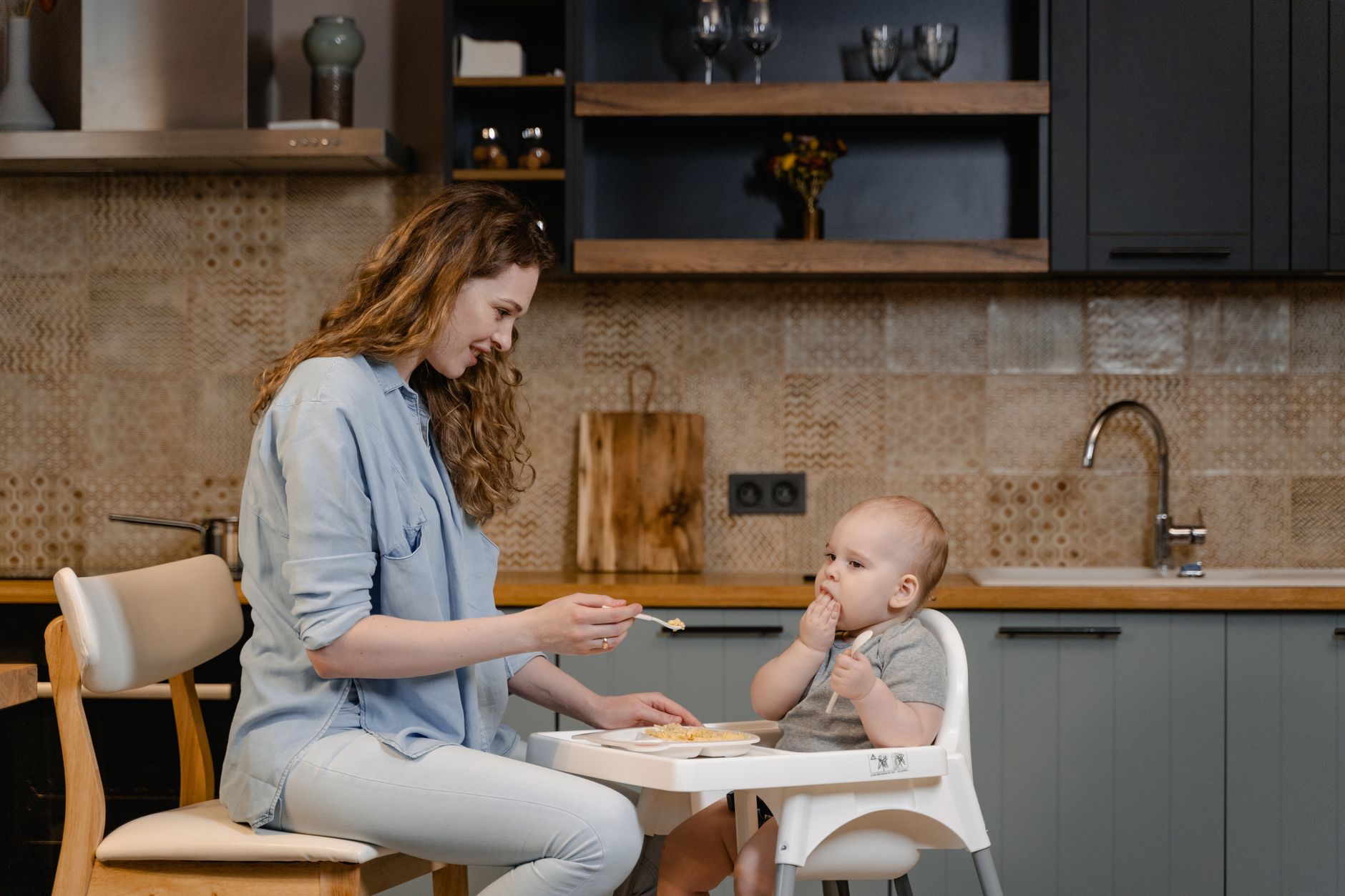
A mom and grandparent share a moment over baby food, with the mom looking thoughtful and the grandparent smiling.

--- ### **The 3 AM Realization That Changed Everything** It was 3:17 a.m. when I first realized the scope of the problem. My partner and I had just rocked our 6-month-old back to sleep after a feeding, and I grabbed my phone to check the time—only to see a missed call from my mom. I answered, half-asleep, and she said, “Oh, just wanted to check in—is it okay if I bring over some applesauce and crackers for lunch tomorrow? I made it myself!” My heart sank. Not because she was being nosy, but because I knew she’d likely add honey or salt, or worse, serve it straight from the jar without checking the temperature. I’d spent hours researching baby food safety, only to realize my own mom—who loves my baby more than anything—might accidentally feed her something unsafe. This isn’t just about applesauce. Grandparents often mean well but may unknowingly serve babies foods that are choking hazards, too salty, too sugary, or simply not developmentally appropriate. The good news? You’re not alone, and there are ways to navigate this without guilt or conflict. Here’s how to handle it with grace, clarity, and a little bit of strategy. --- ### **Understanding Baby Food Safety Guidelines: What Every Grandparent Needs to Know** Before you can address the issue, you need to understand the guidelines yourself—so you can explain them simply to your loved ones. The American Academy of Pediatrics (AAP) and the World Health Organization (WHO) provide clear recommendations, but they’re often overlooked or misunderstood by well-meaning grandparents. Here’s a quick breakdown: - **Age-appropriate textures:** Babies under 6 months should only be breastfed or formula-fed. Once solids are introduced (typically around 6 months), foods should be soft, easy to chew, and cut into small, manageable pieces. Think mashed bananas, steamed carrot sticks, or well-cooked pasta—not chunks of meat or hard fruits. - **Avoid added salt and sugar:** Babies don’t need extra salt or sugar. The AAP recommends avoiding added salt entirely for babies under 1 year old and limiting added sugars to less than 25 grams (about 6 teaspoons) per day for toddlers. - **No honey or cow’s milk:** Honey can contain botulism spores, which are dangerous for babies under 1 year old. Cow’s milk should not be used as a main drink until after 12 months. - **Choking hazards:** Foods like whole grapes, nuts, popcorn, and hard candies should be avoided until babies can chew and swallow safely (usually around 4 years old). - **Portion control:** A baby’s first foods should be small—about 1–2 tablespoons per new food—to avoid overwhelming their tiny tummies. **Pro tip:** Print out a one-page cheat sheet with these guidelines and keep it handy for when you need to reference it during conversations. You can even share it with your grandparents ahead of time so they’re prepared. --- ### **How to Talk to Grandparents About Baby Food: Start with Empathy** The first step is to approach the conversation with empathy. Grandparents often feel like they’re being judged when you correct them, even if it’s for their grandchild’s safety. Instead of framing it as a lecture, position it as a team effort to keep your baby healthy and happy. **Here’s how to start the conversation:** 1. **Acknowledge their love:** Begin by reminding them how much you appreciate their care. For example, “Mom, I just want you to know how much I value your help and love for [baby’s name]. That’s why I wanted to chat about how we can make sure they get the safest and healthiest foods.” 2. **Share your concerns:** Use specific examples to illustrate your points. “I’ve been reading about how important it is to avoid added salt and sugar in baby foods, and I wanted to make sure we’re all on the same page.” 3. **Offer solutions:** Instead of just saying “don’t do this,” provide alternatives. “Instead of applesauce with honey, how about we try some steamed apple puree? It’s just as sweet naturally!” **Representative story:** One reader, Sarah, shared that her mom had been giving her 8-month-old baby yogurt with granola. “I knew granola was a choking hazard, but I didn’t want to offend her,” Sarah said. “So I told her, ‘Mom, I love that you want to share treats with [baby’s name], but granola is too hard for them to chew right now. How about we try some plain yogurt with a little mashed banana instead?’ She was so relieved to have an alternative—she even made it for herself!” --- ### **What to Do If Grandparents Give Baby the Wrong Food: Damage Control and Redirection** Accidents happen, and sometimes grandparents might slip up even after you’ve explained the rules. The key is to stay calm and redirect without shame. Here’s how to handle it: - **Stay neutral:** If you catch them in the act, don’t scold. Instead, say something like, “Oh, I didn’t realize you were making that! Let me check the ingredients—just to be sure it’s safe for [baby’s name].” - **Offer a swap:** If they’ve already prepared something unsafe, suggest a quick replacement. “Actually, [baby’s name] would love some of these steamed sweet potato sticks I made earlier. They’re soft and perfect for their age!” - **Keep it light:** Humor can help ease tension. “You know, I think [baby’s name] is a little too young for honey smoothies—let’s stick to the classic banana-mashed goodness for now!” **What if they refuse?** If a grandparent is stubborn or dismissive, it’s important to set boundaries without guilt. More on that later. --- ### **Grandparents Refusing to Follow Baby Food Guidelines: How to Set Boundaries Without Guilt** Some grandparents may resist your requests, especially if they’ve raised children with different rules. The goal is to set boundaries that protect your baby’s health while maintaining a positive relationship. Here’s how: 1. **Start with “we” language:** Frame the conversation as a collaborative effort. “We want to make sure [baby’s name] gets the best start, and that means following the latest guidelines from the pediatricians.” 2. **Use examples:** Share stories of other babies who had issues with certain foods. “I read that some babies had trouble with too much juice, and it can actually cause tooth decay. Let’s keep their first foods as simple as possible.” 3. **Offer to help:** Sometimes, grandparents feel more invested if they’re part of the solution. “I’d love for you to help me prep some purees—here’s a recipe I’ve been using that’s safe and easy!” 4. **Set consequences (gently):** If they continue to ignore the rules, you may need to limit their involvement in feeding. “I know you want to spoil [baby’s name], but I think it’s best if I handle the meals for now. You can still bring over snacks that are safe, like whole-grain crackers or steamed veggies.” **Representative story:** Emily’s grandmother had been giving her 7-month-old baby store-bought fruit pouches with added sugar. “She kept saying, ‘But it’s just fruit!’” Emily recalled. “I told her, ‘I get that, but the AAP recommends avoiding added sugars for babies under 1 year. Let’s stick to homemade purees or plain fruit—it’s just as tasty!’ She eventually agreed, and we even made a batch together. It turned into a bonding moment!” --- ### **How to Set Boundaries with Grandparents Over Baby Food: Scripts That Work** Setting boundaries can feel awkward, but it’s necessary for your baby’s safety. Here are a few scripts you can use, depending on the situation: - **For general feeding rules:** *“I really appreciate your help with [baby’s name], and I know you want what’s best for them. The pediatrician has recommended that we stick to certain foods for now, like soft purees and no added salt or sugar. I’d love for you to help with snacks that fit those guidelines—like steamed carrot sticks or plain yogurt.”* - **For specific foods they love to give:** *“I love that you make [baby’s name] feel so special with your cooking! But I’ve been reading that [specific food, e.g., honey or whole grapes] isn’t safe for babies under 1 year old. Could we try something else, like mashed peas or banana slices instead?”* - **For when they insist on their way:** *“I understand you’ve raised children before, and I know you mean well. But the guidelines have changed, and the pediatrician has advised us to avoid [specific food]. I’d really appreciate it if we could stick to the plan for now.”* **Pro tip:** If they push back, stay firm but kind. You can say, *“I know this isn’t what you’re used to, but I promise you, these small changes will help [baby’s name] stay healthy and happy in the long run.”* --- ### **Grandparents Giving Baby Too Much Fruit Juice: The Hidden Danger** Fruit juice is one of the biggest offenders when it comes to grandparents feeding babies. Many assume juice is “natural” and healthy, but it’s actually linked to tooth decay, obesity, and nutritional deficiencies in babies. The AAP recommends: - **No juice for babies under 1 year old.** - **For babies 1–3 years old:** Limit juice to 4 ounces per day, diluted with water. - **For toddlers 4–6 years old:** Limit to 4–6 ounces per day, and always serve with meals. **How to address this:** - **Redirect to water:** Offer water in a sippy cup as a safe alternative. “Let’s stick to water for now—it’s just as hydrating and won’t stain their teeth!” - **Suggest diluted juice:** If they insist on juice, suggest diluting it with water (e.g., 50% juice, 50% water) and serving it in small amounts. - **Offer juice-free snacks:** Provide alternatives like diluted apple juice with a splash of water, or better yet, fresh fruit slices. **Representative story:** Lisa’s dad had been giving her 9-month-old baby apple juice every morning. “He thought it was helping with hydration,” Lisa said. “But I explained that juice can cause tooth decay and isn’t necessary for their diet. Instead, I suggested offering water and whole fruits like applesauce made at home. He was surprised to learn that, and we even made a batch of homemade applesauce together!” --- ### **Grandparents Giving Baby Processed Foods: Why It Matters and What to Do** Processed foods—like crackers, cereal, or even store-bought baby snacks—can be convenient, but they often contain added sugars, salts, or artificial ingredients that aren’t ideal for babies. The American Heart Association (AHA) advises limiting processed foods in early childhood to reduce the risk of obesity and chronic diseases later in life. **How to handle this:** - **Offer homemade alternatives:** Instead of processed snacks, provide options like: - Soft-cooked veggie sticks (carrots, sweet potatoes) - Plain rice cakes or whole-grain crackers (no added salt) - Fresh fruit slices (like banana or pear) - **Explain the “why”:** Share simple reasons why processed foods aren’t the best choice. “These homemade options are just as tasty and help [baby’s name] get used to real food textures.” - **Keep processed foods out of reach:** If they insist on bringing processed snacks, store them out of sight and offer the healthier options instead. **Representative story:** Jake’s grandparents had been giving his 8-month-old baby Cheerios. “They thought it was a great first food,” Jake said. “But I explained that Cheerios can be a choking hazard and are often too hard for their little teeth. Instead, I suggested soft-cooked oatmeal or mashed banana. They were happy to try it!” --- ### **How to Explain Baby Food Safety to Grandparents: Simple Tips** Grandparents often don’t realize how much their feeding habits have changed since they raised their own children. Here’s how to explain the rules in a way that resonates: 1. **Use relatable examples:** Compare baby food safety to other parenting rules. “Just like we don’t give babies aspirin for fevers anymore, we’ve learned that some foods we used to give them aren’t safe anymore.” 2. **Highlight the science:** Share simple facts. “The AAP has updated their guidelines because we now know that babies’ digestive systems and teeth are still developing, and certain foods can cause issues.” 3. **Offer visual aids:** Print out images of safe vs. unsafe foods and share them with them. For example, a side-by-side of a whole grape (unsafe) vs. mashed blueberries (safe). 4. **Invite them to learn:** Suggest they read up on the AAP’s guidelines together. “Let’s look at the AAP website together—I’ll walk you through the safe foods for [baby’s name]’s age!” **Pro tip:** Create a simple infographic or checklist with safe foods for different ages. You can even make it a fun activity to do with them, like a “baby food bingo” where they check off safe foods they prepare. --- ### **Grandparents Ignoring Baby Food Rules: What to Do Next** If your grandparents continue to ignore the rules despite your explanations, it’s time to take more direct action. Here’s how: 1. **Consult your pediatrician:** Ask for a printout of the latest guidelines to share with them. Sometimes, hearing it from the doctor adds weight to your request. 2. **Set clear expectations:** Have a family meeting (or a phone call) where you outline the rules and the reasons behind them. “We’ve decided to follow these guidelines because the pediatrician recommends it, and we want [baby’s name] to have the healthiest start possible.” 3. **Limit their involvement (if necessary):** If they refuse to comply, you may need to limit their role in feeding. “I love that you want to spoil [baby’s name], but I think it’s best if I handle the meals for now. You can still bring over safe snacks, like steamed veggies or plain yogurt.” 4. **Involve other family members:** If your partner’s parents are also involved, coordinate with them to present a united front. “We both agree that these are the best practices for [baby’s name], and we’d love for you to support us in this.” **Representative story:** Priya’s parents had been giving her 6-month-old baby store-bought fruit snacks. “They kept saying, ‘But they’re just fruit!’” Priya said. “I had a talk with them and shared the AAP guidelines. They were surprised to learn that fruit snacks often contain added sugars and aren’t safe for babies. I even printed out a list of safe snacks and suggested they try making homemade versions. They eventually agreed, and it made me feel so much better knowing they were on board!” --- ### **Grandparents Baby Food Safety Tips: A Quick Checklist** To help your grandparents (and yourself!) stay on track, here’s a quick checklist of safe foods and practices: | **Age** | **Safe Foods** | **Avoid** | **Tips** | |---------------|----------------------------------------|-------------------------------------|-------------------------------------------| | **0–6 months**| Breast milk or formula only | Solid foods, honey, cow’s milk | Focus on bonding and nutrition. | | **6–8 months**| Soft purees, mashed bananas, steamed veggies | Whole grapes, nuts, honey | Start with small portions (1–2 tbsp). | | **8–10 months**| Soft-cooked pasta, scrambled eggs, avocado | Popcorn, hard candies, added salt | Introduce finger foods for self-feeding. | | **10–12 months**| Shredded chicken, soft-cooked veggies, plain yogurt | Juice, processed snacks, whole nuts | Offer a variety of textures. | **Bonus tip:** Keep a small fridge or cooler stocked with pre-made safe snacks for grandparents to grab when they visit. Label them with simple notes like “Safe for [baby’s name]—no added salt!” --- ### **Grandparents Baby Feeding Etiquette: How to Keep Visits Stress-Free** Feeding isn’t the only area where grandparents might need a refresher. Here are a few etiquette tips to keep visits smooth: 1. **Ask for help, don’t demand it:** Instead of saying, “You have to feed them like this,” try, “Could you help me prepare some of these safe snacks? I’d really appreciate it.” 2. **Set a “feeding time”:** Designate specific times for meals and snacks so grandparents know when to offer food. This prevents overfeeding or offering foods at inappropriate times. 3. **Keep it fun:** Babies learn best when feeding is a positive experience. Encourage grandparents to make mealtime interactive—singing, laughing, and even letting the baby explore textures. 4. **Offer alternatives:** If they want to “spoil” the baby with treats, suggest healthy alternatives. “Instead of candy, how about we make some homemade banana “ice cream”? It’s just as fun and much healthier!” **Representative story:** Megan’s grandparents had been giving her 7-month-old baby ice cream for dessert. “They thought it was a treat,” Megan said. “But I explained that dairy can be hard for babies to digest until after 1 year. Instead, I suggested making a smoothie with yogurt and mashed berries. They loved the idea, and it became a new family tradition!” --- ### **Myths vs. Facts About Grandparents and Baby Food** Grandparents often hold onto old feeding habits based on myths. Here’s the truth behind some common misconceptions: Myth: “Babies need salt to grow.” Fact: Babies’ kidneys can’t handle extra salt, and too much can lead to high blood pressure later in life. The AAP recommends avoiding added salt entirely for babies under 1 year old. Myth: “Honey is natural and safe for babies.” Fact: Honey can contain botulism spores, which are dangerous for babies under 1 year old. Wait until at least 12 months before introducing honey. Myth: “Juice is a good way to give babies vitamins.” Fact: Juice provides little nutritional value and can cause tooth decay. The AAP recommends no juice for babies under 1 year old and limiting it for toddlers. Myth: “Processed baby foods are just as good as homemade.” Fact: While some processed baby foods are convenient, they often contain added sugars, salts, or preservatives. Homemade or fresh foods are generally healthier. Myth: “Grandparents can’t follow the rules because they raised their own kids differently.” Fact: Guidelines have evolved based on new research. It’s okay to ask them to adapt their feeding habits for your baby’s safety. --- ### **Key Takeaways for Handling Grandparents and Baby Food** Here’s a quick recap of the most important points: - **Grandparents mean well, but they may not know the latest guidelines.** Take the time to explain the “why” behind the rules. - **Start with empathy and offer solutions.** Instead of saying “don’t do this,” suggest alternatives. - **Set clear boundaries if necessary.** If they refuse to comply, limit their involvement in feeding. - **Keep it positive.** Turn feeding into a fun, collaborative activity rather than a source of conflict. - **Use visual aids and checklists.** Print out guidelines and safe food lists to share with them. - **Involve other family members.** A united front makes it easier to enforce the rules. - **Focus on what’s best for your baby.** You’re not being controlling—you’re protecting their health and happiness. --- ### **Frequently Asked Questions About Grandparents and Baby Food** #### **What should I do if grandparents ignore baby food rules?** If your grandparents continue to ignore the rules, start by having a calm, direct conversation. Share the AAP guidelines and explain why they matter. If they still resist, limit their role in feeding and offer pre-made safe snacks for them to serve. In extreme cases, you may need to set firmer boundaries, such as asking them not to feed the baby during visits. #### **How can I politely ask grandparents to follow baby food guidelines?** Use a gentle, collaborative approach. For example, *“I know you want what’s best for [baby’s name], and I’ve been reading about the latest guidelines from the pediatrician. Could we try sticking to these safe foods for now?”* Offer to help them prepare safe snacks or provide a list of approved foods. #### **Are grandparents allowed to give my baby food they want?** Grandparents are allowed to express their preferences, but they should follow the latest baby food safety guidelines to protect your baby’s health. If they insist on giving unsafe foods, it’s okay to set boundaries and offer alternatives. #### **What baby food rules should I set for grandparents?** Focus on the following key rules: - No added salt or sugar for babies under 1 year old. - No honey, cow’s milk, or juice for babies under 1 year old. - Soft, easy-to-chew textures for babies starting solids. - No choking hazards like whole grapes, nuts, or hard candies. - Small portions (1–2 tablespoons per new food) to avoid overwhelming the baby’s tiny tummy. #### **How to explain baby food safety to grandparents?** Use simple, relatable language and examples. For instance, *“Just like we don’t give babies aspirin for fevers anymore, we’ve learned that some foods we used to give them aren’t safe anymore. The pediatrician recommends we stick to these guidelines to keep [baby’s name] healthy.”* Share visual aids or printouts of the AAP guidelines for clarity. #### **Do grandparents need to follow baby food guidelines?** While grandparents don’t *have* to follow the guidelines, they *should* for your baby’s safety. The rules are based on pediatric research to ensure babies get the best start. If they refuse to comply, you may need to limit their involvement in feeding or redirect their good intentions toward safe options. --- ### **When to See a Doctor or Specialist** While most feeding disagreements can be handled with clear communication and boundaries, there are times when you may need to involve a healthcare professional: - If your baby shows signs of **choking or difficulty swallowing** after eating certain foods, contact your pediatrician immediately. - If your baby has **frequent diarrhea, constipation, or vomiting** after eating new foods, it could indicate an allergy or intolerance. Keep a food diary and discuss it with your doctor. - If grandparents continue to **refuse to follow safety guidelines** and you’re unable to resolve the conflict, consult your pediatrician for advice on how to handle the situation. **Remember:** You’re not being unreasonable—you’re advocating for your baby’s health. Trust your instincts, and don’t hesitate to seek support from your partner, pediatrician, or even a family therapist if needed. --- ### **Resources and Support for Parents Navigating Grandparent Boundaries** Navigating boundaries with grandparents can be challenging, but you’re not alone. Here are some resources to help: - **[American Academy of Pediatrics (AAP) Guidelines on Feeding Babies](https://www.aap.org/)** – The official guidelines on when and how to introduce solids. - **[HealthyChildren.org](https://www.healthychildren.org/)** – A trusted resource for parents with expert advice on baby food safety. - **[La Leche League](https://www.llli.org/)** – Support for breastfeeding and feeding challenges, including advice on managing family dynamics. - **[Books for Parents:**] - *“The Expectant Father”* by Arlene Eisenberg – Offers guidance on supporting partners and navigating family dynamics. - *“Grandparenting for Dummies”* by Susan Witt – Helps grandparents understand modern parenting practices. - **Support Groups:** Join online communities like **BabyCenter Forums** or **Reddit’s r/Parenting** to connect with other parents facing similar challenges. **Pro tip:** If you’re feeling overwhelmed, consider setting up a “family meeting” with your partner, grandparents, and pediatrician to align on feeding rules and expectations. This can help everyone feel heard and on the same page. --- ### **Alternatives and Compromises: Keeping Grandparents Involved Without Compromising Safety** You don’t have to cut grandparents out of feeding entirely—just redirect their efforts toward safe options. Here are some compromises that work: - **Grandparents can prepare safe snacks:** Offer to teach them how to make simple, healthy baby foods like mashed sweet potatoes or plain yogurt. - **They can help with mealtime:** Encourage them to sit with the baby during meals, sing songs, or even help with self-feeding (with safe foods). - **Grandparent “treats”:** Allow them to bring over safe treats occasionally, like a small portion of plain yogurt with mashed berries or a piece of soft-cooked fruit. - **Involve them in grocery shopping:** Take them to the store and show them safe baby food options. They’ll feel more invested if they’re part of the process. **Representative story:** Daniel’s grandparents had been giving his 9-month-old baby store-bought fruit pouches. “They loved spoiling him,” Daniel said. “But I knew those pouches had added sugars. Instead, I suggested they make their own fruit pouches at home using just mashed fruit and water. They were thrilled to learn how easy it was, and it became a new family tradition!” --- ### **Legal and Health Implications: When to Seek Further Help** While most feeding disagreements can be resolved with communication, there are rare cases where boundaries may need to be enforced more firmly. Here’s what to consider: - **Child Protective Services (CPS):** In extreme cases where a grandparent is intentionally feeding the baby unsafe or harmful foods (e.g., excessive sugar, choking hazards, or foods that cause severe allergies), you may need to involve child protective services. However, this is highly unlikely if the issue is simply a misunderstanding. - **Medical professionals:** If your baby shows signs of **nutritional deficiencies, allergies, or developmental delays** related to feeding, consult your pediatrician. They can provide guidance on adjusting the diet and managing family dynamics. - **Family therapy:** If the conflict is causing tension in your relationship with your grandparents, consider family therapy. A neutral third party can help facilitate a productive conversation. **Remember:** Most grandparents love their grandchild and want what’s best for them. If they’re resistant to change, it’s often because they’re worried about offending you or feel out of the loop. Reassure them that you value their input and just need their help in a slightly different way. --- ### **Final Thoughts: You’re Doing Great** Navigating grandparents and baby food rules can feel like a minefield, but remember: you’re not alone, and you’re doing an amazing job advocating for your baby’s health. The key is to stay calm, communicate clearly, and offer alternatives. With patience and persistence, you can create a feeding routine that works for everyone—keeping your baby safe and your grandparents involved in a way that feels good for all of you. And if you ever feel stuck, take a deep breath and remind yourself: **you’re the parent, and your baby’s health comes first.** That’s all any grandparent could ever ask for. --- ### **References** 1. **American Academy of Pediatrics (AAP).** *Starting Solid Foods.* [https://www.healthychildren.org](https://www.healthychildren.org) 2. **World Health Organization (WHO).** *Guidelines on Complementary Feeding of Infants and Young Children.* [https://www.who.int](https://www.who.int) 3. **American Heart Association (AHA).** *Diet and Lifestyle Recommendations for Children.* [https://www.heart.org](https://www.heart.org) 4. **Mayo Clinic.** *Baby Feeding: When to Start Solid Foods.* [https://www.mayoclinic.org](https://www.mayoclinic.org) 5. **Harvard T.H. Chan School of Public Health.** *Nutrition for Babies and Toddlers.* [https://www.hsph.harvard.edu](https://www.hsph.harvard.edu) ---

A mom and grandparent preparing baby food together in a warm, well-lit kitchen, with a jar of puree and a baby in a high chair.

--- ### **More Helpful Guides for Modern Parents** - **Modern grandparents feeding rules for babies: honest mom’s guide** – Additional tips for navigating grandparent feeding habits. - **Setting Grandparents Visiting New Baby Rules: A Modern Mom's Guide** – How to establish boundaries for visits beyond just feeding. - **Baby Registry Rules & Etiquette: What Every Parent Should Know** – Insights on managing expectations around gifts and visits. - **Baby Throwing Food at Table? Age-Specific Tips to Stop the Mess** – Fun and practical advice for mealtime challenges. ---

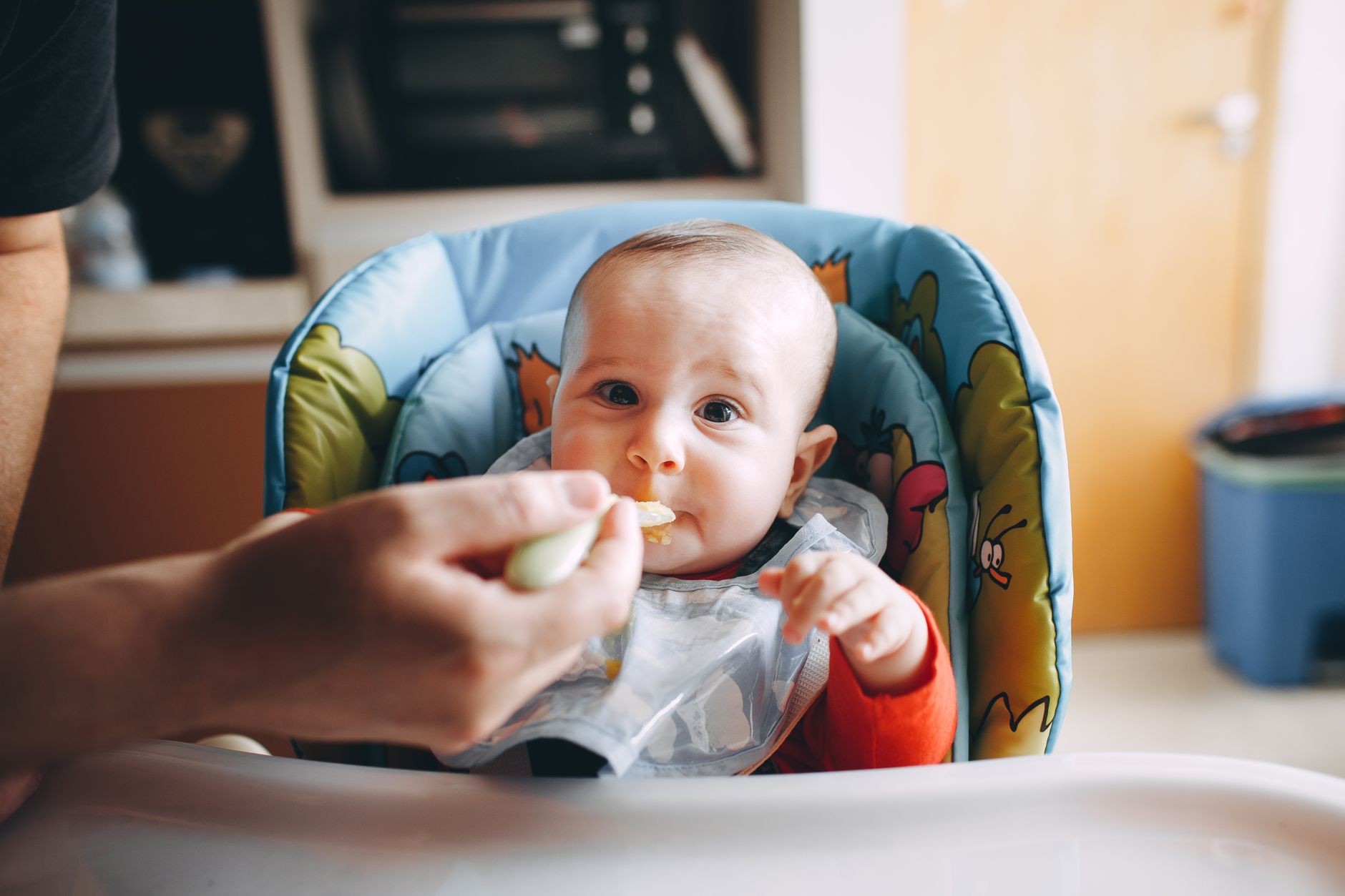
A baby happily eating pureed food in a high chair, with a parent and grandparent smiling.

Editor's pick for this topic

Not sure about the label on Grandparents Ignoring Baby Food Rules products?

Snap the ingredients list and SafeFilter checks every ingredient for your stage — only 3 free scans this month, then you're locked until reset. Unlimited from $7/mo or $50/yr.

Informational only — not medical advice.

Shubhra Mishra

About the Author

When Shubhra Mishra was expecting her first child in 2016, she was overwhelmed by conflicting food advice — one site said yes, another said never. By the time her second baby arrived in 2019, she realized millions of mothers face the same confusion.

That sparked a five-year journey through clinical nutrition papers, cultural diets, and expert conversations — all leading to BumpBites: a calm, compassionate space where science meets everyday motherhood.

Her long-term vision is to build a global community ensuring safe, supported, and free deliveriesfor every mother — because no woman should face pregnancy alone or uninformed. 🌿

🌍 Stand with mothers, shape safer guidance

Join a small circle of experts who review BumpBites articles so expecting parents everywhere can decide with confidence.

⚠️ Always consult your doctor for medical advice. This content is informational only.

Recommended picks

Ritual Ritual Essential Prenatal

Prenatal pick

RitualRitual Essential Prenatal

Choline + DHA + folate from methylfolate (not synthetic).

$39Check prenatal →
Nordic Naturals Nordic Naturals Prenatal DHA (Strawberry Softgels)

Prenatal pick

Nordic NaturalsNordic Naturals Prenatal DHA (Strawberry Softgels)

Premium fish-oil DHA in strawberry softgels — gentle on the stomach.

$55Check prenatal →