Discover if a gluten free diet is safe during pregnancy and how it can impact your health, including benefits and risks of gluten free pregnancy
By Shubhra Mishra — a mom of two who turned her own confusion during pregnancy into BumpBites, a global mission to make food choices clear, safe, and stress-free for every expecting mother. 💛
Check whether any food is safe during pregnancy with the BumpBites Food Safety Checker.
Quick take: A gluten‑free diet is safe for most pregnant people, especially if you have celiac disease or a confirmed gluten sensitivity. The key is to plan meals that provide enough protein, iron, calcium, and fiber, and to choose prenatal vitamins that are certified gluten‑free. If you notice persistent symptoms or nutrient gaps, reach out to your provider promptly.
It’s 2 a.m., you’re curled up on the couch, and a sudden craving for a crisp slice of bread makes you wonder—should I reach for the gluten‑free loaf I keep in the pantry? You’re not alone. Many expecting parents grapple with questions about what’s safe to eat, especially when a gluten‑free lifestyle is already part of their routine.
Below, we break down the science, practical tips, and common concerns around a gluten‑free pregnancy. From protein powerhouses to blood‑sugar impacts, we’ve gathered the evidence‑based answers you need to feel confident about every bite.
Read on to discover safe food choices, how to avoid nutrient shortfalls, ways to manage celiac symptoms, and what to discuss with your care team. By the end, you’ll have a clear roadmap for a healthy, balanced gluten‑free pregnancy.
Is it safe to eat gluten‑free foods during pregnancy?
For most people, a gluten‑free diet poses no danger to the developing baby. The primary safety concern arises for those with celiac disease or non‑celiac gluten sensitivity, where ingesting gluten can trigger inflammation, malabsorption, and pregnancy‑related complications.
According to the American College of Obstetricians and Gynecologists (ACOG), women with well‑controlled celiac disease who strictly avoid gluten have pregnancy outcomes comparable to the general population. This strict adherence is crucial because ongoing inflammation from gluten exposure can interfere with nutrient absorption, potentially impacting fetal growth and increasing risks of complications like preterm birth or low birth weight. The same holds true for the UK’s National Institute for Health and Care Excellence (NICE), which advises that strict gluten avoidance is the cornerstone of managing celiac disease during pregnancy.
For people without a medical diagnosis, there is no evidence that a gluten‑free diet improves pregnancy outcomes. In fact, eliminating gluten without a reason can make it harder to meet the increased nutrient demands of pregnancy. Many commercially available gluten‑free products are often lower in fiber, B vitamins, and iron, and can be higher in sugar and unhealthy fats than their gluten-containing counterparts. The safest approach is to follow a balanced diet that meets your calorie and micronutrient needs, whether that includes gluten or not.
Key points to remember:
If you have celiac disease or a confirmed gluten sensitivity, strict avoidance is essential.
Otherwise, a gluten‑free diet is not required and may increase the risk of missing essential nutrients.
Always choose whole, minimally processed foods to maximize nutrient density.
Below, we’ll dive into protein sources, iron, calcium, and other nutrients that deserve special attention on a gluten‑free regimen.
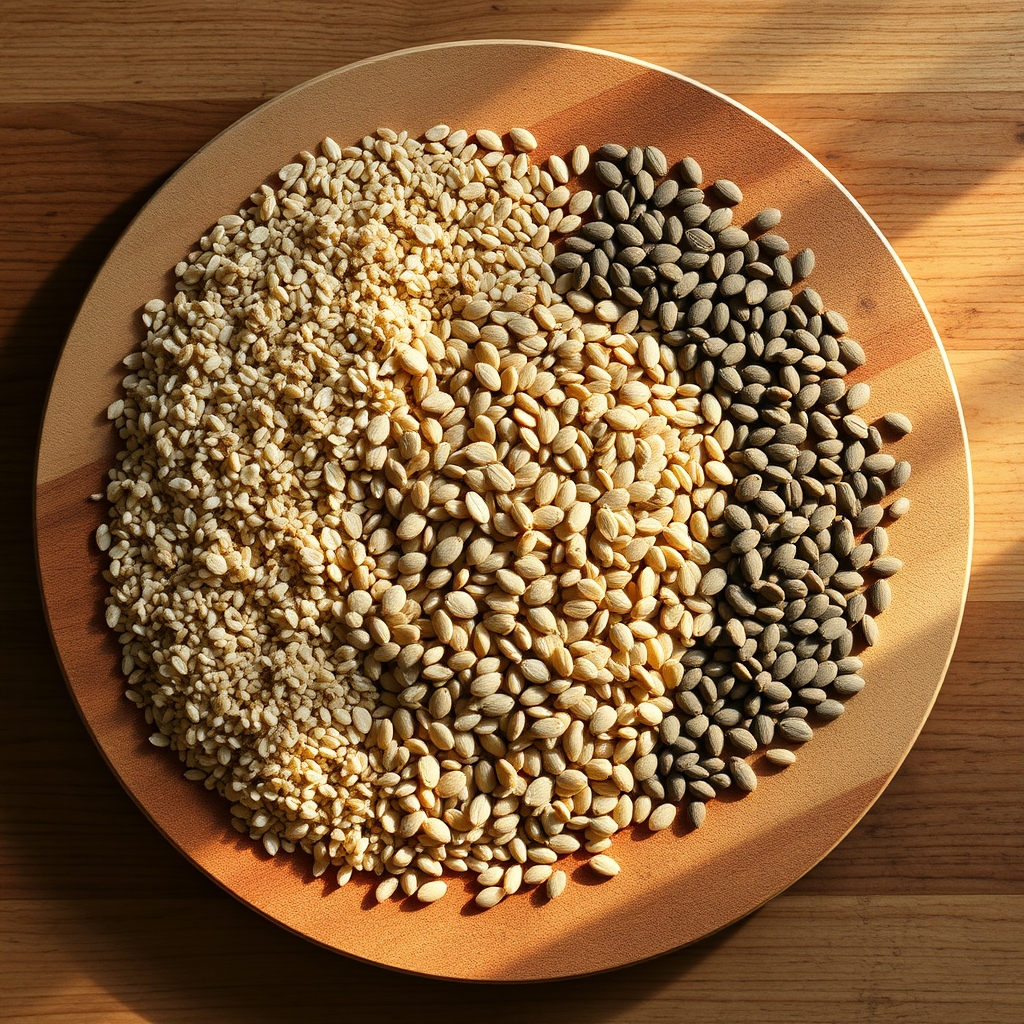
Choosing a variety of gluten‑free grains helps cover protein, fiber, and mineral needs.
What are the best gluten‑free sources of protein for pregnant women?
Protein is crucial for fetal tissue growth, placenta development, and maternal muscle maintenance. During pregnancy, your protein needs increase to support your baby's rapid development, especially in the second and third trimesters. While traditional sources like wheat‑based seitan are off‑limits, there are plenty of gluten‑free options that deliver high‑quality protein.
Aim for a variety of protein sources daily to ensure you’re getting all essential amino acids, particularly if you follow a plant-based diet. Incorporating protein at every meal and snack can also help stabilize blood sugar and keep you feeling full and energized, a real bonus when you're managing pregnancy fatigue.
Animal‑based proteins
Lean poultry – chicken and turkey provide 25–30 g of protein per 100 g serving. These are versatile and can be baked, grilled, or shredded into salads.
Fish – salmon, sardines, and trout supply omega‑3 fatty acids plus 20–25 g of protein per 100 g. Choose low‑mercury options as recommended by the FDA, aiming for 2-3 servings per week.
Eggs – one large egg offers about 6 g of protein and choline, important for brain development. They're quick to prepare as scrambles, omelets, or hard-boiled snacks.
Dairy – Greek yogurt, cottage cheese, and low‑fat milk contribute 10–12 g of protein per cup. They also provide calcium and vitamin D, crucial for bone health.
Plant‑based proteins
Legumes – lentils, chickpeas, and black beans deliver 8–9 g of protein per half‑cup cooked. They're also excellent sources of fiber and folate.
Quinoa – a complete protein grain with 8 g per cup cooked. Use it as a base for salads, or as a side dish.
Amaranth & buckwheat – both provide 5–6 g of protein per cooked cup and are naturally gluten‑free. Try them in porridge or pilafs.
Nuts & seeds – almonds, pumpkin seeds, and hemp seeds add 5–7 g of protein per ounce, plus healthy fats. Sprinkle them on yogurt or salads.
Soy products – tofu, tempeh, and edamame give 10–20 g of protein per serving and are excellent for vegans. They're versatile for stir-fries, baking, or snacking.
Combining different plant proteins throughout the day ensures you get all essential amino acids. For example, a simple breakfast could be a smoothie with Greek yogurt, chia seeds, and a handful of berries, while lunch might feature a quinoa‑bean salad with olive oil and lemon. Dinner could be a lentil soup with a side of gluten-free bread. These combinations maximize nutrient absorption and provide sustained energy.
When planning meals, aim for 70–100 g of protein daily, as suggested by the Institute of Medicine for the third trimester. This range supports both maternal and fetal growth, helping you build healthy tissues and maintain your energy levels as your body works hard to grow a baby.
How to manage celiac disease symptoms in the third trimester?
The third trimester can amplify celiac symptoms such as bloating, fatigue, and constipation, largely because the growing uterus presses on the intestines. This pressure can slow digestion and exacerbate discomfort, making strict adherence to your gluten-free diet even more critical. Emotional stress during this time can also impact gut health, so finding ways to relax and manage anxiety is beneficial. Here’s a step‑by‑step plan to keep you comfortable while maintaining strict gluten avoidance.
1. Double‑check food labels
Even products that were safe earlier in pregnancy can change formulation. Manufacturers sometimes alter ingredients or processing methods, so make it a habit to re-read labels regularly. Look for the “gluten‑free” label (must contain < 20 ppm gluten per FDA standards) and scan ingredient lists for hidden sources like maltodextrin, modified food starch, or hydrolyzed wheat protein. When in doubt, it’s always best to contact the manufacturer or choose a different product.
2. Prioritize naturally gluten‑free whole foods
Fresh fruits, vegetables, dairy, lean meats, and the gluten‑free grains listed above are less likely to contain cross‑contamination. These foods form the cornerstone of a healthy gluten-free diet and naturally provide a wide array of vitamins, minerals, and fiber. Focus on vibrant, colorful produce and lean protein sources to maximize nutrient intake with minimal risk.
3. Boost fiber to ease constipation
Constipation is a common pregnancy complaint, often worsened by celiac disease. Include 25–30 g of fiber daily from sources such as lentils, berries, chia seeds, and leafy greens. Pair fiber with ample water (at least 8 cups a day) to prevent blockages, as fiber needs fluid to work effectively. Gentle daily movement, like walking, can also stimulate digestion.
4. Small, frequent meals
Eating 5–6 smaller meals instead of three large ones can reduce bloating and improve nutrient absorption. This approach also helps manage blood sugar levels and can alleviate nausea. Keep easily digestible, gluten-free snacks on hand, such as rice cakes with avocado or a handful of berries and nuts.
5. Stay hydrated
Water, herbal teas (e.g., ginger for nausea), and electrolyte‑balanced drinks help keep the digestive system moving. Proper hydration is essential for overall health, preventing constipation, and supporting increased blood volume during pregnancy. Carry a reusable water bottle to remind yourself to sip throughout the day.
6. Discuss supplement timing with your provider
Iron and calcium supplements can cause constipation; taking them with meals or splitting doses may lessen side effects. Always ensure any supplements you take are certified gluten-free, and discuss their timing and dosage with your obstetrician or a registered dietitian. They can help you optimize absorption and minimize discomfort.
By following these strategies, most women with celiac disease can navigate the third trimester with fewer discomforts and maintain optimal nutrition for baby. Remember that communication with your healthcare team is key to addressing any persistent or worsening symptoms.
Gluten‑free diet and prenatal vitamins: what to watch for?
Many prenatal vitamins contain trace amounts of gluten from fillers or binders. While most people with celiac disease tolerate these tiny exposures, some prefer a fully gluten‑free formulation to avoid any potential irritation or immune response. Given the increased nutrient demands of pregnancy, ensuring your prenatal vitamin is not only effective but also safe for your dietary needs is paramount.
Folic acid, in particular, is critical for preventing neural tube defects, and iron is vital to prevent anemia. Both are often found in prenatal vitamins. Ensuring these essential micronutrients are delivered in a gluten-free format is crucial for those with celiac disease, as malabsorption can already make it challenging to meet these needs through diet alone.
Key steps:
Check the label – Look for “gluten‑free” certification from the Gluten‑Free Certification Organization (GFCO) or similar reputable third-party certifiers. This provides an extra layer of assurance.
Consult your provider – Ask whether a specific brand meets your dietary needs. Your obstetrician or a registered dietitian can offer personalized recommendations based on your health profile and any specific deficiencies you might have. The CDC notes that most prenatal multivitamins are safe for celiac patients, but verification is prudent.
Consider separate supplements – If a single prenatal vitamin isn’t gluten‑free, you can combine a gluten‑free iron, calcium, and folic‑acid supplement to meet the same nutrient goals. This approach allows for greater control over individual nutrient dosages and ensures all components are certified gluten-free.
Remember that prenatal vitamins are designed to fill gaps, not replace a balanced diet. Prioritize whole foods first, and use supplements to fine‑tune your intake of folic acid, iron, iodine, vitamin D, and DHA. Regular blood tests during pregnancy can help identify any specific deficiencies that may require targeted supplementation.
Can a gluten‑free diet cause nutrient deficiencies during pregnancy?
Yes, if the diet isn’t carefully planned. Gluten‑containing grains often provide B‑vitamins (especially folate and thiamine), iron, and fiber. Many conventional grain products are also fortified with these nutrients. Removing them without substitution can lead to gaps, particularly in folate, iron, calcium, zinc, and even vitamin B12 (especially for those also on a vegetarian or vegan diet).
The challenge with many commercial gluten-free alternatives is that they might be made from refined flours like rice, corn, or potato starch, which are often not enriched with the same vitamins and minerals as their wheat counterparts. This can result in a diet that is lower in essential micronutrients, even if it feels balanced in terms of macronutrients. This makes careful food selection and potentially targeted supplementation even more important for pregnant individuals following a gluten-free diet.
Here’s a quick overview of nutrients most at risk and gluten‑free sources to cover them:
2.4 µg per serving fortified GF cereal; 2.4 µg per tablespoon nutritional yeast
Regular blood work—checking hemoglobin, ferritin, vitamin D, and folate levels—is recommended by ACOG for all pregnant patients, especially those on restricted diets. If you are also following a vegetarian or vegan diet, your provider may also monitor B12 levels.
If you discover a deficiency, your provider may suggest a targeted supplement (e.g., iron or calcium) that is certified gluten‑free, or they may adjust your diet to include more of the listed alternatives. Consulting with a registered dietitian specializing in prenatal nutrition and gluten-free diets can provide invaluable personalized guidance.
Gluten‑free meal planning for morning sickness
Nausea and vomiting, especially in the first trimester, can make food choices feel overwhelming. The thought of cooking or even looking at certain foods can be a challenge. Gluten‑free meals that are gentle on the stomach can help you keep up with calorie and nutrient goals, and minimize discomfort. Focus on bland, easy-to-digest options, and don't be afraid to eat what sounds appealing, even if it's not a "traditional" meal.
Gentle protein options
Plain Greek yogurt with a drizzle of honey and a sprinkle of gluten‑free granola. The probiotics in yogurt can also aid digestion.
Soft‑boiled eggs sliced onto a slice of gluten‑free toast (choose a low‑fiber variety if crust feels heavy). Eggs are a great source of choline.
Silken tofu blended into a mild miso soup or a fruit smoothie. Its smooth texture is often well-tolerated.
Small portions of baked chicken or fish, seasoned simply.
Easy‑digest carbs
Plain rice porridge (congee) with a dash of soy sauce (gluten‑free) and shredded chicken offers a bland, soothing base. Sweet potatoes, baked or mashed, are also well‑tolerated and provide vitamin A. Gluten-free crackers, plain rice cakes, or dry gluten-free toast can be good options for a quick, settling snack. Avoid overly greasy, spicy, or strong-smelling foods, which can trigger nausea.
Hydration and electrolytes
Ginger‑infused water or a low‑sugar electrolyte drink can settle the stomach. Sucking on ice chips or frozen fruit can also help. Avoid caffeinated beverages, which may aggravate nausea and contribute to dehydration. Small, frequent sips of fluid are often better tolerated than large gulps.
Sample day
Breakfast: Smoothie with kefir, frozen berries, a scoop of gluten‑free protein powder, and a tablespoon of chia seeds.
Mid‑morning snack: Apple slices with almond butter.
Lunch: Quinoa salad with diced cucumber, cherry tomatoes, feta cheese, and olive‑oil lemon dressing.
Afternoon snack: Rice crackers topped with avocado.
Dinner: Baked salmon, steamed broccoli, and mashed sweet potato.
Adjust portion sizes based on appetite. Small, frequent meals are often easier to tolerate than large plates, and remember that any food you can keep down is a win. If morning sickness is severe and prevents you from keeping any food or fluid down, contact your doctor immediately as you may be experiencing hyperemesis gravidarum.
Do gluten‑free breads affect blood sugar levels in pregnancy?
Blood‑sugar spikes are a concern for everyone, but they become especially important if you have gestational diabetes or are at risk. Gluten‑free breads are often made with refined rice flour, tapioca starch, or potato starch, which can raise glucose faster than whole‑grain wheat breads because they are low in fiber and digest quickly. This can be a tricky aspect of a gluten-free diet, as many assume "gluten-free" automatically means "healthier."
Studies cited by the CDC show that the glycemic index (GI) of many commercial gluten‑free breads ranges from 70 to 95, compared with 55–70 for typical whole‑grain wheat breads. This higher GI means a quicker and often more significant rise in blood glucose. However, the overall impact on blood sugar depends on the carbohydrate load, accompanying protein, and fiber in the entire meal. It's not just about the bread itself, but what you eat it with.
Tips to keep glucose steady:
Pair bread with protein or healthy fat – e.g., spread almond butter or add a slice of cheese. This slows down digestion and the absorption of glucose into your bloodstream.
Choose breads with added fiber – Look for labels that list seeds, psyllium husk, oat fiber (certified gluten-free), or whole gluten-free grains like buckwheat or amaranth. These ingredients help to lower the glycemic impact.
Control portion size – One slice (≈30 g) is usually sufficient for a balanced snack. Be mindful of serving sizes, as even healthy foods can impact blood sugar in large quantities.
Monitor with a glucose meter – If you have gestational diabetes, test 1 hour after eating to see how a specific brand affects you. This personalized feedback is invaluable for managing your blood sugar.
Overall, gluten‑free breads don’t inherently cause gestational diabetes, but selecting low‑GI, high‑fiber options and pairing them wisely can minimize blood‑sugar swings. Always prioritize whole, unprocessed gluten-free grains over highly refined gluten-free products.
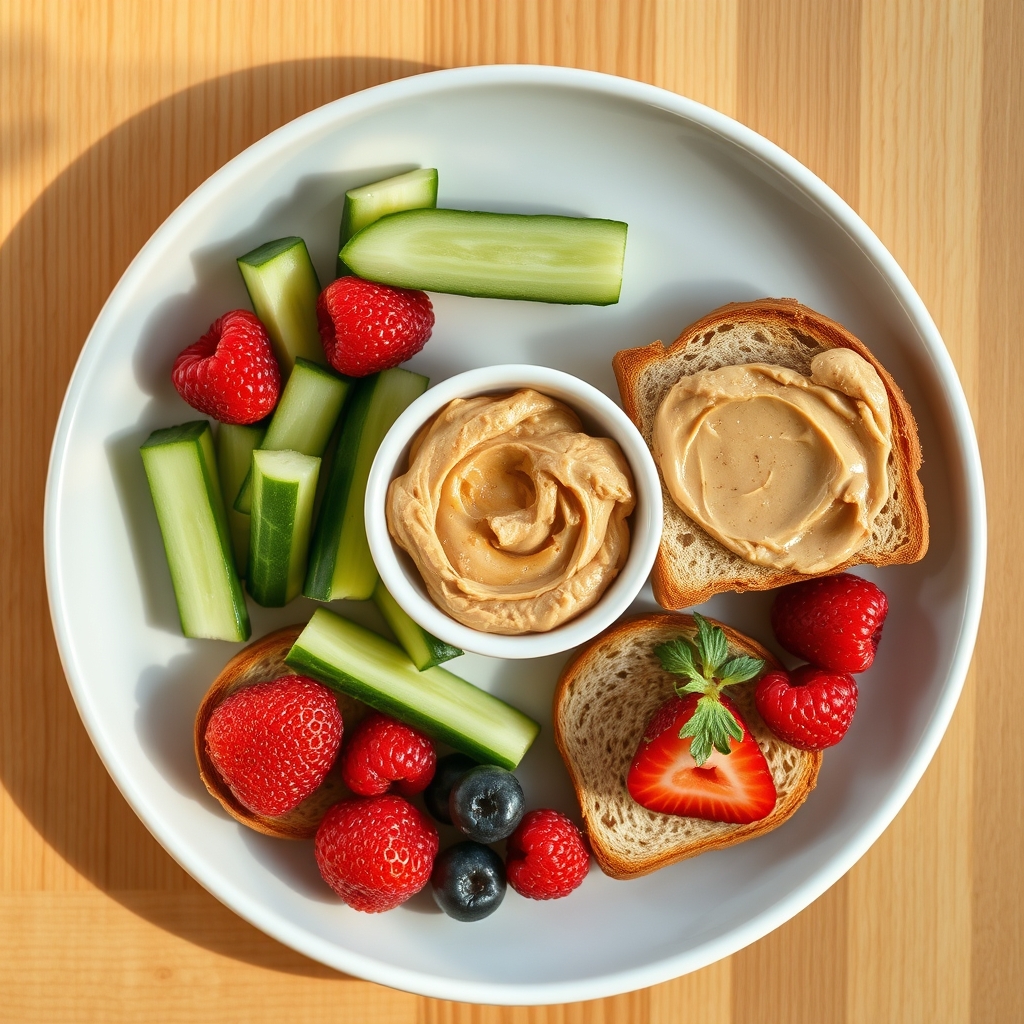
Simple, balanced snacks keep cravings in check without compromising nutrition.
Understanding cross-contamination in the kitchen and beyond
For individuals with celiac disease, even tiny amounts of gluten can trigger an immune response and lead to intestinal damage. This makes preventing cross-contamination absolutely critical, not just in your own kitchen but also when dining out or at social gatherings. It's about more than just avoiding obvious gluten-containing foods; it's about managing invisible threats.
In your home kitchen, take proactive steps. Designate separate cutting boards, toasters, and utensils for gluten-free cooking. Use separate containers for butter, jams, or other spreads that might come into contact with gluten-containing bread. Thoroughly clean counters, sinks, and shared appliances like blenders or microwaves. Even crumbs can be a problem, so a dedicated gluten-free area or diligent cleaning is essential. Educating family members on safe practices is also key to protecting your health.
When you're eating outside your home, the risk of cross-contamination increases. Always communicate your celiac disease diagnosis clearly to restaurant staff, emphasizing that it's a medical necessity, not a preference. Inquire about their gluten-free protocols, such as separate cooking surfaces, fryers, or utensils. At friends' or family's homes, offer to bring your own dishes or help prepare food to ensure safety. It can feel awkward at first, but your health and your baby's well-being are worth it.
Navigating social situations and eating out with a gluten-free pregnancy
Pregnancy often brings a flurry of social events, from baby showers to family dinners. When you're managing a gluten-free diet, these occasions can sometimes feel daunting. The key is to plan ahead, communicate clearly, and be kind to yourself. You deserve to enjoy these moments without unnecessary stress about food.
Before dining out, research restaurants that explicitly offer gluten-free menus or are known for accommodating dietary restrictions. Websites and apps like Find Me Gluten Free can be invaluable resources. When you call to make a reservation, mention your dietary needs and ask about their cross-contamination procedures. Once there, speak directly with your server or the chef to confirm your choices and ensure they understand the severity of your condition.
At social gatherings, don't hesitate to inform your host about your gluten-free needs. Offer to bring a dish that you know is safe and delicious, which can alleviate pressure on them and ensure you have something to eat. If you're unsure about the food options, pack a few safe snacks in your bag. Remember, most people are happy to accommodate when they understand the importance. Focus on the company and celebration, and don't let food anxiety overshadow the joy of your pregnancy.
The role of a registered dietitian in gluten-free pregnancy
While this article provides general guidance, every pregnancy and every individual's needs are unique. This is especially true when navigating a restricted diet like gluten-free during a period of increased nutritional demands. A registered dietitian (RD) specializing in prenatal nutrition and celiac disease can be an invaluable member of your healthcare team.
An RD can help you develop a personalized meal plan that ensures you're meeting all your macronutrient and micronutrient needs, particularly iron, folate, calcium, and B vitamins. They can identify potential nutrient gaps specific to your diet, suggest fortified gluten-free foods, and recommend appropriate, certified gluten-free supplements. They can also provide practical advice on label reading, safe cooking practices to prevent cross-contamination, and strategies for managing celiac symptoms during pregnancy.
Furthermore, if you develop conditions like gestational diabetes alongside your gluten-free requirements, an RD can help you create a balanced eating plan that manages both. They offer evidence-based advice, reassurance, and ongoing support, empowering you to make informed food choices that benefit both you and your baby. Ask your obstetrician for a referral to a registered dietitian who has experience with celiac disease and pregnancy.
Additional considerations for a gluten‑free pregnancy
Gluten‑free diet during pregnancy weight gain
Weight‑gain guidelines from the Institute of Medicine recommend 25–35 lb for a woman with a normal BMI. A gluten‑free diet doesn’t automatically limit weight gain; the key is calorie density and nutrient quality. Whole‑grain gluten‑free foods like quinoa, brown rice, and starchy vegetables are calorie‑rich and nutritious, providing sustained energy. Pair them with lean proteins and healthy fats to meet the recommended gain, ensuring your weight gain comes from nutrient-dense sources rather than empty calories from highly processed gluten-free treats.
Gluten‑free pregnancy cravings
Cravings are common, and many pregnant people desire the comfort of a toasted sandwich or a warm bowl of pasta. Satisfy them with gluten‑free options: a toasted slice of sprouted‑grain bread topped with avocado and a poached egg, or a rice‑cake with cottage cheese and sliced strawberries. Look for gluten-free pasta made from legumes (like chickpea or lentil pasta) for an extra protein boost, or enjoy a hearty bowl of gluten-free oatmeal with fruit and nuts.
Gluten‑free snacks for pregnant women
Quick, nutrient‑dense snacks can keep energy stable and prevent extreme hunger, which can sometimes worsen nausea. Keep a variety on hand: Greek yogurt with gluten‑free granola and a drizzle of honey; hummus with gluten‑free crackers or raw veggies like cucumber and bell peppers; a trail mix of pumpkin seeds, dried apricots, and dark chocolate chips; or hard‑boiled eggs and a piece of fruit. These options offer a good balance of protein, fiber, and healthy fats.
Gluten‑free pregnancy and gestational diabetes risk
Current evidence from the CDC indicates that a gluten‑free diet does not inherently increase the risk of developing gestational diabetes. While many gluten‑free breads are lower in fiber and higher in refined starches, which could slightly raise glycemic load, the overall risk remains comparable to a standard diet when balanced with protein and fat. Monitoring carbohydrate intake, choosing low‑GI options, and regular physical activity are more impactful for managing gestational diabetes risk than gluten status alone.
Gluten‑free pregnancy meal prep ideas
Batch‑cook quinoa, roasted vegetables (like sweet potatoes, broccoli, and carrots), and grilled chicken or baked salmon on Sunday. Store in portion‑size containers for quick assembly into bowls with a squeeze of lemon or a dollop of hummus. Prepare large batches of lentil soup or chili that can be frozen in individual portions. This reduces daily cooking stress and ensures you have balanced, safe meals ready when time and energy are short.
Gluten‑free pregnancy and iron deficiency
Iron deficiency anemia is the most common nutrient deficiency in pregnancy, and it can be exacerbated in celiac disease due to malabsorption. Gluten‑free iron sources include lean red meat, lentils, pumpkin seeds, and fortified gluten‑free cereals. Pair iron‑rich foods with vitamin C (e.g., citrus juice or bell peppers) to boost absorption, as vitamin C significantly enhances non-heme iron uptake. If labs show low ferritin, discuss a gluten‑free iron supplement with your provider; they can recommend a safe and effective option.
Gluten‑free pregnancy safe restaurants
When dining out, look for restaurants that offer a dedicated gluten‑free menu or clearly label gluten‑free items. Chain restaurants often have standardized gluten‑free protocols; however, always inform staff of your celiac condition and ask about cross‑contamination practices, such as separate preparation areas or fryers. Websites such as FindMeGlutenFree provide user‑rated safe spots in many cities, and checking reviews beforehand can give you peace of mind.
Doctor’s note
From our medical team: A gluten‑free diet is perfectly compatible with a healthy pregnancy when you focus on nutrient‑dense foods and keep an eye on iron, folate, calcium, and vitamin D. If you have celiac disease, strict avoidance of gluten is essential, and regular blood‑work helps catch any gaps early. Always discuss any new supplement or major diet change with your obstetrician or midwife, and consider consulting a registered dietitian for personalized guidance.
Myth vs. fact
Myth: All gluten‑free foods are automatically healthier for pregnant people.
Fact: Many gluten‑free products are highly processed and can be low in fiber, iron, and B vitamins, and high in sugar. Choose whole‑food sources and read nutrition labels carefully to ensure nutrient density.
Myth: You can’t get enough protein without wheat.
Fact: A variety of gluten‑free animal and plant proteins—like fish, eggs, quinoa, lentils, and tofu—easily meet the 70–100 g daily recommendation and provide a full spectrum of amino acids.
Myth: Gluten‑free diets increase the risk of birth defects.
Fact: When properly planned and supplemented, a gluten‑free diet does not raise the risk of neural‑tube defects or other congenital issues. Adequate folic‑acid intake from food and prenatal vitamins remains the critical factor for all pregnancies.
Myth: A gluten-free diet will cure all pregnancy discomforts like nausea and bloating.
Fact: While some people with gluten sensitivity may find relief, many pregnancy discomforts are hormonal and physiological, not directly related to gluten. A gluten-free diet is not a universal cure for morning sickness or bloating.
Key takeaways
Gluten‑free eating is safe in pregnancy if you meet protein, iron, calcium, and folate needs through careful planning.
Prioritize whole foods—quinoa, lentils, lean meats, dairy, and leafy greens—to avoid nutrient gaps and maximize fiber intake.
Use gluten‑free certified prenatal vitamins or combine individual supplements to cover any missing micronutrients, especially folic acid and iron.
Manage celiac symptoms with label vigilance, fiber‑rich foods, small frequent meals, and diligent cross-contamination prevention.
Pair gluten‑free breads with protein or healthy fats to keep blood sugar steady, and opt for high-fiber gluten-free grains.
Schedule regular blood‑work and discuss any deficiencies with your provider early, considering a referral to a registered dietitian.
Communicate your dietary needs clearly when dining out or at social gatherings to ensure safe food choices.
Frequently asked questions
Can I eat gluten‑free bread while pregnant?
Yes—gluten‑free bread is safe for pregnant people, but choose varieties with added fiber and pair them with protein or fat to avoid rapid blood‑sugar spikes, as many are made with refined flours.
Does a gluten‑free diet increase the risk of birth defects?
No—there’s no evidence linking a well‑planned gluten‑free diet to higher rates of neural‑tube defects or other birth anomalies; the key is adequate folic‑acid intake, which should be ensured through diet and a certified gluten-free prenatal vitamin.
What nutrients am I missing on a gluten‑free pregnancy diet?
Potential gaps include iron, folate, calcium, zinc, fiber, and B vitamins; you can fill them with lentils, fortified gluten‑free cereals, dairy or fortified plant milks, nuts, seeds, leafy greens, and lean meats.
How often should I see a doctor if I have celiac disease during pregnancy?
ACOG recommends monthly check‑ins for women with celiac disease, plus routine blood tests each trimester to monitor iron, vitamin D, and folate levels, and to address any emerging symptoms or concerns.
Are gluten‑free supplements necessary during pregnancy?
Only if you have a documented deficiency or struggle to meet nutrient targets through food; always choose supplements labeled gluten‑free and discuss them with your provider or a registered dietitian.
Can I have a gluten challenge after giving birth?
Re‑introducing gluten after delivery should be done under medical supervision, especially if you plan to breastfeed, to monitor any resurgence of symptoms and ensure nutritional adequacy for both you and your baby.
Is it okay to start a gluten-free diet if I suspect I have gluten sensitivity during pregnancy?
No, it's best to get tested for celiac disease or gluten sensitivity *before* going gluten-free, as eliminating gluten can make diagnostic tests inaccurate. Discuss your symptoms with your doctor, who can guide you on proper testing.
Can gluten be passed to my baby through breast milk?
While trace amounts of gluten proteins can be detected in breast milk, current research suggests that consuming a gluten-free diet while breastfeeding does not prevent or treat celiac disease or gluten sensitivity in the baby. Strict gluten avoidance for the baby should only be done under medical guidance.
When to call your doctor
If you experience any of the following, contact your obstetrician or midwife right away: persistent vomiting that prevents you from keeping food or fluids down, severe abdominal pain, unexplained weight loss, signs of anemia (extreme fatigue, pale skin, shortness of breath, dizziness), or a sudden increase in swelling or headaches. This article is for informational purposes only and does not replace personalized medical advice.
References
American College of Obstetricians and Gynecologists (ACOG). “Nutrition During Pregnancy.” Clinical Guidance, 2022.
National Institute for Health and Care Excellence (NICE). “Celiac disease in pregnancy.” Guideline NG123, 2021.
U.S. Centers for Disease Control and Prevention (CDC). “Gestational Diabetes.” Pregnancy Health Topics, 2023.
U.S. Food and Drug Administration (FDA). “Gluten‑Free Labeling.” Regulatory Information, 2020.
World Health Organization (WHO). “Iron deficiency anaemia: assessment, prevention, and control.” Technical Report Series, 2021.
Harvard T.H. Chan School of Public Health. “Protein sources for pregnant women.” Nutrition Source, 2022.
National Health Service (NHS). “Celiac disease and pregnancy.” Patient Information, 2023.
Gluten‑Free Certification Organization (GFCO). “Gluten‑free standards and certification.” 2022.
U.S. Department of Agriculture (USDA). “FoodData Central.” Nutrient database, 2023.
Not sure about the label on Gluten Free Pregnancy products?
Snap the ingredients list and SafeFilter checks every ingredient for your stage — only 3 free scans this month, then you're locked until reset. Unlimited from $7/mo or $50/yr.
When Shubhra Mishra was expecting her first child in 2016, she was overwhelmed by conflicting food advice — one site said yes, another said never. By the time her second baby arrived in 2019, she realized millions of mothers face the same confusion.
That sparked a five-year journey through clinical nutrition papers, cultural diets, and expert conversations — all leading to BumpBites: a calm, compassionate space where science meets everyday motherhood.
Her long-term vision is to build a global community ensuring safe, supported, and free deliveriesfor every mother — because no woman should face pregnancy alone or uninformed. 🌿
🌍 Stand with mothers, shape safer guidance
Join a small circle of experts who review BumpBites articles so expecting parents everywhere can decide with confidence.