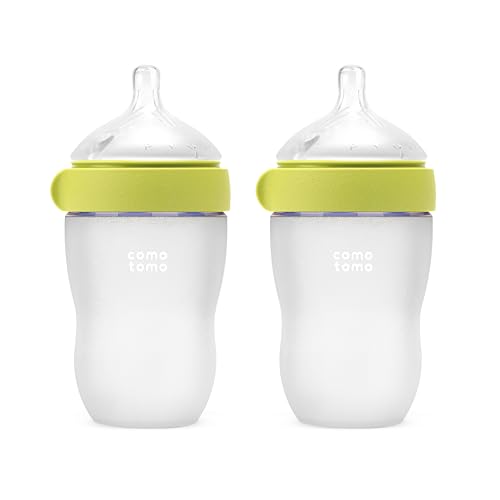
Worried about formula allergy symptoms? Learn the key signs like rashes, vomiting, or fussiness, plus safe ways to ease discomfort and when to see a doctor.
By Shubhra Mishra — a mom of two who turned her own confusion during pregnancy into BumpBites, a global mission to make food choices clear, safe, and stress-free for every expecting mother. 💛
Check whether any food is safe during pregnancy with the BumpBites Food Safety Checker.
Quick take: Formula allergy symptoms can include skin rashes, persistent vomiting, diarrhea, and breathing trouble. If your baby shows any of these signs, especially soon after a feeding, contact your pediatrician promptly and consider a switch to a hypoallergenic formula.
It’s 2 a.m., you’re rocking a sleepy newborn, and a sudden rash appears on the baby’s cheeks. Your mind races: “Is this just a normal diaper rash, or could it be something more serious like a formula allergy?” You’re not alone—many parents wonder the same thing when a tiny, unexpected reaction follows a feeding.
In this guide we break down everything you need to know about formula allergy symptoms: what they look like, how they differ from ordinary fussiness, which formulas are most likely to trigger a reaction, and the steps you can take to keep your baby safe and thriving. We’ll also answer the most common follow‑up questions, from how long symptoms linger after a formula change to what you can expect on a health‑insurance claim.
Read on for a clear, evidence‑based roadmap that lets you move from uncertainty to confidence, with practical tips you can apply tonight.
What are the signs of a formula allergy in newborns?
A formula allergy, medically known as cow’s milk protein allergy (CMPA) when it involves cow’s‑milk‑based formulas, is an immune reaction to the proteins in the formula. Unlike a food intolerance, which is a non‑immune response, an allergy can involve the skin, gastrointestinal (GI) tract, and respiratory system.
Typical skin manifestations include:
Red, itchy wheals that look like hives (urticaria)
Red or yellow‑brown patches that may ooze (eczema‑like rash)
Swelling around the eyes, lips, or face (angioedema)
Gastrointestinal clues often appear within minutes to a few hours after feeding:
Frequent, forceful vomiting
Watery diarrhea or blood‑streaked stools
Excessive gas, abdominal bloating, or persistent colic‑type crying
Respiratory signs are less common but can be serious:
Wheezing or noisy breathing
Persistent cough
Rapid breathing or apparent “choking” after a feeding
These symptoms can appear as early as the first few days of life, especially if the baby is fed a cow‑milk‑based formula from birth. The American Academy of Pediatrics (AAP) notes that CMPA affects roughly 2–3 % of infants in the United States, making it one of the most common food allergies in early life.
Because the immune system is still learning what is “self,” an allergic reaction can be unpredictable—some babies react to tiny amounts, while others tolerate the same formula for weeks before showing signs. Recognizing the pattern early helps prevent unnecessary discomfort and supports healthy growth.
How can I tell if my baby’s fussiness is a formula allergy or something else?
A
ll babies have moments of fussiness, but distinguishing a formula allergy from normal infant behavior or other conditions is crucial. Below is a quick decision‑tree you can use at home, followed by a deeper dive into the most common look‑alikes.
Step‑by‑step checklist
Timing: Do symptoms start within 30 minutes to 2 hours after a feeding? Allergic reactions typically follow a feeding pattern.
Consistency: Are the signs repeated with each formula feed, regardless of the time of day? A pattern suggests an immune trigger.
Symptom type: Is the baby coughing, vomiting, or developing a rash? These are more specific to allergy than general colic.
Other causes: Consider dehydration, reflux, or a viral illness if fever, runny nose, or other infection signs accompany the fussiness.
Common look‑alikes
Condition
Key Features
How it differs from formula allergy
Normal infant colic
Intense crying >3 hrs/day, often in the evening
No rash, vomiting, or respiratory signs; improves with soothing techniques
Reflux (GERD)
Spitting up, arching back, irritability after feeds
Typically no skin involvement; symptoms improve with positioning
Lactose intolerance
Loose stools, gas, bloating after feeding
Absence of immune‑mediated rash or respiratory distress
Viral gastroenteritis
Fever, vomiting, watery diarrhea
Often accompanied by systemic signs like fever; rash uncommon
If you notice any combination of rash, vomiting, or breathing difficulty that follows a feeding, it’s prudent to contact your pediatrician for an evaluation. The UK National Health Service (NHS) recommends a formal allergy work‑up if symptoms appear more than twice within a week.
In practice, many parents find that keeping a simple feeding‑symptom log clarifies the pattern within a few days. The log can be a valuable tool during the pediatric visit, allowing the clinician to focus on the most likely triggers.
Can soy formula cause allergic reactions, and what other formulas might trigger them?
Soy formula is often suggested as an alternative for babies with cow’s‑milk protein allergy, but it is not a guaranteed safe switch. Approximately 10–14 % of infants with CMPA also react to soy protein, a phenomenon known as cross‑reactivity.
When a baby reacts to soy formula, the symptoms mirror those of a cow’s‑milk allergy: hives, vomiting, diarrhea, and sometimes respiratory distress. The Centers for Disease Control and Prevention (CDC) advises that soy formula should only be used after a pediatrician confirms a specific intolerance to cow’s‑milk protein and rules out soy allergy.
Other potential triggers include:
Goat’s milk formula – contains similar proteins to cow’s milk and can provoke the same immune response.
Hydrolyzed formulas – partially broken down proteins; while designed to reduce allergenicity, some infants still react.
Extensively hydrolyzed (EH) formulas – proteins are broken into very small fragments; truly hypoallergenic, but a tiny minority of babies may still react.
Choosing the right formula often involves a trial‑and‑error process guided by your provider. For many families, an extensively hydrolyzed or amino‑acid‑based formula (AAF) becomes the safest long‑term option, especially when multiple protein sensitivities are present.
It’s also worth noting that some infants with severe CMPA may develop secondary sensitivities to rice or oat‑based formulas, though these are far less common. Discuss any concerns with your pediatrician before making a switch.
What should I avoid in my diet if my baby has a formula allergy, and how does it affect breastfeeding?
When a baby is allergic to a protein in formula, the same protein can be passed through breast milk if the nursing parent consumes it. This means that a mother who drinks dairy or eats soy may inadvertently trigger her baby’s symptoms.
Key dietary exclusions for breastfeeding parents include:
Dairy – milk, cheese, yogurt, butter, and hidden dairy in processed foods.
Soy – tofu, soy sauce, soy milk, edamame, and many processed snacks.
Other potential culprits – goat’s milk, certain nuts (if a broader food allergy is suspected), and any ingredient that contains casein or whey.
The Royal College of Obstetricians and Gynaecologists (RCOG) recommends a trial elimination diet for 2–4 weeks while monitoring the baby’s symptoms. Keep a food diary and note any changes in the baby’s rash, stool pattern, or breathing.
It’s important not to eliminate whole food groups without professional guidance. A balanced diet ensures the nursing parent receives adequate calories, calcium, and protein. If you’re unsure how to navigate the diet, a registered dietitian can help tailor a plan that protects both you and your baby.
Evidence from the NHS suggests that most infants improve within a week of maternal diet modification, reinforcing the value of coordinated care between the pediatrician and the lactating parent.
When and how should I see a pediatrician, get tested, and switch to a hypoallergenic formula?
Early medical involvement can prevent complications such as poor weight gain, chronic eczema, and severe allergic reactions. Here’s a timeline to keep in mind:
When to schedule a pediatric visit
Immediately if your baby shows any respiratory distress, persistent vomiting, or a widespread rash after a feeding.
Within 48 hours for milder symptoms like occasional diarrhea or mild eczema that do not improve with a formula change.
Routine well‑child visit if you suspect a mild allergy but the baby is otherwise thriving.
Diagnostic steps
Clinical history – The pediatrician will ask detailed questions about feeding patterns, symptom timing, and family allergy history.
Physical examination – Looking for skin lesions, abdominal tenderness, and respiratory signs.
Allergy testing – Skin prick testing (SPT) or specific IgE blood tests can identify an immune response to cow’s‑milk protein. These tests are most reliable after 4–6 months of age.
Elimination diet – A trial of a hypoallergenic formula for 2–4 weeks while monitoring symptoms. Improvement supports the diagnosis.
Choosing a hypoallergenic formula
There are three main categories:
Partially hydrolyzed (PH) formulas – Proteins are broken down but still may cause reactions in highly sensitive infants.
Extensively hydrolyzed (EH) formulas – Proteins are reduced to peptides small enough that most babies tolerate them. Brands such as Nutramigen and Alfamyl are common examples.
Amino‑acid‑based formulas (AAF) – Contain free amino acids, eliminating any protein fragments. These are the most hypoallergenic and are recommended for severe or multiple food allergies.
Start by mixing 25 % hypoallergenic formula with 75 % current formula for the first 24 hours.
Gradually increase the proportion of hypoallergenic formula every 24–48 hours, watching for any new symptoms.
Maintain a log of feeding times, volumes, and any reactions.
Continue the new formula exclusively for at least 2 weeks before declaring success.
Insurance coverage varies. In the United States, many private insurers and Medicaid will cover EH formulas with a physician’s prescription. In the UK, the NHS provides EH formulas for children with a confirmed CMPA diagnosis, and AAFs are covered for severe cases. Always check with your plan’s prior‑authorization requirements.
How long do formula allergy symptoms last after changing formulas, and what are the short‑term management tips?
Most infants see a noticeable improvement within a few days to a week after fully switching to a hypoallergenic formula. However, the exact timeline depends on the severity of the allergy and how quickly the immune system stops reacting to the offending protein.
Typical symptom resolution timeline
Skin rash – May clear within 3–5 days if the allergen is removed.
Gastrointestinal distress – Diarrhea and vomiting often improve within 48–72 hours.
Respiratory symptoms – Wheezing or cough can take up to a week to subside, especially if airway inflammation was present.
If symptoms persist beyond 10 days, revisit the pediatrician. Persistent issues could indicate a secondary food allergy or another underlying condition.
Home remedies for mild symptoms
Skin care – Use fragrance‑free moisturizers and lukewarm baths with colloidal oatmeal to soothe eczema.
Hydration – Offer small, frequent feeds of the new formula to maintain fluid intake.
Probiotics – Some studies, referenced by the Mayo Clinic, suggest that adding a probiotic strain (e.g., Lactobacillus rhamnosus GG) may help reduce eczema severity, though evidence is still emerging.
Impact on weight gain
Infants with untreated CMPA can experience poor weight gain due to chronic GI inflammation and reduced intake. A study summarized by the NICHD found that once a hypoallergenic formula is introduced, growth velocity typically normalizes within 4–6 weeks. Monitoring weight at regular well‑child visits is essential to ensure the baby is thriving.
Parents often wonder whether a temporary “catch‑up” formula is needed. Current guidance from the U.S. Food and Drug Administration (FDA) recommends sticking with the prescribed hypoallergenic formula unless the pediatrician advises otherwise.
Best hypoallergenic formulas for infants with milk allergy
Choosing the right product can feel overwhelming. Below is a concise comparison of the most widely recommended hypoallergenic formulas, based on guidance from the AAP and NICE.
Formula Type
Brand Examples
Protein Content
Typical Cost (USD/month)
Insurance Coverage (US)
Extensively hydrolyzed (EH)
Nutramigen LGG, Alimentum
Protein broken into peptides (≈2 kDa)
$100–$150
Most plans cover with prescription
Amino‑acid based (AAF)
Neocate, EleCare
Free amino acids only
$180–$250
Covered for severe CMPA or multiple allergies
Partially hydrolyzed (PH)
Similac Pro‑Complex
Medium‑size peptides (≈5 kDa)
$90–$130
Limited coverage; often out‑of‑pocket
When cost is a concern, many families qualify for manufacturer assistance programs. Contact the formula’s customer service for details, and discuss any financial assistance options with your pediatrician’s office.
Extensively hydrolyzed and amino‑acid formulas are the most reliable options for confirmed milk protein allergy.
Are formula allergy symptoms the same for breastfed babies?
While the majority of formula allergies occur in formula‑fed infants, breastfed babies can still exhibit allergic reactions if the nursing parent’s diet includes the offending protein. The symptoms are largely identical—skin rashes, GI upset, and respiratory signs—because the same allergenic proteins can be transferred through breast milk.
One common scenario involves a mother who continues to consume dairy while her baby shows persistent eczema. After eliminating dairy from her diet, the rash improves within a week, confirming a milk protein trigger. This pattern underscores the importance of a coordinated approach between the pediatrician and the lactating parent.
If you’re breastfeeding and suspect a formula‑type allergy, the first step is a maternal elimination diet, typically removing dairy, soy, and any other obvious allergens for at least two weeks. The NHS recommends re‑introducing foods one at a time to pinpoint the exact trigger.
Guidelines from the American College of Obstetricians and Gynecologists (ACOG) emphasize that most mothers can safely maintain a nutritionally complete diet while eliminating a single protein source, provided they substitute with calcium‑rich alternatives such as fortified plant milks.
How long do formula allergy symptoms last after switching formulas, and what are the short‑term management tips?
Most infants experience a rapid decline in symptoms once the allergen is removed, but the exact duration varies. Below is a practical timeline to help you set expectations:
Day 1–3: Skin redness may linger, but new rashes typically stop forming.
Day 4–7: Gastrointestinal symptoms such as diarrhea and vomiting usually subside.
Week 2+: Respiratory symptoms improve, and overall feeding behavior normalizes.
If symptoms persist beyond two weeks, it may indicate a secondary allergy (e.g., to soy) or another condition like gastroesophageal reflux disease (GERD). Follow up with your pediatrician for additional testing.
While you wait for the new formula to take effect, keep these short‑term strategies in mind:
Offer smaller, more frequent feeds to reduce stomach overload.
Keep a symptom diary noting the time of feeding, type of formula, and any reactions.
Use a gentle, fragrance‑free moisturizer on any rash to protect the skin barrier.
Ensure the baby stays hydrated; a pediatrician may recommend an oral rehydration solution if vomiting is frequent.
Notice a rash after a feeding? It could be a sign of formula allergy.
How do I know if my baby might have multiple food allergies?
Some infants with CMPA develop sensitivities to other proteins such as soy, rice, or oat. A pattern of reactions that persist despite switching to an extensively hydrolyzed formula can signal multiple food allergies.
Key warning signs include:
Recurrent skin eruptions that change in appearance after each dietary change.
Gastrointestinal symptoms that worsen with the introduction of new foods, including solid foods.
Respiratory issues that appear after meals containing different protein sources.
The Food Allergy Research & Education (FARE) recommends a comprehensive allergy work‑up when more than one protein appears to trigger symptoms. This may involve specialized testing such as component‑resolved diagnostics, which can pinpoint the exact allergenic proteins.
Early identification of multiple allergies helps clinicians choose the most appropriate formula—often an amino‑acid‑based option—and guides safe introduction of complementary foods.
Traveling with a baby who has a formula allergy
Trips can feel stressful when you have to manage a specialized formula, but a few simple steps keep you prepared.
Before you leave:
Pack at least a week’s supply of the prescribed hypoallergenic formula in its original, sealed containers. Most airlines allow formula as a medical necessity.
Carry a copy of the pediatrician’s prescription and a brief note explaining the allergy; this can smooth customs checks and airline inquiries.
Research local pharmacies or hospitals at your destination in case you need a refill.
During travel:
Use a clean, insulated bottle bag to keep the formula at the recommended temperature.
If you’re staying in a hotel, request a refrigerator in the room or bring a portable cooler with ice packs.
Stay vigilant for any new symptoms after feeding, especially when the baby is exposed to new environments or stress.
Guidance from the CDC on traveling with infants emphasizes that having a written plan and easy access to the formula reduces anxiety and ensures continuity of care.
Understanding the role of genetics and family history in formula allergies
Family history is a strong predictor of food allergies. If a parent or sibling has a known allergy—especially to cow’s milk, soy, or peanuts—the infant’s risk of CMPA increases to roughly 8–10 %.
Genetic studies cited by the World Health Organization (WHO) suggest that certain immune‑system genes (such as those governing IgE production) heighten susceptibility. However, genetics alone does not determine outcome; environmental factors like timing of formula introduction and gut microbiome composition also play crucial roles.
When a family history is present, clinicians often recommend earlier screening and a lower threshold for trying a hypoallergenic formula. Discuss your family’s allergy background with your pediatrician; a proactive approach can shorten the diagnostic journey.
While you can’t change genetics, you can influence modifiable factors—maintaining a diverse, balanced maternal diet, supporting a healthy gut microbiome with probiotic‑rich foods (if appropriate), and avoiding unnecessary antibiotic exposure in the first months.
From our medical team: Formula allergies are real, but they are also manageable. If you see a pattern of rash, vomiting, or breathing difficulty that follows feeds, don’t wait—reach out to your pediatrician. A stepwise switch to an extensively hydrolyzed or amino‑acid‑based formula, combined with careful monitoring, usually brings rapid relief. Remember, you’re not alone; many families navigate this together, and support is just a phone call away.
Myth vs. fact
Myth: “All babies outgrow formula allergies by age 1.”
Fact: While many infants do outgrow cow’s‑milk protein allergy by 12–18 months, about 20 % remain allergic into early childhood, and some may develop other food allergies later.
Myth: “Soy formula is a safe alternative for any baby with a milk allergy.”
Fact: Approximately 10–14 % of infants with CMPA also react to soy protein, so soy formula should only be used after confirmed tolerance.
Myth: “If the baby is breastfed, formula allergies aren’t a concern.”
Fact: Breastfed infants can still experience allergic reactions if the nursing parent consumes the offending protein, making maternal diet adjustments essential.
Key takeaways
Formula allergy symptoms include skin rashes, vomiting, diarrhea, and breathing trouble—watch for patterns after each feeding.
Distinguish allergy from normal fussiness by noting timing, consistency, and symptom type.
Soy formula can trigger reactions in a minority of CMPA‑affected babies; extensively hydrolyzed or amino‑acid formulas are the most reliable alternatives.
Breastfeeding parents may need to eliminate dairy, soy, and related foods to protect a sensitized infant.
Switch to a hypoallergenic formula gradually, monitoring symptoms closely; most babies improve within a week.
If severe symptoms appear (persistent vomiting, wheezing, widespread rash), seek medical care immediately.
Family history of food allergy raises risk, so discuss any known allergies in the household with your pediatrician early.
When traveling, pack enough hypoallergenic formula, a prescription note, and a plan for refrigeration to keep feeding stress‑free.
Frequently asked questions
What are the common symptoms of a formula allergy in infants?
Common symptoms include hives or eczema‑type rash, frequent vomiting, watery or bloody diarrhea, and wheezing or persistent cough after feeds.
How soon after feeding can formula allergy symptoms appear?
Symptoms typically appear within 30 minutes to 2 hours after a feeding, but some infants may show delayed reactions up to 24 hours later.
Can a baby outgrow a formula allergy?
Many infants outgrow cow’s‑milk protein allergy by 12–18 months, though about one‑fifth may remain allergic into early childhood.
Is it safe to give soy formula to a baby with a cow’s‑milk allergy?
Soy formula is safe for most infants with CMPA, but around 10–14 % may also react to soy protein; a pediatrician should confirm tolerance before switching.
When should I switch my baby to a hypoallergenic formula?
Switch as soon as a formula allergy is suspected or confirmed—especially if the baby shows skin, GI, or respiratory symptoms that persist despite other soothing measures.
Do formula allergies cause digestive problems or skin rashes?
Yes, formula allergies often cause both—rashes like hives or eczema and digestive issues such as vomiting, diarrhea, or excessive gas.
Can over‑the‑counter antihistamines help with formula allergy symptoms?
Antihistamines may relieve mild hives, but they do not treat the underlying food allergy. The AAP advises using them only under a doctor’s direction; severe reactions require medical evaluation.
Is it safe to introduce solid foods while the baby is still on a hypoallergenic formula?
Yes, solid foods can be introduced once the baby is around 6 months old and showing growth progress. Start with single‑ingredient purees and monitor for any new reactions, especially if the baby has a known milk protein allergy.
When to call your doctor
If your baby experiences any of the following, seek medical care right away:
Persistent vomiting after every feeding
Wheezing, rapid breathing, or difficulty catching breath
Widespread or worsening rash, especially with swelling of the face or lips
Blood in stool or vomit
Signs of dehydration (dry mouth, few wet diapers)
This article provides general information and is not a substitute for professional medical advice. Always consult your pediatrician or midwife for personalized guidance.
References
American Academy of Pediatrics. “Management of Cow’s Milk Protein Allergy.” Clinical Report, 2022.
National Institute for Health and Care Excellence (NICE). “Cow’s Milk Protein Allergy in Children.” NG71, 2023.
Centers for Disease Control and Prevention (CDC). “Food Allergy: Facts and Statistics.” Updated 2023.
National Health Service (NHS). “Food Allergies in Babies.” Guidance for Parents, 2023.
Royal College of Obstetricians and Gynaecologists (RCOG). “Maternal Diet and Infant Food Allergy.” Green‑top Guideline No. 28, 2022.
World Health Organization (WHO). “Infant Feeding Guidelines.” 2021.
National Institute of Child Health and Human Development (NICHD). “Growth Patterns in Infants with Food Allergies.” Research Summary, 2022.
Mayo Clinic. “Probiotics and Eczema in Infants.” Patient Care Review, 2023.
Food Allergy Research & Education (FARE). “Soy Allergy and Cross‑Reactivity.” Fact Sheet, 2022.
U.S. Department of Health & Human Services. “Insurance Coverage for Hypoallergenic Infant Formulas.” Policy Update, 2023.
American College of Obstetricians and Gynecologists (ACOG). “Nutrition During Lactation.” Committee Opinion, 2022.
Food Allergy Research & Education (FARE). “Multiple Food Allergies in Infants.” Clinical Guidance, 2023.
U.S. Food and Drug Administration (FDA). “Guidance for the Use of Infant Formulas.” 2022.
World Health Organization (WHO). “Genetics and Food Allergy.” Technical Brief, 2022.
Centers for Disease Control and Prevention (CDC). “Traveling with Infants and Young Children.” 2023.
Not sure about the label on Formula Allergy Symptoms products?
Snap the ingredients list and SafeFilter checks every ingredient for your stage — only 3 free scans this month, then you're locked until reset. Unlimited from $7/mo or $50/yr.
When Shubhra Mishra was expecting her first child in 2016, she was overwhelmed by conflicting food advice — one site said yes, another said never. By the time her second baby arrived in 2019, she realized millions of mothers face the same confusion.
That sparked a five-year journey through clinical nutrition papers, cultural diets, and expert conversations — all leading to BumpBites: a calm, compassionate space where science meets everyday motherhood.
Her long-term vision is to build a global community ensuring safe, supported, and free deliveriesfor every mother — because no woman should face pregnancy alone or uninformed. 🌿
🌍 Stand with mothers, shape safer guidance
Join a small circle of experts who review BumpBites articles so expecting parents everywhere can decide with confidence.