Discover the best foods high in folate for pregnancy to support fetal development. Learn which folate-rich foods to eat for a healthy, safe pregnancy.
By Shubhra Mishra — a mom of two who turned her own confusion during pregnancy into BumpBites, a global mission to make food choices clear, safe, and stress-free for every expecting mother. 💛
Check whether any food is safe during pregnancy with the BumpBites Food Safety Checker.
Quick take: Pregnant people need about 600 µg of folate each day, and the easiest way to meet that goal is by eating a variety of leafy greens, beans, citrus, and fortified foods. Most of the top folate‑rich foods are affordable and simple to add to meals, but a prenatal vitamin with folic acid can help fill any gaps.
It’s 2 a.m., you’re curled up in bed, and you just opened a bag of frozen peas wondering, “Are these enough folate for my baby?” You’re not alone. Folate—also called vitamin B9—is one of the most talked‑about nutrients in pregnancy because it helps build the baby's neural tube and supports rapid cell growth. The good news? A diet rich in the right foods can easily hit the recommended daily amount, and you don’t have to become a gourmet chef to do it.
In this guide we’ll walk through exactly which foods pack the most folate, how much you need each trimester, vegetarian‑friendly options, budget‑savvy choices, and practical ways to keep folate intact while cooking. We’ll also address common concerns—like whether diet alone is enough, which foods might sabotage absorption, and how to spot signs of deficiency. By the end you’ll have a clear, actionable plan to nourish both you and your developing baby.
Let’s dive in, starting with the foods that deliver the highest folate punch.
What foods are highest in folate for pregnant women?
When you look at the nutrient profile per 100 g, a handful of vegetables, legumes, and fruits consistently top the list. Below is a snapshot of the best natural sources, based on USDA FoodData Central values.
Food (100 g)
Folate (µg DFE)
Typical serving
Cooked lentils
181
½ cup (≈100 g)
Cooked spinach
194
½ cup
Cooked black beans
149
½ cup
Romaine lettuce
136
1 cup
Avocado
81
½ fruit
Orange (raw)
30
1 medium
Broccoli (cooked)
108
½ cup
Peas (cooked)
65
½ cup
Asparagus (cooked)
149
½ cup
Fortified breakfast cereal
140
1 cup
Leafy greens such as spinach and romaine lettuce lead the pack, but legumes like lentils and black beans are close behind and also provide protein and iron. Citrus fruits add a fresh source of folate while delivering vitamin C, which helps your body use iron more efficiently.
Because folate is water‑soluble, the way you store and prepare these foods matters. Fresh, raw greens keep most of the vitamin intact, while gentle cooking—steaming or quick sautéing—preserves the bulk of the nutrient. Adding a squeeze of lemon or a side of orange not only boosts flavor but also improves iron absorption, making the whole meal more nutritionally synergistic.
Mixing several of these foods throughout the day not only helps you reach the 600 µg target, it also adds variety to your palate and keeps meals interesting—a win for both nutrition and enjoyment.
High‑folate fruits and vegetables for pregnant moms
Spinach, kale, and collard greens – raw or lightly steamed.
Broccoli and Brussels sprouts – steam or roast for a gentle texture.
Asparagus – quick‑sauté or grill.
Avocado – slice into salads or mash onto toast.
Oranges, grapefruits, and kiwi – enjoy whole or as a fresh juice (without added sugar).
Frozen peas – a convenient pantry staple.
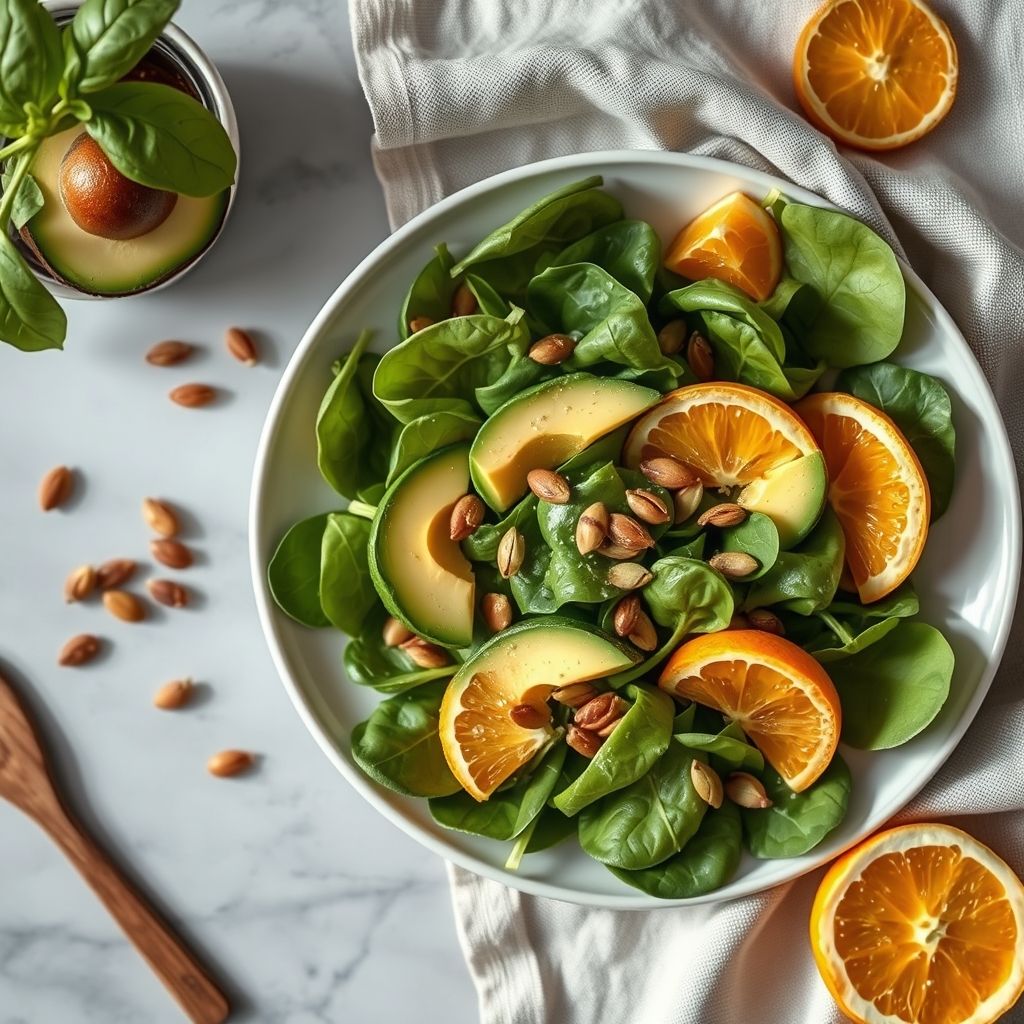
A colorful spinach‑avocado salad offers multiple folate sources in one bite.
Daily folate requirements during each trimester of pregnancy
Folate needs don’t change dramatically from the first to the third trimester, but the recommended amount is higher than before conception. The American College of Obstetricians and Gynecologists (ACOG) and the U.S. Institute of Medicine set the standard at 600 µg of dietary folate equivalents (DFE) per day for the entire pregnancy. The UK’s National Health Service (NHS) recommends 200 µg of natural folate plus a 400 µg folic‑acid supplement, which together meet the same goal.
Trimester
Recommended folate intake
Typical food sources to meet the goal
First (0‑13 weeks)
600 µg DFE
1 cup cooked lentils + 1 orange + fortified cereal
Second (14‑27 weeks)
600 µg DFE
½ cup cooked spinach + ½ avocado + ½ cup peas
Third (28 weeks‑birth)
600 µg DFE
½ cup black beans + 1 cup broccoli + fortified toast
Because many foods contain roughly 30‑200 µg per serving, combining a few servings a day easily reaches the target. If you’re already taking a prenatal vitamin with 400‑800 µg of folic acid, you may need fewer folate‑rich foods, but it’s still wise to include them for fiber, iron, and other micronutrients.
Research from the CDC shows that maintaining the 600 µg DFE threshold throughout pregnancy reduces the risk of neural‑tube defects by up to 70 percent. For this reason, both U.S. and UK guidelines emphasize consistent intake, not just a focus on the first trimester.
Many clinicians suggest keeping a simple food diary or using a nutrition‑tracking app to see where you stand each day; this habit can quickly reveal gaps before they become a concern.
Best vegetarian sources of folate for pregnancy
Vegetarian and vegan diets can be especially folate‑friendly, as plant foods naturally contain the vitamin. Here are the top options, grouped by category.
Legumes and pulses
Lentils – ½ cup cooked delivers about 180 µg.
Chickpeas – ½ cup cooked provides ~140 µg.
Black beans – ½ cup cooked offers ~150 µg.
Split peas – ½ cup cooked supplies ~170 µg.
Leafy greens and cruciferous veggies
Spinach – ½ cup cooked ≈ 190 µg.
Kale – ½ cup cooked ≈ 140 µg.
Broccoli – ½ cup cooked ≈ 108 µg.
Brussels sprouts – ½ cup cooked ≈ 94 µg.
Fruits, nuts, and seeds
Avocado – half a fruit ≈ 81 µg.
Oranges – one medium ≈ 30 µg.
Sunflower seeds – ¼ cup ≈ 66 µg.
Pistachios – ¼ cup ≈ 45 µg.
Even on a plant‑only diet, you can comfortably exceed 600 µg by mixing legumes with greens and a serving of fruit each day. If you avoid dairy, fortified plant milks (often enriched with 150‑200 µg per cup) become a handy backup.
For vegans, the ACOG notes that a well‑planned diet plus a prenatal vitamin containing methylfolate (the active form of folate) is a safe strategy. Methylfolate supplements are especially useful for those with genetic variations that affect folic acid metabolism.
Pairing these folate‑rich foods with a source of vitamin C—like a splash of orange juice—can boost iron absorption, which is another key concern during pregnancy.
Can I get enough folate from diet alone during pregnancy?
The short answer is yes—most people can meet the 600 µg recommendation through food alone, especially when they include a variety of the items listed above. However, there are three scenarios where a supplement may still be advisable:
Pre‑conception planning: The CDC recommends 400 µg of folic acid daily for at least one month before conception to reduce neural‑tube‑defect risk.
Limited dietary variety: If you have food allergies, severe nausea, or a restrictive diet, a prenatal vitamin can bridge gaps.
Medical conditions: Certain GI disorders (e.g., celiac disease) impair folate absorption, making supplementation prudent.
When you’re already taking a prenatal vitamin that contains 400‑800 µg of folic acid, you don’t need to obsess over hitting the exact 600 µg from food alone. Think of the vitamin as a safety net; your meals should still prioritize natural folate sources for the added fiber, antioxidants, and phytonutrients they provide.
Studies published by the National Institute of Health (NIH) indicate that women who meet folate needs through whole foods have slightly lower rates of pre‑eclampsia, suggesting a broader benefit beyond neural‑tube protection.
If you’re uncertain whether your diet covers the need, ask your provider for a quick serum folate test; the results can guide whether a higher‑dose supplement is warranted.
Foods to avoid that reduce folate absorption in pregnancy
Some foods and substances can interfere with how your body uses folate. Knowing what to limit helps you protect the nutrient you’re working hard to consume.
Alcohol
Even moderate alcohol intake can lower folate levels and impair its metabolism. The ACOG advises complete abstinence during pregnancy.
High‑dose vitamin C
While vitamin C generally supports iron absorption, extremely large doses (over 1,000 mg at once) may increase the urinary excretion of folate. A balanced diet with normal fruit servings is fine.
Certain medications
Some anti‑seizure drugs (e.g., phenytoin, carbamazepine) and methotrexate can hinder folate metabolism. If you’re on any prescription, discuss folate status with your provider.
Excessive processed meats
Processed meats are often high in sodium and nitrites, which don’t directly block folate but can crowd out healthier, folate‑rich options in the diet.
Additionally, very high intakes of raw cruciferous vegetables—while nutritious—contain compounds that can modestly interfere with iodine uptake, a separate but related concern for thyroid health. Moderation is key.
Beyond food, smoking and chronic stress have been linked to lower folate status, so maintaining a healthy lifestyle supports optimal absorption.
How to incorporate folate‑rich foods into a pregnancy meal plan
Meal planning doesn’t have to be a chore. Below are simple, day‑to‑day ideas that weave folate‑dense foods into breakfast, lunch, dinner, and snacks.
Breakfast
Fortified whole‑grain cereal topped with sliced strawberries and a splash of fortified almond milk.
Spinach‑and‑feta (or tofu) omelet with a side of orange slices.
Smoothie blending kale, banana, Greek yogurt (or soy yogurt), and a tablespoon of ground flaxseed.
Lunch
Mixed‑green salad featuring romaine, avocado, chickpeas, and a lemon‑tahini dressing.
Whole‑wheat wrap stuffed with black beans, roasted peppers, and shredded carrots.
Lentil soup served with a slice of fortified whole‑grain bread.
Dinner
Stir‑fry with broccoli, snap peas, and tofu over brown rice.
Baked salmon (or tempeh) alongside roasted asparagus and quinoa.
Vegetable curry with spinach, pumpkin, and lentils, served with whole‑grain naan.
Snacks
Fresh orange wedges or a small grapefruit.
Handful of sunflower seeds mixed with dried apricots.
Hummus with carrot and cucumber sticks.
Tip: Aim for at least two servings of folate‑rich foods per day, and pair them with a source of vitamin C (like citrus) to boost absorption.
Batch‑cooking beans or lentils on the weekend and storing them in portion‑size containers can make it effortless to add a folate boost to any meal.
Lentil soup makes a folate‑packed lunch or dinner option.
Budget‑friendly folate foods for pregnant moms
Eating well on a budget is possible when you focus on cost‑effective staples that deliver a lot of folate per dollar.
Frozen spinach: Often cheaper than fresh and retains most nutrients when blanched quickly.
Dried beans and lentils: Buy in bulk; a cup of dry beans yields three servings and costs pennies.
Seasonal citrus: Oranges, mandarins, and grapefruits are inexpensive in winter months.
Canned peas: Low‑cost, long shelf‑life, and can be tossed straight into salads.
Fortified breakfast cereals: Look for store brands that add folic acid; they’re often on sale.
Planning ahead—cooking large batches of beans, freezing portions of cooked greens, and using a weekly produce list—helps you stay within budget while meeting your folate goals.
Another tip from the UK’s NHS is to shop the perimeter of the grocery store first; fresh produce, beans, and frozen vegetables are usually cheaper there than in the processed‑food aisles where fortified snacks sit.
When possible, choose generic or store‑brand fortified products; they provide the same nutrient boost at a lower cost.
Folate deficiency symptoms during pregnancy
While most pregnant people get enough folate from diet and supplements, a deficiency can still occur, especially if absorption is compromised. Common signs include:
Unexplained fatigue or weakness, beyond normal pregnancy tiredness.
Shortness of breath, even with mild activity.
Pale or yellow‑tinged skin (a sign of anemia).
Digestive upset such as nausea, loss of appetite, or weight loss.
Changes in tongue appearance (smooth, sore tongue).
If you notice any of these, especially persistent fatigue or pale skin, contact your obstetric provider. A simple blood test can check your serum folate and hemoglobin levels, and treatment usually involves a short‑term increase in folic‑acid supplementation.
Rarely, severe deficiency can lead to megaloblastic anemia, a condition where red blood cells are unusually large and function poorly. This is why routine prenatal labs include a complete blood count (CBC) to catch early changes.
Many clinicians also screen for homocysteine levels when folate deficiency is suspected, because elevated homocysteine can signal functional folate insufficiency even when serum numbers appear borderline.
Cooking methods that preserve folate in foods
Folate is water‑soluble and sensitive to heat, so the way you prepare foods can affect how much remains on your plate.
Steaming: Retains up to 90 % of folate compared with boiling, which can leach up to 50 % into the water.
Microwaving: Quick cooking with minimal water preserves nutrients well.
Sautéing: Use a small amount of healthy oil and keep cooking time short.
Raw consumption: For leafy greens, a simple salad or smoothie keeps folate intact, though some people find raw spinach tougher to digest.
Avoid over‑cooking: Over‑cooking broccoli or asparagus beyond 5 minutes can cut folate content by a third.
When you do boil vegetables (e.g., for a soup), reserve the cooking liquid—it's rich in leached folate and can be turned into a broth or puree.
According to the FDA’s Food Safety and Nutrition guidelines, using a covered pot and a low water‑to‑vegetable ratio reduces nutrient loss while still achieving a tender texture.
Microwave‑steamed frozen peas, for example, retain nearly as much folate as fresh peas that are lightly blanched, offering a convenient shortcut without sacrificing nutrition.
Folic acid vs. natural folate foods pregnancy
Folic acid is the synthetic form found in supplements and fortified foods. It’s more stable than natural folate and is converted to the active form (5‑methyltetrahydrofolate) after absorption. The body uses folic acid efficiently, which is why health agencies recommend a supplement of 400‑800 µg in addition to dietary sources.
Natural folate from foods, however, comes bundled with fiber, antioxidants, and other vitamins. Some research suggests that getting folate from whole foods may have added benefits for cardiovascular health and gut microbiome diversity. The bottom line: use both—eat a variety of folate‑rich foods and follow your provider’s advice on a prenatal vitamin containing folic acid.
For people with the MTHFR genetic variant, methylfolate (the bioactive form) may be preferable to standard folic acid, because conversion efficiency can be reduced. Discuss testing and supplement options with your clinician if you suspect a genetic influence.
Timing also matters: taking a folic‑acid supplement with a meal that contains some fat can improve absorption, while excessive coffee intake may slightly blunt uptake.
How to choose folate‑rich foods when eating out
Dining out doesn’t have to derail your folate goals. Look for menu items that feature leafy greens, beans, or citrus‑based sauces. Many restaurants list “vegetable‑forward” or “plant‑based” dishes that naturally contain higher folate levels.
Ask your server whether a salad includes spinach or kale, and request dressing on the side to keep the dish lighter. For ethnic cuisines, choose dishes like lentil dal, chickpea hummus, or stir‑fried asparagus, which often pack a folate punch. When in doubt, a simple side of steamed broccoli or a fresh fruit cup can add the missing micronutrient.
Portion size matters, too. A typical restaurant serving of cooked spinach can be ½ cup or more, delivering close to 200 µg of folate. If the portion is smaller, consider ordering a second side or supplementing with a snack later in the day.
Don’t hesitate to ask for extra vegetables on the side; most kitchens are happy to accommodate a request for added greens.
Folate‑rich snack ideas for second‑trimester cravings
The second trimester is notorious for cravings, and many pregnant people report a sudden desire for sweet or salty foods. You can satisfy those cravings while still boosting folate intake.
Greek yogurt parfait layered with fresh orange segments, a drizzle of honey, and a sprinkle of sunflower seeds.
Whole‑grain toast topped with mashed avocado, a squeeze of lime, and a pinch of chili flakes.
Mini‑frittatas made with egg, chopped spinach, and a dash of cheese—perfect for a quick bite.
Edamame pods tossed with sea salt; the beans add both protein and folate.
Frozen‑fruit smoothies blending peas, mango, and a splash of fortified oat milk for a creamy, folate‑dense treat.
Pairing these snacks with a glass of vitamin‑C‑rich orange juice or a handful of berries can further enhance iron absorption, a common concern in the second trimester.
Keep a small stash of pre‑cut veggie sticks and a container of hummus in the fridge; it makes reaching for a folate‑boosting snack effortless.
Understanding folate lab tests during pregnancy
When your provider suspects a deficiency, they may order a serum folate test or a red‑blood‑cell (RBC) folate test. Serum folate reflects recent intake, while RBC folate indicates longer‑term stores. The normal range for serum folate is typically 5‑20 ng/mL, and for RBC folate 200‑800 ng/mL, though exact cut‑offs vary by laboratory.
Results that fall below the reference range prompt a discussion about dietary adjustments and possibly a higher‑dose prenatal supplement. It’s also common to check homocysteine levels, because elevated homocysteine can signal functional folate deficiency even when serum folate appears normal.
Remember, lab values are just one piece of the puzzle. Your provider will consider your diet, supplement use, and any underlying health conditions before recommending changes.
Follow‑up testing after a course of supplementation can confirm that folate stores have rebounded, giving you peace of mind.
From our medical team: Folate is essential for preventing neural‑tube defects, but it also supports the rapid DNA synthesis needed for placenta growth. If you’re already taking a prenatal vitamin, focus on adding colorful vegetables, beans, and fruit to your meals. That strategy gives you folate plus the fiber and micronutrients pregnancy demands. If you’re uncertain about your intake, a quick blood test can guide whether you need a higher‑dose supplement.
Folate and fetal brain development
Beyond its role in closing the neural tube, folate is crucial for the formation of neurotransmitters and the synthesis of DNA that fuels brain growth. Studies cited by the WHO show that adequate folate intake throughout pregnancy is linked to higher scores on early neurodevelopmental assessments.
Foods rich in folate, especially when combined with choline‑rich items like eggs or soy, provide the building blocks for myelination—the process that insulates nerve fibers. For parents who want an extra boost, adding a serving of fortified cereal or a glass of fortified soy milk each day can help maintain steady folate levels.
Folate’s role in reducing gestational diabetes risk
Emerging research from the American Diabetes Association suggests that higher folate intake may improve insulin sensitivity in pregnant people. While folate alone won’t prevent gestational diabetes, it contributes to overall metabolic health when paired with a balanced diet low in refined sugars.
Choosing low‑glycemic, folate‑rich foods—such as lentils, leafy greens, and whole‑grain fortified cereals—helps stabilize blood sugar spikes. If you have a family history of diabetes, discuss with your provider whether a slightly higher folate intake (still within safe limits) could be beneficial as part of a broader nutrition plan.
Shopping tips for folate‑rich produce
Finding the freshest, most folate‑dense produce doesn’t have to be a scavenger hunt. Look for deep‑green leaves that are crisp rather than wilted; the brighter the color, the more chlorophyll—and often folate—present. For frozen items, check the label for “no added sauces” to avoid hidden sodium.
Buy leafy greens in bulk and store them in a dry container with a paper towel to prolong freshness.
When choosing citrus, opt for fruits that feel heavy for their size, indicating juiciness and higher vitamin content.
Take advantage of farmer’s markets for seasonal beans and asparagus; they’re often cheaper and fresher than supermarket options.
Finally, keep an eye out for sales on fortified cereals and plant milks—they’re a convenient way to add a reliable dose of folic acid without extra preparation.
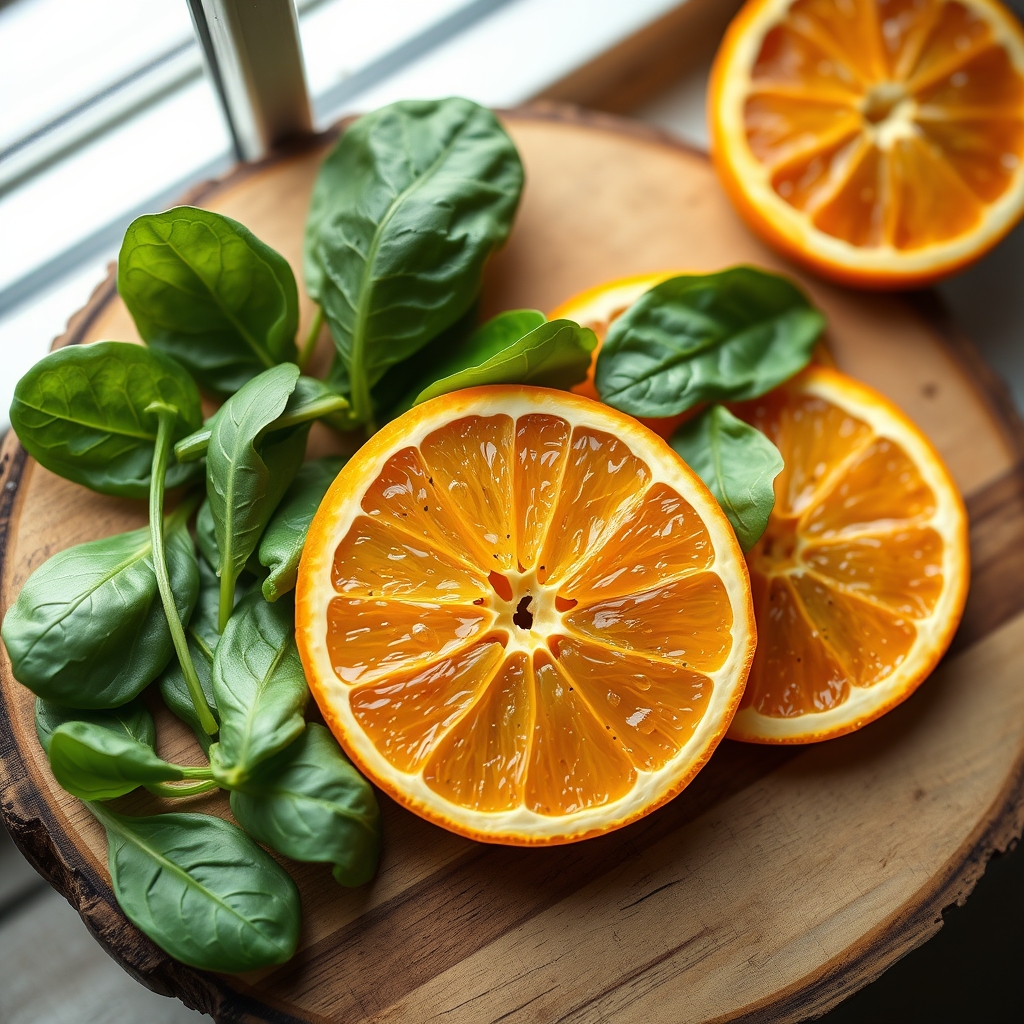
Fresh citrus and spinach make a quick folate‑boosting snack.
Myth vs. fact
Myth: You only need folate in the first trimester.
Fact: The recommended 600 µg DFE applies throughout the entire pregnancy, supporting ongoing fetal growth and maternal blood volume expansion.
Myth: Taking a high‑dose folic‑acid supplement makes dietary folate unnecessary.
Fact: Supplements fill gaps, but whole foods provide additional nutrients and fiber that a pill cannot replace.
Myth: All leafy greens have the same folate content.
Fact: Folate varies widely; cooked spinach tops the list, while lettuce provides less per cup.
Key takeaways
Aim for ~600 µg of folate daily; a combination of leafy greens, legumes, citrus, and fortified foods gets you there.
Steaming or microwaving preserves the most folate; avoid long boils that waste the nutrient.
Vegetarian and vegan diets can meet requirements easily with lentils, beans, and dark greens.
Budget‑friendly options include frozen spinach, dried beans, and seasonal oranges.
If you have nausea, food allergies, or a medical condition affecting absorption, talk to your provider about a prenatal vitamin.
Watch for fatigue, pale skin, or shortness of breath—these may signal folate deficiency and warrant a check‑up.
When dining out, prioritize dishes that feature spinach, lentils, or citrus, and don’t be shy about asking for extra vegetable sides.
Second‑trimester snack cravings can be satisfied with folate‑rich combos like avocado
Not sure about the label on Foods High In Folate For Pregnancy products?
Snap the ingredients list and SafeFilter checks every ingredient for your stage — only 3 free scans this month, then you're locked until reset. Unlimited from $7/mo or $50/yr.
When Shubhra Mishra was expecting her first child in 2016, she was overwhelmed by conflicting food advice — one site said yes, another said never. By the time her second baby arrived in 2019, she realized millions of mothers face the same confusion.
That sparked a five-year journey through clinical nutrition papers, cultural diets, and expert conversations — all leading to BumpBites: a calm, compassionate space where science meets everyday motherhood.
Her long-term vision is to build a global community ensuring safe, supported, and free deliveriesfor every mother — because no woman should face pregnancy alone or uninformed. 🌿
🌍 Stand with mothers, shape safer guidance
Join a small circle of experts who review BumpBites articles so expecting parents everywhere can decide with confidence.