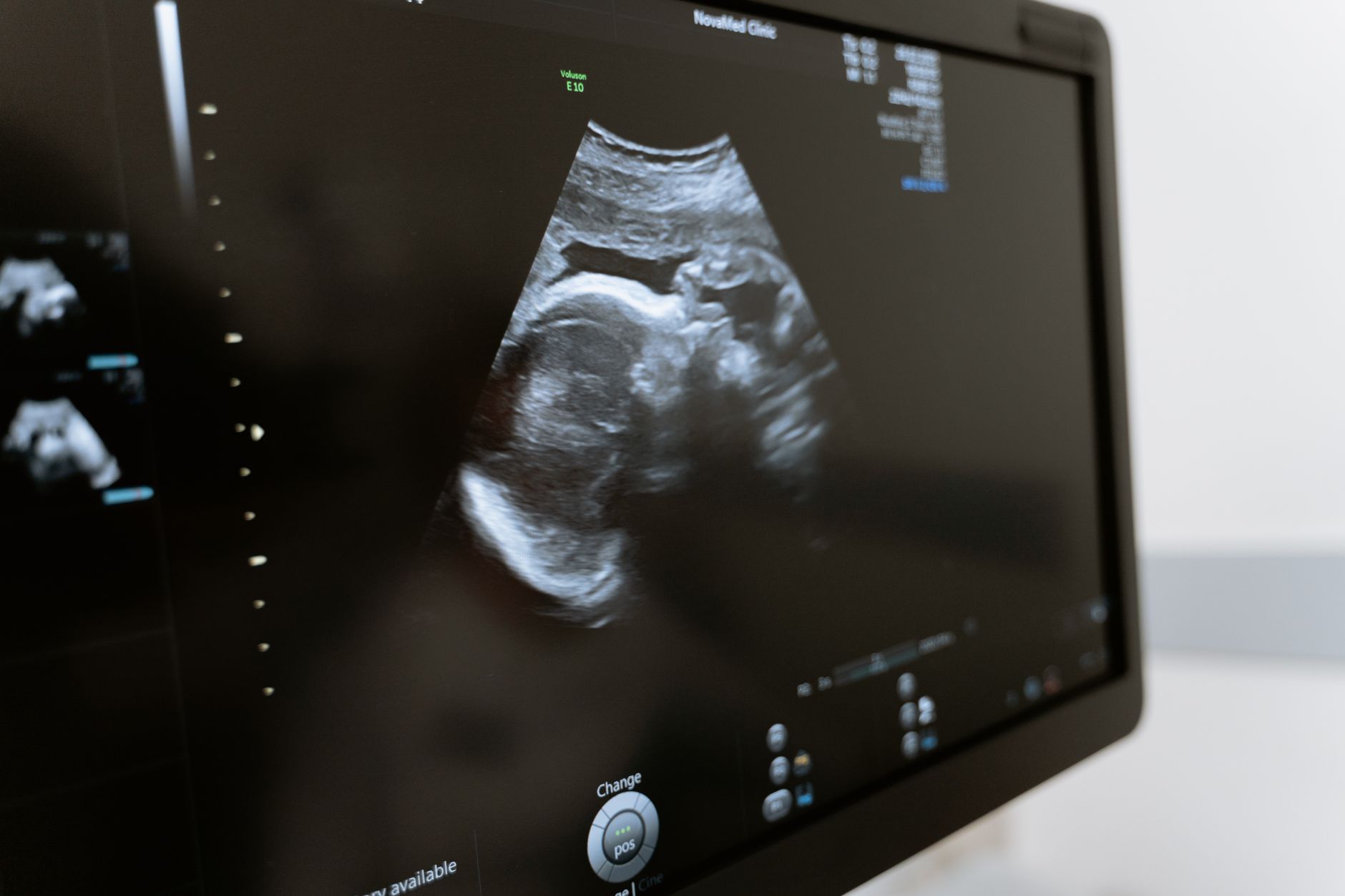
At 12 weeks, the foetus is roughly 2.1 cm long, about the size of a lime, with major organs developing and limbs beginning to lengthen, marking a growth stage.
By Shubhra Mishra — a mom of two who turned her own confusion during pregnancy into BumpBites, a global mission to make food choices clear, safe, and stress-free for every expecting mother. 💛
Check whether any food is safe during pregnancy with the BumpBites Food Safety Checker.
Quick take: At 12 weeks, your baby (now a fetus) is about the size of a plum, weighing roughly 14 grams and measuring 6 cm from crown to rump. Most major organs are formed, the heartbeat is strong, and you may begin to notice subtle movements. Your own body is transitioning from the first‑trimester “wow” to a steadier second trimester, with a growing belly, shifting energy levels, and new nutritional needs. Keep up with prenatal visits, a balanced diet, gentle exercise, and listen to your body—if anything feels off, call your provider.
It’s 2 a.m., you’ve just taken a quick shower, and the morning‑after nausea has finally faded. As you tuck the baby‑book under your pillow, a thought pops up: “Is my baby really this big yet? What should I be doing right now?” You’re not alone. By the time you reach week 12, the excitement of seeing a tiny heartbeat on an ultrasound mixes with the fatigue of early pregnancy and a flood of questions about size, movement, and safety.
In this guide we’ll walk through everything you might wonder about the foetus at 12 weeks of pregnancy development and size. We’ll cover the milestones the baby hits, what your body is doing, how to eat, move, and travel safely, and which medical checks you’ll face. All of the information is grounded in the latest guidance from ACOG, NHS, and WHO, and we’ll flag the signs that mean you should reach out to your provider right away.
Ready to demystify week 12? Let’s explore the anatomy, the symptoms, the nutrition, and the practical tips that help you feel confident as you step into the second trimester.
What to expect at 12 weeks of pregnancy?
Week 12 marks the official end of the first trimester. For many people, this is when the “baby bump” is still subtle, but internal changes are already well underway. Hormone levels—especially progesterone and estrogen—continue to rise, stabilising your uterus and preparing the lining for the placenta’s work. You may notice:
Energy shifts: the intense nausea of weeks 4‑8 often eases, but a lingering tiredness is common.
Physical changes: a slight widening of the hips, a faint roundness under the belly, and the beginning of a visible line (the linea nigra) from the navel to the pubic area.
Emotional swing: the hormonal surge can bring mood changes, ranging from joy to anxiety.
Breast tenderness: still present as the glands prepare for lactation.
Most importantly, the foetus is rapidly growing. While the external appearance of your belly may not look dramatically different from week 11, internally the baby’s organs are becoming more functional, and you’ll soon start to hear the rhythmic beat that signals life.
From a clinical standpoint, week 12 is when many providers transition from “early‑pregnancy” monitoring to a more detailed anatomy scan, so you’ll likely have a scheduled ultrasound and a set of baseline labs. This is also a good time to ask about any lingering symptoms you’ve experienced, because early intervention can prevent later discomfort.
Fetus development at 12 weeks pregnant
By the end of the twelfth week the embryo has officially become a fetus. This transition reflects the shift from rapid cell division to more specialised growth. Key milestones include:
Heart: The heart now beats at 160‑180 bpm, circulating blood through a four‑chambered system.
Brain: The cerebral cortex is forming, laying the groundwork for future cognitive development.
Limbs: Fingers and toes are fully separated; nails begin to appear. Small muscles allow the fetus to curl its hands into fists.
Facial features: Eyelids are no longer fused; the eyes can open and close, and the ears are in place.
Digestive system: The intestines are now moving from the umbilical cord into the abdomen, preparing for later nutrient absorption.
Although you cannot see these details without an ultrasound, they are critical markers that clinicians assess during the 12‑week scan. If the foetus is developing along the typical timeline, the next steps involve confirming the heartbeat, checking for multiple gestations, and measuring crown‑rump length (CRL) to estimate gestational age.
Research from the National Institute of Child Health and Human Development (NICHD) shows that most structural anomalies are detectable by the end of the first trimester, allowing for early counseling and, when appropriate, timely referrals to fetal medicine specialists.
12‑week fetus size and weight
At 12 weeks the fetus measures about 6 cm (2.4 inches) from crown to rump and weighs roughly 14 grams (0.5 oz). To put that into everyday perspective, it’s about the size of a plum or a small lime. Below is a quick comparison of fetal size across the early weeks:
Gestational Age
Length (cm)
Weight (g)
8 weeks
1.6
1
10 weeks
3.6
4
12 weeks
6.0
14
14 weeks
8.7
43
These numbers are averages; individual growth can vary by a few centimeters or grams without indicating a problem. Your provider will compare your fetus’s measurements to standardized growth charts to ensure the baby is on track.
It’s also helpful to remember that fetal weight accelerates after week 14, so a modest size at 12 weeks rarely predicts later growth concerns. If you’re curious, ask your clinician whether your baby’s measurements fall within the 10th‑90th percentile range for the expected gestational age.
Ultrasound pictures at 12 weeks pregnant
The 12‑week ultrasound—often called the “anatomy scan”—is a pivotal appointment. It provides a clear view of the fetal heart, brain, spine, and limbs, and it can reveal the number of embryos (singleton, twins, or higher order multiples). Typical images show a tiny, curled figure with a visible heartbeat displayed as a pulsing line on the monitor.
Many parents keep these images as a first visual memory of their baby. If you’re wondering what to expect, here’s a brief rundown of what the sonographer will look for:
Heart rate: A normal range is 110‑160 bpm at 12 weeks.
Spine and brain: The forebrain and hindbrain should be visible; the spinal cord should appear straight.
Placenta location: Early identification helps plan future monitoring.
It’s normal to feel a little nervous during the scan. The sonographer will guide you on how to breathe and relax, and you’ll usually hear the baby’s heartbeat for the first time—a moment many describe as magical.
First glimpse of your baby’s heartbeat at the 12‑week scan.
For families who prefer a digital copy, ask the clinic about a secure online portal where you can download the images. This can be a comforting reminder during the weeks when the baby’s movements are still too subtle to feel.
12 weeks pregnant belly size and shape
At this stage the belly is often still relatively flat, especially if you’re petite or carrying a smaller baby. However, you may notice a subtle outward curve beginning at the lower abdomen. The uterus has grown to sit just above the pelvic brim, and the round ligament—a band that supports the uterus—stretches, sometimes causing a brief, sharp pain on one side of the lower belly.
Factors that influence belly size include:
Pre‑pregnancy body type: Taller or larger‑framed individuals may show a bump earlier.
Uterine position: A tilted uterus can change the visual shape.
Amniotic fluid volume: More fluid can make the belly appear larger.
Even if you don’t see a pronounced bump yet, the internal changes are significant. Wearing a supportive maternity belt can alleviate any lower‑back strain and help you feel more comfortable as the uterus expands.
Because the abdomen is still relatively soft, many people find that a gentle belly massage with a certified prenatal therapist can improve circulation and reduce round‑ligament discomfort.
Fetal movement at 12 weeks pregnancy
Most people cannot feel the baby move at 12 weeks. The muscles are developing, but the movements are still too gentle for the mother’s pelvis to sense. Some describe a faint “flutter” or “twitch,” but it’s usually the mother’s own bowel activity that’s mistaken for fetal movement.
True “quickening”—the first noticeable kicks—typically begins between weeks 16‑25, varying widely. When you do start feeling those gentle nudges, it’s a reassuring sign of healthy development. Until then, you can still monitor the heartbeat during prenatal visits for reassurance.
If you notice any sudden, strong movements before week 16, especially accompanied by pain, let your provider know. While rare, early hyper‑activity can be a sign of neurological concerns that merit further evaluation.
12‑week pregnancy symptoms and discomforts
Even though the nausea may be subsiding, you might still experience a range of symptoms:
Fatigue: Hormonal shifts and the body’s effort to support the placenta can leave you feeling sleepy. A short nap or a 20‑minute power rest can help.
Headaches: Blood‑volume increase can cause mild headaches; stay hydrated and keep a regular eating schedule.
Digestive changes: Constipation may begin as progesterone relaxes the intestinal muscles. Adding fiber (fruits, whole grains) and water can ease this.
Breast changes: Continued tenderness and darkening of the areola are normal.
Frequent urination: The growing uterus presses on the bladder, especially at night.
Most of these discomforts are manageable with lifestyle tweaks: small, frequent meals, comfortable shoes, and avoiding long periods of standing.
For women who experience persistent low‑grade fever or new‑onset swelling, a quick check with your provider can rule out early infection or pre‑eclampsia, even though these are uncommon this early.
Diet and nutrition for a healthy fetus at 12 weeks
Nutrition remains a cornerstone of a healthy pregnancy. At 12 weeks you should be focusing on:
Folate (folic acid): Continue 400–800 µg daily to support neural‑tube development. Leafy greens, beans, and fortified cereals are good sources.
Protein: Aim for 70 g per day (about 2 servings of lean meat, fish, tofu, or legumes).
Calcium: 1,000 mg daily for bone development. Dairy, fortified plant milks, and sardines with bones are excellent.
Iron: 27 mg daily to prevent anemia. Red meat, lentils, and iron‑fortified cereals help, especially when paired with vitamin C for better absorption.
Omega‑3 fatty acids: DHA supports brain growth. Two servings of low‑mercury fish (salmon, sardines) per week are recommended.
Hydration is equally vital; aim for 8‑10 cups of water daily. Limit caffeine to less than 200 mg (about one 12‑oz coffee) and avoid alcohol, unpasteurised cheeses, and high‑mercury fish.
According to NHS guidance, a balanced diet that includes a variety of colors—green, orange, red, and purple—helps ensure you’re getting a broad spectrum of micronutrients essential for fetal organogenesis.
A balanced plate that hits key nutrients for week 12.
If you’re vegetarian or vegan, consider a prenatal vitamin that includes vitamin B12 and DHA derived from algae, as these nutrients are harder to obtain from plant sources alone.
Pregnancy exercises at 12 weeks
Physical activity is safe and beneficial for most pregnant people at 12 weeks, provided there are no contraindications. Aim for 150 minutes of moderate‑intensity aerobic activity per week—think brisk walking, swimming, or low‑impact cycling. Strength‑training with light weights (no more than 12 kg) twice a week helps maintain muscle tone and supports the back.
Key guidelines:
Warm‑up and cool‑down: 5‑10 minutes each to protect joints.
Avoid high‑impact or contact sports: No rugby, skiing, or heavy jumping.
Stay hydrated and listen to your body: If you feel dizzy or short‑of‑breath, stop and rest.
Pregnant‑specific yoga or Pilates classes can improve flexibility and relieve lower‑back tension—a common complaint at this stage.
The American College of Obstetricians and Gynecologists (ACOG) notes that regular exercise may also reduce the risk of gestational diabetes and improve mood, which can be especially helpful during the hormonal fluctuations of the first trimester.
12 weeks pregnant and feeling tired
Tiredness is a hallmark of early pregnancy, driven by rising progesterone and the body’s demand for extra blood flow. To combat fatigue:
Prioritise sleep hygiene—keep the bedroom dark, cool, and free of screens.
Take short, frequent breaks during the day; a 10‑minute walk can boost energy.
Eat balanced snacks with protein and complex carbs (e.g., apple slices with peanut butter).
Stay hydrated; dehydration can mimic fatigue.
If you find that exhaustion interferes with daily functioning, discuss it with your provider. In rare cases, thyroid or anemia issues may be contributing, and a simple blood test can clarify the cause.
Many people find that a gentle evening routine—such as a warm foot soak and a cup of caffeine‑free herbal tea—helps signal the body that it’s time to wind down, improving both sleep quality and daytime alertness.
Fetal heartbeat at 12 weeks pregnancy
The fetal heart rate (FHR) at 12 weeks typically ranges from 110 to 160 bpm. This can be measured via Doppler during a prenatal visit or visualised on an ultrasound. A steady, regular rhythm indicates healthy cardiac development. Sudden irregularities, such as bradycardia (below 110 bpm) or tachycardia (above 170 bpm) warrant further evaluation.
Most providers will listen to the heartbeat at each visit, reinforcing the reassuring rhythm and offering a moment of connection between you and your growing baby.
According to the World Health Organization, a consistent fetal heart rate within the normal range is one of the strongest early indicators of viability, so hearing that steady “lub‑dub” can be a huge reassurance for new parents.
Risks and complications at 12 weeks pregnant
While the majority of pregnancies progress smoothly, a few potential concerns arise around week 12:
Miscarriage: The risk drops sharply after the first trimester, falling to about 1‑2 % after week 12.
Ectopic pregnancy: Rare after week 12, but lingering abdominal pain or shoulder pain should be evaluated.
Preeclampsia precursors: High blood pressure is uncommon this early, yet persistent hypertension (>140/90 mmHg) deserves attention.
Gestational diabetes: Usually screened later (weeks 24‑28), but a family history may prompt early testing.
If you notice heavy bleeding, severe cramping, fever, or sudden swelling of the hands and face, contact your provider immediately.
Beyond these, some women experience mild anemia due to the increased iron demand. A simple ferritin test at the 12‑week visit can identify early deficiency and guide supplementation before fatigue becomes severe.
12 week pregnancy and travel
Travel is generally safe at 12 weeks, provided you’re comfortable and have any needed medical documentation. Tips for a smooth trip:
Seat selection: Choose an aisle seat for easy bathroom access.
Hydration: Drink water regularly, especially on flights.
Movement: Stand and stretch every 1‑2 hours to reduce clot risk.
Medical kit: Pack prenatal vitamins, any prescribed meds, and a copy of your prenatal record.
Check airline policies on seat belts and consider a travel insurance plan that covers pregnancy‑related care. If you have a high‑risk pregnancy, discuss plans with your obstetrician before booking.
For road trips, plan frequent restroom stops, keep snacks low‑sugar and high‑protein, and avoid long stretches of sitting without moving—this helps maintain circulation and reduces the chance of swelling.
First trimester screening at 12 weeks
First‑trimester combined screening typically includes a blood test (measuring PAPP‑A and hCG) and an ultrasound to assess nuchal translucency. This screening estimates the risk for chromosomal conditions such as Down syndrome (trisomy 21) and trisomy 18. Results are usually available within a week.
If the combined risk is elevated, your provider may suggest non‑invasive prenatal testing (NIPT) using cell‑free fetal DNA from maternal blood, which has a higher detection rate and lower false‑positive rate.
The NHS advises that women with a family history of genetic disorders discuss options for diagnostic testing, such as chorionic villus sampling (CVS), which can be performed as early as 11‑13 weeks if definitive information is needed.
Placenta development and its role at 12 weeks
By week 12 the placenta has taken over hormone production from the corpus luteum, secreting progesterone and estrogen to sustain the pregnancy. It also begins to form the maternal‑fetal interface where nutrients and oxygen are exchanged.
Because the placenta is still relatively small, most women experience minimal symptoms. However, if you notice unexplained spotting or a sudden increase in spotting volume, it could signal a placental issue that warrants a follow‑up ultrasound.
Prenatal vitamins and supplements: what to take at 12 weeks
At this stage, a prenatal vitamin that includes 400–800 µg of folic acid, 1,000 mg of calcium, 27 mg of iron, and DHA is ideal. If you’re vegan, look for a B12‑fortified formula and consider a separate algae‑based DHA supplement.
Vitamin D (600–800 IU daily) is also recommended by the ACOG to support bone health, especially in regions with limited sunlight. Always discuss any new supplement with your provider to avoid excess intake of fat‑soluble vitamins.
Preparing for your 12‑week appointment: questions to ask your provider
Having a short list of questions can make your visit feel more productive. Consider asking about:
What your specific fetal measurements mean compared to growth charts.
When your next anatomy scan is scheduled and what it will assess.
Any dietary tweaks based on your blood work (e.g., iron or vitamin D levels).
Signs of preterm labor or infection to watch for at home.
Writing these questions down ahead of time helps you remember them, and your provider will appreciate your proactive approach.
From our medical team: Week 12 is a time of transition—your baby’s major organs are in place, and your body is gearing up for the second trimester’s growth spurt. Keep up with prenatal appointments, stay nourished, move gently, and trust your instincts. If anything feels off, reach out early; most concerns are easier to address before they develop into larger issues.
Myth vs. fact
Myth: You can feel your baby move at 12 weeks.
Fact: True fetal movements are usually felt between weeks 16‑25; early “twitches” are often the mother’s own bowel activity.
Myth: A flat belly means the baby isn’t growing.
Fact: At 12 weeks the uterus is still nestled under the pelvis; size varies by body type, and internal growth is usually normal.
Myth: All pregnancy symptoms disappear after the first trimester.
Fact: While nausea often eases, fatigue, breast tenderness, and frequent urination can persist into the second trimester.
Key takeaways
The 12‑week fetus is about the size of a plum, weighing ~14 g, with a heartbeat of 110‑160 bpm.
Major organs are formed; most visible development is internal and assessed via ultrasound.
Continue a balanced diet rich in folate, protein, calcium, iron, and omega‑3s; stay hydrated.
Gentle exercise (walking, swimming, prenatal yoga) supports health and reduces fatigue.
First‑trimester screening at 12 weeks assesses chromosomal risk; follow up if results are elevated.
Watch for red‑flag symptoms—heavy bleeding, severe pain, high fever, or sudden swelling—and call your provider promptly.
Frequently asked questions
Can you feel the baby move at 12 weeks?
Most people cannot feel fetal movement at 12 weeks; the muscles are just beginning to develop, and the movements are too subtle for the mother’s pelvis to detect.
How big is a fetus at 12 weeks?
At 12 weeks the fetus measures about 6 cm (2.4 inches) long and weighs roughly 14 grams, comparable to a plum or small lime.
What are the chances of miscarriage at 12 weeks?
The risk of miscarriage drops sharply after the first trimester, falling to around 1‑2 % after week 12, according to ACOG data.
Can I have an abortion at 12 weeks pregnant?
Abortion laws vary by region; in many U.S. states, medication abortion is approved up to 10 weeks, while surgical procedures may be available through 12 weeks. Always consult a qualified provider and consider local regulations.
What are the symptoms of a healthy pregnancy at 12 weeks?
Typical signs include mild fatigue, breast tenderness, occasional mild cramping, a steady fetal heartbeat, and the gradual appearance of a small belly.
How often should I feel the baby kick at 12 weeks?
Most people start feeling kicks between weeks 16‑25. At 12 weeks, any sensation is likely not a kick; regular monitoring of the heartbeat is the best reassurance.
Is dental work safe at 12 weeks?
Yes. Routine dental cleanings and necessary procedures are safe during the first trimester. The American Dental Association recommends informing your dentist of your pregnancy so they can use the lowest effective X‑ray settings if imaging is needed.
Can I get a flu shot during the first trimester?
Getting the inactivated flu vaccine is safe and recommended at any point in pregnancy, including week 12. The CDC advises vaccination to protect both you and your baby from influenza complications.
When to call your doctor
If you experience any of the following, contact your provider right away: heavy vaginal bleeding, severe abdominal pain, fever over 100.4 °F (38 °C), sudden swelling of hands or face, persistent dizziness, or a rapid heart rate over 180 bpm for the fetus. Remember, this article is for information only and does not replace personalized medical advice.
References
American College of Obstetricians and Gynecologists (ACOG). “First‑Trimester Screening.” 2023 Guideline.
National Health Service (NHS). “Pregnancy weeks 12‑13.” Updated 2024.
World Health Organization (WHO). “Nutrition during pregnancy.” 2022 Recommendations.
Centers for Disease Control and Prevention (CDC). “Prenatal Care.” 2023.
Royal College of Obstetricians and Gynaecologists (RCOG). “Guidelines on exercise in pregnancy.” 2023.
U.S. Preventive Services Task Force (USPSTF). “Screening for gestational diabetes.” 2022.
International Federation of Gynecology and Obstetrics (FIGO). “Management of early pregnancy loss.” 2021.
American Dental Association. “Oral health considerations during pregnancy.” 2023.
CDC. “Seasonal Influenza Vaccine Recommendations for Pregnant Women.” 2023.
Not sure about the label on Foetus At 12 Weeks Of Pregnancy Development And Size products?
Snap the ingredients list and SafeFilter checks every ingredient for your stage — only 3 free scans this month, then you're locked until reset. Unlimited from $7/mo or $50/yr.
When Shubhra Mishra was expecting her first child in 2016, she was overwhelmed by conflicting food advice — one site said yes, another said never. By the time her second baby arrived in 2019, she realized millions of mothers face the same confusion.
That sparked a five-year journey through clinical nutrition papers, cultural diets, and expert conversations — all leading to BumpBites: a calm, compassionate space where science meets everyday motherhood.
Her long-term vision is to build a global community ensuring safe, supported, and free deliveriesfor every mother — because no woman should face pregnancy alone or uninformed. 🌿
🌍 Stand with mothers, shape safer guidance
Join a small circle of experts who review BumpBites articles so expecting parents everywhere can decide with confidence.