Quick take: The first trimester is a time of rapid development—and extra caution with food. You’ll want to avoid raw fish, undercooked meat, unpasteurized dairy, deli meats, high-mercury fish, and certain herbs and supplements. Most foods are safe if handled and cooked properly, but a few carry risks like listeria or salmonella that can harm your baby. This guide covers exactly what to skip, what’s safe, and how to handle cravings without worry.
You’re staring at the fridge at 11 p.m., craving something salty, something cold, something exactly like that leftover sushi from yesterday. Or maybe it’s the smell of your coworker’s soft cheese and charcuterie board that’s making your stomach growl—even though you’ve read somewhere that deli meats aren’t safe. The first trimester is full of these moments: hunger, confusion, and the nagging question, Is this safe?
We get it. The lists of foods to avoid can feel overwhelming, especially when you’re already dealing with nausea, fatigue, and a body that doesn’t feel like your own. The good news? Most foods are perfectly fine, and the ones to skip are manageable once you know the why behind them. This isn’t about fear—it’s about confidence. By the end of this guide, you’ll know exactly which foods to avoid, which are safe, and how to navigate cravings without stress.
Here’s what we’ll cover:
- Which foods carry the highest risk for listeria, salmonella, and mercury
- How much caffeine is safe—and what to drink instead
- Which fruits, veggies, and herbs to skip (and which are totally fine)
- How to handle leftovers, cravings, and food prep safely
- What to ask your provider if you’re unsure
What foods are unsafe to eat during the first trimester of pregnancy?
The first trimester is when your baby’s organs are forming, and while your body is doing an incredible job protecting them, some foods carry bacteria or toxins that can cross the placenta. The biggest risks are listeria (a bacteria that can cause miscarriage or stillbirth) and salmonella (which can make you severely ill). Mercury in certain fish is another concern—it can affect your baby’s brain and nervous system development.
Here’s the short list of foods to avoid:
- Raw or undercooked meat and seafood: sushi, sashimi, rare steak, tartare, ceviche, raw oysters, clams, and mussels
- Deli meats and hot dogs: unless heated until steaming hot (165°F/74°C)
- Unpasteurized dairy and juices: soft cheeses like brie, camembert, feta, blue cheese, and queso fresco (unless labeled pasteurized); raw milk; fresh-squeezed juices from stores or farmers' markets
- High-mercury fish: shark, swordfish, king mackerel, tilefish, bigeye tuna, and marlin
- Raw or undercooked eggs: homemade Caesar dressing, raw cookie dough, sunny-side-up eggs, soft-boiled eggs, and hollandaise sauce
- Unwashed fruits and vegetables: while not unsafe per se, unwashed produce can carry toxoplasma or listeria
- Certain herbs and supplements: high doses of vitamin A, black cohosh, dong quai, and some herbal teas (more on this later)
Many moms tell us the same thing: the hardest part isn’t knowing what to avoid—it’s remembering why in the moment. One reader, Sarah, shared that she kept a small note on her phone with the high-risk foods so she could check it quickly at restaurants. Another mom, Priya, said she swapped her usual sushi order for a cooked shrimp tempura roll and didn’t miss it once she got used to the change.
The key is to focus on what you can eat, not just what you can’t. For every food you skip, there’s usually a safe alternative—grilled chicken instead of deli turkey, pasteurized cheese instead of brie, and plenty of delicious, nutrient-packed fruits and veggies that are completely safe.
Can I eat sushi or raw fish in the first trimester of pregnancy?
Raw fish, especially in sushi or sashimi, can carry:
- Listeria monocytogenes: a bacteria that thrives in cold, raw foods. Pregnant women are 10 times more likely to get listeriosis than the general population, and the infection can lead to miscarriage, stillbirth, or severe illness in newborns.
- Parasites: like anisakiasis, which can cause stomach pain, nausea, and vomiting. While rare, it’s not a risk worth taking.
- Mercury: some fish used in sushi (like tuna) can be high in mercury, which we’ll cover in more detail later.
Many women wonder if it’s safe to eat sushi from high-end restaurants or places with a reputation for freshness. Unfortunately, even the freshest raw fish can carry listeria—it’s not about how "good" the restaurant is. The bacteria can be present even if the fish looks and smells fine.
So what can you eat instead? Plenty! Here are some safe sushi alternatives:
- Cooked sushi: shrimp tempura rolls, California rolls (with imitation crab, which is cooked), eel (unagi) rolls, and vegetable rolls
- Cooked seafood: grilled salmon, shrimp, scallops, and crab (just make sure they’re fully cooked)
- Vegetarian sushi: avocado rolls, cucumber rolls, and sweet potato rolls
If you’re really missing the taste of raw fish, try smoked salmon (lox)—but only if it’s fully cooked and pasteurized. Cold-smoked salmon (the kind that’s not cooked) is still a risk for listeria, so it’s best to avoid it unless it’s been heated to steaming.
One mom, Jamie, shared that she and her partner started hosting "sushi night" at home with cooked ingredients. "We got creative with fillings—grilled chicken, avocado, mango, even cooked sweet potato. It became a fun tradition, and honestly, it was just as satisfying as the real thing."
Why should I avoid deli meats and soft cheeses in early pregnancy?
Deli meats and soft cheeses are two of the most common foods pregnant women are told to avoid—and for good reason. Both carry a risk of listeria, a bacteria that can lead to serious complications in pregnancy. Here’s what you need to know:
Deli meats and hot dogs
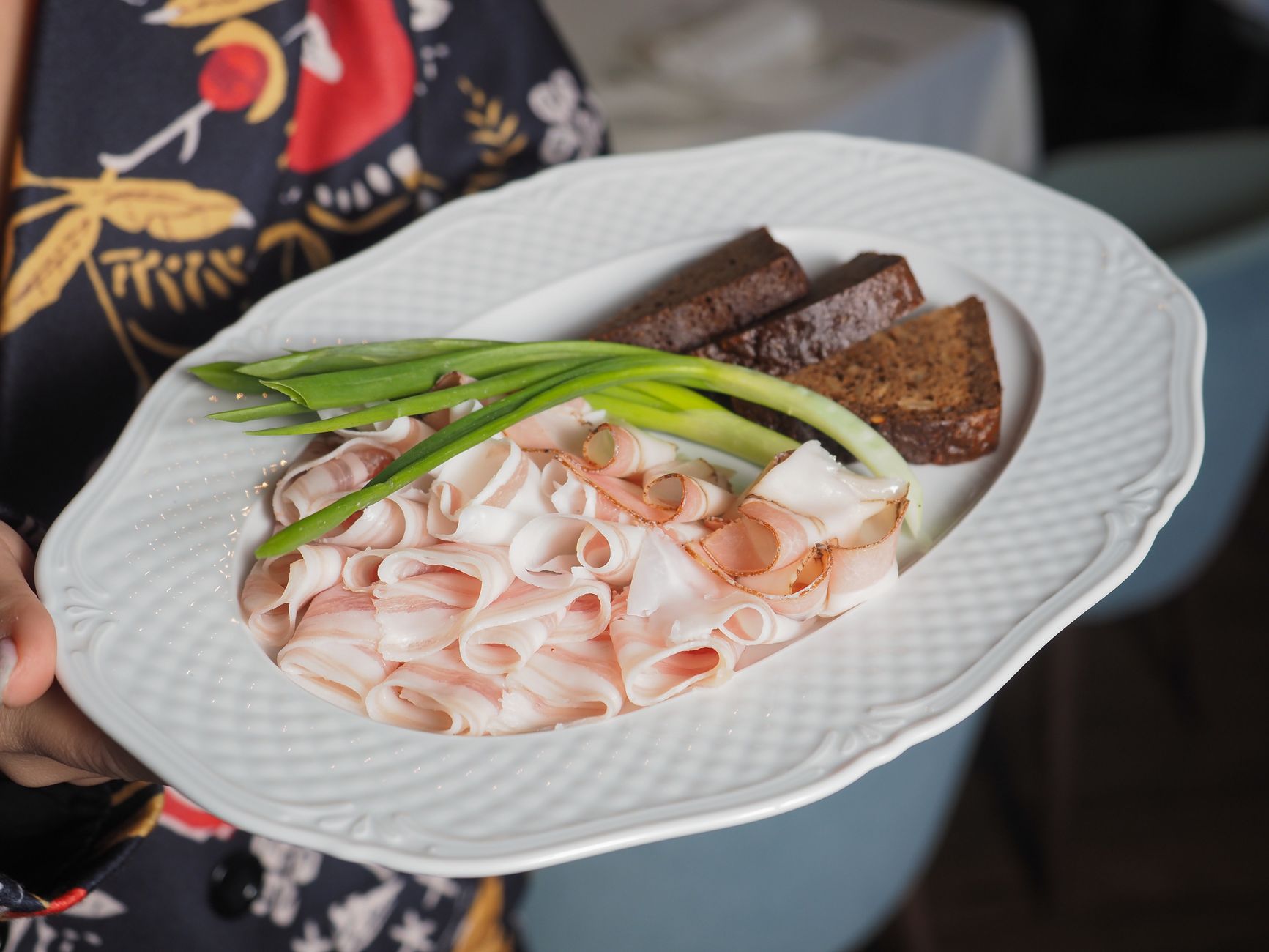
Deli meats (like turkey, ham, salami, and roast beef) and hot dogs can be contaminated with listeria during processing. The bacteria can grow even when the meat is refrigerated, which is why simply storing it in the fridge isn’t enough to make it safe. The risk is highest with:
- Pre-packaged deli meats (the kind that come in sealed plastic)
- Meats sliced at the deli counter (cross-contamination is possible)
- Hot dogs that aren’t reheated to steaming (165°F/74°C)
If you’re craving a sandwich, you don’t have to give it up entirely. The key is to heat the meat until it’s steaming hot. This kills any potential listeria bacteria. You can do this by:
- Microwaving the meat for 30–60 seconds until it’s hot to the touch
- Heating it in a pan on the stove
- Ordering a hot sandwich (like a grilled panini or a toasted sub) instead of a cold one
One reader, Maria, said she missed her turkey sandwiches so much that she started making them at home with pre-cooked turkey breast (the kind sold in the refrigerated section, labeled "fully cooked"). "I’d heat the turkey in the microwave for a minute, then build my sandwich. It tasted just as good, and I didn’t have to worry."
Soft cheeses
Soft cheeses like brie, camembert, feta, blue cheese, queso fresco, and gorgonzola are often made with unpasteurized milk, which can carry listeria. Even if the cheese is pasteurized, it can still be contaminated after processing, so it’s important to check the label.
Here’s how to tell if a soft cheese is safe:
- Look for the word "pasteurized" on the label. If it’s there, the cheese is safe to eat.
- Avoid cheeses that say "made with raw milk" or "unpasteurized."
- When in doubt, skip it or ask your provider.
Safe alternatives to soft cheeses include:
- Hard cheeses like cheddar, Swiss, and parmesan
- Pasteurized versions of soft cheeses (many brands offer these)
- Cream cheese and cottage cheese (as long as they’re pasteurized)
If you’re eating out, don’t hesitate to ask how a dish is prepared. One mom, Aisha, shared that she always asks if the cheese in a salad or sandwich is pasteurized. "Most restaurants are happy to check for you. It’s better to ask than to worry later."
Are there specific fruits or vegetables to avoid in the first trimester?
Most fruits and vegetables are not only safe during the first trimester—they’re essential for getting the vitamins, minerals, and fiber you and your baby need. That said, a few require extra caution, either because of bacteria risk or because they contain compounds that aren’t ideal in large amounts. Here’s what to watch for:
Fruits to be cautious with
- Unwashed fruits: Any fruit with a peel (like melons, oranges, or bananas) or that grows close to the ground (like berries) can carry toxoplasma or listeria on its surface. Always wash fruit thoroughly under running water, even if you’re peeling it. A produce brush can help scrub firm fruits like apples or cucumbers.
- Papaya (unripe or semi-ripe): Green or semi-ripe papaya contains papain, an enzyme that may trigger uterine contractions. Ripe papaya (with deep orange flesh) is safe in moderation, but it’s best to avoid unripe or semi-ripe papaya entirely.
- Pineapple: Pineapple contains bromelain, an enzyme that may soften the cervix. While you’d need to eat a lot of pineapple for this to be a concern, it’s best to enjoy it in moderation (a few slices a week is fine).
- Grapes: Some sources suggest avoiding grapes because of their high pesticide residue, but this isn’t a hard rule. If you’re concerned, opt for organic grapes or wash them thoroughly. They’re a great source of hydration and antioxidants.
Vegetables to be cautious with
- Unwashed leafy greens: Spinach, kale, and lettuce can carry toxoplasma or listeria if not washed properly. Always rinse leafy greens under cold water, even if they’re pre-washed. A salad spinner can help remove excess water and dirt.
- Raw sprouts: Alfalfa, clover, radish, and mung bean sprouts can carry salmonella or E. coli. The warm, humid environment where sprouts grow is ideal for bacteria, and washing them doesn’t eliminate the risk. Cooked sprouts (like in stir-fries) are safe.
- Pre-cut or pre-packaged veggies: These can be convenient, but they’re also more likely to be contaminated during processing. If you buy pre-cut veggies, eat them quickly and store them at the proper temperature (below 40°F/4°C).
Safe and nutritious fruits and veggies
Most fruits and vegetables are not only safe but packed with nutrients that support your baby’s development. Here are some of the best choices for the first trimester:
- Fruits: bananas (great for nausea), oranges (high in vitamin C), berries (antioxidants), avocados (healthy fats), and apples (fiber)
- Vegetables: sweet potatoes (vitamin A), carrots (beta-carotene), bell peppers (vitamin C), broccoli (folate), and spinach (iron)
One mom, Elena, shared that she kept a bowl of washed fruit on her kitchen counter at all times. "I’d grab a banana or an apple whenever I felt nauseous. It helped with the queasiness and kept me from reaching for less healthy snacks."
If you’re unsure about a specific fruit or vegetable, ask your provider. They can give you personalized advice based on your health and pregnancy.
How does caffeine affect the first trimester and what’s the safe limit?
Caffeine is one of the most common questions we get from moms in the first trimester. You’re exhausted, your usual coffee or tea feels like a lifeline, and suddenly you’re hearing conflicting advice about whether it’s safe. Here’s the bottom line: moderate caffeine intake is generally considered safe during pregnancy, but there’s a limit.
How caffeine affects pregnancy
Caffeine is a stimulant that crosses the placenta and reaches your baby. While your body metabolizes caffeine quickly, your baby’s developing liver can’t process it as efficiently. High caffeine intake has been linked to:
- A slightly increased risk of miscarriage (though the evidence isn’t definitive)
- Low birth weight
- Preterm birth (in very high amounts)
That said, most studies show that up to 200 mg of caffeine per day (about one 12-ounce cup of coffee) is safe for most pregnant women. The American College of Obstetricians and Gynecologists (ACOG) and the UK’s National Health Service (NHS) both recommend this limit.
How much caffeine is in common drinks and foods?
Caffeine isn’t just in coffee—it’s also in tea, soda, chocolate, and some medications. Here’s a quick guide to how much caffeine is in common foods and drinks:
| Drink/Food | Serving Size | Caffeine (mg) |
|---|---|---|
| Brewed coffee | 8 oz (240 mL) | 95–200 mg |
| Espresso | 1 oz (30 mL) | 63 mg |
| Latte or cappuccino | 8 oz (240 mL) | 63–125 mg |
| Black tea | 8 oz (240 mL) | 40–70 mg |
| Green tea | 8 oz (240 mL) | 20–45 mg |
| Energy drinks | 8 oz (240 mL) | 70–100 mg |
| Soda (cola) | 12 oz (355 mL) | 30–40 mg |
| Dark chocolate | 1 oz (28 g) | 12–25 mg |
| Milk chocolate | 1 oz (28 g) | 5–10 mg |
Tips for cutting back on caffeine
If you’re used to drinking multiple cups of coffee a day, cutting back to 200 mg or less can feel tough—especially when you’re already tired. Here are some strategies to help:
- Switch to half-caf: Mix regular and decaf coffee to gradually reduce your intake.
- Try herbal teas: Peppermint, ginger, and chamomile tea are caffeine-free and can help with nausea. Just check with your provider first—some herbs (like black cohosh or dong quai) aren’t safe in pregnancy.
- Opt for decaf: Decaf coffee has about 2–5 mg of caffeine per cup, so it’s a good alternative if you miss the taste.
- Stay hydrated: Sometimes fatigue is a sign of dehydration. Drink plenty of water, and add a slice of lemon or cucumber for flavor.
- Get enough sleep: Easier said than done, but try to nap when you can and go to bed earlier.
- Eat small, frequent meals: Low blood sugar can make fatigue worse. Snack on protein-rich foods like nuts, yogurt, or hummus.
One mom, Lisa, shared that she switched to decaf cold brew and didn’t even notice the difference. "I still got the ritual of my morning coffee, and I didn’t have to worry about caffeine. It was a win-win."
What about energy drinks?
Energy drinks are a double whammy—they’re often high in caffeine and loaded with sugar or artificial sweeteners. A single 8-ounce energy drink can contain 70–100 mg of caffeine, and many cans are 16 ounces or more. Some also contain herbs like guarana, which is a natural source of caffeine and can add to your total intake.
If you’re feeling sluggish, try these alternatives instead:
- A smoothie with spinach, banana, and almond butter
- A handful of nuts and dried fruit
- A glass of water with lemon
- A short walk outside (fresh air can help wake you up)
If you’re really struggling with fatigue, talk to your provider. Sometimes low energy can be a sign of anemia or another condition that needs attention.
What types of fish should I avoid due to mercury in the first trimester?
Fish is one of the healthiest foods you can eat during pregnancy—it’s packed with protein, omega-3 fatty acids, and other nutrients that support your baby’s brain and eye development. But some fish are high in mercury, a metal that can harm your baby’s developing nervous system. The key is to choose fish that are low in mercury and high in nutrients.
Why mercury is a concern
Mercury is a naturally occurring metal that can be found in water, soil, and the air. It accumulates in fish, especially large, predatory fish that eat other fish. When you eat high-mercury fish, the mercury can cross the placenta and affect your baby’s brain and nervous system. High mercury exposure has been linked to:
- Developmental delays
- Learning disabilities
- Problems with coordination and motor skills
The good news? You don’t have to give up fish entirely. The FDA and EPA recommend that pregnant women eat 8–12 ounces (2–3 servings) of low-mercury fish per week. This amount provides the benefits of fish without the risks of mercury.
Fish to avoid
Avoid these high-mercury fish entirely during pregnancy:
- Shark
- Swordfish
- King mackerel
- Tilefish (from the Gulf of Mexico)
- Bigeye tuna
- Marlin
- Orange roughy
Fish to eat in moderation
These fish are lower in mercury but should still be limited to 1 serving per week:
- Albacore (white) tuna
- Yellowfin tuna
- Halibut
- Mahi-mahi
- Snapper
Best fish to eat
These fish are low in mercury and high in nutrients. You can eat 2–3 servings per week:
- Salmon (wild or farmed)
- Sardines
- Anchovies
- Trout
- Herring
- Oysters (cooked)
- Shrimp
- Pollock
- Cod
- Tilapia
- Canned light tuna (skipjack)
Tips for choosing and preparing fish
- Buy fresh or frozen: Choose fish that smells fresh and has firm, shiny flesh. If you’re buying frozen fish, thaw it in the fridge overnight.
- Cook it thoroughly: Fish should be cooked to an internal temperature of 145°F (63°C). It should flake easily with a fork and be opaque all the way through.
- Avoid raw or undercooked fish: As we mentioned earlier, raw fish (like sushi or sashimi) carries a risk of listeria and parasites.
- Check local advisories: If you’re eating fish caught locally, check for advisories about mercury or other contaminants in your area.
One mom, Rachel, shared that she started making salmon patties with canned salmon. "They’re quick, easy, and packed with omega-3s. I’d make a batch on Sunday and eat them for lunch all week."
If you’re not a fan of fish, you can get omega-3s from other sources, like:
- Chia seeds
- Flaxseeds
- Walnuts
- Fortified eggs
- Algae-based supplements (check with your provider first)
Is it safe to consume unpasteurized dairy or juices during early pregnancy?
Unpasteurized dairy and juices are on the "avoid" list for a good reason: they can carry listeria, E. coli, salmonella, and other harmful bacteria. Pasteurization is a process that heats liquids to kill bacteria, making them safe to consume. Here’s what you need to know about unpasteurized foods in the first trimester:
Unpasteurized dairy
Unpasteurized (or "raw") milk and dairy products are made from milk that hasn’t been heated to kill bacteria. This includes:
- Raw milk
- Soft cheeses like brie, camembert, feta, blue cheese, and queso fresco (unless labeled pasteurized)
- Some yogurts and kefirs (check the label)
- Ice cream or gelato made with raw milk
The risk of listeria is highest with unpasteurized dairy, and the consequences can be serious. Listeriosis can lead to miscarriage, stillbirth, or severe illness in newborns. Even if the dairy comes from a small farm or a trusted source, the risk isn’t worth it.
Safe alternatives to unpasteurized dairy include:
- Pasteurized milk
- Hard cheeses like cheddar, Swiss, and parmesan
- Pasteurized versions of soft cheeses (many brands offer these)
- Cream cheese and cottage cheese (as long as they’re pasteurized)
- Pasteurized yogurt and kefir
If you’re eating out, don’t hesitate to ask if a cheese or dairy product is pasteurized. Most restaurants will check for you.
Unpasteurized juices
Unpasteurized juices (like fresh-squeezed orange juice or apple cider) can carry E. coli or salmonella. The risk is highest with:
- Juices sold at farmers' markets or roadside stands
- Fresh-squeezed juices from juice bars or restaurants
- Unpasteurized cider (especially during the fall)
Safe alternatives to unpasteurized juices include:
- Pasteurized juices (look for the word "pasteurized" on the label)
- Juices that have been heated to a high temperature (like shelf-stable juices)
- Homemade juices that you pasteurize yourself (by heating to 160°F/71°C for 6 seconds)
If you’re craving fresh juice, consider making it at home with washed, peeled fruits. One mom, Priya, shared that she started making her own orange juice with a handheld juicer. "It’s not the same as fresh-squeezed from the market, but it’s safe and still delicious."
Other unpasteurized foods to avoid
Unpasteurized foods aren’t limited to dairy and juice. Other foods to avoid include:
- Unpasteurized honey: While rare, unpasteurized honey can carry botulism spores, which can be dangerous for your baby. Stick to pasteurized honey.
- Unpasteurized fermented foods: Some fermented foods, like certain types of sauerkraut or kimchi, are made with unpasteurized ingredients. Check the label or ask the manufacturer.
What herbs, spices, or supplements should I avoid in the first trimester?
Herbs, spices, and supplements can be tricky during pregnancy. While some are safe and even beneficial, others can cause contractions, affect hormone levels, or interact with medications. The first trimester is a particularly sensitive time, so it’s best to err on the side of caution. Here’s what to avoid and what’s safe:
Herbs and spices to avoid
Some herbs and spices have strong effects on the body and should be avoided during pregnancy, especially in large amounts. These include:
- Black cohosh: Often used to induce labor, black cohosh can cause uterine contractions and is not safe during pregnancy.
- Dong quai: This herb is sometimes used to regulate menstrual cycles, but it can stimulate uterine contractions and increase the risk of miscarriage.
- Blue cohosh: Like black cohosh, blue cohosh can cause contractions and is not safe during pregnancy.
- Pennyroyal: This herb is toxic and can cause miscarriage or liver damage.
- Sage and rosemary (in large amounts): While these herbs are safe in small culinary amounts, large doses (like in supplements or essential oils) can stimulate the uterus.
- Licorice root: Licorice root contains glycyrrhizin, which can cause high blood pressure and fluid retention. Avoid licorice root supplements, but small amounts of licorice candy are fine.
- Fenugreek: Often used to boost milk supply, fenugreek can stimulate uterine contractions and is not safe during pregnancy.
- Cinnamon (in large amounts): While cinnamon is safe in small culinary amounts, large doses (like in supplements) can cause contractions.
Safe herbs and spices
Most herbs and spices are safe in small culinary amounts. These include:
- Basil
- Oregano
- Thyme
- Ginger (great for nausea)
- Turmeric
- Garlic
- Cumin
- Paprika
- Cilantro
- Dill
If you’re unsure about a specific herb or spice, check with your provider. They can give you personalized advice based on your health and pregnancy.
Supplements to avoid
Some supplements can be harmful during pregnancy, either because they contain high doses of certain vitamins or because they interact with medications. Avoid these supplements in the first trimester:
- High-dose vitamin A: Too much vitamin A can cause birth defects. Avoid supplements with more than 10,000 IU of vitamin A (retinol). Beta