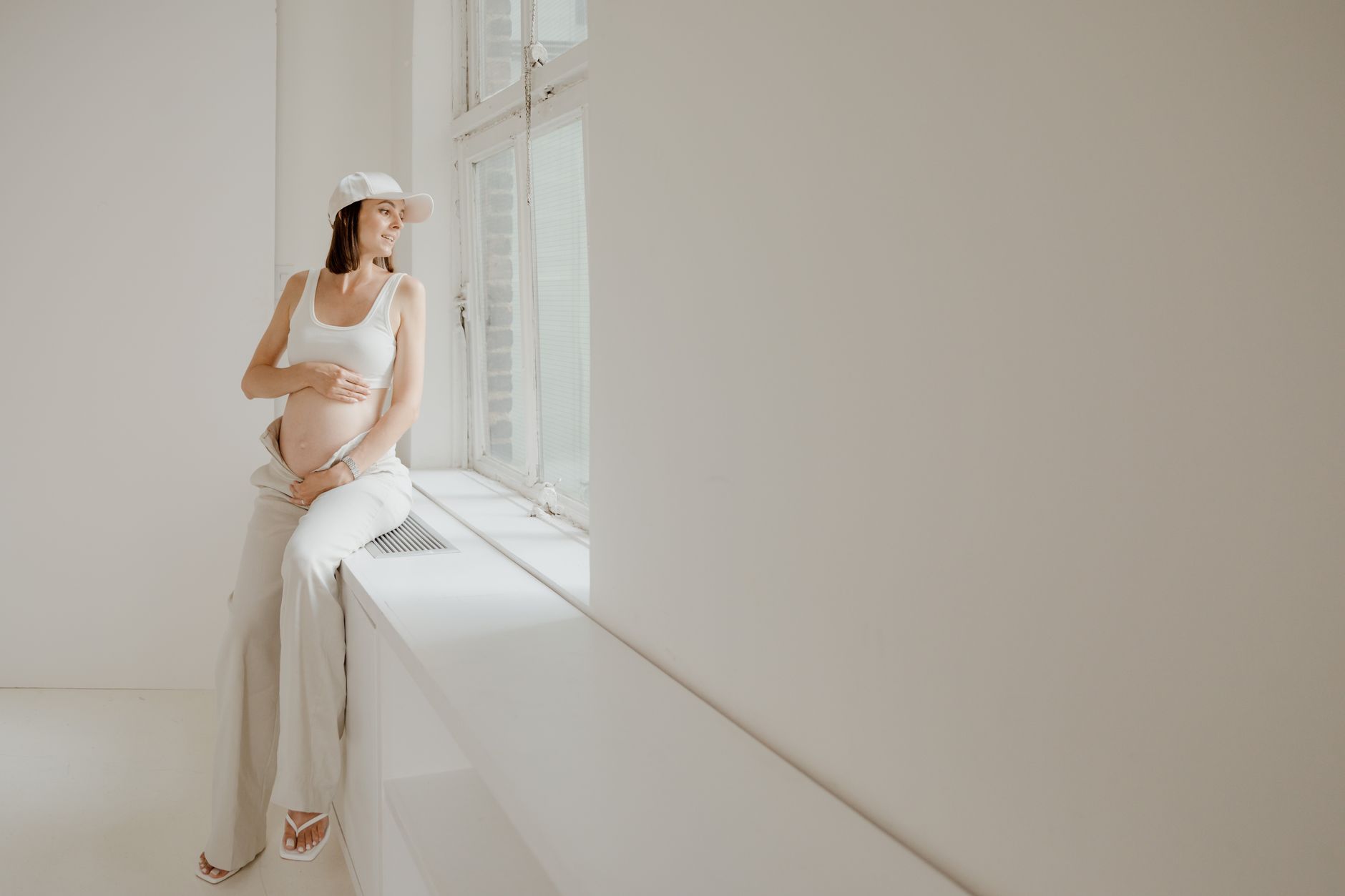
Yes, first trimester pregnancy exercise is generally safe and beneficial! Discover the best workouts, what to avoid, and essential safety tips for a healthy journey in your first trimester.
By Shubhra Mishra — a mom of two who turned her own confusion during pregnancy into BumpBites, a global mission to make food choices clear, safe, and stress-free for every expecting mother. 💛
Check whether any food is safe during pregnancy with the BumpBites Food Safety Checker.
Quick take: Yes—most women can safely exercise during the first trimester as long as they listen to their bodies, stay hydrated, and avoid activities that risk falling or overheating. Aim for moderate‑intensity cardio, light strength work, and gentle stretching a few times a week, and always stop if you feel pain, dizziness, or excessive shortness of breath.
It’s 7 a.m., you’re still feeling the lingering nausea from last night’s morning sickness, and you wonder whether that brisk walk you love will hurt the tiny baby you just discovered on the home‑test. You’re not alone—millions of pregnant people wonder the same thing every morning.
First‑trimester exercise is not only safe for most, it can actually help tame nausea, boost mood, and support healthy weight gain. The key is to choose activities that keep your heart rate moderate, protect your joints, and respect the extra fatigue that often comes with early pregnancy.
In this guide we’ll walk you through the safest cardio options, how to build a beginner‑friendly workout routine, strength‑training limits, soothing yoga poses, and practical tips for dealing with morning sickness and fatigue. You’ll also find a quick‑reference table, a realistic weekly schedule, and answers to the most common “Is it okay?” questions.
What are safe exercises for first trimester pregnancy?
Answer: Safe exercises in the first trimester are those that keep you upright, avoid heavy impact, and allow you to maintain a conversation without gasping.
Walking, stationary cycling, swimming, and low‑impact aerobics are the gold standard. These activities keep your core temperature below 38 °C (100 °F) and reduce the risk of falls. Light resistance work—using body weight or light dumbbells (≤5 lb/2 kg)—is also safe, provided you avoid holding your breath (the Valsalva maneuver).
Pregnancy‑specific classes, like prenatal yoga or water aerobics, add the benefit of guided modifications. If you enjoy dancing, choose a low‑impact style such as slow salsa or gentle Zumba, and keep space clear of obstacles.
Key safety points:
Stay hydrated—drink 8‑12 oz of water every 20 minutes of activity.
Warm up for 5‑10 minutes with easy walking or arm circles.
Cool down with gentle stretching and deep breathing.
Monitor intensity using the “talk test”: you should be able to speak in full sentences without pausing for breath.
What does a first trimester pregnancy workout routine for beginners look like?
Answer: A beginner routine combines 150 minutes of moderate cardio, two strength sessions, and a short flexibility segment each week.
Here’s a sample week:
Monday – Cardio: 30‑minute brisk walk (moderate pace) plus 5‑minute warm‑up and cool‑down.
Saturday – Yoga: 20‑minute prenatal flow focusing on hip openers and breathing.
Sunday – Rest or leisurely stroll.
Adjust the duration based on how you feel; if fatigue spikes, trim each session by 5‑10 minutes. The routine can be repeated, gradually adding a few minutes to cardio or an extra set to strength as your stamina improves.
How many calories should I burn in first trimester exercise?
Answer: Most experts recommend aiming for a modest 150‑250 calories burned per workout, which translates to roughly 200‑300 calories per day of activity.
Because early pregnancy often brings a slower metabolism and heightened appetite, the goal isn’t aggressive weight loss but rather maintaining a healthy weight trajectory. The American College of Obstetricians and Gynecologists (ACOG) suggests that a calorie deficit larger than 500 kcal per day could compromise fetal growth.
To estimate calories burned, use a heart‑rate‑based fitness tracker or a simple online calculator that factors in your weight, activity type, and duration. For example, a 150‑lb (68‑kg) person burns about 120 calories during a 30‑minute brisk walk and roughly 180 calories during a 30‑minute stationary bike session at moderate effort.
If you’re tracking, aim for a weekly total of 1,050‑1,750 calories burned through exercise, which aligns with the ACOG’s recommendation of 150 minutes of moderate activity per week.
Can I do high‑intensity interval training in first trimester?
Answer: HIIT is permissible for many pregnant people, but it should be modified to keep intensity moderate and avoid overheating.
Instead of sprint‑style intervals, choose low‑impact moves such as step‑ups, marching in place, or gentle squat jumps. A safe HIIT format might look like:
Warm‑up: 5 minutes of easy walking.
Work interval: 30 seconds of brisk marching or low‑impact step‑ups.
Rest interval: 60‑90 seconds of slow walking or standing.
Repeat 6‑8 cycles.
Cool‑down: 5 minutes of stretching.
Key precautions:
Keep heart rate below 140 bpm (or 70 % of your age‑predicted maximum).
Never perform exercises that require you to lie flat on your back after the first 12 weeks.
Stop immediately if you feel dizziness, chest pain, or excessive shortness of breath.
If you’re new to HIIT, start with just two cycles and build up slowly. Always discuss any high‑intensity plans with your prenatal provider, especially if you have a history of hypertension or miscarriage.
Which first trimester pregnancy yoga poses help with nausea relief?
Answer: Gentle, forward‑folding and side‑bending poses can calm the stomach and reduce nausea.
Here are three safe poses:
Cat‑Cow (Marjaryasana‑Bitilasana): Move slowly between arching and rounding the back on all fours; this motion massages the abdominal organs and eases digestive discomfort.
Seated Forward Fold (Paschimottanasana) with a bolster: Sit with legs extended, place a cushion on your thighs, and gently bend forward. The soft compression can settle the stomach.
Supported Side Stretch (Standing or seated): Reach one arm overhead and lean gently to the opposite side, using a wall or chair for balance. This opens the rib cage and encourages deeper breathing.
Hold each pose for 30‑60 seconds, breathing through the nose, and repeat 2‑3 times per side. Avoid any pose that compresses the belly, such as deep twists or intense backbends, until after the second trimester.
Gentle side stretches can calm nausea while keeping the belly comfortable.
When should I stop exercising during first trimester complications?
Answer: Stop any activity immediately if you experience vaginal bleeding, severe cramping, dizziness, chest pain, or a sudden increase in shortness of breath.
Other red‑flag symptoms that warrant a pause and prompt medical review include:
Persistent headache or visual disturbances.
Swelling of the hands, face, or sudden weight gain (>2 kg in a week).
Fever above 100.4 °F (38 °C) not related to a known infection.
Any feeling that “something isn’t right” in your body.
If any of these occur, cease the workout, sit or lie down with your feet elevated if possible, and contact your obstetrician or midwife right away. For routine mild discomfort (e.g., mild fatigue), a brief rest is usually enough.
What are the strength‑training guidelines for first trimester pregnant women?
Answer: Strength work should focus on low weight, high repetitions, and maintaining proper breathing.
Guidelines from ACOG and the Royal College of Obstetricians and Gynaecologists (RCOG) recommend:
Use light dumbbells (≤5 lb/2 kg) or resistance bands.
Perform 2‑3 sets of 12‑15 repetitions for each major muscle group.
Avoid exercises that require you to lie flat on your back after 12 weeks.
Never hold your breath; exhale on effort and inhale on release.
Focus on functional movements—squats, lunges, seated rows, and glute bridges—that support everyday tasks.
Progress slowly; if any joint pain or swelling appears, reduce weight or switch to body‑weight only.
What walking schedule helps control weight gain in the first trimester?
Answer: A consistent 30‑minute walk most days of the week (5‑6 times) helps keep early‑pregnancy weight gain within recommended ranges.
Research from the National Institute for Health and Care Excellence (NICE) suggests that walking at a moderate pace (3‑4 mph) burns roughly 120‑150 calories per session for a 150‑lb (68‑kg) individual. To avoid overexertion, split the walk into two 15‑minute segments if you feel fatigued.
Sample weekly schedule:
Day
Duration
Intensity
Notes
Monday
30 min
Moderate (brisk)
Morning, after breakfast
Tuesday
15 min + 15 min
Light (easy)
Split around work breaks
Wednesday
30 min
Moderate
Evening, cool down with stretching
Thursday
Rest
—
Focus on hydration
Friday
30 min
Moderate
Include gentle hills for variety
Saturday
20 min
Light
Walk with a friend for support
Sunday
Rest or gentle stroll
—
Listen to your body
Adjust pace based on how you feel; if nausea spikes, walk slower and focus on deep breathing.
What types of cardio are safe in early pregnancy?
Answer: Safe cardio options keep impact low, temperature moderate, and allow you to maintain a conversation.
Here are the top choices:
Walking or power‑walking: Easy to adjust speed, no equipment needed.
Stationary cycling: Keeps you upright and reduces joint stress.
Swimming or water aerobics: Provides buoyancy, protects joints, and naturally cools the body.
Elliptical trainer: Low‑impact, smooth motion, good for indoor variety.
Low‑impact dance or prenatal aerobics: Fun, rhythmic, and can be done at home.
Avoid activities with a high risk of falling (e.g., trail running, downhill skiing) or those that require you to lie flat on your back after the first trimester (e.g., certain yoga inversions).
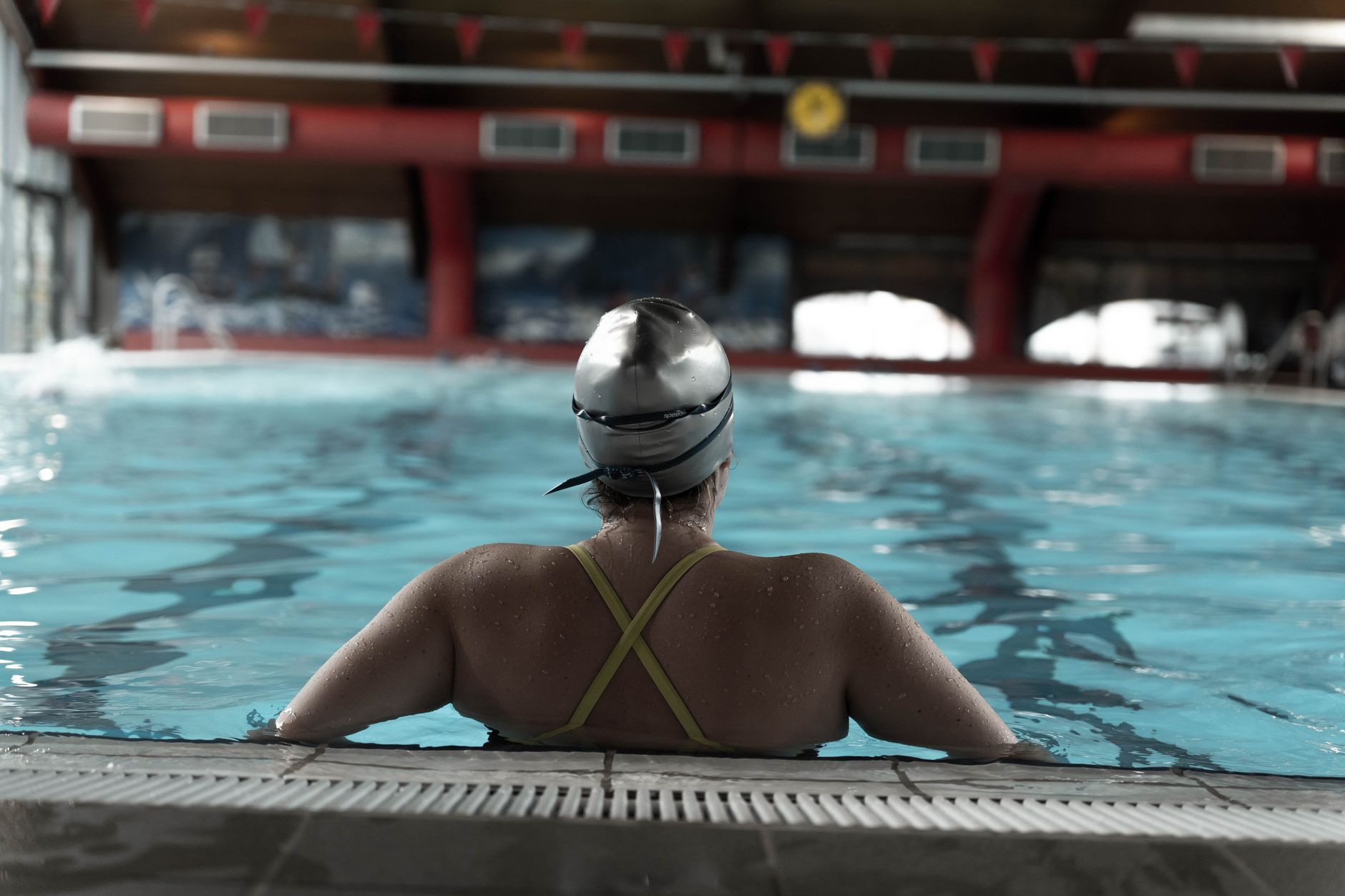
Swimming offers buoyant, temperature‑controlled cardio that’s gentle on joints.
How does first trimester exercise affect morning sickness and energy levels?
Answer: Moderate activity can lessen nausea for many people and boost overall energy by improving circulation and releasing endorphins.
Studies cited by the CDC indicate that women who engage in regular low‑impact cardio report milder morning sickness and fewer “crash” periods in the afternoon. The mechanism appears to involve increased gastrointestinal motility and a reduction in stress hormones.
If nausea is severe, try exercising after a small snack (e.g., a slice of whole‑grain toast with peanut butter) rather than on an empty stomach. Light walking or gentle yoga in the morning can also stimulate appetite and help settle the stomach.
Conversely, overexertion can worsen nausea, so keep intensity modest and stay well‑hydrated. Listening to your body’s signals is the best way to find the sweet spot between feeling energized and feeling queasy.
How often should I exercise during first trimester?
Answer: Aim for at least 150 minutes of moderate‑intensity activity each week, spread across most days.
That breaks down to roughly 30 minutes on five days, or 20‑minutes on seven days if you prefer shorter sessions. Mix cardio, strength, and flexibility work to keep each week balanced.
Consistency matters more than perfection. If you miss a day, simply add a short walk later in the week rather than trying to “make up” with a long, strenuous session.
What are the benefits of first trimester pelvic‑floor exercises?
Answer: Pelvic‑floor training strengthens the muscles that support the uterus, bladder, and bowels, reducing the risk of urinary leakage and preparing you for labor.
Key benefits include:
Improved bladder control, which can be especially helpful as the uterus begins to press on the bladder.
Better core stability, aiding balance during the later stages of pregnancy.
Potentially shorter second‑stage labor and reduced need for instrumental delivery, according to research from the NHS.
A simple routine:
Identify the pelvic floor by stopping urine flow mid‑stream (do this only for identification, not as an exercise).
Contract the muscles for a count of 5 seconds, then relax for 5 seconds.
Repeat 10‑15 times, three times a day.
Increase the hold time gradually up to 10 seconds as strength improves. Combine these squeezes with deep breathing to engage the diaphragm and avoid tension elsewhere.
How does exercise influence first trimester fetal development?
Answer: Moderate, regular activity promotes healthy blood flow and oxygen delivery to the placenta, supporting early fetal growth.
ACOG notes that exercise does not increase the risk of miscarriage when performed at moderate intensity. In fact, improved maternal cardiovascular fitness is linked to better placental function, which can positively affect fetal weight and neurodevelopment.
Physical activity also helps regulate maternal blood sugar, reducing the chance of gestational diabetes—a condition that can affect fetal size and health. By maintaining a healthy weight gain trajectory, you create a favorable environment for the baby’s organs to develop.
Remember, the fetus is protected by amniotic fluid and the uterine wall, so the external forces generated by low‑impact exercise are well within safe limits.
From our medical team: “Exercise in early pregnancy is a powerful tool for managing nausea, mood, and energy. It’s not a one‑size‑fits‑all prescription—listen to your body, stay hydrated, and keep your provider in the loop. If you ever feel unsure, a quick call to your midwife can give you peace of mind and keep both you and your baby thriving.”
Myth vs. fact
Myth: You must stop all exercise once you discover you’re pregnant.
Fact: Light to moderate activity is safe and often recommended during the first trimester, unless your provider tells you otherwise.
Myth: High‑intensity workouts will harm the baby.
Fact: Modified HIIT at a moderate heart rate is generally safe; the real risk comes from overheating, dehydration, or holding breath.
Myth: You can’t lift any weights after 12 weeks.
Fact: Light resistance training (≤5 lb/2 kg) is allowed throughout the first trimester, provided you avoid the Valsalva maneuver.
Key takeaways
Moderate cardio, low‑weight strength, and gentle yoga are safe in the first trimester when you stay hydrated and avoid overheating.
Aim for 150 minutes of activity per week, spread over most days; include a mix of walking, swimming, or cycling.
Listen to your body—stop if you experience bleeding, severe cramping, dizziness, or chest pain.
Pelvic‑floor exercises can reduce urinary leakage and support labor later on.
Light‑to‑moderate exercise may lessen morning sickness and boost energy levels.
Always check with your obstetric provider before starting a new routine, especially if you have a high‑risk pregnancy.
Frequently asked questions
Is it safe to exercise during the first trimester?
Yes—most health organizations, including ACOG and the NHS, say moderate activity is safe for the majority of pregnant people, provided you avoid high‑impact or overheating exercises.
What types of exercise are recommended for early pregnancy?
Walking, stationary cycling, swimming, prenatal yoga, and low‑impact strength training are the top recommendations, as they keep the heart rate moderate and minimize fall risk.
How many minutes should I work out each week in the first trimester?
Target at least 150 minutes of moderate‑intensity cardio per week, plus two short strength sessions and a few minutes of daily pelvic‑floor work.
Can I lift weights during the first trimester?
Light resistance (≤5 lb/2 kg) is fine; focus on higher repetitions, avoid breath‑holding, and skip any exercise that requires you to lie flat on your back after 12 weeks.
Should I avoid high‑intensity workouts in early pregnancy?
Traditional high‑intensity workouts are not recommended, but a modified low‑impact HIIT routine with moderate heart‑rate zones is generally safe.
What are the signs that I’m overexerting while pregnant?
Stop immediately if you notice vaginal bleeding, severe cramping, dizziness, chest pain, shortness of breath that prevents conversation, or a sudden, intense headache.
When to call your doctor
If you experience any of the following, contact your obstetric provider right away: vaginal bleeding, persistent severe abdominal pain, dizziness or fainting, shortness of breath that makes talking difficult, sudden swelling of hands or face, or a temperature above 100.4 °F (38 °C) not linked to a known infection. This article is for informational purposes only and does not replace personalized medical advice.
References
American College of Obstetricians and Gynecologists (ACOG). “Physical Activity and Exercise During Pregnancy and the Postpartum Period.” Practice Bulletin No. 232, 2020.
National Institute for Health and Care Excellence (NICE). “Antenatal Care Guidance.” NG194, 2021.
Centers for Disease Control and Prevention (CDC). “Pregnancy and Physical Activity.” Updated 2022.
Royal College of Obstetricians and Gynaecologists (RCOG). “Exercise in Pregnancy.” 2021 guideline.
World Health Organization (WHO). “Recommendations on Physical Activity for Health.” 2020.
Mayo Clinic. “Exercise during pregnancy: What’s safe?” 2023.
National Health Service (NHS). “Pregnancy and exercise.” 2022.
U.S. Food and Drug Administration (FDA). “Pregnancy and Physical Activity.” 2021.
Not sure about the label on First Trimester Pregnancy Exercise products?
Snap the ingredients list and SafeFilter checks every ingredient for your stage — only 3 free scans this month, then you're locked until reset. Unlimited from $7/mo or $50/yr.
When Shubhra Mishra was expecting her first child in 2016, she was overwhelmed by conflicting food advice — one site said yes, another said never. By the time her second baby arrived in 2019, she realized millions of mothers face the same confusion.
That sparked a five-year journey through clinical nutrition papers, cultural diets, and expert conversations — all leading to BumpBites: a calm, compassionate space where science meets everyday motherhood.
Her long-term vision is to build a global community ensuring safe, supported, and free deliveriesfor every mother — because no woman should face pregnancy alone or uninformed. 🌿
🌍 Stand with mothers, shape safer guidance
Join a small circle of experts who review BumpBites articles so expecting parents everywhere can decide with confidence.