Quick take: The first trimester (weeks 1–12) is a time of rapid change—both exciting and overwhelming. Most of what you’re feeling is normal, but there are a few key dos and don’ts to keep you and your baby safe. Focus on gentle movement, hydration, and nutrient-rich foods, while avoiding alcohol, raw fish, and high-caffeine drinks. If you’re unsure about a symptom, food, or activity, check with your provider—no question is too small.
You just saw those two pink lines. Congratulations! Now what? The first 12 weeks of pregnancy can feel like a whirlwind of fatigue, nausea, and endless Google searches: Is this twinge normal? Can I still have my morning coffee? What if I ate sushi last night? One mom we spoke to described it as "trying to build a human while running on half your usual energy—and half your usual brain cells."
We get it. That’s why we’ve put together this complete guide to first-trimester dos and don’ts—so you can focus on growing your baby without second-guessing every decision. Below, you’ll find clear, science-backed answers to the questions keeping you up at night, from what to eat (and what to skip) to how to manage morning sickness and when to call your doctor.

What foods to avoid in the first trimester of pregnancy?
You’re suddenly hyper-aware of every bite you take. That’s normal—your body is building a baby, and some foods can pose risks like foodborne illness or high mercury levels. Here’s what to skip (and what to enjoy instead).
Many moms tell us the same thing: "I panicked when I realized I’d eaten soft cheese the day before my positive test." Take a breath. Most foods are safe in moderation, but a few carry higher risks during pregnancy. The biggest concerns? Listeria (a bacteria that can cause miscarriage or stillbirth) and mercury (which can affect your baby’s developing nervous system).
Foods to avoid in the first trimester
- Raw or undercooked fish and seafood: Sushi, sashimi, ceviche, oysters, and clams can carry bacteria or parasites. Skip the raw bar for now.
- High-mercury fish: Shark, swordfish, king mackerel, and tilefish have the highest mercury levels. Limit tuna to 1–2 servings of canned light tuna per week (or skip it entirely if you’re unsure).
- Raw or undercooked meat and poultry: This includes rare steak, tartare, carpaccio, and undercooked chicken. Cook meat to at least 145°F (63°C) for whole cuts and 165°F (74°C) for ground meat.
- Deli meats and hot dogs: Unless they’re heated until steaming hot, these can carry listeria. If you’re craving a sandwich, warm it up first.
- Unpasteurized dairy and soft cheeses: Brie, camembert, feta, queso fresco, and blue cheese are often unpasteurized. Check the label—if it says "pasteurized," it’s safe. Hard cheeses like cheddar and parmesan are usually fine.
- Raw eggs: Avoid homemade Caesar dressing, cookie dough, and sunny-side-up eggs. Cook eggs until the yolks are firm.
- Unwashed fruits and vegetables: Rinse all produce thoroughly to remove dirt and bacteria. Skip pre-cut fruits and veggies unless they’re labeled "ready-to-eat."
- Raw sprouts: Alfalfa, clover, and radish sprouts can carry salmonella. Cook them thoroughly if you’re craving them.
- Excessive liver or liver products: Liver is high in vitamin A, which can be harmful in large amounts. Limit liver to once a week or skip it entirely.
Foods to enjoy (and why they’re great for you)
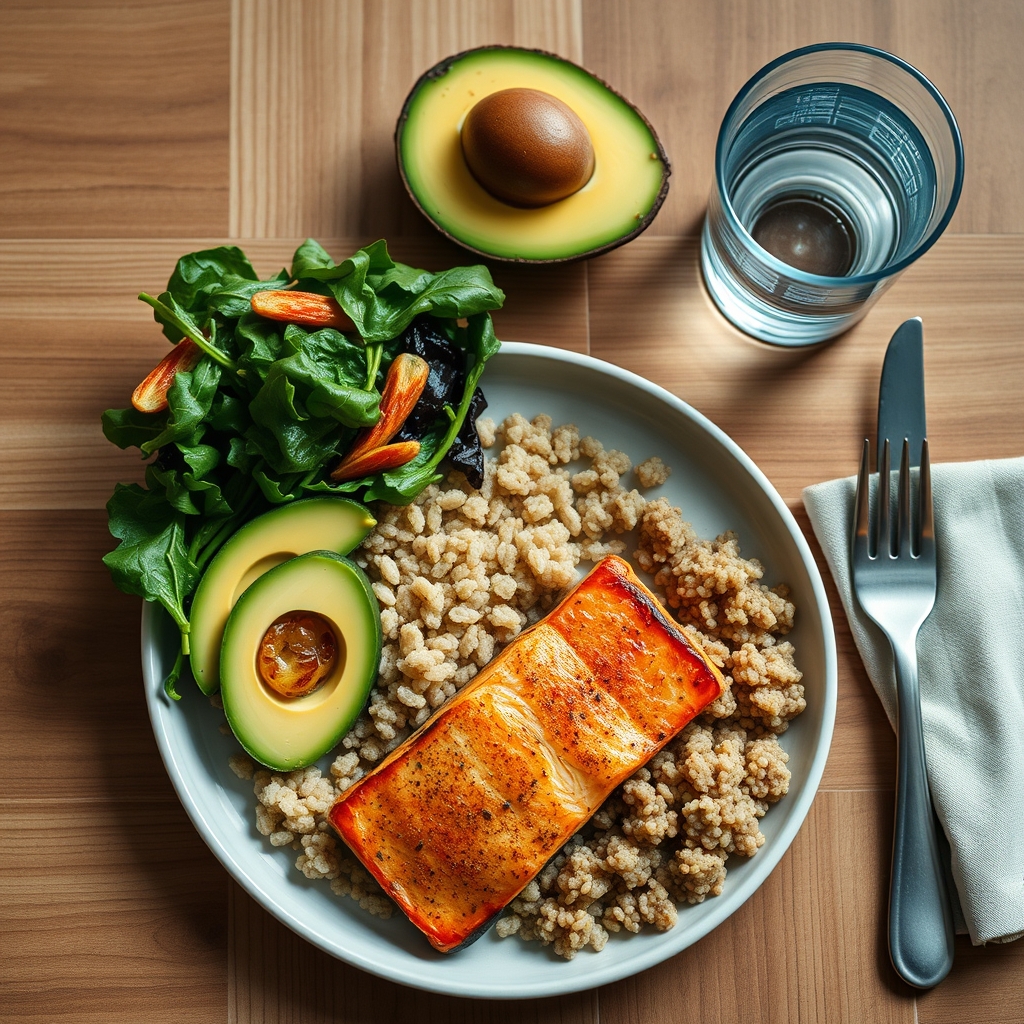
- Folate-rich foods: Spinach, lentils, avocado, and fortified cereals help prevent neural tube defects. Aim for 600 mcg of folate daily (from food + supplements).
- Iron-rich foods: Lean red meat, poultry, beans, and fortified grains help prevent anemia. Pair them with vitamin C (like orange juice or bell peppers) to boost absorption.
- Calcium-rich foods: Greek yogurt, milk, cheese, and leafy greens support your baby’s bone development. Aim for 1,000 mg daily.
- Fiber-rich foods: Whole grains, fruits, and vegetables help prevent constipation (a common first-trimester complaint).
- Healthy fats: Avocados, nuts, seeds, and fatty fish (like salmon) support your baby’s brain development. Salmon is low in mercury and high in omega-3s—just limit it to 2–3 servings per week.
One reader shared: "I lived on peanut butter toast and bananas for the first six weeks. It was the only thing that stayed down—and it turns out, it’s packed with nutrients!" If you’re struggling with nausea, focus on bland, easy-to-digest foods like crackers, rice, and applesauce. Your appetite will return soon.
Safe exercises during the first trimester for pregnant women
Many moms assume they need to stop exercising once they’re pregnant, but the opposite is true. The American College of Obstetricians and Gynecologists (ACOG) recommends at least 150 minutes of moderate-intensity exercise per week during pregnancy—unless your provider tells you otherwise. Exercise can help reduce back pain, improve sleep, and lower your risk of gestational diabetes.
Safe exercises for the first trimester
- Walking: It’s free, easy, and safe. Aim for 30 minutes a day, even if it’s just a stroll around the block. One mom told us: "Walking was the only thing that helped my nausea. I’d drag myself out the door, and 10 minutes in, I’d feel better."
- Prenatal yoga: Gentle yoga can help with flexibility, relaxation, and pelvic floor strength. Look for classes labeled "prenatal" or "gentle." Avoid hot yoga (overheating isn’t safe for your baby).
- Swimming: The water supports your joints and can relieve swelling. It’s also a great way to cool off if you’re feeling overheated.
- Stationary biking: Cycling indoors is low-impact and safe, but skip outdoor biking (the risk of falling isn’t worth it).
- Low-impact aerobics: Classes designed for pregnancy can help you stay fit without jarring your body. Look for "prenatal" or "low-impact" options.
- Strength training: Light weights or resistance bands can help maintain muscle tone. Focus on high-rep, low-weight exercises, and avoid holding your breath or straining.
Exercises to avoid in the first trimester
- Contact sports: Soccer, basketball, and hockey carry a risk of abdominal trauma. Skip them for now.
- Activities with a high risk of falling: Skiing, horseback riding, and gymnastics aren’t safe during pregnancy.
- Hot yoga or hot Pilates: Overheating can be dangerous for your baby. Stick to classes at a normal temperature.
- Scuba diving: The pressure changes can harm your baby. Save this for after delivery.
- Exercises lying flat on your back: After the first trimester, this can compress a major blood vessel (the vena cava), reducing blood flow to your baby. For now, modify exercises like crunches by propping yourself up with a pillow.
- High-intensity interval training (HIIT): While some women can safely do HIIT in the first trimester, it’s best to check with your provider first. If you do HIIT, keep your heart rate below 140 bpm and avoid jumping or jarring movements.
One important note: If you weren’t active before pregnancy, now isn’t the time to start a vigorous routine. Stick to gentle activities like walking or swimming, and always check with your provider before starting anything new.
When to stop exercising
Stop exercising and call your provider if you experience any of the following:
- Vaginal bleeding or fluid leakage
- Dizziness or faintness
- Chest pain or shortness of breath
- Headache
- Muscle weakness
- Calf pain or swelling
- Regular, painful contractions
First trimester pregnancy symptoms: what's normal and what's not?
Your body is working overtime, and it’s showing. Some symptoms are annoying but harmless, while others warrant a call to your provider. Here’s how to tell the difference.
Many moms describe the first trimester as a rollercoaster of symptoms—some exciting (hello, sore boobs!), some exhausting (why am I so tired?), and some downright confusing (is this cramping normal?). The good news? Most of what you’re feeling is a sign that your body is doing its job. But a few symptoms need medical attention.
Normal first-trimester symptoms
- Fatigue: Your body is building the placenta, and your hormones are surging. It’s normal to feel like you could nap all day. One reader said: "I fell asleep on the couch at 7 p.m. every night for a month. My husband thought I was sick!"
- Nausea (with or without vomiting): Often called "morning sickness," it can strike at any time of day. It’s usually worst between weeks 6 and 9 and improves by week 14. Ginger, small meals, and vitamin B6 can help.
- Breast tenderness: Your breasts may feel sore, swollen, or tingly as they prepare for breastfeeding. A supportive bra can help.
- Frequent urination: Your growing uterus is pressing on your bladder. It’s annoying, but it’s a sign everything is progressing normally.
- Food aversions and cravings: Suddenly hate coffee? Craving pickles and ice cream? Blame your hormones. As long as you’re eating a balanced diet overall, it’s fine to indulge (within reason).
- Mild cramping: Light cramping or twinges are normal as your uterus expands. It’s usually nothing to worry about unless it’s severe or accompanied by bleeding.
- Mood swings: One minute you’re crying over a commercial, the next you’re laughing at a meme. Hormones are to blame—be kind to yourself.
- Constipation: Progesterone slows down your digestion. Drink plenty of water, eat fiber-rich foods, and stay active to keep things moving.
- Heightened sense of smell: Suddenly, your partner’s cologne smells like a chemical factory. This is normal (and temporary).
- Light spotting: A little spotting (light pink or brown discharge) can be normal after sex or a pelvic exam. But if it’s heavy or accompanied by cramping, call your provider.
Symptoms that warrant a call to your provider
Some symptoms can signal a problem like miscarriage, ectopic pregnancy, or infection. Call your provider immediately if you experience any of the following:
- Heavy bleeding: Like a period or heavier, especially if it’s bright red and accompanied by clots or tissue.
- Severe abdominal pain: Especially if it’s on one side (this could signal an ectopic pregnancy).
- Severe dizziness or fainting: This could indicate low blood pressure or anemia.
- Fever over 100.4°F (38°C): A high fever can be dangerous for your baby.
- Severe vomiting: If you can’t keep any food or liquids down for 24 hours, you may have hyperemesis gravidarum (a severe form of morning sickness).
- Painful urination: This could signal a urinary tract infection (UTI), which needs treatment.
- Sudden swelling in your hands or face: This could be a sign of preeclampsia (high blood pressure during pregnancy), which is rare in the first trimester but still possible.
- Vision changes: Blurred vision, flashing lights, or spots could also signal preeclampsia.
One mom shared: "I ignored my cramping for two days because I thought it was normal. Turns out, I had an ectopic pregnancy. Now I tell every pregnant friend: When in doubt, call your provider." Trust your instincts—if something feels off, get it checked.
How much caffeine is safe in the first trimester?
You’re exhausted, but you’re also worried about that cup of coffee. How much caffeine is actually safe during pregnancy? Here’s what the experts say.
Many moms cut out caffeine entirely during pregnancy, but you don’t have to go cold turkey. The American College of Obstetricians and Gynecologists (ACOG) and the March of Dimes agree that up to 200 mg of caffeine per day is safe during pregnancy. That’s about one 12-ounce cup of coffee. But caffeine isn’t just in coffee—it’s also in tea, soda, chocolate, and energy drinks. Here’s how to keep track.
Caffeine content in common drinks and foods
| Drink/Food | Serving Size | Caffeine (mg) |
|---|---|---|
| Brewed coffee | 8 oz (240 mL) | 95–200 mg |
| Espresso | 1 oz (30 mL) | 63 mg |
| Instant coffee | 8 oz (240 mL) | 63 mg |
| Decaf coffee | 8 oz (240 mL) | 2–5 mg |
| Black tea | 8 oz (240 mL) | 40–70 mg |
| Green tea | 8 oz (240 mL) | 20–45 mg |
| Soda (cola) | 12 oz (355 mL) | 30–40 mg |
| Energy drinks | 8 oz (240 mL) | 80–150 mg |
| Dark chocolate | 1 oz (28 g) | 12–25 mg |
| Milk chocolate | 1 oz (28 g) | 5–10 mg |
Tips for cutting back on caffeine
If you’re used to multiple cups of coffee a day, cutting back can cause headaches and fatigue. Here’s how to ease the transition:
- Switch to half-caf: Mix regular and decaf coffee to gradually reduce your intake.
- Try herbal tea: Peppermint, ginger, and rooibos tea are caffeine-free and can help with nausea.
- Stay hydrated: Sometimes, fatigue is a sign of dehydration. Drink plenty of water throughout the day.
- Get enough sleep: Easier said than done, but prioritize rest. Go to bed earlier if you can.
- Eat small, frequent meals: Low blood sugar can make fatigue worse. Keep snacks like nuts, fruit, or yogurt on hand.
- Move your body: A short walk can boost your energy more effectively than caffeine.
One reader shared: "I was a three-cups-a-day person before pregnancy. I switched to half-caf and added a morning walk, and within a week, I didn’t even miss the extra caffeine."
Is decaf coffee safe?
Yes! Decaf coffee is safe during pregnancy, but keep in mind that it’s not completely caffeine-free. An 8-ounce cup of decaf coffee typically contains 2–5 mg of caffeine. If you’re sensitive to caffeine, opt for Swiss Water Process decaf, which uses a chemical-free method to remove caffeine.
What about energy drinks?
Energy drinks are a no-go during pregnancy. They’re high in caffeine (often 80–150 mg per 8 ounces) and may contain other stimulants like guarana, which also contains caffeine. They’re also loaded with sugar, which can contribute to excessive weight gain. Stick to water, herbal tea, or decaf coffee instead.
Can you travel during the first trimester? Safety tips and precautions
You’ve got a babymoon planned or a work trip coming up. Is it safe to travel during the first trimester? For most women, the answer is yes—but there are a few things to consider before you book that flight or hit the road.
Many moms assume the first trimester is the safest time to travel, but it’s also when you’re most likely to experience nausea, fatigue, and unpredictable symptoms. The American College of Obstetricians and Gynecologists (ACOG) says travel is generally safe up to 36 weeks for low-risk pregnancies, but the first trimester comes with its own set of challenges. Here’s what to keep in mind.
Is it safe to fly during the first trimester?
Yes, flying is safe during the first trimester for most women. However, there are a few risks to be aware of:
- Blood clots: Pregnancy increases your risk of deep vein thrombosis (DVT), a type of blood clot. Sitting for long periods (like on a plane) can make this risk worse. To lower your risk, walk around the cabin every hour, stay hydrated, and wear compression socks.
- Radiation exposure: Flying exposes you to slightly higher levels of cosmic radiation, but the risk is minimal for occasional flyers. If you’re a frequent flyer (like a flight attendant or pilot), talk to your provider about your specific situation.
- Low cabin pressure: The air pressure in the cabin is lower than on the ground, which can cause mild swelling in your hands and feet. It’s not dangerous, but it can be uncomfortable.
Most airlines allow pregnant women to fly up to 36 weeks, but some may require a note from your provider after 28 weeks. Check your airline’s policy before you book.
Is it safe to drive during the first trimester?
Yes, driving is safe during the first trimester, but fatigue and nausea can make it more challenging. Here are a few tips to stay safe:
- Take frequent breaks: Stop every hour or two to stretch your legs and use the bathroom.
- Stay hydrated: Keep a water bottle in the car, but don’t overdo it—you’ll need frequent bathroom stops!
- Wear your seatbelt: Position the lap belt under your belly and the shoulder belt between your breasts. Never place the lap belt across your belly.
- Avoid long road trips alone: If you’re feeling nauseous or fatigued, it’s safer to have someone else drive.
Travel safety tips for the first trimester
- Check with your provider: If you have a high-risk pregnancy (e.g., history of miscarriage, twins, or chronic health conditions), your provider may advise against travel.
- Pack snacks: Nausea can strike at any time. Pack bland snacks like crackers, pretzels, or ginger chews to keep your stomach settled.
- Stay hydrated: Dehydration can worsen nausea and fatigue. Carry a water bottle and sip throughout the day.
- Wear comfortable clothes: Loose, breathable fabrics can help you stay comfortable during long flights or car rides.
- Bring your prenatal vitamins: Don’t forget to pack your vitamins and any other medications you’re taking.
- Know where the nearest hospital is: If you’re traveling internationally, research hospitals or clinics at your destination in case of an emergency.
- Get travel insurance: Make sure your policy covers pregnancy-related complications.
- Avoid high-risk activities: Skip activities like scuba diving, skiing, or horseback riding, which carry a risk of injury.
- Listen to your body: If you’re feeling exhausted or nauseous, take a break. It’s okay to cancel plans if you’re not up for them.
One mom shared: "I traveled to Europe at 8 weeks pregnant and had the worst nausea of my life on the flight. I spent half the trip in the bathroom! Now I tell everyone: If you’re going to travel, do it early in the second trimester when nausea has usually improved."
Destinations to avoid during pregnancy
Some destinations carry higher risks during pregnancy, either because of disease, lack of medical care, or high altitudes. Avoid:
- Countries with Zika virus: Zika can cause birth defects. Check the CDC’s Zika travel information before booking a trip to tropical or subtropical regions.
- High-altitude destinations: Altitudes above 8,000 feet (2,400 meters) can reduce oxygen levels, which isn’t ideal for your baby. If you must travel to a high-altitude destination, take it slow and stay hydrated.
- Areas with poor medical care: If you’re traveling to a remote or developing country, make sure you have access to quality medical care in case of an emergency.
- Cruises: Norovirus (a stomach bug) is common on cruise ships, and pregnancy can make you more susceptible to dehydration if you get sick. If you do go on a cruise, choose a short trip and practice good hand hygiene.
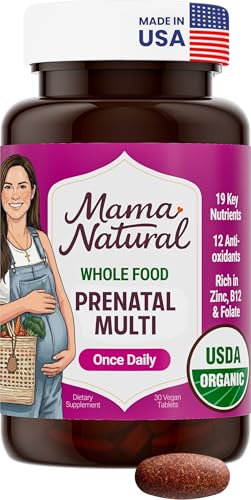
First trimester prenatal vitamins: which ones are essential?
You’ve probably heard that prenatal vitamins are a must during pregnancy, but with so many options on the market, how do you choose? Here’s what you need to know about the essential nutrients—and which ones to look for in a prenatal vitamin.
Prenatal vitamins aren’t a substitute for a healthy diet, but they can help fill in the gaps. The American College of Obstetricians and Gynecologists (ACOG) recommends that all pregnant women take a prenatal vitamin containing folic acid, iron, and other key nutrients. But not all prenatals are created equal. Here’s what to look for (and what to avoid).
Essential nutrients in prenatal vitamins
- Folic acid (or folate): This B vitamin helps prevent neural tube defects (like spina bifida) in your baby. The CDC recommends 400–800 mcg of folic acid daily for all women of childbearing age. If you have a history of neural tube defects, your provider may recommend a higher dose (4 mg).
- Iron: Iron supports your baby’s growth and helps prevent anemia (a common issue during pregnancy). Most prenatal vitamins contain 27 mg of iron, which is the recommended daily amount for pregnant women. If you’re vegetarian or vegan, you may need extra iron—talk to your provider.
- Calcium: Calcium supports your baby’s bone development. Most prenatal vitamins contain 200–300 mg of calcium, but you’ll need more from your diet (aim for 1,000 mg daily). If you’re lactose intolerant, look for a prenatal with added calcium or take a separate calcium supplement.
- Vitamin D: Vitamin D helps your body absorb calcium and supports your baby’s bone and teeth development. Most prenatal vitamins contain 400–600 IU of vitamin D, but some women need more—especially if they have limited sun exposure. Ask your provider if you should get your vitamin D levels tested.
- DHA (docosahexaenoic acid): DHA is an omega-3 fatty acid that supports your baby’s brain and eye development. Some prenatal vitamins contain DHA, but many don’t. If yours doesn’t, you can take a separate DHA supplement (200–300 mg daily) or eat fatty fish like salmon (2–3 servings per week).
- Iodine: Iodine supports your baby’s brain development. The American Thyroid Association recommends 150 mcg of iodine daily during pregnancy. Many prenatal vitamins don’t contain iodine, so check the label or ask your provider if you need a separate supplement.
- Choline: Choline is another nutrient that supports your baby’s brain development. Many prenatal vitamins don’t contain choline, but you can get it from foods like eggs, lean meat, and soybeans. Aim for 450 mg daily.
How to choose a prenatal vitamin
With so many options, how do you pick the right one? Here’s what to look for:
- Look for the USP seal: The U.S. Pharmacopeia (USP) seal means the vitamin has been tested for quality and purity.
- Check the label: Make sure the vitamin contains at least 400–800 mcg of folic acid, 27 mg of iron, and 200–300 mg of calcium. If it doesn’t, you may need to take additional supplements.
- Consider the form: Prenatal vitamins come in pills, gummies, and liquids. Pills are the most common, but if you have trouble swallowing them, gummies or liquids may be a better option. Just keep in mind that gummies often don’t contain iron.
- Think about your diet: If you’re vegetarian or vegan, look for a prenatal vitamin that contains vitamin B12 and iron. If you’re lactose intolerant, look for one with added calcium.
- Talk to your provider: If you have a health condition (like anemia or a history of neural tube defects), your provider may recommend a specific prenatal vitamin or additional supplements.
When to start taking prenatal vitamins
Ideally, you should start taking prenatal vitamins before you conceive. The neural tube (which becomes your baby’s brain and spinal cord) forms in the first month of pregnancy, often before you even know you’re pregnant. If you’re not already taking a prenatal vitamin, start as soon as you find out you’re pregnant.
What if prenatal vitamins make you nauseous?
Many women struggle with nausea when taking prenatal vitamins, especially in the first trimester. Here are a few tips to make them easier to stomach:
- Take them with food: Taking your vitamin with a meal can help reduce nausea.
- Take them at night: If you’re nauseous in the morning, try taking your vitamin before bed.
- Try a different form: If pills make you nauseous, try a gummy or liquid vitamin.
- Split the dose: If your vitamin is large, ask your provider if you can split it into two doses (morning and night).
- Try a different brand: Some women find that certain brands are easier to tolerate than others. Ask your provider for recommendations.
One mom shared: "I couldn’t keep my prenatal vitamin down for weeks. My provider recommended a gummy vitamin, and it made all the difference. I still took it with food, but at least I wasn’t running to the bathroom every morning!"
Can you take too many prenatal vitamins?
Yes. Taking too many prenatal vitamins can lead to vitamin toxicity, especially with fat-soluble vitamins like vitamin A. Stick to the recommended dose, and don’t take additional supplements unless your provider advises it.
What medications are safe to take in the first trimester?
You’ve got a headache, a stuffy nose, or a stomach bug. What can you safely take during pregnancy? Here’s a guide to common medications—and which ones to avoid.
Many moms assume that all over-the-counter medications are off-limits during pregnancy, but that’s not the case. Some medications are safe in moderation, while others should be avoided entirely. The key is to check with your provider before taking anything—even if it’s "natural" or "herbal."
Safe medications for common ailments
Here’s a list of medications that are generally considered safe during the first trimester, along with the conditions they treat. Always check with your provider before taking any medication, even if it’s listed here.
| Ailment | Safe Medication | Dosage | Notes |
|---|---|---|---|
| Headache | Acetaminophen (Tylenol) | 325–650 mg every 4–6 hours (max 3,000 mg/day) | Avoid ibuprofen (Advil, Motrin) and aspirin, which can increase the risk of miscarriage and birth defects. |
| Nausea | Vitamin B6 (pyridoxine) |