

Quick take: First Mother’s Day without a mother can feel like a double-edged holiday—full of love for the moms in your life, but also a quiet ache for the one you lost. The key is to honor your grief, create your own traditions, and lean on community. This year, focus on what feels meaningful to you: lighting a candle for your mother, donating to a cause she cared about, or simply giving yourself permission to feel whatever comes up. You’re not alone in this.First Mother’s Day Without a Mother: A Modern Mom’s Honest Guide

It’s 9:30 a.m. on Mother’s Day. Your phone buzzes with a text from your best friend: “Happy Mother’s Day! Hope you have a great day with your little one!” You smile, but your chest tightens. The last time you celebrated Mother’s Day with your mother was when you were 12. Now, you’re a mother yourself—holding your own baby, rocking your own child to sleep—but the holiday still feels like a gaping hole. You scroll through Instagram, watching videos of mothers laughing with their kids, and suddenly, the ache is sharper. You don’t know how to celebrate without her.
You’re not alone. Mother’s Day can be one of the hardest holidays for women who’ve lost their mothers—whether through death, divorce, estrangement, or simply the passage of time. For first-time mothers, the grief can feel magnified because the holiday is also about your own journey into motherhood. The pressure to feel joy, to perform gratitude, can leave you feeling exhausted and overwhelmed. But here’s the truth: there’s no “right” way to celebrate—or not celebrate—Mother’s Day when you’re motherless.
This guide is for you. We’ll walk through how to navigate the emotional landscape of your first Mother’s Day without a mother, how to create traditions that feel meaningful (and not forced), where to find support when you need it, and how to honor the love you still carry for the mother you’ve lost. You’ll find practical tips, real stories from other motherless moms, and ways to turn this holiday into a moment of reflection, resilience, and even unexpected connection.
Whether you’re grieving, curious, or just looking for a way to make the day feel a little lighter, this is your space to breathe. Let’s start by acknowledging the elephant in the room: Mother’s Day can hurt.
--- ## How to Celebrate First Mother’s Day Without a Mother
The first step is to recognize that there’s no “one-size-fits-all” way to celebrate—or not celebrate—Mother’s Day when you’re motherless. Some days, you might want to honor your mother’s memory quietly. Other days, you might choose to focus on the mothers who are present in your life—whether that’s your partner, a close friend, or even a beloved aunt. The goal isn’t to find the “perfect” way to celebrate, but to create a day that feels authentic to *you*.
Start by asking yourself: What would feel comforting? What would feel meaningful? Some motherless moms find solace in small rituals, like lighting a candle or writing a letter to their mother. Others prefer to shift their focus entirely to their own children, creating new traditions that fill the space left by loss. And for many, the day is a mix of both—acknowledging the grief while also celebrating the love that surrounds them.
Here are a few ways to approach the day, depending on what feels right:
- Honor her memory: Visit her favorite place, cook her favorite meal, or listen to her favorite song. These small acts can feel like a quiet conversation with her.
- Create new traditions: Spend the day doing something you love—whether it’s a solo adventure, a movie marathon, or a picnic in the park. Think of it as a chance to redefine what Mother’s Day means to you.
- Focus on the present: If the day feels too heavy, lean into the love you have now. Spend time with the people who make your life brighter—your partner, your children, your friends.
- Do nothing: And if all you want to do is stay in bed with your favorite blanket and a cup of tea? That’s okay too. There’s no pressure to perform.
Remember, there’s no “wrong” way to feel. Some days, you might feel grateful. Other days, you might feel sad. And that’s all part of the journey. The key is to be gentle with yourself.
If you’re feeling overwhelmed by the idea of planning anything at all, start small. Even a single act of self-care—like taking a long bath or going for a walk—can make the day feel a little more manageable. And if you’re curious about how other motherless moms navigate this holiday, keep reading. Their stories might just resonate with you.
--- ## First Mother’s Day Tips for Motherless Moms: Navigating Grief and Joy
Grief doesn’t take a holiday. And Mother’s Day, with its focus on maternal love, can sometimes feel like a magnifying glass for the ache of what’s missing. But here’s the thing: grief isn’t a sign that you’re failing as a mother. It’s a sign that you’re human—and that you love deeply. The fact that you’re feeling this way means you’re experiencing the full spectrum of emotions that come with love, loss, and the journey of motherhood.
One of the most common struggles for motherless moms is the pressure to “get over it” or to pretend everything is okay. But grief isn’t linear. Some days, it might feel like a dull background noise. Other days, it could hit you like a wave, especially when you’re reminded of your mother—whether it’s through a holiday, a song, or a memory. And that’s okay.
Here are a few tips to help you navigate the emotional rollercoaster of Mother’s Day:
- Allow yourself to feel it: Whether you’re sad, angry, relieved, or grateful, give yourself permission to experience whatever comes up. Suppressing emotions can make them harder to process in the long run.
- Talk about it: If you’re comfortable, share your feelings with someone you trust—a friend, partner, or even a therapist. Sometimes, just saying the words out loud can make them feel less heavy.
- Create a safe space for memories: If your mother passed away, consider setting up a small altar or memory box with photos, letters, or objects that remind you of her. This can be a place to visit when you need comfort.
- Distract yourself gently: If the day feels too overwhelming, distract yourself with something that brings you joy—whether it’s a favorite hobby, a new book, or a fun activity with your kids. But make sure it’s something that doesn’t feel like avoidance.
- Practice self-compassion: Be kind to yourself. Motherhood is hard enough without adding the weight of grief. Treat yourself like you would a dear friend—with patience, understanding, and a lot of tea.
If you’re feeling stuck, remember that grief isn’t a race. It’s a journey, and there’s no timeline for how you should feel. Some days, you might feel like you’re making progress. Other days, you might feel like you’re back at square one. Both are okay.
And if you’re curious about how other women navigate this, you’re not alone. Many motherless moms find comfort in knowing they’re not the only ones feeling this way. For more insights, check out our article on how to navigate the pain of raising kids without your mom. It’s a reminder that you’re part of a community, even if it feels invisible sometimes.
--- ## Dealing with Grief on First Mother’s Day: Coping Strategies That Work
Grief can feel like an invisible weight, especially on holidays like Mother’s Day. But there are ways to cope that can help you honor your feelings while also making space for joy. The goal isn’t to “fix” your grief, but to find moments of comfort and connection—even if they’re small.
One of the most powerful coping strategies is to create a ritual that feels meaningful to you. Rituals give grief a structure, a way to acknowledge what you’re feeling without letting it consume you. For example:
- Write a letter: Write a letter to your mother, expressing your feelings—whether it’s gratitude, sadness, or even anger. You don’t have to send it. Just writing it can be therapeutic.
- Plant something in her honor: If you have a garden or even a small pot, plant a flower or tree in memory of her. Watching it grow can be a beautiful way to honor her life.
- Donate to a cause she cared about: If your mother was passionate about a particular charity or issue, consider donating in her name. This can feel like a way to keep her spirit alive.
- Create a playlist: Make a playlist of songs that remind you of her—whether it’s her favorite artist or a song from a time you shared. Listen to it on Mother’s Day as a way to connect.
- Light a candle: Light a candle in her memory, either at home or at a place that was meaningful to her. The flicker of the flame can be a quiet reminder of her presence.
Another important strategy is to practice self-care in a way that feels nourishing. This might look like:
- Taking a long bath with Epsom salts and a good book.
- Going for a walk in nature, even if it’s just around your neighborhood.
- Treating yourself to a favorite meal or dessert—something that brings you comfort.
- Spending time with a pet or a plant, if you have one. Their unconditional love can be a balm for the soul.
If you’re feeling overwhelmed, remember that it’s okay to take things one step at a time. Some days, just getting through the day without crying might feel like a win. Other days, you might feel ready to dive into a new tradition. Both are valid.
And if you’re feeling isolated, know that you’re not. Many women feel this way, especially on holidays that feel like they’re missing a piece. For more on how to navigate the emotional side of motherhood, check out our article on realistic first-time mom fears. It’s a reminder that you’re not alone in feeling uncertain or overwhelmed.
--- ## First Mother’s Day Traditions for Motherless Moms: Creating Your Own Legacy
One of the hardest parts of Mother’s Day when you’re motherless is the sense that you’re missing out on a tradition. But traditions don’t have to be handed down—they can be created. In fact, some of the most meaningful traditions come from the heart, not from family history.
Creating your own traditions can be a powerful way to honor your mother while also celebrating the life you’ve built. Here are a few ideas to get you started:
- Start a new family tradition: If you have children, consider creating a new Mother’s Day tradition with them—like baking cookies together, going on a picnic, or watching a favorite movie. This can be a way to fill the space left by your mother’s absence with something new and beautiful.
- Visit a meaningful place: If there’s a place that was special to your mother—whether it’s a park, a beach, or a city—consider visiting it on Mother’s Day. Bring your children with you, if you’re comfortable, and share stories about her.
- Create a memory jar: Write down small moments or things you’re grateful for throughout the year, then pull them out on Mother’s Day to read aloud. This can be a beautiful way to celebrate the love and joy in your life.
- Plant a tree or garden: If you have a green thumb, consider planting a tree or a garden in memory of your mother. Watching it grow can be a tangible reminder of her love and the life she helped create.
- Host a “mother” brunch: If you have friends or family who are mothers, invite them over for brunch. Celebrate the love and support they bring to your lives, and use the day as a reminder of the mothers you have—even if they’re not your biological mother.
Traditions don’t have to be grand. They can be as simple as lighting a candle, making her favorite meal, or taking a walk in her memory. The important thing is that they feel meaningful to you.
If you’re feeling inspired but not sure where to start, remember that even small acts can make a big difference. And if you’re curious about how other moms create their own traditions, check out our article on the Almond Mom trend. It’s a reminder that motherhood is full of creativity—and that you can make it your own.
--- ## First Mother’s Day Gift Ideas for Motherless Moms: Honoring Love in New Ways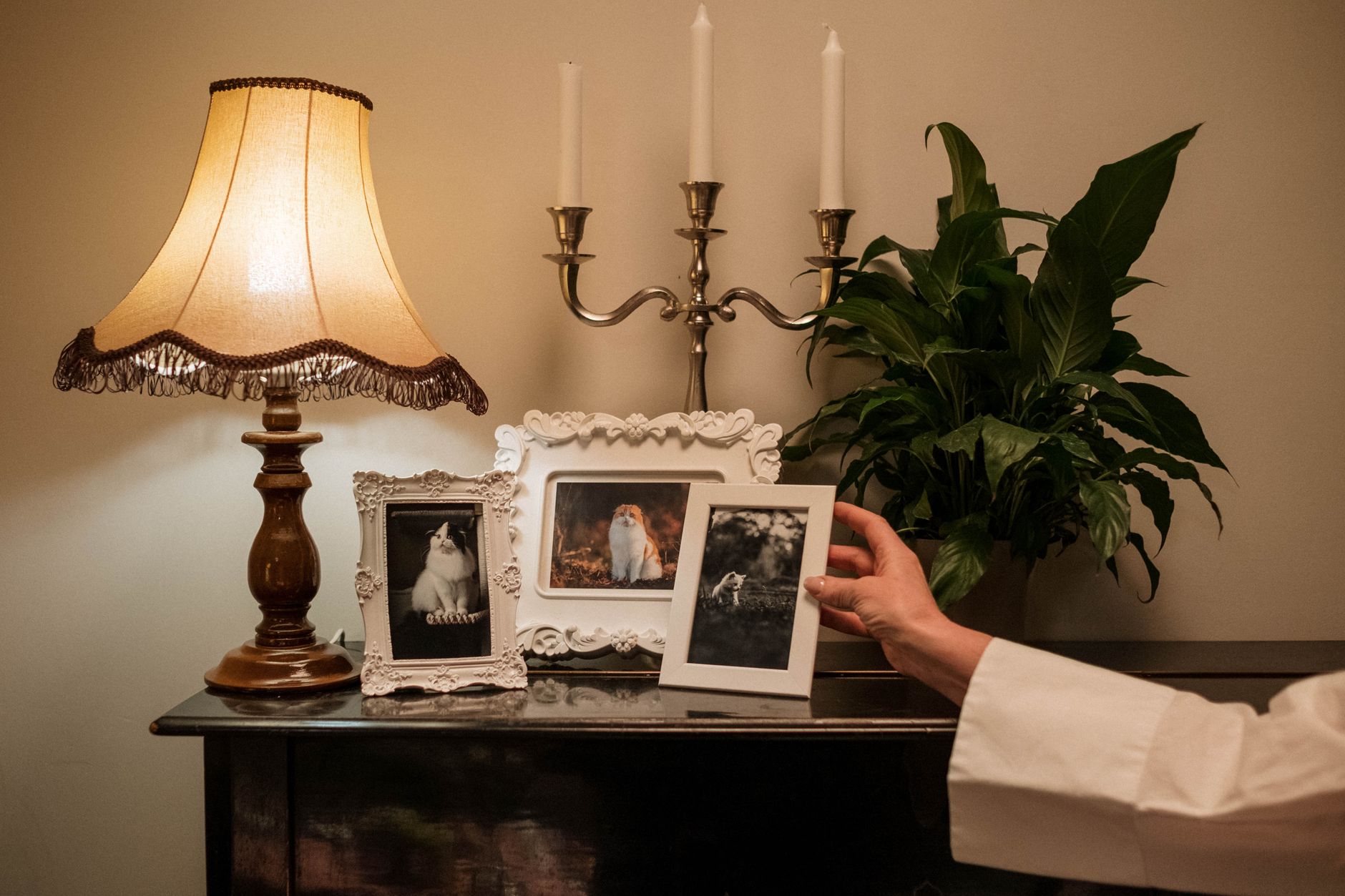
Gift-giving on Mother’s Day can feel tricky when you’re motherless. On one hand, you might want to honor your mother’s memory. On the other, you might feel guilty for “replacing” her with a gift. But here’s the truth: gifts can be a beautiful way to celebrate the love you have—whether it’s for your mother, your children, or yourself.
The key is to choose gifts that feel meaningful, not just because they’re “expected,” but because they resonate with you. Here are a few ideas:
- Donate in her name: If your mother was passionate about a cause—whether it’s education, animal welfare, or healthcare—consider donating to an organization she cared about. This can feel like a way to keep her spirit alive.
- Create a memory book or scrapbook: Gather photos, letters, and mementos from your mother’s life and create a book or scrapbook. This can be a beautiful way to honor her memory while also creating something you can look back on for years to come.
- Buy something for yourself: Mother’s Day is also a great excuse to treat yourself. Whether it’s a new book, a cozy blanket, or a spa day, giving yourself a gift can be a powerful act of self-care.
- Give to your children: If you have kids, consider giving them a gift that honors your mother’s memory—like a stuffed animal she loved, a book she read to them, or a handmade craft you created together.
- Plant something special: If you have a garden or even a small pot, plant a flower or tree in her honor. You could even label it with her name or a special date.
If you’re feeling unsure about what to give, remember that the most meaningful gifts are often the ones that come from the heart. Whether it’s a simple gesture or a more elaborate idea, the important thing is that it feels right to you.
And if you’re curious about how to navigate the emotional side of gift-giving, check out our article on introducing baby’s first foods—it’s a reminder that sometimes the most meaningful gifts are the ones that come from love and intention.
--- ## First Mother’s Day Support Groups for Motherless Moms: Finding Community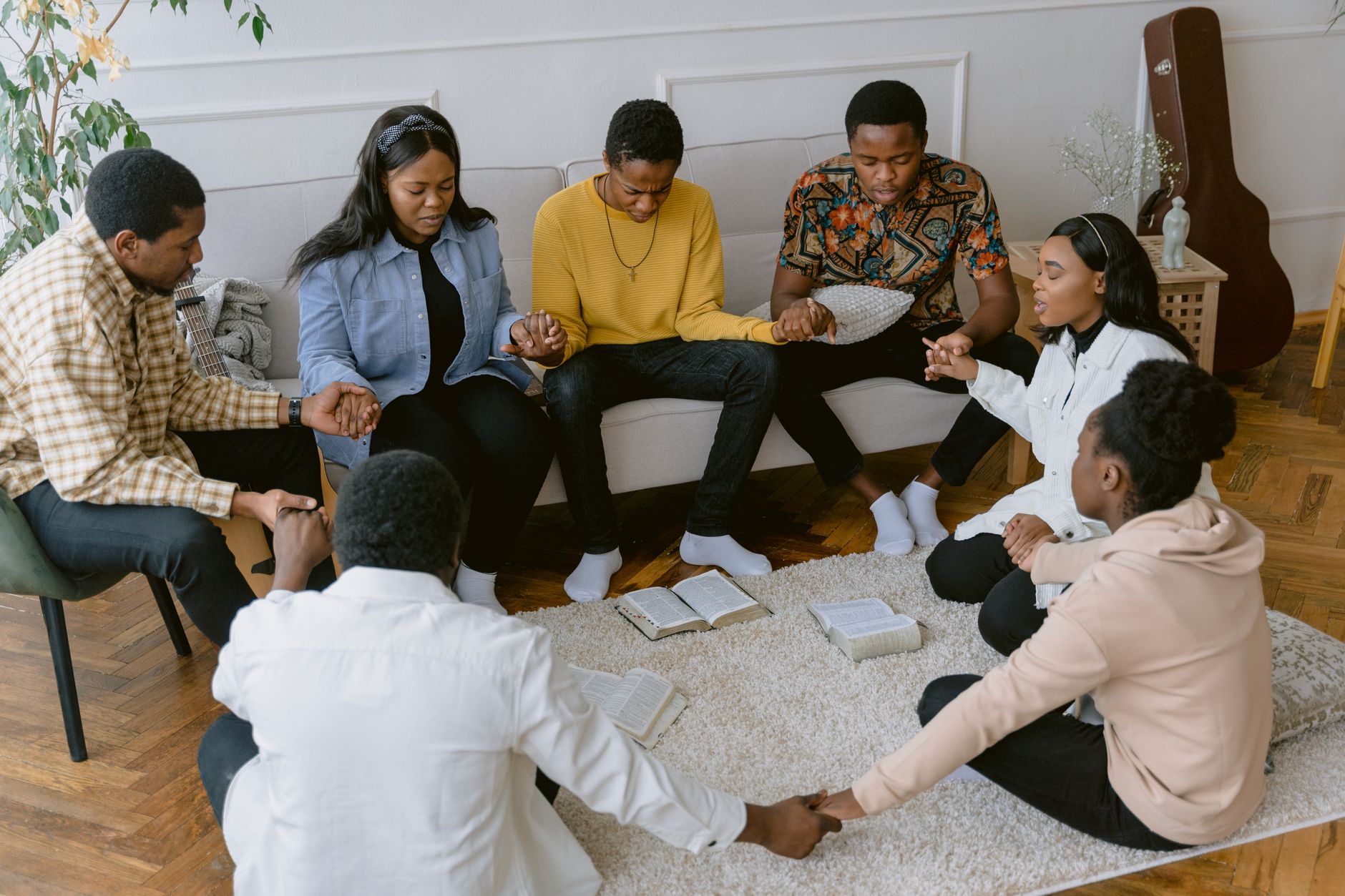
Grief can feel isolating, especially when you’re navigating it alone. But you don’t have to go through it by yourself. There are communities—both online and in-person—where motherless moms can find support, understanding, and connection. Sharing your story with others who’ve been there can make a world of difference.
Here are a few places to start:
- Online forums and groups: Websites like Reddit, Facebook, and even specialized platforms like GriefShare or Compassionate Memory Care offer spaces for people to share their experiences and find comfort in community.
- Local support groups: Many hospitals, churches, and community centers host grief support groups. These can be a great place to meet others who are going through similar experiences. A quick search for “grief support groups near me” can help you find local options.
- Therapy or counseling: If you’re feeling overwhelmed, talking to a therapist or counselor can be incredibly helpful. They can provide a safe space to process your feelings and offer tools for coping. Many therapists specialize in grief and loss, so don’t hesitate to ask.
- Books and podcasts: Sometimes, reading or listening to others’ stories can feel like a form of support. Books like The Empty Cradle by Paula Bernat or podcasts like Griefcast can offer comfort and validation.
If you’re not sure where to start, remember that asking for help is a sign of strength, not weakness. You deserve support, and there are people out there who want to help you navigate this journey.
For more on how to find support in motherhood, check out our article on the differences between first-time and experienced moms. It’s a reminder that even the most seasoned moms can benefit from a little extra support sometimes.
--- ## Myth vs. Fact: Common Misconceptions About Mother’s Day for Motherless MomsMother’s Day can come with a lot of myths—especially when you’re motherless. Here are a few common misconceptions and the facts to set you free:
- Myth: You should feel grateful on Mother’s Day.
Fact: Grief isn’t a sign of ingratitude. It’s a sign that you loved deeply. There’s no “right” way to feel on this day. Some days, you might feel grateful. Other days, you might feel sad. Both are okay. - Myth: You have to celebrate Mother’s Day in a certain way.
Fact: There’s no “right” way to celebrate—or not celebrate—Mother’s Day. Whether you choose to honor your mother, focus on your own life, or simply take it easy, it’s all valid. - Myth: Your grief means you’re failing as a mother.
Fact: Grief doesn’t make you a bad mother. It makes you human. Motherhood is hard enough without adding the weight of guilt. Be kind to yourself. - Myth: You should be over your grief by now.
Fact: Grief doesn’t follow a timeline. It’s okay to still feel sad, even years after your mother’s passing. There’s no rush to “get over it.”
Remember, these myths are just that—myths. Your feelings are valid, and there’s no “right” way to navigate this holiday. The only rule is to be true to yourself.
--- ## Key Takeaways: First Mother’s Day Without a MotherHere are the most important things to remember as you navigate your first Mother’s Day without a mother:
- Your feelings are valid. Whether you’re sad, angry, relieved, or grateful, give yourself permission to feel whatever comes up.
- There’s no “right” way to celebrate—or not celebrate—Mother’s Day. Do what feels meaningful to you.
- Create your own traditions. Rituals can be a powerful way to honor your mother while also celebrating the life you’ve built.
- Lean on your community. Whether it’s friends, family, or an online support group, you don’t have to go through this alone.
- Be kind to yourself. Motherhood is hard enough without adding the weight of grief. Treat yourself with the same compassion you’d give to a dear friend.
- Consider professional support if you need it. Talking to a therapist or counselor can provide tools for coping and a safe space to process your feelings.
Mother’s Day doesn’t have to be a day of perfection. It can be a day of reflection, resilience, and even unexpected joy. And if you’re feeling overwhelmed, remember that you’re not alone. There are people out there who understand what you’re going through—and they’re rooting for you.
--- ## Frequently Asked Questions: First Mother’s Day Without a MotherWhat should I do on my first Mother’s Day if I don’t have a mother?
There’s no “right” answer, but start by asking yourself what would feel comforting or meaningful. Some women honor their mother’s memory with a quiet ritual, like lighting a candle or visiting a meaningful place. Others choose to focus on the love they have now—whether that’s their partner, children, or friends. And some simply take the day easy, giving themselves permission to rest. The key is to do what feels right for you.
How can I celebrate Mother’s Day without a mother?
Celebrating without a mother can look like creating new traditions, focusing on the love you have now, or simply taking time for self-care. You might choose to spend the day doing something you love—whether it’s a solo adventure, a movie marathon, or a picnic in the park. Or you might create a small ritual, like writing a letter to your mother or donating to a cause she cared about. The important thing is that it feels meaningful to you.
What are some ways to honor a missing mother on Mother’s Day?
Honoring a missing mother can be as simple or as elaborate as you’d like. Some women light a candle, cook her favorite meal, or visit a place that was special to her. Others write a letter, plant a tree, or create a memory box with photos and mementos. The goal isn’t to follow a specific tradition, but to find a way to acknowledge her love and the impact she had on your life.
How do motherless moms cope with Mother’s Day?
Coping with Mother’s Day as a motherless mom can look different for everyone. Some days, it might involve leaning on friends or family for support. Other days, it might mean focusing on self-care or creating a new tradition. And some days, it’s okay to just sit with the grief. The important thing is to be gentle with yourself and to remember that your feelings are valid.
What gifts are appropriate for motherless moms on Mother’s Day?
Gifts can be a beautiful way to honor your mother’s memory or celebrate the love you have now. You might donate to a cause she cared about, create a memory book, treat yourself to something you love, or give to your children something that connects them to her. The most meaningful gifts are often the ones that come from the heart.
Are there support groups for motherless moms on Mother’s Day?
Yes! There are many online and in-person support groups where motherless moms can find community and understanding. Websites like Reddit, Facebook, and specialized platforms offer spaces to share stories and connect with others who’ve been there. Local grief support groups and therapists can also provide valuable support. You’re not alone, and there are people out there who want to help you navigate this journey.
--- ## When to See a Doctor or SpecialistWhile Mother’s Day grief is a normal part of the healing process, there are times when professional support can make a big difference. Consider reaching out to a therapist or counselor if:
- Your grief feels overwhelming and interferes with your daily life.
- You’re experiencing persistent feelings of hopelessness or despair.
- You’re struggling to function at work, school, or in your relationships.
- You’re having thoughts of self-harm or suicide.
If any of these sound familiar, please reach out to a mental health professional. You deserve support, and there are people who can help you navigate this journey with compassion and care.
If you’re looking for a therapist, you can start by asking your primary care doctor for a referral or searching for licensed counselors in your area. Organizations like the American Psychological Association or Psychology Today can also help you find someone who specializes in grief and loss.
--- ## References- American Psychological Association. (n.d.). Coping with Grief. Retrieved from https://www.apa.org/helpcenter/grief
- The Menopause Society (NAMS). (2021). Grief and Loss During Midlife. Retrieved from https://www.menopause.org/
- GriefShare. (n.d.). Support Groups for Grief. Retrieved from https://www.griefshare.org/
- Compassionate Memory Care. (n.d.). Grief Resources. Retrieved from https://www.compassionatememorycare.com/
- Bernat, P. (2009). The Empty Cradle: A Memoir of Loss and Love. HarperCollins.

