

Quick take: The first day with your newborn is a whirlwind of emotions, adjustments, and tiny milestones. Pack a hospital bag with essentials like nursing pads, a going-home outfit, and your phone charger. Set up a safe sleep space with a firm mattress and a swaddle or sleep sack. Expect irregular feeding and sleeping patterns, and don’t worry if bonding feels slow—skin-to-skin contact and gentle touch can help. Trust your instincts: if your baby’s temperature feels off, their breathing sounds labored, or they’re not feeding well, call your provider. This isn’t about perfection; it’s about survival, love, and learning.First Day Meeting New Baby Setup: A Modern Mom’s Honest Guide
You’re exhausted. Your body still feels like it’s hosting a marathon, and your mind is racing with questions you didn’t even know you had. The hospital bed is too high, the lights are too bright, and the clock on the wall is ticking louder than your heartbeat. Then—there they are. Your tiny, wrinkled, perfect human. And suddenly, the world narrows to just this: how do I not mess this up?
Trust me, you won’t. But you will feel overwhelmed. The first day with your newborn is a masterclass in chaos—with a side of love, exhaustion, and a few tears you didn’t anticipate. This isn’t a guide to perfection. It’s a survival manual, written by moms who’ve been there, for the moms who are about to join the club. Here’s what you actually need to know—from packing your hospital bag to soothing a fussy baby—to make it through your first 24 hours with confidence (and maybe even a little sleep).
Let’s start with the basics: what to bring to the hospital for the first day with a newborn. No, you don’t need a crib or a stroller (they’ll provide those). But you do need a few essentials to make the first day smoother. Think of it as your emergency kit for motherhood—because, let’s be honest, you’re going to need it.
--- ## What to Bring to the Hospital for the First Day with a NewbornYou’ve probably heard the horror stories: the mom who forgot her phone charger, the dad who brought a suitcase full of clothes no one asked for, the friend who packed a “just in case” bag that weighed more than the baby. Here’s the truth: you only need a few key items. The hospital will provide diapers, wipes, and even formula if you’re not breastfeeding. Your job? Pack what will make you comfortable and prepared.
Here’s your must-have hospital bag checklist:
- Comfortable clothes: Think loose, stretchy pants and a nursing-friendly top (or just a regular shirt—you’ll be feeding, and that’s okay). Leave the heels at home.
- Nursing pads: Leaks happen. Trust me.
- Lip balm and hand cream: Hospitals are dry as a desert. Your skin will thank you.
- Phone charger (and a portable battery): You’ll want to document every tiny milestone—and also call for help when you’re unsure.
- A going-home outfit for the baby: A onesie, hat, and mittens (those tiny hands will flail). Bonus points if it’s weather-appropriate.
- A going-home outfit for you: You’ll leave the hospital feeling like you’ve run a 5K, so something comfy and cute is a must.
- Insurance cards and ID: Double-check that everything’s up to date. You don’t want to be digging through your purse at 3 AM.
- A notebook and pen: Hospitals move fast. Write down questions, feeding schedules, or anything else you want to remember.
- Snacks and water: Hospitals don’t always have great food, and you’ll burn calories faster than you think.
- A robe or blanket: Hospitals are cold, and you’ll want something cozy to snuggle in while you feed or rest.
- Your birth plan (if you have one): Even if things don’t go as planned, having your wishes written down can help guide the team.

Pro tip: Don’t overpack. You’ll be too busy adjusting to your new reality to unpack a suitcase. Stick to the essentials, and leave room for souvenirs (like that adorable onesie you’ll want to take home).
And if you’re wondering what not to bring? Skip the full-sized toiletries, the “just in case” outfit for the baby (you’ll figure it out), and that fancy camera you’ll forget to charge. Hospitals have limited space, and you’ll be more comfortable if you’re not lugging around a mountain of stuff.
--- ## How to Set Up a Safe Sleeping Environment for a NewbornNothing feels more important than ensuring your baby sleeps safely—especially on that first night. But let’s be real: you’re sleep-deprived, your brain is foggy, and the idea of setting up a crib feels like solving a Rubik’s Cube in the dark. Breathe. You’ve got this.
The most critical rule for newborn sleep is alone, on their back, in a crib. That’s it. No blankets, no pillows, no stuffed animals—at least not in the first few months. The American Academy of Pediatrics (AAP) recommends a firm, flat surface with a fitted sheet. If you’re using a bassinet or co-sleeper, make sure it meets the same safety standards.
Here’s how to set up a safe sleep space:
- Use a crib or bassinet that meets current safety standards. Avoid old cribs with drop sides or any furniture that isn’t designed for infant sleep.
- Place your baby on their back every time you put them down to sleep. This reduces the risk of Sudden Infant Death Syndrome (SIDS).
- Avoid loose bedding, including blankets, quilts, and pillows. Instead, use a sleep sack or wearable blanket designed for infants.
- Keep the room at a comfortable temperature. Dress your baby in lightweight clothing and adjust the room temperature to around 68–72°F (20–22°C).
- Room share, but don’t bed share. The safest option is to have your baby sleep in your room (but not in your bed) for at least the first 6 months—or ideally, for a year.
- Avoid smoking, alcohol, and drugs near your baby. Secondhand smoke and exposure to these substances increase the risk of SIDS and other sleep-related dangers.

If you’re breastfeeding, you might be tempted to let your baby sleep in your arms or on your chest. While skin-to-skin contact is wonderful for bonding, it’s not safe for uninterrupted sleep. Use a breastfeeding pillow or sling to keep your baby close while still allowing you to rest.
And if you’re worried about when to start sleep training? Not yet. The first few weeks are about survival, not schedules. Once you’re both settled into a routine (usually around 4–6 weeks), you can start exploring gentle sleep strategies. For now, focus on safety and connection.
--- ## First Day Baby Feeding Schedule and TipsFeeding your newborn is one of the most magical—and confusing—parts of early motherhood. One minute, you’re a pro; the next, you’re questioning every decision you’ve ever made. But here’s the truth: there is no “right” feeding schedule on day one. Your baby will eat when they’re hungry, and that might not align with your perfect 3-hour plan.
Here’s what to expect—and how to make it a little easier:
- Newborns eat often. In the first few days, your baby may nurse every 1–3 hours, or even more frequently. This is normal! Their tiny tummies can only hold a few ounces at a time.
- Cluster feeding is real. If your baby seems to want to nurse constantly during certain times of the day (usually in the late afternoon or evening), don’t worry. This is their way of getting extra comfort and calories before a longer stretch of sleep.
- Let them lead. If your baby falls asleep at the breast, gently wake them to switch sides or finish the feeding. This ensures they get enough milk and helps prevent nipple confusion if you’re also bottle-feeding.
- Track wet and dirty diapers. In the first 24 hours, your baby should have at least one wet diaper. By day 3, they should have 3–4 wet diapers and 2–3 dirty ones. This is a sign they’re getting enough milk.
- Hydration matters. If you’re not breastfeeding exclusively, offer water in small amounts (1–2 ounces) between feedings, but always check with your pediatrician first.
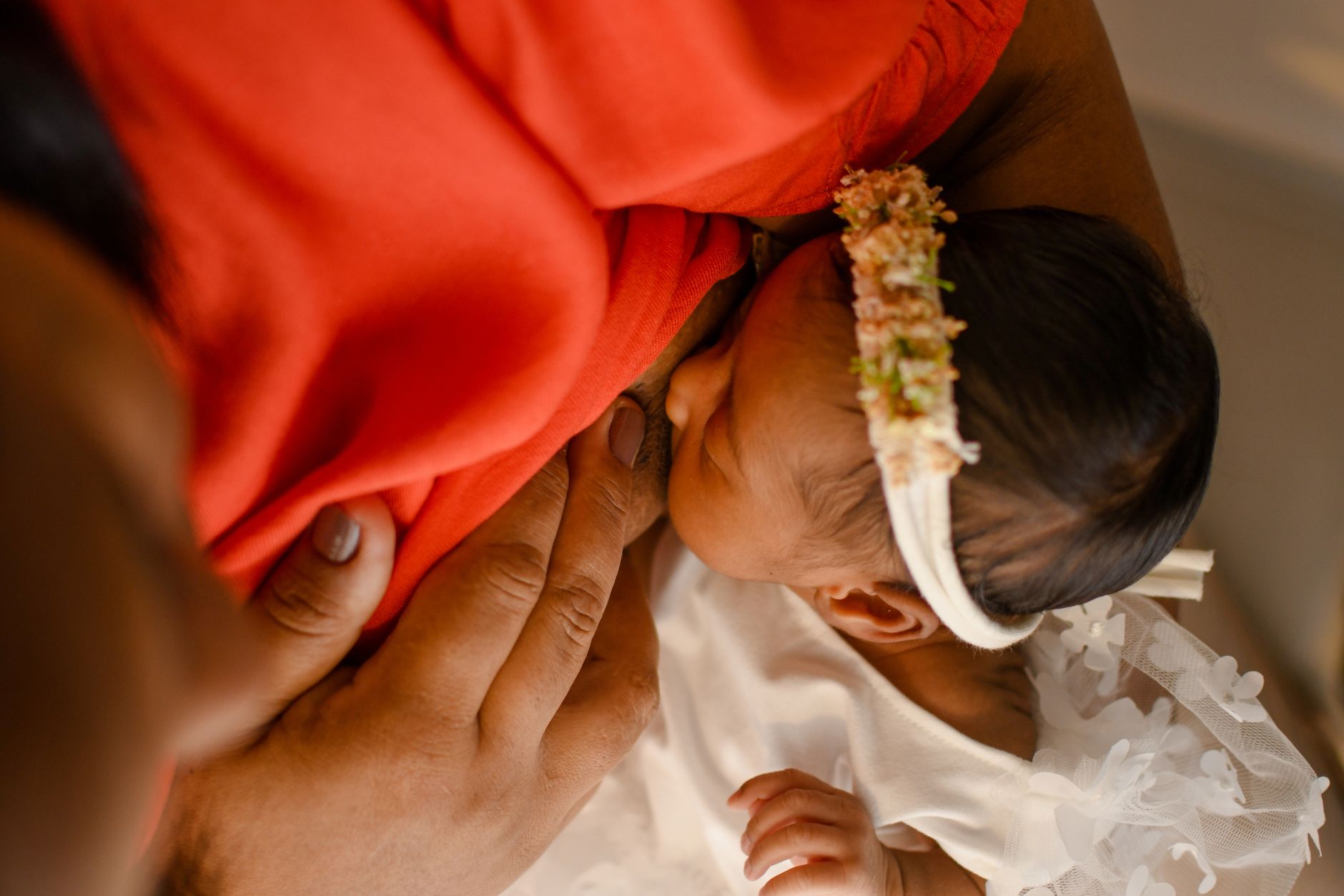
If you’re struggling with latch or pain, don’t hesitate to ask for help. Hospital lactation consultants are there for a reason—use them! And if you’re formula-feeding, follow the instructions on the bottle carefully. You’re doing great, even if it doesn’t feel like it.
Pro tip: Keep snacks and water nearby. Breastfeeding (or pumping) burns calories, and you’ll need fuel to keep up. A protein bar, nuts, or even a simple sandwich can make a big difference.
And if you’re wondering about supplements? Unless your pediatrician recommends it, there’s no need to give your baby anything extra. Breast milk and formula provide everything they need in those first days.
--- ## How to Bond with Your Newborn on Day OneBonding with your baby is one of the most beautiful parts of early parenthood—but it’s also one of the most misunderstood. You might feel like you’re failing if you don’t instantly fall in love or if your baby doesn’t “choose” you right away. Newsflash: bonding isn’t a race. It’s a journey, and it looks different for every family.
Here’s how to nurture that connection, even if it feels slow:
- Skin-to-skin contact. This isn’t just cute—it’s scientifically proven to lower your baby’s stress levels, help them regulate their breathing, and even boost your oxytocin (the “love hormone”). Hold your baby naked (just them and you) under a blanket for as long as you can. Even 20 minutes makes a difference.
- Talk and sing to your baby. Your voice is their first comfort. Narrate what you’re doing (“Mommy’s changing your diaper now”), sing silly songs, or just hum. They might not understand the words, but they’ll feel your love.
- Respond to their cues. If your baby is fussy, try rocking, patting their back, or offering the breast (or bottle). If they’re sleepy, keep the lights dim and the environment calm. The more you respond to their needs, the more secure they’ll feel.
- Take photos and videos. You’ll forget the tiny details (like how those tiny hands looked), but documenting the moments will help you cherish them later.
- Don’t compare your bonding to anyone else’s. Some babies latch on instantly; others take weeks. Some parents feel an instant connection; others build it over time. There’s no timeline, and every experience is valid.

If you’re feeling overwhelmed or disconnected, remember: it’s okay to ask for help. Your partner, a doula, or even a trusted friend can step in so you can rest. And if you’re struggling with postpartum depression or anxiety, don’t wait to reach out to your healthcare provider. You deserve support.
For more on what to expect during those first moments, check out our guide on meeting the baby for the first time. It’s okay to feel a little lost—this is new territory for everyone.
--- ## What to Expect During the First Day After BirthIf you’ve ever watched a movie where the baby is born and everyone instantly knows what to do, you might be in for a surprise. Real life is messier, slower, and—dare we say—beautifully imperfect. The first day after birth is a whirlwind of emotions, medical checks, and adjustments. Here’s what’s actually happening:
- Newborn checks. Your baby will have their temperature, heart rate, and breathing monitored. They’ll also get a vitamin K shot (to prevent bleeding disorders) and an eye ointment (to protect against infections). If you’re breastfeeding, they might check your baby’s suck strength and latch.
- Your postpartum check. You’ll get a pelvic exam to check for tears or episiotomies, and your provider might discuss postpartum depression screening. Don’t skip this—it’s important.
- Feeding support. If you’re breastfeeding, you’ll likely get guidance on latch and positioning. If you’re formula-feeding, they’ll show you how to prepare bottles safely. Hospitals have lactation consultants and nurses who are there to help.
- Newborn feeding. Your baby will likely nurse (or take a bottle) within the first hour after birth. This helps stimulate your milk production and gives your baby their first meal. If they’re not feeding well, don’t panic—just ask for help.
- Discharge planning. Even if you’re staying overnight, hospitals will start preparing you for going home. They’ll review safe sleep practices, feeding tips, and when to call your pediatrician.
- Emotional adjustments. You might feel a mix of elation, exhaustion, and even sadness. Hormonal shifts, lack of sleep, and the reality of motherhood can all contribute to what’s called the “baby blues.” This is normal and temporary.
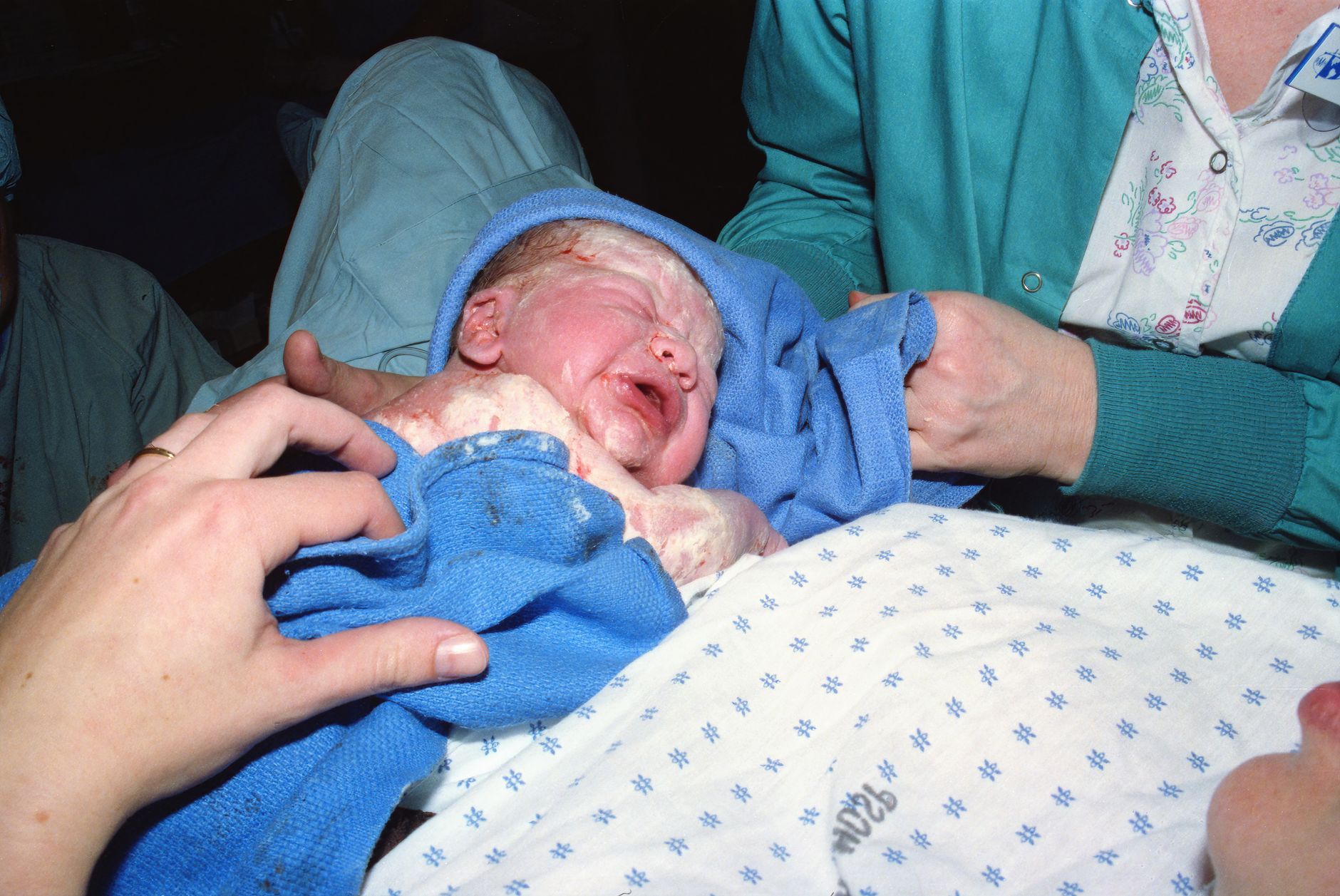
One thing to keep in mind: your baby won’t be “perfect”. They might have a birthmark, a little extra vernix (that white cheesy substance), or even a flat spot on their head from the birth process. None of these things are a cause for concern—just part of their unique story.
And if you’re wondering about when you’ll get home? Most hospitals release moms and babies within 24–48 hours after a vaginal birth, and 48–72 hours after a C-section. Listen to your body—and your baby’s cues—and don’t rush the process.
--- ## First Day Newborn Health ChecklistYour baby’s health is your top priority, and while hospitals do a great job of monitoring newborns, it’s good to know what to look for at home. Here’s a quick checklist of what’s normal—and what might need attention:
Normal Newborn Signs:- Irregular breathing (they might pause for a few seconds, which is usually fine).
- Small amounts of mucus or blood in their stool (especially in the first few days).
- A slight yellow tint to their skin or eyes (jaundice is common and usually harmless).
- Crying, fussiness, or sleeping a lot (they’re still getting used to the world outside the womb).
- Temperature extremes: If your baby feels too hot or too cold to the touch, check their temperature with a digital thermometer. A normal range is 97.9–99°F (36.6–37.7°C).
- Labored breathing: If your baby is breathing fast (more than 60 breaths per minute) or making grunting sounds, call your pediatrician.
- Poor feeding: If your baby isn’t latching well, isn’t swallowing milk, or is refusing to eat for several hours, seek help.
- Blood in their stool or vomit: While some mucus is normal, bright red blood or large amounts of blood are not.
- Lethargy or difficulty waking: If your baby is hard to wake or seems unusually sleepy, contact your provider.
- A rash that spreads quickly or seems infected: If the rash is red, oozing, or accompanied by a fever, get it checked.
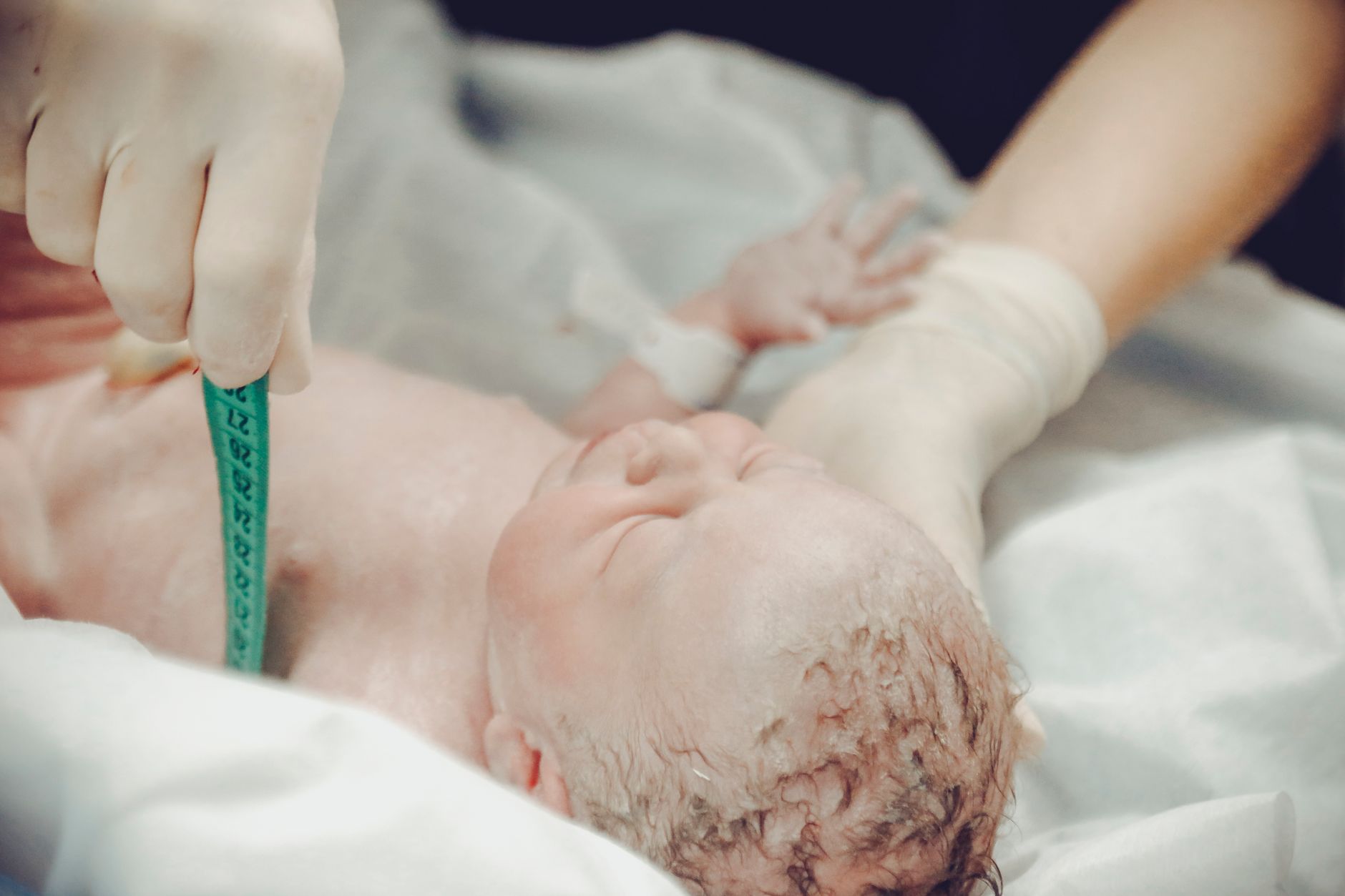
If you’re ever unsure, trust your gut. Moms have an incredible instinct for their babies, and if something feels off, it probably is. Call your pediatrician or go to the nearest emergency room if you’re worried. Better safe than sorry.
For more on what to watch for in the first weeks, check out our article on meeting the baby for the first time. It’s all about learning to read your baby’s cues—and that’s a skill you’ll develop over time.
--- ## How to Handle Newborn Crying on the First DayNewborn crying is one of the most stressful parts of early parenthood. One minute, your baby is sleeping peacefully; the next, they’re wailing like they’ve been wronged by the universe. And let’s be honest: you’ve been wronged. You’re sleep-deprived, hormone-crazed, and trying to figure out how to soothe a tiny human who has no idea what they’re doing. But here’s the good news: most of the time, crying is normal. Babies cry to communicate hunger, discomfort, or simply because they’re overwhelmed by the world.
Here’s how to handle it:
- Rule out the basics. Before you panic, check if your baby is hungry, wet, or too hot/cold. Sometimes, a fresh diaper or a burp is all it takes.
- Try swaddling. A snug swaddle can mimic the feeling of being in the womb and help calm a fussy baby. Just make sure they’re not too tight—you should be able to fit two fingers between the swaddle and their chest.
- Use white noise. A white noise machine or even a fan can drown out household sounds and help your baby relax. Many hospitals provide these, or you can use a free app on your phone.
- Rock or hold them. Movement can be soothing. Try rocking in a chair, walking around the room, or even just bouncing them gently on your lap.
- Offer a pacifier. If your baby is old enough (usually after the first few days), a pacifier can help calm them. Just make sure it’s clean and not a choking hazard.
- Try a warm bath. A lukewarm bath can be relaxing for both you and your baby. Just be careful not to let them get too cold afterward.
- Take turns. If you’re alone, try the “football hold” (baby tucked under your arm like a football) while your partner rocks or shushes them. Switch every few minutes so you don’t get too exhausted.

If none of these things work, don’t hesitate to call for help. Hospitals have nurses who can guide you, and your pediatrician is just a phone call away. You’re not failing—you’re learning, and that’s okay.
And if you’re wondering about when to worry? If your baby’s crying is persistent, high-pitched, or accompanied by other symptoms (like vomiting or a fever), it’s time to seek medical advice. Trust your instincts.
--- ## Newborn First Day Routine: A Survival GuideYou’ve probably heard that the first few days with a newborn are like “sleeping when the baby sleeps.” And while that’s true, it’s also not true. Because let’s be real: you won’t sleep much. But you can create a routine that makes the most of the small windows you have.
Here’s a realistic first-day routine:
- Morning: Wake up, eat, and check in. Start with a light breakfast and a glass of water. Check your baby’s diaper, weight them (if you’re curious), and spend a few minutes just looking at them. Skin-to-skin contact is a great way to start the day.
- Feeding time. Nurse or bottle-feed every 2–3 hours, or whenever your baby shows signs of hunger (rooting, sucking on hands, fussiness). Cluster feeding is normal, so don’t stress if they want to eat more often.
- Diaper changes. Change your baby’s diaper every 2–3 hours, or whenever it’s dirty. Use this time to check for any signs of rash, irritation, or other concerns.
- Tummy time. Even if it’s just 1–2 minutes, put your baby on their tummy while they’re awake. This helps with muscle development and digestion.
- Nap time. When your baby is sleepy, put them down in their safe sleep space. Try to keep the room dark and quiet to encourage longer naps.
- Evening: Wind down together. A warm bath, a gentle massage, or a lullaby can help your baby relax before bedtime. Try to keep the environment calm and dimly lit.
- Nighttime feedings. Expect to feed every 3–4 hours overnight. If you’re breastfeeding, this might be more frequent. Use this time to rest or ask for help if you need it.

Remember: this isn’t about perfection. Some days, you’ll stick to the routine. Other days, you’ll just survive. And that’s okay. The goal is to keep your baby safe, fed, and loved—and you’re doing that.
For more on managing your own energy levels, check out our guide on returning to work after baby. Even if you’re not back at work yet, the principles of self-care apply.
--- ## First Day Newborn Diapering TipsDiapering a newborn is one of those tasks that seems simple until you’re actually doing it. Suddenly, you’re dealing with sticky poop, frequent changes, and the eternal struggle of getting the diaper on without waking your baby. Here’s how to make it easier:
- Use the right size. Newborn diapers are designed to fit snugly but not too tight. Check the size chart on the packaging, and don’t be afraid to use the next size down if your baby is smaller.
- Change frequently. Newborns pee every 1–3 hours, so plan to change them often. This also helps prevent diaper rash.
- Clean gently. Use warm water and a soft cloth to clean your baby’s bottom. If you’re using wipes, choose fragrance-free and alcohol-free options to avoid irritation.
- Apply diaper cream. If your baby is prone to rash, apply a thin layer of diaper cream (like zinc oxide) after each change. This creates a barrier between the skin and moisture.
- Dress them comfortably. After changing, put your baby in a fresh onesie. Avoid tight clothing that might irritate their skin.
- Track wet and dirty diapers. In the first few days, your baby should have at least one wet diaper. By day 3, they should have 3–4 wet diapers and 2–3 dirty ones. This is a sign they’re getting enough milk.
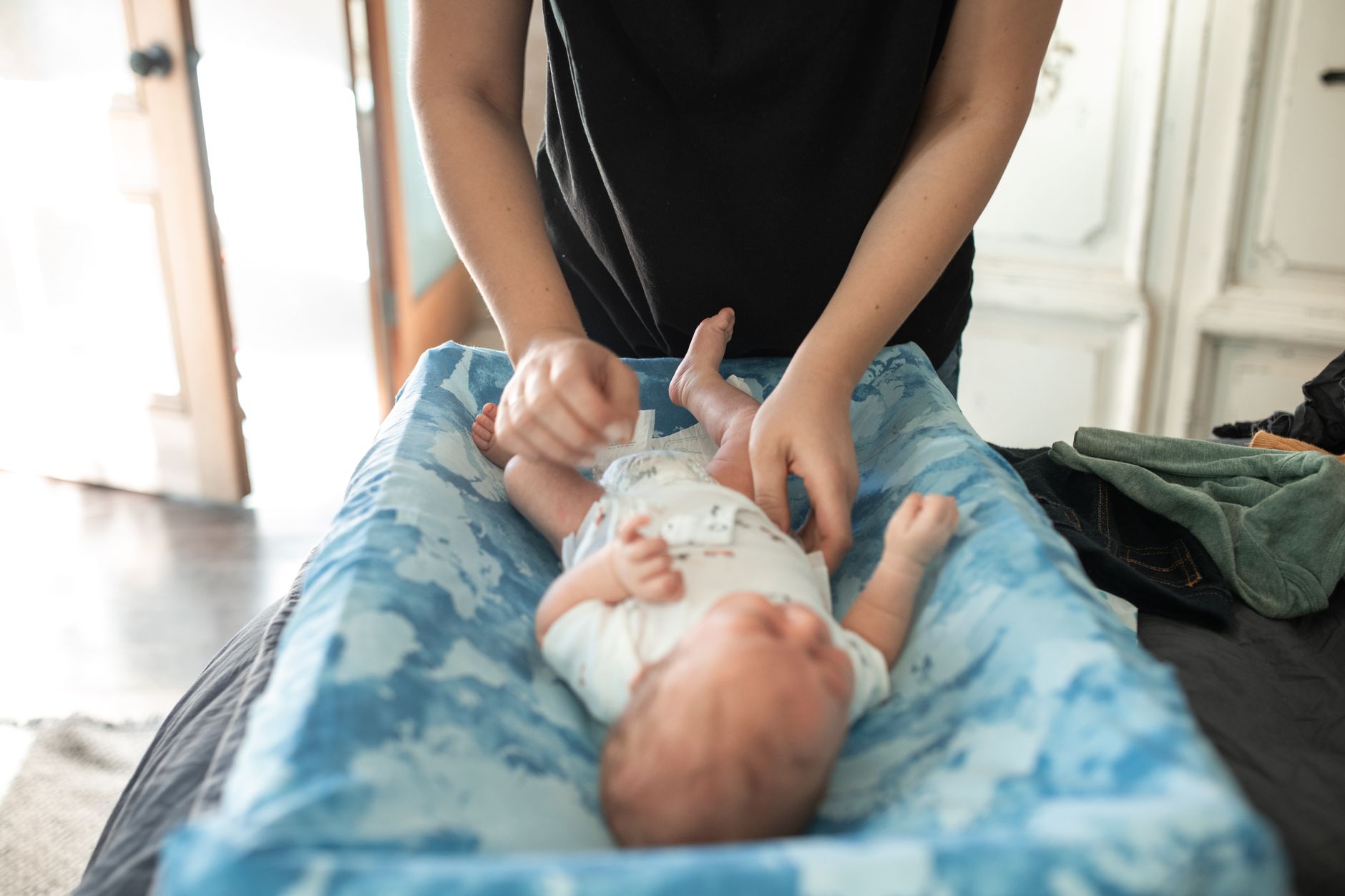
Pro tip: keep a change station set up. Lay out all your diapering supplies (wipes, cream, onesies) before you start. This way, you won’t have to dig around in a diaper bag while your baby is screaming.
And if you’re wondering about how often to change? The answer is as often as needed. If your baby’s diaper is wet or dirty, it’s time for a change. There’s no need to wait for a strict schedule.
--- ## First Day Newborn Health ConcernsWhile most newborns are healthy and happy, there are a few health concerns you should be aware of in the first 24 hours. Here’s what to watch for—and when to call your pediatrician:
- Jaundice. Many newborns develop a slight yellow tint to their skin or eyes, especially in the first few days. This is usually harmless and called physiological jaundice. However, if the yellowing spreads quickly or your baby seems lethargic, contact your provider.
- Feeding difficulties. If your baby isn’t latching well, isn’t swallowing milk, or is refusing to eat for several hours, seek help. Poor feeding can lead to dehydration or weight loss.
- Temperature fluctuations. Newborns can’t regulate their body temperature well, so keep them in a warm but not too hot environment. If their hands or feet feel cold or clammy, or if they seem too hot to the touch, check their temperature.
- Excessive crying or fussiness. While crying is normal, if your baby’s crying is persistent, high-pitched, or accompanied by other symptoms (like vomiting or a fever), it’s time to seek medical advice.
- Signs of dehydration. If your baby isn’t having enough wet diapers, seems lethargic, or has a sunken fontanelle (the soft spot on their head), they may be dehydrated. Contact your pediatrician immediately.
- Respiratory issues. If your baby is breathing fast (more than 60 breaths per minute), making grunting sounds, or has trouble feeding due to congestion, call your provider.

If you’re ever unsure, err on the side of caution. Trust your instincts—you know your baby better than anyone else. And remember, your pediatrician is just a phone call away.
--- ## Myth vs. Fact: First Day with NewbornThere are a lot of myths floating around about the first day with a newborn. Let’s set the record straight:
Myth: You’ll instantly know how to do everything. Fact: Motherhood is a learning process. You won’t be perfect, and that’s okay. Every mom figures it out as they go. Myth: You’ll sleep when the baby sleeps. Fact: While it’s good to rest when you can, you’ll likely be too exhausted to sleep deeply. Focus on short naps and keeping your energy up. Myth: If you’re not breastfeeding, you’re failing as a mom. Fact: Every feeding method is valid. Whether you breastfeed, formula-feed, or do a mix, you’re doing great. Myth: Your baby will sleep through the night right away. Fact: Newborns typically don’t sleep through the night until they’re 3–6 months old. Expect frequent feedings and naps in the meantime. Myth: You should ignore your own needs. Fact: Taking care of yourself is essential for your baby’s well-being. Eat, drink water, and ask for help when you need it. --- ## Key Takeaways for Your First Day with a Newborn- Pack a hospital bag with essentials like nursing pads, a going-home outfit, and your phone charger—but don’t overpack.
- Set up a safe sleep space with a firm mattress, a fitted sheet, and no loose bedding. Always place your baby on their back.
- Expect irregular feeding and sleeping patterns. Trust your baby’s cues and don’t stress about sticking to a strict schedule.
- Bonding isn’t about instant love—it’s about connection through skin-to-skin contact, talking, and responding to your baby’s needs.
- Track your baby’s wet and dirty diapers, temperature, and breathing. If anything seems off, call your pediatrician.
- Crying is normal, but if it’s persistent or accompanied by other symptoms, seek help. You’re not failing—you’re learning.
- Ask for help when you need it. Whether it’s your partner, a friend, or a healthcare provider, support is available.
- Trust your instincts. You know your baby better than anyone else, and if something feels wrong, it probably is.
What happens on the first day after a baby is born?
On the first day, your baby will undergo several medical checks, including temperature, heart rate, and breathing assessments. They’ll also receive a vitamin K shot and eye ointment. You’ll likely have a postpartum check, and you’ll start feeding your baby (whether breastfeeding or bottle-feeding). The hospital will also review safe sleep practices and discharge planning. It’s a lot to take in, but everything is designed to keep your baby safe and healthy.
How do I set up a safe sleep environment for a newborn?
To create a safe sleep space, use a firm, flat surface like a crib or bassinet with a fitted sheet. Place your baby on their back every time they sleep, and avoid loose bedding, pillows, or stuffed animals. Dress your baby in lightweight clothing and keep the room at a comfortable temperature. Room-sharing (but not bed-sharing) is also recommended for the first 6 months.
What should I bring to the hospital for my first day with a newborn?
You don’t need much—just focus on comfort and essentials. Pack comfortable clothes, nursing pads, lip balm, your phone charger, a going-home outfit for your baby, snacks, water, and your insurance cards. Leave the full-sized toiletries at home; you’ll be more mobile

