

Quick take: Your first birth will feel like a mix of joy, exhaustion, and moments that leave you wondering, "Is this normal?" From the unexpected physical sensations to the emotional whirlwind, every stage holds surprises. The good news? Most women experience the same unexpected twists—you're not alone. This guide breaks down the most common surprises, what to expect, and how to prepare (or recover) from them.First Birth Surprising Moments: A Modern Mom's Honest Guide
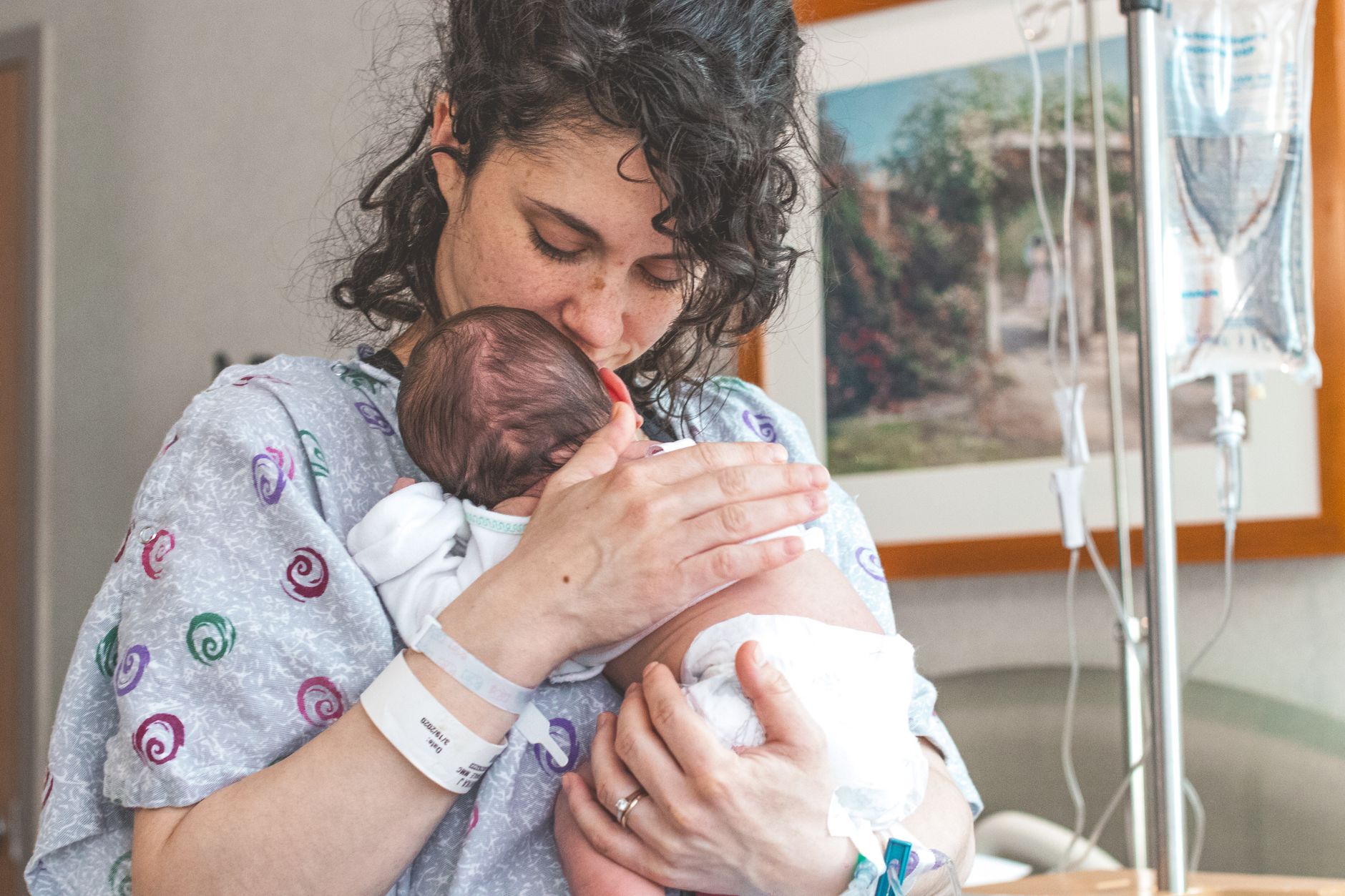
There’s a moment in the first few hours after giving birth when you look down at your baby’s tiny, wrinkled face and think, "This is real." Then, your body starts doing things it wasn’t in the birth plan—like leaking milk from your nipples before you’ve even held your baby, or feeling an overwhelming surge of emotion that has nothing to do with the pain meds. These are the first birth surprising moments, and they’re as real as they are unexpected.
You might have spent months preparing for the big day—packing the hospital bag, reading birth stories, and even practicing breathing techniques. But no amount of prep can fully prepare you for the physical sensations, emotional shifts, or logistical surprises that come with bringing your baby into the world. The good news? These moments are universal. Every first-time mom—whether she delivered vaginally or via C-section, at home or in a hospital—has experienced at least a few of them. And while you can’t control every detail, knowing what to expect can help you navigate them with a little less anxiety and a lot more confidence.
This guide is for you, the soon-to-be mom (or partner, or doula) who’s wondering: *What will actually happen when my baby is born?* We’ll break down the most common surprises—from the physical to the emotional—so you can enter your birth experience with your eyes wide open. You’ll also get practical tips for what to do (or not do) in those first chaotic hours, and when to lean on your support team. Because while the birth itself might be the climax of your pregnancy story, the moments that follow? Those are the chapters that shape your life—and your baby’s—forever.
--- ## **The "I Didn’t Know My Body Could Do That" Physical Surprises**Your body has been through a lot during pregnancy—stretching, growing, and adapting in ways you never imagined. But the physical changes that happen after birth? They can feel like a whole new level of surprise. From unexpected sensations to sensations you didn’t even know were possible, your body is still working hard long after the baby arrives.
One of the most common surprises? the intensity of the contractions during labor—even if you didn’t expect them to be that bad. Many women describe them as "worse than menstrual cramps," but with a wave of pressure that feels like your pelvis is being squeezed from the inside out. If you’re pushing, you might feel an overwhelming urge to bear down that feels almost involuntary. And if you had an epidural or other pain relief, you might still feel the pressure, but with less pain—only to realize later that your body was doing a lot of work even if you didn’t feel it.
Another physical surprise? the way your body reacts to oxytocin. This hormone, which is released during labor and breastfeeding, can cause intense emotional highs and lows—sometimes even tears—during the birth itself. Some women describe feeling a deep sense of euphoria, while others feel overwhelmed or even fearful. It’s all normal, but it can be jarring if you’re not expecting it.
And then there’s the immediate postpartum leak. Yes, you read that right. Many women experience a gush of blood or fluid right after delivery, especially if they’ve had a vaginal birth. This is your body’s way of shedding the lining of the uterus (called the placenta) and the blood that built up during pregnancy. It’s completely normal, but it can be shocking if you’re not prepared. If you’re having a C-section, you might still experience some bleeding, though it’s usually less intense. Either way, it’s a reminder that your body is still in the process of healing and adjusting.
What to expect:
- Contractions during labor: Even with pain relief, your body is working hard. You might feel pressure, a "bearing down" urge, or even a sense of relief when the baby crowns.
- Oxytocin highs and lows: Emotional swings are normal—you might feel euphoric, overwhelmed, or even tearful during labor.
- Immediate postpartum bleeding: A gush of blood or fluid is normal after delivery, whether vaginal or C-section. Expect to use maxi pads or a postpartum pad for the first few days.
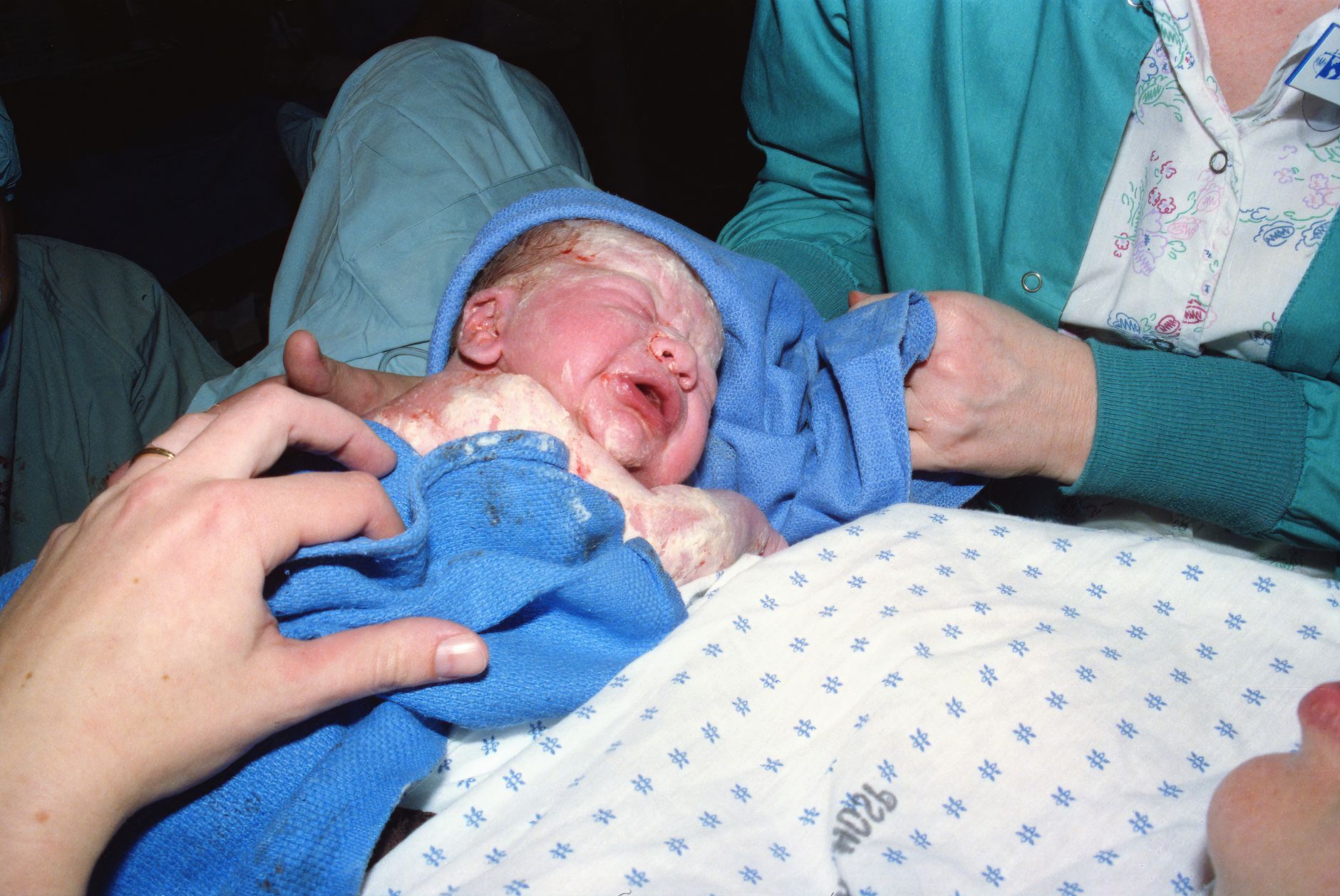
You’ve spent nine months dreaming of your baby’s arrival, imagining how perfect they’ll be. But when you finally hold them, you might be surprised by how imperfect they look—and that’s completely normal. Newborns come in all shapes, sizes, and colors, and they’re not always the little cherubs you’ve pictured.
Some of the most common surprises include:
- Molded head shape: If your baby was born vaginally, their head might look a bit cone-shaped or uneven due to the pressure of labor. This is temporary and will smooth out over the first few days.
- Newborn acne or rashes: Many babies develop small bumps or red patches on their faces or bodies, often called "newborn acne" or "milk rash." These are usually harmless and clear up on their own.
- Excessive vernix or lanugo: Vernix (the white, cheese-like substance that coats babies in the womb) and lanugo (fine, downy hair) might still be present at birth, especially in preterm babies. It’s completely normal and will wash off.
- Uneven skin tone: Some babies have patches of darker or lighter skin, especially around the diaper area or on their backs. This is normal and will even out over time.
One of the most heartbreaking (but also heartwarming) surprises? Your baby doesn’t look like the ultrasound photos. Ultrasounds are amazing, but they’re not always accurate representations of what your baby will look like at birth. Some babies have different hair colors, eye shapes, or even facial features than what was seen on the screen. And while you might be disappointed at first, many parents later realize how unique and beautiful their baby truly is.
If you’re feeling overwhelmed by your baby’s appearance, remember: you’re looking at your child. That’s all that matters. And if you’re worried about something specific—like a birthmark or a rash—don’t hesitate to ask your healthcare provider. They’ve seen it all and can reassure you that your baby is healthy and normal.
--- ## **The Emotional Rollercoaster: Why You Might Cry (Even If You Didn’t Expect To)**You’ve heard about the "baby blues," but you might not realize just how intense the emotional rollercoaster can be in the first hours and days after birth. Many women experience a surge of emotions—happiness, love, relief, and yes, even sadness or anxiety—all within minutes of meeting their baby. This is often called the "postpartum emotional high", and it’s completely normal.
Some women describe feeling an overwhelming sense of joy or even euphoria, while others feel tearful or overwhelmed. Some moms even experience postpartum panic, where they suddenly feel anxious about their ability to care for their baby. These feelings can come out of nowhere and might feel overwhelming, but they’re usually temporary and related to the hormonal shifts happening in your body.
One of the most surprising emotional surprises? the guilt or regret you might feel, even if you had the birth you wanted. Maybe you wished you’d pushed harder during labor, or maybe you’re relieved it was over but still feel a pang of sadness. These feelings are normal and don’t mean you did anything wrong. Your body has just undergone an incredible experience, and it’s okay to grieve the loss of your pre-baby life—even if you’re overjoyed to have your baby.
If you’re feeling emotionally overwhelmed, try these tips:
- Lean on your support team: Whether it’s your partner, a doula, or a friend, having someone by your side can make a big difference. Don’t hesitate to ask for help.
- Give yourself permission to feel: It’s okay to cry, to feel anxious, or to feel elated. Your emotions are valid.
- Take it one moment at a time: The first few days are overwhelming, but you don’t have to do everything at once. Focus on small wins—holding your baby, feeding them, or just resting.
- Talk to your provider: If your emotions feel unmanageable or last longer than a few days, mention it to your healthcare provider. They can offer support or refer you to a therapist if needed.
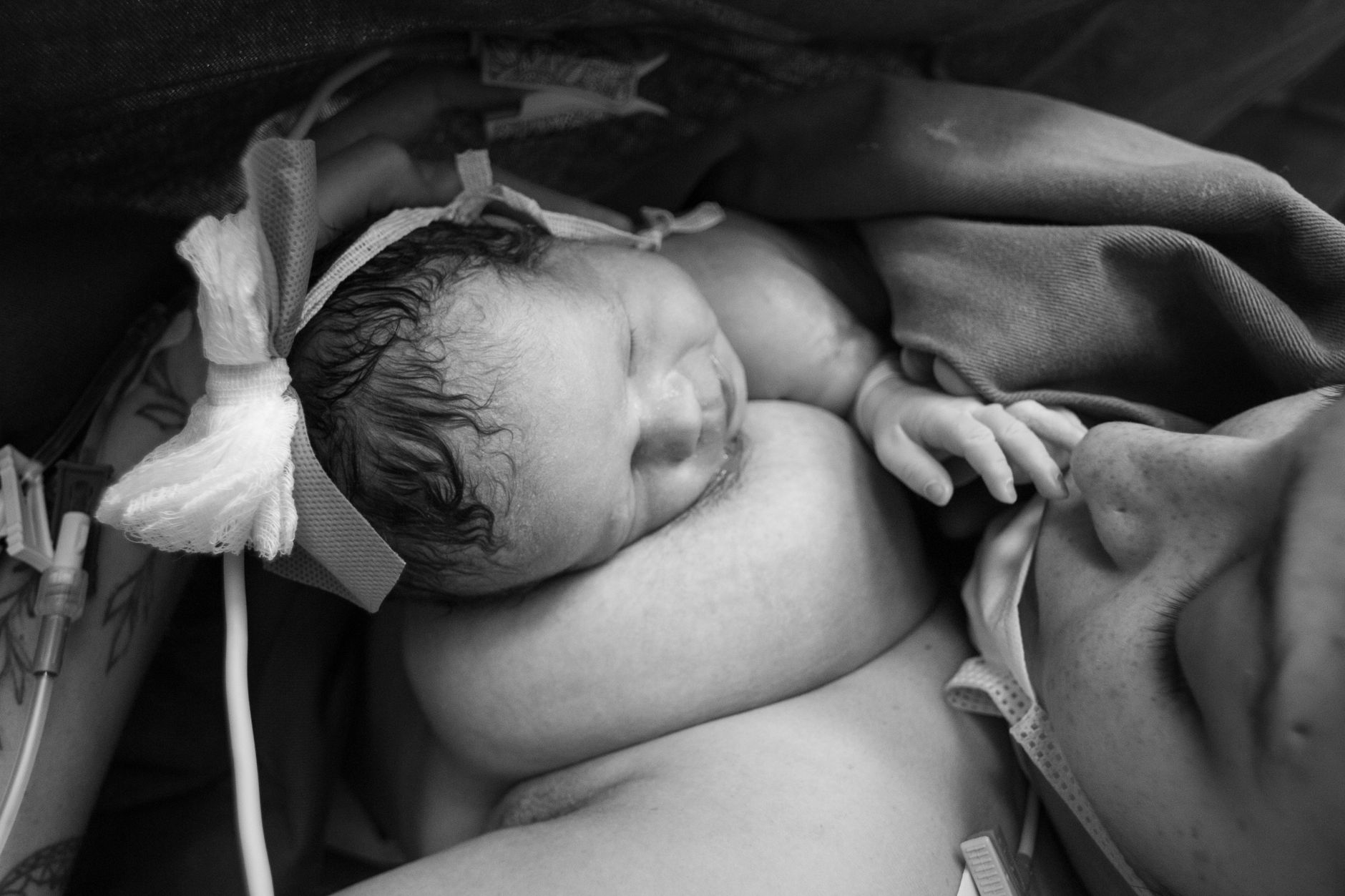
You packed your hospital bag, but there are always a few things you didn’t expect. From the practical to the downright chaotic, the first days after birth can feel like a logistical nightmare. Here are some of the most common surprises:
1. The baby doesn’t sleep (or eat) on a schedule—at least not at first. Newborns have tiny stomachs and wake up every few hours to eat. If you’re breastfeeding, you might be surprised by how often your baby wants to nurse—sometimes every 1–2 hours. And if you’re formula-feeding, you’ll still have to wake your baby to eat, even if they seem perfectly content otherwise.
2. The hospital food is… an experience. Whether you’re in a hospital, birth center, or at home, the food might not be what you’re used to. Hospital meals are often bland, salty, or just not very appealing. Packing your own snacks or asking for specific meals in advance can make a big difference.
3. The postpartum recovery is harder than you expected. Even if you had a C-section, your body is still healing. You might experience cramping, bleeding, or even pain that feels worse than you anticipated. And if you had a vaginal birth, you might be surprised by how much it hurts to sit, pee, or even move around. Learn more about what to expect with your first postpartum period.
4. The baby’s diaper routine is a mystery. Newborns can have anywhere from 1–10 dirty diapers a day, and their poop can look like anything from mustard to seedy to even tarry (meconium). It’s all normal, but it can be shocking if you’re not prepared. Keep a change of clothes and wipes handy at all times!
5. The support you need isn’t always what you expect. You might assume your partner will handle everything while you rest, but in reality, they might be just as overwhelmed. That’s why it’s so important to have a plan for support—whether it’s a postpartum doula, a friend who can help with meals, or even a paid service to clean your home. Don’t be afraid to ask for help.
To prepare for the logistical chaos, try these tips:
- Pack a postpartum recovery kit: Include maxi pads, ice packs, perineal spray, and loose, comfortable clothing.
- Prep meals in advance: Freeze meals or ask friends to bring food so you don’t have to worry about cooking.
- Set up a "baby station": Keep diapers, wipes, and clothes within arm’s reach so you can change your baby quickly and easily.
- Ask for help early: The first few days are the hardest, so don’t wait until you’re overwhelmed to ask for support.
- Take it one step at a time: You don’t have to have everything perfect. Just focus on getting through the day.
You’ve probably heard of the "golden hour" after birth—the first 60 minutes after delivery, when skin-to-skin contact is encouraged and bonding begins. But what you might not realize is how much more there is to this moment than just a beautiful photo. The golden hour is a critical time for both you and your baby, and it can set the tone for your postpartum experience.
During this time, your baby is naturally drawn to your chest, where they can hear your heartbeat, smell your skin, and feel the warmth of your body. This close contact helps regulate your baby’s temperature, heart rate, and breathing, and it also encourages breastfeeding. For you, skin-to-skin contact releases oxytocin, which helps your uterus contract and reduces bleeding.
One of the most surprising aspects of the golden hour? How quickly your baby can recognize your voice and scent. Studies show that newborns can distinguish their mother’s voice and smell within hours of birth. This early bonding experience can have long-term effects on your baby’s emotional and physical development.
If you’re planning to have skin-to-skin contact, here’s what to expect:
- Your baby might be sleepy or fussy: Some babies are wide awake and ready to nurse, while others are exhausted and need to rest first.
- You might feel overwhelmed or emotional: The surge of oxytocin can bring tears, so don’t be surprised if you feel a mix of emotions.
- Your baby might not latch right away: It’s normal for breastfeeding to take some practice. Ask for help from a lactation consultant if needed.
- You might not get a full hour: If your baby is born early or needs medical attention, the golden hour might be shorter. But every minute counts.
If you’re unable to have skin-to-skin contact right away—whether due to medical reasons or a C-section—don’t worry. You can still bond with your baby through eye contact, talking, and holding them as soon as possible. Read more about why the golden hour matters and how to make the most of it.
--- ## **The "I Didn’t Know I Could Feed a Baby" Surprise**Feeding your baby is one of the most intimate and rewarding experiences of motherhood—but it’s also one of the most surprising. Whether you’re breastfeeding, formula-feeding, or doing a mix of both, the early days can feel overwhelming. Here’s what you might not expect:
1. Breastfeeding isn’t always easy (or even possible). Many women assume they’ll just "figure it out" once their baby is born, but breastfeeding can be challenging, especially in the first few days. Latching can be painful, and your baby might not take to the breast right away. If you’re struggling, don’t hesitate to ask for help from a lactation consultant. Learn more about the physical changes that can affect breastfeeding.
2. Formula-feeding has its own curveballs. If you’re formula-feeding, you might be surprised by how much it takes to feed your baby—both in terms of time and effort. Mixing bottles can be messy, and burping your baby can take longer than you expect. But many moms find that formula-feeding gives them more flexibility and less stress.
3. Your body might not produce milk right away. Some women experience a delayed milk "come-in," which can happen 24–48 hours after birth. Until then, your body produces colostrum—a thick, yellowish fluid that’s packed with nutrients and antibodies. This is normal, but it can be confusing if you’re expecting to start breastfeeding right away.
4. You might feel guilty about your choice. Whether you choose to breastfeed, formula-feed, or do a mix of both, you might feel judged or guilty for your decision. But remember: there’s no right or wrong way to feed your baby. What matters most is that your baby is nourished and healthy.
To make feeding easier, try these tips:
- Practice latching before birth: If you’re breastfeeding, try practicing with a breast pump or a lactation aid in the weeks leading up to your due date.
- Keep a supply of bottles and formula on hand: If you’re formula-feeding, having everything ready can save you stress in the early days.
- Ask for help when you need it: Whether it’s a lactation consultant, a pediatrician, or a friend who’s been through it before, don’t be afraid to reach out.
- Focus on your baby’s cues: Hunger signs can be subtle—like smacking lips or sucking on their fist. Responding quickly can help prevent overfeeding or underfeeding.
Your body has just undergone an incredible transformation—giving birth to a human being is no small feat. But the recovery process can be just as surprising as the birth itself. Here are some of the most common postpartum recovery surprises:
1. The bleeding (lochia) can be intense. After birth, your body sheds the lining of the uterus, which can result in heavy bleeding for the first few days. You might need to change a maxi pad every hour or even more frequently. This is normal, but it can be shocking if you’re not prepared. Learn more about what to expect with your postpartum bleeding.
2. Your belly might not look like the "baby bump" you remember. Many women are surprised by how quickly (or slowly) their stomach flattens after birth. Some women see a dramatic change within weeks, while others take months or even years. The key is to be patient and focus on your overall health rather than how your body looks.
3. You might experience "postpartum hair loss". It’s normal to lose a lot of hair in the months after birth due to hormonal changes. This can be distressing, but it’s usually temporary. Your hair will grow back, and in many cases, it can even become thicker and fuller.
4. Your sex drive might take a backseat. Hormonal shifts, fatigue, and physical healing can all contribute to a decreased libido in the postpartum period. This is completely normal, but it can be frustrating if you’re not expecting it. Communication with your partner is key—discuss what you both need and want during this time.
5. You might experience "postpartum brain fog". Many women report feeling mentally foggy in the weeks after birth, which can make it hard to focus or remember things. This is often due to hormonal changes and sleep deprivation, but it’s usually temporary. If it persists or worsens, talk to your healthcare provider.
To support your postpartum recovery, try these tips:
- Prioritize rest: Sleep when your baby sleeps, and don’t hesitate to nap during the day if you can.
- Stay hydrated and eat nourishing foods: Your body needs extra fuel to heal, so focus on a diet rich in protein, fiber, and healthy fats.
- Move gently: Walking, pelvic floor exercises, and light yoga can help speed up your recovery.
- Ask for help with household tasks: Let your partner, friends, or family handle chores so you can focus on healing.
- Talk to your provider about any concerns: If you’re experiencing severe pain, heavy bleeding, or other symptoms, don’t hesitate to reach out to your healthcare provider.
Motherhood is one of the most profound emotional experiences of your life—and it can bring up feelings you never expected. From the overwhelming joy of holding your baby for the first time to the sudden waves of sadness or anxiety, the emotional rollercoaster of the postpartum period can be intense. Here are some of the most surprising emotional surprises:
1. The "baby blues" can hit hard. Many women experience mild mood swings, anxiety, or sadness in the first few weeks after birth. These are called the "baby blues," and they’re completely normal. They usually pass within a few days or weeks, but they can feel overwhelming if you’re not expecting them.
2. You might feel disconnected from your baby. Some women describe feeling a deep bond with their baby right away, while others feel a sense of detachment or even fear. This is called "postpartum anxiety", and it’s more common than you might think. If you’re feeling this way, talk to your healthcare provider—you’re not alone.
3. You might feel guilty for not feeling "in love" yet. Many women assume they’ll instantly fall in love with their baby, but the reality is that it can take time. Some moms feel a deep connection right away, while others take weeks or even months to fully bond. There’s no right or wrong timeline—just trust that your feelings will come.
4. You might feel relieved that it’s over. Even if you had the birth you wanted, you might be surprised by how much you’re looking forward to getting back to your "normal" life. This is completely normal, but it can feel guilty if you’re also overwhelmed by your new role as a mom.
To navigate these emotional surprises, try these tips:
- Give yourself permission to feel: All of your emotions are valid, whether they’re joy, sadness, anxiety, or relief.
- Talk about your feelings: Whether it’s with your partner, a friend, or a therapist, sharing your emotions can help you process them.
- Focus on small wins: Celebrate the little moments—like a successful feed or a peaceful nap—rather than feeling pressure to be the "perfect" mom.
- Ask for help if you need it: If your emotions feel unmanageable or last longer than a few weeks, talk to your healthcare provider. You might be experiencing postpartum depression or postpartum anxiety, which are treatable conditions.
There are always a few surprises that no one tells you about until you’re in the thick of it. Here are some of the most unexpected moments that many first-time moms experience:
1. The hospital discharge papers are overwhelming. You’ll be given a mountain of paperwork to sign, including consent forms, discharge instructions, and even a "birth certificate" if you’re having your baby registered at the hospital. It can feel like a lot to process in the moment, so don’t hesitate to ask for clarification.
2. The baby’s first bath might be a disaster. Many parents assume bathing a newborn will be a smooth, gentle process—but in reality, it can be messy, slippery, and even stressful. If you’re feeling overwhelmed, ask a nurse or midwife to help you with the first few baths.
3. The baby’s first pediatrician visit can feel like a blur. Between the weight check, the exam, and the questions from the doctor, the first visit can be overwhelming. To prepare, write down any questions or concerns you have beforehand, and don’t be afraid to ask for clarification.
4. The baby’s first sleep schedule is nonexistent. Newborns don’t have a sleep schedule—at least not at first. They wake up every few hours to eat, and they might not even stay awake for more than an hour or two at a time. This can be exhausting, but it’s completely normal. Learn more about what to expect in the fourth trimester.
5. The baby’s first "milestone" might not happen when you expect. Every baby develops at their own pace, and milestones like rolling over, sitting up, or crawling can happen at any time. Don’t compare your baby to others—focus on their individual progress.
To prepare for these unexpected moments, try these tips:
- Ask for help when you need it: Whether it’s a nurse, a midwife, or a friend, don’t hesitate to ask for assistance.
- Take it one step at a time: Focus on the present moment rather than worrying about the future.
- Trust your instincts: If something feels off, don’t hesitate to reach out to your healthcare provider.
- Give yourself grace: Motherhood is a learning experience, and every moment is an opportunity to grow.
Your body has just undergone an incredible transformation, and it’s completely normal to feel a mix of emotions about how it looks and functions in the postpartum period. Here are some of the most surprising ways your body might change—and how to navigate them:
1. Your body might not look like the "postpartum body" you imagined. Many women are surprised by how much (or how little) their body changes after birth. Some women see a dramatic shift in their waistline, while others are disappointed by how little their stomach looks like it did during pregnancy. The key is to focus on how your body feels rather than how it looks.
2. You might experience "postpartum body image issues". It’s normal to feel self-conscious about your body in the postpartum period, especially if you had a C-section or experienced stretch marks. But remember: your body has just given you the most incredible gift—your baby. It’s okay to have a few extra pounds or some stretch marks—your body is amazing.
3. You might feel disconnected from your body. After giving birth, you might feel like your body is no longer "yours" in the same way. This is completely normal, but it can be distressing if you’re not expecting it. Try reconnecting with your body through gentle movement, like walking or yoga, or by focusing on the sensations of breastfeeding or holding your baby.
4. You might feel a sense of loss for your pre-baby body. It’s normal to miss the way your body felt before pregnancy, especially if you had a difficult birth or experienced a lot of physical changes. But remember: your body is still capable of incredible things, and it’s okay to grieve the loss of your pre-baby life—even if you’re overjoyed to have your baby.
To navigate these emotional surprises, try these tips:
- Focus on how your body feels: Instead of obsessing over how it looks, pay attention to how it’s functioning—can you move comfortably? Do you feel strong and capable?
- Practice self-compassion: Be kind to yourself, especially if you’re feeling self-conscious or overwhelmed.
- Talk to your provider about any concerns: If you’re experiencing severe body image issues or depression, don’t hesitate to reach out to your healthcare provider.
- Celebrate your body’s achievements: Your body has just given you a human being—it’s done something incredible, and it deserves to be celebrated.
There are a lot of myths and misconceptions about what to expect during your first birth—and the postpartum period. Here are a few common surprises, debunked:
Myth: "Labor will be as bad as they say it is."
Fact: Labor is an incredible experience, but it’s not always as bad as people make it out to be. While contractions can be intense, many women describe feeling a deep sense of accomplishment and even euphoria during the birth process. That said, it’s still important to prepare for the physical and emotional challenges that come with labor.
Myth: "You’ll instantly fall in love with your baby."
Fact: While many women do feel an immediate bond with their baby, it’s not always the case. Some moms take weeks or even months to fully connect with their child. There’s no right or wrong timeline—just trust that your feelings will come.
Myth: "Breastfeeding will be easy."
Fact: Breastfeeding can be challenging, especially in the early days. Latching can be painful, and your baby might not take to the breast right away. If you’re struggling, don’t hesitate to ask for help from a lactation consultant.
Myth: "You’ll sleep through the night right away."
Fact: Newborns don’t have a sleep schedule—at least not at first. They wake up every few hours to eat, and they might not even stay awake for more than an hour or two at a time. It can take months (or even years) for your baby to develop a consistent sleep pattern.
Myth: "Your body will look the same as it did before pregnancy."
Fact: While your body will heal and return to its pre-pregnancy state to some extent, it might never look exactly the same. That’s okay—your body has just given you the most incredible gift, and it deserves to be celebrated.
--- ## **Key Takeaways: What to Remember About Your First Birth**Your first birth is an experience like no other—one that will shape your life in ways you can’t yet imagine. Here are the key takeaways to remember:
- Every birth is unique: Whether you deliver vaginally or via C-section, at home or in a hospital, your experience will be different from anyone else’s. That’s okay—trust your instincts and lean on your support team.
- Surprises are normal: From the physical to the emotional, there will be moments that catch you off guard. But remember: these surprises are a normal part of the process.
- Your body is capable: You’ve just given birth to a human being—it’s an incredible feat, and your body deserves to be celebrated.
- Ask for help when you need it: Whether it’s a nurse, a midwife, a doula, or a friend, don’t hesitate to reach out for support. You don’t have to do this alone.
- Give yourself grace: Motherhood is a learning experience, and every moment is an opportunity to grow. Be kind to yourself, especially in the early days.
- Trust your instincts: If something feels off, don’t hesitate to reach out to your healthcare provider. Your intuition is your best guide.
What are the most common surprises during the first birth?
The most common surprises include the intensity of contractions, the emotional rollercoaster, the physical sensations of oxytocin, and the logistical chaos of the early days. Many women are also surprised by how quickly their body heals (or doesn’t) and how much their emotions shift in the postpartum period.
Why do I feel so emotional after giving birth?
Your emotions are likely due to a combination of hormonal shifts, fatigue, and the overwhelming nature of the birth experience. The hormone oxytocin, which is released during labor and breastfeeding, can also cause intense emotional highs and lows. These feelings are normal, but if they feel unmanageable or last longer than a few days, talk to your healthcare provider.
Is it normal to feel disconnected from my baby at first?
Yes, it’s completely normal to feel a sense of detachment or even fear in the early days. This is often called "postpartum anxiety," and it’s more common than you might think. If you’re feeling this way, talk to your healthcare provider—you’re not alone, and there are resources available to help.
Why does my body feel so different after birth?
Your body has just undergone an incredible transformation, and it’s completely normal to feel physically and emotionally different in the postpartum period. From hormonal shifts to physical healing, your body is still adjusting to its new state. Give yourself time and be patient—your body is doing something amazing.
How can I prepare for the logistical chaos of the first days?
Start by packing a postpartum recovery

