Discover the best diaper rash treatment options for your baby, including home remedies and medical solutions for diaper rash treatment
By Shubhra Mishra — a mom of two who turned her own confusion during pregnancy into BumpBites, a global mission to make food choices clear, safe, and stress-free for every expecting mother. 💛
Check whether any food is safe during pregnancy with the BumpBites Food Safety Checker.
Quick take: Most diaper rashes are mild and heal within a few days with proper cleaning, a barrier ointment, and frequent diaper changes. If the rash worsens, spreads, or shows signs of infection, contact your pediatrician promptly.
It’s 2 a.m., you’re cradling a sleepy newborn, and you notice a red patch on their bottom. Your heart skips a beat—“Is this normal?” you wonder, while the diaper rustles. You’re not alone; countless parents have stared at a tiny rash and Googled “diaper rash treatment” hoping for reassurance.
Below, we walk you through everything you need to know: what causes diaper rash, how to treat it quickly (even overnight), which creams are safest for newborn skin, gentle home remedies, warning signs of infection, and preventive habits that work whether you use disposable or cloth diapers.
By the end of this guide you’ll have a clear plan, a few product ideas, and confidence to ask your provider the right questions.
What causes diaper rash and how can I prevent it?
Diaper rash is essentially irritation of the skin that’s in constant contact with a wet or dirty diaper. The three most common culprits are moisture, friction, and infection.
Moisture—Urine and stool contain enzymes and ammonia that soften the outer skin layer, making it vulnerable.
Friction—A snug diaper that rubs against delicate skin can create tiny abrasions.
Infection—Candida (yeast) or bacteria thrive in warm, damp environments, turning a simple irritation into a more stubborn rash.
Preventing rash starts with breaking this cycle. The American Academy of Pediatrics (AAP) advises changing diapers at least every 2–3 hours, and immediately after a bowel movement. When you swap a diaper, gently pat the area dry with a soft cloth—don’t rub.
Here’s a quick checklist for everyday prevention:
Use breathable, absorbent diapers that fit snugly but aren’t too tight.
Air‑out the baby’s bottom for a few minutes each day.
Apply a thin layer of barrier ointment (petroleum jelly, zinc oxide, or lanolin) after each change.
Avoid scented wipes or powders that may irritate the skin.
Wash cloth diapers in a mild, fragrance‑free detergent and rinse thoroughly.
Many parents notice that a new brand of wipes or diaper can trigger a flare‑up. That’s often due to fragrance or a change in absorbency. If a rash appears soon after switching products, revert to the old brand for a couple of days to see if the skin improves.
In addition to the basics, consider the role of diaper fit throughout growth spurts. As babies gain weight, a diaper that was perfect last week may become too tight, increasing friction. A quick visual check—ensuring the diaper’s edges sit just above the hips without digging—can prevent unnecessary rubbing.
Finally, remember that the skin’s natural pH is slightly acidic. Prolonged exposure to alkaline urine can disrupt this balance, making irritation more likely. Using a cotton‑based liner or a breathable cover can help keep the micro‑environment closer to the skin’s natural state, an insight echoed by the NHS skin‑care guidelines.
Simple changes—like a quick air‑out—can keep moisture from becoming a rash.
How can I treat diaper rash overnight?
When a rash appears in the middle of the night, you want relief fast. The goal is to keep the area dry, protect it from friction, and reduce inflammation.
Step‑by‑step night‑time routine:
Clean gently. Use warm water and a soft cloth or fragrance‑free wipes. Pat dry—no rubbing.
Apply a thick barrier. Zinc‑oxide ointment (often 10–15 % concentration) forms a protective seal that stays in place for several hours.
Choose the right diaper. For night‑time, a high‑absorbency disposable diaper or a well‑fitted cloth diaper with a waterproof cover works best.
Re‑check in the morning. If the rash persists, re‑apply the ointment after the morning change.
Why zinc oxide? The AAP notes that zinc‑oxide creams have antibacterial and mild antiseptic properties, making them a go‑to for overnight protection. If your baby’s skin is very sensitive, a pure petroleum jelly (e.g., Vaseline) can be used, though it doesn’t have the same anti‑inflammatory effect.
For babies who react to fragrance, opt for “fragrance‑free” or “hypoallergenic” formulations. Brands such as Boudreaux’s Butt Paste and Aquaphor are widely recommended and have minimal additives.
Another tip for night‑time comfort is to use a breathable, “sleep‑time” diaper that includes a moisture‑wicking liner. This extra layer draws wetness away from the skin, allowing the barrier ointment to stay effective longer—a recommendation echoed by the NHS’s infant skin‑care guidance.
Finally, keep the nursery temperature between 68–72 °F (20–22 °C). Over‑heating can increase sweating, which adds moisture and can reignite irritation. A simple room‑thermometer can help you maintain a comfortable environment for both baby and parent.
What is the best diaper rash cream for newborns?
Choosing a cream for a newborn’s delicate skin can feel overwhelming. Below is a comparison of three top‑rated options that pediatricians frequently cite, plus a quick look at organic alternatives.
Product
Key Ingredients
Age Suitability
Pros
Cons
Zinc‑oxide 10 % cream (e.g., Desitin)
Zinc oxide, petrolatum
All ages, newborn safe
Strong barrier, proven efficacy
Can be thick; may leave white residue
Petroleum jelly (e.g., Vaseline)
100 % petrolatum
All ages
Inexpensive, readily available
Lacks anti‑inflammatory action
Organic lanolin ointment (e.g., Earth Mama)
Organic lanolin, natural oils
Newborn onward
Moisturizing, gentle scent‑free
May not be as protective against yeast
All three are safe for newborns, but the zinc‑oxide cream is the most widely endorsed by the NHS for treating moderate to severe rashes. If you prefer an organic route, look for products that list “certified organic” on the label and avoid added fragrances or parabens.
Cost can vary: a 4‑oz tube of zinc‑oxide cream typically ranges from $5–$12 in the U.S., and many insurance plans cover it when prescribed for a diagnosed infection. In the UK, the NHS often provides a basic zinc‑oxide preparation for free.
When you need a rapid‑acting option for a flare‑up, a hybrid product that blends zinc oxide with a small amount of lanolin can give both barrier protection and extra moisturization. The FDA lists such combination products as safe for infants, provided the lanolin is purified and free from animal‑derived contaminants.
For babies with extremely sensitive skin, a fragrance‑free version of the zinc‑oxide cream (often labeled “sensitive skin” or “gentle”) reduces the risk of irritation while still delivering the protective zinc barrier. Always check the ingredient list for hidden irritants such as methylparaben or fragrance compounds.
What home remedies can I use for diaper rash without medicine?
When the rash is mild, simple household items can soothe the skin without a medicated cream.
Breast milk. A few drops have natural antibodies and can be dabbed onto the rash after cleaning.
Cooked oatmeal paste. Blend plain oatmeal with warm water to a smooth consistency and apply as a calming mask.
Coconut oil. Its antimicrobial properties make it a gentle barrier; apply a thin layer after each diaper change.
Apple cider vinegar rinse. Dilute 1 part vinegar with 4 parts water, then gently dab the solution on the rash (avoid if the skin is broken).
These remedies are supported by anecdotal evidence and the CDC notes that natural oils like coconut can reduce bacterial growth. However, never substitute a home remedy for a cream if the rash is worsening; start with a barrier ointment and add a home treatment if the irritation is mild.
Another gentle option is a cool chamomile tea compress. Steep a bag of chamomile tea, let it cool, and place the damp cloth over the affected area for a few minutes. Chamomile’s anti‑inflammatory compounds can calm redness, a tip often recommended by the ACOG for mild skin irritations.
While home remedies are safe for most infants, it’s wise to test a tiny patch first. Apply a dab of the chosen remedy to a small area away from the diaper zone and wait 15–20 minutes. If no extra redness or irritation appears, you can proceed to treat the full rash.
When is diaper rash a sign of infection or an allergic reaction?
Most diaper rashes are irritation, but certain signs point to an infection or allergy that needs medical attention.
Yeast (candida) infection usually appears as bright red patches with tiny satellite bumps spreading outward. The rash often intensifies after a bowel movement, and the skin may look “spotted.” The AAP recommends an antifungal cream (e.g., nystatin) for confirmed candida.
Bacterial infection can present as pus‑filled pustules, swelling, or a foul odor. Fever, irritability, or a worsening rash despite barrier ointments are red flags.
Allergic reaction to diaper materials, wipes, or laundry detergent typically causes itching, hives, or a rash that spreads beyond the diaper area. A patch‑test or switching to fragrance‑free, hypoallergenic products often helps.
If you notice any of the following, call your pediatrician:
Rash that doesn’t improve after 48 hours of standard care.
Spreading beyond the diaper region.
Fever ≥ 38 °C (100.4 °F) or baby seems unusually fussy.
Blisters, pus, or a strong odor.
In rare cases, a diaper rash may be the first sign of an underlying metabolic condition, such as a protein‑loss enteropathy. While uncommon, the AAP advises that persistent, treatment‑resistant rashes warrant a broader work‑up, especially if accompanied by poor weight gain.
When an infection is suspected, the provider may take a swab for culture and prescribe a topical antifungal or antibacterial medication. Early treatment typically resolves the rash within a few days and prevents spreading.
How should I treat diaper rash in babies with sensitive skin?
Babies with eczema, premature infants, or those who simply have very thin skin need extra gentleness.
Start with the mildest barrier: a thin layer of pure petroleum jelly or a fragrance‑free lanolin ointment. Avoid creams that contain added fragrances, parabens, or high concentrations of zinc oxide, which can feel heavy on fragile skin.
For premature infants, the Royal College of Obstetricians and Gynaecologists (RCOG) advises using a breathable, low‑adhesion diaper and checking the skin every 1–2 hours. A breathable cloth diaper with a natural‑fiber liner (e.g., bamboo) can reduce friction while still allowing airflow.
When cleaning, opt for plain warm water and a soft cotton washcloth. If you must use wipes, choose ones specifically labeled “for sensitive skin” and free of alcohol and fragrance. After each change, let the skin air‑dry for a minute before applying a thin barrier.
Some clinicians also recommend a short “diaper‑free” period each day for babies with eczema, allowing the skin to breathe and re‑establish its natural barrier. The NICE guidelines note that such breaks can be especially helpful when combined with a mild, fragrance‑free moisturizer.
In addition to topical care, keep the baby’s environment humidified in dry climates. Low humidity can dry out the skin, making it more prone to cracking and irritation. A small cool‑mist humidifier placed a safe distance from the crib can maintain a gentle moisture level without risking mold.
How long does diaper rash usually take to heal, and what should I watch for?
With consistent care, most mild diaper rashes improve within 2–3 days and clear completely in about a week. Healing time can be longer—up to 10 days—if the rash is caused by yeast or if the baby’s skin is especially sensitive.
Track progress by noting:
Color change: from bright red to pink or normal skin tone.
Texture: from raw, raw‑looking to smooth.
Discomfort: reduced fussiness during diaper changes.
If the rash hasn’t faded after 48 hours of barrier ointment, or if it spreads beyond the diaper area, it’s time to consult your provider. Persistent or recurrent rashes may indicate an underlying issue such as a food intolerance, so a pediatrician might recommend a diet review.
Remember that a healed rash can sometimes leave a faint discoloration that fades over weeks. Persistent hyperpigmentation is uncommon but can be discussed with a dermatologist if it worries you.
For families using cloth diapers, a lingering rash after a wash cycle may point to detergent residue. Switching to an extra‑rinse cycle or a fragrance‑free, hypoallergenic detergent often resolves the problem within a few days.
How can I prevent diaper rash while using cloth diapers or breathable diapers?
Cloth diapers are eco‑friendly, but they require a bit more diligence to keep the skin happy.
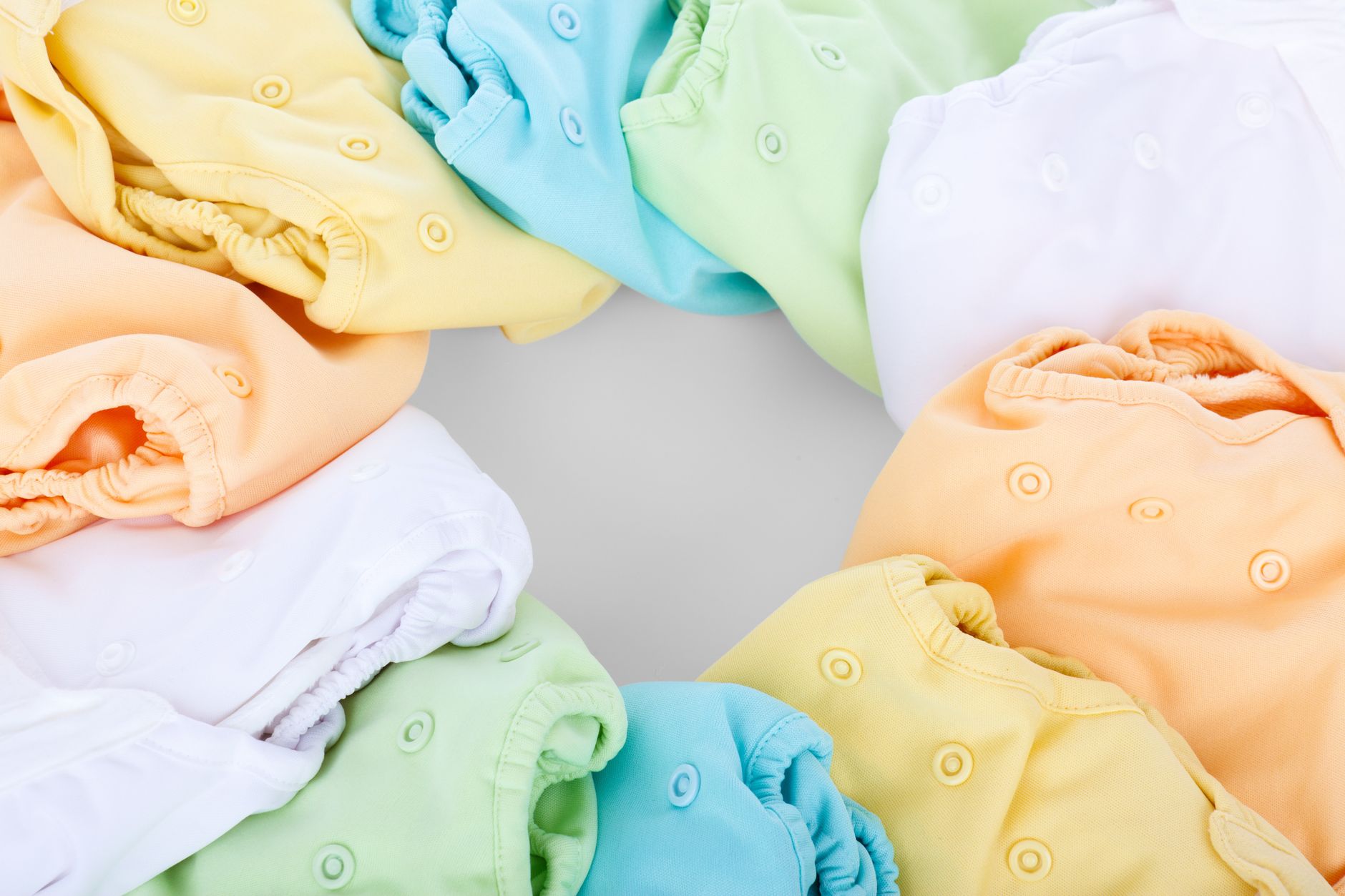
Choose the right material. Natural fibers like cotton, bamboo, or hemp absorb moisture well and are less likely to cause irritation.
Use a waterproof outer layer. A breathable, TPU‑coated cover lets air circulate while preventing leaks.
Rinse thoroughly. Run a final rinse cycle without fabric softener to remove detergent residue.
Rotate diapers. Allow each diaper to dry completely before the next use.
Add a liner. A thin, washable liner can provide an extra barrier and make cleaning easier.
When you prefer disposable options, look for “breathable” or “air‑flow” designs—these often have a mesh panel that reduces moisture buildup. Brands like Pampers Pure Protection and Huggies Little Snugglers emphasize a soft, breathable outer cover.
One practical tip from the NHS: after each wash, add a cup of white vinegar to the final rinse. The mild acidity helps break down any lingering detergent that could irritate the baby’s skin.
It’s also worth noting that some cloth‑diaper users add a small amount of baking soda to the wash to neutralize odors without affecting the fabric’s absorbency. As long as the diaper is rinsed thoroughly, this practice is considered safe by most pediatric skin‑care experts.
Choosing breathable cloth diapers and allowing them to dry fully helps keep moisture away from the skin.
How does diaper‑free time help prevent rash?
Giving your baby short periods without a diaper—often called “diaper‑free time” or “air‑out sessions”—lets moisture evaporate and gives the skin a chance to repair its natural barrier. The AAP notes that even 10–15 minutes of diaper‑free time a few times a day can dramatically reduce the incidence of mild rashes.
During these sessions, place a clean, soft towel or a breathable cotton blanket on a flat surface and keep the baby comfortable. If your infant is still very young, you can do this while they’re awake and content, such as after a feeding or a nap. For newborns who sleep most of the day, a brief diaper‑free window while they’re alert can still be beneficial.
Research from the WHO’s infant‑care guidelines highlights that diaper‑free time also supports skin pH balance, which can deter yeast overgrowth. Just be sure the environment is warm enough to avoid chilling, and keep an eye on any signs of irritation from exposure to air or clothing.
For families using cloth diapers, a “diaper‑free” period can be as simple as laying the baby on a clean, absorbent towel for a short stretch before putting the next diaper on. This routine also gives parents a moment to check for any hidden irritation that might otherwise go unnoticed.
Can diet affect diaper rash?
What your baby eats—or what you eat if you’re breastfeeding—can change the composition of stool, sometimes making it more acidic or irritating. Citrus fruits, tomatoes, and certain berries are common culprits that can turn stool a darker color and increase the likelihood of a rash.
If you suspect a dietary link, try a short elimination diet. Remove one potential trigger (e.g., citrus) for three to five days while monitoring the rash. If the rash improves, you may have found the offending food. The AAP recommends discussing any major diet changes with your pediatrician, especially for infants under six months.
For exclusively breastfed babies, maternal caffeine intake can also influence diaper rash severity. High caffeine consumption may increase urine output, leading to more frequent wetness. Moderating caffeine to under 200 mg per day (about one cup of coffee) is a safe guideline from the CDC.
Some parents find that probiotic‑rich foods—like plain yogurt for older infants—can help balance gut bacteria, which may indirectly reduce the acidity of stool. While evidence is still emerging, the American Academy of Dermatology (AAD) notes that a balanced gut microbiome can support overall skin health.
Adjusting the baby’s diet or a breastfeeding mother’s intake can sometimes ease diaper‑rash irritation.
How to choose the right diaper for rash prevention?
Choosing a diaper that works with your baby’s skin is a blend of material, fit, and breathability. Look for diapers labeled “hypoallergenic,” “fragrance‑free,” and “chlorine‑free” if your baby has especially sensitive skin. These terms indicate fewer potential irritants.
Fit matters just as much as material. A diaper that’s too tight creates friction, while one that’s too loose allows leaks and excess moisture. The AAP suggests a “finger test”: you should be able to slide a clean finger comfortably between the diaper and your baby’s belly.
Breathability is another key factor. Diapers with a mesh or micro‑vent panel let air circulate, reducing the warm, damp environment that fuels yeast growth. Brands such as Honest Company’s “Pure” line and Luvs Ultra‑Absorb use such technology and are often recommended by pediatric skin‑care specialists.
Finally, consider the absorbent core. Super‑absorbent polymers (SAP) lock away liquid, but some parents find that a cotton‑core diaper feels softer on newborns. Testing a few varieties over a week can reveal which works best for your baby’s unique skin.
Can probiotic or prebiotic creams help with diaper rash?
Probiotic‑infused creams are a newer entry into the diaper‑rash market. They contain live bacteria—usually Lactobacillus species—that aim to restore a healthy skin microbiome and outcompete harmful yeast.
Current evidence from the AAD suggests that while probiotic creams are safe for most infants, they have not yet shown consistent superiority over traditional zinc‑oxide ointments for treating established rashes. However, for babies prone to recurrent yeast infections, a probiotic cream used as a preventative barrier may reduce flare‑ups, according to a small 2022 clinical trial.
If you decide to try a probiotic product, look for “clinical‑grade” formulations that guarantee a minimum colony‑forming unit (CFU) count and have been tested for infant safety. Always consult your pediatrician first, especially if your baby has a known immune deficiency.
Doctor’s note
From our medical team: Diaper rash is usually manageable at home, but keep an eye on the rash’s appearance and your baby’s behavior. If you notice spreading lesions, fever, or persistent discomfort after 48 hours of standard care, schedule a pediatric appointment. Early treatment of yeast or bacterial infections can prevent complications.
Myth vs. fact
Myth: “All diaper rash creams are the same.”
Fact: Ingredients matter. Zinc‑oxide provides a protective barrier and mild antiseptic effect, while petroleum jelly offers moisture sealing but no anti‑inflammatory benefits. Choose based on rash severity and skin sensitivity.
Myth: “If you change diapers frequently, rash will never happen.”
Fact: Even with frequent changes, prolonged exposure to urine or stool enzymes can cause irritation. Air‑outs and barrier ointments are still essential.
Myth: “Homemade remedies replace medical creams.”
Fact: Natural remedies can soothe mild irritation but are not a substitute for antifungal or antibacterial treatments when an infection is present.
Key takeaways
Change diapers every 2–3 hours and clean with warm water; pat dry.
Apply a thin barrier ointment (zinc‑oxide or petroleum jelly) after each change.
For overnight rashes, use a thick zinc‑oxide layer and a high‑absorbency diaper.
Watch for satellite bumps (yeast), pus, fever, or spreading rash—these require medical attention.
Choose fragrance‑free, breathable diapers and wipes; cloth diapers need thorough rinsing.
Gentle home remedies (coconut oil, oatmeal paste) can complement but not replace medical creams for moderate to severe rashes.
Consider brief diaper‑free sessions each day to let skin breathe and heal.
Monitor your baby’s diet and your own caffeine intake if rashes persist.
When selecting a diaper, prioritize fit, breathable panels, and hypoallergenic materials.
Probiotic creams may help prevent recurrent yeast rashes, but consult your pediatrician before use.
Frequently asked questions
Can diaper rash be caused by a yeast infection?
Yes. A yeast (candida) infection often appears as bright red patches with tiny satellite spots that spread outward, especially after a bowel movement.
How often should I change my baby's diaper to prevent rash?
Changing every 2–3 hours, and immediately after a stool, keeps moisture away from the skin and reduces irritation.
What ingredients should I avoid in diaper rash creams?
Avoid fragrance, parabens, and high concentrations of alcohol or lanolin if your baby has sensitive skin; these can worsen irritation.
Is it safe to use petroleum jelly on a diaper rash?
Petroleum jelly is safe and creates a moisture‑locking barrier, but it lacks the mild antiseptic properties of zinc‑oxide for more stubborn rashes.
When should I see a doctor for my baby's diaper rash?
Seek medical care if the rash doesn’t improve after 48 hours, spreads beyond the diaper area, is accompanied by fever, or shows signs of infection (pus, strong odor).
Can diet affect my baby's diaper rash?
Yes. Certain foods (e.g., citrus, tomatoes) can change stool acidity, potentially irritating the skin. If rashes persist, discuss a diet review with your pediatrician.
Can diaper rash cause lasting skin damage?
Most rashes heal without permanent changes, but severe or untreated infections can lead to scarring or hyperpigmentation. Prompt treatment and proper skin care usually prevent lasting effects.
Is baby powder safe to use on a diaper‑area?
Most pediatric experts, including the AAP, advise against using talc‑based powders because inhaled particles can irritate the lungs. If you want a powder, choose a cornstarch‑based, fragrance‑free option and use it sparingly.
What is the best way to clean a diaper rash without wiping?
Gently rinse the area with warm water using a soft washcloth, then pat dry before applying a barrier ointment; this avoids potential irritation from wipes.
How often should I give my baby diaper‑free time?
Aim for 10–15 minutes of diaper‑free time two to three times a day; this short “air‑out” period helps moisture evaporate and supports skin healing.
When to call your doctor
If you notice any of the following, call your pediatrician right away: fever ≥ 38 °C (100.4 °F), spreading rash, pus or foul odor, blisters, severe irritation that persists beyond 48 hours despite proper care, or signs of an allergic reaction such as hives.
This article is for informational purposes only and does not replace personalized medical advice. Always consult your healthcare provider for concerns specific to your baby.
References
American Academy of Pediatrics. “Diaper Dermatitis.” Clinical Report, 2022.
National Health Service (NHS). “Diaper Rash.” Patient Information, 2023.
Centers for Disease Control and Prevention (CDC). “Candida Infections in Infants.” Health Guidance, 2021.
World Health Organization (WHO). “Guidelines on Infant Skin Care.” 2020.
Royal College of Obstetricians and Gynaecologists (RCOG). “Care for Premature Infants.” Clinical Advice, 2022.
U.S. Food and Drug Administration (FDA). “Over‑The‑Counter Topical Products for Diaper Rash.” Consumer Update, 2021.
American Academy of Dermatology (AAD). “Managing Infant Skin Conditions.” Patient Resources, 2023.
National Institute for Health and Care Excellence (NICE). “Skin Care for Babies.” Guidance, 2022.
American Academy of Pediatrics. “Diaper‑Free Time and Skin Health.” Clinical Tips, 2021.
Centers for Disease Control and Prevention (CDC). “Nutrition and Infant Feeding.” Dietary Guidance, 2022.
American Academy of Dermatology. “Probiotic Skin Care for Infants.” Clinical Summary, 2022.
Not sure about the label on Diaper Rash Treatment products?
Snap the ingredients list and SafeFilter checks every ingredient for your stage — only 3 free scans this month, then you're locked until reset. Unlimited from $7/mo or $50/yr.
When Shubhra Mishra was expecting her first child in 2016, she was overwhelmed by conflicting food advice — one site said yes, another said never. By the time her second baby arrived in 2019, she realized millions of mothers face the same confusion.
That sparked a five-year journey through clinical nutrition papers, cultural diets, and expert conversations — all leading to BumpBites: a calm, compassionate space where science meets everyday motherhood.
Her long-term vision is to build a global community ensuring safe, supported, and free deliveriesfor every mother — because no woman should face pregnancy alone or uninformed. 🌿
🌍 Stand with mothers, shape safer guidance
Join a small circle of experts who review BumpBites articles so expecting parents everywhere can decide with confidence.