Discover the best breakfast for pregnant women, packed with essential nutrients like folate, iron, and protein to support mom and baby. Quick, healthy ideas here!
By Shubhra Mishra — a mom of two who turned her own confusion during pregnancy into BumpBites, a global mission to make food choices clear, safe, and stress-free for every expecting mother. 💛
Check whether any food is safe during pregnancy with the BumpBites Food Safety Checker.
Quick take: A balanced breakfast for pregnancy should include protein, fiber, iron, calcium, and folate, stay within trimester‑specific calorie ranges, and avoid high‑mercury fish, unpasteurized dairy, and raw eggs. Choose nutrient‑dense foods—like fortified cereals, leafy greens, Greek yogurt, and low‑glycemic fruit smoothies—to support both you and your baby, and keep portion sizes moderate to manage morning nausea or gestational diabetes.
It’s 7 a.m., you’re still feeling the queasy swirl that started with the first trimester, and you’re staring at the pantry wondering whether that bag of cereal is a safe choice. You’re not alone. Many expectant moms grapple with breakfast decisions every day—what to eat, how much, and whether a quick grab‑and‑go will give both you and your baby the nutrients you need.
In this guide we break down the “best breakfast for pregnant women” into bite‑size sections that answer the exact questions you’re typing into Google. From soothing nausea‑friendly foods to high‑protein power plates, gluten‑free ideas, low‑sugar options for gestational diabetes, and budget‑friendly meals, we’ve got you covered. We’ll also walk you through calorie needs by trimester, iron‑boosting choices, safe versus unsafe foods, hydration tips, caffeine limits, and practical meal‑prep tricks.
By the end of this article you’ll have a clear plan for a nutritious morning routine that eases common pregnancy symptoms, supports fetal growth, and fits your schedule and budget.
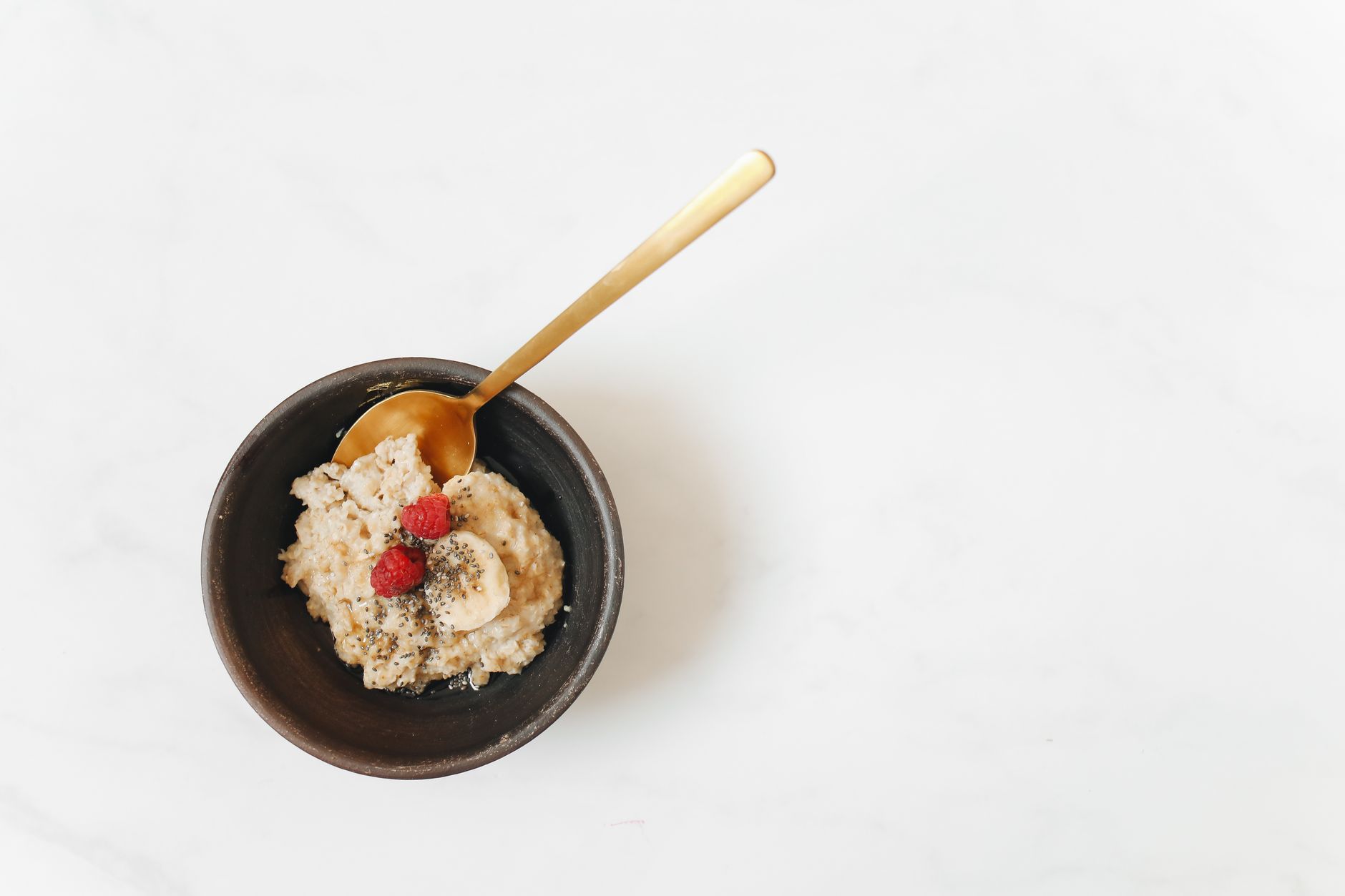
Start your day with a fiber‑rich oatmeal bowl topped with antioxidant‑packed berries.
What are the best breakfast foods for morning nausea during pregnancy?
Morning nausea, often called “morning sickness,” can make even the simplest breakfast feel like a challenge. The goal is to choose bland, easy‑to‑digest foods that settle the stomach while still delivering essential nutrients.
Key strategies:
Plain carbohydrates. Toast, crackers, plain rice cakes, or a small bowl of plain cereal (preferably low‑sugar) can help absorb stomach acid.
Protein in small portions. A slice of lean turkey or a spoonful of Greek yogurt adds protein without overwhelming the digestive system.
Cool or room‑temperature foods. Cold items like a banana or a chilled smoothie are often better tolerated than hot meals.
Ginger. Adding fresh ginger to tea or a smoothie can reduce nausea for many women (ACOG, 2022).
Example breakfast: Two plain whole‑grain crackers topped with a thin spread of almond butter, a small banana, and a cup of ginger‑infused herbal tea. This combo provides about 200 kcal, 6 g protein, 4 g fiber, and a gentle calcium boost from the almond butter.
In addition to these foods, staying hydrated with sips of water or electrolyte‑light drinks can help keep nausea at bay, especially if you’re experiencing vomiting. Small, frequent bites rather than one large meal often feel more tolerable.
High‑protein breakfast ideas for pregnant women to support fetal growth
P
rotein is vital for building the baby’s cells, placenta, and maternal tissue. The American College of Obstetricians and Gynecologists (ACOG) recommends 71 g of protein per day for pregnant women, roughly 20‑25 % of total calories.
Here are three protein‑packed breakfast ideas:
Greek yogurt parfait. 1 cup plain Greek yogurt (≈20 g protein) layered with a handful of berries, a tablespoon of hemp seeds, and a drizzle of honey.
Scrambled eggs with spinach. Two eggs (≈12 g protein) cooked with a cup of fresh spinach and a sprinkle of feta cheese; serve with a slice of whole‑grain toast.
Protein‑rich smoothie. Blend ¾ cup fortified soy milk (≈7 g protein), ½ cup frozen mango, ¼ cup rolled oats, 1 Tbsp peanut butter, and a scoop of collagen‑free plant protein powder (≈15 g protein).
Each of these meals also supplies calcium, iron (especially when paired with a citrus fruit), and folate‑rich foods, covering multiple nutrient bases in one sitting.
Pairing protein with a source of healthy fat, such as nut butter or avocado, can further slow digestion, helping you avoid spikes in blood sugar—a useful tactic if you’re prone to gestational diabetes.
Easy gluten‑free breakfast recipes for pregnant women
Gluten intolerance or celiac disease requires careful breakfast planning to avoid hidden gluten while still meeting pregnancy nutrition goals.
Try these simple gluten‑free options:
Quinoa breakfast bowl. Cooked quinoa (½ cup) mixed with almond milk, a dash of cinnamon, sliced apple, and toasted pumpkin seeds.
Gluten‑free avocado toast. Toast a slice of certified gluten‑free whole‑grain bread, spread ripe avocado, sprinkle with hemp hearts, and add a squeeze of lemon.
Chia pudding. Combine 3 Tbsp chia seeds with 1 cup oat‑milk (ensure gluten‑free), let sit overnight, then top with kiwi and a sprinkle of coconut flakes.
All three provide a balanced mix of protein (≈8‑12 g), fiber (≥5 g), and essential fatty acids, supporting both maternal health and fetal brain development.
When selecting gluten‑free breads, look for those fortified with iron and folic acid, as many gluten‑free products lack these added nutrients that are critical during pregnancy.
Nutrient‑rich smoothies for pregnant women breakfast
Smoothies are a quick way to pack vitamins, minerals, and hydration into a single glass. The key is to combine a protein source, healthy fats, and low‑glycemic fruit.
Sample smoothie recipe:
1 cup unsweetened fortified soy milk (calcium & vitamin D)
½ cup frozen blueberries (antioxidants, vitamin C)
¼ cup frozen spinach (folate, iron)
1 Tbsp ground flaxseed (omega‑3 ALA)
½ banana (natural sweetness, potassium)
Optional: ½ tsp spirulina powder for extra iron and B‑vitamins
Blend until smooth. This 300‑kcal drink delivers about 12 g protein, 6 g fiber, 400 mg calcium, and 1 mg iron, making it a well‑rounded breakfast for any trimester.
If you’re concerned about sugar spikes, substitute half the banana with half a cup of avocado for creaminess without extra fructose, and add a pinch of cinnamon to help regulate blood glucose.
Low‑sugar breakfast options for gestational diabetes
Gestational diabetes (GDM) calls for meals that keep blood glucose stable. Aim for a carbohydrate load of 30‑45 g per meal, paired with protein and healthy fats.
Low‑sugar ideas:
Egg white & veggie omelet. Three egg whites with diced bell pepper, tomato, and a slice of low‑fat cheese, served with a small whole‑grain English muffin.
Cottage cheese bowl. ¾ cup low‑fat cottage cheese topped with sliced cucumber, cherry tomatoes, and a sprinkle of pumpkin seeds.
Almond‑flour pancakes. Two small pancakes made with almond flour, egg, and a dash of vanilla, served with a few fresh berries.
These meals keep the glycemic index low while delivering 15‑20 g protein and 8‑10 g fiber, which help blunt post‑meal glucose spikes (American Diabetes Association, 2023).
Adding a side of fresh berries not only adds flavor but also provides a dose of vitamin C, which can improve iron absorption from the protein‑rich components of the meal.
Quick breakfast meals for busy pregnant moms
When time is tight, simplicity is the secret weapon. The following grab‑and‑go combos can be prepared the night before or assembled in under five minutes.
Overnight oats. Combine ½ cup rolled oats, ½ cup fortified milk, 1 Tbsp chia seeds, and a handful of frozen berries in a mason jar; refrigerate overnight. In the morning, add a splash of almond milk and a drizzle of maple syrup.
Nut‑butter banana wrap. Spread 1 Tbsp peanut or almond butter on a whole‑grain tortilla, place a whole banana, roll up, and slice.
Protein bar & fruit. Choose a low‑sugar, high‑protein bar (≥10 g protein, ≤5 g sugar) and pair with an apple or pear.
Each option provides roughly 250‑350 kcal, 10‑20 g protein, and a balanced mix of carbs and fats to keep you energized until lunch.
For an extra boost of iron, sprinkle a teaspoon of ground pumpkin seeds or hemp hearts onto the overnight oats; these seeds are easy to pre‑measure and store.
Vegetarian breakfast options for pregnant women
Vegetarian diets can meet all pregnancy nutrient needs when meals are thoughtfully composed. Focus on plant‑based protein, iron‑rich legumes, and calcium‑fortified products.
Three vegetarian ideas:
Tofu scramble. Crumbled firm tofu sautéed with turmeric, nutritional yeast, diced tomatoes, and kale; serve with a slice of whole‑grain toast.
Bean & avocado toast. Mashed black beans mixed with lime juice, topped with sliced avocado and a sprinkle of pumpkin seeds on gluten‑free toast.
Berry quinoa parfait. Cooked quinoa (½ cup) layered with Greek yogurt, mixed berries, and a drizzle of honey.
These meals each deliver at least 15 g protein, 3‑5 mg iron (enhanced by vitamin C from fruit), and 200‑250 mg calcium (from fortified yogurt or tofu).
Adding a splash of orange juice or a few slices of kiwi to any of these dishes can further increase iron absorption, a simple trick that many pregnant vegetarians find helpful.
Budget‑friendly breakfast ideas for pregnant women
Eating well doesn’t have to break the bank. Staples like eggs, oats, beans, and seasonal produce are both affordable and nutrient‑dense.
Sample budget menu:
Egg & bean breakfast burrito. Scramble two eggs with a half‑cup canned black beans, add salsa, and wrap in a low‑cost corn tortilla.
Peanut butter oatmeal. Cook ½ cup rolled oats with water, stir in 1 Tbsp peanut butter, and top with sliced banana.
Frozen vegetable frittata. Whisk three eggs, mix in a cup of frozen mixed vegetables, pour into a skillet, and bake until set.
Each dish stays under $2 per serving, supplies 15‑20 g protein, and includes fiber and iron from beans or leafy greens.
Buying produce in bulk when it’s in season—such as carrots, apples, or spinach—and freezing portions can stretch your budget while preserving nutrients.
Best breakfast for pregnant women to increase iron intake
Iron supports the expanding blood volume of both mother and baby. The Recommended Dietary Allowance (RDA) for iron in pregnancy is 27 mg per day.
Iron‑boosting breakfast ideas:
Fortified cereal with fruit. One cup of iron‑fortified whole‑grain cereal (≈18 mg iron) with a splash of fortified soy milk and a side of orange slices (vitamin C improves absorption).
Spinach & mushroom omelet. Two eggs cooked with one cup of sautéed spinach and mushrooms (≈3 mg iron) and topped with a sprinkle of low‑fat cheese.
Lentil breakfast bowl. Warm ½ cup cooked lentils with a dollop of Greek yogurt, a drizzle of tahini, and a few pomegranate seeds.
Pair any iron‑rich food with vitamin C‑rich fruit or juice to maximize absorption, as recommended by the NHS and ACOG.
For those who struggle with iron‑rich plant foods, a small glass of orange‑fortified juice or a squeeze of fresh lemon over the meal can make a noticeable difference in how much iron your body takes up.
Pregnancy‑safe breakfast foods to avoid
While many foods are nutritious, some carry risks for the developing fetus. Avoid the following at breakfast (and throughout pregnancy):
Unpasteurized dairy. Soft cheeses like feta, Brie, or queso fresco can harbor Listeria.
Raw or undercooked eggs. This includes homemade mousse, hollandaise sauce, or runny yolks that haven’t reached 71 °C.
High‑mercury fish. Avoid smoked salmon, king mackerel, or swordfish; opt for low‑mercury options like canned light tuna (max 2 servings/week).
Processed meats with nitrates. Hot dogs and some deli meats may contain nitrosamines; choose nitrate‑free or thoroughly heated options.
Excessive caffeine. Limit to <200 mg per day (about one 8‑oz cup of coffee) as per FDA guidance.
Sticking to pasteurized dairy, fully cooked eggs, and low‑mercury protein sources keeps you and your baby safe.
Reading labels carefully—especially for “pasteurized” or “cooked” claims—can help you avoid hidden risks in seemingly harmless breakfast items.
How many calories should a pregnant woman eat for breakfast?
Calorie needs rise as pregnancy progresses. The general recommendation is an additional 300 kcal per day in the second and third trimesters (ACOG, 2022). Breakfast should provide roughly 20‑25 % of total daily calories.
Trimester
Daily extra calories
Estimated breakfast calories
Typical macronutrient split
First
+0 kcal (baseline)
≈250‑300 kcal
15 % protein, 55 % carbs, 30 % fat
Second
+300 kcal
≈350‑400 kcal
20 % protein, 50 % carbs, 30 % fat
Third
+300 kcal
≈350‑450 kcal
20 % protein, 45‑50 % carbs, 30‑35 % fat
Adjust the portion size of your chosen breakfast foods to stay within these ranges, and remember that individual needs may vary based on activity level and pre‑pregnancy weight.
Keeping a simple food diary for a week can give you a realistic picture of how many calories you’re actually consuming at breakfast and help you fine‑tune portions.
Best breakfast for morning sickness in first trimester
During the first trimester, nausea is common, and the best breakfast is one that is bland, low‑fat, and easy on the stomach.
Try this simple “sick‑day” breakfast:
1 slice plain toast with a thin spread of avocado (healthy fats, low‑acid).
½ cup low‑fat cottage cheese (protein, calcium).
Half a peeled banana (potassium, gentle sweetness).
Warm ginger tea (helps settle the stomach).
Combined, this meal supplies about 250 kcal, 12 g protein, and 4 g fiber, while staying low in fat and acidity—key factors that often trigger nausea.
If you find the texture of cottage cheese uncomfortable, swapping it for a small serving of plain Greek yogurt (still low‑fat) can provide the same protein boost with a smoother mouthfeel.
Overnight oats recipe for pregnant women
Overnight oats are a set‑and‑forget option that delivers fiber, iron, and calcium. Here’s a pregnancy‑friendly version:
Combine ½ cup rolled oats, ½ cup fortified soy milk, 1 Tbsp chia seeds, and ¼ cup diced mango in a mason jar.
Stir in 1 tsp honey (optional) and a squeeze of fresh orange juice for vitamin C.
Seal the jar and refrigerate overnight (8‑12 hours).
In the morning, top with a handful of toasted almonds and a sprinkling of cinnamon.
This 350‑kcal breakfast provides roughly 12 g protein, 8 g fiber, 1.5 mg iron, and 350 mg calcium.
For extra iron, replace the mango with a few dried apricot pieces; the natural sweetness remains, and the added iron can help meet daily requirements.
Pregnant woman breakfast meal prep ideas
Meal prep can reduce stress and ensure you get the nutrients you need, even on chaotic days. Here are three prep‑friendly strategies:
Batch‑cook protein. Grill or bake a batch of chicken breast, turkey sausage, or tofu on Sunday. Store in 4‑ounce portions for quick assembly.
Pre‑portion dry ingredients. Measure out oatmeal, quinoa, or chia seed mixes into single‑serve bags. Add fresh fruit or nuts in the morning.
Vegetable‑forward freezer packs. Steam a mix of broccoli, carrots, and bell peppers; freeze in zip‑top bags. Thaw quickly in the microwave for a veggie‑rich omelet or stir‑fry.
With these steps, you can pull together a balanced breakfast in under five minutes, keeping you on track for consistent nutrient intake.
Label each freezer pack with the date and a simple “ready‑to‑heat” tag; this visual cue makes it easier to grab the right portion when you’re short on time.
Best breakfast for second trimester weight gain
The second trimester typically sees the fastest weight gain. A calorie‑dense yet nutrient‑rich breakfast can support healthy gain while preventing excessive fat accumulation.
Try this hearty bowl:
½ cup cooked quinoa (protein, iron)
¼ cup black beans (protein, fiber)
½ cup roasted sweet potato cubes (beta‑carotene, carbs)
Top with a poached egg and a sprinkle of feta cheese.
This meal delivers roughly 500 kcal, 22 g protein, 10 g fiber, and a balanced mix of carbs and fats—ideal for supporting the 300‑kcal daily surplus recommended in the second trimester.
Adding a side of fresh berries or a glass of fortified orange juice adds vitamin C, which helps your body absorb the iron from the beans and quinoa more efficiently.
Hydration and breakfast: why fluids matter in pregnancy
Staying hydrated is essential for maintaining blood volume, supporting amniotic fluid levels, and reducing common pregnancy discomforts such as constipation and swelling. A morning glass of water or a low‑sugar electrolyte drink can jump‑start your day.
Aim for at least 8‑10 oz of water with your breakfast, and consider adding a splash of lemon or cucumber for flavor without extra sugar. For those who struggle with plain water, herbal teas (caffeine‑free) or infused water (e.g., mint‑lime) are excellent alternatives.
In hot climates or during increased physical activity, you may need an extra 1‑2 cups of fluid. Keeping a reusable bottle on the kitchen counter serves as a visual reminder to sip throughout the morning.
Omega‑3‑rich breakfast foods for fetal brain development
Omega‑3 fatty acids, especially DHA, are critical for the baby's brain and eye development. While many think of fish as the primary source, there are plant‑based options that fit comfortably into a breakfast routine.
Flaxseed‑ground oatmeal. Stir 1 Tbsp ground flaxseed into warm oatmeal; the seeds provide ALA, which the body can convert to DHA.
Walnut‑topped yogurt. A cup of plain Greek yogurt topped with a handful of chopped walnuts adds both protein and omega‑3s.
Chia‑seed pudding. Mix chia seeds with fortified soy milk and let sit overnight; chia is another excellent source of ALA.
For those who prefer marine sources, a modest portion (about 2‑3 oz) of canned light tuna or sardines can be incorporated into a breakfast salad or spread, staying within the FDA’s safe mercury limits.
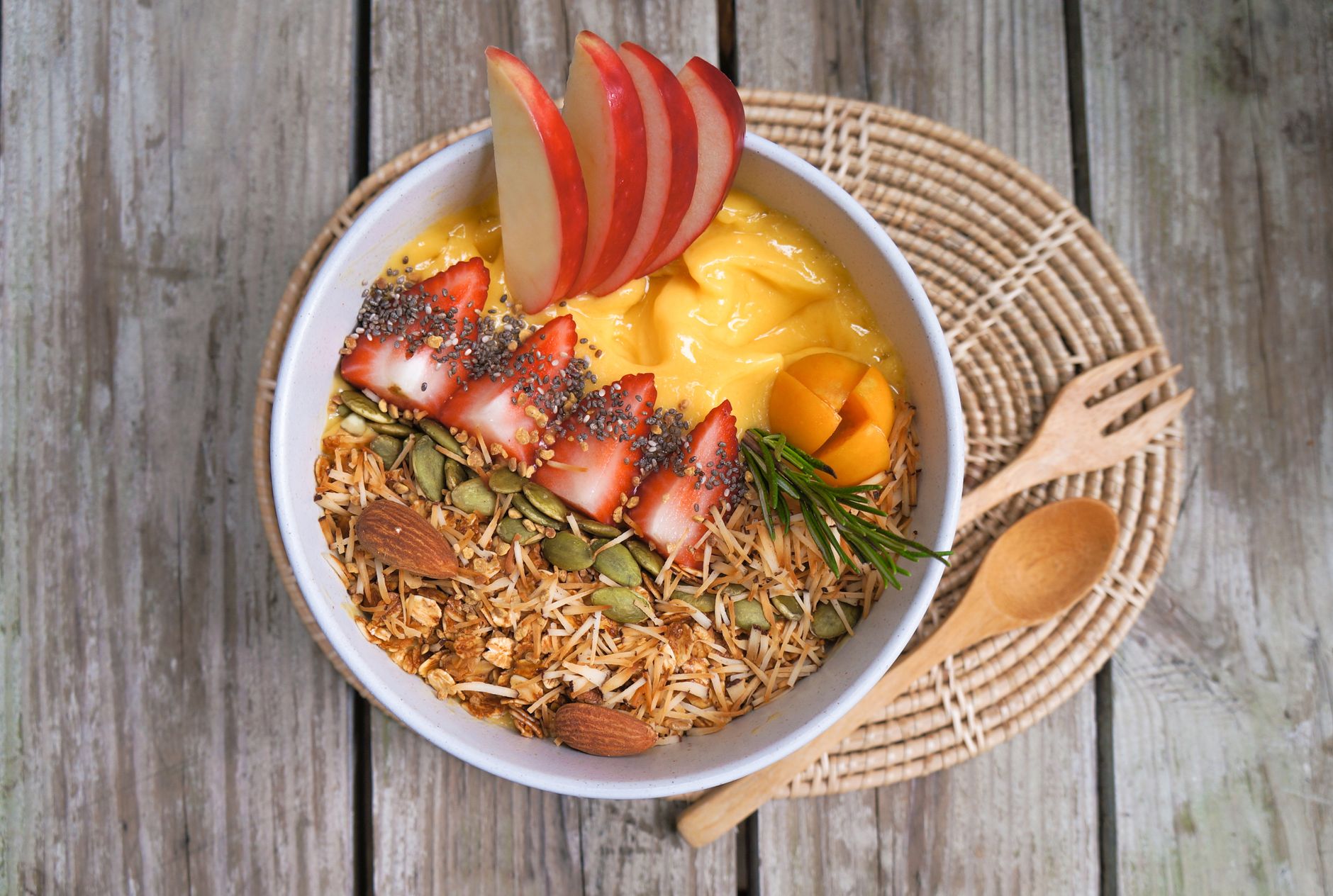
Blend a nutrient‑dense smoothie bowl for a quick, iron‑rich start.
From our medical team: Breakfast is the most important meal of pregnancy because it sets the tone for blood‑sugar stability, nutrient absorption, and fetal development. Choose foods that give you protein, fiber, iron, calcium, and folate. If you’re dealing with nausea, keep portions small and bland; if you have gestational diabetes, watch carbohydrate quality and quantity. When in doubt, talk with your prenatal provider about your individual calorie and nutrient needs.
Myth vs. fact
Myth: You must eat a huge breakfast to support the baby. Fact: Quality matters more than quantity. A balanced 300‑500 kcal meal with protein, fiber, and key micronutrients meets most pregnancy needs.
Myth: Caffeine should be avoided entirely. Fact: Up to 200 mg of caffeine per day (about one 8‑oz coffee) is considered safe by the FDA and ACOG.
Myth: All eggs are risky because of salmonella. Fact: Fully cooked eggs (both whites and yolks) are safe and provide high‑quality protein and choline, essential for brain development.
Key takeaways
Include protein, fiber, iron, calcium, and folate in every breakfast to support both mother and baby.
Adjust portion size to meet trimester‑specific calorie ranges (≈250‑450 kcal).
Choose nausea‑friendly foods (plain carbs, ginger) in the first trimester and iron‑rich options in the second.
For gestational diabetes, pair low‑glycemic carbs with protein and healthy fats.
Stay within 200 mg of caffeine daily and avoid unpasteurized dairy, raw eggs, and high‑mercury fish.
Meal‑prep ahead: batch‑cook proteins, pre‑portion oats, and freeze veggies for quick assembly.
Frequently asked questions
What foods should pregnant women avoid at breakfast?
Foods to steer clear of include unpasteurized dairy (soft cheeses), raw or undercooked eggs, high‑mercury fish, processed meats with nitrates, and excess caffeine (>200 mg/day). These items can pose infection or toxin risks to the developing fetus.
How many calories should a pregnant woman eat for breakfast?
Pregnant women should aim for about 20‑25 % of their total daily calories at breakfast—roughly 250‑300 kcal in the first trimester and 350‑450 kcal in the second and third trimesters, adjusted for activity level.
Can I have coffee for breakfast while pregnant?
Yes, moderate caffeine (up to 200 mg per day, about one 8‑oz cup of coffee) is considered safe by the FDA and ACOG. Keep track of all caffeine sources, including tea, chocolate, and certain sodas.
Are smoothies safe for pregnant women?
Most smoothies are safe when made with pasteurized dairy or fortified plant milks, low‑glycemic fruit, and a protein source. Add vitamin C‑rich fruit to boost iron absorption, and avoid raw eggs or unpasteurized juice.
What are the best protein sources for breakfast during pregnancy?
Top protein choices include Greek yogurt, eggs (fully cooked), fortified soy or almond milk, lean meats, tofu, tempeh, nut butters, and legume‑based dishes like bean burritos or lentil bowls.
How often should I eat breakfast during pregnancy?
Eating breakfast daily helps stabilize blood sugar and provides essential nutrients. If you experience severe nausea, small, frequent meals (including light breakfasts) may be more tolerable than skipping the meal entirely.
Is sushi safe for breakfast during pregnancy?
Traditional sushi that contains raw fish should be avoided because of potential mercury and bacterial concerns. However, cooked sushi rolls (e.g., crab, avocado, or vegetable) made with pasteurized ingredients are generally safe in moderation.
Can I use plant‑based milks in my breakfast?
Yes, fortified plant‑based milks such as soy, almond, or oat milk can provide calcium, vitamin D, and protein. Choose varieties that are fortified and contain minimal added sugars to get the most nutritional benefit.
When to call your doctor
Seek medical attention promptly if you experience any of the following after breakfast: persistent vomiting, severe abdominal pain, sudden swelling of hands or face, signs of dehydration (dizziness, dark urine), or a rapid heart rate. This article is for informational purposes only and does not replace personalized medical advice.
References
American College of Obstetricians and Gynecologists (ACOG). “Nutrition During Pregnancy.” 2022 clinical guidance.
National Health Service (NHS). “Food safety in pregnancy.” Updated 2023.
Food and Drug Administration (FDA). “Caffeine consumption during pregnancy.” 2021.
World Health Organization (WHO). “Guidelines on iron supplementation in pregnancy.” 2020.
American Diabetes Association (ADA). “Gestational Diabetes Management.” 2023 Standards of Care.
Mayo Clinic. “Morning sickness: Tips for relief.” Accessed July 2026.
Centers for Disease Control and Prevention (CDC). “Pregnancy and food safety.” 2022.
National Institute for Health and Care Excellence (NICE). “Nutrition in pregnancy.” 2022 guideline.
Harvard T.H. Chan School of Public Health. “Calcium and pregnancy.” 2021.
U.S. Department of Agriculture (USDA). “MyPlate for Pregnancy.” 2023.
Not sure about the label on Best Breakfast For Pregnant Women products?
Snap the ingredients list and SafeFilter checks every ingredient for your stage — only 3 free scans this month, then you're locked until reset. Unlimited from $7/mo or $50/yr.
When Shubhra Mishra was expecting her first child in 2016, she was overwhelmed by conflicting food advice — one site said yes, another said never. By the time her second baby arrived in 2019, she realized millions of mothers face the same confusion.
That sparked a five-year journey through clinical nutrition papers, cultural diets, and expert conversations — all leading to BumpBites: a calm, compassionate space where science meets everyday motherhood.
Her long-term vision is to build a global community ensuring safe, supported, and free deliveriesfor every mother — because no woman should face pregnancy alone or uninformed. 🌿
🌍 Stand with mothers, shape safer guidance
Join a small circle of experts who review BumpBites articles so expecting parents everywhere can decide with confidence.