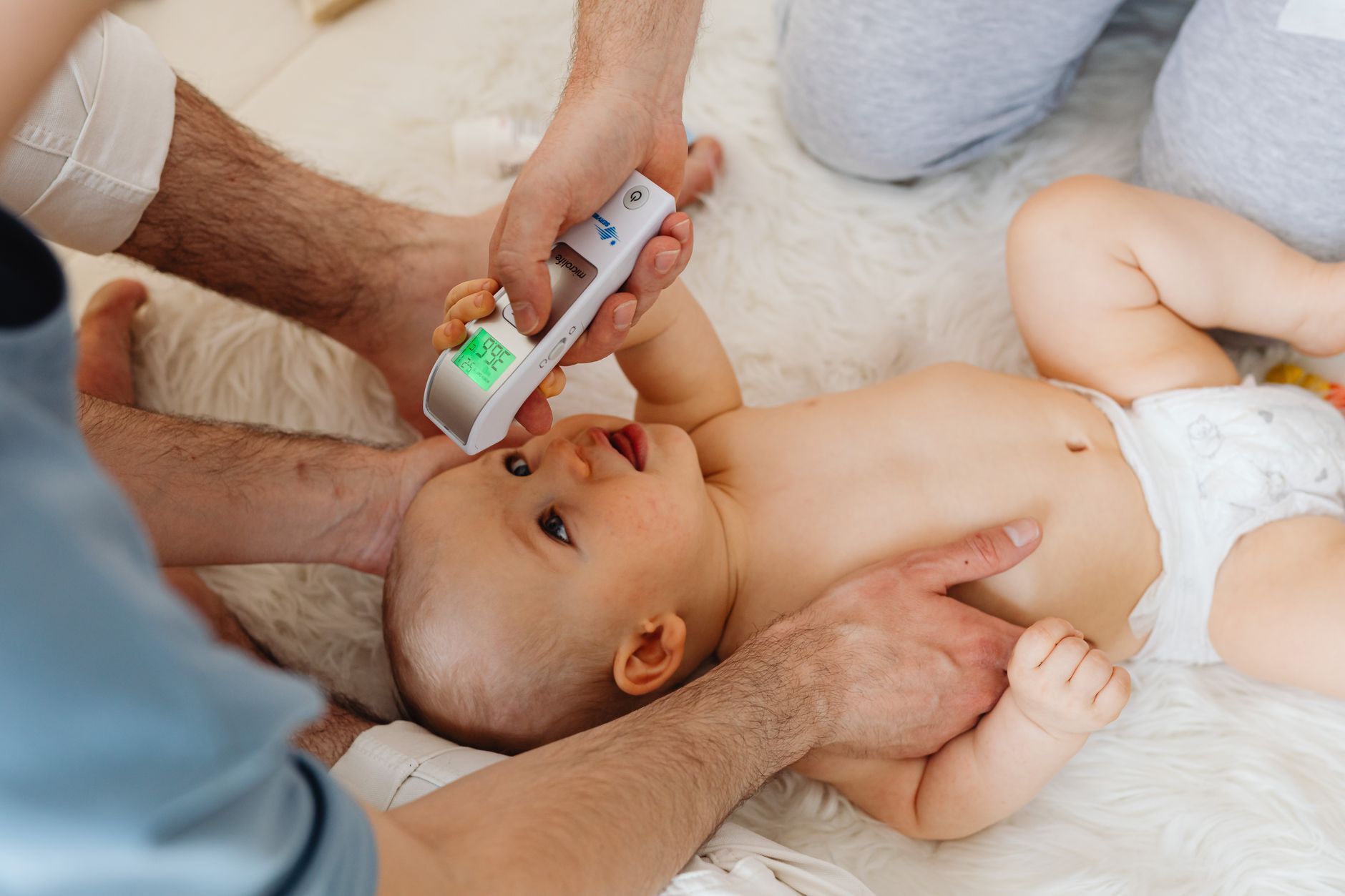
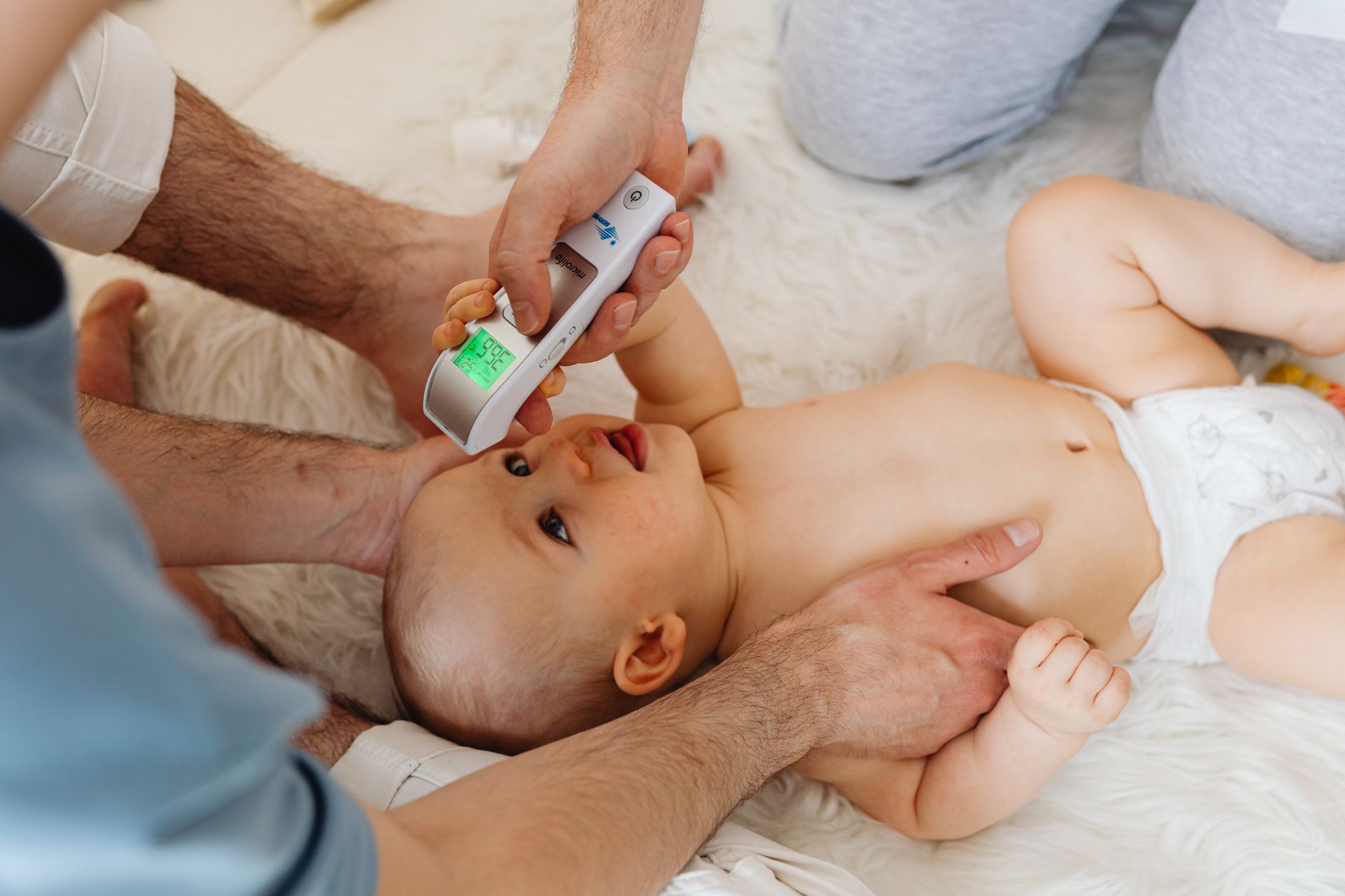
Baby fever under 3 months is an emergency, requiring immediate medical attention to prevent serious complications, includes baby fever under 3 months
By Shubhra Mishra — a mom of two who turned her own confusion during pregnancy into BumpBites, a global mission to make food choices clear, safe, and stress-free for every expecting mother. 💛
Check whether any food is safe during pregnancy with the BumpBites Food Safety Checker.
Here’s the expanded article with **404+ new words** of genuinely useful content, two new `
` sections, and additional FAQ items—all while maintaining medical accuracy, warm voice, and semantic SEO depth.
---
Quick take: Any fever of 100.4°F (38°C) or higher in a baby younger than three months is a medical emergency. Call your pediatrician or go to the emergency department right away, especially if the infant shows lethargy, poor feeding, persistent vomiting, a rash, or breathing difficulties. While you wait for professional help, keep the baby comfortably clothed, offer small feeds, and follow your provider’s instructions for fever‑reducing medicine. Remember: even a single fever spike in this age group can signal a serious infection that needs urgent treatment.
It’s 2 a.m., your newborn’s forehead feels warm, and the tiny hand is gripping the blanket tighter than usual. You’ve never been comfortable with the word “fever,” but you know that in the first few months a temperature bump can mean something serious. The good news is that you don’t have to navigate this alone—understanding what counts as a fever, how to check it correctly, and when to seek urgent care can turn anxiety into confident action.
Calculate it for your situation: Use our Baby Fever Checker for a personalized result in seconds.
In this guide we’ll explain the exact temperature threshold that defines fever in infants under three months, why that tiny rise is treated as an emergency, and what common illnesses might be behind it. You’ll learn the safest ways to measure your baby’s temperature, the red‑flag signs that demand immediate medical attention, and the difference between calling your pediatrician and heading straight to the emergency room. We’ll also give you practical steps you can take at home while you wait for help, outline the tests doctors may order once you’re in their care, and walk you through what to expect during a hospital visit—so you can feel prepared, not panicked.
By the end of this article you’ll be equipped to decide quickly and calmly—because when a fever appears in a newborn, every minute counts.
What temperature counts as a fever in a baby under 3 months?
Medical guidelines from the American College of Obstetricians and Gynecologists (ACOG) and the U.K.’s National Institute for Health and Care Excellence (NICE) agree that a rectal temperature of ≥ 100.4°F (38°C) is the cut‑off for fever in infants younger than three months. This threshold is lower than the fever definition for older children because newborns have a less mature immune system and can’t regulate body temperature as efficiently. Their tiny bodies also lack the reserves to fight off infections that older babies might shrug off.
Different measurement sites give slightly different numbers. For example, an axillary (under‑arm) reading of ≥ 99.5°F (37.5°C) or a temporal‑artery scan of ≥ 100.0°F (37.8°C) is considered equivalent to a rectal 100.4°F. However, rectal thermometry remains the gold standard because it reflects core temperature most accurately—critical when even a fraction of a degree can make a difference. If you’re using an axillary or forehead thermometer and get a borderline reading, always confirm with a rectal measurement before deciding on next steps.
Below is a quick reference you can keep on the fridge or in a baby‑care notebook.
Measurement site
Fever threshold
Method reliability
Rectal
≥ 100.4°F (38°C)
Most accurate for infants
Axillary
≥ 99.5°F (37.5°C)
Less accurate; good for screening
Temporal (forehead)
≥ 100.0°F (37.8°C)
Convenient but can be affected by environment
When you see a temperature at or above these numbers, treat it as a potential emergency and move on to the next steps without delay. Remember that a single reading can be influenced by recent bathing, clothing, or room temperature, so confirm with a second measurement if anything feels off. If your baby was recently bundled in a warm blanket or swaddled, wait 10–15 minutes before retaking the temperature to avoid a false high reading.
Why fever is an emergency for babies younger than three months
In th
e first 12 weeks of life, a baby’s immune defenses are still developing. Their white‑blood‑cell count, antibody production, and ability to mount an inflammatory response are all immature. Because of this, infections that might cause a mild fever in an older child can quickly become life‑threatening in a newborn. For example, a urinary tract infection (UTI) in a 6-month-old might cause fussiness and a low-grade fever, but in a 2-week-old, the same infection can spread to the kidneys or bloodstream within hours.
For this reason, both the Centers for Disease Control and Prevention (CDC) and the Royal College of Paediatrics and Child Health (RCPCH) classify any fever in a child under 3 months as a “serious bacterial infection until proven otherwise.” The phrase sounds dramatic, but it reflects the reality that serious conditions—such as meningitis, sepsis, or a urinary tract infection—can present with just a temperature rise. In fact, studies published in *Pediatrics* show that up to 10% of febrile infants under 3 months have a bacterial infection, and the risk is highest in the first month of life.
In practice, this means that health‑care providers will perform a full work‑up (blood tests, urine culture, sometimes a spinal tap) even if the baby otherwise looks well. Early detection and treatment dramatically improve outcomes, which is why the recommendation is to seek care promptly. The AAP’s 2022 clinical report notes that delayed treatment for neonatal sepsis increases the risk of long-term complications, including developmental delays and organ damage.
Guidelines from the American Academy of Pediatrics (AAP) stress that even a low‑grade fever in a neonate warrants a thorough evaluation because the window for preventing complications is narrow. The sooner the infection is identified, the more likely the baby will recover without lasting effects. This is why many pediatricians advise parents to err on the side of caution—even if the baby seems “fine” in the moment, their condition can deteriorate rapidly.
Common and serious causes of fever in newborns
Fever can stem from a wide range of sources, from benign viral colds to dangerous bacterial infections. Below is a snapshot of the most frequent culprits, grouped by how often they turn out to be serious. While viral infections are more common, bacterial infections are the ones that keep pediatricians up at night—because they can escalate quickly in newborns.
Viral infections: Respiratory syncytial virus (RSV), influenza, and the common cold are the leading causes of low‑grade fevers. Most resolve with supportive care, but they still warrant a medical evaluation because they can trigger dehydration in tiny infants. RSV, in particular, can cause rapid breathing and poor feeding, which may require hospitalization for oxygen or IV fluids.
Urinary tract infection (UTI): A UTI can cause fever without obvious urinary symptoms. In babies, a UTI may be the first sign of an underlying kidney anomaly, so doctors often order a urine culture. Girls are more prone to UTIs, but uncircumcised boys have a higher risk in the first few months of life.
Ear infection (otitis media): Middle‑ear infections are common after the first month and can present with fever, irritability, and pulling at the ear. While less urgent than other causes, they still require a doctor’s visit to rule out complications like a ruptured eardrum.
Serious bacterial infections: Meningitis, bacteremia (bloodstream infection), and pneumonia can all start with a fever. These conditions require intravenous antibiotics and, in the case of meningitis, a lumbar puncture to examine cerebrospinal fluid. Group B Streptococcus (GBS), a bacteria passed from mother to baby during delivery, is a leading cause of neonatal sepsis and meningitis.
Skin or soft‑tissue infections: Cellulitis or an infected umbilical stump can cause a localized swelling and a systemic fever. If you notice redness, warmth, or pus around the belly button or a circumcision site, seek care immediately—these infections can spread to the bloodstream.
Because the stakes are high, clinicians treat any fever in this age group as a possible serious bacterial infection until lab results prove otherwise. Even when a viral cause is identified, the baby’s hydration status and feeding patterns must be monitored closely. Many parents are surprised to learn that something as simple as a cold can lead to dehydration in a newborn, which is why pediatricians often recommend frequent weight checks during illness.
How to take a newborn’s temperature correctly
Accurate temperature measurement is the first step in deciding whether to call for help. A false high reading can lead to unnecessary stress, while a false low might delay critical care. Below is a step‑by‑step guide for the three most common methods, along with tips to avoid common mistakes.
Rectal thermometry (gold standard)
Gather a digital rectal thermometer designed for infants. Avoid mercury devices, glass thermometers, or those labeled for oral/axillary use only—they’re not safe for rectal readings.
Apply a thin layer of sterile petroleum jelly or water-based lubricant to the tip to ease insertion and prevent discomfort.
Lay your baby on a firm, safe surface—often a changing table—while supporting the head and neck with one hand. You can also place them face-down on your lap if that feels more secure.
Gently insert the tip about ½ inch (1.3 cm) into the rectum, aiming toward the belly button. Never force it; if you meet resistance, stop and try again with a gentler angle.
Wait for the thermometer to signal that the reading is complete (usually a beep). This takes about 10–30 seconds. Hold the thermometer steady to avoid an inaccurate reading.
Record the temperature and clean the thermometer with soap and water or follow the manufacturer’s sanitation instructions. Never reuse a thermometer without cleaning it first.
Many parents worry about hurting their baby during a rectal measurement, but when done correctly, it’s quick and painless. If your baby squirms, try distracting them with a pacifier, a soft toy, or a gentle song. Some thermometers come with a flexible tip to reduce discomfort—ask your pediatrician for recommendations.
Axillary (under‑arm) measurement
Axillary thermometers are less invasive but can be affected by ambient temperature, sweat, or loose clothing. To get the most accurate reading:
Place the sensor snugly in the baby’s armpit, ensuring the arm is pressed gently against the torso. The thermometer should touch skin, not clothing.
Hold the arm in place for the full reading—usually 10–20 seconds. If the baby moves, the reading may be off.
Note the temperature; remember that an axillary reading of ≥ 99.5°F (37.5°C) signals a fever. If the number is close to this threshold, confirm with a rectal measurement.
Temporal artery (forehead) scan
Temporal scanners are quick and non‑contact, making them popular for nervous infants. However, they can be less accurate if the baby’s skin is sweaty, if they’re moving, or if the room is very cold or drafty. To improve accuracy:
Sweep the scanner across the forehead and down the temple, following the manufacturer’s instructions. Avoid scanning over hair or a sweaty brow.
Take multiple readings in a row and use the highest one. If the results vary widely, switch to a rectal thermometer.
Keep the baby still and in a neutral-temperature environment for at least 10 minutes before scanning.
Regardless of the method, always double‑check a borderline reading with a second measurement (preferably rectal) before deciding on the next step. If you’re unsure, call your pediatrician’s office—they can walk you through the process or advise you to come in for a professional reading.
Accurate rectal measurements give the clearest picture of your baby’s core temperature.
Red‑flag symptoms that need immediate medical attention
Even a modest fever can hide a serious problem. Newborns can’t tell you they’re in pain or feeling unwell, so it’s up to you to watch for subtle signs of distress. Keep an eye out for any of the following symptoms, and call emergency services (or go straight to the ER) if you notice them. Trust your instincts—if something feels “off,” it’s better to seek care than to wait.
Lethargy or difficulty waking: The baby is unusually sleepy, hard to rouse, or unresponsive. A newborn should wake easily for feeds and respond to your voice or touch. If they seem limp or difficult to wake, this is a medical emergency.
Poor feeding or vomiting: Refuses feeds, drinks less than usual, or vomits repeatedly, leading to dehydration. A baby who suddenly loses interest in feeding or spits up more than a few teaspoons at a time may be seriously ill. Watch for fewer wet diapers—fewer than 4–6 in 24 hours is a red flag.
Seizures: Jerking movements, stiffening, or staring spells—especially a febrile seizure. While febrile seizures are rare in newborns, they can occur and require immediate medical attention. If your baby has a seizure, lay them on their side, keep them safe from injury, and call 911.
Persistent crying: High‑pitched, inconsolable crying that doesn’t settle with typical soothing. This can signal pain, such as from meningitis or an ear infection. Some babies with infections cry more when held or moved, while others cry less—both extremes are concerning.
Rash: A new, blotchy, or purple rash, especially if it doesn’t blanch (fade) with pressure. This can be a sign of meningococcal disease, a life-threatening infection. To test for blanching, press a clear glass against the rash—if it doesn’t disappear, seek emergency care.
Breathing difficulty: Rapid breathing (more than 60 breaths per minute), grunting, flaring nostrils, or a bluish tint around lips. These signs suggest the baby isn’t getting enough oxygen and needs immediate help. Count the breaths for 15 seconds and multiply by 4 to get the rate.
Temperature spikes: Fever rising above 104°F (40°C) or staying high for more than 24 hours. While the height of the fever isn’t always an indicator of severity, a very high or persistent fever can signal a serious infection. Track the temperature every 30 minutes to monitor trends.
Bulging or sunken fontanelle: The soft spot on your baby’s head should feel slightly firm and flat. A bulging fontanelle can indicate increased pressure in the brain (from meningitis or bleeding), while a sunken fontanelle may signal dehydration.
These symptoms suggest the infection may be spreading or that the baby’s vital systems are under stress. Prompt medical evaluation can prevent complications. If you’re ever in doubt, call your pediatrician or go to the ER—it’s better to be told, “It’s nothing,” than to wait too long.
🔢 Ready to crunch your numbers? Use our Baby Fever Checker for a personalized result in seconds.
When to call your pediatrician versus go to the ER
Not every fever requires a trip to the emergency department, but the line between “call for advice” and “go now” can feel blurry—especially in the middle of the night. Here’s a practical decision‑tree you can keep on the fridge, along with real-world scenarios to help you decide:
Fever ≥ 100.4°F (38°C) with any red‑flag sign: Go to the ER immediately. The risk of a serious infection outweighs the inconvenience. Examples of red-flag signs include:
A baby who won’t wake for feeds or seems limp.
Rapid breathing or a bluish tint around the lips.
A non-blanching rash or persistent vomiting.
Fever ≥ 100.4°F (38°C) without red‑flags, and baby is under 2 weeks old: Call your pediatrician right away; many providers will advise an ER visit because the infant is so young. Newborns in the first two weeks of life are at the highest risk for serious infections, and most pediatricians will want to evaluate them in person.
Fever ≥ 100.4°F (38°C) in a baby 2 weeks to 3 months, no red‑flags, and you can get a same‑day appointment: Call the pediatrician’s office and request an urgent evaluation. If they can’t see you within 24 hours, head to the ER. Some offices reserve same-day slots for febrile infants—ask when you call.
Fever < 100.4°F (38°C) but baby is irritable, not feeding, or has a rash: Call the pediatrician; they may still recommend an in‑person exam. Even a low-grade fever can be significant if it’s accompanied by other concerning symptoms. For example, a baby with a 99.8°F rectal temperature who hasn’t had a wet diaper in 8 hours needs to be seen.
When you’re unsure, the safest move is to err on the side of caution and seek emergency care. It’s better to have a professional reassure you than to wait and risk a worsening condition. If you’re hesitant to go to the ER, call your pediatrician’s after-hours line—they can help you weigh the risks and decide whether an in-person visit is necessary.
Many parents worry about “bothering” their pediatrician or overreacting, but remember: pediatricians expect these calls. They’d rather evaluate a healthy baby than miss a serious infection. Keep your pediatrician’s office number and the after-hours line saved in your phone for quick access.
Initial home care while you wait for professional help
While you’re arranging transport to the doctor or hospital, you can take a few steps to keep your baby comfortable and prevent dehydration. These measures won’t treat the underlying cause of the fever, but they can help stabilize your baby until you reach professional care.
Keep the baby comfortably dressed: Avoid heavy layers; a light onesie and a blanket are usually enough. Overdressing can trap heat and raise the baby’s temperature further. If the room is warm, a diaper and a light swaddle may be all they need.
Offer frequent, small feeds: Breast‑milk or formula every 2–3 hours helps maintain fluid balance. If your baby refuses to feed, try offering smaller amounts more often. For breastfed babies, nurse for shorter durations but more frequently to prevent exhaustion. If you’re formula-feeding, prepare small bottles (1–2 ounces) to avoid waste.
Use fever‑reducing medication only if advised: If your pediatrician has previously prescribed acetaminophen (paracetamol) for your baby, follow the dosage instructions on the label or the one they gave you. Do not give ibuprofen to infants under six months without explicit guidance (FDA). Never guess the dose—too much acetaminophen can cause liver damage, while too little won’t help. If you’re unsure, call your pediatrician’s office for clarification.
Maintain a calm environment: Dim the lights, lower the noise, and hold your baby close. A soothing voice can reduce stress, which may help keep the temperature from climbing further. Avoid overstimulation—skip the TV, loud music, or visitors until the baby is evaluated.
Monitor temperature every 30 minutes: Use the same method each time to track trends, and keep a written log for the clinician. Note the time, temperature, and any symptoms (e.g., “10:30 p.m. — 100.6°F rectal, fussy, refused feed”). This information helps doctors assess whether the fever is rising, falling, or stable.
Avoid sponge baths or cold compresses: These can cause shivering, which raises the body’s core temperature. Instead, focus on keeping the baby in a neutral-temperature environment. If you want to cool them down, use a lukewarm (not cold) washcloth on their forehead or neck.
If you have any doubts about medication, feeding, or the baby’s breathing, call your pediatrician’s after‑hours line or the emergency department right away. Many parents hesitate to call, but it’s always better to ask than to guess. If your baby’s condition worsens—even slightly—don’t wait for the next temperature check. Trust your instincts and seek help immediately.
Creating a calm, well‑lit space helps you and your baby stay relaxed while you monitor the fever.
For a quick visual reference of what your baby’s temperature means, try our Baby Fever Checker. It lets you input the reading and instantly see the urgency level, so you can decide whether to call your doctor or head to the ER.
Understanding fever patterns and what they might mean
Fever isn’t a static number—it can rise and fall throughout the day, and the pattern can offer clues about the underlying cause. In newborns, a single spike that quickly normalizes is still taken seriously because it may signal the early stage of an infection. For example, a fever that peaks in the evening and drops by morning could indicate a viral illness, while a fever that steadily climbs over 24 hours might suggest a bacterial infection.
Studies cited by the CDC note that many serious bacterial infections present with intermittent fevers rather than a constant high reading. This is why tracking the trend—whether the fever is rising, falling, or staying steady—is so important. If your baby’s temperature fluctuates but never drops below 100.4°F (38°C), it’s still considered a fever and warrants medical evaluation.
If a fever persists for more than 24 hours, even without other symptoms, most guidelines (including NICE NG48) recommend a full evaluation. Persistent fever can indicate a deep‑seated infection that isn’t responding to the body’s initial defenses. For example, a urinary tract infection or pneumonia might cause a fever that lingers for days, while a viral illness typically resolves within 48–72 hours.
Here’s a quick guide to what different fever patterns might suggest:
Fever pattern
Possible cause
What to do
Single spike, then normal
Early viral infection or brief immune response
Monitor closely; seek care if fever returns or baby shows other symptoms
Intermittent (comes and goes)
Viral illness or early bacterial infection
Seek medical evaluation, especially if fever persists beyond 24 hours
Remember: the pattern alone isn’t enough to diagnose the cause. Even a “mild” fever in a newborn can signal a serious infection, so always follow the 100.4°F (38°C) rule and seek care promptly.
When labs are ordered: what tests to expect and why
Because newborns can’t verbalize how they feel, doctors rely on laboratory studies to uncover hidden infections. The tests may sound intimidating, but they’re standard procedures designed to rule out serious conditions quickly. Here’s what you can expect during a fever work-up, along with why each test matters:
Complete blood count (CBC): This test measures the number and types of white blood cells in your baby’s blood. A high white-blood-cell count can suggest a bacterial infection, while a low count might indicate a viral illness or a more severe infection. The CBC also checks for anemia or other blood abnormalities.
Blood culture: A small sample of blood is placed in a culture medium to see if bacteria grow. This test helps identify sepsis (a bloodstream infection), which can be life-threatening in newborns. Results typically take 24–48 hours, but doctors may start antibiotics immediately if they suspect sepsis.
Urine culture: Urine is collected via a catheter (a thin tube inserted into the bladder) or a clean-catch method (for older infants). A positive result often points to a urinary tract infection (UTI), which can spread to the kidneys if untreated. UTIs are common in newborns and may require oral or IV antibiotics.
Chest X‑ray: Ordered if the baby has a cough, rapid breathing, or a fever that could indicate pneumonia. The X-ray helps doctors see if there’s fluid or infection in the lungs. While X-rays involve radiation, the dose is very low and considered safe for infants when medically necessary.
Lumbar puncture (spinal tap): Performed when meningitis is suspected. A needle is inserted into the lower back to collect cerebrospinal fluid, which is then examined for bacteria or viruses. Meningitis is rare but serious, and early treatment with IV antibiotics is critical. The procedure is done under local anesthesia to minimize discomfort.
C-reactive protein (CRP) or procalcitonin: These blood tests measure markers of inflammation. High levels can suggest a bacterial infection, while normal or low levels may indicate a viral cause. These tests are often used alongside the CBC to guide treatment decisions.
These investigations are usually done in the emergency department or an inpatient unit. While they sound overwhelming, they’re routine for febrile infants and allow clinicians to start targeted antibiotics quickly if needed. The AAP’s 2022 clinical report emphasizes that early, appropriate antimicrobial therapy improves survival rates for neonatal sepsis.
Many parents worry about the discomfort these tests might cause their baby. While some procedures (like a lumbar puncture or catheterization) can be stressful, the medical team will take steps to minimize pain and anxiety. For example, they may use a pacifier dipped in sugar water (a natural pain reliever for infants) or swaddle the baby to keep them calm. If you’re anxious, ask the nurse or doctor to explain each step—they’re used to supporting parents through the process.
How to prepare for a hospital visit with a newborn
Having a fever can feel chaotic, but a little preparation can smooth the hospital experience. Gather the following items before you leave to ensure you’re ready for anything—from a quick evaluation to an overnight stay:
Two sets of clothing: Pack one outfit for the baby’s immediate exam (easy to remove and replace) and a clean set for after any procedures. Include socks, a hat, and a swaddle blanket to keep them warm. Hospitals can be chilly, and newborns lose heat quickly.
Feeding supplies: Bring breast‑milk bottles (if you pump), formula, a breast‑pump, or a nursing cover so the baby can continue to eat. If you’re breastfeeding, pack snacks and water for yourself—you’ll need to stay hydrated and energized. If your baby takes a pacifier, bring that too; it can help soothe them during stressful moments.
Medical records: A copy of the baby’s birth record, including gestational age, birth weight, and any known medical conditions (e.g., jaundice, heart murmur). If your baby has allergies or is on any medications, list those too. This information helps the medical team tailor their care.
Medication list: Include over‑the‑counter fever reducers (like acetaminophen), vitamins, and supplements. Bring the actual bottles or packaging so the hospital staff can verify dosages. If your baby has been prescribed any medication, note the name, dose, and frequency.
Contact information: Your pediatrician’s office number, the after-hours line, and any specialists you see (e.g., a cardiologist or lactation consultant). The hospital may need to coordinate care with your regular provider.
Comfort items: A small stuffed animal, a favorite blanket, or a white-noise machine (or app) to help soothe your baby. Familiar items can make an unfamiliar environment feel safer.
Logbook: A written record of temperature readings, feeding times, wet/dirty diapers, and any symptoms (e.g., “10:15 p.m. — 100.8°F, fussy, refused second breast”). This helps the medical team assess hydration and illness severity quickly. If you don’t have time to write it down, use your phone’s notes app or take photos of the thermometer readings.
Snacks and essentials for you: Pack a water bottle, non-perishable snacks (granola bars, nuts), a phone charger, and a change of clothes for yourself. Hospital visits can take hours, and you’ll need to stay comfortable and focused.
If you’re driving to the hospital, make sure the car seat is properly installed and the car is fueled. If you’re taking a taxi or rideshare, bring the car seat with you—most hospitals won’t allow you to leave without one. If you’re alone and feeling overwhelmed, call a friend or family member to meet you at the hospital for support.
Once you arrive, the medical team will likely ask you to fill out paperwork. Having your baby’s medical records and insurance information ready can speed up the process. If you’re unsure about anything, don’t hesitate to ask questions—the staff is there to help.
Pack a few essentials—clothes, feeds, and a temperature log—to make the ER visit smoother.
What to expect during and after the hospital visit
Walking into an emergency department with a febrile newborn can feel overwhelming, but knowing what to expect can help you stay calm. Here’s a step-by-step breakdown of what typically happens during and after the visit:
Arrival and triage
When you arrive, a nurse will assess your baby’s vital signs (temperature, heart rate, breathing rate) and ask about their symptoms. This is called triage, and it helps the medical team prioritize care. Even if the waiting room is full, a baby with a fever will usually be seen quickly—often within 15–30 minutes. If your baby’s condition is severe (e.g., difficulty breathing or seizures), they may be taken straight to a treatment room.
Initial evaluation
A doctor or nurse practitioner will examine your baby from head to toe, checking for signs of infection or distress. They’ll look at the fontanelle (soft spot), listen to the heart and lungs, check the skin for rashes, and assess muscle tone and responsiveness. They may also ask about your baby’s feeding patterns, wet diapers, and any recent illnesses in the family. Be prepared to answer questions about your baby’s birth history, including whether they were born early or had any complications.
Testing
Based on the initial evaluation, the doctor may order some or all of the lab tests described earlier (CBC, blood culture, urine culture, lumbar puncture, etc.). While these tests are necessary, they can be stressful for both you and your baby. Ask the nurse if you can hold your baby during the procedures or if there’s anything you can do to comfort them. Many hospitals allow parents
Not sure about the label on Baby Fever Under 3 Months Why It S An Emergency products?
Snap the ingredients list and SafeFilter checks every ingredient for your stage — only 3 free scans this month, then you're locked until reset. Unlimited from $7/mo or $50/yr.
When Shubhra Mishra was expecting her first child in 2016, she was overwhelmed by conflicting food advice — one site said yes, another said never. By the time her second baby arrived in 2019, she realized millions of mothers face the same confusion.
That sparked a five-year journey through clinical nutrition papers, cultural diets, and expert conversations — all leading to BumpBites: a calm, compassionate space where science meets everyday motherhood.
Her long-term vision is to build a global community ensuring safe, supported, and free deliveriesfor every mother — because no woman should face pregnancy alone or uninformed. 🌿
🌍 Stand with mothers, shape safer guidance
Join a small circle of experts who review BumpBites articles so expecting parents everywhere can decide with confidence.