

Quick verdict: ⚠️ Baby aspirin for prevention risks is only safe during pregnancy when prescribed by your doctor for specific high-risk conditions like preeclampsia. Most pregnant women should not take it on their own. The typical dose is 81 mg daily, but timing and duration depend on your individual health profile. Always follow your provider’s guidance—never start or stop without their input.
You’re staring at the bottle of baby aspirin in your medicine cabinet, the one you’ve heard might help prevent pregnancy complications. Maybe your friend mentioned it, or you read something online about preeclampsia prevention. Now you’re wondering: Is baby aspirin for prevention risks actually safe during pregnancy? And if your doctor hasn’t mentioned it, should you bring it up yourself?
Here’s the truth: baby aspirin isn’t a one-size-fits-all supplement. For some pregnant women, it can be a literal lifesaver. For others, it might do more harm than good. The key is knowing whether you’re in the high-risk group that could benefit—and understanding the very real risks if you take it without medical supervision. Let’s break down what the evidence says, what your doctor is looking for, and what you can do instead if baby aspirin isn’t right for you.
Baby aspirin safety during pregnancy: a trimester-by-trimester snapshot
| Trimester | Safety verdict | Notes |
|---|---|---|
| First trimester | ⚠️ Only if prescribed | Not routinely recommended for prevention. May be prescribed for specific clotting disorders or high-risk preeclampsia cases. Avoid self-medicating. |
| Second trimester | ⚠️ Only if prescribed | Most common window for starting baby aspirin if your doctor identifies preeclampsia risk factors. Typically started between 12-28 weeks. |
| Third trimester | ⚠️ Only if prescribed | May be continued up to 36 weeks or later, depending on your condition. Your doctor will advise when to stop before delivery to reduce bleeding risks. |
| Breastfeeding | ✅ Generally safe | Low-dose aspirin is considered compatible with breastfeeding. However, always confirm with your provider, especially if your baby was premature or has health concerns. |

What is baby aspirin?
So why do adults take it? Low-dose aspirin works by thinning the blood slightly, which can help prevent blood clots. This makes it useful for people at risk of heart attacks or strokes. During pregnancy, it’s sometimes prescribed to reduce the risk of preeclampsia—a serious condition marked by high blood pressure and organ damage that can develop after 20 weeks of pregnancy. Preeclampsia affects about 1 in 25 pregnancies in the U.S. and can lead to complications like preterm birth, placental abruption, and even maternal or fetal death if untreated.
But here’s the catch: baby aspirin for prevention risks isn’t a universal recommendation. It’s only prescribed when the potential benefits outweigh the risks—and that’s a decision your doctor makes based on your personal health history, not something you should decide on your own.
Is baby aspirin safe during pregnancy?
The short answer: Baby aspirin is safe during pregnancy only when prescribed by your doctor for specific medical reasons. For most pregnant women, the risks—like increased bleeding or potential complications for the baby—outweigh any preventive benefits. But for women at high risk of preeclampsia or certain clotting disorders, the benefits can be significant.
Here’s what major health authorities say:
- ACOG (American College of Obstetricians and Gynecologists): Recommends low-dose aspirin (81 mg/day) for pregnant women at high risk of preeclampsia. High-risk factors include a history of preeclampsia, chronic hypertension, type 1 or 2 diabetes, kidney disease, autoimmune disorders (like lupus), or pregnancy with multiples. ACOG advises starting aspirin between 12 and 28 weeks of pregnancy and continuing until delivery.
- USPSTF (U.S. Preventive Services Task Force): Recommends low-dose aspirin for women at high risk of preeclampsia, starting after 12 weeks of pregnancy. They note that the benefits are greatest when started before 16 weeks.
- NHS (UK National Health Service): Recommends 75-150 mg of aspirin daily for women at high risk of preeclampsia, starting from 12 weeks until birth. They emphasize that this should only be taken under medical supervision.
- FDA (U.S. Food and Drug Administration): Does not approve aspirin for the prevention of preeclampsia but acknowledges that some healthcare providers may prescribe it off-label for high-risk patients. The FDA warns that aspirin use during pregnancy can increase the risk of bleeding and other complications, so it should only be used when clearly needed.
What does this mean for you? If your doctor hasn’t prescribed baby aspirin, don’t start taking it on your own. The risks—including potential bleeding complications, placental issues, or even rare fetal effects—aren’t worth it unless you’re in a high-risk category. If you’re concerned about preeclampsia or other pregnancy complications, talk to your provider about your risk factors and whether baby aspirin might be right for you.
Baby aspirin safety by trimester
First trimester: Is baby aspirin safe?
During the first trimester, your baby’s organs are forming—a process called organogenesis. This is the most sensitive window for potential risks from medications. Baby aspirin is not routinely recommended in the first trimester for prevention, and most guidelines suggest waiting until after 12 weeks to start it, even for high-risk women.
That said, if you have a history of certain clotting disorders (like antiphospholipid syndrome) or other high-risk conditions, your doctor might prescribe baby aspirin earlier. In these cases, the benefits of preventing blood clots or placental issues may outweigh the risks. But this is a decision made on a case-by-case basis—never start baby aspirin in the first trimester without explicit medical advice.
If you’ve already taken a few doses before realizing you’re pregnant, don’t panic. The risk of harm is very low at this stage, especially if you took it before 6 weeks (when the placenta isn’t fully formed). Still, mention it to your doctor at your next appointment so they can monitor your pregnancy appropriately.
Second trimester: When baby aspirin is most commonly prescribed
The second trimester—typically between 12 and 28 weeks—is when most doctors start prescribing baby aspirin for women at high risk of preeclampsia. This timing aligns with when the placenta is fully developed and the risk of preeclampsia begins to rise. Starting aspirin during this window gives it enough time to work before the third trimester, when preeclampsia most commonly develops.
If your doctor has prescribed baby aspirin, this is the time to start taking it consistently. Most guidelines recommend continuing it daily until 36 weeks or later, depending on your risk factors. Skipping doses or stopping early can reduce its effectiveness, so set a reminder or pair it with a daily habit (like brushing your teeth) to stay on track.
While baby aspirin is generally safe during this trimester when prescribed, it’s not risk-free. Some studies suggest a slight increase in the risk of placental abruption (when the placenta separates from the uterus too early) or bleeding complications. These risks are small, but they’re why aspirin is only recommended for women who truly need it.
Third trimester: Balancing benefits and risks
In the third trimester, the benefits of baby aspirin for high-risk women continue, but the risks—particularly bleeding—become more concerning as you approach delivery. Most doctors recommend stopping baby aspirin around 36 weeks of pregnancy, though some may advise continuing until 37 or 38 weeks depending on your individual risk factors.
The reason for stopping? Aspirin thins your blood, which can increase the risk of excessive bleeding during labor and delivery. This is especially important if you’re planning a cesarean section, as bleeding risks are already higher with surgical delivery. Your doctor will weigh the benefits of continuing aspirin (like reducing the risk of late-onset preeclampsia) against the bleeding risks and advise you on the best time to stop.
If you’re taking baby aspirin in the third trimester and experience any unusual symptoms—like heavy vaginal bleeding, severe headaches, vision changes, or sudden swelling—call your doctor immediately. These could be signs of preeclampsia or other complications that need prompt attention.
Breastfeeding: Is baby aspirin safe?
If you’re breastfeeding, you’ll be relieved to know that low-dose aspirin is generally considered safe. The amount of aspirin that passes into breast milk is very small, and most babies aren’t affected by it. The American Academy of Pediatrics (AAP) lists aspirin as compatible with breastfeeding, though they note that high doses should be avoided.
That said, there are a few caveats. If your baby was born prematurely or has certain health conditions (like a bleeding disorder or glucose-6-phosphate dehydrogenase deficiency), your doctor might advise against aspirin. Additionally, if you notice any unusual symptoms in your baby—like fussiness, rash, or unusual bruising—let your pediatrician know.
If you’re taking baby aspirin for a specific medical condition (like preeclampsia prevention), your doctor may recommend continuing it while breastfeeding. But if you’re taking it for general prevention without a prescription, it’s best to stop and discuss safer alternatives with your provider.
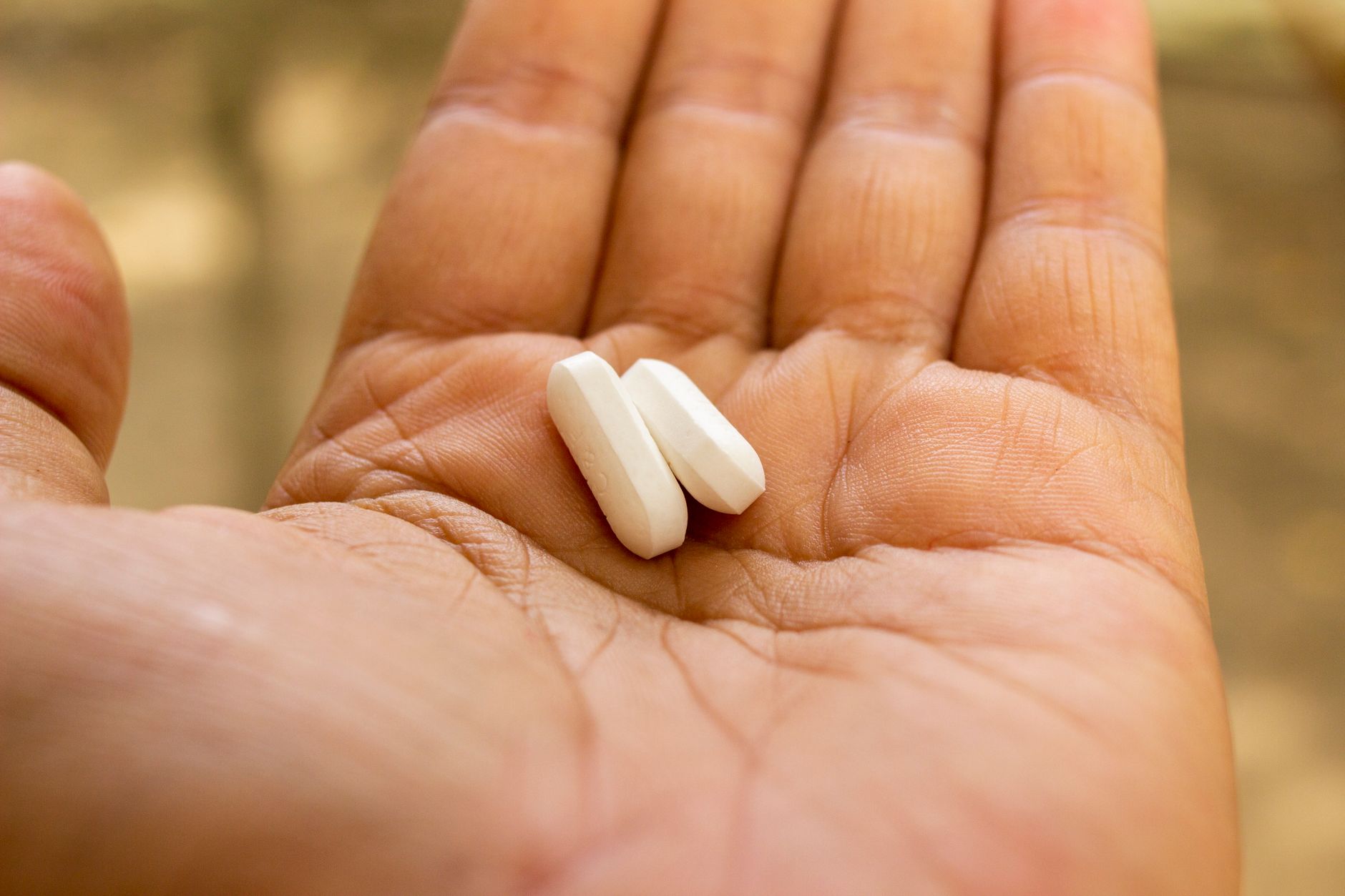
What dosage of baby aspirin is recommended for pregnant women?
The standard dose of baby aspirin for pregnancy is 81 mg per day. This is the most commonly prescribed dose for preventing preeclampsia and other pregnancy-related complications. Some guidelines (like those from the NHS) suggest doses up to 150 mg per day for women at very high risk, but in the U.S., 81 mg is the standard.
Here’s what you need to know about dosage:
- Timing matters: Most doctors recommend taking baby aspirin at bedtime. Some research suggests that taking it in the evening may be more effective for preventing preeclampsia, possibly because it aligns better with your body’s natural blood pressure rhythms.
- Consistency is key: To get the full benefit, you need to take it every day. Missing doses can reduce its effectiveness. If you forget a dose, take it as soon as you remember—unless it’s almost time for your next dose. In that case, skip the missed dose and continue with your regular schedule.
- Don’t double up: If you miss a dose, don’t take two the next day. This can increase the risk of side effects like stomach irritation or bleeding.
- Food can help: Taking baby aspirin with food or a glass of milk can help reduce stomach irritation. Avoid taking it on an empty stomach if you’re prone to nausea or heartburn.
It’s important to note that you should never adjust your dose without talking to your doctor. Even though 81 mg is a low dose, taking more than prescribed can increase your risk of side effects. Similarly, stopping baby aspirin abruptly can leave you unprotected against the conditions it’s meant to prevent.
Which baby aspirin brands are considered safest during pregnancy?
Not all baby aspirin brands are created equal—especially when it comes to pregnancy. Some brands add extra ingredients (like caffeine or other pain relievers) that aren’t safe during pregnancy. Others may use coatings or fillers that could cause stomach irritation. Here’s what to look for when choosing a brand:
| Brand | Safe for pregnancy? | Notes |
|---|---|---|
| Bayer Low-Dose Aspirin (81 mg) | ✅ Yes | The most commonly prescribed brand. Plain, uncoated tablets with no added ingredients. |
| St. Joseph Low-Dose Aspirin (81 mg) | ✅ Yes | Another trusted brand, often recommended by doctors. Uncoated and free of extra ingredients. |
| Ecotrin Low-Dose Aspirin (81 mg) | ⚠️ With caution | Enteric-coated, which can reduce stomach irritation but may also delay absorption. Some doctors prefer uncoated for better consistency. |
| Bufferin Low-Dose Aspirin (81 mg) | ❌ No | Contains buffering agents (like calcium carbonate) that aren’t necessary and could cause stomach upset. |
| Excedrin Tension Headache (contains aspirin) | ❌ No | Contains caffeine and other active ingredients that aren’t safe during pregnancy. |
| Generic store brands (81 mg, uncoated) | ✅ Yes | As long as they’re plain 81 mg aspirin with no added ingredients, generic brands are fine. Check the label to confirm. |
When in doubt, stick to plain, uncoated 81 mg aspirin tablets. Avoid any products that combine aspirin with other medications (like acetaminophen, caffeine, or ibuprofen), as these can increase the risk of side effects. If you’re unsure about a specific brand, ask your pharmacist or doctor before taking it.
Can I take baby aspirin to prevent preeclampsia?
Yes, but only if your doctor prescribes it for you. Baby aspirin isn’t a universal preventive measure—it’s a targeted treatment for women at high risk of developing preeclampsia. Taking it without medical supervision can do more harm than good, especially if you’re not actually at high risk.
Here’s who might benefit from baby aspirin for preeclampsia prevention:
- Women with a history of preeclampsia in a previous pregnancy, especially if it was severe or occurred before 34 weeks.
- Women with chronic hypertension (high blood pressure before pregnancy).
- Women with type 1 or type 2 diabetes.
- Women with kidney disease.
- Women with autoimmune disorders like lupus or antiphospholipid syndrome.
- Women pregnant with multiples (twins, triplets, etc.).
- Women with other risk factors, like obesity (BMI over 30), advanced maternal age (over 35), or a family history of preeclampsia.
If you fall into one of these categories, your doctor may recommend starting baby aspirin between 12 and 28 weeks of pregnancy. The earlier you start (ideally before 16 weeks), the more effective it is at reducing your risk. Most women continue taking it until 36 weeks or later, depending on their individual risk factors.
But what if you don’t have any of these risk factors? Baby aspirin isn’t recommended for low-risk women. In fact, taking it when you don’t need it can increase your risk of bleeding complications without providing any real benefit. If you’re concerned about preeclampsia but don’t have any of the above risk factors, focus on other preventive measures instead, like:
- Attending all your prenatal appointments and monitoring your blood pressure regularly.
- Eating a balanced diet rich in fruits, vegetables, and whole grains.
- Staying physically active (with your doctor’s approval).
- Managing stress and getting enough sleep.
- Taking your prenatal vitamin daily.
How does baby aspirin affect pregnancy-related conditions like gestational hypertension?
Baby aspirin isn’t just for preeclampsia—it can also play a role in managing other pregnancy-related conditions, like gestational hypertension (high blood pressure that develops during pregnancy) and fetal growth restriction (when the baby isn’t growing as expected). Here’s how it works:
Gestational hypertension
Gestational hypertension is high blood pressure that develops after 20 weeks of pregnancy. Unlike preeclampsia, it doesn’t involve protein in the urine or other signs of organ damage. However, it can still increase your risk of complications like preterm birth, placental abruption, and preeclampsia itself.
Baby aspirin may help reduce the risk of developing gestational hypertension in women who are already at high risk. It works by improving blood flow to the placenta, which can help regulate blood pressure. However, it’s not a first-line treatment for gestational hypertension if it’s already developed. In those cases, your doctor will likely recommend other strategies, like blood pressure medications, rest, and close monitoring.
Fetal growth restriction (FGR)
Fetal growth restriction occurs when the baby isn’t growing at the expected rate. It can happen if the placenta isn’t functioning properly, which is more common in women with high blood pressure, preeclampsia, or clotting disorders. Baby aspirin may help improve blood flow to the placenta, reducing the risk of FGR in high-risk women.
If you’re at risk for FGR, your doctor may prescribe baby aspirin starting in the second trimester. They’ll also monitor your baby’s growth closely with ultrasounds to ensure the aspirin is working as intended.
Placental abruption
Placental abruption is a serious condition where the placenta separates from the uterus before delivery. It can cause heavy bleeding and is life-threatening for both mother and baby. While baby aspirin is sometimes prescribed to reduce the risk of placental issues, it can also increase the risk of abruption in some cases. This is why it’s only recommended for women with a clear medical need.
Preterm birth
Preeclampsia and other pregnancy complications are leading causes of preterm birth (delivery before 37 weeks). By reducing the risk of these conditions, baby aspirin may also lower the risk of preterm birth in high-risk women. However, it’s not a guarantee—some women may still deliver early despite taking aspirin.
If you’re taking baby aspirin for any of these conditions, it’s important to stay in close contact with your doctor. They’ll monitor you and your baby regularly to ensure the aspirin is working and to catch any potential complications early.
What are the risks of taking baby aspirin while pregnant?
While baby aspirin can be beneficial for some pregnant women, it’s not without risks. Here’s what you need to know about the potential side effects and complications—both for you and your baby.
Risks for you
- Increased bleeding: Aspirin thins your blood, which can increase the risk of bleeding. This is especially concerning as you approach delivery, when bleeding risks are already higher. Most doctors recommend stopping baby aspirin around 36 weeks to reduce this risk.
- Stomach irritation: Aspirin can irritate the lining of your stomach, leading to heartburn, nausea, or even ulcers. Taking it with food or milk can help, but if you experience severe stomach pain, let your doctor know.
- Allergic reactions: Some people are allergic to aspirin. Symptoms can include rash, itching, swelling, dizziness, or trouble breathing. If you experience any of these, stop taking aspirin and call your doctor immediately.
- Placental abruption: While rare, baby aspirin may slightly increase the risk of placental abruption, especially in women with other risk factors like high blood pressure or a history of abruption.
- Kidney issues: Long-term aspirin use can affect kidney function. If you have pre-existing kidney problems, your doctor will monitor you closely.
Risks for your baby
- Bleeding complications: Aspirin crosses the placenta, which means it can affect your baby’s blood clotting ability. While the risk is low at 81 mg, it’s still a consideration—especially if you’re taking higher doses or have other risk factors.
- Premature closure of the ductus arteriosus: This is a rare but serious condition where a blood vessel in the baby’s heart closes too early. It’s more common with higher doses of aspirin or long-term use, but it’s still a risk to be aware of.
- Low birth weight: Some studies suggest a possible link between aspirin use and lower birth weight, though the evidence isn’t conclusive. If your baby is smaller than expected, your doctor will monitor their growth closely.
- Neonatal bleeding: Babies born to mothers taking aspirin may have a slightly higher risk of bleeding in the brain or other areas, especially if they’re born prematurely. This is why doctors often recommend stopping aspirin before delivery.
It’s important to note that these risks are generally small when baby aspirin is taken as prescribed. For women at high risk of preeclampsia or other complications, the benefits of taking aspirin usually outweigh the risks. But if you’re not in a high-risk category, the risks may not be worth it.
Side effects and risks: what to watch for
Even when taken as prescribed, baby aspirin can cause side effects. Most are mild, but some can be serious. Here’s what to watch for and when to call your doctor:
| Side effect | What it feels like | When to call your doctor |
|---|---|---|
| Stomach pain or heartburn | Burning or discomfort in your upper abdomen, especially after eating. | If it’s severe, persistent, or accompanied by vomiting. |
| Nausea or vomiting | Feeling sick to your stomach, especially in the morning or after taking aspirin. | If you can’t keep food or liquids down for more than 24 hours. |
| Easy bruising | Bruises appearing more easily or taking longer to heal. | If you notice large bruises without an obvious cause or bleeding that doesn’t stop. |
| Nosebleeds or gum bleeding | Bleeding from your nose or gums, especially when brushing your teeth. | If bleeding is heavy, frequent, or doesn’t stop after 10 minutes of pressure. |
| Headaches | Dull or throbbing pain in your head, sometimes with nausea or vision changes. | If headaches are severe, sudden, or accompanied by vision changes, swelling, or high blood pressure (signs of preeclampsia). |
| Dizziness or lightheadedness | Feeling faint, especially when standing up quickly. | If you faint or feel like you might pass out. |
| Ringing in the ears (tinnitus) | A ringing, buzzing, or hissing sound in your ears. | If it’s persistent or accompanied by hearing loss. |
| Allergic reaction | Rash, itching, swelling, trouble breathing, or dizziness. | Call 911 or seek emergency care immediately. |
If you experience any of these side effects, don’t panic—but do pay attention. Some, like mild stomach upset, are common and usually not serious. Others, like severe headaches or heavy bleeding, could signal a more serious problem. When in doubt, call your doctor. It’s always better to be safe than sorry.
Safer alternatives to baby aspirin for preventing pregnancy complications
If baby aspirin isn’t right for you—or if you’re looking for additional ways to support a healthy pregnancy—there are safer alternatives to consider. These options can help reduce your risk of complications like preeclampsia, gestational hypertension, and fetal growth restriction without the risks associated with aspirin. Here are some of the best:
- Prenatal vitamin (One A Day Women’s): Taking a high-quality prenatal vitamin daily is one of the simplest ways to support a healthy pregnancy. Look for one that contains folic acid, iron, calcium, and DHA to help prevent birth defects, anemia, and other complications.
- Omega-3 DHA supplement (Nordic Naturals): Omega-3 fatty acids, particularly DHA, are crucial for your baby’s brain and eye development. They may also help reduce the risk of preterm birth and preeclampsia. Aim for at least 200-300 mg of DHA daily.
- Magnesium glycinate (Doctor’s Best): Magnesium helps regulate blood pressure, reduce inflammation, and prevent preterm labor. Magnesium glycinate is a gentle, well-absorbed form that’s less likely to cause digestive upset than other types. Talk to your doctor about the right dose for you.
- Calcium carbonate supplement (Caltrate): Calcium is essential for strong bones and teeth, but it also plays a role in blood pressure regulation. Some studies suggest that getting enough calcium can reduce the risk of preeclampsia, especially in women with low calcium intake. Aim for 1,000-1,300 mg daily from food and supplements combined.
- Vitamin D3 (Nature Made): Vitamin D deficiency is common during pregnancy and has been linked to an increased risk of preeclampsia, gestational diabetes, and preterm birth. Most prenatal vitamins contain some vitamin D, but you may need additional supplementation, especially if you have limited sun exposure. Ask your doctor to check your levels.
- Low-dose heparin (Lovenox): If you have a clotting disorder like antiphospholipid syndrome, your doctor may prescribe low-dose heparin instead of (or in addition to) baby aspirin. Heparin is an injectable blood thinner that’s safe during pregnancy and doesn’t cross the placenta. It’s more effective than aspirin for preventing blood clots but requires close monitoring.
- Lifestyle changes: Eating a balanced diet, staying active (with your doctor’s approval), managing stress, and getting enough sleep can all help reduce your risk of pregnancy complications. Focus on foods rich in antioxidants, fiber, and healthy fats, like leafy greens, berries, nuts, and fatty fish.
- Regular prenatal care: Attending all your prenatal appointments is one of the best ways to catch potential problems early. Your doctor will monitor your blood pressure, urine protein levels, and baby’s growth to ensure everything is on track. Don’t skip these visits—even if you’re feeling fine.
Before starting any new supplement or medication, always talk to your doctor. Some supplements can interact with medications or cause side effects, and not all are safe during pregnancy. Your provider can help you choose the best options for your individual needs.
Related items: baby aspirin vs. other pain relievers and blood thinners
If you’re considering baby aspirin for prevention risks, you might also be wondering about other pain relievers or blood thinners. Here’s how baby aspirin compares to some common alternatives during pregnancy:
| Item | Safety verdict | Notes |
|---|---|---|
| Regular aspirin (325 mg) | ❌ Avoid | Higher doses of aspirin increase the risk of bleeding, placental abruption, and other complications. Only take if prescribed by your doctor for a specific condition. |
| Enteric-coated aspirin | ⚠️ Only if prescribed | Enteric-coated aspirin is designed to reduce stomach irritation, but it may also delay absorption. Some doctors prefer uncoated aspirin for more consistent effects. |
| Ibuprofen (Advil, Motrin) | ❌ Avoid after 20 weeks | Ibuprofen can cause serious kidney and heart problems in your baby if taken after 20 weeks. Avoid it unless your doctor specifically recommends it. |
| Naproxen (Aleve) | ❌ Avoid | Naproxen is not recommended during pregnancy due to the risk of heart and kidney problems in the baby, as well as bleeding complications for the mother. |
| Acetaminophen (Tylenol) | ✅ Generally safe | Acetaminophen is the preferred pain reliever during pregnancy. It’s safe for occasional use at the recommended dose (325-650 mg every 4-6 hours, max 3,000 mg/day). |
| Aspirin chewable tablets | ⚠️ Only if prescribed | Chewable aspirin is absorbed more quickly than regular tablets, which can increase the risk of side effects. Only take it if your doctor recommends it. |
| Low-dose heparin (Lovenox) | ✅ Safe when prescribed | Heparin is an injectable blood thinner that’s safe during pregnancy. It’s often used for women with clotting disorders or a history of recurrent pregnancy loss. |
| Warfarin (Coumadin) | ❌ Avoid | Warfarin is a blood thinner that can cause birth defects and bleeding complications. It’s not safe during pregnancy unless absolutely necessary (e.g., for women with mechanical heart valves). |
When it comes to pain relief or blood thinning during pregnancy, always check with your doctor before taking anything—even over-the-counter medications. What’s safe for one woman may not be safe for another, depending on her health history and risk factors.
Myth vs. fact: baby aspirin during pregnancy
There’s a lot of misinformation out there about baby aspirin for prevention risks. Let’s clear up some of the most common myths:
Myth: Baby aspirin is safe for all pregnant women to take as a preventive measure.
Fact: Baby aspirin is only recommended for women at high risk of preeclampsia or other pregnancy complications. For low-risk women, the risks (like bleeding or placental abruption) outweigh the benefits. Always talk to your doctor before starting baby aspirin.
Myth: Baby aspirin is the same as a prenatal vitamin—it’s just a supplement.
Fact: Baby aspirin is a medication, not a supplement. It has real risks and side effects, and it should only be taken under medical supervision. Prenatal vitamins, on the other hand, are generally safe for all pregnant women and provide essential nutrients for you and your baby.
Myth: If one dose of baby aspirin is good, two must be better.

