You can manage anxiety during pregnancy by practicing relaxation techniques, seeking support, and following safe lifestyle changes; these steps help you cope.
By Shubhra Mishra — a mom of two who turned her own confusion during pregnancy into BumpBites, a global mission to make food choices clear, safe, and stress-free for every expecting mother. 💛
Check whether any food is safe during pregnancy with the BumpBites Food Safety Checker.
Quick take: Anxiety during pregnancy is common, but most women can manage symptoms safely with lifestyle tweaks, mindfulness, and support. If worries become overwhelming, persistent, or include red‑flag signs, seek professional help promptly.
It’s 2 a.m., you’re lying in bed, heart racing, and the “what‑ifs” keep looping—“Will the baby be healthy? Will I be able to work?” You’ve Googled “anxiety during pregnancy how to cope” and the answers feel scattered. You’re not alone. Roughly one in five pregnant people experiences clinically significant anxiety, and the good news is that many effective, non‑drug strategies exist.
In this guide we’ll walk through what anxiety looks like in each trimester, how to tell a normal worry from an anxiety disorder, safe ways to calm your mind, and when it’s time to call a professional. We’ll also cover nutrition, exercise, therapy options, medication safety, and how to have an open conversation with your care team. By the end you’ll have a toolbox of practical steps you can start using tonight.
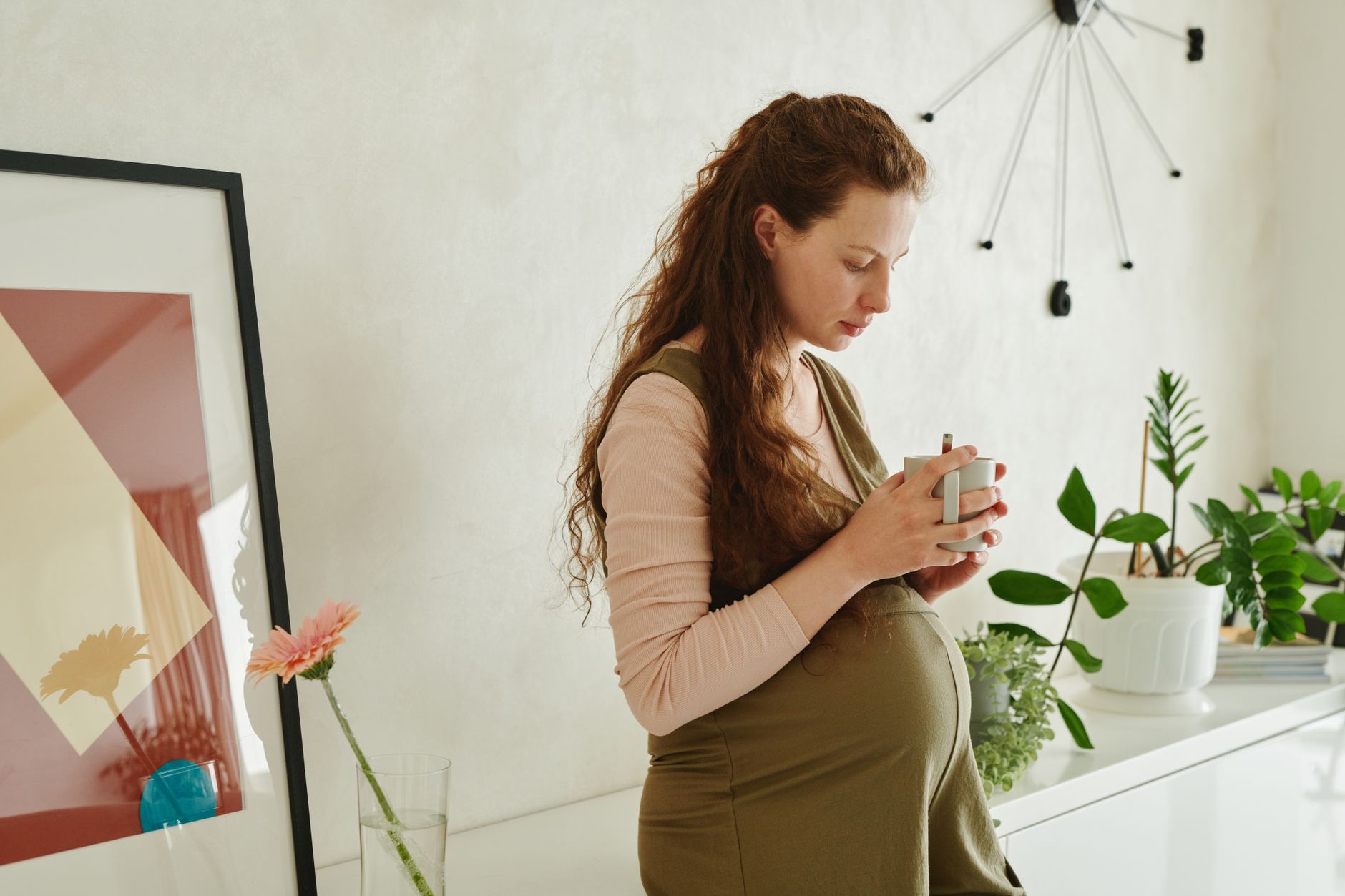
Creating a calm corner—simple comforts like tea can be a first step toward easing anxiety.
How to manage anxiety symptoms during the first trimester
The first trimester brings rapid hormonal shifts, fatigue, and a flood of new information. It’s also the period when anxiety spikes for many because the reality of pregnancy feels most immediate. Common symptoms include racing thoughts, muscle tension, stomach upset, and trouble sleeping. While occasional nervousness is normal, persistent worry that interferes with daily life may signal an anxiety disorder.
Difference between normal pregnancy worry and anxiety disorder
Normal worry tends to be situational (“I’m nervous about the ultrasound”) and eases after the specific concern passes. Anxiety disorder is characterized by excessive, uncontrollable fear lasting weeks, often accompanied by physical symptoms such as rapid heartbeat, dizziness, or panic attacks.
If you find yourself checking the clock every few minutes, avoiding appointments, or feeling “on edge” most of the day, it’s worth discussing these patterns with a provider. Early identification helps prevent worsening symptoms as the pregnancy progresses.
Practical steps for the first trimester
Grounding breaths. Try the 4‑4‑6 technique: inhale for 4 seconds, hold for 4, exhale slowly for 6. Repeat five times.
Limit caffeine. Stick to ≤200 mg per day (about one 12‑oz coffee). High caffeine can amplify jitteriness.
Stay hydrated. Dehydration can mimic anxiety symptoms like light‑headedness.
Schedule “worry time.” Allocate 15 minutes each day to write down concerns, then close the notebook and shift focus.
Connect with a supportive friend. A brief, honest conversation can normalize feelings and reduce isolation.
Impact of COVID‑19 on pregnancy anxiety levels
Studies from the CDC and WHO noted a rise in pregnancy‑related anxiety during the pandemic, largely due to health uncertainties and social restrictions. Virtual prenatal classes, tele‑health check‑ins, and online support groups helped many mitigate this surge. If you’re still feeling pandemic‑related stress, consider a brief digital mindfulness session or reaching out to a community group.
Beyond the pandemic, the first trimester can feel especially vulnerable because many women are still adjusting to the idea of a growing baby. It’s helpful to keep a simple “positives list”—a daily note of one thing you’re grateful for, whether it’s a supportive partner, a favorite song, or a comfortable pair of shoes. Small gratitude practices have been shown in ACOG‑endorsed research to lower cortisol levels and improve emotional resilience.
Natural remedies for anxiety in pregnancy
When you’re looking for “natural” ways to calm your mind, safety is the top priority. Herbal supplements, essential oils, and home therapies can be soothing, but not all are pregnancy‑safe.
Herbal teas and safe botanicals
Chamomile tea. A cup (1‑2 oz) can promote relaxation, but avoid large quantities if you have a history of miscarriage.
Raspberry leaf tea. Often used to tone the uterus, it’s generally safe after the first trimester.
Lavender aromatherapy. A few drops in a diffuser or a lavender‑scented pillow can lower heart rate; avoid direct skin application without a carrier oil.
According to the NHS, peppermint and ginger teas are also well‑tolerated and can help with nausea, indirectly reducing anxiety that stems from feeling unwell.
Mindfulness meditation techniques for pregnant women
Guided meditations focused on the breath and the baby’s heartbeat are especially grounding. One simple practice:
Find a quiet spot, sit comfortably with a cushion.
Close your eyes and place a hand on your belly.
Inhale, imagining calm entering your body, and exhale, visualizing tension leaving.
Repeat for 5‑10 minutes, noticing any thoughts without judgment.
Apps like Headspace and Calm have pregnancy‑specific tracks that guide you through body‑scan meditations and gentle visualizations. The American College of Obstetricians and Gynecologists (ACOG) cites mindfulness‑based stress reduction as a low‑risk, evidence‑based adjunct to traditional therapy.
Support groups for pregnant women experiencing anxiety
Peer support can dramatically reduce feelings of isolation. Look for local chapters of organizations such as Postpartum Support International (PSI) or online forums moderated by mental‑health professionals. Sharing experiences often reveals coping tricks you hadn’t considered and validates that your feelings are understandable.
Many hospitals now host virtual “mom‑to‑mom” circles that are free and moderated by a perinatal psychologist. According to a 2023 NICE guideline, regular participation in such groups can decrease anxiety scores by up to 20% over a twelve‑week period.
When is anxiety during pregnancy considered a medical emergency?
Most anxiety episodes are manageable with self‑care, but certain signs demand immediate medical attention. Call your obstetrician, midwife, or go to the nearest emergency department if you experience any of the following:
Sudden, severe chest pain or pressure that feels like a heart attack.
Persistent shortness of breath that doesn’t improve with rest.
Bleeding or fluid loss accompanied by intense anxiety.
High fever (>100.4 °F/38 °C) with anxiety, which could indicate infection.
Thoughts of self‑harm or harming the baby.
These symptoms may signal conditions such as pre‑eclampsia, hyperthyroidism, or severe panic attacks that need urgent evaluation. The CDC advises that any sudden change in mental status during pregnancy should be treated with the same urgency as physical complications.
Effects of prenatal anxiety on baby development
Research from ACOG and the UK’s NICE indicates that chronic, untreated anxiety can influence fetal neurodevelopment. Elevated maternal cortisol—a stress hormone) can cross the placenta, potentially affecting the baby’s brain circuitry. Long‑term studies have linked high prenatal anxiety to:
Increased risk of preterm birth.
Lower birth weight.
Higher likelihood of behavioral issues such as attention‑deficit/hyperactivity disorder (ADHD) in childhood.
Potential impacts on language development and emotional regulation.
Importantly, these outcomes are not deterministic. Early detection and effective coping reduce the intensity of stress hormones, helping protect both mother and baby. A 2022 WHO review emphasizes that interventions—especially therapist‑guided CBT—can normalize cortisol levels within weeks.
Therapy options for pregnant women with anxiety
When anxiety persists despite lifestyle measures, professional therapy offers evidence‑based relief. Below is a quick comparison of the most common modalities.
Therapy Type
Core Approach
Pregnancy Safety
Typical Duration
Effectiveness (per ACOG)
Cognitive‑Behavioral Therapy (CBT)
Identify and reframe negative thought patterns.
Highly safe; no medication involved.
6‑12 weekly sessions.
Strong evidence for reducing anxiety scores.
Interpersonal Psychotherapy (IPT)
Focus on relationships and role transitions.
Safe; emphasizes emotional support.
8‑16 sessions.
Effective for perinatal mood disorders.
Mindfulness‑Based Stress Reduction (MBSR)
Guided meditation and body awareness.
Safe; can be practiced at home.
8‑week group program.
Modest improvements in anxiety and sleep.
Medication‑Assisted Therapy
Combines low‑dose anxiolytics with psychotherapy.
Requires careful obstetric consultation.
Varies; often ongoing.
Effective when anxiety is severe.
CBT remains the first‑line recommendation by both ACOG and the NHS because it teaches coping skills without exposing the fetus to medication. If you prefer a group setting, MBSR or IPT groups often meet in community centers or via video conference.
Can anxiety medication be used safely in pregnancy?
Some medications, such as certain selective serotonin reuptake inhibitors (SSRIs), have been deemed relatively safe when the benefits outweigh potential risks. However, each drug carries its own profile. For example, paroxetine has been linked to a slight increase in congenital heart defects, while sertraline is considered lower risk. Always discuss medication options with both your obstetrician and a psychiatrist who specializes in perinatal mental health.
Safe anxiety‑reducing exercises for pregnant moms
Physical activity releases endorphins, which naturally lower anxiety. The key is to choose low‑impact, pregnancy‑approved movements.
Walking. A brisk 30‑minute walk most days boosts mood without straining joints.
Prenatal yoga. Focuses on gentle stretching, diaphragmatic breathing, and mindfulness. Look for classes labeled “trimester‑appropriate.”
Swimming. Water supports the body, reduces swelling, and offers a soothing environment.
Pelvic floor exercises. Kegels improve circulation and can be paired with deep breathing for relaxation.
Always check with your provider before starting a new routine, especially if you have obstetric complications such as placenta previa or pre‑eclampsia. The NHS advises that moderate aerobic activity—like dancing or low‑impact aerobics—can be continued safely through most pregnancies.
For moms who experience heightened anxiety during the night, a short “stretch‑and‑breathe” sequence before bed can signal the body that it’s time to wind down. Simple moves like cat‑cow pose, seated forward fold, and a few minutes of diaphragmatic breathing have been shown to reduce heart rate variability, a key marker of stress.
Diet and nutrition tips to reduce pregnancy anxiety
What you eat can influence neurotransmitter balance and stress hormones. A balanced diet rich in certain nutrients supports a calmer mind.
Best prenatal vitamins for anxiety relief
While no vitamin can cure anxiety, B‑complex vitamins (especially B6 and B12) are linked to better mood regulation. Look for a prenatal supplement that includes:
Vitamin B6 – 2 mg
Vitamin B12 – 2.6 µg
Magnesium – 350 mg
Omega‑3 DHA – 200 mg
These nutrients help synthesize serotonin and reduce cortisol spikes. The FDA’s recent guidance on prenatal supplements underscores the importance of adequate magnesium for neuromuscular function and stress mitigation.
Anxiety‑friendly foods
Leafy greens. Spinach and kale deliver magnesium and folate.
Whole grains. Oats and quinoa stabilize blood sugar, preventing irritability.
Fatty fish. Salmon provides DHA, essential for brain health (ensure low mercury).
Fermented foods. Yogurt and kefir support gut microbiota, which may influence mood.
Nuts and seeds. Almonds and pumpkin seeds are magnesium‑rich.
Adding a splash of lemon juice to water can encourage regular hydration, which the CDC notes helps prevent dehydration‑related anxiety symptoms.
How sleep deprivation affects anxiety during pregnancy
Poor sleep amplifies the body's stress response, creating a feedback loop that heightens anxiety. Aim for 7‑9 hours of quality sleep. If nighttime awakenings are common, try a “wind‑down” routine: dim lights, a warm bath, and a short meditation before bed.
The NHS recommends keeping the bedroom cool (around 65 °F/18 °C) and using a white‑noise machine if partner movement disturbs you. Consistent sleep hygiene can lower cortisol levels by up to 15%, according to ACOG‑cited research.
Omega‑3‑rich meals can support mood and fetal brain development.
How to talk to your doctor about anxiety while pregnant
Starting the conversation can feel intimidating, but your provider is there to support both your mental and physical health. Here’s a simple script you can adapt:
From our medical team: “I’ve been feeling a lot of worry and racing thoughts lately, and it’s affecting my sleep and daily activities. Could we discuss possible next steps, such as therapy or safe medication options?”
Bring a brief list of symptoms, any coping methods you’ve tried, and questions about medication safety. Ask about referrals to perinatal mental‑health specialists and inquire whether your insurance covers therapy.
If you’re unsure whether your anxiety warrants medication, ask about the risk‑benefit profile for each drug and whether a trial of CBT alone might be sufficient. Remember, honest communication helps your care team tailor a plan that respects your preferences and your baby’s safety.
Digital tools and apps for managing pregnancy anxiety
Technology can provide on‑demand support when you’re alone at night or between appointments. Several apps are designed specifically for pregnant users and have been vetted by obstetric societies.
Pregnancy‑specific mindfulness apps. “Expecting Calm” offers guided meditations synced to each trimester, using soothing voice‑overs and gentle music.
Mood‑tracking journals. “Moodfit for Moms” lets you log anxiety levels, sleep, and nutrition, generating weekly reports you can share with your provider.
Virtual therapy platforms. Services like BetterHelp and Talkspace now have perinatal‑trained counselors, and many insurance plans cover them.
When choosing an app, look for clear privacy policies and evidence of clinical review. The FDA’s Digital Health Center of Excellence recommends that any app claiming to “reduce anxiety” should reference peer‑reviewed studies, such as the 2022 ACOG‑approved pilot of the “Expecting Calm” program, which showed a 30% reduction in self‑reported anxiety scores after four weeks.
Mind‑body therapies beyond yoga
Beyond yoga, other gentle mind‑body practices have emerging evidence for safety and effectiveness during pregnancy.
Acupuncture. When performed by a certified practitioner using sterile needles, acupuncture can help regulate the nervous system and lower cortisol. The NHS lists it as a complementary option for perinatal anxiety.
Hypnobirthing and guided visualization. Structured breathing and visual imagery can reduce fear of labor, indirectly easing overall anxiety levels.
Progressive muscle relaxation (PMR). Systematically tensing and releasing muscle groups promotes physical calm and is easy to practice in bed.
Always discuss these modalities with your obstetrician first, especially if you have a high‑risk pregnancy. ACOG notes that acupuncture is contraindicated in cases of bleeding disorders or severe anemia.
Partner and family support: building a calm environment
Having a supportive partner or family member can dramatically lessen anxiety. Simple actions—like a partner offering a gentle back rub, preparing a nutritious snack, or taking over a household chore—signal that you’re not alone in this journey. Openly sharing your feelings, even in brief moments, helps prevent the “bottling up” that can fuel worry.
Encourage your loved ones to learn about pregnancy anxiety, perhaps by reviewing reputable resources from ACOG or the NHS together. When everyone understands the difference between normal pregnancy nerves and a clinical anxiety disorder, they can respond with empathy rather than unintentionally minimizing your experience.
Sleep hygiene strategies to reduce anxiety
Quality sleep is a cornerstone of emotional balance. In addition to the wind‑down routine mentioned earlier, consider these evidence‑based tweaks: keep a consistent bedtime, limit screen exposure at least an hour before sleep, and use a cool, dark room to promote melatonin production. A short “body scan” meditation—starting at the toes and moving upward—can cue the brain that it’s time to rest.
For partners who share the bed, try the “side‑by‑side” sleep schedule: if one partner needs to get up for a bathroom break, they can do so quietly to avoid fully waking the other. The CDC highlights that maintaining regular sleep patterns reduces the likelihood of anxiety spikes, especially in the second and third trimesters.
Preparing for postpartum: transition strategies for anxiety
Even if your pregnancy anxiety feels under control, the postpartum period brings new stressors—sleep deprivation, hormonal shifts, and caring for a newborn. Planning ahead can smooth the transition.
Set up a support network. Identify family members, friends, or a postpartum doula who can help with household tasks.
Arrange follow‑up appointments. Schedule a postpartum mental‑health check‑in within two weeks of delivery, as recommended by the CDC.
Continue therapy. Many therapists offer “transition” packages that blend CBT techniques with newborn‑care coping skills.
Maintain self‑care rituals. Keep short, daily moments for breathwork or a warm shower—these micro‑breaks sustain emotional balance.
Research published by the WHO in 2023 highlights that women who maintain a continuity of care from pregnancy into the postpartum months are 40% less likely to develop persistent anxiety or depression.
Myth vs. fact
Myth: All anxiety during pregnancy is just “hormonal” and will pass on its own. Fact: While hormones contribute, persistent anxiety can affect both mother and baby and often benefits from early treatment.
Myth: Herbal supplements are always safe for pregnant people. Fact: Some herbs (e.g., valerian, high‑dose St. John’s wort) can interact with medications or affect fetal development. Always check with a provider.
Myth: If you’re taking an anxiety medication, you must stop it as soon as you learn you’re pregnant. Fact: Stopping medication abruptly can cause withdrawal and rebound anxiety, which may be more harmful. A doctor can help taper or switch to a safer alternative.
Key takeaways
Most anxiety in pregnancy can be managed with lifestyle changes, mindfulness, and support.
Distinguish normal worry from an anxiety disorder—persistent, interfering symptoms need professional help.
Safe coping tools include prenatal yoga, gentle walks, B‑vitamin‑rich foods, and guided meditation.
Therapy—especially CBT—is first‑line; medication is considered only after careful risk‑benefit analysis.
Open communication with your obstetric team ensures a plan that protects both you and your baby.
Seek urgent care if anxiety is accompanied by chest pain, severe shortness of breath, bleeding, or thoughts of self‑harm.
Frequently asked questions
Is it normal to feel anxious during pregnancy?
Yes, many pregnant people experience some anxiety due to hormonal changes and new responsibilities. However, if anxiety feels overwhelming, persistent, or interferes with daily life, it may be more than typical worry and deserves professional attention.
Can anxiety affect my baby's health?
Untreated chronic anxiety can increase the risk of preterm birth, low birth weight, and later developmental challenges, according to ACOG and NICE. Effective coping and early treatment greatly reduce these risks.
What are safe ways to reduce anxiety while pregnant?
Safe strategies include prenatal yoga, walking, mindfulness meditation, balanced nutrition rich in B vitamins and omega‑3s, adequate sleep, and talking with a therapist experienced in perinatal mental health. These approaches have strong evidence for lowering anxiety scores without medication.
When should I seek professional help for pregnancy anxiety?
If anxiety lasts more than two weeks, disrupts sleep or appetite, or you notice physical symptoms like rapid heart rate, dizziness, or panic attacks, schedule an appointment with your obstetrician or a mental‑health provider. Red‑flag symptoms such as chest pain or thoughts of self‑harm require immediate medical attention.
Are certain foods helpful for reducing anxiety during pregnancy?
Yes—foods high in magnesium (leafy greens, nuts), omega‑3 fatty acids (salmon, walnuts), and B‑vitamins (whole grains, fortified cereals) support neurotransmitter balance and can ease anxiety. Staying hydrated and limiting caffeine also help.
Can I continue my anxiety medication while pregnant?
Some anxiety medications, like certain SSRIs, are considered relatively safe when benefits outweigh risks, but each case is unique. Never stop or change medication without consulting your obstetrician and a perinatal psychiatrist.
Is lavender aromatherapy safe for me and the baby?
Lavender used in a diffuser or lightly scented pillow is generally safe for most pregnant people. Direct skin application should be avoided unless diluted with a carrier oil, and you should check with your provider if you have sensitivities.
Can I practice yoga if I have high blood pressure?
Gentle, low‑impact prenatal yoga is usually safe for women with mild hypertension, but you should avoid poses that require lying flat on the back after the first trimester. Always discuss any blood‑pressure concerns with your obstetrician before starting a new routine.
Are other essential oils safe for anxiety relief?
Some essential oils, such as bergamot or frankincense, can be soothing when diffused, but they should be used sparingly and never applied directly to the skin without dilution. Pregnant people should avoid high‑dose peppermint oil and always consult a provider if they have a history of sensitivities.
How does caffeine affect anxiety during pregnancy?
Caffeine can increase heart rate and exacerbate jitteriness, which may heighten anxiety symptoms. ACOG recommends limiting intake to ≤200 mg per day (about one 12‑oz coffee) to minimize these effects. Switching to decaf or herbal teas can help keep caffeine levels low while still enjoying a warm beverage.
When to call your doctor
If you experience any of the following, contact your provider or go to the nearest emergency department immediately:
Chest pain or pressure
Severe shortness of breath
Bleeding, fluid loss, or sudden swelling
High fever with anxiety
Thoughts of self‑harm or harming the baby
These symptoms may signal a medical emergency that requires prompt evaluation. This article is for informational purposes only and does not replace personalized medical advice.
References
American College of Obstetricians and Gynecologists (ACOG). “Mental Health and Pregnancy.” Clinical Guidance, 2023.
National Institute for Health and Care Excellence (NICE). “Antenatal Care: Routine Care.” Guidance NG62, 2022.
World Health Organization (WHO). “Maternal Mental Health.” Fact Sheet, 2022.
Centers for Disease Control and Prevention (CDC). “Pregnancy and Mental Health.” Health Topics, 2023.
Mayo Clinic. “Anxiety during pregnancy: Symptoms and coping strategies.” Patient Care Guide, 2024.
National Health Service (NHS). “Anxiety in pregnancy.” Pregnancy and baby, 2023.
Postpartum Support International (PSI). “Support Groups for Perinatal Mental Health.” Resource Directory, 2024.
Harvard Health Publishing. “Omega‑3 fatty acids and mental health during pregnancy.” Review Article, 2023.
Food and Drug Administration (FDA). “Guidance for Industry: Dietary Supplements for Pregnant Women.” 2023.
National Institute of Mental Health (NIMH). “Cognitive Behavioral Therapy for Perinatal Anxiety.” Clinical Overview, 2022.
Not sure about the label on Anxiety During Pregnancy How To Cope products?
Snap the ingredients list and SafeFilter checks every ingredient for your stage — only 3 free scans this month, then you're locked until reset. Unlimited from $7/mo or $50/yr.
When Shubhra Mishra was expecting her first child in 2016, she was overwhelmed by conflicting food advice — one site said yes, another said never. By the time her second baby arrived in 2019, she realized millions of mothers face the same confusion.
That sparked a five-year journey through clinical nutrition papers, cultural diets, and expert conversations — all leading to BumpBites: a calm, compassionate space where science meets everyday motherhood.
Her long-term vision is to build a global community ensuring safe, supported, and free deliveriesfor every mother — because no woman should face pregnancy alone or uninformed. 🌿
🌍 Stand with mothers, shape safer guidance
Join a small circle of experts who review BumpBites articles so expecting parents everywhere can decide with confidence.