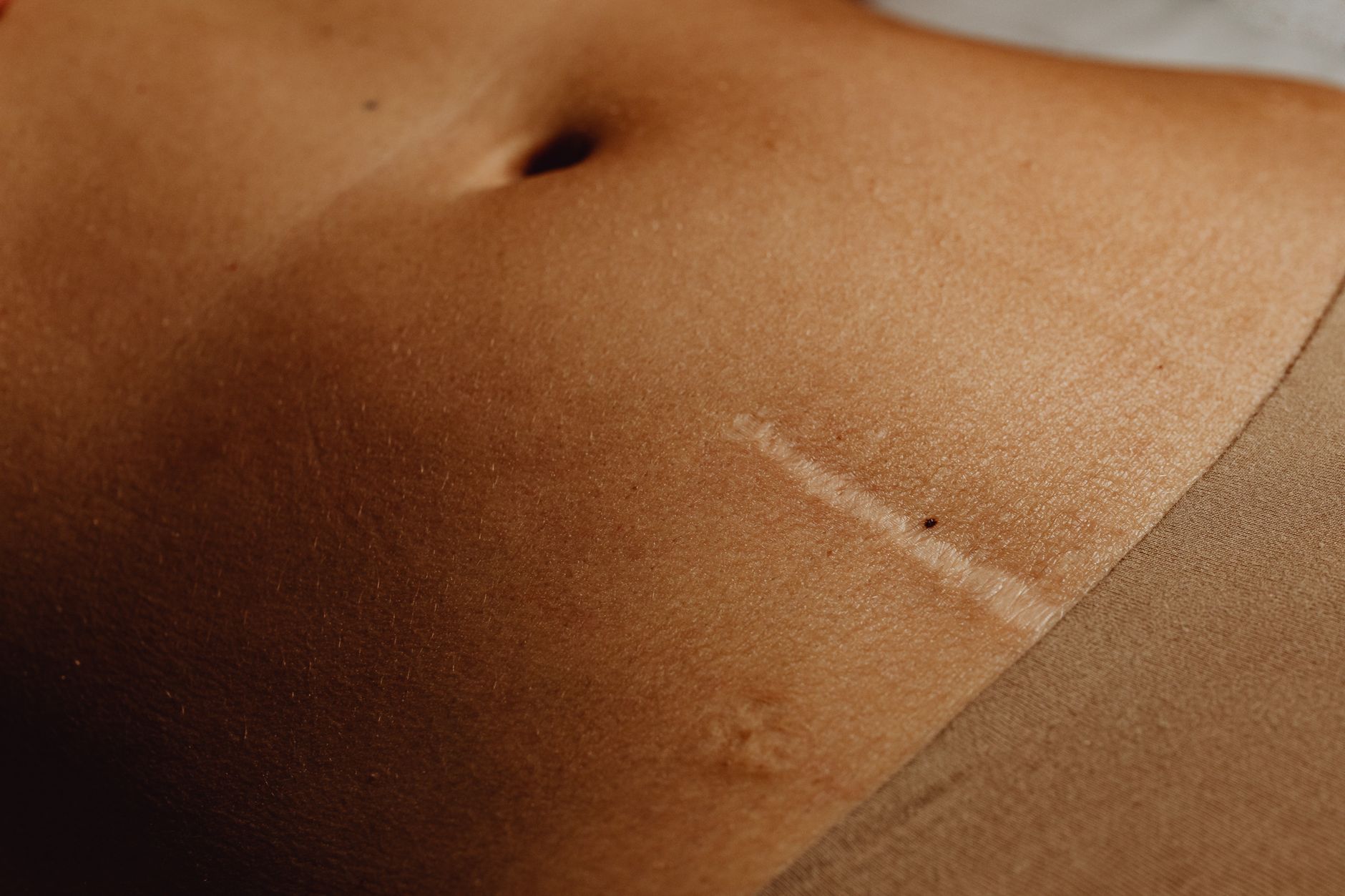
The dark line on a pregnant belly, called linea nigra, is a normal hormonal change that usually fades after delivery. Find out why it appears and to expect.
By Shubhra Mishra — a mom of two who turned her own confusion during pregnancy into BumpBites, a global mission to make food choices clear, safe, and stress-free for every expecting mother. 💛
Check whether any food is safe during pregnancy with the BumpBites Food Safety Checker.
Quick take: The dark line that appears on many pregnant bellies is called the linea nigra. It’s a normal, hormone‑driven pigment change that usually shows up in the second trimester, fades gradually after birth, and isn’t a sign of complications or the baby’s gender. You don’t need prescription treatments—gentle skin care and sun protection are enough.
It’s 2 a.m., you’re half‑asleep, and a sudden flash of your own reflection shows a deep, chocolate‑colored line running from your belly button toward your pubic hair. Your mind races: “Is this normal? Should I be worried?” You’re not alone. Millions of expectant parents notice the linea nigra, and the internet is full of conflicting advice.
We’re here to untangle the science, soothe the worry, and give you practical steps you can take right now. In this guide we’ll explain why the line appears, when you can expect it, how it differs from stretch marks, and what (and what not) to do about it. By the end you’ll have a clear picture of what’s happening to your skin and how to care for it safely.
Below we’ll cover the hormonal causes, the typical timeline, the postpartum fading process, myths about gender and complications, safe skin‑care options, and even a quirky question about whether men can develop a similar line. Let’s dive in.
What causes the dark line on the abdomen during pregnancy?
The line you’re seeing is medically known as the linea nigra, Latin for “black line.” It is a vertical band of increased melanin—the pigment that gives skin its color—running from the pubic region up through the belly button and sometimes beyond. This hyperpigmentation is a direct response to the hormonal environment of pregnancy, and it affects roughly 70‑90 % of pregnant people, regardless of skin tone.
Hormonal drivers: estrogen, progesterone, and melanocyte stimulation
During pregnancy your body produces higher levels of estrogen and progesterone. These hormones boost the activity of melanocytes, the skin cells that produce melanin. The surge is most pronounced in the second trimester, which is why the line often darkens around weeks 12‑20.
Estrogen also stimulates the production of melanocyte‑stimulating hormone (MSH). MSH binds to receptors on melanocytes, telling them to make more pigment. The combination of estrogen, progesterone, and MSH creates a “perfect storm” for hyperpigmentation not only on the belly but also on the nipples, the areolae, and the face (the so‑called “mask of pregnancy” or melasma). According to the American College of Obstetricians and Gynecologists (ACOG), this hormonal cascade is a normal, physiologic part of pregnancy.
Why does my belly get darker in the second trimester?
The second trimester marks the peak of hormonal activity. Your placenta is growing rapidly, releasing more estrogen into your bloodstream. As a result, many women notice a gradual deepening of the linea nigra during weeks 13‑26. The line may start as a faint pinkish streak and become a striking dark band by the end of the second trimester.
Research from the National Health Service (NHS) shows that the pigment darkening is most noticeable in areas where the skin is thin and the underlying blood vessels are close to the surface—exactly the case for the mid‑abdomen. The darkening is usually symmetrical, reflecting the systemic nature of the hormonal change.
Is linea nigra related to hormonal changes during pregnancy?
Yes. The appearance of the linea nigra is directly linked to the hormonal milieu of pregnancy. In fact, the line can be an informal indicator that your endocrine system is responding as expected. It’s not a diagnostic tool, but its presence aligns with the normal rise in estrogen and progesterone.
Can diet or nutrition influence the intensity of the pregnancy dark line?
While diet doesn’t change hormone levels, certain nutrients can affect melanin production. Foods rich in vitamin C (citrus, strawberries) and vitamin E (almonds, sunflower seeds) support skin health and may help keep pigmentation more even. Conversely, excess intake of foods high in tyrosine (a melanin precursor) is unlikely to dramatically darken the line, but a balanced diet ensures overall skin resilience.
Hormonal changes during pregnancy often deepen the linea nigra, especially in the second trimester.
When does the linea nigra appear in the pregnancy timeline?
The linea nigra can emerge at different times for different people, but most women see it between weeks 12 and 20. Below is a typical progression:
First trimester (weeks 1‑12): Some women notice a faint pinkish line or no line at all.
Early second trimester (weeks 13‑16): Hormone levels rise; the line may become more visible, often darkening to a brown hue.
Late second trimester (weeks 17‑24): The line frequently reaches its peak darkness, sometimes extending beyond the belly button toward the hips.
Third trimester (weeks 25‑40): The line may stay the same shade or lighten slightly as skin stretches.
Because the pigment is produced uniformly across the midline, you might notice the line before your baby bump becomes prominent. The skin’s elasticity and the way your uterus expands can temporarily hide or reveal the line.
Why does the line sometimes appear before the belly button becomes visible?
Melanocytes are active throughout the abdominal skin, not just where the line is most obvious. Early in pregnancy, skin is still relatively tight, so the pigment may be present but hidden. As the uterus expands, the skin stretches, making the line more apparent.
Can the darkness of the line indicate the baby’s gender?
No. The intensity of the linea nigra is unrelated to fetal sex. Both boys and girls experience the same hormonal environment, and research from the American College of Obstetricians and Gynecologists (ACOG) confirms there is no correlation between pigmentation and gender.
How does ethnicity affect the appearance of the linea nigra?
People with darker baseline skin tones tend to develop a more noticeable linea nigra because there is more melanin available to be up‑regulated. Conversely, those with very light skin may see only a faint, pinkish line. The NHS notes that the line’s visibility can vary widely, but its presence is common across all ethnic groups.
How long does the dark abdominal line stay after delivery, and does breastfeeding affect its fading?
Most women see the linea nigra fade gradually within the first few months postpartum. The exact timeline varies:
Within 6 weeks: Many notice a lightening as hormone levels drop.
3‑6 months: The line often becomes faint or disappears completely.
Up to 1 year: In some cases, especially for those with darker skin tones, a subtle trace may linger.
Because the hormone surge that created the line recedes after delivery, the pigment slowly remodels as skin cells turnover. In most cases the line becomes barely visible by six months, but a faint reminder can persist for longer.
Does the line fade faster after breastfeeding starts?
Breastfeeding can accelerate the reduction of estrogen levels, which may help the line fade a bit quicker. However, the effect is modest; the primary driver of fading is the natural decline of pregnancy hormones after birth.
Factors that influence how quickly the linea nigra fades
Several variables affect fading speed:
Skin type: Darker skin may retain pigment longer.
Genetics: If hyperpigmentation runs in your family, the line may linger.
Sun exposure: UV light can keep melanin activated, slowing fading.
Skin care routine: Gentle cleansing and moisturization support turnover.
Postpartum hormonal changes: Hormonal contraceptives or irregular ovulation can modestly affect pigment remodeling.
According to the World Health Organization (WHO), most skin changes return to baseline within a year, but persistent pigmentation is not a cause for concern.
Can the dark line on my belly be a sign of pregnancy complications?
The short answer: no, the linea nigra itself is not a warning sign of complications. It’s a benign skin change driven by hormones, not by placental or fetal health.
When might a dark line be concerning?
If the line is accompanied by other symptoms—such as sudden, severe itching, rash, swelling, or pain—it could indicate a separate condition like cholestasis of pregnancy or a skin infection. Those situations warrant a prompt call to your provider.
What are the red‑flag symptoms that require medical attention?
Seek care if you notice:
Intense itching that doesn’t improve with moisturizers
Redness, blistering, or oozing around the line
Painful stretching or tearing of the skin
Any sudden change in the appearance of the line that feels abnormal to you
These signs are unrelated to the normal linea nigra and should be evaluated by a clinician. The NHS advises that any new skin eruption during pregnancy be checked, especially if it’s itchy or painful.
How does linea nigra differ from stretch marks and other skin changes on a pregnant belly?
Both linea nigra and stretch marks (striae gravidarum) are common, but they have distinct characteristics.
Feature
Linea nigra
Stretch marks
Melasma (mask of pregnancy)
Appearance
Vertical dark line, usually 1–2 cm wide, runs from pubic area to navel
Linear or whorled pink/red streaks that turn white or silver over time
Irregular brown patches on face, especially cheeks, bridge of nose
Sun protection, topical depigmenting agents (post‑partum)
How to recognize each type visually
The linea nigra is a single, straight line that aligns with the midline of the abdomen. Stretch marks are irregular, often appear as multiple lines, and may change color as they heal. If you’re unsure, a quick photo comparison with reputable pregnancy skin‑change guides can help you differentiate.
Understanding the differences matters because treatment approaches vary. For example, retinoids are contraindicated during pregnancy but may be prescribed postpartum for stretch marks, whereas they’re never needed for the linea nigra.
How to safely lighten the dark line on abdomen during pregnancy
Most experts agree that the best approach is to accept the line as a natural part of pregnancy while using gentle, non‑invasive methods to keep the skin healthy. Aggressive bleaching agents are not recommended because they can irritate sensitive skin and may be absorbed systemically.
Does using sunscreen affect the visibility of the pregnancy dark line?
Yes. UV radiation can stimulate melanin production, potentially keeping the linea nigra darker for longer. Applying a broad‑spectrum sunscreen (SPF 30 or higher) to the abdomen each morning helps prevent further darkening. Choose mineral‑based formulas with zinc oxide or titanium dioxide for minimal irritation.
The British Association of Dermatologists (BAD) recommends reapplying sunscreen every two hours when outdoors, and after swimming or sweating, to maintain protection.
Is it safe to apply skin‑lightening creams on linea nigra?
Most over‑the‑counter skin‑lightening creams contain hydroquinone, kojic acid, or strong acids. The FDA advises against using these during pregnancy because they can be absorbed systemically. Safer options include:
Vitamin C serums (5–10%): Antioxidant that can gently brighten pigment.
Niacinamide (2–5%): Supports barrier function and modestly reduces hyperpigmentation.
Licorice root extract: Natural melanin‑inhibitor with a good safety profile.
Always patch‑test any new product on a small area of skin and discuss use with your obstetrician before applying it to a large area.
Can diet or nutrition influence the line’s darkness?
While no food can erase the line, a diet rich in antioxidants supports overall skin turnover. Include plenty of:
Vitamin C sources (citrus, kiwi, bell peppers)
Vitamin E sources (almonds, sunflower seeds)
Beta‑carotene (sweet potatoes, carrots)
Staying well‑hydrated also helps skin retain elasticity, reducing the risk of stretch marks that could distract from the linea nigra.
How to care for skin with linea nigra to prevent irritation
Pregnant skin can be extra sensitive. Follow these gentle steps:
Cleanse with a mild, fragrance‑free cleanser. Avoid scrubbing; use lukewarm water and a soft cloth.
Moisturize daily. Choose a hypoallergenic lotion containing ceramides or hyaluronic acid to keep the skin barrier intact.
Apply sunscreen. Reapply every two hours if you’re outdoors.
Avoid harsh chemicals. Skip products with retinoids, salicylic acid, or high‑concentration alpha hydroxy acids until after delivery.
Wear breathable clothing. Loose cotton fabrics reduce friction and sweating.
What to expect if you try gentle lightening methods
Even with consistent sunscreen and a vitamin C serum, the line may only lighten modestly. Most women report a subtle brightening after 8‑12 weeks of diligent care, but the line often remains visible until after childbirth. Patience is key; the skin’s natural renewal cycle takes about 28 days, and pigmentation fades gradually as new cells replace older ones.
Applying sunscreen each morning can help keep the linea nigra from darkening further.
Can the dark line appear on male partners of pregnant women?
It’s a quirky but common question: “Did my husband develop a line after we started trying for a baby?” The answer is no—men do not develop a linea nigra due to a partner’s pregnancy. The pigment change is driven by the pregnant person’s own hormone surge; a partner’s skin isn’t exposed to those systemic hormones.
However, some men notice a temporary darkening of the skin on their forearms or neck if they spend a lot of time in the sun with their pregnant partner, simply because of shared sun exposure. This is unrelated to the linea nigra and resolves with normal skin turnover.
What to ask your healthcare provider about linea nigra
Even though the linea nigra is harmless, it can raise questions during prenatal visits. Having a short list of focused questions can make the conversation efficient and reassure you that you’re getting personalized guidance.
“Is the darkness of my linea nigra typical for my skin type?”
“Would a vitamin C serum be safe for me to use now?”
“Should I be concerned if the line becomes itchy or painful?”
“How will my hormonal contraceptive after delivery affect the fading of the line?”
Most clinicians will reassure you that the line is normal, confirm safe skincare options, and advise you to monitor for any associated symptoms. Documenting your concerns in the medical record also helps ensure consistent advice across appointments.
Natural oils and home remedies: are they safe?
Many expectant parents wonder if natural oils—such as coconut, almond, or rosehip—can lighten the linea nigra without chemicals. The evidence is limited, but a few points are worth noting.
According to a 2022 review by the British Association of Dermatologists, oils that contain vitamin E and essential fatty acids can improve skin hydration and may modestly support overall skin tone uniformity. However, they do not directly inhibit melanin production, so any brightening effect is likely indirect and slow.
If you choose to use an oil, pick one that is fragrance‑free and cold‑pressed. Apply a thin layer after cleansing, and watch for any irritation. As always, discuss the product with your provider, especially if you have a history of allergic skin reactions.
Psychological impact and body image during pregnancy
Pregnancy brings rapid physical changes, and visible skin alterations like the linea nigra can affect self‑esteem. Studies from the Mayo Clinic show that women who feel confident about their changing bodies are more likely to engage in healthy prenatal behaviors, such as proper nutrition and regular prenatal care.
If you find the line unsettling, try reframing it as a visible reminder of your body’s remarkable ability to nurture life. Some parents keep a photo diary to track skin changes, which can turn an anxiety‑inducing symptom into a documented milestone. If body‑image concerns become overwhelming, consider speaking with a mental‑health professional who specializes in perinatal care.
Can the dark line appear on male partners of pregnant women?
It’s a quirky but common question: “Did my husband develop a line after we started trying for a baby?” The answer is no—men do not develop a linea nigra due to a partner’s pregnancy. The pigment change is driven by the pregnant person’s own hormone surge; a partner’s skin isn’t exposed to those systemic hormones.
However, some men notice a temporary darkening of the skin on their forearms or neck if they spend a lot of time in the sun with their pregnant partner, simply because of shared sun exposure. This is unrelated to the linea nigra and resolves with normal skin turnover.
From our medical team: The linea nigra is harmless and usually fades on its own. Focus on gentle skin care, protect yourself from UV, and keep an eye out for any unusual itching or rash. If you’re ever unsure, a quick call to your obstetrician can give you peace of mind.
Myth vs. fact
Myth: The darkness of the line tells you whether you’re having a boy or a girl.
Fact: Hormone levels that cause the linea nigra are the same regardless of fetal sex; the line does not predict gender.
Myth: You should bleach the line away because it looks “unsightly.”
Fact: Most bleaching agents are not recommended during pregnancy. Gentle sun protection and moisturization are safe, and the line typically fades after delivery.
Myth: A dark line means there’s something wrong with the baby.
Fact: The linea nigra is a normal pigment change and is not linked to fetal health or pregnancy complications.
Key takeaways
The dark vertical line is called the linea nigra and is caused by pregnancy hormones stimulating melanin.
It usually appears between weeks 12‑20, peaks in the second trimester, and fades within 6‑12 months after birth.
The line does not indicate the baby’s gender or signal pregnancy complications.
Sun protection (broad‑spectrum SPF 30+) is the safest way to keep the line from darkening further.
Gentle skin‑care—mild cleansers, moisturizers, vitamin C or niacinamide serums—can modestly brighten the line without risk.
Do not use prescription‑strength bleaching creams or retinoids during pregnancy; discuss any product with your provider.
If you notice itching, rash, or pain around the line, contact your healthcare professional promptly.
Frequently asked questions
What is the dark line on a pregnant woman’s belly called?
The line is medically known as the linea nigra, which means “black line” in Latin. It’s a normal hyperpigmentation that appears during pregnancy.
When does the linea nigra usually appear during pregnancy?
Most women notice the linea nigra between weeks 12 and 20, with the deepest color often reached in the late second trimester.
Is the linea nigra a sign of a healthy pregnancy?
Yes. The presence of a linea nigra reflects the expected rise in estrogen and progesterone, so it’s generally considered a benign sign of normal hormonal activity.
Can the linea nigra be removed after pregnancy?
It typically fades on its own within months after delivery. Safe options for gentle brightening include sunscreen, vitamin C serums, and moisturizers, but aggressive bleaching agents are not recommended during pregnancy.
Does the darkness of the line indicate the baby’s gender?
No. Scientific studies and professional guidelines (ACOG) confirm there is no correlation between pigment intensity and fetal sex.
Will the line disappear after I give birth?
In most cases the line lightens gradually after birth and often disappears completely within a year, though a faint trace can remain for longer in some individuals.
Can hormonal birth control after delivery affect how quickly the linea nigra fades?
Combined hormonal contraceptives can maintain modest estrogen levels, which might slow the fading process slightly. However, the effect is usually minor, and most women still see the line fade within several months. Discuss any concerns with your provider.
Is the linea nigra related to the linea alba (the white midline stretch mark) that appears later?
The linea alba is a separate stretch‑mark phenomenon caused by skin stretching, not by melanin changes. While both run along the midline, they have different causes and appearance. The linea nigra is pigment‑based; the linea alba is a collagen‑related stretch mark that may appear later in pregnancy.
When to call your doctor
If you experience any of the following, reach out to your obstetrician or midwife right away: intense itching, redness or rash around the line, pain, sudden swelling, or any new skin changes that feel abnormal. Remember, this article is for information only and does not replace personalized medical advice.
References
American College of Obstetricians and Gynecologists (ACOG). “Hormonal Changes in Pregnancy.” Clinical guidance, 2023.
National Health Service (NHS). “Linea Nigra – Pregnancy Skin Changes.” Patient information leaflet, 2022.
World Health Organization (WHO). “Maternal Skin Changes and Hormones.” Technical report, 2021.
Food and Drug Administration (FDA). “Topical Skin‑Lightening Agents: Safety in Pregnancy.” Consumer safety bulletin, 2022.
Mayo Clinic. “Pregnancy skin changes: melasma, linea nigra, and stretch marks.” Health article, 2023.
British Association of Dermatologists (BAD). “Sun protection for pregnant women.” Clinical recommendations, 2022.
Society for Maternal‑Fetal Medicine (SMFM). “Postpartum skin changes and breastfeeding.” Position statement, 2023.
National Institute for Health and Care Excellence (NICE). “Skin care in pregnancy.” Guideline NG123, 2022.
Not sure about the label on Abdominal Line During Pregnancy Dark Line Meaning products?
Snap the ingredients list and SafeFilter checks every ingredient for your stage — only 3 free scans this month, then you're locked until reset. Unlimited from $7/mo or $50/yr.
When Shubhra Mishra was expecting her first child in 2016, she was overwhelmed by conflicting food advice — one site said yes, another said never. By the time her second baby arrived in 2019, she realized millions of mothers face the same confusion.
That sparked a five-year journey through clinical nutrition papers, cultural diets, and expert conversations — all leading to BumpBites: a calm, compassionate space where science meets everyday motherhood.
Her long-term vision is to build a global community ensuring safe, supported, and free deliveriesfor every mother — because no woman should face pregnancy alone or uninformed. 🌿
🌍 Stand with mothers, shape safer guidance
Join a small circle of experts who review BumpBites articles so expecting parents everywhere can decide with confidence.