At 9 weeks pregnant what to expect includes morning sickness and fatigue, learn what physical changes to expect and how to manage symptoms
By Shubhra Mishra — a mom of two who turned her own confusion during pregnancy into BumpBites, a global mission to make food choices clear, safe, and stress-free for every expecting mother. 💛
Check whether any food is safe during pregnancy with the BumpBites Food Safety Checker.
Quick take: At nine weeks pregnant you’re officially into the first trimester, and your body is already juggling a wave of symptoms, a tiny embryo that’s about the size of a grape, and a schedule of prenatal visits. Most women feel fatigue, mild nausea, and subtle mood shifts, while a heartbeat can already be heard on ultrasound. Eat a balanced diet, stay active with low‑impact exercise, and keep an eye on any spotting or severe symptoms—if anything feels off, call your provider.
It’s 2 a.m. and you’ve just rolled over, feeling a mix of excitement and a queasy stomach. You glance at the clock, wonder whether the morning‑sickness you’ve been battling will ever end, and ask yourself, “What exactly should I expect at nine weeks?” You’re not alone. By the end of this page you’ll have a clear picture of the physical changes, what your baby looks like, what you can safely eat, which tests are coming up, and how to keep both you and your embryo thriving.
We’ll walk through each common question step‑by‑step, give you practical tips you can try tonight, and point out the red‑flag signs that merit a quick call to your OB‑GYN. All the information is grounded in guidance from ACOG, the NHS, CDC, and WHO, so you can feel confident that you’re getting the most reliable, up‑to‑date advice.
What are the symptoms at 9 weeks pregnant?
Most women report a mix of early‑pregnancy symptoms at nine weeks, but the intensity can vary widely. The most common include:
Nausea and vomiting: Often called “morning sickness,” it can occur at any time of day. By week 9, many women still experience daily episodes, though some notice a slight decline.
Fatigue: Hormonal shifts (especially progesterone) make you feel sleepy even after a full night’s rest.
Mood swings: Fluctuating estrogen and cortisol can cause rapid changes in emotion, from joy to irritability.
Breast tenderness: Hormones cause the breasts to swell and become more sensitive.
Spotting or light bleeding: Small pink or brown spots are common, but any heavy bleeding should be evaluated.
Constipation: Progesterone slows intestinal motility, and the growing uterus presses on the rectum.
While these symptoms are typical, the severity differs. Some women describe nausea as “a gentle wave,” while others compare it to “a roller‑coaster that never stops.” If you’re dealing with persistent vomiting (more than three times a day), severe dehydration, or bleeding heavier than spotting, seek medical attention promptly.
9 weeks pregnant mood swings causes
Mood swings at nine weeks are largely hormonal. Estrogen peaks, influencing serotonin production, which can make you feel more emotional. Additionally, the reality of a growing pregnancy can trigger anxiety about health, finances, or parenting. Practicing gentle mindfulness, staying hydrated, and maintaining a balanced diet can help stabilize mood.
How to manage fatigue at 9 weeks pregnancy
Combat fatigue by prioritizing short, frequent naps, aiming for 7–9 hours of nighttime sleep, and keeping a consistent sleep schedule. Light exercise (see the exercise section) can boost energy, as can small, protein‑rich snacks every 2–3 hours. Reducing caffeine after noon can also improve sleep quality.
9 weeks pregnant vs 8 weeks symptoms differences
From week 8 to 9, many women notice an increase in nausea intensity as the embryo’s hormone production ramps up. Breast tenderness may become more pronounced, and the uterus begins to rise just above the pelvic bone, making you feel a subtle “fullness” in the lower abdomen. If you felt relatively mild symptoms at eight weeks, a jump in discomfort at nine weeks is still within normal range.
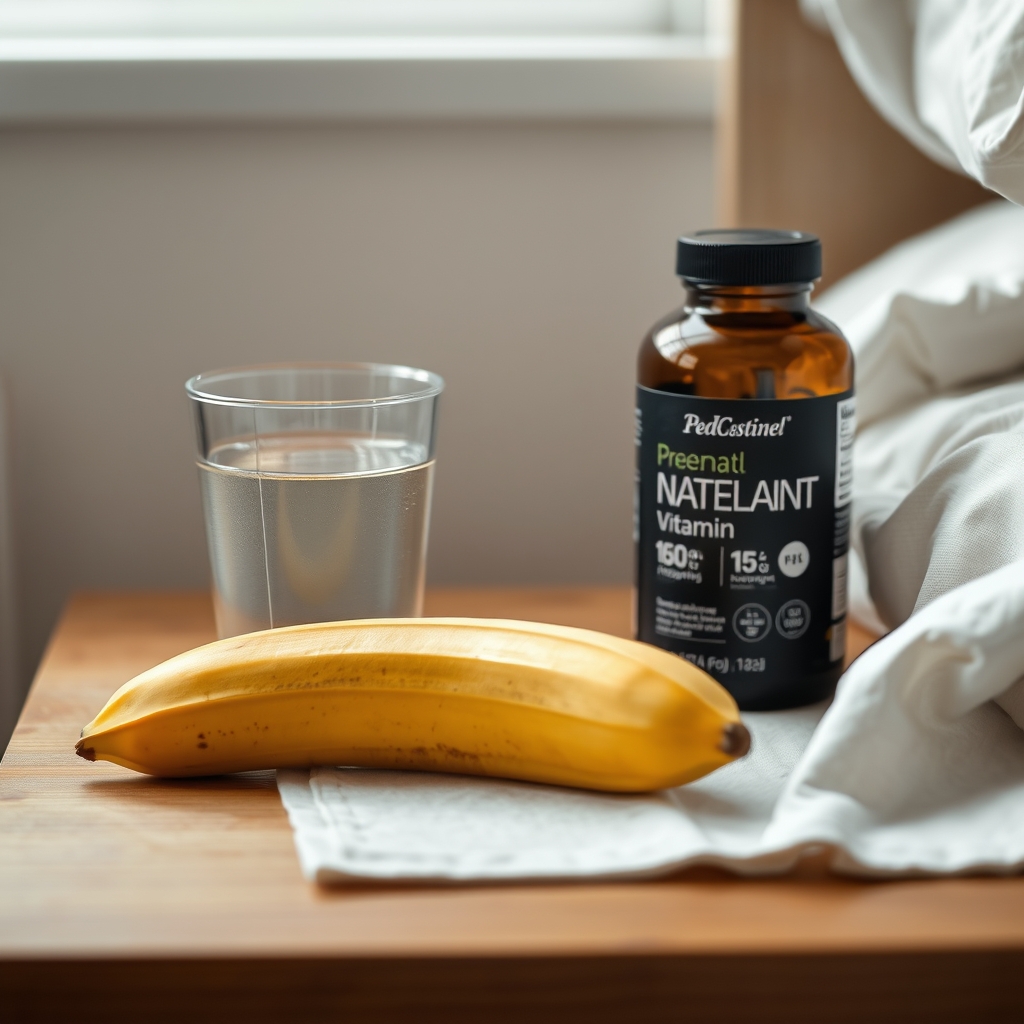
Keeping a glass of water and a quick snack at hand can help curb nausea and fatigue.
How big is the baby at 9 weeks gestation?
At nine weeks gestation—counting from the first day of your last menstrual period—the embryo measures about 0.9 inches (2.3 cm) long, roughly the size of a grape or a raspberry. Its head accounts for about half the total length, and the tiny fingers are beginning to form, though they’re still webbed.
The major organ systems are taking shape. The heart has divided into four chambers and is beating at a rapid 110–160 beats per minute. The brain’s forebrain, which will later develop into the cerebral cortex, is beginning to differentiate, and the eyes are forming as tiny pits.
9 weeks pregnant fetal heartbeat schedule
Most clinicians can detect the heartbeat via transvaginal ultrasound between 8 and 10 weeks. By week 9, the heartbeat is usually audible on a Doppler device, but a transvaginal scan provides the most reliable confirmation. The typical rhythm at this stage is 110–160 bpm, similar to a newborn’s resting heart rate.
What to expect during the 9 week ultrasound
A 9‑week ultrasound is often the first detailed scan. The sonographer will look for:
Presence of a gestational sac and yolk sac.
Visualization of the embryo’s heartbeat.
Measurement of crown‑rump length (CRL) to confirm dating.
Any early signs of multiple gestations.
The procedure usually lasts 10–15 minutes, and you’ll hear a faint “thump‑thump” that reassures you the tiny heart is beating. If the heartbeat is not yet detectable, the sonographer may schedule a repeat scan in a week.
What can I eat at 9 weeks pregnant?
Nutrition at nine weeks is about supporting rapid fetal growth while keeping you feeling energized. Aim for a balanced plate: half vegetables and fruits, a quarter whole grains, and a quarter lean protein. The CDC and ACOG recommend at least 400 µg of folic acid daily, which you likely already get from prenatal vitamins.
Safe foods include:
Cooked eggs and egg dishes (no raw batter).
Pasteurized dairy—milk, cheese, yogurt.
Well‑cooked meats, poultry, and fish (limit albacore tuna to 150 g per week).
Fruits and vegetables—wash thoroughly to remove pesticide residues.
Whole grains, legumes, nuts, and seeds for fiber.
Foods to avoid:
Unpasteurized soft cheeses (e.g., Brie, Camembert) and deli meats unless heated to steaming.
Raw or undercooked seafood (sushi, oysters) due to listeria risk.
High‑mercury fish such as shark, swordfish, king mackerel.
Unwashed sprouts (alfalfa, clover) because of bacterial contamination.
What should I avoid eating at 9 weeks pregnant?
In addition to the items above, limit caffeine to less than 200 mg per day (about one 12‑oz coffee) and avoid alcohol entirely. Excessive caffeine can raise heart rate and may interfere with iron absorption, while alcohol is linked to fetal alcohol spectrum disorders.
9 weeks pregnant weight gain expectations
Weight gain in the first trimester is modest. The NHS suggests an average gain of 1–5 pounds (0.5–2.3 kg) by the end of week 12. This varies based on pre‑pregnancy BMI; underweight women may gain a little more, while those with higher BMI may gain less. A steady gain helps ensure adequate nutrient supply without excess strain.
Pre‑pregnancy BMI
Recommended total first‑trimester gain
Underweight (BMI < 18.5)
2–4 lb (0.9–1.8 kg)
Normal weight (BMI 18.5‑24.9)
1–5 lb (0.5–2.3 kg)
Overweight (BMI 25‑29.9)
0.5–2 lb (0.2–0.9 kg)
Obese (BMI ≥ 30)
0.5–2 lb (0.2–0.9 kg)
How to relieve constipation at 9 weeks pregnant
Constipation can be eased by:
Increasing fiber intake to 25–30 g per day (whole‑grain cereals, beans, fruits).
Drinking at least 8‑10 cups of water daily.
Engaging in gentle walking or prenatal yoga for 20–30 minutes most days.
Discussing safe stool softeners (e.g., docusate sodium) with your provider if diet and activity aren’t enough.
Start your day with fiber‑rich foods and a glass of vitamin‑C‑rich juice.
Is spotting normal at 9 weeks pregnancy?
Light spotting—often pink or brown in color—is relatively common at nine weeks and usually harmless. It can result from implantation bleeding, cervical irritation, or the rapid changes in blood flow to the uterus. However, any spotting that is:
Accompanied by cramping that feels like menstrual cramps,
Heavier than a few drops, or
Paired with fever, chills, or foul‑smelling discharge
should prompt a call to your OB‑GYN. These could signal a miscarriage or infection, both of which need prompt evaluation.
Can I have sex at 9 weeks pregnant?
Sex is generally safe during the first trimester unless your provider has advised otherwise (e.g., placenta previa or a history of preterm labor). The cervix remains sealed by a mucus plug, protecting the embryo. If you experience spotting after intercourse, pause and discuss it with your provider.
What prenatal tests are done at 9 weeks?
By week 9, most obstetricians have scheduled a series of baseline labs and imaging to confirm a healthy pregnancy:
Blood work: CBC (to check anemia), blood type and Rh factor, rubella immunity, hepatitis B, HIV, and syphilis screening.
Urine analysis: Protein, glucose, and infection markers.
First‑trimester ultrasound: To confirm gestational age, locate the embryo, and hear the heartbeat.
Genetic screening options: Non‑invasive prenatal testing (NIPT) can be offered after 10 weeks; some clinicians discuss options at the 9‑week visit.
Most providers recommend continuing prenatal vitamins (containing folic acid, iron, calcium, and DHA) throughout pregnancy. If you haven’t started them yet, begin as soon as possible to support neural tube development.
How often should I see my OB at 9 weeks?
Typical schedules call for a prenatal visit every four weeks until week 28. At nine weeks, you’ll likely have your first or second appointment, depending on when you booked care. Use this visit to ask about any new symptoms, review lab results, and discuss nutrition and exercise plans.
When will morning sickness peak at 9 weeks?
Morning sickness generally peaks between weeks 8 and 12, so nine weeks is often right in the middle of the worst phase. Hormone levels—especially human chorionic gonadotropin (hCG) and estrogen—are at their highest, triggering nausea. By the end of the first trimester, most women notice a gradual decline, though a minority may experience symptoms throughout pregnancy.
Tips to soothe nausea at 9 weeks
Eat small, frequent meals—aim for six‑to‑eight mini‑meals per day.
Keep bland snacks (crackers, toast) by the bedside for early‑morning relief.
Stay hydrated; sip water, ginger tea, or electrolyte drinks.
Consider vitamin B6 supplements (up to 25 mg three times daily) after confirming with your provider.
Avoid strong odors and spicy or fatty foods that can trigger nausea.
What exercises are safe at 9 weeks pregnant?
Staying active supports circulation, reduces fatigue, and can lessen low‑back pain. The American College of Obstetricians and Gynecologists (ACOG) advises at least 150 minutes of moderate‑intensity aerobic activity per week, provided you have no contraindications.
Safe options at nine weeks include:
Walking: Gentle on joints and easy to adjust pace.
Prenatal yoga: Focuses on breathing, gentle stretching, and balance.
Swimming or water aerobics: Reduces weight‑bearing stress while providing resistance.
Stationary cycling: Low impact and adjustable resistance.
Avoid high‑impact sports, contact activities, scuba diving, and any exercise that requires lying flat on your back for extended periods (after week 12, the uterus can compress the vena cava). Listen to your body; if a movement causes pain, dizziness, or shortness of breath, stop and consult your provider.
Managing fatigue through exercise
Even a short 10‑minute walk can boost energy by increasing blood flow and releasing endorphins. Pair a walk with a light snack (e.g., a banana) to replenish glucose. Consistency beats intensity—regular, moderate activity is more beneficial than occasional vigorous workouts.
From our medical team: “At nine weeks the embryo is still tiny, but the hormonal surge that fuels early symptoms also prepares your body for the weeks ahead. Simple, daily habits—like a balanced diet, gentle movement, and staying hydrated—can make a big difference in how you feel. If you notice spotting that’s heavier than a few drops, sudden severe abdominal pain, or persistent vomiting, reach out to your provider right away. Otherwise, trust that most of the discomfort you’re experiencing is part of the normal first‑trimester journey.”
Myth vs. fact
Myth: You must avoid all caffeine in the first trimester. Fact: Up to 200 mg of caffeine per day (about one 12‑oz coffee) is considered safe by the FDA and ACOG.
Myth: Spotting always means a miscarriage. Fact: Light spotting can be normal at nine weeks, but heavy bleeding or pain should be evaluated.
Myth: You should stop exercising once you feel nauseous. Fact: Gentle, low‑impact exercise often reduces nausea and boosts energy, as long as you avoid activities that exacerbate symptoms.
Key takeaways
At nine weeks, the embryo is about the size of a grape and its heartbeat can be heard on ultrasound.
Common symptoms include nausea, fatigue, mood swings, breast tenderness, and occasional spotting.
Eat a balanced diet rich in whole grains, lean protein, fruits, and vegetables; avoid unpasteurized dairy, raw fish, and high‑mercury seafood.
Weight gain in the first trimester is modest—typically 1–5 lb total.
Safe exercise includes walking, prenatal yoga, swimming, and stationary cycling; avoid high‑impact or contact sports.
Call your provider if you experience heavy bleeding, severe cramping, persistent vomiting, or fever.
Frequently asked questions
When will I feel my baby move for the first time?
Most people notice the first fetal movements (called “quickening”) between 18 and 22 weeks, though some feel them as early as 13 weeks if it’s a first pregnancy.
Is it safe to travel during the 9th week of pregnancy?
Travel is generally safe in the first trimester, provided you’re comfortable, stay hydrated, and avoid long periods of immobility; always have a copy of your prenatal records and discuss any specific concerns with your provider.
What should I avoid eating at 9 weeks pregnant?
Avoid unpasteurized cheeses, raw or undercooked seafood, high‑mercury fish, and unwashed sprouts; limit caffeine to under 200 mg per day and abstain from alcohol entirely.
How often should I see my OB at 9 weeks?
Most clinicians schedule visits every four weeks until week 28; your 9‑week appointment will include labs, a possible ultrasound, and a chance to discuss nutrition and exercise.
Do I need to take prenatal vitamins at 9 weeks?
Yes—prenatal vitamins containing folic acid, iron, calcium, and DHA support fetal development and help prevent anemia and neural‑tube defects.
Can I have sex at 9 weeks pregnant?
Sex is typically safe in the first trimester unless your provider has advised otherwise; use gentle positions and pause if you notice spotting after intercourse.
When to call your doctor
Seek immediate medical attention if you experience any of the following:
Heavy vaginal bleeding (soaking a pad in under an hour).
Severe abdominal or pelvic pain not relieved by rest.
Fever above 100.4 °F (38 °C) with chills.
Persistent vomiting that prevents you from keeping fluids down.
Sudden swelling of hands, face, or eyes.
This article is for informational purposes only and does not replace personalized medical advice. Always consult your OB‑GYN or midwife with any concerns.
References
American College of Obstetricians and Gynecologists (ACOG). “Nutrition During Pregnancy.” 2023 clinical guidance.
National Health Service (NHS). “Pregnancy: What to Expect in the First Trimester.” Updated 2024.
Centers for Disease Control and Prevention (CDC). “Prenatal Care.” 2023.
World Health Organization (WHO). “Guidelines on Antenatal Care for a Positive Pregnancy Experience.” 2022.
Mayo Clinic. “First Trimester Pregnancy Symptoms.” 2024.
Food and Drug Administration (FDA). “Caffeine in Pregnancy.” 2023.
Royal College of Obstetricians and Gynaecologists (RCOG). “Ultrasound in Early Pregnancy.” 2022.
Not sure about the label on 9 Weeks Pregnant What To Expect products?
Snap the ingredients list and SafeFilter checks every ingredient for your stage — only 3 free scans this month, then you're locked until reset. Unlimited from $7/mo or $50/yr.
When Shubhra Mishra was expecting her first child in 2016, she was overwhelmed by conflicting food advice — one site said yes, another said never. By the time her second baby arrived in 2019, she realized millions of mothers face the same confusion.
That sparked a five-year journey through clinical nutrition papers, cultural diets, and expert conversations — all leading to BumpBites: a calm, compassionate space where science meets everyday motherhood.
Her long-term vision is to build a global community ensuring safe, supported, and free deliveriesfor every mother — because no woman should face pregnancy alone or uninformed. 🌿
🌍 Stand with mothers, shape safer guidance
Join a small circle of experts who review BumpBites articles so expecting parents everywhere can decide with confidence.