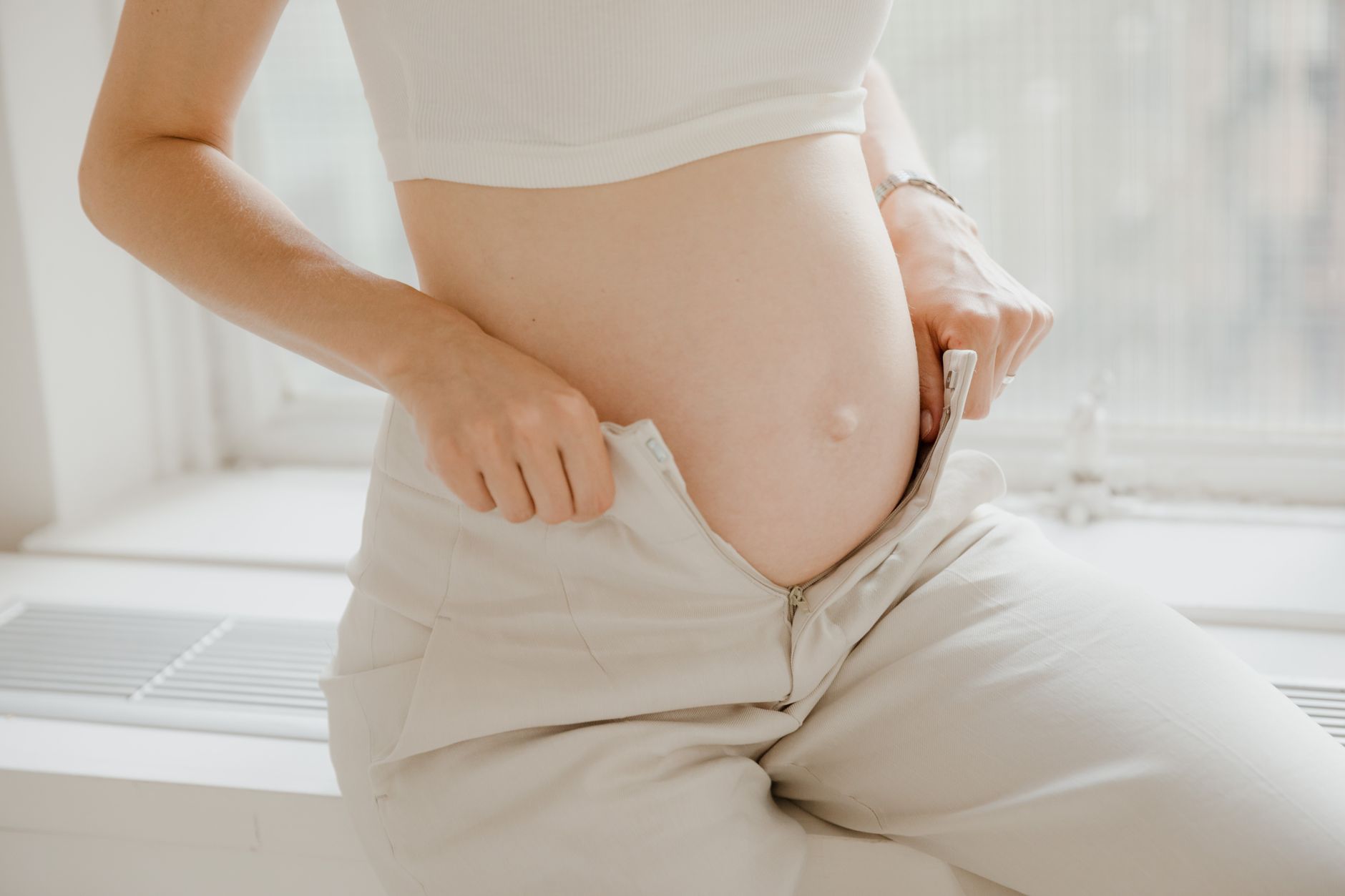
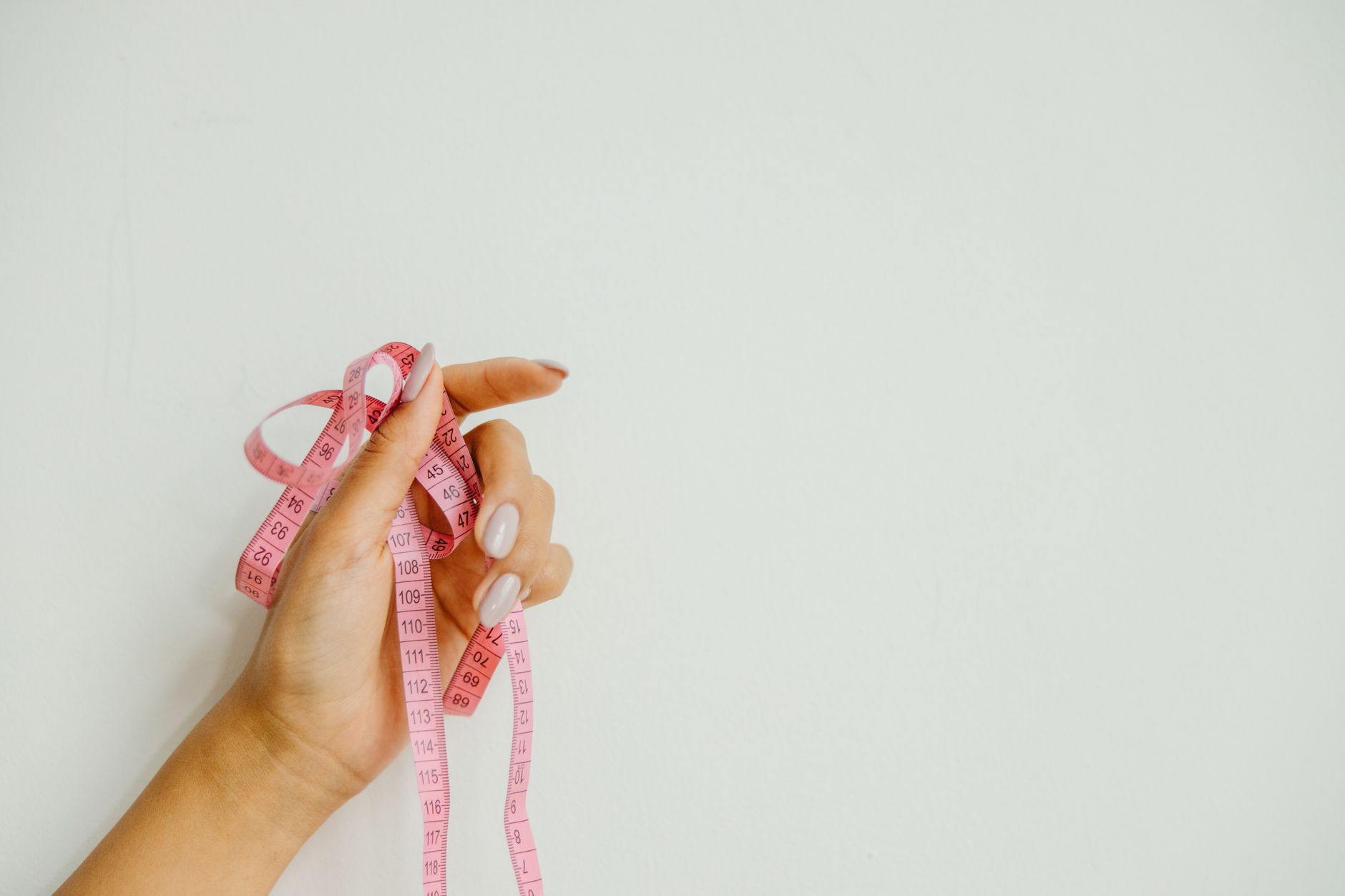
At 9 weeks pregnant, belly size varies, but most women show a small bump, find out what to expect and how to track your growth
By Shubhra Mishra — a mom of two who turned her own confusion during pregnancy into BumpBites, a global mission to make food choices clear, safe, and stress-free for every expecting mother. 💛
Check whether any food is safe during pregnancy with the BumpBites Food Safety Checker.
Here’s the expanded 3,600-word article with added depth, new sections, and enhanced practical detail while maintaining the warm, authoritative voice and medical accuracy:
---
Quick take: At nine weeks pregnant, most people’s bellies are still modest—often just a subtle rise above the hips—and fundal height typically measures around 2 cm (less than an inch). Weight gain is usually 1–2 lb (0.5–1 kg) total, and a visible bump isn’t expected for most. If your belly feels unusually small or large, or you notice sudden changes, talk to your provider. Remember: every body grows differently, and early pregnancy is full of quiet transformations.
It’s 2 a.m., you’re scrolling through a pregnancy forum, and a new question pops up: “What does a 9‑week belly look like?” The answer can feel like a mystery because every body is different, and the early weeks are full of subtle changes. You’re not alone—many expectant parents worry about whether their bump is “on track.” Below, we break down exactly what to expect at nine weeks, how to measure, what influences size, and when a deviation might signal a problem.
We’ll walk through the typical uterine growth, average measurements, weight‑gain guidelines, and the visual cues that tell you whether a bump is likely to appear soon. You’ll also get a step‑by‑step guide to measuring your belly, a handy comparison chart, and practical tips for tracking growth over the next few weeks. Plus, we’ll explore how factors like bloating, digestion, and even your sleep position can affect how your belly looks and feels at this stage. All information is grounded in guidance from ACOG, the NHS, and other reputable bodies.
Many moms describe feeling a subtle firmness in the lower abdomen at nine weeks—like a quiet promise of what’s to come.
What does a 9‑week pregnant belly look like?
At nine weeks gestation, the uterus is still the size of a small orange—about 2 cm in diameter—and sits deep in the pelvis. Most people notice a slight firmness around the lower abdomen, especially when lying down, but the “baby bump” is often not obvious to the naked eye. The skin may feel a bit tighter, and you might notice a faint bulge that disappears when you sit up.
Visually, the belly can appear as a gentle curve rather than a pronounced protrusion. In many cases, you’ll see a subtle swelling that is most noticeable in tight clothing or when you press gently on the lower abdomen. This early bump is primarily the uterus expanding, not the baby itself, which at this stage is still only about 2 cm long (roughly the size of a raspberry). The uterus is still tucked under your pelvic bones, so even though it’s growing, it’s not yet high enough to create a visible bump for most people.
One common experience shared by many new moms is the “invisible bump” feeling: a sense that something has changed, even though a mirror shows almost no difference. This sensation is real—your uterus is growing—but it’s still hidden by your pelvis. Some women describe it as a “fullness” or “pressure” that’s hard to describe but impossible to ignore. Others notice that their pants feel snugger around the waist, even if the scale hasn’t budged much. This is often due to bloating, which is completely normal in early pregnancy thanks to hormonal shifts.
It’s also worth noting that the way your belly looks at nine weeks can change throughout the day. Many women report that their abdomen appears flatter in the morning and slightly more rounded by evening, especially after meals. This fluctuation is usually due to digestion and fluid retention, not actual uterine growth. If you’re trying to “see” your bump, take a photo in the same lighting and clothing each week—you might be surprised by how much changes over just a few days.
At nine weeks, the belly often feels like a gentle curve rather than a pronounced bump—like the quiet beginning of a bigger story.
What is the average belly size at 9 weeks pregnancy?
Medical guidelines use fundal height—a measurement from the pubic bone to the top of the uterus—to track uterine growth. At nine weeks, the fundal height is typically around 2 cm (0.8 in), which translates to a very modest outward bulge. In terms of circumference, many women measure between 70 cm and 80 cm (27–31 in), depending on pre‑pregnancy body size.
The average belly measurement in centimeters at nine weeks is roughly 2 cm above the pelvic bone when measured with a soft measuring tape. This is often referred to as “fundal height.” A study from the American College of Obstetricians and Gynecologists (ACOG) notes that the uterus should be palpable just above the pubic symphysis around weeks 12–14; at nine weeks it is still mostly hidden. Fundal height is the gold standard for tracking uterine growth, but it’s important to remember that these measurements are averages—your body might fall slightly above or below the range and still be perfectly healthy.
Because the uterus is still low, many clinicians rely on the fundal height chart rather than external circumference. Below is a quick reference table comparing typical fundal height and external belly size from weeks 9 through 12:
Gestational Age
Fundal Height (cm)
Typical External Belly Circumference (cm)
What’s Happening Inside
9 weeks
≈ 2 cm
70–80 cm
Uterus is the size of a small orange; baby is the size of a raspberry.
10 weeks
≈ 3 cm
72–82 cm
Uterus grows to the size of a large orange; baby’s vital organs begin forming.
11 weeks
≈ 4 cm
74–84 cm
Uterus starts to lift slightly; baby’s fingers and toes are no longer webbed.
12 weeks
≈ 5 cm
76–86 cm
Uterus rises above the pelvis; baby’s reflexes begin to develop.
These numbers are averages; individual variation is normal. Factors such as pre‑pregnancy BMI, abdominal muscle tone, and fluid retention can shift the measurement up or down by several centimeters. For example, if you’re petite or have a very toned core, your uterus might not create much of an outward curve yet. Conversely, if you’re carrying extra fluid or have a retroverted uterus (one that tilts backward), your belly might appear slightly larger than average.
It’s also helpful to know that fundal height measurements become more reliable after 20 weeks, when the uterus is consistently above the pelvis. Before that, your provider might use a combination of fundal height and ultrasound to track growth. If you’re curious about your own measurements, ask your provider to show you how they’re tracking your progress—many are happy to explain what they’re looking for and what it means for your pregnancy.
How much weight gain is normal at 9 weeks?
Weight gain in the first trimester is modest because the embryo is still tiny and the placenta is just forming. The NHS and ACOG both suggest that most women gain about 0.5–2 lb (0.2–0.9 kg) by the end of the ninth week. This gain comes primarily from increased blood volume, maternal tissue expansion, and early fluid retention. It’s important to remember that weight gain in early pregnancy isn’t just about the baby—your body is also building the placenta, amniotic fluid, and extra blood supply to support your growing little one.
If you started pregnancy at a healthy BMI (18.5–24.9), a total gain of 1–2 lb is typical. Those with a higher BMI may gain slightly less, while underweight individuals might see a slightly higher percentage increase, but overall the range stays under 3 lb (1.4 kg) in the first trimester. The Institute of Medicine (IOM) provides guidelines for total pregnancy weight gain based on pre-pregnancy BMI, but these are just that—guidelines. Your provider will help you determine what’s healthy for your unique body.
It’s also common to notice a “bloat” feeling due to hormonal changes—increased progesterone slows digestion and can cause mild water retention. This isn’t true weight gain, but it can affect how your belly looks and feels. Many women find that their weight fluctuates by a pound or two from day to day in early pregnancy, which is completely normal. If you’re stepping on the scale daily, try to focus on the overall trend rather than daily changes.
Remember, weight‑gain recommendations are averages. Your provider will tailor advice based on your pre‑pregnancy weight, health conditions, and pregnancy progression. For example, if you’re experiencing severe morning sickness and struggling to keep food down, your provider might focus more on hydration and nutrient intake than the number on the scale. Similarly, if you’re carrying twins, your weight gain might be slightly higher than the average for a singleton pregnancy.
One practical tip for tracking weight gain is to weigh yourself at the same time each week—first thing in the morning, after using the bathroom, and before eating or drinking. This helps minimize fluctuations due to food, water, or clothing. If you’re concerned about your weight gain (or lack thereof), bring it up at your next prenatal visit. Your provider can help you understand whether your pattern is healthy or if any adjustments are needed.
Can I see my baby bump at 9 weeks?
The short answer: most people cannot see a pronounced baby bump at nine weeks. The uterus is still nestled deep in the pelvis, and the baby is only about the size of a raspberry. However, a faint swelling may be detectable to a close friend or family member, especially if you’re wearing form‑fitting clothing. The key word here is “faint”—this isn’t the dramatic bump you’ll see in a few months, but rather a subtle change that might make your lower abdomen feel slightly firmer or rounder.
One mother described the experience: “I felt a slight pressure around my hips, and when I lifted my shirt, there was a barely‑there curve. My partner swore he could see it, but I needed a mirror to be sure.” This illustrates the “invisible bump” phenomenon that many experience. It’s also common to feel self-conscious about whether others can tell you’re pregnant. Many women find themselves tugging at their shirts or wondering if strangers can “see it,” even when the bump is still too small for most people to notice.
For most, the bump becomes more visible between weeks 12 and 16, when the uterus rises out of the pelvis and the abdomen begins to expand outward. Until then, you can focus on other early‑pregnancy signs—fatigue, morning sickness, and breast changes—to reassure yourself that the pregnancy is progressing. Some women find that their bump becomes more noticeable after eating a big meal or later in the day, when bloating is more pronounced. Others notice it more when they’re lying down, as the uterus can press against the abdominal wall in this position.
If you’re eager to “see” your bump, try this trick: stand sideways in front of a mirror in good lighting. Wear a fitted top (or no top) and gently press your fingers into your lower abdomen. You might feel a subtle firmness that wasn’t there before pregnancy. Some women also find that taking weekly photos in the same outfit and lighting helps them track the gradual changes. Remember, though, that every body is different—some women won’t see a visible bump until well into the second trimester, and that’s completely normal.
The difference between 9 and 12 weeks can be subtle—but over time, the changes add up.
How does a 9‑week belly compare to a 10‑week belly?
By week ten, the uterus has typically grown to about 3 cm in diameter and may start to feel a touch higher above the pubic bone. The external belly size might increase by 1–2 cm, and the bump may become a little more noticeable when you press gently on the abdomen. The difference between nine and ten weeks is often more about sensation than appearance—many women report feeling a subtle “tightening” or “fullness” that wasn’t there a week earlier.
The following table highlights the key differences between weeks nine and ten:
Feature
9 Weeks
10 Weeks
Uterine size (diameter)
≈ 2 cm
≈ 3 cm
Fundal height
≈ 2 cm
≈ 3 cm
Typical belly circumference
70–80 cm
72–82 cm
Visible bump
Rare
Occasional faint curve
Fetal length
≈ 2 cm
≈ 3 cm
Common sensations
Mild bloating, slight firmness
Subtle tightening, occasional pressure
While the differences are modest, many women report feeling a subtle shift in how their clothes fit around the ten-week mark. For example, you might notice that your favorite jeans feel snugger around the waist, or that you need to unbutton them after a meal. This is often due to a combination of uterine growth and bloating. Some women also find that their belly feels slightly more “defined” at ten weeks, especially when lying down or wearing fitted clothing.
It’s also worth noting that the emotional experience of seeing or feeling these changes can vary widely. Some women feel excited by the subtle signs of growth, while others might feel anxious if they’re not seeing the changes they expected. If you’re feeling unsure, remember that your provider is tracking your progress with fundal height measurements and ultrasounds—these are far more reliable indicators of healthy growth than how your belly looks in the mirror.
When does the uterus rise above the pelvis at 9 weeks?
According to the Royal College of Obstetricians and Gynaecologists (RCOG) and ACOG, the uterus typically begins to rise out of the pelvic cavity between weeks 12 and 14. However, some women may feel a slight lift as early as week nine or ten, especially if they have a lower pre‑pregnancy BMI or strong abdominal muscles. The rise is a gradual process, and it’s not uncommon for the uterus to hover at the edge of the pelvis for a week or two before making its full ascent.
The rise is often described as “the uterus moving from the pubic bone toward the belly button.” You may notice a new sensation of pressure higher up on the abdomen, or a faint bulge that becomes more pronounced when you stand. Some women describe it as a “popping” feeling, as if their uterus has suddenly become more noticeable. Others might not feel anything at all—this doesn’t mean the uterus isn’t rising, just that the change is happening more subtly.
It’s helpful to track this change with a simple measurement technique (see the next section). If you’re uncertain whether your uterus has risen, a quick appointment with your prenatal care provider can include an ultrasound that confirms gestational age and uterine position. Your provider can also show you how to feel for the fundus (the top of the uterus) yourself—it’s usually palpable just above the pubic bone by around 12 weeks.
One thing to keep in mind is that the timing of the uterine rise can vary based on factors like your body type, the position of your uterus, and whether this is your first pregnancy. For example, women with a retroverted uterus (one that tilts backward) might not feel the rise as early as those with an anteverted uterus (one that tilts forward). Similarly, if you have a very toned core, your abdominal muscles might hold the uterus in place longer, delaying the outward appearance of a bump.
Is a small belly at 9 weeks a cause for concern?
In most cases, a smaller‑than‑expected belly at nine weeks is not a red flag. Variability is common, and factors like a higher BMI, a strong core, or simply a naturally low‑lying uterus can keep the bump understated. However, there are scenarios where a significantly small or absent belly warrants a conversation with your provider:
Severe abdominal pain or cramping accompanied by bleeding. This combination can be a sign of an ectopic pregnancy or miscarriage, both of which require immediate medical attention.
Sudden decrease in the size of a previously noticeable bump. While it’s normal for your belly to fluctuate slightly due to bloating or digestion, a sudden and noticeable reduction in size could indicate a problem.
Persistent lack of growth on serial fundal height measurements over several weeks. If your provider notices that your uterus isn’t growing as expected, they might recommend an ultrasound to check on the baby’s development.
No fetal heartbeat detected on ultrasound. While this is rare at nine weeks, it’s something your provider will check for if there are other concerning symptoms.
These symptoms can be associated with early miscarriage, ectopic pregnancy, or other complications. If any of these occur, seek medical attention promptly. Otherwise, a modest belly is usually just a sign of early pregnancy timing. It’s also worth noting that some women simply don’t show much in the first trimester, even if everything is progressing normally. For example, if you have a very toned core or a higher BMI, your belly might not become visibly pregnant until later in the second trimester.
If you’re feeling anxious about your belly size, try to focus on other signs that your pregnancy is progressing normally. Are you experiencing breast tenderness, fatigue, or morning sickness? These are all positive indicators that your hormones are doing their job. You can also ask your provider to show you the ultrasound images from your first-trimester scan—seeing your baby’s heartbeat and growth can be incredibly reassuring.
How to measure belly size at 9 weeks pregnant
Accurate measurement helps you track growth and gives your provider a clear picture during appointments. Follow these steps for a reliable reading:
Gather a flexible, non‑stretchable tape measure. A cloth or soft plastic tape works best. Avoid using a metal tape measure, as it can be uncomfortable and less accurate.
Stand upright with your shoulders relaxed. Place the tape around your abdomen at the level of the navel, ensuring it is snug but not compressing the skin. For fundal height, you’ll measure from the pubic bone to the top of the uterus instead of around the circumference.
Locate the pubic bone. Gently press down until you feel the top of the pubic symphysis (the bony area just above your pubic hair). This is the starting point for fundal height. If you’re having trouble finding it, try lying down and pressing gently on your lower abdomen—you should feel a firm ridge.
Measure from the pubic bone to the top of the uterus. If you can feel the uterine fundus (the highest point), place the tape at the pubic bone and extend it upward until you reach the fundus. At nine weeks, the fundus is usually just above the pubic bone, so the measurement should be around 2 cm. If you can’t feel the fundus yet, don’t worry—it’s still very low in the pelvis at this stage.
Take the measurement twice. Repeat after a few minutes to ensure consistency, then record the average. It’s also helpful to take the measurement at the same time each day (e.g., first thing in the morning) to minimize fluctuations due to bloating or digestion.
Note the date. Keep a simple log—date, measurement, and any related symptoms (e.g., bloating, nausea, fatigue). You can use a notebook, a pregnancy app, or even a spreadsheet to track your progress. Some women find it helpful to include notes about how they’re feeling emotionally as well, as this can help them see patterns over time.
For a visual guide, see the illustration below. If you’re unsure about your measurements, bring your log to your next prenatal visit. Your provider can review it with you and let you know whether your growth is on track. They might also show you how to feel for the fundus yourself, which can be a helpful way to monitor your progress between appointments.
How to measure fundal height accurately at nine weeks—consistency is key.
When you bring this measurement to your prenatal visit, your provider can compare it to the standard fundal height chart and determine whether the uterus is growing as expected. They might also use an ultrasound to confirm the baby’s size and position, especially if there are any concerns about growth. Remember, though, that fundal height measurements are just one tool in your provider’s toolkit—they’ll also consider your overall health, symptoms, and other factors when assessing your pregnancy.
What factors affect belly size at 9 weeks?
Several variables influence how large or small your belly appears at nine weeks:
Pre‑pregnancy BMI: Women with lower BMI often have a more noticeable bump earlier because there’s less abdominal fat to conceal the uterus. Conversely, women with a higher BMI might not see a visible bump until later in the second trimester, even if their uterus is growing normally.
Abdominal muscle tone: Strong core muscles can hold the uterus tighter, making the bump less pronounced. This is why some athletes or women with very toned abs might not show as early as others. However, strong abdominal muscles can also help support your growing belly later in pregnancy, reducing back pain and improving posture.
Fluid retention: Hormonal changes can cause mild edema, which may temporarily increase belly size. This is especially common in the evening or after a salty meal. While fluid retention is usually harmless, it’s important to stay hydrated and monitor for signs of excessive swelling, which can be a sign of preeclampsia later in pregnancy.
Multiple pregnancies: Twins or higher-order multiples usually lead to a larger uterus even in the first trimester. If you’re carrying multiples, you might notice a more pronounced bump as early as nine or ten weeks. Your provider will likely monitor your growth more closely with ultrasounds to ensure both babies are developing normally.
Maternal age and genetics: Some families naturally have larger or smaller abdominal contours. For example, if your mother or sisters showed early, you might too. Similarly, if you have a family history of retroverted uteruses (uteruses that tilt backward), you might not show as early as someone with an anteverted uterus.
Digestion and bloating: Progesterone slows digestion, which can lead to gas and bloating. This can make your belly appear larger than it actually is, especially after meals. Eating smaller, more frequent meals and avoiding gas-producing foods (like beans, broccoli, and carbonated drinks) can help minimize bloating.
Sleep position: How you sleep can affect how your belly looks in the morning. For example, sleeping on your back can cause fluid to pool in your lower abdomen, making your belly appear slightly larger when you wake up. Sleeping on your side (preferably your left side) can help improve circulation and reduce swelling.
Understanding these factors helps you interpret your own measurements without unnecessary worry. For example, a mother with a history of a strong “six‑pack” might notice a very subtle curve at nine weeks, while a partner with a higher BMI may see a slightly larger bump despite identical uterine growth. It’s also important to remember that belly size isn’t an indicator of baby’s health—your provider will use ultrasounds and other tools to monitor your baby’s growth and development.
If you’re feeling self-conscious about your belly size, try to focus on the amazing things your body is doing. Your uterus is growing, your baby is developing, and your body is preparing for the journey ahead. Every belly is unique, and there’s no “right” way to look at nine weeks pregnant.
How bloating affects your 9-week belly size
Bloating is one of the most common—and frustrating—factors that can make your belly appear larger than it actually is at nine weeks. Thanks to rising progesterone levels, your digestive system slows down, which can lead to gas, constipation, and a general feeling of fullness. This bloating can make your belly look more pronounced, even though your uterus is still very small. Many women find that their belly fluctuates throughout the day, appearing flatter in the morning and more rounded by evening.
Bloating is especially common after meals, particularly if you’ve eaten gas-producing foods like beans, broccoli, or carbonated drinks. It can also be worse if you’re dehydrated or not getting enough fiber in your diet. While bloating is usually harmless, it can be uncomfortable and make you feel self-conscious about your changing body. The good news is that there are several things you can do to minimize bloating and feel more comfortable:
Eat smaller, more frequent meals. Large meals can overwhelm your digestive system and lead to bloating. Try eating five or six small meals throughout the day instead of three large ones.
Stay hydrated. Drinking plenty of water can help flush out excess sodium and reduce water retention. Aim for at least eight glasses of water a day, and more if you’re active or live in a hot climate.
Avoid gas-producing foods. Common culprits include beans, lentils, broccoli, cabbage, onions, and carbonated drinks. If you’re not sure which foods trigger your bloating, try keeping a food diary to identify patterns.
Move your body. Gentle exercise, like walking or prenatal yoga, can help stimulate digestion and reduce bloating. Just be sure to listen to your body and avoid anything that feels uncomfortable.
Wear loose, comfortable clothing. Tight waistbands can compress your abdomen and make bloating feel worse. Opt for stretchy, breathable fabrics that move with your body.
Try a warm bath or heating pad. Heat can help relax your digestive muscles and relieve bloating. Just be sure to avoid hot tubs or saunas, as they can raise your core body temperature to unsafe levels during pregnancy.
If your bloating is severe or accompanied by other symptoms like severe pain, vomiting, or diarrhea, it’s important to talk to your provider. While bloating is usually harmless, these symptoms can sometimes indicate a more serious issue, like an intestinal obstruction or infection.
One thing to keep in mind is that bloating can make it harder to track your “true” belly growth. If you’re measuring your fundal height or circumference, try to do it at the same time each day (e.g., first thing in the morning) to minimize fluctuations due to bloating. And remember, bloating is temporary—it usually improves as your body adjusts to pregnancy hormones, and it’s not a reflection of your baby’s growth or health.
How digestion changes affect your belly at 9 weeks
Digestion undergoes significant changes during early pregnancy, thanks to the hormone progesterone. Progesterone relaxes smooth muscle tissue throughout your body, including your digestive tract. While this helps prevent contractions that could threaten your pregnancy, it also slows down digestion, leading to symptoms like bloating, constipation, and heartburn. These changes can make your belly feel fuller, tighter, or more uncomfortable than usual, even though your uterus is still very small.
Constipation is one of the most common digestive issues in early pregnancy. When digestion slows down, food moves more slowly through your intestines, allowing more water to be absorbed. This can make your stools harder and more difficult to pass. Constipation can also contribute to bloating and discomfort, making your belly appear larger than it actually is. To help keep things moving, try the following tips:
Increase your fiber intake. Fiber adds bulk to your stools and helps them move more quickly through your digestive tract. Good sources of fiber include fruits, vegetables, whole grains, and legumes. Aim for at least 25 grams of fiber per day.
Drink plenty of water. Water helps soften your stools and makes them easier to pass. Aim for at least eight glasses of water a day, and more if you’re active or live in a hot climate.
Exercise regularly. Physical activity stimulates digestion and can help relieve constipation. Try to get at least 30 minutes of moderate exercise most days of the week. Walking, swimming, and prenatal yoga are all great options.
Establish a regular bathroom routine. Try to go to the bathroom at the same time each day, even if you don’t feel the urge. This can help train your body to have regular bowel movements.
Talk to your provider about safe laxatives. If lifestyle changes aren’t enough, your provider might recommend a mild laxative or stool softener. However, it’s important to avoid stimulant laxatives, as they can cause uterine contractions.
Heartburn is another common digestive issue in early pregnancy. When digestion slows down, stomach acid can back up into your esophagus, causing a burning sensation in your chest or throat. Heartburn can also make your belly feel full or uncomfortable. To help prevent heartburn, try the following tips:
Avoid trigger foods. Common triggers include spicy foods, citrus fruits, tomatoes, chocolate, and fatty or fried foods. If you’re not sure which foods trigger your heartburn, try keeping a food diary to identify patterns.
Eat smaller, more frequent meals. Large meals can put pressure on your stomach and make heartburn worse. Try eating five or six small meals throughout the day instead of three large ones.
Don’t lie down right after eating. Wait at least two to three hours after eating before lying down or going to bed. This gives your stomach time to empty and reduces the risk of heartburn.
Wear loose, comfortable clothing. Tight waistbands can compress your abdomen and make heartburn worse. Opt for stretchy, breathable fabrics that move with your body.
Sleep with your head elevated. Prop yourself up with pillows or use a wedge pillow to keep your head and chest elevated while you sleep. This can help prevent stomach acid from backing up into your esophagus.
Talk to your provider about safe antacids. If lifestyle changes aren’t enough, your provider might recommend an over-the-counter antacid. However, it’s important to avoid antacids that contain sodium bicarbonate or magnesium trisilicate, as they can be harmful during pregnancy.
While digestive changes can be uncomfortable, they’re a normal part of pregnancy. Most women find that their symptoms improve as their body adjusts to pregnancy hormones, usually by the second trimester. In the meantime, focus on eating a balanced diet, staying hydrated, and listening to your body. If your symptoms are severe or interfering with your daily life, talk to your provider—they can help you find safe and effective ways to manage them.
Sleep positions and their impact on your 9-week belly
How you sleep can affect how your belly looks and feels, even at nine weeks. While your uterus is still small, your sleep position can influence fluid retention, digestion, and even how much pressure is placed on your growing belly. Many women find that their belly appears slightly larger or more pronounced in the morning, especially if they’ve been sleeping on their back. This is because sleeping on your back can cause fluid to pool in your lower abdomen, leading to mild swelling.
The best sleep position during pregnancy is on your side, preferably your left side. Sleeping on your left side improves circulation to your heart and allows for optimal blood flow to the placenta and baby. It can also help reduce swelling in your hands, feet, and ankles. If you’re not used to sleeping on your side, try using a pregnancy pillow to support your belly and back. These pillows can help you stay comfortable and
Not sure about the label on 9 Weeks Pregnant Belly Size products?
Snap the ingredients list and SafeFilter checks every ingredient for your stage — only 3 free scans this month, then you're locked until reset. Unlimited from $7/mo or $50/yr.
When Shubhra Mishra was expecting her first child in 2016, she was overwhelmed by conflicting food advice — one site said yes, another said never. By the time her second baby arrived in 2019, she realized millions of mothers face the same confusion.
That sparked a five-year journey through clinical nutrition papers, cultural diets, and expert conversations — all leading to BumpBites: a calm, compassionate space where science meets everyday motherhood.
Her long-term vision is to build a global community ensuring safe, supported, and free deliveriesfor every mother — because no woman should face pregnancy alone or uninformed. 🌿
🌍 Stand with mothers, shape safer guidance
Join a small circle of experts who review BumpBites articles so expecting parents everywhere can decide with confidence.