At 8 weeks pregnant, you’re entering the embryonic stage; the embryo is about the size of a raspberry, heartbeat can be heard, and early symptoms like nausea and breast tenderness intensify. Learn what changes to expect and how to support your health.
By Shubhra Mishra — a mom of two who turned her own confusion during pregnancy into BumpBites, a global mission to make food choices clear, safe, and stress-free for every expecting mother. 💛
Check whether any food is safe during pregnancy with the BumpBites Food Safety Checker.
Quick take: At 8 weeks pregnant you’re entering the early‑second‑trimester window. Expect lingering fatigue, possible nausea, a tiny embryo about the size of a raspberry, and the first prenatal visit where your provider will confirm dates and run key blood work. Most women feel a mild “flutter” of movement in the coming weeks, and gentle exercise, balanced nutrition, and plenty of rest are safe and helpful. If you notice heavy spotting, severe pain, or sudden swelling, reach out to your caregiver right away.
It’s 2 a.m., you’ve just finished a cup of tea, and the nausea that’s been hanging around since the first month finally eases enough for you to scroll through a question like “8 weeks pregnant what to expect.” You’re not alone—many expectant parents wake up with a mix of excitement and a thousand “what‑ifs.” The good news is that by the eighth week, the embryo’s major organs are already forming, your body is adapting in recognizable ways, and you’ll have a clear schedule of appointments and nutrition tips to guide you through the next few weeks.
In this guide we’ll walk through every common concern: the physical symptoms you might notice, how big your baby actually is, which foods are safest, how to stay active, what tests your provider will order, and when you might start feeling those first baby movements. We’ll also cover weight‑gain expectations, morning‑sickness relief, hormone shifts, sexual‑activity guidelines, work considerations, and emotional changes. By the end you’ll have a solid, doctor‑approved roadmap for the eighth week of pregnancy.
What are the symptoms at 8 weeks pregnant?
By the eighth week many women experience a combination of lingering first‑trimester signs and new changes. The most common symptoms include:
Fatigue – Your body is still producing high levels of progesterone, which can make you feel sleepy even after a full night’s rest.
Nausea and occasional vomiting – Often called “morning sickness,” it can occur at any time of day. For some, it begins to fade around week 8, while for others it persists.
Breast tenderness – Hormones cause the ducts to enlarge, making your breasts feel fuller, sore, or tingly.
Frequent urination – The expanding uterus puts pressure on the bladder, and increased blood flow to the kidneys boosts urine production.
Food cravings or aversions – Your sense of smell may be heightened, leading to sudden dislikes for certain foods.
Mood swings – Fluctuating estrogen and progesterone levels affect neurotransmitters, contributing to emotional ups and downs.
These symptoms vary widely; some people feel almost nothing, while others may experience several at once. It’s normal to have a “good‑day/bad‑day” rhythm, and most of these signs will gradually subside as you move into the second trimester.
One mother we spoke with described the eighth week as a “roller‑coaster of cravings and exhaustion.” She noted that a simple glass of ginger‑lemon water helped calm her nausea, and that the gentle encouragement from her partner made the fatigue feel more manageable.
Most clinicians tell patients that these early signs are usually harmless and tend to improve by week 12, especially when you stay hydrated and keep a balanced diet (ACOG, 2023).
How big is the baby at 8 weeks gestation?
At eight weeks gestation the embryo measures roughly 0.6 inches (1.5 cm) long—about the size of a raspberry or a sesame seed. Though tiny, it is undergoing rapid development:
Heart – The heart has begun beating at around 110–160 beats per minute, a rhythm you’ll soon hear on an ultrasound.
Brain – The forebrain is forming, laying the groundwork for future cognitive function.
Limbs – Small buds that will become arms and legs are now visible, and tiny facial features such as eyes and nostrils are beginning to differentiate.
Spinal cord – The neural tube has closed, reducing the risk of certain birth defects.
Because the embryo is still microscopic, you won’t feel any movement yet. Most people first notice fetal movement between weeks 16 and 20, though a faint “flutter” can occasionally be felt earlier.
Gestational Age
Embryo/Fetus Length
Comparable Size
6 weeks
0.2 in (5 mm)
Popcorn kernel
8 weeks
0.6 in (15 mm)
Raspberry
10 weeks
1.2 in (30 mm)
Grape
By the end of week 8 the embryo’s major organ systems are in place, which is why many providers feel confident confirming viability at the first‑trimester scan (RCOG, 2021).
What can I eat at 8 weeks pregnant?
Nutrition at eight weeks focuses on supporting rapid embryonic growth while protecting you from food‑borne illnesses. Aim for a balanced plate that includes:
Protein – Lean meats, poultry, fish (low‑mercury varieties such as salmon, sardines), eggs, beans, and tofu.
Calcium – Low‑fat dairy, fortified plant milks, leafy greens like kale and bok choy.
Iron – Red meat, lentils, fortified cereals, and vitamin C‑rich foods (citrus, bell peppers) to enhance absorption.
Folate‑rich foods – Dark leafy greens, citrus fruits, avocado, and legumes to support neural‑tube development.
Whole grains – Oats, quinoa, brown rice, and whole‑wheat breads for steady energy.
Limit or avoid:
Unpasteurized dairy or soft cheeses (e.g., Brie, feta) – risk of Listeria.
Raw or undercooked eggs and seafood – potential salmonella or parasites.
High‑mercury fish such as king mackerel, shark, and tilefish.
Excess caffeine (more than 200 mg per day) – linked to low birth weight.
Alcohol – no known safe level during pregnancy.
Staying hydrated is just as important as food choices. Aim for 8–10 cups of water daily, and consider adding a splash of fruit‑infused water for flavor without added sugars.
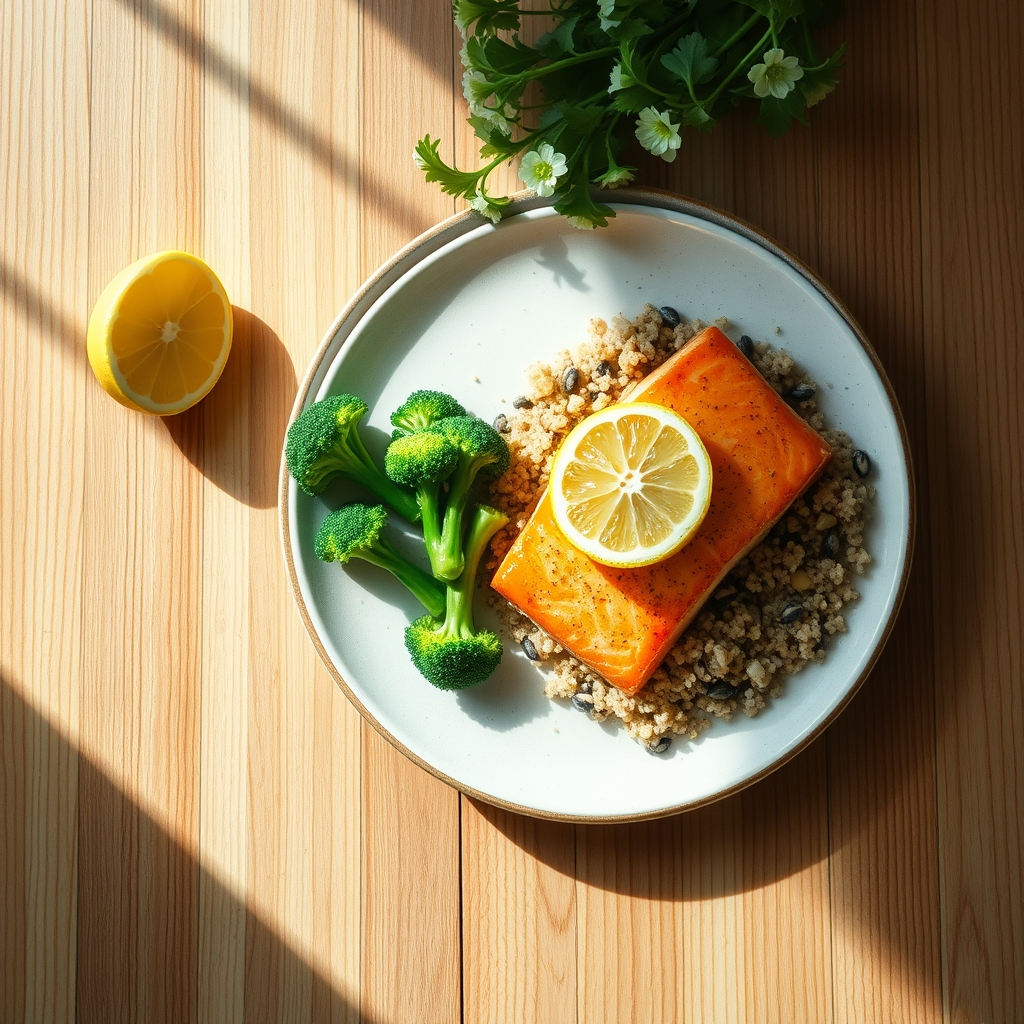
A balanced dinner of salmon, quinoa, and broccoli provides protein, omega‑3s, and iron for a growing embryo.
The NHS recommends continuing prenatal vitamins that include 400 µg of folic acid daily, even after the first month, to sustain the embryo’s rapid cell division (NHS, 2023).
Is it safe to exercise at 8 weeks pregnant?
Yes—moderate, low‑impact exercise is safe and recommended for most pregnant people at eight weeks, unless your provider advises otherwise due to specific medical conditions. Benefits include reduced fatigue, improved mood, and better circulation.
Guidelines from the American College of Obstetricians and Gynecologists (ACOG) suggest:
Frequency – 3–5 days per week.
Intensity – Keep heart rate below 140 bpm, or use the “talk test” (you should be able to converse comfortably).
Duration – 20–30 minutes per session, gradually building up to 150 minutes weekly.
Types of activity – Walking, swimming, stationary cycling, prenatal yoga, and gentle strength training using light weights or resistance bands.
Avoid high‑impact sports, contact activities (e.g., soccer, basketball), and exercises that involve lying flat on your back after the first trimester, as they can reduce blood flow to the uterus.
One reader shared that a 30‑minute “mom‑to‑be” walk around her neighborhood helped her sleep better and eased her nausea. She also noted that stretching before and after her walk prevented muscle cramps.
Research published by the American Pregnancy Association confirms that regular, moderate activity lowers the risk of gestational diabetes and hypertension (APA, 2024).
What prenatal tests are done at 8 weeks?
During the eighth week, most providers schedule a “first‑trimester” visit that includes several key assessments:
Blood work – Checks for blood type, Rh factor, hemoglobin/hematocrit (anemia), rubella immunity, hepatitis B, HIV, and sexually transmitted infections.
Urine analysis – Screens for protein, glucose, and urinary tract infections.
Quantitative hCG – Confirms pregnancy viability and estimates gestational age when dates are uncertain.
Early ultrasound – Often performed between weeks 7–9 to confirm a viable intrauterine pregnancy, visualize the fetal heartbeat, and establish precise dating.
Genetic screening discussion – Options such as cell‑free DNA (cfDNA) testing from week 10 onward may be introduced.
These tests are generally quick, painless, and covered by most insurance plans. Results typically return within a week, and your provider will review them with you, answering any lingering questions.
The CDC emphasizes that early screening allows for timely identification of conditions like anemia or infections, which can be treated safely during pregnancy (CDC, 2023).
When will I feel my baby move at 8 weeks?
Most people do not feel fetal movement at eight weeks because the embryo is still too small to generate a detectable kick. The first sensations—often called “quickening”—usually appear between weeks 16 and 20, though some experience a faint flutter as early as week 14.
If you’re eager to connect with your baby now, consider these gentle ways to enhance awareness:
Place your hand over your lower abdomen after a meal; the warmth can help you sense subtle shifts.
Practice relaxation or mindfulness breathing; a calm state may make you more attuned to small movements later.
Maintain a healthy diet and stay hydrated – these support optimal fetal activity.
When you finally feel those first tiny kicks, it’s a reassuring sign of healthy development. If you notice a sudden loss of movement after you’ve previously felt it, contact your provider right away.
Studies from the Mayo Clinic show that early maternal‑fetal bonding, even before quickening, can improve maternal mental health throughout pregnancy (Mayo Clinic, 2026).
What changes happen to my body at 8 weeks pregnant?
Beyond the symptoms already listed, eight weeks marks several physiological shifts:
Hormone surge – Estrogen and progesterone rise sharply, thickening the uterine lining and relaxing smooth muscle throughout the body.
Increased blood volume – Your plasma expands by about 30 % to support the placenta, which can cause mild swelling in the feet and ankles.
Digestive slowdown – Progesterone relaxes the gastrointestinal tract, sometimes leading to constipation or heartburn.
Skin changes – Darkening of the areola, linea nigra (a faint line down the abdomen), and possible “pregnancy glow” from increased blood flow.
Breast changes – The ducts enlarge, and you may notice a slight increase in size or visible veins.
All of these changes are normal adaptations to nurture a growing baby. If you experience severe swelling, sudden weight gain, or sharp abdominal pain, those could be warning signs that merit immediate medical attention.
According to NICE, these early physiological changes are usually well‑tolerated, but any sudden onset of severe symptoms should prompt a call to your provider (NICE, 2022).
8 weeks pregnant weight gain expectations
Weight gain in the first trimester is typically modest. Most professionals, including the Institute of Medicine (IOM), suggest a total gain of 1–4 pounds (0.5–2 kg) by the end of week 12. This range reflects differences in pre‑pregnancy body mass index (BMI):
Pre‑pregnancy BMI
Recommended total gain by 12 weeks
Underweight (BMI < 18.5)
3–4 lb (1.4–1.8 kg)
Normal weight (BMI 18.5‑24.9)
2–3 lb (0.9–1.4 kg)
Overweight (BMI 25‑29.9)
1–2 lb (0.5–0.9 kg)
Obese (BMI ≥ 30)
0.5–1 lb (0.2–0.5 kg)
Focus on nutrient‑dense foods rather than calories alone. A balanced diet, regular prenatal vitamins, and gentle activity will help you stay within these guidelines.
The WHO notes that appropriate early weight gain supports placental development and reduces the risk of pre‑eclampsia later in pregnancy (WHO, 2022).
8 weeks pregnant morning sickness tips
Morning sickness can feel relentless, but several tried‑and‑true strategies often bring relief:
Eat small, frequent meals – Aim for six tiny meals a day to keep blood sugar stable.
Ginger – Fresh ginger tea, ginger chews, or ginger‑infused water can calm nausea for many people.
Vitamin B6 – 10–25 mg three times daily (as recommended by the NHS) has been shown to reduce nausea intensity.
Acupressure wrist bands – Pressure on the P6 point may lessen symptoms.
Avoid triggers – Strong smells, spicy foods, and an empty stomach often worsen nausea.
Stay hydrated – Sip water, electrolyte drinks, or clear broths throughout the day.
If nausea prevents you from keeping any food down for more than 24 hours, contact your provider. Prescription anti‑emetics are safe and can be prescribed when needed.
Research from the CDC confirms that vitamin B6, either alone or combined with doxylamine, reduces nausea in up to 70 % of pregnant people (CDC, 2023).
8 weeks pregnant ultrasound what to expect
The first‑trimester ultrasound, typically performed between weeks 7 and 9, offers both reassurance and vital information:
Confirmation of viability – The sonographer will look for a gestational sac, yolk sac, and fetal heartbeat (usually > 110 bpm).
Dating accuracy – Measuring the crown‑rump length (CRL) provides an accurate gestational age, often within a few days.
Location check – Ensures the pregnancy is within the uterus and not ectopic.
Number of embryos – Detects multiples early, which influences later care.
The scan itself is painless; a cool gel is applied to your abdomen, and a small handheld transducer glides over the skin. You’ll likely hear a faint “whoosh” as the machine captures images. Many women describe the moment they hear the heartbeat for the first time as “the most emotional instant of my pregnancy.”
RCOG advises that an early ultrasound also helps identify any structural anomalies that may need follow‑up, though most issues are not detectable until later (RCOG, 2021).
8 weeks pregnant hormone levels
Hormonal changes drive most of the physical and emotional symptoms you’re experiencing:
Human chorionic gonadotropin (hCG) – Peaks around weeks 8‑10, accounting for nausea and the “pregnancy glow.”
Progesterone – Continues to rise, promoting uterine lining maintenance and causing smooth‑muscle relaxation (hence constipation and heartburn).
Estrogen – Increases steadily, supporting blood‑vessel growth and breast development.
Relaxin – Starts low but will rise later, loosening ligaments in preparation for childbirth.
These hormone levels are measured indirectly through routine blood work, but most providers rely on the typical pattern rather than exact numbers. If you have a history of hormone‑related disorders (e.g., thyroid disease), your provider may monitor levels more closely.
ACOG notes that extreme fluctuations in hCG can sometimes signal a miscarriage, but a steady rise is reassuring (ACOG, 2023).
8 weeks pregnant sexual activity guidelines
For most people with uncomplicated pregnancies, sexual activity is safe throughout the first trimester, including at eight weeks. The amniotic sac and uterine wall protect the embryo, and a thick mucus plug forms later to guard against infection.
Consider these practical tips:
Comfort – You may find certain positions more comfortable as your belly begins to rise.
Communication – Talk openly with your partner about any concerns or changes in desire.
Protection – If you’re at risk for sexually transmitted infections (STIs), use condoms to protect both you and the baby.
Bleeding or pain – If intercourse triggers spotting or cramping, pause and discuss with your provider.
Should you have a history of miscarriage, preterm labor, or cervical insufficiency, your provider may advise temporary abstinence, so always follow personalized guidance.
The NHS confirms that most sexual activity does not affect fetal development, but listening to your body’s signals is key (NHS, 2023).
8 weeks pregnant work and maternity leave
Balancing a new pregnancy with work responsibilities can feel daunting, but many employers and labor laws provide protections:
United States – The Pregnancy Discrimination Act (PDA) prohibits discrimination, and the Family and Medical Leave Act (FMLA) offers up to 12 weeks of unpaid leave for eligible employees after 12 months of service.
United Kingdom – Statutory Maternity Leave provides up to 52 weeks, with the first 26 weeks being “Ordinary Maternity Leave.” Employees are also protected by the Equality Act 2010.
Flexible work options – Many companies now allow remote work, flexible hours, or reduced workloads during early pregnancy.
Planning ahead – Discuss your anticipated leave with HR early, and request any needed accommodations (e.g., more frequent breaks, ergonomic chairs).
Remember that every workplace is different. If you feel uncomfortable or unsure about your rights, consider reaching out to a local labor board or a trusted HR representative.
According to the U.S. Department of Labor, documenting any pregnancy‑related accommodations in writing helps protect both employee and employer (DOL, 2022).
8 weeks pregnant emotional changes
Emotions can swing dramatically at eight weeks due to hormonal flux and the reality of impending parenthood. Common feelings include excitement, anxiety, sadness, and even grief over lost freedoms.
Strategies to nurture emotional wellbeing:
Connect with support – Talk with a partner, friend, or support group who understands early‑pregnancy challenges.
Mindful breathing – Simple 4‑7‑8 breathing exercises can calm the nervous system.
Journaling – Writing down thoughts helps process emotions and track mood patterns.
Professional help – If you notice persistent low mood, anxiety, or intrusive thoughts, consider counseling or a therapist experienced in perinatal mental health.
One reader shared that carving out a “self‑care hour” each evening—reading a favorite novel while sipping herbal tea—helped her feel grounded amid the hormonal whirlwind.
Data from the ACOG Committee on Obstetric Practice shows that early mental‑health screening reduces postpartum depression rates (ACOG, 2023).
Managing common pregnancy discomforts at 8 weeks
Beyond nausea, many people report heartburn, constipation, and mild leg cramps. Simple lifestyle tweaks can make a big difference.
Heartburn – Eat smaller meals, avoid lying down within two hours of eating, and consider a glass of water with a teaspoon of apple cider vinegar if you’re not sensitive to acid.
Constipation – Increase fiber intake with fruits, vegetables, and whole grains, and stay active with short walks.
Leg cramps – Gentle calf stretches before bed and staying hydrated can reduce nighttime cramping.
These low‑risk strategies are endorsed by the FDA’s guidance on safe over‑the‑counter remedies during pregnancy (FDA, 2022).
Simple, fiber‑rich breakfast ideas can ease constipation and keep energy steady.
Travel considerations in early pregnancy
Many people wonder if it’s safe to travel—by car, train, or plane—at eight weeks. In general, short trips are fine if you feel well.
Air travel – The CDC states that flying is safe after the first trimester, but most clinicians approve travel after confirming a viable pregnancy in the first‑trimester scan.
Car trips – Wear a seatbelt low on the hips and take frequent breaks to stretch and use the restroom.
Travel insurance – Consider a policy that covers pregnancy‑related care, especially if you’re traveling internationally.
If you have a history of miscarriage or high‑risk pregnancy, discuss travel plans with your provider before booking.
These tips align with ACOG’s recommendations for low‑risk pregnancies (ACOG, 2023).
From our medical team: The eighth week marks an exciting, albeit sometimes overwhelming, milestone. Most symptoms you’re feeling are normal, and the embryo’s development is progressing well. Keep up with prenatal vitamins, stay hydrated, and listen to your body. If anything feels out of the ordinary—especially heavy bleeding, severe pain, or sudden swelling—don’t hesitate to call your provider. You’re doing great, and each small step is a step toward a healthy pregnancy.
Myth vs. fact
Myth: You’ll feel the baby move at eight weeks.
Fact: Fetal movement, known as “quickening,” typically begins between weeks 16 and 20; at eight weeks the embryo is still too small to generate a detectable kick.
Myth: You must avoid all exercise in the first trimester.
Fact: Light to moderate exercise (e.g., walking, prenatal yoga) is safe for most pregnancies and can reduce fatigue and mood swings.
Myth: Morning sickness means the pregnancy is not viable.
Fact: Nausea is common and usually harmless. Severe or prolonged vomiting should be evaluated, but mild morning sickness is not a sign of miscarriage.
Key takeaways
At eight weeks the embryo is about the size of a raspberry and its heart is already beating.
Common symptoms include fatigue, nausea, breast tenderness, and frequent urination.
Eat a balanced diet rich in protein, calcium, iron, and folate; avoid unpasteurized dairy and high‑mercury fish.
Gentle exercise (walking, swimming, prenatal yoga) is safe and recommended.
Your first prenatal visit will include blood work, urine tests, hCG measurement, and an early ultrasound.
Fetal movement won’t be felt until the second trimester, but staying hydrated and rested supports early activity.
If you notice heavy spotting, severe abdominal pain, or sudden swelling, contact your provider immediately.
Simple lifestyle tweaks—like small, frequent meals and gentle stretching—can ease common discomforts.
Travel is generally safe after confirming a viable pregnancy, but discuss any high‑risk factors with your provider.
Frequently asked questions
How many weeks is 8 weeks pregnant?
Eight weeks pregnant means you are eight weeks since the first day of your last menstrual period (LMP), which translates to about six weeks since conception.
Can I have sex at 8 weeks pregnant?
Yes—sexual activity is generally safe in an uncomplicated pregnancy at eight weeks, as long as you’re comfortable and there’s no bleeding or pain.
When will I feel the baby move for the first time?
Most people first notice fetal movement between weeks 16 and 20, though a few may feel a subtle flutter as early as week 14.
What foods should I avoid at 8 weeks pregnant?
Avoid unpasteurized dairy, soft cheeses, raw eggs, undercooked seafood, high‑mercury fish, excessive caffeine (over 200 mg per day), and alcohol, as they can pose risks to the developing embryo.
Is it normal to have spotting at 8 weeks?
Light spotting can be normal, especially after intercourse or a cervical exam, but any bleeding heavier than a menstrual period or accompanied by pain should be evaluated by your provider.
What prenatal vitamins should I take at 8 weeks?
Take a prenatal vitamin that contains at least 400 µg of folic acid, iron, calcium, vitamin D, and DHA; these nutrients support early fetal development and maternal health.
Can I travel by plane at 8 weeks pregnant?
For most low‑risk pregnancies, air travel after a confirmed viable first‑trimester scan is considered safe; always stay hydrated and move your legs periodically during the flight.
Is it safe to receive the COVID‑19 vaccine at 8 weeks?
Yes—both the CDC and WHO recommend COVID‑19 vaccination at any stage of pregnancy, as it protects you and your baby from severe illness.
When to call your doctor
If you experience any of the following, seek medical attention promptly:
Heavy vaginal bleeding (soaking a pad in under an hour)
Severe abdominal or pelvic pain
Sudden swelling of hands, face, or feet
Fever over 100.4 °F (38 °C) with chills
Persistent vomiting that prevents staying hydrated
This article provides general information and is not a substitute for personalized medical advice. Always discuss your specific situation with your obstetrician, midwife, or qualified health professional.
References
American College of Obstetricians and Gynecologists (ACOG). “Nutrition During Pregnancy.” 2023 clinical guidance.
National Institute for Health and Care Excellence (NICE). “Antenatal Care – Routine Care.” Updated 2022.
Centers for Disease Control and Prevention (CDC). “Prenatal Care.” 2023.
World Health Organization (WHO). “Guidelines for Antenatal Care.” 2022.
Royal College of Obstetricians and Gynaecologists (RCOG). “First Trimester Ultrasound.” 2021.
Mayo Clinic. “Pregnancy week by week.” Accessed July 2026.
National Health Service (NHS). “Morning sickness.” 2023.
Food and Drug Administration (FDA). “Guidance for Industry: Food Safety During Pregnancy.” 2022.
American Pregnancy Association. “Exercise and Pregnancy.” 2024.
U.S. Department of Labor. “Family and Medical Leave Act (FMLA).” Updated 2022.
Not sure about the label on 8 Weeks Pregnant What To Expect products?
Snap the ingredients list and SafeFilter checks every ingredient for your stage — only 3 free scans this month, then you're locked until reset. Unlimited from $7/mo or $50/yr.
When Shubhra Mishra was expecting her first child in 2016, she was overwhelmed by conflicting food advice — one site said yes, another said never. By the time her second baby arrived in 2019, she realized millions of mothers face the same confusion.
That sparked a five-year journey through clinical nutrition papers, cultural diets, and expert conversations — all leading to BumpBites: a calm, compassionate space where science meets everyday motherhood.
Her long-term vision is to build a global community ensuring safe, supported, and free deliveriesfor every mother — because no woman should face pregnancy alone or uninformed. 🌿
🌍 Stand with mothers, shape safer guidance
Join a small circle of experts who review BumpBites articles so expecting parents everywhere can decide with confidence.