At 7 weeks pregnant, expect morning sickness, fatigue, and baby development milestones. Learn about symptoms, tips, and what’s happening in your body now.
By Shubhra Mishra — a mom of two who turned her own confusion during pregnancy into BumpBites, a global mission to make food choices clear, safe, and stress-free for every expecting mother. 💛
Check whether any food is safe during pregnancy with the BumpBites Food Safety Checker.
Quick take: At 7 weeks pregnant you’re entering the early‑second trimester of a tiny, rapidly growing embryo. Expect mild pregnancy symptoms, a tiny “pea‑size” fetus, a need for balanced nutrition, gentle exercise, and a few key prenatal visits. Most women feel safe to stay active, but always check with your provider if anything feels off.
It’s 2 a.m., you’re curled up on the couch, and a wave of nausea has you scrolling “7 weeks pregnant what to expect.” You’re not alone—thousands of expecting parents are in the same spot, wondering if their symptoms are normal and what the tiny embryo is up to. The good news? By week 7 most of the big milestones are already set, and the changes you’re feeling are common and manageable.
In this guide we’ll walk through every question you might have at this stage: from how big the baby is, to what you can safely eat, to the best ways to stay active. We’ll also cover the prenatal tests you’ll likely encounter, the typical weight‑gain pattern, and the signs that mean you should call your provider right away. By the end you’ll have a clear, evidence‑based picture of week 7 and feel confident navigating the weeks ahead.
What symptoms and body changes can I expect at 7 weeks pregnant?
Around the seventh week, many women notice a cluster of early‑pregnancy symptoms. Hormone levels—especially human chorionic gonadotropin (hCG) and progesterone—are soaring, which fuels both the good and the uncomfortable.
Common symptoms
Nausea and vomiting (often called “morning sickness”) affect up to 80 % of pregnant people.
Fatigue—your body is working overtime to support the growing embryo.
Breast tenderness as the glands prepare for milk production.
Frequent urination caused by increased blood volume and pressure on the bladder.
Food cravings or aversions—your sense of smell may be heightened.
Mood swings driven by hormonal shifts.
These symptoms often overlap with what many describe as “the first trimester flu.” They usually peak between weeks 8‑12 and then gradually ease.
Physical changes in your body
Even though your belly may not look noticeably larger yet, internal changes are already underway. Blood volume expands by roughly 30‑50 % to supply the placenta, and your heart rate may rise 10‑20 beats per minute. Your uterus, though still the size of a small pear, is thickening its lining (the endometrium) to nurture the embryo.
Anecdotal reports from our community show that many first‑time parents notice a “balloon‑like” feeling in the lower abdomen, as if something subtle is expanding. This is normal—your uterus is stretching to accommodate the developing gestational sac.
Early‑morning cravings? A warm cup of tea can soothe nausea while keeping you hydrated.
How big is the baby at 7 weeks gestation and what are the fetal development milestones?
At 7 weeks gestation the embryo is roughly the size of a blueberry—about 0.5 inches (12 mm) long from crown to rump. Though tiny, it’s undergoing a flurry of critical developments.
Key milestones
Heart tube formation—the heart starts beating at a steady 100‑160 beats per minute, which can be seen on a transvaginal ultrasound.
Neural tube closure—the precursor to the brain and spinal cord is closing, a crucial step for neural development.
Branchial arches—these give rise to future facial features, including the jaw and ears.
Limb buds—tiny swellings that will become arms and legs appear.
Placental development—the placenta begins forming, establishing the nutrient exchange system for later weeks.
Because the embryo is still microscopic, you won’t feel any movement yet. Most people first notice fetal kicks around weeks 18‑22, once the baby has grown enough to generate a noticeable push.
Size comparison table
Gestational Age
Approximate Length
Comparable Object
6 weeks
0.3 in (8 mm)
Sesame seed
7 weeks
0.5 in (12 mm)
Blueberry
8 weeks
0.7 in (18 mm)
Kidney bean
What should I eat and what foods should I avoid at 7 weeks pregnant?
Nutrition is the cornerstone of a healthy pregnancy. At week 7, your focus should be on nutrient‑dense foods that support rapid cell division and organ formation.
Recommended foods
Folate‑rich foods—leafy greens, lentils, and fortified cereals help prevent neural‑tube defects.
Protein sources—lean meats, poultry, eggs, tofu, and low‑fat dairy provide essential amino acids.
Omega‑3 fatty acids—salmon, sardines, chia seeds, and walnuts support brain development.
Calcium‑rich options—milk, yogurt, and fortified plant milks build strong bones for both you and the baby.
Whole grains—brown rice, quinoa, and whole‑wheat bread sustain steady energy.
Foods to limit or avoid
Raw or undercooked seafood—avoid sushi, oysters, and any fish not cooked to an internal 145 °F to prevent listeria.
Unpasteurized dairy and juices—risk of harmful bacteria.
High‑mercury fish—such as king mackerel, shark, and tilefish.
Processed deli meats unless heated to steaming.
Alcohol and excessive caffeine—limit caffeine to ≤200 mg per day (about one 12‑oz coffee) and avoid alcohol entirely.
Many of our readers share that a simple “rainbow plate”—a colorful mix of vegetables, fruits, proteins, and whole grains—makes meeting these guidelines feel less like a chore and more like a celebration of the new life growing inside.
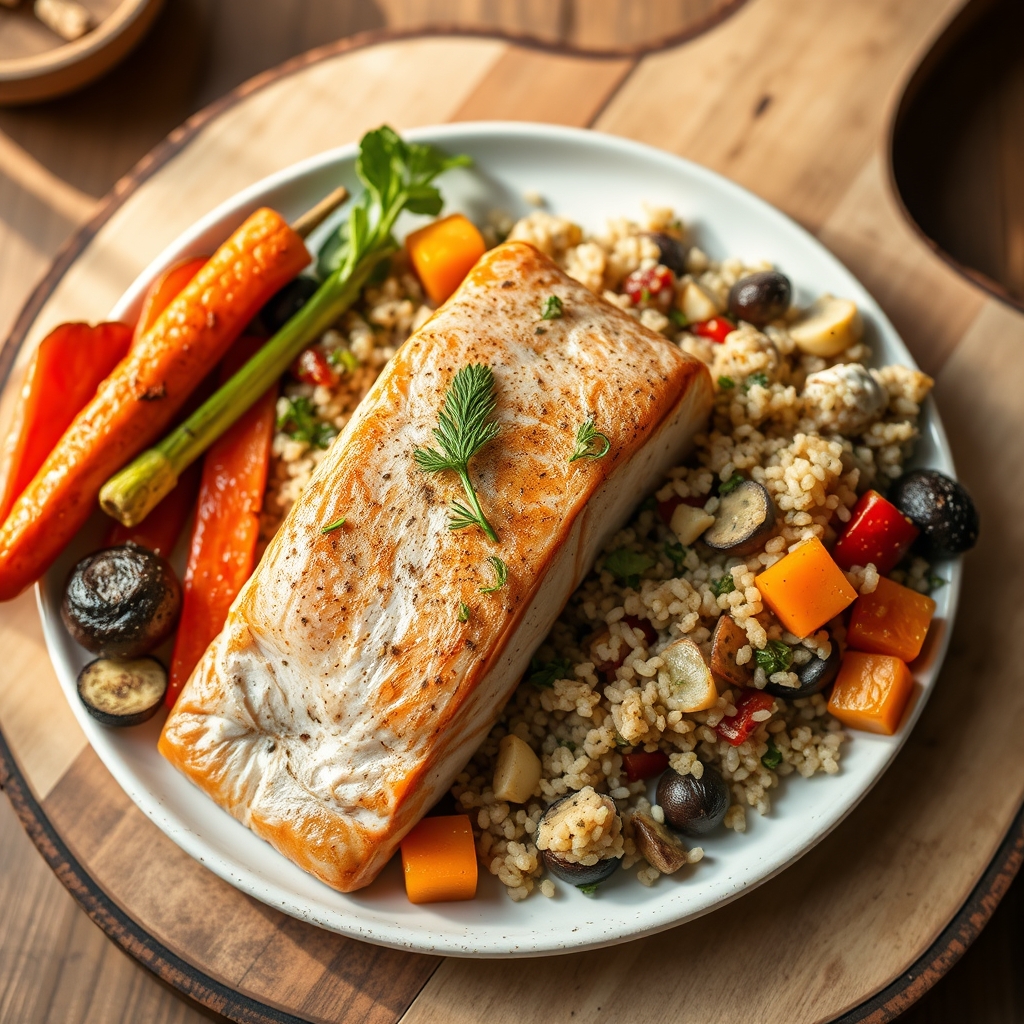
Omega‑3‑rich salmon paired with quinoa offers protein and fiber for a balanced 7‑week meal.
What are the best morning‑sickness remedies at 7 weeks?
Morning sickness peaks around weeks 8‑12, but many experience it as early as week 7. While there’s no magic cure, several evidence‑based strategies can ease nausea.
Gentle dietary tricks
Small, frequent meals—eat 5‑6 mini‑meals instead of three large ones to keep blood sugar stable.
Dry toast or crackers—keep them by your bedside and nibble before getting up.
Ginger—fresh ginger tea, ginger chews, or a splash of ginger ale can reduce nausea for many.
Cold foods—cold smoothies or salads often smell less intense than hot meals.
When to consider medication
If nausea interferes with hydration or nutrition, your provider may prescribe vitamin B6 (pyridoxine) or a safe anti‑emetic such as doxylamine‑pyridoxine (Diclegis). Always discuss any medication, even over‑the‑counter, with your clinician.
Lifestyle tips
Stay hydrated—sip water, electrolyte drinks, or herbal teas throughout the day.
Avoid strong odors—keep the kitchen well‑ventilated and consider baking a plain loaf of bread, which often smells comforting.
Rest when needed—fatigue can worsen nausea, so listen to your body’s need for sleep.
Is it safe to exercise, and what types of activity are recommended at 7 weeks pregnant?
Physical activity is generally encouraged during the first trimester, provided you’re feeling well and have no contraindications (e.g., significant bleeding, incompetent cervix). Exercise can boost mood, improve circulation, and reduce back pain.
Safe activities
Walking—a low‑impact way to keep the heart healthy.
Prenatal yoga—focuses on gentle stretching and breathing; avoid deep twists or lying flat on your back.
Swimming or water aerobics—buoyancy supports the body and reduces joint stress.
Stationary cycling—maintains cardio fitness without risk of falls.
Guidelines to follow
Aim for 150 minutes of moderate‑intensity activity per week (e.g., brisk walking).
Keep your heart rate below 140 bpm—use a wearable or talk‑test (you should be able to hold a conversation).
Stay hydrated and avoid overheating; wear breathable fabrics.
Listen to your body—if you feel dizziness, shortness of breath, or abdominal pain, stop and rest.
One reader shared that she switched from high‑intensity spin classes to “gentle water walking” after week 6 and felt a noticeable reduction in fatigue. The key is finding a routine that feels sustainable and enjoyable.
What prenatal tests, ultrasound schedule, and hormone level changes happen around 7 weeks?
Week 7 is often when the first detailed prenatal visit occurs, though many start care a little earlier. Your provider will confirm the gestational age, assess viability, and order baseline labs.
Typical tests at 7 weeks
Blood work—including complete blood count, blood type and Rh factor, rubella immunity, and baseline thyroid function.
Urine analysis—checks for protein, glucose, and infections.
First‑trimester screening—combined test (nuchal translucency ultrasound + serum markers) to assess risk for trisomy 21, 18, and 13.
Ultrasound schedule
The first transvaginal ultrasound often occurs between weeks 6‑9 to confirm a viable intrauterine pregnancy and measure the crown‑rump length (CRL). By week 7 the heartbeat is usually visible, reassuring both you and the provider.
Hormone level changes
hCG spikes rapidly, peaking around weeks 9‑12, which explains the intensity of early symptoms. Progesterone continues to rise, supporting the uterine lining and preventing contractions. Estrogen levels also increase, helping blood flow to the placenta.
When might I feel the baby move and how much weight gain is normal in the first trimester?
Fetal movements, known as “quickening,” typically begin between weeks 18‑22. At 7 weeks, the embryo is far too small to generate a feeling you can detect.
First‑trimester weight‑gain expectations
Most guidelines (ACOG, NHS) suggest a modest gain of 0.5‑2 lb (0.2‑0.9 kg) total during the first trimester. This reflects the growth of the uterus, placenta, increased blood volume, and a few extra pounds of body fat essential for lactation later.
Trimester
Recommended Total Gain
Weekly Gain (if applicable)
First (0‑13 weeks)
0.5‑2 lb (0.2‑0.9 kg)
~0.1‑0.2 lb (0.05‑0.1 kg) per week
Second (14‑27 weeks)
1‑2 lb (0.5‑0.9 kg) per month
~0.5‑1 lb (0.2‑0.45 kg) per week
Third (28‑40 weeks)
1‑2 lb (0.5‑0.9 kg) per month
~0.5‑1 lb (0.2‑0.45 kg) per week
Weight gain varies by pre‑pregnancy BMI. Those with a lower BMI may be advised to aim toward the higher end of the range, while higher‑BMI individuals might stay near the lower limit. Your provider will tailor advice to your personal health profile.
What are the signs of miscarriage, sexual activity guidelines, and when should I call my doctor at 7 weeks?
Miscarriage is most common in the first trimester, affecting roughly 10‑20 % of recognized pregnancies. Knowing the warning signs helps you act promptly.
Red‑flag symptoms
Heavy vaginal bleeding (soaking a pad in under an hour).
Severe cramping that feels unlike normal period pain.
Passing tissue or clots.
Sudden loss of pregnancy symptoms (e.g., nausea disappears abruptly).
If you notice any of these, call your provider or go to the nearest emergency department.
Sexual activity guidelines
In most uncomplicated pregnancies, sex is safe through the first trimester. However, listen to your body: if intercourse causes discomfort, bleeding, or cramping, pause and discuss with your provider. Use gentle positions that avoid abdominal pressure.
Some couples report a boost in intimacy from sharing the experience, while others prefer to wait until they feel more physically comfortable. Both choices are valid.
From our medical team: Week 7 is a time of rapid embryonic growth and many of the classic first‑trimester symptoms. Staying hydrated, eating a balanced diet rich in folate and omega‑3s, and engaging in low‑impact exercise can help you feel better. Keep your prenatal appointments, and don’t hesitate to reach out if you notice any concerning bleeding, severe pain, or a sudden change in symptoms.
Myth vs. fact
Myth: You can’t feel the baby move until the second trimester. Fact: True—most people feel movement (quickening) between weeks 18‑22, not at 7 weeks.
Myth: All pregnant people must avoid all caffeine. Fact: Moderate caffeine (≤200 mg per day) is considered safe by the FDA and ACOG.
Myth: Exercise will harm the baby in early pregnancy. Fact: Gentle, approved activities like walking, swimming, and prenatal yoga are beneficial and safe for most pregnancies.
Key takeaways
At 7 weeks the embryo is about the size of a blueberry and its heart is already beating.
Common symptoms include nausea, fatigue, breast tenderness, and frequent urination.
Focus on folate‑rich foods, lean protein, omega‑3s, and calcium; avoid raw seafood, unpasteurized products, and high‑mercury fish.
Gentle exercise such as walking, swimming, or prenatal yoga is encouraged—aim for 150 minutes per week.
First‑trimester labs, a transvaginal ultrasound, and the combined screening test are typical at this stage.
Weight gain should be modest (0.5‑2 lb total) and fetal movements won’t be felt until later in pregnancy.
Call your provider if you experience heavy bleeding, severe cramping, or pass tissue.
Frequently asked questions
Can I feel your baby at 7 weeks?
No, fetal movement isn’t detectable until around weeks 18‑22; at 7 weeks the embryo is still too small to generate a feeling.
How big is a 7‑week fetus?
The embryo measures roughly 0.5 inches (12 mm) long—about the size of a blueberry.
What are the common symptoms at 7 weeks pregnant?
Most people report nausea, fatigue, breast tenderness, frequent urination, and heightened sense of smell.
Is it safe to exercise at 7 weeks pregnant?
Yes, low‑impact activities like walking, swimming, and prenatal yoga are generally safe, provided you’re feeling well and have no contraindications.
When should I schedule my first prenatal appointment?
Ideally between weeks 6‑8, after a positive home test, so your provider can confirm dating, start labs, and discuss early screening.
What foods should I avoid at 7 weeks pregnant?
Avoid raw or undercooked seafood, unpasteurized dairy, high‑mercury fish, deli meats unless heated, and limit caffeine to ≤200 mg per day.
When to call your doctor
If you experience heavy vaginal bleeding, severe abdominal pain, passing tissue, sudden loss of pregnancy symptoms, or any new concerning changes, contact your provider right away. This article is for informational purposes only and does not replace personalized medical advice.
References
American College of Obstetricians and Gynecologists (ACOG). “Nutrition During Pregnancy.” 2023 clinical guidance.
National Health Service (NHS). “Pregnancy symptoms: nausea and vomiting.” Updated 2022.
U.S. Food and Drug Administration (FDA). “Caffeine in Pregnancy.” 2023 consumer health information.
World Health Organization (WHO). “Guidelines on Antenatal Care for a Positive Pregnancy Experience.” 2022.
Society of Obstetricians and Gynaecologists of Canada (SOGC). “First‑trimester screening and testing.” 2023.
Centers for Disease Control and Prevention (CDC). “Listeria and Food Safety for Pregnant Women.” 2022.
Royal College of Obstetricians and Gynaecologists (RCOG). “Exercise in Pregnancy.” 2023 clinical update.
Mayo Clinic. “Morning sickness: Causes and treatment.” 2022.
Not sure about the label on 7 Weeks Pregnant What To Expect products?
Snap the ingredients list and SafeFilter checks every ingredient for your stage — only 3 free scans this month, then you're locked until reset. Unlimited from $7/mo or $50/yr.
When Shubhra Mishra was expecting her first child in 2016, she was overwhelmed by conflicting food advice — one site said yes, another said never. By the time her second baby arrived in 2019, she realized millions of mothers face the same confusion.
That sparked a five-year journey through clinical nutrition papers, cultural diets, and expert conversations — all leading to BumpBites: a calm, compassionate space where science meets everyday motherhood.
Her long-term vision is to build a global community ensuring safe, supported, and free deliveriesfor every mother — because no woman should face pregnancy alone or uninformed. 🌿
🌍 Stand with mothers, shape safer guidance
Join a small circle of experts who review BumpBites articles so expecting parents everywhere can decide with confidence.