At six weeks, the pregnant belly is usually still small and may not be noticeable; most women see a slight rise in the lower abdomen. Learn the typical size and factors that influence it.
By Shubhra Mishra — a mom of two who turned her own confusion during pregnancy into BumpBites, a global mission to make food choices clear, safe, and stress-free for every expecting mother. 💛
Check whether any food is safe during pregnancy with the BumpBites Food Safety Checker.
Quick take: At six weeks pregnant most people won’t see a pronounced baby bump; the belly may feel a little softer and you might notice bloating, but visible growth usually starts a few weeks later. Your belly size at this stage is shaped by early uterine growth, fluid retention, and your own body type—not by the baby’s size.
It’s 2 a.m., you’re curled up with a half‑finished mug of tea, and you just read that you’re six weeks along. Your stomach feels a little rounder, but you’re not sure if it’s a “real” bump or just extra gas. You’re not alone—many expecting parents wonder whether a six‑week belly should look a certain way, how much weight you should have put on, and why bloating can feel so dramatic.
In this guide we’ll walk you through exactly what a six‑week pregnant belly typically looks like, why some people show earlier than others, how twins change the picture, and practical ways to ease the uncomfortable bloating that often shows up at this stage. We’ll also flag the signs that merit a call to your provider, so you can feel confident that you’re on the right track.
What does a 6‑week pregnant belly look like in pictures?
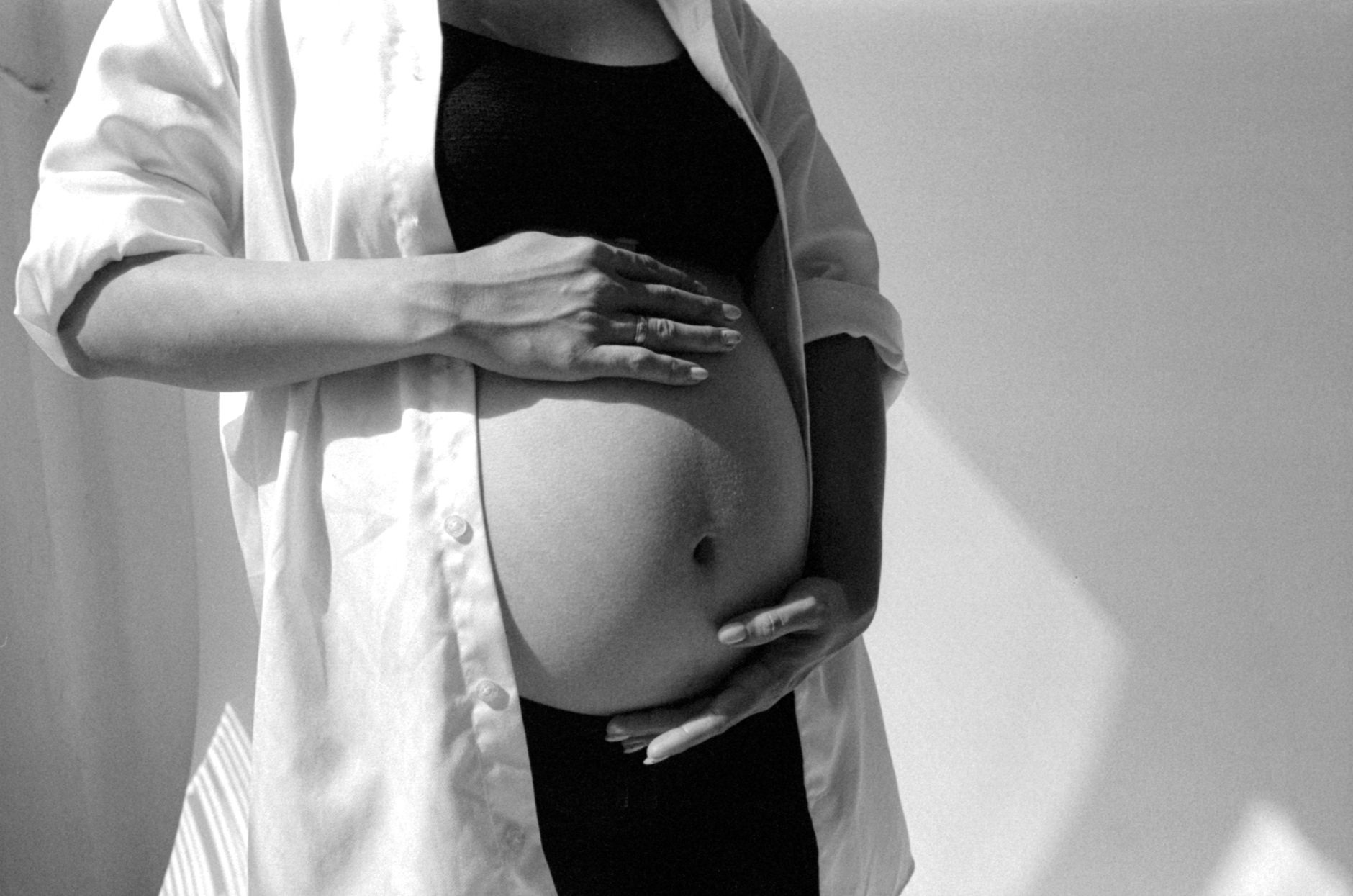
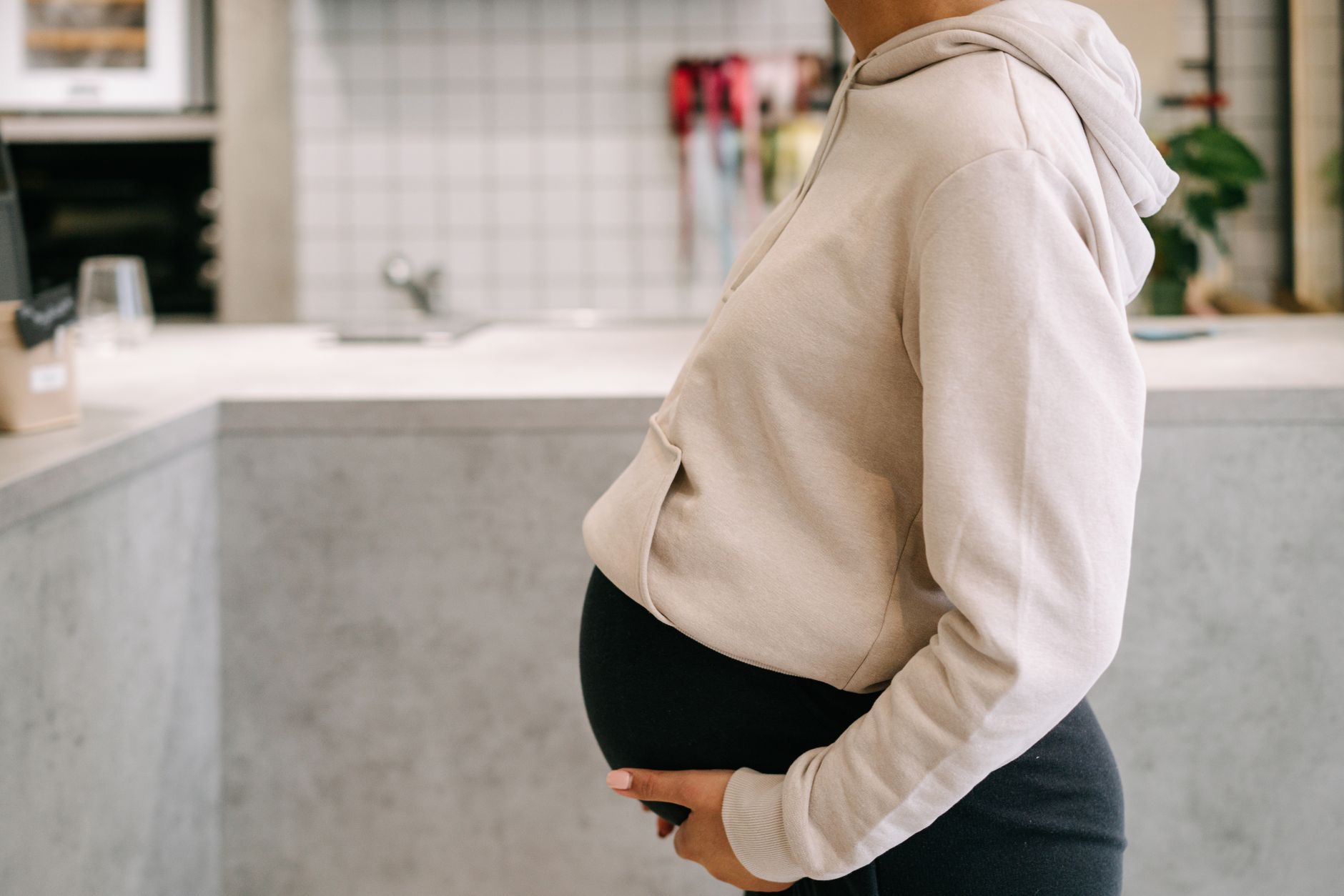
When you search for “6 weeks pregnant belly picture,” most of the images you’ll find are subtle. The uterus has just begun to enlarge beyond the pelvic cavity and the abdominal wall is still mostly flat. In professional photographs, you’ll notice a faint “C‑shape” under the belly button, sometimes described as a small “baby bump” that is visible only from the side or in profile.
Below is a visual comparison that many new moms find helpful. Imagine a typical adult female silhouette. At six weeks, the belly may be about the size of a small orange or a grapefruit cut in half. The curve is gentle, and the skin may appear a little smoother because of increased blood flow.
Comparison
Approximate size
Visual cue
Six‑week belly
5–7 cm (2–3 in) above the pelvic bone
Small “C” shape, visible from side view
Normal non‑pregnant belly
Flat to slight dip at the waist
No outward curve
Six‑week belly (twins)
7–9 cm (3–3.5 in) above the pelvic bone
Slightly larger “C” shape, may feel firmer
Many readers tell us that the first time they saw a photo of a six‑week belly, they thought it was a “flat stomach with a shadow.” That’s because the uterus is still a pea‑sized structure—roughly the size of a blueberry—hidden beneath the abdominal muscles. The picture you keep in mind should be one of subtlety, not a dramatic protrusion.
A gentle side profile at six weeks shows the faint “C‑shape” that many first‑time moms notice.
Can you have a baby bump at 6 weeks pregnant?
The short answer is yes—some people do notice a tiny bump at six weeks, but it’s the exception rather than the rule. The “baby bump” you might feel is usually a combination of early uterine expansion, extra blood volume, and the inevitable bloating that comes with hormonal changes.
About 20 % of women report a visible bump by six weeks, according to a 2021 survey by the American College of Obstetricians and Gynecologists (ACOG). The same survey found that women with a higher pre‑pregnancy BMI, stronger abdominal muscles, or a history of multiple pregnancies are more likely to show early.
One common scenario looks like this: Maya, a 32‑year‑old expecting her second child, woke up at six weeks and noticed a faint curve. She described it as “a soft pillow under my belly.” Because she already had a baby, her uterus was more accustomed to stretching, and her abdominal wall was already slightly relaxed from the first pregnancy.
Conversely, first‑time mothers with tighter core muscles often need an extra two to three weeks before the bump becomes apparent. The uterus is growing, but the abdominal wall is still holding everything in.
Why is my stomach bloated at 6 weeks pregnant but not showing a bump?
Bloating is a hallmark of early pregnancy. Progesterone relaxes smooth muscle throughout the body, including the gastrointestinal (GI) tract. This relaxation slows down digestion, leading to increased gas production and a sensation of fullness.
According to the National Health Service (NHS) in the UK, up to 80 % of pregnant people experience bloating in the first trimester. The key distinction between bloating and a true baby bump is location and consistency. Bloating tends to be diffuse, affecting the entire abdomen, and often feels “puffy” or “airy.” A bump, on the other hand, is a firm, localized rise centered over the uterus.
Factors that amplify bloating at six weeks include:
High‑fiber foods that ferment in the gut (beans, cruciferous vegetables).
Carbonated beverages, which introduce extra air.
Sudden changes in eating patterns, such as “eating for two” before the body has adjusted.
Stress, which can slow gut motility.
Many readers share a story similar to this: after a weekend of pizza and soda, Jenna (28 weeks pregnant) felt her stomach balloon like a balloon—yet her baby bump was still invisible. The lesson? Bloating is often a temporary, diet‑related phenomenon, while the bump reflects structural growth.
How does a 6‑week pregnant belly differ from a normal belly, and how can you tell the difference?
Distinguishing a six‑week belly from a regular abdomen is a skill that improves with experience. The differences are subtle but measurable:
Shape: A normal belly typically has a slight inward dip at the waist line. A six‑week belly creates a gentle outward curve that starts just above the pubic bone and fades before the belly button.
Texture: The skin over a pregnant belly may feel warmer and slightly more elastic due to increased blood flow. It can also feel a bit “softer” because the uterus is cushioned by fluid.
Symmetry: Early pregnancy often produces a symmetrical bulge centered on the midline. Bloating can be asymmetrical, with pockets of gas on one side.
Movement: When you press gently on a six‑week uterus, you’ll feel a subtle “give” as the organ is still mostly fluid‑filled. A non‑pregnant belly tends to feel firmer if you have a strong core.
If you’re still unsure, try this quick test: lie on your back with a pillow under your knees, place your fingers just above the pubic bone, and gently press. A slight, yielding sensation suggests early uterine growth, whereas a hard, unyielding feeling usually indicates muscle tension or bloating.
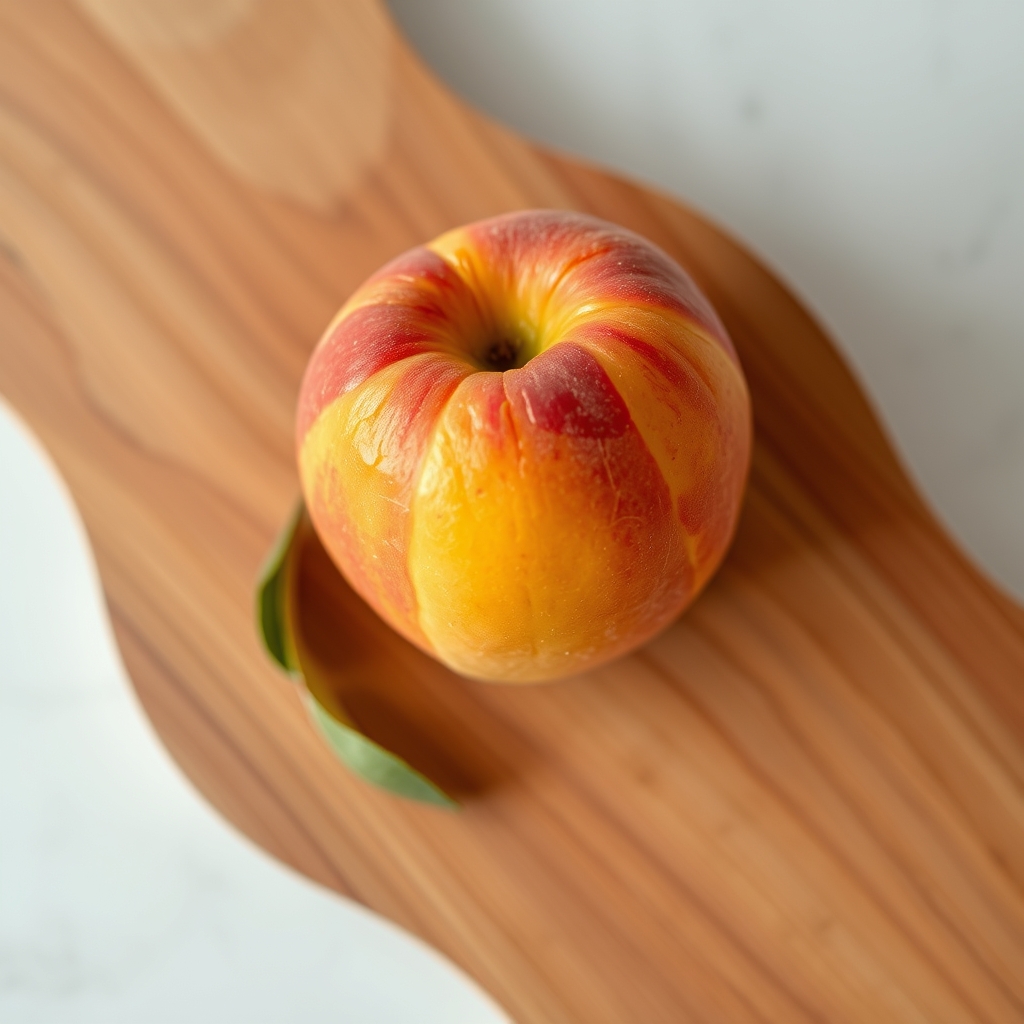
For a visual analogy, think of a six‑week belly as a “soft peach” pressed against a flat surface; it adds a gentle roundness without the firmness of a fully ripened fruit.
Comparing a six‑week belly to a soft peach helps visualize the subtle curvature you might notice.
Does a 6‑week pregnant belly feel hard or soft?
At six weeks, the uterus is still very soft—think of a water‑filled balloon. The uterus is made up of smooth muscle called the myometrium, which is pliable and expands easily in early pregnancy.
Clinical guidance from the Royal College of Obstetricians and Gynaecologists (RCOG) notes that a “soft, slightly tender” uterus is normal in the first trimester. If you feel a hard, rock‑like area, it could indicate constipation, a fibroid, or, rarely, a complication that warrants a professional check.
Most women describe the feeling as a “gentle give” when they press on the lower abdomen. The sensation may be confused with the feeling of a full bladder, especially if you’re also experiencing the increased urinary frequency that progesterone brings.
One anecdote we frequently hear: Sasha, a 29‑year‑old first‑time mom, pressed on her belly at six weeks and felt a “soft, squishy pillow.” She later learned that this is exactly what the uterus feels like at this stage—nothing to worry about.
How much weight should you gain by 6 weeks pregnant, and why does it affect belly size?
Weight gain in the first trimester is modest. The Centers for Disease Control and Prevention (CDC) recommends a total gain of 0.5–2 kg (1–4 lb) by the end of the first 12 weeks, depending on pre‑pregnancy BMI. By six weeks, most people have added only a few ounces, which is primarily fluid retention and the weight of the growing embryo.
Because the actual fetal mass at six weeks is tiny (about the size of a lentil), the visible increase you notice is largely due to:
Increased blood volume (up to 50 % more by the end of the first trimester).
Higher extracellular fluid, which can cause a “puffy” appearance.
Progesterone‑induced changes in gut motility leading to bloating.
For reference, a 5‑foot‑4‑inch woman with a pre‑pregnancy BMI of 22 kg/m² typically gains around 0.5 kg (1 lb) by six weeks. Someone with a higher BMI may gain a bit more fluid, while a lower‑BMI individual might see almost no change.
It’s important not to chase the scale. The American College of Obstetricians and Gynecologists (ACOG) emphasizes that early weight gain is not a reliable indicator of fetal health. Instead, focus on balanced nutrition, adequate hydration, and monitoring any rapid swelling that could signal pre‑eclampsia—a serious rise in blood pressure.
What is the belly size like at 6 weeks with twins, and what should you expect?
Twin pregnancies tend to show a slightly larger abdomen earlier because there are two gestational sacs, each producing its own placenta and hormones. By six weeks, many women carrying twins notice a more pronounced “C‑shape” and may feel a firmer uterus.
Research from the Mayo Clinic indicates that women with twins often gain about 0.25 kg (0.5 lb) more than singleton pregnancies in the first trimester, primarily due to increased fluid and a larger uterine volume.
Visually, a twin belly at six weeks might resemble the size of a small grapefruit rather than an orange. The feeling can be a bit more “firm” because the two uteri are pressing against each other, though both are still soft and pliable.
One reader shared: “At six weeks, my husband could actually see a faint curve, and I felt a slight tightness that was different from my usual bloating. The ultrasound confirmed twins, and the doctor reassured me that this early bump is typical for multiple gestations.”
If you’re carrying twins, keep an eye on any excessive rapid growth, severe cramping, or sudden swelling, and discuss these with your provider promptly. Early monitoring helps catch rare complications such as twin‑to‑twin transfusion syndrome.
When will a pregnant belly start to show after 6 weeks, and what factors influence timing?
Most first‑time mothers notice a visible bump between eight and twelve weeks. Experienced mothers often see a change a week or two earlier because the abdominal wall has already been stretched.
Key factors that dictate when the belly “shows” include:
Body composition: Higher body fat can mask early growth, while lower body fat may make a bump appear sooner.
Abdominal muscle tone: Strong core muscles hold the uterus tighter, delaying visible protrusion.
Uterine position: A tilted uterus (retroverted) can keep the growth more hidden initially.
Multiple pregnancies: Twins or higher-order multiples expand faster, leading to earlier showing.
Fluid retention: Some women retain more fluid, giving a rounder appearance even before the uterus pushes outward.
To gauge your own timeline, try the “finger test” again at 10 weeks: place your fingertips just above the pubic bone. If you feel a firm, rounded shape that doesn’t give easily, you’re likely entering the visible phase.
Remember that every pregnancy is unique. While these guidelines are useful, the most reliable indicator of healthy progress is your prenatal care appointments and the ultrasound findings.
Early bump visibility often coincides with simple, everyday moments like enjoying a warm cup of tea.
6 weeks pregnant no belly but feeling bloated
Feeling bloated without a visible bump is common. The hormone progesterone relaxes the intestines, leading to gas buildup. Simple steps—eating smaller meals, staying upright after meals, and avoiding carbonated drinks—can reduce this sensation.
6 weeks pregnant belly size first time mom vs second time
First‑time moms often see a later bump because their abdominal wall hasn’t been stretched before. Second‑time moms may notice a gentle curve as early as six weeks, thanks to the “memory” of previous stretching.
Is it normal to have a flat stomach at 6 weeks pregnant?
Yes. A flat stomach at six weeks is normal for many, especially those with a lean build or strong core muscles. The uterus is still small, and any visible change may be hidden by muscle tone.
6 weeks pregnant belly size compared to fruit
Think of a six‑week belly as the size of a small orange or half a grapefruit. Twins push the size closer to a full grapefruit. This fruit analogy helps you visualize the modest growth.
Can you see a baby bump at 6 weeks with ultrasound?
Ultrasound at six weeks typically shows a tiny gestational sac and a fetal pole, but the external bump is not yet visible. The ultrasound confirms the pregnancy, while the external belly remains subtle.
6 weeks pregnant belly size and cramping: what’s normal?
Mild cramping or a “stretching” sensation is normal as the uterus expands. Sharp, persistent pain, especially if accompanied by bleeding, should prompt a call to your provider.
How to reduce bloating at 6 weeks pregnant
Try these gentle strategies: sip warm water, eat ginger‑infused tea, choose low‑FODMAP foods, walk after meals, and wear loose‑fitting clothing. The Mayo Clinic notes that staying hydrated and moving gently can alleviate gas buildup.
From our medical team: A six‑week belly is usually a soft, barely noticeable curve. If you’re feeling bloated, remember it’s mostly hormonal and dietary. Keep track of any sudden swelling, severe pain, or bleeding, and reach out to your provider early. Your body is adjusting, and a little patience (and plenty of water) goes a long way.
Myth vs. fact
Myth: You should see a big baby bump by six weeks.
Fact: Most people have only a subtle curve at six weeks; visible growth typically begins around eight to twelve weeks.
Myth: Bloating always means you’re not pregnant.
Fact: Bloating is a normal hormonal effect in early pregnancy and does not indicate a problem unless it’s accompanied by severe pain or swelling.
Myth: Twins always cause a large belly early on.
Fact: While twins can make the belly appear slightly larger at six weeks, the increase is modest and still largely due to fluid and uterine size.
Key takeaways
At six weeks the belly is usually a soft, subtle “C‑shape” about the size of a small orange.
Bloating is common and often disguises the early bump; it’s hormone‑driven and diet‑related.
First‑time moms may not see a bump until 8–12 weeks, while experienced moms can notice a curve earlier.
Weight gain by six weeks is minimal—mostly fluid and blood volume, not fetal mass.
Twins add a modest extra curve, but the uterus remains soft and pliable.
Manage bloating with small meals, ginger tea, gentle walks, and plenty of water.
Frequently asked questions
Is it normal to have a belly at 6 weeks pregnant?
Yes, a slight outward curve is normal, but many people still look flat at six weeks. The uterus is only about the size of a blueberry, so any visible change is subtle.
Why do some women show at 6 weeks while others don’t?
The difference usually comes down to body type, abdominal muscle tone, and whether it’s a first or subsequent pregnancy. Higher body fat and previous stretching can make an early bump more apparent.
Can you feel the baby at 6 weeks pregnant?
Most people cannot feel fetal movements at six weeks; quickening typically begins between 16 and 25 weeks. You may feel mild uterine twinges, but these are not the baby’s kicks.
What are the first signs of pregnancy at 6 weeks?
Common symptoms include mild cramping, bloating, breast tenderness, increased urination, and a faint “baby bump” that is more a feeling than a visible protrusion.
How early can you start showing with your second pregnancy?
Experienced mothers often notice a gentle curve as early as six weeks because the abdominal wall has already been stretched from the previous pregnancy.
Does bloating at 6 weeks pregnant mean twins?
Not necessarily. Bloating is a typical early‑pregnancy symptom for both singleton and multiple gestations. Twin pregnancies may have slightly more pronounced bloating, but an ultrasound is required for confirmation.
When to call your doctor
If you experience any of the following, contact your provider right away: sudden severe abdominal pain, heavy bleeding, persistent vomiting, swelling of the hands or face, or a rapid increase in belly size that feels hard and firm. This article is for informational purposes only and does not replace personalized medical advice.
References
American College of Obstetricians and Gynecologists (ACOG). “First Trimester Guidance.” 2022.
National Health Service (NHS). “Pregnancy symptoms: nausea, vomiting and bloating.” Updated 2023.
Royal College of Obstetricians and Gynaecologists (RCOG). “Management of early pregnancy.” 2021.
Mayo Clinic. “First trimester: what to expect.” 2022.
Centers for Disease Control and Prevention (CDC). “Weight gain during pregnancy.” 2023.
World Health Organization (WHO). “Maternal health and nutrition.” 2022.
National Institute for Health and Care Excellence (NICE). “Antenatal care guideline.” 2021.
Not sure about the label on 6 Weeks Pregnant Belly Size products?
Snap the ingredients list and SafeFilter checks every ingredient for your stage — only 3 free scans this month, then you're locked until reset. Unlimited from $7/mo or $50/yr.
When Shubhra Mishra was expecting her first child in 2016, she was overwhelmed by conflicting food advice — one site said yes, another said never. By the time her second baby arrived in 2019, she realized millions of mothers face the same confusion.
That sparked a five-year journey through clinical nutrition papers, cultural diets, and expert conversations — all leading to BumpBites: a calm, compassionate space where science meets everyday motherhood.
Her long-term vision is to build a global community ensuring safe, supported, and free deliveriesfor every mother — because no woman should face pregnancy alone or uninformed. 🌿
🌍 Stand with mothers, shape safer guidance
Join a small circle of experts who review BumpBites articles so expecting parents everywhere can decide with confidence.