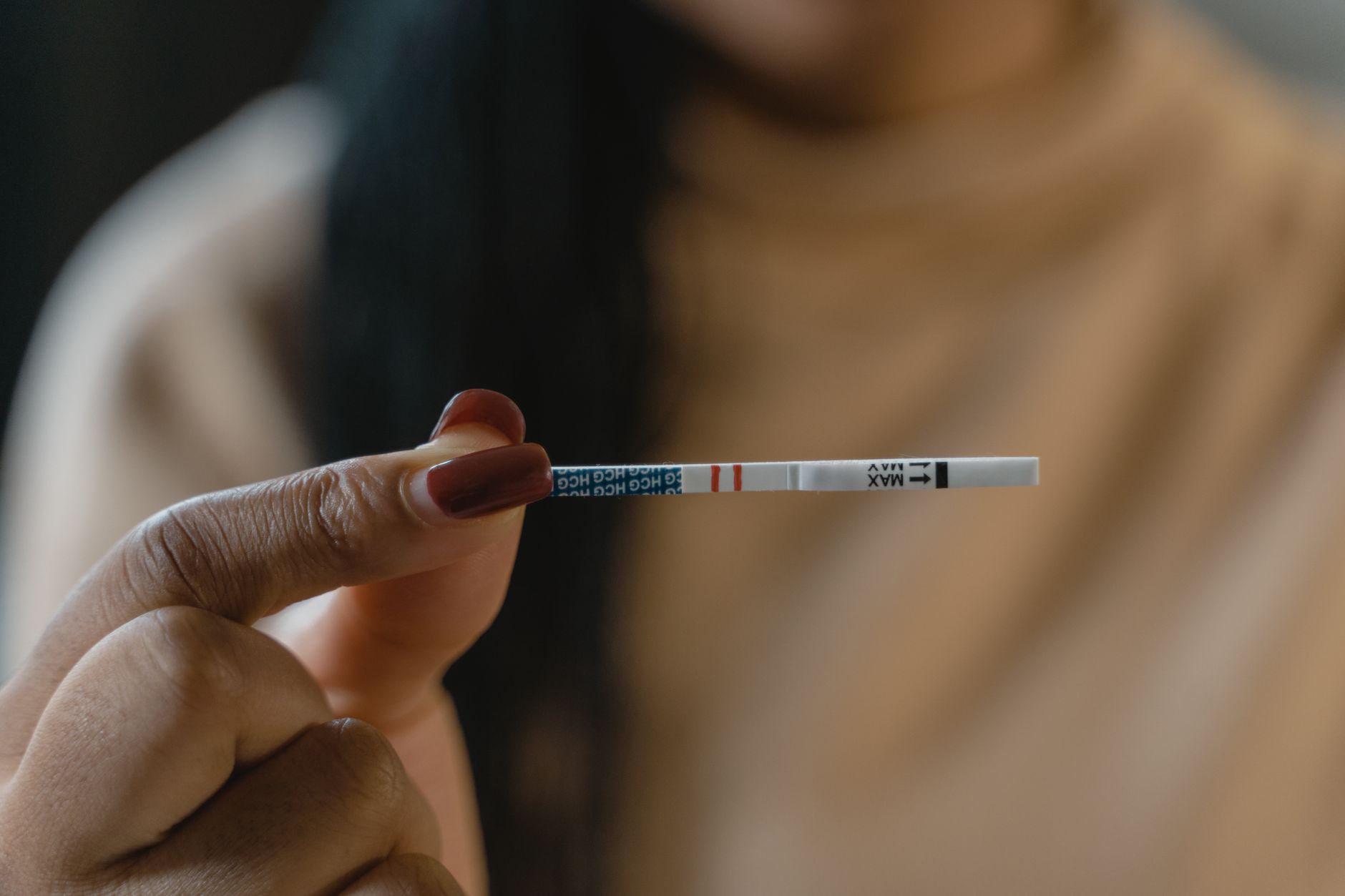
At 4 weeks pregnant, you're likely just discovering you're expecting! Learn what to expect, from early symptoms like fatigue and mild cramping to the incredible development of your tiny embryo. Get essential tips for this crucial first month of pregnancy.
By Shubhra Mishra — a mom of two who turned her own confusion during pregnancy into BumpBites, a global mission to make food choices clear, safe, and stress-free for every expecting mother. 💛
Check whether any food is safe during pregnancy with the BumpBites Food Safety Checker.
Quick take: At 4 weeks pregnant, you're at the very beginning of your pregnancy journey — often right around the time you'd expect your period to start. While your baby is still a tiny cluster of cells, major developments are underway, including implantation. You might experience very subtle early symptoms like fatigue or mild cramping, or none at all, which is completely normal. The most important first steps are confirming your pregnancy and starting prenatal vitamins.
That moment when you’re staring at a home pregnancy test, waiting for those lines to appear, can feel like an eternity. Or perhaps you've just seen a faint positive, and now a rush of questions is flooding your mind: "Am I really pregnant? What should I be feeling? What do I do next?" If you’re at 4 weeks pregnant, you’re in those incredibly early, often secret, days of a new beginning.
At this stage, your body is undergoing profound changes, even if you don't feel much different yet. Your baby, though microscopic, is rapidly developing, and your hormones are starting their incredible work to support this new life. It's a time of wonder, anticipation, and sometimes, a little anxiety.
We're here to walk you through what to expect at 4 weeks pregnant, from the subtle signs your body might be giving you to the crucial first steps you can take to nurture your health and your baby's development. Let's dive into this exciting time together.
What Are the Common Symptoms at 4 Weeks Pregnant?
At 4 weeks pregnant, many women are just realizing they might be pregnant, often because they’ve missed their period. While some may not notice any changes at all, others might experience a few subtle signs that their body is preparing for pregnancy. These early pregnancy symptoms are often mild and can easily be mistaken for premenstrual syndrome (PMS), which can add to the confusion!
Fatigue and Tiredness
One of the most common early symptoms is an overwhelming sense of fatigue. You might find yourself feeling unusually tired, even after a full night's sleep. This isn't just regular tiredness; it's a profound exhaustion that can hit you unexpectedly. This early fatigue is often attributed to the surge in progesterone, a hormone essential for maintaining pregnancy. Progesterone has a sedative effect, making you feel sleepy as your body works hard to support the developing embryo.
Many moms tell us the same thing: "I just couldn't keep my eyes open by mid-afternoon, and I usually have so much energy!" This isn't laziness; it's your body's way of telling you to slow down and conserve energy for the vital work happening inside.
Mild Cramping and Spotting (Implantation Bleeding)
You might notice some very mild cramping at 4 weeks pregnant, often described as a dull ache or slight twinge in your lower abdomen. This cramping, often without bleeding, can be a sign of your uterus stretching or the embryo implanting into the uterine wall. It's usually much milder than menstrual cramps.
Alongside cramping, some women experience a small amount of light spotting, known as implantation bleeding. This typically occurs around 10 to 14 days after conception, which often falls right around week 4. Implantation bleeding is usually very light pink or brown, much lighter and shorter than a regular period, and doesn't require a pad or tampon. It happens when the fertilized egg (now a blastocyst) burrows into the rich lining of your uterus. While it can be alarming, it's a normal and healthy sign for many pregnancies. The American College of Obstetricians and Gynecologists (ACOG) notes that light spotting in early pregnancy can be common and often resolves on its own.
Breast Tenderness and Changes
Your breasts might start to feel tender, sore, or heavier than usual. They might also appear slightly swollen, and your nipples could become more sensitive. These changes are due to the rapid increase in hormones like estrogen and progesterone, which are preparing your milk ducts for future breastfeeding. It's similar to the breast tenderness many experience before a period, but it can be more pronounced.
Nausea and Heightened Sense of Smell
While "morning sickness" often peaks later, some women start to feel mild nausea as early as 4 weeks pregnant. This can range from a queasy stomach to an aversion to certain foods or smells. A heightened sense of smell often accompanies this, making formerly pleasant aromas (like coffee or your partner's cologne) suddenly unbearable. Even if you don't actually vomit, feeling "off" or slightly nauseated can be a very early clue.
Frequent Urination
You might find yourself needing to pee more often. This is due to an increase in blood volume in your body, which causes your kidneys to process more fluid, leading to more urine production. While it will become more pronounced later in pregnancy, some women notice a slight increase in frequency even at this early stage.
Mood Swings and Emotional Changes
The hormonal rollercoaster of early pregnancy can significantly impact your emotions. You might find yourself feeling more irritable, weepy, or anxious than usual, sometimes without a clear reason. One minute you're overjoyed, the next you're crying over a commercial. These intense mood swings are a normal response to the rapid hormonal shifts, especially rising estrogen and progesterone, as your body adjusts to pregnancy. It's okay to feel a mix of emotions; this is a big life change!
What should I be feeling at 4 weeks pregnant?
While many women experience some of the symptoms listed above, it's also common to feel nothing at all. The "most common symptom" is often simply a missed period, followed by fatigue and breast tenderness. Every body responds differently to the hormonal changes of early pregnancy.
Even a faint line on a home pregnancy test can indicate a positive result at 4 weeks.
What's Happening with Baby Development at 4 Weeks Pregnant?
While you might not look pregnant on the outside, inside your body, an astonishing transformation is unfolding at 4 weeks. Your baby is no bigger than a poppy seed, but it's a period of incredibly rapid growth and organization. This week marks the official start of the embryonic period, a critical time for development.
From Blastocyst to Embryo
At the very beginning of week 4, your tiny cluster of cells is called a blastocyst. This blastocyst has successfully implanted itself into the lining of your uterus. Once implanted, it begins to differentiate rapidly. The outer layer of the blastocyst will develop into the placenta, which will nourish your baby throughout pregnancy, while the inner cell mass will become the embryo itself.
Forming the Germ Layers
This week, the inner cell mass organizes into three distinct layers of cells, known as germ layers. Each layer will eventually form specific parts of your baby's body:
Ectoderm: This outermost layer will develop into your baby's brain, spinal cord, nerves, skin, hair, and nails.
Mesoderm: The middle layer will form the heart, blood vessels, muscles, bones, kidneys, and reproductive organs.
Endoderm: The innermost layer will become the lining of the lungs, digestive system, liver, and pancreas.
It's truly remarkable to think that all the fundamental building blocks of a human being are being laid out in such a tiny organism at this stage.
The Amniotic Sac and Yolk Sac
Also forming this week are two vital structures:
Amniotic Sac: This sac, filled with amniotic fluid, will cushion and protect your baby throughout pregnancy.
Yolk Sac: This temporary sac provides nourishment to the embryo until the placenta is fully functional and takes over around week 10.
These structures are essential for the healthy growth and development of your baby, even before you might realize you're pregnant.
What is the size of baby at 4 weeks pregnant?
At 4 weeks, your baby is still incredibly small, often compared to a poppy seed or a tiny speck. It's measured in millimeters and is barely visible to the naked eye. Despite its size, it's a powerhouse of cellular activity!
4 weeks pregnant with twins: If you're carrying twins, each blastocyst will be undergoing this same rapid development. You might have two separate placentas and amniotic sacs, or they might share structures depending on whether they are identical or fraternal, and when the egg split occurred. Early symptoms might be more pronounced due to higher hormone levels, but the individual development of each embryo is similar to a singleton at this stage.
Can You Get a Positive Pregnancy Test at 4 Weeks?
Yes, absolutely! Four weeks pregnant is often the earliest time you can get a reliable positive result on a home pregnancy test. This is because home pregnancy tests detect the presence of human chorionic gonadotropin (hCG) in your urine. hCG is the "pregnancy hormone," produced by the cells that will eventually form the placenta.
How hCG Works
Your body starts producing hCG shortly after the fertilized egg implants in your uterus. The levels of hCG rapidly increase during early pregnancy, roughly doubling every 48 to 72 hours. Most home pregnancy tests are designed to detect hCG levels once they reach a certain threshold, typically around 25 mIU/mL (milli-international units per milliliter).
Timing Your Test
By 4 weeks pregnant, which is typically around the time you would expect your period to start (or just a day or two after your missed period), your hCG levels are usually high enough for most sensitive home pregnancy tests to pick up. For the most accurate result, it's best to test using your first morning urine, as it's the most concentrated and will have the highest level of hCG.
While many "early detection" tests claim to give results a few days before your missed period, waiting until you're 4 weeks pregnant (the day your period is due) often provides a clearer, more definite positive. Testing too early can lead to a false negative, meaning you are pregnant but your hCG levels aren't yet high enough for the test to detect.
Interpreting the Results
A positive result, even a very faint line, indicates pregnancy. If you get a negative result but still suspect you're pregnant (e.g., your period is still missed and you have symptoms), wait a few days and retest. This allows your hCG levels more time to rise. If you're unsure or concerned, a blood test at your doctor's office can detect hCG at even lower levels and provide a definitive answer.
What is the most accurate way to confirm pregnancy at 4 weeks?
While a positive home pregnancy test is a good indicator, a blood test at your doctor's office is the most accurate way to confirm pregnancy at 4 weeks. Blood tests can detect hCG earlier and measure its exact levels, which can sometimes provide additional information about the pregnancy's progression.
What Should You Do When You're 4 Weeks Pregnant?
Discovering you're pregnant at 4 weeks can feel both exhilarating and overwhelming. This is a crucial time to start establishing healthy habits that will support your developing baby and your well-being throughout your pregnancy. Here are the key steps we recommend:
1. Start Taking a Prenatal Vitamin
This is perhaps the most important immediate step. If you haven't already started, begin taking a high-quality prenatal vitamin daily. The most critical ingredient at this stage is folic acid (also called folate in its natural form). The Centers for Disease Control and Prevention (CDC) recommends that all women of childbearing age take 400 micrograms (mcg) of folic acid daily, and this recommendation increases to 600 mcg daily once pregnant. Folic acid is vital for preventing neural tube defects, serious birth defects of the brain and spine, which develop very early in pregnancy – often before you even know you're pregnant.
Look for a prenatal vitamin that also contains iron, calcium, vitamin D, and other essential nutrients. Your doctor or midwife can recommend a specific brand or formulation.
2. Schedule Your First Prenatal Appointment
As soon as you confirm your pregnancy, contact your healthcare provider (OB/GYN or midwife) to schedule your first prenatal appointment. While this initial appointment usually takes place between 8 and 12 weeks of pregnancy, getting on their schedule early is important. They might ask you to come in sooner if you have any pre-existing health conditions or concerns. This first visit is an opportunity to discuss your medical history, current health, and ask any questions you have.
3. Prioritize a Healthy Diet
Now more than ever, what you eat matters. Focus on a balanced diet rich in whole foods. Think plenty of fruits, vegetables, lean proteins, and whole grains. This provides essential nutrients for both you and your rapidly developing baby. Aim for variety and nutrient density.
Key Dietary Considerations at 4 Weeks Pregnant
Folic Acid Rich Foods: In addition to your supplement, include foods like leafy green vegetables (spinach, kale), fortified cereals, beans, and oranges.
Iron: Important for preventing anemia. Found in lean red meat, poultry, fish, beans, and fortified cereals.
Calcium and Vitamin D: Essential for baby's bone development. Dairy products, fortified plant milks, and fatty fish are good sources.
Hydration: Drink plenty of water throughout the day. Staying well-hydrated is crucial for overall health and helps with common early pregnancy symptoms like fatigue and constipation. The American College of Obstetricians and Gynecologists (ACOG) recommends around 8-12 glasses (64-96 ounces) of water daily.
A balanced diet rich in nutrients and a daily prenatal vitamin are cornerstones of a healthy early pregnancy.
4. Get Plenty of Rest
As mentioned, fatigue is a common symptom at 4 weeks. Listen to your body and allow yourself extra rest. This might mean going to bed earlier, taking short naps during the day, or simply reducing your activity level. Your body is doing incredible work, and rest is essential for supporting it.
5. Manage Stress
The early weeks of pregnancy can bring a mix of emotions. Find healthy ways to manage stress, whether it's gentle exercise, meditation, talking to a supportive friend or partner, or engaging in relaxing hobbies. High stress levels aren't good for anyone, especially when you're pregnant.
6. Review Medications and Supplements
Make a list of all prescription medications, over-the-counter drugs, and herbal supplements you currently take. Share this list with your doctor at your first appointment. They can advise you on which are safe to continue and which might need to be adjusted or stopped. Never stop a prescribed medication without consulting your doctor first.
What are the signs of a healthy 4-week pregnancy?
At 4 weeks, signs of a healthy pregnancy are primarily a positive pregnancy test and the absence of concerning symptoms like heavy bleeding or severe pain. Your doctor will confirm ongoing health in later weeks. Focusing on healthy habits like prenatal vitamins and a good diet is your best step.
What Should You Avoid During the 4th Week of Pregnancy?
Just as there are things you should start doing, there are also important things to avoid at 4 weeks pregnant to protect your developing baby. This early period is critical for organ formation, making it especially vulnerable to harmful substances.
1. Alcohol
There is no known safe amount of alcohol consumption during any stage of pregnancy. Alcohol can cross the placenta and potentially cause a range of developmental problems, known as Fetal Alcohol Spectrum Disorders (FASDs). The safest choice is to abstain from alcohol entirely as soon as you know or suspect you're pregnant, and even when trying to conceive.
2. Smoking and Recreational Drugs
Smoking (including secondhand smoke) and the use of recreational drugs are detrimental to fetal development. Smoking can increase the risk of miscarriage, preterm birth, low birth weight, and other complications. Recreational drugs can also have severe and lasting negative effects on your baby's development. If you use these substances, speak openly and honestly with your healthcare provider about resources to help you quit.
3. Certain Medications
Many medications, both prescription and over-the-counter, are not safe for use during pregnancy. This includes some pain relievers, cold and flu remedies, and acne treatments. Always consult your doctor or pharmacist before taking any medication, even seemingly harmless ones, when you are pregnant or trying to conceive. They can advise on safe alternatives.
4. High-Mercury Fish
Certain types of fish contain high levels of mercury, which can be harmful to a baby's developing brain and nervous system. The Food and Drug Administration (FDA) and Environmental Protection Agency (EPA) advise pregnant women to avoid shark, swordfish, king mackerel, and tilefish. Instead, opt for low-mercury options like salmon, cod, canned light tuna (limit to 6 oz per week), and shrimp.
5. Raw or Undercooked Foods
To reduce the risk of foodborne illnesses that can be dangerous in pregnancy, avoid:
Raw or undercooked meat, poultry, and seafood: Ensure all meats are cooked to their safe internal temperatures.
Raw eggs: Found in some homemade Caesar dressings, cookie dough, and hollandaise sauce.
Unpasteurized dairy products and juices: Check labels to ensure products are pasteurized.
Unwashed fruits and vegetables: Always wash produce thoroughly to remove pesticides and bacteria.
Deli meats and unheated hot dogs: These can carry Listeria bacteria. If you choose to eat them, heat them until steaming hot.
6. Excessive Caffeine
While a small amount of caffeine is generally considered safe in pregnancy, most health organizations, including ACOG and the UK's NHS, recommend limiting caffeine intake to no more than 200 milligrams (mg) per day. This is roughly equivalent to one 12-ounce cup of coffee. High caffeine intake may be linked to an increased risk of miscarriage in early pregnancy. Remember to account for caffeine in tea, energy drinks, chocolate, and some sodas.
7. Heavy Lifting and Strenuous Activities
While light to moderate exercise is generally encouraged, it's wise to avoid heavy lifting or extremely strenuous activities that could put undue strain on your body. Listen to your body and adjust your routine as needed. If you have any concerns about your exercise regimen, discuss them with your healthcare provider.
By being mindful of these avoidances, you're taking proactive steps to create the healthiest possible environment for your baby's crucial early development.
Is It Normal to Have No Pregnancy Symptoms at 4 Weeks?
Absolutely, yes! It is completely normal and very common to have no noticeable pregnancy symptoms at 4 weeks pregnant. Many women don't experience any significant changes until later in the first trimester, or even beyond. This can be a source of anxiety for some, who might worry that a lack of symptoms means something is wrong with their pregnancy. However, that's rarely the case.
Every Pregnancy is Unique
Just as every woman is unique, so is every pregnancy. Some women are highly sensitive to the hormonal shifts occurring in their bodies, while others are not. The intensity and timing of symptoms can vary greatly from person to person, and even from one pregnancy to the next for the same woman. What one person experiences as overwhelming fatigue, another might barely notice.
Hormone Levels Vary
The level of hCG and other pregnancy hormones can also vary between individuals, which can influence symptom severity. Even if your hormone levels are rising perfectly, your body might simply not be reacting with strong external symptoms yet. Remember, your baby is still incredibly tiny, and your body is in the very early stages of adjusting.
Focus on Healthy Habits, Not Symptoms
Instead of fixating on whether you have symptoms, focus on the positive steps you can take. Continue taking your prenatal vitamin, eating a nutritious diet, avoiding harmful substances, and staying hydrated. These actions are far more important for a healthy pregnancy than whether you feel nauseous or tired.
If you've received a positive pregnancy test and your doctor has confirmed your pregnancy, trust that your body is doing what it needs to do, even if it's doing it silently. The absence of symptoms is not an indicator of an unhealthy pregnancy. Many women have perfectly healthy pregnancies with minimal to no symptoms, especially in these very early weeks. If you have concerns, always reach out to your healthcare provider for reassurance.
What does a healthy 4-week pregnancy feel like?
For many, a healthy 4-week pregnancy feels exactly like it did before, perhaps with a missed period or a faint positive test. It might feel completely normal, or you might notice subtle shifts like fatigue or mild breast tenderness. The most important "feeling" is usually a sense of hope and anticipation.
What Does an Ultrasound Show at 4 Weeks Pregnant?
When you're 4 weeks pregnant, an ultrasound will typically show very little, if anything, that is definitively identifiable as a pregnancy. This can sometimes be disappointing for expectant parents eager to see their baby, but it's completely normal for this early stage.
The Gestational Sac
At 4 weeks, the most you might see on a very high-resolution transvaginal ultrasound (where the probe is inserted into the vagina) is a very tiny gestational sac. The gestational sac is a fluid-filled structure that surrounds the developing embryo and is usually the first visible sign of pregnancy on an ultrasound. However, it's often not consistently visible until around 4.5 to 5 weeks of gestation. If it's seen, it would appear as a small, black circle within the uterine lining.
Why So Little is Visible
Remember that at 4 weeks, your baby is still a blastocyst, a microscopic cluster of cells the size of a poppy seed. It's simply too small to be seen on an ultrasound. The yolk sac, which provides nourishment, typically becomes visible a few days after the gestational sac, usually around 5 to 5.5 weeks.
An abdominal ultrasound (where the probe is moved over your belly) is even less likely to show anything at this early stage, as it provides less detailed images than a transvaginal ultrasound. Most doctors don't typically schedule the first ultrasound until 8 to 12 weeks of pregnancy, precisely because there's so little to see before then, and waiting allows for a more definitive view of the embryo and its heartbeat.
What Your Doctor Looks For
If an ultrasound is performed at 4 weeks (perhaps due to concerns about ectopic pregnancy or pain), your doctor will be looking for the presence of a gestational sac within the uterus to confirm an intrauterine pregnancy. Even if it's not seen, it doesn't necessarily mean there's a problem; it might simply be too early, and a follow-up ultrasound a week later would be recommended.
So, if you have an early ultrasound and don't see much, don't worry. It's a natural part of the very beginning of your pregnancy journey. Patience is key in these early weeks!
What does 4 weeks pregnant look like on an ultrasound?
On an ultrasound at 4 weeks pregnant, you might see a very tiny gestational sac, appearing as a small, dark circle within the uterus. However, it's often too early to see much, and many doctors wait until later weeks for the first scan.
Common 4-Week Pregnancy Symptom
Why It Happens
What It Might Feel Like
Fatigue
Surge in progesterone, increased blood volume, body working overtime to support embryo.
Profound exhaustion, needing naps, feeling drained even after sleep.
Breast Tenderness/Swelling
Rising estrogen and progesterone preparing milk ducts.
Sore, heavy, or sensitive breasts; nipples may be more sensitive.
Mild Cramping
Uterus stretching, implantation of the embryo.
Dull ache, slight twinges in the lower abdomen, milder than period cramps.
Light Spotting (Implantation Bleeding)
Embryo burrowing into the uterine wall.
Very light pink or brown discharge, not enough to fill a pad.
Nausea/Food Aversions
Rising hCG levels and increased sensitivity to smells.
Queasy stomach, aversion to certain foods or strong smells.
Mood Swings
Rapid fluctuations in estrogen and progesterone.
Feeling irritable, tearful, anxious, or overly emotional without clear cause.
From our medical team: "At 4 weeks, the most important thing a newly pregnant person can do is start a prenatal vitamin with folic acid and schedule their first appointment. It's easy to get caught up in symptom-checking, but remember that many women have no symptoms at this stage, and that's perfectly fine. Focus on nourishing your body, avoiding harmful substances, and preparing for the exciting journey ahead. Your healthcare provider is your best resource for personalized advice."
Myth vs. Fact
Myth: You should feel very pregnant by 4 weeks.
Fact: While some women experience subtle symptoms like fatigue or breast tenderness, it's incredibly common to feel no different at all at 4 weeks pregnant. Many women don't notice significant symptoms until later in the first trimester. A lack of symptoms does not mean there's anything wrong with the pregnancy.
Myth: Implantation bleeding is always heavy like a period.
Fact: Implantation bleeding is typically very light spotting, often pink or brown, and much lighter and shorter than a regular menstrual period. It occurs when the embryo burrows into the uterine lining and is not experienced by all pregnant women. If you experience heavy bleeding, it's important to contact your doctor.
Myth: You need to eat for two right away.
Fact: In the first trimester, your caloric needs don't significantly increase. You're "eating for two" in terms of nutrient density, not necessarily double the calories. Focus on a balanced, nutrient-rich diet rather than increasing portion sizes dramatically. Most women only need an extra 0-100 calories per day in the first trimester, if any.
Key Takeaways
At 4 weeks pregnant, your baby is a tiny blastocyst implanting in your uterus, rapidly forming crucial cell layers.
You might experience subtle early symptoms like fatigue, breast tenderness, mild cramping, or light spotting, but it's also normal to have no symptoms.
A home pregnancy test is often positive at 4 weeks, but a blood test at your doctor's office offers the most accurate confirmation.
Begin taking a prenatal vitamin with at least 400-600 mcg of folic acid immediately to prevent neural tube defects.
Schedule your first prenatal appointment and start focusing on a healthy, balanced diet, good hydration, and adequate rest.
Strictly avoid alcohol, smoking, recreational drugs, certain medications, high-mercury fish, and raw/undercooked foods.
Don't worry if you don't have many symptoms; every pregnancy is different, and a lack of symptoms doesn't mean an unhealthy pregnancy.
Frequently Asked Questions
What should I be feeling at 4 weeks pregnant?
At 4 weeks pregnant, you might feel subtle changes like fatigue, breast tenderness, mild cramping, or a heightened sense of smell. Some women also experience mood swings or light spotting (implantation bleeding). However, it's equally common to feel no significant symptoms at all, as your body is just beginning to adjust to pregnancy.
Is 4 weeks pregnant considered early?
Yes, 4 weeks pregnant is considered very early in the pregnancy. Pregnancy is counted from the first day of your last menstrual period, meaning at 4 weeks, you are essentially one to two weeks post-conception. This is often right around the time you would expect your period to start, making it a pivotal moment for discovering you're pregnant.
What are the signs of a healthy 4-week pregnancy?
The primary sign of a healthy 4-week pregnancy is a positive pregnancy test and the absence of concerning symptoms like heavy bleeding or severe, persistent pain. Your focus should be on establishing healthy habits like taking prenatal vitamins and eating well. Ongoing health will be confirmed by your healthcare provider in subsequent weeks.
What is the most common symptom at 4 weeks pregnant?
The most common "symptom" at 4 weeks pregnant is typically a missed menstrual period. Following that, fatigue, breast tenderness, and mild cramping are frequently reported. However, many women experience no noticeable symptoms beyond a missed period at this very early stage.
Can you feel pregnant at 4 weeks?
Yes, some women can definitely "feel" pregnant at 4 weeks, experiencing subtle physical sensations like increased fatigue, sore breasts, or mild abdominal twinges. Others might notice emotional changes or a heightened sense of smell. However, for many, the feeling is more of anticipation after a positive test rather than distinct physical symptoms.
What should my 4-week pregnant diet look like?
Your 4-week pregnant diet should focus on nutrient-dense whole foods. Emphasize fruits, vegetables, lean proteins, and whole grains. Ensure adequate folic acid (through supplements and fortified foods), iron, calcium, and vitamin D. Stay well-hydrated with water and avoid raw/undercooked foods, high-mercury fish, and excessive caffeine.
When to Call Your Doctor
While many early pregnancy symptoms are normal, it's important to know when to seek medical attention. Contact your healthcare provider immediately if you experience any of the following:
Heavy vaginal bleeding: Especially if it's heavier than a typical period or accompanied by clots.
Severe abdominal pain or cramping: Particularly if it's localized to one side or persistent.
Shoulder pain: This can be a sign of an ectopic pregnancy.
Fever of 100.4°F (38°C) or higher.
Signs of a severe allergic reaction (e.g., difficulty breathing, swelling).
Always remember that this article provides general information and is not a substitute for personalized medical advice. If you have any concerns about your health or your pregnancy, please contact your doctor or midwife.
Not sure about the label on 4 Weeks Pregnant What To Expect products?
Snap the ingredients list and SafeFilter checks every ingredient for your stage — only 3 free scans this month, then you're locked until reset. Unlimited from $7/mo or $50/yr.
When Shubhra Mishra was expecting her first child in 2016, she was overwhelmed by conflicting food advice — one site said yes, another said never. By the time her second baby arrived in 2019, she realized millions of mothers face the same confusion.
That sparked a five-year journey through clinical nutrition papers, cultural diets, and expert conversations — all leading to BumpBites: a calm, compassionate space where science meets everyday motherhood.
Her long-term vision is to build a global community ensuring safe, supported, and free deliveriesfor every mother — because no woman should face pregnancy alone or uninformed. 🌿
🌍 Stand with mothers, shape safer guidance
Join a small circle of experts who review BumpBites articles so expecting parents everywhere can decide with confidence.