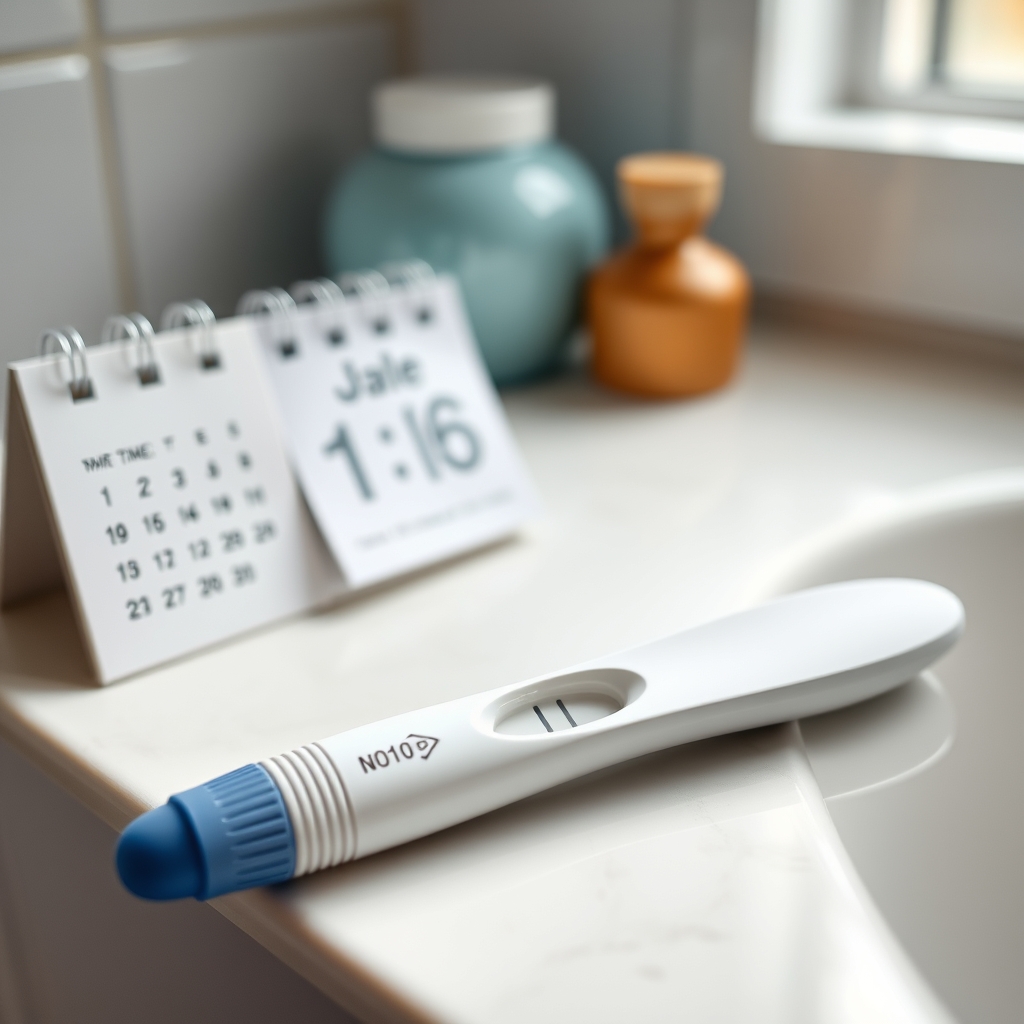
At 4 weeks pregnant, your baby is incredibly tiny, about the size of a poppy seed, measuring around 0.04 inches. Discover what's happening with your baby's development and your body at this crucial early stage of pregnancy. Learn more about 4 weeks pregnant baby size and what to anticipate.
By Shubhra Mishra — a mom of two who turned her own confusion during pregnancy into BumpBites, a global mission to make food choices clear, safe, and stress-free for every expecting mother. 💛
Check whether any food is safe during pregnancy with the BumpBites Food Safety Checker.
Quick take: At 4 weeks pregnant, your baby is still an embryo, about the size of a poppy seed (1-2mm). While you won't see much on an ultrasound yet beyond a tiny gestational sac, this is a crucial time of rapid development as key structures like the neural tube begin to form. Many women experience early symptoms like a missed period, fatigue, or breast tenderness, but it's completely normal to have no symptoms at all. Your positive pregnancy test is the most important confirmation at this stage.
It's 2 a.m., you've just seen those two lines on a pregnancy test, and suddenly you're scrolling through every article, wondering, "How big is my baby right now?" The excitement is mixed with a flurry of questions and a touch of anxiety, especially when you realize you're only "4 weeks pregnant" – a time when most people have just discovered they're expecting.
At 4 weeks pregnant, your journey has truly just begun. While your baby is still incredibly tiny, a monumental amount of development is already underway. This is a time of rapid cell division and the formation of the very foundations of your baby's body. You might not feel much different yet, or you might be experiencing a few subtle hints that your body is undergoing incredible changes.
We understand that this early stage can feel a bit abstract, like you're pregnant but there's not much to "see" or "feel" yet. In this article, we'll walk you through exactly what's happening inside your body at 4 weeks, from the precise size of your embryo to the first signs of its amazing development, what you can expect to see (or not see) on an early ultrasound, and how to navigate these exciting first few days after a positive test.
How big is a baby at 4 weeks pregnant in mm?
At 4 weeks pregnant, your baby is technically still an embryo, and it's incredibly small. Think of a tiny poppy seed – that's roughly the size we're talking about! In medical terms, this little cluster of cells measures approximately 1 to 2 millimeters (mm) in length. To put that into perspective, 1 millimeter is about the thickness of a credit card.
This measurement refers to the length of the embryo itself, which is just beginning its incredible growth spurt. While it might seem minuscule, remember that this single speck contains all the genetic information needed to form a human being, and it's already undergoing complex changes at a cellular level.
Understanding gestational age at 4 weeks
When we talk about being "4 weeks pregnant," it's important to understand how pregnancy is dated. Pregnancy is usually calculated from the first day of your last menstrual period (LMP), not from the date of conception. This is called gestational age. So, even though you might have just gotten a positive pregnancy test and conception occurred only about two weeks ago, your doctor will likely tell you you're 4 weeks pregnant.
This dating method is standard because it provides a reliable starting point for calculating your due date, even if the exact day of ovulation or conception isn't known. At 4 weeks gestational age, your baby has actually been developing for about two weeks since fertilization, having gone through the stages of a zygote and then a blastocyst before implanting in your uterine wall.
The journey from fertilization to implantation
Around two weeks ago (which is considered week 2 of your pregnancy), an egg was fertilized by a sperm, forming a single-celled zygote. This zygote then began a remarkable journey down your fallopian tube towards the uterus, dividing rapidly along the way. By the time it reaches your uterus, it's a ball of about 100 cells called a blastocyst.
It's during this 4th week of pregnancy (which is roughly 2 weeks post-conception) that this blastocyst implants itself into the lining of your uterus. This crucial event is often what triggers the production of human chorionic gonadotropin (hCG), the hormone detected by home pregnancy tests. The implantation process itself is a complex biological dance, ensuring the embryo has a secure environment to continue its development.
This early stage, though microscopic, sets the foundation for all future growth. The cells are already starting to specialize, deciding which will become parts of the baby and which will form vital support structures like the placenta and amniotic sac. So, while your baby is only 1-2mm, it's a mighty 1-2mm packed with potential and purpose.
At 4 weeks, your baby is about the size of a tiny poppy seed, a marvel of early development.
What does a 4-week embryo look like?
At 4
weeks pregnant, your baby doesn't yet resemble a tiny human with discernable features. Instead, it's a microscopic, spherical cluster of rapidly dividing cells, often referred to as a blastocyst or early embryo. Imagine a tiny ball, barely visible to the naked eye, made up of different layers of cells. It's a marvel of organization, even at this earliest stage.
This isn't the "baby-like" image you might picture when you think of a fetus; it's much more rudimentary. The cells are busy differentiating and organizing themselves into distinct groups, each destined to form specific parts of the body. This is a critical period of foundational development, laying the groundwork for all future growth and organ formation.
The formation of germ layers
One of the most significant events happening at 4 weeks is the formation of three distinct layers of cells within the embryo, known as germ layers. These are the building blocks from which all of your baby's organs and tissues will develop. Each layer has a specific destiny:
Ectoderm: This outermost layer will form your baby's skin, hair, nails, the outer layer of the brain, the spinal cord, and nerves. It's also where the neural tube, the precursor to the brain and spinal cord, begins to develop.
Mesoderm: The middle layer is responsible for developing the heart, blood vessels, muscles, bones, kidneys, and reproductive organs. This layer is crucial for the formation of the circulatory system.
Endoderm: The innermost layer will give rise to the lining of the digestive tract, the lungs, liver, pancreas, and thyroid gland. Essentially, it forms the inner linings of many internal organs.
This process of differentiation is incredibly complex and precise, ensuring that each cell knows its role in creating a fully formed human. It's a testament to the intricate choreography of early life.
Beginning of the neural tube and other structures
While the germ layers are forming, other vital structures are also taking shape. The neural tube, which will eventually become your baby's brain and spinal cord, begins to develop from the ectoderm. This is why folic acid supplementation is so critical in the weeks leading up to conception and throughout early pregnancy—it plays a vital role in preventing neural tube defects.
Additionally, the amniotic cavity, which will fill with amniotic fluid to cushion and protect your growing baby, starts to form. The yolk sac also appears, playing a crucial role in providing nourishment to the embryo until the placenta is fully functional. At this stage, the embryo is still very much dependent on the yolk sac for its initial sustenance.
So, even though it doesn't look like a "baby" yet, the 4-week embryo is a hub of intense biological activity, laying down the fundamental architecture for a healthy pregnancy. It's a truly amazing time of development, even if it's invisible to the naked eye.
Can you see a baby on ultrasound at 4 weeks?
If you're having an ultrasound at 4 weeks pregnant, it's important to manage your expectations. In most cases, it's too early to see the embryo itself. Your little one is simply too small – remember, we're talking about a poppy seed! What an ultrasound technician or doctor *can* typically see at this stage is a small, fluid-filled sac called the gestational sac.
The gestational sac is the first sign of a developing pregnancy that can be seen on a transvaginal ultrasound (an internal ultrasound, which provides a clearer view than an abdominal one in early pregnancy). It looks like a tiny black circle within the uterus. Its presence confirms that a pregnancy has implanted in the correct location within the uterus, rather than an ectopic pregnancy (where the embryo implants outside the uterus).
What an early ultrasound can reveal
While the embryo itself isn't usually visible, seeing a gestational sac at 4 weeks is a positive sign. It indicates that the pregnancy is progressing as it should. The gestational sac provides a protective environment for the embryo and eventually contains the amniotic fluid that will surround your baby.
Sometimes, if the gestational sac is visible, a tiny structure called the yolk sac might also be seen, either at 4 weeks or very early in week 5. The yolk sac is a small, round structure inside the gestational sac that provides nourishment to the embryo until the placenta takes over this role. Seeing both a gestational sac and a yolk sac further confirms a healthy, progressing pregnancy.
However, not seeing a gestational sac at exactly 4 weeks isn't necessarily a cause for alarm. Due to slight variations in ovulation and implantation dates, or the resolution of the ultrasound equipment, it might just be a day or two too early. Your doctor might recommend a follow-up ultrasound in a week or two to check for further development.
When to expect the first clear view of your baby
Most healthcare providers don't schedule the first routine ultrasound until later in the first trimester, typically between 8 and 12 weeks. By this time, the embryo will have grown significantly, and you'll usually be able to see a fetal pole (the first visible sign of the embryo itself) and even detect a heartbeat. Seeing these milestones can be incredibly reassuring for expectant parents.
So, if you do have an early ultrasound at 4 weeks, prepare for the possibility of only seeing the gestational sac. It's a crucial first step, but the exciting moment of seeing your baby's tiny form and hearing its heartbeat is usually a few more weeks away. Trust your healthcare provider's guidance on scheduling follow-up scans.
What is developing at 4 weeks pregnant?
At 4 weeks pregnant, an incredible amount of development is happening at a microscopic level, even though you can't see or feel it directly. This is a foundational period where the basic blueprint of your baby is being laid out. It's a time of rapid cell division, specialization, and the beginning of critical body systems.
The fertilized egg, now called a blastocyst, has successfully implanted into the uterine wall. This implantation is a pivotal moment, signaling the official start of your pregnancy within the uterus. Once implanted, the cells of the blastocyst begin to differentiate rapidly, forming distinct groups that will eventually become all the different parts of your baby's body and the essential support systems.
Implantation and early hormonal changes
Implantation is the process where the blastocyst burrows into the rich, blood-filled lining of your uterus. This usually happens around 6-12 days after fertilization, which places it squarely in your 4th week of pregnancy. Once implanted, the outer layer of the blastocyst (called the trophoblast) starts to produce human chorionic gonadotropin (hCG), the hormone detected by pregnancy tests. hCG is vital because it tells your body to continue producing progesterone, which is essential for maintaining the uterine lining and preventing menstruation.
The rise in hCG is also what can start to trigger some of those early pregnancy symptoms, even if they're subtle. Beyond confirming pregnancy, hCG plays a crucial role in supporting the early development of your baby by ensuring the uterine environment remains conducive to growth.
Formation of the neural tube
One of the most critical developments occurring at 4 weeks is the initial formation of the neural tube. This structure is a precursor to your baby's entire central nervous system—their brain, spinal cord, and all the associated nerves. It starts as a flat sheet of cells (the neural plate) that folds in on itself to form a tube. This process is called neurulation.
The neural tube typically closes by the end of week 6 of pregnancy. Issues with neural tube closure can lead to conditions like spina bifida or anencephaly. This is why healthcare providers emphasize the importance of taking a prenatal vitamin with at least 400 micrograms (mcg) of folic acid daily, starting at least a month before conception and continuing through the first trimester. Folic acid significantly reduces the risk of these defects.
Beginning of the placenta and umbilical cord
While the embryo itself is developing, the structures that will support its growth are also taking shape. Cells from the outer layer of the blastocyst begin to form the placenta, the organ that will eventually provide oxygen and nutrients to your baby and remove waste products. At 4 weeks, the placenta is still very rudimentary, but its development is underway, ensuring a robust connection between you and your baby.
Simultaneously, the umbilical cord, which will connect your baby to the placenta, also starts to form. It will eventually contain blood vessels that transport blood, oxygen, and nutrients between you and your baby. The intricate dance of these support structures developing alongside the embryo is truly remarkable, highlighting the efficiency and complexity of early human development.
In essence, at 4 weeks, your body is a bustling construction site, laying the groundwork for a healthy pregnancy. Every cell has a purpose, and every process is precisely timed to ensure the optimal development of your tiny but mighty embryo.
4 weeks pregnant baby size comparison to food
When you're 4 weeks pregnant, it can be hard to visualize just how small your baby is. Comparing its size to everyday objects can help bring this microscopic stage into perspective. At this point, your embryo is roughly the size of a poppy seed. Imagine that tiny black speck you see on a bagel or a muffin – that's about the scale we're talking about for your growing baby.
This comparison helps underscore the incredible speed and precision of early development. From something so small, an entire human being will grow, complete with complex organ systems and unique characteristics. It’s a powerful reminder that even at its most nascent stage, your baby is a miracle of biological engineering.
The poppy seed analogy: a closer look
The poppy seed comparison isn't just a fun anecdote; it's a helpful visual to understand the approximate length of your embryo, which is typically between 1 and 2 millimeters. A standard poppy seed measures about 1mm in diameter. This means your embryo could be as small as one poppy seed or perhaps two lined up side-by-side.
It's a stage where growth is measured in tiny increments, yet each millimeter represents a massive leap in cellular organization and differentiation. While you won't be able to "feel" this poppy seed-sized embryo moving, or see it on anything but specialized medical equipment, its presence is profoundly altering your body's chemistry and setting the stage for the months ahead.
As the weeks progress, these food comparisons will become a fun way to track your baby's growth, from a poppy seed to a lentil, a blueberry, and beyond. For now, take a moment to marvel at the sheer tininess and immense potential contained within that poppy seed-sized embryo.
Week of Pregnancy
Baby's Approximate Size
Common Food Comparison
4 Weeks
1-2 mm
Poppy Seed
5 Weeks
2-3 mm
Sesame Seed
6 Weeks
4-6 mm
Lentil
7 Weeks
10 mm
Blueberry
8 Weeks
16 mm
Kidney Bean
Tracking your baby's growth with common food comparisons.
What are the common symptoms at 4 weeks pregnant?
At 4 weeks pregnant, you might just be realizing you're expecting, and your body is already hard at work. While some women experience noticeable symptoms, others feel absolutely nothing at all. Both scenarios are completely normal. The symptoms you do experience are largely due to the surge in pregnancy hormones, particularly human chorionic gonadotropin (hCG) and progesterone.
Here are some of the common symptoms women report around 4 weeks pregnant:
Missed period
For many, a missed period is the very first and most obvious sign of pregnancy. If your period is typically regular and it's suddenly late, it's a good time to take a home pregnancy test. The absence of menstruation is a direct result of the implanted embryo signaling your body to continue producing progesterone, which maintains the uterine lining.
Light spotting or implantation bleeding
Some women notice very light spotting or a pinkish/brownish discharge around the time their period would have been due. This is known as implantation bleeding and occurs when the embryo implants into the uterine lining. It's typically much lighter and shorter than a regular period and usually doesn't require any intervention. However, any bleeding during pregnancy should always be mentioned to your doctor.
Mild cramping
Just like implantation bleeding, mild uterine cramping can occur as the embryo embeds itself into the uterine wall. These cramps are usually less intense than menstrual cramps and are often described as a dull ache or pulling sensation in the lower abdomen. If cramping is severe or accompanied by heavy bleeding, contact your doctor immediately.
Breast tenderness or soreness
Your breasts might start to feel tender, swollen, or unusually sensitive to touch, similar to how they might feel before a period, but often more pronounced. This is due to rising levels of progesterone and estrogen, which are preparing your milk ducts for eventual breastfeeding. Your nipples might also become more sensitive or appear darker.
Fatigue
Feeling unusually tired, even after a full night's sleep, is a very common early pregnancy symptom. The significant increase in progesterone can be quite sedating, and your body is also working hard to build the placenta and support your growing embryo. Listen to your body and try to rest when you can.
Nausea (morning sickness)
While often associated with later in the first trimester, some women begin to experience mild nausea or "morning sickness" as early as 4 weeks. This can range from a general queasy feeling to actual vomiting. It's thought to be primarily caused by the rapid rise in hCG levels. Despite its name, morning sickness can strike at any time of day or night.
Frequent urination
You might find yourself needing to pee more often than usual. This early symptom is partly due to the increased blood volume circulating in your body, which means your kidneys are working harder to process fluids, and partly due to the uterus starting to enlarge and put slight pressure on your bladder.
Mood swings
The hormonal rollercoaster of early pregnancy can lead to heightened emotions, making you feel more irritable, tearful, or overwhelmed than usual. Estrogen and progesterone play a big role in influencing mood, so don't be surprised if you find yourself feeling a bit more sensitive than usual.
Heightened sense of smell
Many pregnant women report an increased sensitivity to smells, which can sometimes trigger nausea or food aversions. Scents that never bothered you before might suddenly become overwhelming or unpleasant. This is another hormonal effect.
Remember, every pregnancy is unique, and you might experience all, some, or none of these symptoms. The most reliable indicator at 4 weeks is a positive pregnancy test.
Fatigue and general tiredness are common early pregnancy symptoms at 4 weeks.
What is the gestational sac size at 4 weeks?
At 4 weeks pregnant, if a gestational sac is visible on an ultrasound, it will be incredibly small. Typically, it measures between 2 to 5 millimeters (mm) in diameter. To visualize this, imagine a tiny bubble, just a few millimeters across, nestled within the lining of your uterus. This small measurement reflects the very early stage of pregnancy and the rapid growth that is just beginning.
It's important to note that at precisely 4 weeks, a gestational sac might not always be clearly visible, especially if ovulation occurred slightly later than expected or if the ultrasound equipment has lower resolution. However, if it is seen, its presence is a reassuring sign that the pregnancy has implanted correctly within the uterus.
The role and significance of the gestational sac
The gestational sac is essentially the fluid-filled sac that surrounds and protects the developing embryo. It's the first visible sign of an intrauterine pregnancy on an ultrasound. Its main functions include:
Protection: It provides a cushioning environment for the embryo.
Nourishment: It houses the yolk sac, which provides initial nutrients to the embryo before the placenta takes over.
Developmental space: It gives the embryo room to grow and develop.
Seeing a gestational sac confirms that the pregnancy is located in the uterus, ruling out an ectopic pregnancy, which is when the fertilized egg implants outside the uterus, usually in a fallopian tube. Ectopic pregnancies are serious and require immediate medical attention.
Why size matters (and why it doesn't always at 4 weeks)
While the size of the gestational sac becomes an important indicator of gestational age and healthy development in later weeks, at 4 weeks, its mere presence is often the most significant finding. A very small sac or no sac might warrant a repeat ultrasound in a week or so to allow for further development or to account for any slight miscalculation in dating.
As the pregnancy progresses, the gestational sac will grow, and within it, other structures like the yolk sac and eventually the fetal pole (the early embryo) will become visible. The typical growth rate of the gestational sac is about 1mm per day after it's first seen. So, while 2-5mm might seem small, it's right on track for this incredibly early stage.
If your doctor sees a gestational sac at 4 weeks, it's a positive step. They will continue to monitor its growth and look for further signs of development in subsequent visits.
Is it normal to have no symptoms at 4 weeks pregnant?
Yes, absolutely! It is completely normal to have no symptoms at 4 weeks pregnant. Many women discover they are pregnant around this time because of a missed period, but they don't feel any other physical changes. This can sometimes lead to worry or a feeling of "not really pregnant," but rest assured, a lack of symptoms does not mean anything is wrong with your pregnancy.
Every woman's body responds differently to the hormonal changes of early pregnancy. Some women are highly sensitive to the initial surge in hormones like hCG and progesterone, leading to symptoms like nausea, fatigue, or breast tenderness. Others, however, may not experience any noticeable symptoms until several weeks later, or even throughout their entire pregnancy.
Why some women have no symptoms
There are several reasons why you might not be experiencing typical pregnancy symptoms at 4 weeks:
Individual sensitivity: Your body might simply be less sensitive to the hormonal shifts happening. Just as some people get headaches from certain triggers and others don't, individual physiological responses vary.
Hormone levels: While hCG levels are rising, they might not yet be high enough in your system to trigger strong symptoms. Levels typically double every 48-72 hours in early pregnancy, so symptoms often become more apparent as hCG continues to climb in weeks 5, 6, and beyond.
Later onset: Many common pregnancy symptoms, such as morning sickness, often don't peak until closer to 6-8 weeks of pregnancy. You might just be an individual whose symptoms manifest a little later.
It's just how your body works: Some women simply have very easy first trimesters and experience minimal symptoms throughout. This is often a blessing, not a cause for concern!
Reassurance and what truly matters
If you've taken a home pregnancy test and it's positive, that is the most reliable indicator of pregnancy at 4 weeks. The test detects the presence of hCG, which is only produced when a fertilized egg has implanted. Your positive test is your confirmation, regardless of how you feel physically.
Many expecting parents find themselves comparing their experiences to others, especially online. It's easy to fall into the trap of thinking you "should" be feeling a certain way. However, every pregnancy journey is unique. Focus on the fact that your body is undergoing an incredible process, even if it's doing so quietly.
Instead of worrying about a lack of symptoms, celebrate the positive test! Continue to take your prenatal vitamins, make healthy lifestyle choices, and schedule your first prenatal appointment with your doctor or midwife. They can provide personalized reassurance and confirm the pregnancy through medical evaluation.
From our medical team: "At 4 weeks, a positive pregnancy test is the most definitive sign you have. Many women worry about not having symptoms, but it's remarkably common. Your body is just beginning to adapt to the hormonal changes, and every pregnancy is unique. Focus on starting your prenatal vitamins, especially folic acid, and scheduling your first visit with us. We're here to guide you through every step, no matter how you're feeling."
Myth vs. fact
The early weeks of pregnancy are often surrounded by misconceptions. Let's clear up some common myths about being 4 weeks pregnant:
Myth: You should definitely be experiencing strong morning sickness by 4 weeks pregnant.
Fact: While some women do experience mild nausea this early, it's far more common for morning sickness to begin around 6-8 weeks of pregnancy, if it happens at all. Many women have no nausea at 4 weeks, and that's perfectly normal.
Myth: If you don't have any pregnancy symptoms at 4 weeks, it means something is wrong with the pregnancy.
Fact: This is a very common worry, but it's simply not true. A lack of symptoms in early pregnancy is completely normal and does not indicate a problem. Every body responds differently to hormonal changes. The most important indicator at 4 weeks is a positive pregnancy test.
Myth: You can see the baby clearly on an ultrasound at 4 weeks pregnant.
Fact: At 4 weeks, the embryo is still microscopic, about the size of a poppy seed. While a transvaginal ultrasound might be able to detect a tiny gestational sac (the fluid-filled sac that will hold the baby), it's generally too early to see the embryo itself or a heartbeat. That usually comes a few weeks later.
Myth: Any spotting or cramping at 4 weeks means you're having a miscarriage.
Fact: While any bleeding or cramping in pregnancy warrants a call to your doctor, light spotting and mild cramping can be normal signs of implantation. Implantation bleeding is typically lighter and shorter than a period. It's important to distinguish between normal early pregnancy signs and potential complications, which your doctor can help with.
Key takeaways
At 4 weeks pregnant, your baby is an embryo, about 1-2 millimeters long, roughly the size of a poppy seed.
This is a crucial time for foundational development, including the formation of the three germ layers and the beginning of the neural tube (brain and spinal cord).
On an ultrasound at 4 weeks, you'll likely only see a tiny gestational sac, not the embryo itself. This is normal and a positive sign of uterine implantation.
Common symptoms at this stage include a missed period, light spotting, mild cramping, breast tenderness, and fatigue, but it's completely normal to have no symptoms.
The gestational sac, if visible, measures around 2-5mm and confirms an intrauterine pregnancy.
A positive home pregnancy test is the most reliable confirmation of pregnancy at 4 weeks, regardless of symptoms.
Continue taking a prenatal vitamin with folic acid and schedule your first prenatal appointment.
Frequently asked questions
What should I do after a positive pregnancy test at 4 weeks?
After a positive pregnancy test at 4 weeks, your first step should be to call your healthcare provider (doctor or midwife) to schedule your first prenatal appointment. They will confirm your pregnancy, discuss your medical history, and advise on next steps, including prenatal vitamins and lifestyle changes. Continue taking a prenatal vitamin with folic acid.
How many weeks until my due date at 4 weeks pregnant?
Pregnancy typically lasts about 40 weeks from the first day of your last menstrual period. So, at 4 weeks pregnant, you have approximately 36 weeks remaining until your estimated due date. Your doctor will provide a more precise due date calculation at your first appointment.
What should I avoid at 4 weeks pregnant?
At 4 weeks pregnant, it's crucial to avoid alcohol, smoking, recreational drugs, and certain medications (check with your doctor). Limit caffeine intake, avoid raw or undercooked meats/fish, unpasteurized dairy, and high-mercury fish. Continue to eat a balanced diet and take your prenatal vitamins.
When is the first ultrasound usually scheduled?
The first routine ultrasound is typically scheduled later in the first trimester, usually between 8 and 12 weeks of pregnancy. This allows for clear visualization of the embryo, confirmation of a heartbeat, and accurate dating of the pregnancy. An earlier ultrasound might be done if there are concerns or specific medical reasons.
How accurate are home pregnancy tests at 4 weeks?
Home pregnancy tests are highly accurate at 4 weeks pregnant, especially if you've missed your period. They work by detecting hCG (human chorionic gonadotropin) in your urine. Most tests are sensitive enough to detect pregnancy around the time of a missed period, which aligns with 4 weeks gestational age.
What is the earliest sign of pregnancy at 4 weeks?
For most women, the earliest and most reliable sign of pregnancy at 4 weeks is a missed menstrual period. Other early symptoms like light implantation bleeding, mild cramping, breast tenderness, or fatigue might also appear around this time, but a missed period is often the first clear indicator.
A positive home pregnancy test is the most definitive sign of pregnancy at 4 weeks.
When to call your doctor
While many symptoms in early pregnancy are normal, it's important to know when to seek medical advice. Call your doctor or midwife immediately if you experience any of the following:
Heavy vaginal bleeding (more than just spotting, especially if it soaks through a pad)
Severe abdominal pain or cramping
Sharp, one-sided pain in your abdomen (which could be a sign of an ectopic pregnancy)
Fever of 100.4°F (38°C) or higher
Severe dizziness or fainting
This article is for informational purposes only and is not a substitute for professional medical advice, diagnosis, or treatment. Always seek the advice of your physician or other qualified health provider with any questions you may have regarding a medical condition.
References
American College of Obstetricians and Gynecologists (ACOG). Early Pregnancy.
Centers for Disease Control and Prevention (CDC). Folic Acid.
National Health Service (NHS) UK. Your pregnancy and baby guide: 4 weeks pregnant.
Mayo Clinic. Fetal development: The 1st trimester.
Royal College of Obstetricians and Gynaecologists (RCOG). Ectopic Pregnancy.
World Health Organization (WHO). Antenatal care guidelines.
Not sure about the label on 4 Weeks Pregnant Baby Size products?
Snap the ingredients list and SafeFilter checks every ingredient for your stage — only 3 free scans this month, then you're locked until reset. Unlimited from $7/mo or $50/yr.
When Shubhra Mishra was expecting her first child in 2016, she was overwhelmed by conflicting food advice — one site said yes, another said never. By the time her second baby arrived in 2019, she realized millions of mothers face the same confusion.
That sparked a five-year journey through clinical nutrition papers, cultural diets, and expert conversations — all leading to BumpBites: a calm, compassionate space where science meets everyday motherhood.
Her long-term vision is to build a global community ensuring safe, supported, and free deliveriesfor every mother — because no woman should face pregnancy alone or uninformed. 🌿
🌍 Stand with mothers, shape safer guidance
Join a small circle of experts who review BumpBites articles so expecting parents everywhere can decide with confidence.