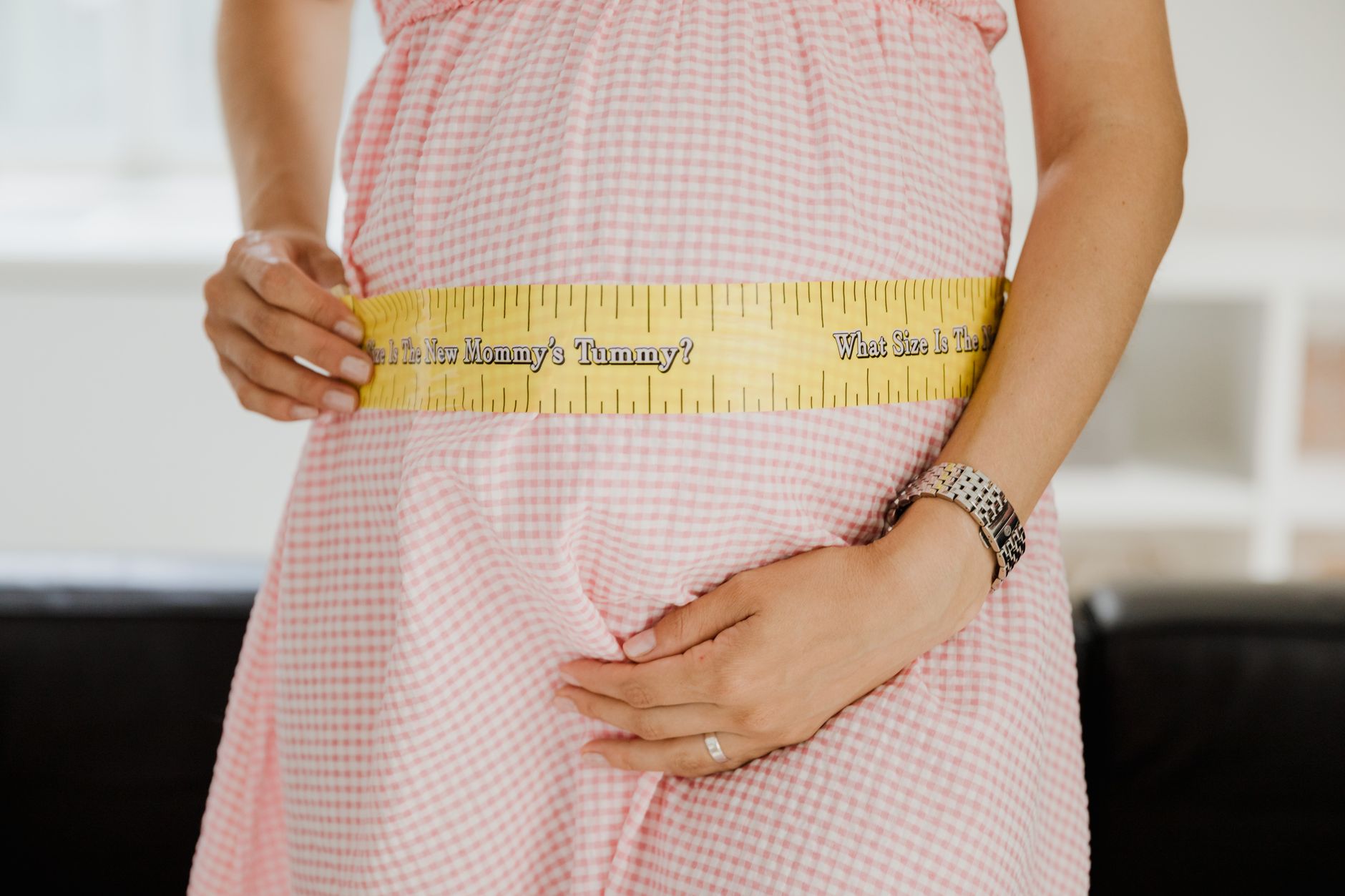
At 38 weeks, the belly usually measures about 14‑16 inches (35‑40 cm) around, showing the baby's size and uterine growth. Expect a noticeable roundness and slight swelling as you near term.
By Shubhra Mishra — a mom of two who turned her own confusion during pregnancy into BumpBites, a global mission to make food choices clear, safe, and stress-free for every expecting mother. 💛
Check whether any food is safe during pregnancy with the BumpBites Food Safety Checker.
Quick take: At 38 weeks, most pregnant bellies measure between 33 – 38 inches (84 – 96 cm) around the waist, and a fundal height of about 34 – 36 cm (13½ – 14 in). Measurements in this range are normal; rapid, large‑scale changes or sizes far outside the range may warrant a call to your provider.
It’s 2 a.m., your stomach feels a little tighter, and you’re scrolling through “38 weeks pregnant belly size” hoping for reassurance. You’re not alone—many expectant parents wonder whether their growing belly is “on track.” The good news is that there are clear averages, simple ways to measure at home, and signs that tell you when to seek help.
In this article we’ll walk through the typical belly measurements at 38 weeks, explain why they vary, show you how to measure accurately, and outline what a measurement might mean for your baby’s size and health. By the end you’ll have a practical toolkit and a realistic sense of what’s normal versus what calls for a professional check‑in.
What is the average belly size at 38 weeks pregnant?
When clinicians talk about “belly size” in the third trimester they usually refer to two related numbers: the abdominal circumference (the tape‑measure reading around the belly) and the fundal height (the distance from the pubic bone to the top of the uterus). At 38 weeks, the average abdominal circumference for most women falls between 33 – 38 inches (84 – 96 cm). The fundal height typically measures 34 – 36 cm (13½ – 14 in).
These averages come from large observational studies cited by the American College of Obstetricians and Gynecologists (ACOG) and the UK’s National Health Service (NHS). They reflect the fact that, by this point, the baby is usually 18–20 cm long, the amniotic fluid volume is near its peak, and the uterus has expanded to accommodate both.
It’s important to remember that “average” does not equal “exact.” Normal variation can be as much as 5 cm (≈2 in) either way, depending on maternal body habitus, baby position, and the amount of amniotic fluid. In addition, the way a woman’s abdomen stores subcutaneous fat can make the external measurement appear larger or smaller without any impact on the baby’s health.
Below is a quick reference table that summarizes the typical ranges you’ll see in clinic notes and home‑tracking charts.
Measurement
Typical Range (inches)
Typical Range (centimeters)
Abdominal circumference
33 – 38
84 – 96
Fundal height
13½ – 14
34 – 36
These numbers serve as a helpful benchmark, but your own measurement may sit comfortably outside the box and still be perfectly healthy. Factors such as a higher pre‑pregnancy BMI or a particularly muscular abdomen can shift the numbers upward, while a leaner frame might keep them on the lower end.
Measuring your belly at home can be quick and painless—just follow these simple steps.
How many inches around is a 38‑week pregnant belly?
The phrase “how many inches around” usually refers to the abdominal circumference. At 38 weeks, the majority of women record a measurement between 33 and 38 inches. Some clinicians use a slightly narrower band—34 – 36 inches—for women with a lower pre‑pregnancy body mass index (BMI), while larger‑bodied individuals may naturally measure above 38 inches.
Several factors explain this spread:
Maternal weight gain: The CDC recommends a total gestational weight gain of 25‑35 lb (11‑16 kg) for women with a normal BMI. Extra weight can add a few centimeters to the belly circumference.
Baby’s position: If the baby is head‑down (cephalic), the belly may feel tighter and measure slightly larger. A breech presentation can make the abdomen feel more “rounded” and increase circumference.
Amniotic fluid volume: Polyhydramnios (excess fluid) can push the uterus outward, increasing the tape‑measure reading.
In clinical practice, a single out‑of‑range measurement isn’t alarming; providers look for trends over time. A steady increase of 1–2 cm per week is typical, while a sudden jump of 3 cm or more within a few days may warrant closer evaluation. Consistency across multiple readings, taken under similar conditions, is the most reliable indicator of normal growth.
Is a 38‑inch belly size normal at 38 weeks?
Yes—if your abdominal circumference reads around 38 inches, you’re still within the upper end of the normal range. A 38‑inch measurement often reflects a combination of a healthy baby size (around 3.5 kg or 7.7 lb) and a normal amount of amniotic fluid.
However, it’s worth double‑checking a few things:
Is the measurement consistent when you repeat it a day later?
Do you feel any unusual pressure, pain, or rapid growth?
Has your provider noted any concerns about polyhydramnios or macrosomia (large baby) in recent ultrasounds?
If the answer to those questions is “no,” a 38‑inch belly is simply a sign that your uterus is doing its job. The World Health Organization (WHO) emphasizes that most variations are benign and that routine monitoring is sufficient. Still, keeping a written log helps your provider spot subtle trends that might otherwise go unnoticed.
How does belly size change in the last weeks of pregnancy?
The final stretch—from 36 weeks to delivery—usually sees a slower rate of growth compared with earlier third‑trimester weeks. On average, abdominal circumference increases about 0.5 – 1 cm per week, while fundal height may plateau around 34‑36 cm because the fetus is reaching its maximal length.
Key milestones in the last weeks include:
36 weeks: The baby’s lungs are maturing; uterine growth is still rapid.
37 weeks: Pregnancy is considered “early term.” Belly size often stabilizes.
38 weeks: Minor fluctuations due to fetal movement, positioning, or fluid shifts.
39‑40 weeks: The uterus may feel tighter as the baby “drops” (lightening), sometimes reducing circumference slightly.
These patterns are reflected in the ACOG’s guidance on growth charts, which show a gradual flattening of the curve as term approaches. If you notice a sudden, large increase (more than 2 cm in a few days), it could signal excess fluid or a rapid gain in fetal size—both reasons to call your provider.
What factors affect belly size at 38 weeks?
Understanding why belly measurements differ helps you interpret your own numbers. The main contributors are:
Fetal size: Babies weighing 3.5 kg (7.7 lb) or more tend to push the uterus outward, increasing circumference.
Amniotic fluid volume: Normal fluid ranges from 500‑1000 ml. Polyhydramnios adds pressure; oligohydramnios (low fluid) can make the belly appear smaller.
Maternal body habitus: Higher pre‑pregnancy BMI or greater gestational weight gain can add soft tissue around the abdomen.
Uterine position: A tilted uterus (retroverted) may alter how the belly looks from the side, but the circumference remains similar.
Fetal position: Head‑down versus breech can shift the “bulge” forward or backward, affecting how tight the tape feels.
External factors like constipation, bloating, or a full bladder can also temporarily inflate measurements. For the most reliable reading, measure after you’ve emptied your bladder and when you’re relaxed. Consistency in timing—same time of day, same clothing—helps reduce these minor fluctuations.
How can I accurately measure my belly size at 38 weeks?
Measuring at home is simple, but a few tricks ensure consistency:
Gather your tools: Use a non‑elastic, flexible measuring tape (the kind used for sewing).
Pick a time: Measure after you’ve emptied your bladder, preferably in the morning before food or fluid intake.
Find the right spot: For abdominal circumference, wrap the tape around the widest part of your belly—usually just above the belly button, where the belly feels most rounded.
Take a relaxed breath: Exhale gently and keep the tape snug but not tight. It should lay flat against the skin without pulling.
Record the number: Note the measurement to the nearest 0.1 inch (or 0.1 cm). Repeat twice and average the two readings.
Measure fundal height (optional): Place the tape at the top of your pubic bone (the symphysis) and stretch it up to the highest point of the uterus (the fundus). This is often easier with a partner’s help.
Keep a simple log—date, time, and both measurements. If you notice a consistent upward trend beyond 2 cm in a week, flag it for your next prenatal visit. Some mothers find a dedicated pregnancy journal or a phone note app helpful for tracking these numbers alongside fetal kick counts.
For visual learners, the following diagram shows the exact placement for both measurements.
Step‑by‑step visual guide for accurate belly and fundal‑height measurements.
When should I be concerned about rapid belly growth at 38 weeks?
Rapid expansion—defined as an increase of more than 2 cm (≈0.8 in) over 3‑4 days—can signal a few conditions that merit prompt evaluation:
Polyhydramnios: Excess amniotic fluid, which can stretch the uterus and increase the risk of preterm labor.
Fetal macrosomia: A large baby that may cause delivery complications.
Uterine rupture risk: Rare, but sudden swelling in women with prior cesarean scars needs urgent assessment.
Accompanying symptoms that raise red flags include severe abdominal pain, sudden swelling of the hands or face (edema), decreased fetal movement, or leaking fluid. If any of these appear, contact your provider immediately.
Remember, a single measurement spike isn’t always worrisome—fluid shifts after a large meal can temporarily increase circumference. Consistency over a few days is the key indicator. Your provider may order a targeted ultrasound to assess fluid volume and fetal size if they suspect a problem.
How does my baby's size relate to my belly measurement at 38 weeks?
There is a loose correlation: larger abdominal circumferences often accompany larger babies. Ultrasound estimates of fetal weight (EFW) use head, abdomen, and femur dimensions, and studies published by the Mayo Clinic show that an abdominal circumference (AC) of 340 mm (≈13.4 in) typically matches a baby weight of 3.5 kg (7.7 lb). When a mother’s belly measures 38 inches, it usually reflects a baby in the 3.2‑4.0 kg range.
That said, the relationship isn’t exact. Amniotic fluid volume, maternal tissue, and fetal position can all affect the external measurement. Therefore, clinicians rely on ultrasound for precise weight estimates, using belly size only as a quick, rough guide.
If you’re curious about your baby’s weight, ask your provider for the most recent ultrasound report. They can compare the EFW to the average for 38 weeks (approximately 3.2 kg) and discuss any needed plans for delivery. In some cases, a slightly larger baby may prompt a discussion about induction timing or mode of delivery, especially if the mother has other risk factors such as gestational diabetes.
Can diet or exercise affect belly size at 38 weeks?
Yes—what you eat and how you move can subtly influence how your belly feels and measures, though they won’t dramatically alter the underlying growth of the uterus or baby. A balanced diet that follows the USDA MyPlate guidelines for pregnancy helps keep gestational weight gain within the CDC‑recommended range, which in turn can keep abdominal circumference closer to the lower end of the normal spectrum.
Regular, moderate‑intensity exercise—such as walking, prenatal yoga, or swimming—improves circulation and may reduce bloating, making the belly feel less tight. The American College of Obstetricians and Gynecologists (ACOG) advises that most pregnant people can safely engage in at least 150 minutes of moderate exercise per week, unless contraindicated.
It’s also wise to stay hydrated and limit excessive sodium, as high salt intake can lead to fluid retention and temporary swelling. While these lifestyle tweaks won’t change the baby’s size, they can improve comfort and make the measurement process more consistent.
Gentle prenatal exercise can help reduce bloating and make belly measurements feel more comfortable.
What clothing styles are comfortable for a 38‑week belly?
Finding outfits that feel good and look flattering can be a fun part of the late‑term experience. Maternity fabrics with a bit of stretch—such as jersey, ponte, or a soft rib knit—allow the belly to expand without pinching. High‑waisted leggings or maternity pants provide gentle support while keeping the waistline smooth.
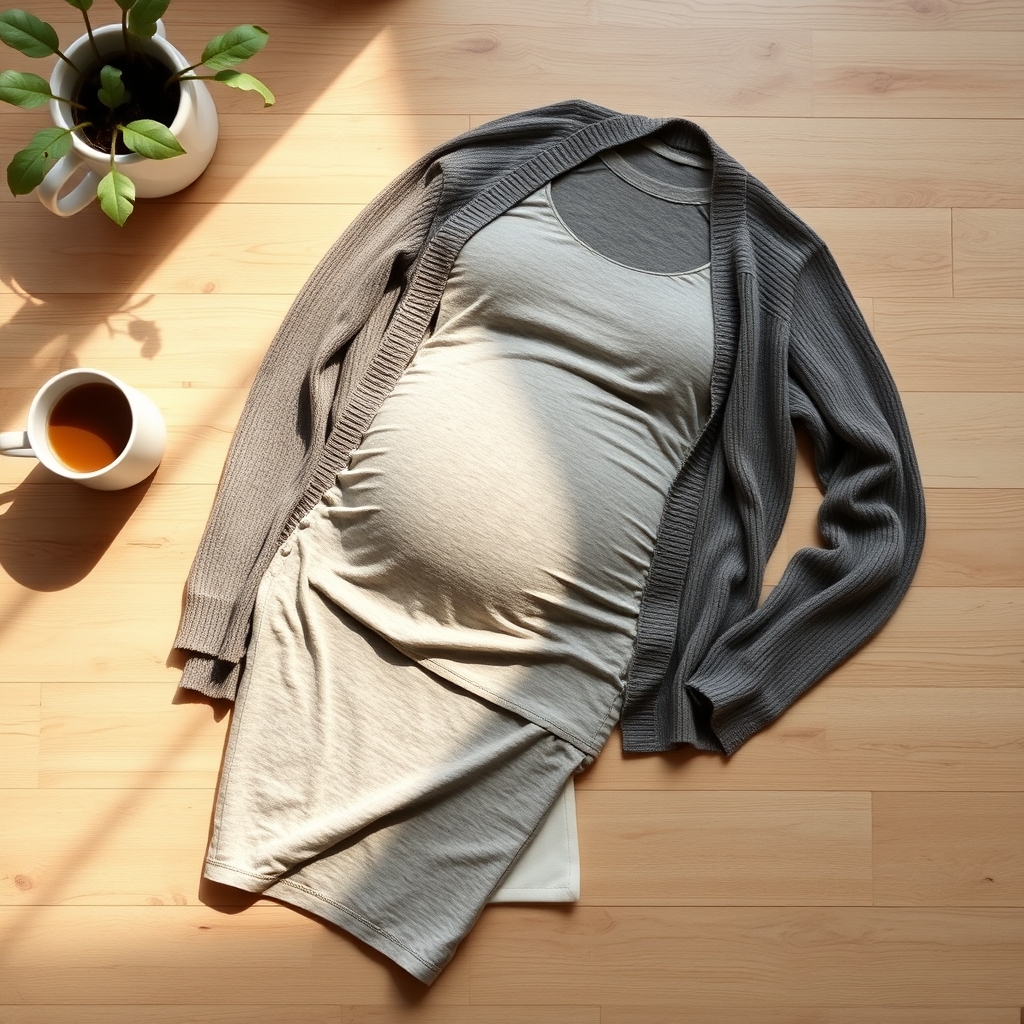
Layering is another strategy. A lightweight cardigan or open‑front duster can accommodate a growing belly without the need for a full‑length coat. For work or formal occasions, maternity wrap dresses or empire‑waist gowns create a balanced silhouette that hides any “bump” while still celebrating the pregnancy glow.
When you shop, look for features like side seams that can be let out, adjustable waistbands, and breathable fabrics that wick moisture away—especially important if you’re dealing with heat or increased sweating in the third trimester. Comfort is key, because a relaxed body makes it easier to take accurate measurements and enjoy daily activities.
Choosing stretchy, high‑waist pieces keeps you comfortable and stylish in the final weeks.
From our medical team: “Measuring belly size at home is a valuable way to stay connected with your pregnancy, but it’s not a substitute for professional ultrasound. If you notice a sudden jump or a size that feels unusually large or small, bring your tape and your concerns to your next appointment. We’ll evaluate fluid levels, fetal growth, and any other factors that could affect your baby’s health.”
Myth vs. fact
Myth: A belly that measures over 38 inches means the baby will be huge and cause delivery problems.
Fact: While larger measurements can indicate a bigger baby, many women with 38‑inch bellies deliver healthy, appropriately sized infants. Ultrasound, not tape measure, determines the need for delivery planning.
Myth: If my belly feels tight, I must be overdue and need to go to the hospital.
Fact: Tightness is often caused by fetal movement, gas, or normal uterine expansion. Only accompanying signs like bleeding, fluid loss, or severe pain require immediate medical attention.
Myth: Measuring belly size at home can replace prenatal visits.
Fact: Home measurements are a supplement, not a replacement. Regular check‑ups, blood work, and ultrasounds remain essential for monitoring fetal health.
Key takeaways
Typical abdominal circumference at 38 weeks is 33 – 38 inches (84 – 96 cm); fundal height is 34 – 36 cm (13½ – 14 in).
Variations stem from baby size, fluid volume, maternal weight, and fetal position.
Measure after emptying your bladder, using a flexible tape, and record the average of two readings.
Rapid growth (>2 cm in a few days) or accompanying pain, fluid loss, or decreased movement warrants a call to your provider.
Ultrasound remains the gold standard for estimating baby weight; belly size is only a rough guide.
Keep a simple log of dates, times, and measurements to discuss trends with your clinician.
Balanced nutrition and moderate exercise can help keep your belly comfortable and your measurements consistent.
Choosing stretchy, high‑waist clothing reduces pressure and makes measurement days easier.
Frequently asked questions
What is a normal belly size at 38 weeks?
Most women measure between 33 – 38 inches (84 – 96 cm) around the waist, with a fundal height of about 34 – 36 cm (13½ – 14 in). This range is considered normal by ACOG and NHS guidelines.
How many centimeters is a 38‑week pregnant belly?
A typical belly circumference at 38 weeks translates to roughly 84 – 96 cm. The fundal height is usually 34 – 36 cm. Converting inches to centimeters (1 in = 2.54 cm) helps if you prefer metric measurements.
Can a small belly size indicate a problem at 38 weeks?
Yes—significantly smaller measurements may suggest fetal growth restriction or low amniotic fluid. If your belly measures under 30 inches (≈76 cm) or you notice reduced fetal movement, contact your provider promptly.
How do I measure my belly size correctly?
Wrap a flexible tape around the widest part of your belly after emptying your bladder, keep the tape snug but not tight, and record the measurement to the nearest 0.1 inch (or 0.1 cm). Repeat twice and average the results for accuracy.
When should I contact my doctor about belly size changes?
Reach out if you notice a rapid increase of more than 2 cm within a few days, experience severe pain, see leaking fluid, or notice a sudden decrease in fetal kicks. These symptoms can signal polyhydramnios, preterm labor, or other concerns.
Does belly size correlate with baby’s weight?
There is a modest correlation: larger abdominal circumferences often accompany larger babies, but the relationship isn’t precise. Ultrasound provides a more accurate weight estimate than external measurement alone.
Can staying hydrated affect my belly measurement?
Yes—being well‑hydrated helps keep the uterus and amniotic fluid at normal levels, while dehydration can lead to temporary shrinkage. Conversely, a very full bladder can add a centimeter or two to your reading, so always empty your bladder before measuring.
Is it safe to use a flexible measuring tape versus a cloth tape?
Both work, but a non‑elastic, flexible tape (like a sewing tape) is preferred because it won’t stretch under pressure, giving a more reliable reading. Avoid rubber bands or stretchable fashion tapes, which can underestimate size.
When to call your doctor
If you experience any of the following, seek medical attention right away:
Sudden increase of >2 cm (≈0.8 in) in belly size over 24‑48 hours.
Severe or persistent abdominal pain, especially if it’s sharp or radiates to the back.
Leaking fluid from the vagina (possible rupture of membranes).
Significant swelling of hands, face, or sudden weight gain (>2 kg in a few days).
Decreased fetal movement (fewer than 10 kicks in 2 hours).
This article is for informational purposes only and does not replace personalized medical advice. Always discuss any concerns with your obstetric provider.
References
American College of Obstetricians and Gynecologists (ACOG). “Routine Prenatal Care.” 2023 clinical guidance.
National Health Service (NHS). “Fundal height measurement.” Updated 2022.
Centers for Disease Control and Prevention (CDC). “Gestational weight gain recommendations.” 2021.
World Health Organization (WHO). “Maternal health and nutrition during pregnancy.” 2020.
Mayo Clinic. “Estimated fetal weight and ultrasound measurements.” 2022.
Royal College of Obstetricians and Gynaecologists (RCOG). “Polyhydramnios and oligohydramnios guidelines.” 2021.
National Institute for Health and Care Excellence (NICE). “Fetal growth monitoring.” 2022.
Food and Drug Administration (FDA). “Pregnancy nutrition and diet guidelines.” 2023.
American College of Obstetricians and Gynecologists (ACOG). “Physical activity and exercise during pregnancy.” 2022.
Not sure about the label on 38 Weeks Pregnant Belly Size products?
Snap the ingredients list and SafeFilter checks every ingredient for your stage — only 3 free scans this month, then you're locked until reset. Unlimited from $7/mo or $50/yr.
When Shubhra Mishra was expecting her first child in 2016, she was overwhelmed by conflicting food advice — one site said yes, another said never. By the time her second baby arrived in 2019, she realized millions of mothers face the same confusion.
That sparked a five-year journey through clinical nutrition papers, cultural diets, and expert conversations — all leading to BumpBites: a calm, compassionate space where science meets everyday motherhood.
Her long-term vision is to build a global community ensuring safe, supported, and free deliveriesfor every mother — because no woman should face pregnancy alone or uninformed. 🌿
🌍 Stand with mothers, shape safer guidance
Join a small circle of experts who review BumpBites articles so expecting parents everywhere can decide with confidence.