At 37 weeks pregnant, labor could start any day. Learn what to expect, key symptoms, baby’s development, and tips to prepare for delivery in this week-by-week guide.
By Shubhra Mishra — a mom of two who turned her own confusion during pregnancy into BumpBites, a global mission to make food choices clear, safe, and stress-free for every expecting mother. 💛
Check whether any food is safe during pregnancy with the BumpBites Food Safety Checker.
Quick take: At 37 weeks you’re officially full term. Your baby is about the size of a honey‑dew melon, and most of the big milestones—lungs, brain, and body fat—are complete. Expect common late‑pregnancy aches, a few more prenatal checks, and the possibility of early labor signs. Keep up gentle exercise, stay hydrated, and start packing your hospital bag now so you’re ready for the final push.
It’s the middle of the night, your belly is suddenly a little tighter, and you’re scrolling through your phone wondering, “Is this normal?” You’re 37 weeks along, and the countdown feels both exhilarating and nerve‑wracking. You’re not alone—many expectant parents hit this exact moment, juggling the excitement of a soon‑to‑arrive baby with a flood of “what now?” questions.
In this guide we’ll walk through everything you’re likely to experience at 37 weeks: how big your baby is, the symptoms you might feel, the tests and appointments coming up, nutrition and exercise tips, travel safety, and the practical steps like packing a hospital bag. We’ll also bust a few common myths and give you a cheat‑sheet of the most important take‑aways. By the end you’ll have a clear picture of what to expect and a plan you can share with your provider.
What are the signs of labor at 37 weeks pregnant?
While most first‑time moms won’t go into active labor until 39–40 weeks, the body can start sending signals as early as 37 weeks. Recognizing these early cues can help you stay calm and know when to call your care team.
Early signs you might notice
Lightening – the baby drops lower into the pelvis, easing breathing but increasing pressure on the bladder.
Increased Braxton‑Hicks – these “practice” contractions become more frequent, longer, and may feel like a tightening band.
Change in vaginal discharge – a clear or slightly pink mucus plug may be expelled as the cervix begins to soften.
Low‑grade fever – a temperature above 100.4°F (38°C) without other infection signs can be an early labor indicator.
Back pain and cramping – rhythmic lower‑back aches that come and go can herald the start of true labor.
True labor usually involves contractions that become regular (every 5–10 minutes), last 45–60 seconds, and get stronger over time. If you notice any of these patterns, especially when combined with water breaking, contact your provider right away.
How much weight should I gain by 37 weeks pregnant?
W
eight‑gain recommendations depend on your pre‑pregnancy body‑mass index (BMI). The American College of Obstetricians and Gynecologists (ACOG) provides a range that most clinicians follow, and the UK’s National Institute for Health and Care Excellence (NICE) offers similar guidance.
Pre‑pregnancy BMI
Total recommended gain
Typical gain by 37 weeks
Underweight (BMI < 18.5)
28–40 lb (12.5–18 kg)
≈ 35 lb (16 kg)
Normal weight (BMI 18.5‑24.9)
25–35 lb (11.5–16 kg)
≈ 30 lb (13.5 kg)
Overweight (BMI 25‑29.9)
15–25 lb (7‑11.5 kg)
≈ 20 lb (9 kg)
Obese (BMI ≥ 30)
11–20 lb (5‑9 kg)
≈ 15 lb (7 kg)
By 37 weeks most women have reached about 90‑95 % of their total target weight. If you’re outside the typical range, discuss it with your provider; they may suggest dietary tweaks or gentle activity adjustments. Remember that rapid weight changes in the final weeks can affect swelling and blood pressure, so aim for steady, modest gains.
What baby size and fetal development milestones are at 37 weeks pregnant?
At 37 weeks your baby has crossed the threshold into “early term.” The average length is about 19‑20 inches (48‑51 cm) and the weight averages 6‑6.5 lb (2.7‑3 kg), roughly the size of a honey‑dew melon. However, there’s a broad range—some babies weigh as little as 5 lb, others over 7 lb.
Developmentally, the lungs are the big focus. By now the alveoli have formed, and surfactant production is sufficient for breathing outside the womb. The brain continues to make connections; the cerebral cortex is busy forming pathways that will support sensory processing after birth. Fat stores have increased, helping regulate temperature once the baby is born.
Key milestones at 37 weeks
Fully mature lungs ready for air‑breathing.
Skin is less translucent, with a pinkish hue and a thin protective vernix coating.
Head circumference about 13‑14 inches (33‑35 cm).
Reflexes such as grasping and sucking are well‑developed, preparing for feeding.
These milestones explain why babies born at 37 weeks generally do very well, though they may still benefit from a short stay in a neonatal unit for monitoring.
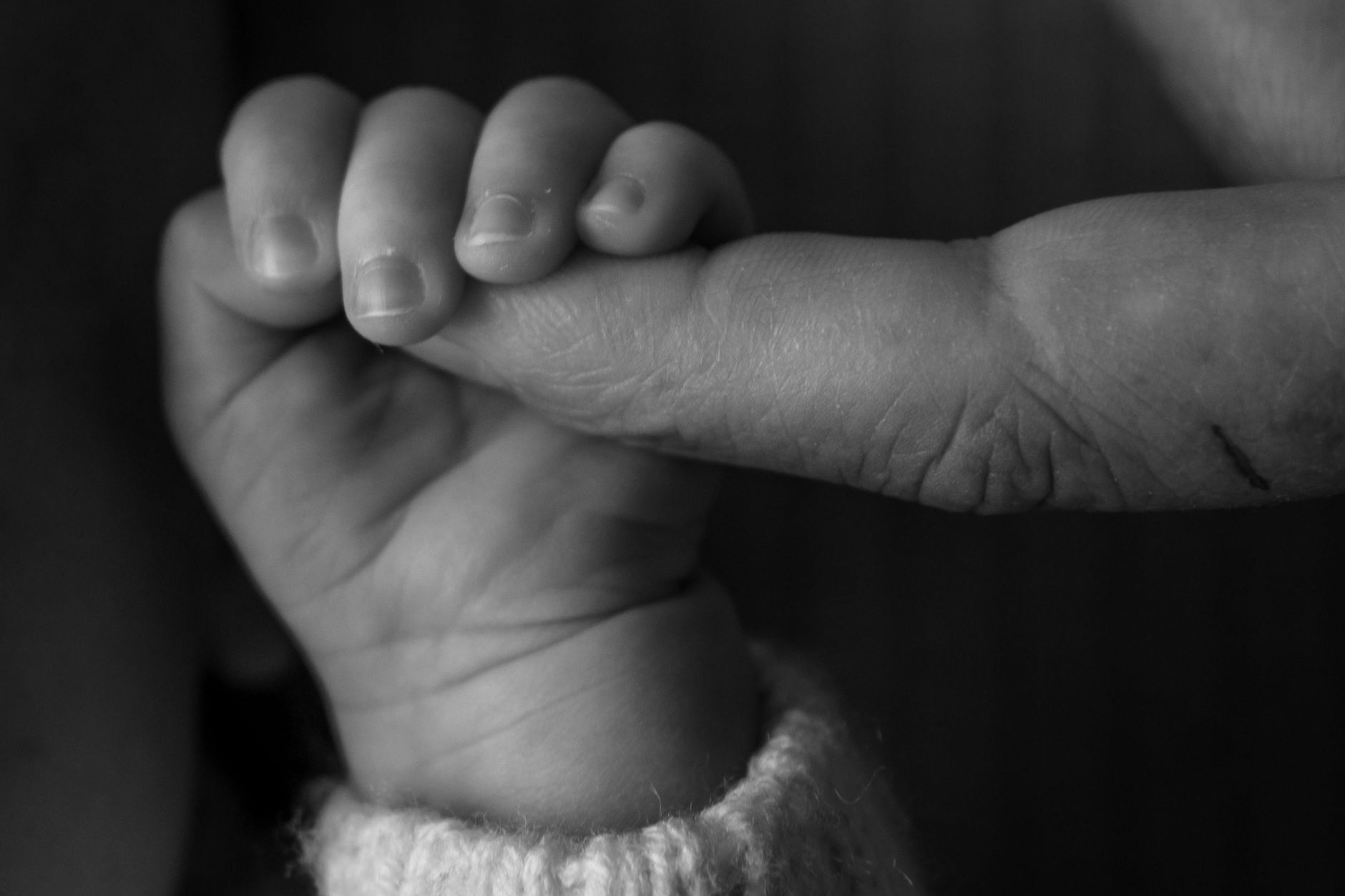
By 37 weeks the baby's reflexes, like grasping, are fully formed.
What tests are done at 37 weeks pregnant and what to expect during the prenatal visit?
The 37‑week check‑up is usually a comprehensive visit that helps your provider assess both maternal health and fetal readiness. It often mirrors the 36‑week visit but may include a few additional screens.
Typical components of the 37‑week visit
Blood pressure and weight check – to screen for pre‑eclampsia or excessive gain.
Urine dipstick – looks for protein, glucose, and signs of infection.
Fetal heart rate monitoring – using a Doppler or handheld ultrasound.
Fundal height measurement – confirms growth; at 37 weeks the uterus should measure about 36‑38 cm.
Group B Streptococcus (GBS) screening – if not done earlier, a swab may be taken to determine colonization.
Discussion of birth plan – final tweaks, pain‑management preferences, and support people.
If you have risk factors (e.g., hypertension, gestational diabetes), your provider may order additional labs like a non‑stress test (NST) or biophysical profile (BPP) to monitor fetal well‑being.
Can I still exercise at 37 weeks pregnant and is it safe to travel?
Staying active in the final weeks can help reduce discomfort, improve stamina for labor, and support mental health. The key is listening to your body and adjusting intensity.
Exercise guidelines
Low‑impact cardio – brisk walking, stationary cycling, or swimming for 20‑30 minutes most days.
Strength training – light resistance bands or body‑weight moves (e.g., wall push‑ups) 2‑3 times a week.
Pelvic floor exercises – Kegels and gentle hip‑openers to prep for delivery.
What to avoid – contact sports, deep squats, or any activity that risks falling.
If you notice dizziness, bleeding, uterine contractions, or shortness of breath, stop and call your provider.
Travel safety at 37 weeks
Most airlines and doctors consider travel safe up to 36 weeks, but many allow travel up to 38 weeks if you have an uncomplicated pregnancy. Here are the main considerations:
Air travel – choose a seat aisle for easier bathroom access, stay hydrated, and move your legs every hour.
Road trips – plan frequent stops, wear a seatbelt low on the hips, and keep a pillow or lumbar support.
International travel – check destination medical facilities, bring copies of prenatal records, and confirm travel insurance covers pregnancy.
Always discuss your itinerary with your provider, especially if you have a history of pre‑term labor or other complications.
Gentle walks are a safe way to stay active at 37 weeks.
What are common symptoms at 37 weeks pregnant and what foods to avoid?
The final weeks bring a mix of excitement and physical reminders that your body is gearing up for birth.
Typical discomforts
Backache – the growing uterus shifts your center of gravity.
Shortness of breath – the diaphragm is pressed upward.
Heartburn – hormonal relaxation of the lower esophageal sphincter.
Swelling (edema) – especially in the ankles and feet.
Frequent urination – the baby’s head presses on the bladder.
Restless legs – common in the third trimester.
Foods and drinks to limit or avoid
Unpasteurized dairy and soft cheeses – risk of Listeria.
Raw or undercooked seafood, eggs, and meat – also Listeria and salmonella concerns.
Caffeine – keep under 200 mg per day (about one 12‑oz coffee).
High‑mercury fish – such as shark, swordfish, king mackerel.
Alcohol – no safe level has been established; most guidelines recommend abstaining.
Focus on nutrient‑dense foods: leafy greens, lean proteins, whole grains, and plenty of water. A balanced diet supports the baby’s final growth spurt and helps you manage energy levels.
When should I pack my hospital bag at 37 weeks and how does the due date shift on average?
Many clinicians suggest having a bag ready by the start of the 37th week, especially if you have a history of early labor. Packing early reduces stress if contractions begin unexpectedly.
Essential items to include
Comfortable robe and slip‑on shoes.
Personal toiletries (toothbrush, lip balm, hair ties).
Phone charger and a list of emergency contacts.
Insurance card and a copy of your birth plan.
Outfit for baby (including a newborn hat).
Snacks and drinks for your partner or support person.
Average due‑date shift at 37 weeks
Statistically, about 15‑20 % of pregnancies go into labor at 37 weeks, and another 30‑35 % deliver between 38 and 40 weeks. The “due date” is an estimate based on the first day of your last menstrual period; it can shift a few days earlier or later as the baby’s growth pattern becomes clearer. Your provider may adjust the estimated date after the 36‑week ultrasound, but the 37‑week mark remains the official start of full term.
What is the difference between 37 and 38 weeks pregnancy and how to prepare for labor at 37 weeks?
While the change from 37 to 38 weeks feels like a thin line on a calendar, the baby’s development and your body’s readiness progress noticeably.
Key differences
Baby weight – gains about 0.5 lb (0.25 kg) each week.
Lung maturity – at 38 weeks surfactant production is at its peak, further reducing respiratory distress risk.
Uterine readiness – the cervix often softens more, and Braxton‑Hicks may increase in frequency.
Preparing for labor at 37 weeks
Finalize your birth plan – discuss pain relief options, labor positions, and who will be present.
Practice relaxation techniques – breathing, guided imagery, or gentle yoga can be useful in early labor.
Stock up on postpartum supplies – pads, nipple cream, and comfortable clothing.
Arrange childcare for older siblings – if applicable, have a backup plan ready.
Stay in touch with your provider – schedule a quick check‑in if you notice any new symptoms.
Most importantly, trust your body’s signals and give yourself permission to rest when needed. The final weeks often feel like a marathon, but each day brings you closer to meeting your baby.
From our medical team: “Being at 37 weeks means you’re in the safe zone of full‑term pregnancy, but it’s still wise to stay vigilant. Keep a daily log of any contractions, stay hydrated, and don’t hesitate to call your provider if you notice a sudden change in discharge, a fever, or regular painful cramps. Your health and your baby’s wellbeing are the top priorities, and most of the concerns that arise now can be addressed quickly with a simple phone call.”
Myth vs. fact
Myth: “If I haven’t gone into labor by 37 weeks, something is wrong.” Fact: 37 weeks marks the start of full term, but many healthy babies are born up to 42 weeks. Your provider monitors growth and well‑being throughout.
Myth: “I have to stop all exercise after 35 weeks.” Fact: Light to moderate activity, such as walking or prenatal yoga, is generally safe and can even ease labor.
Myth: “Travel is unsafe after the 36th week.” Fact: With an uncomplicated pregnancy, most airlines allow travel up to 38 weeks; always check with your provider first.
Key takeaways
At 37 weeks you’re officially full term; most babies are ready for life outside the womb.
Common late‑pregnancy symptoms include back pain, shortness of breath, and increased Braxton‑Hicks.
Weight‑gain goals are near‑completion—aim for 90‑95 % of your total recommended gain.
Standard prenatal visits include blood pressure, urine tests, GBS screening, and a fetal heart‑rate check.
Gentle exercise and careful travel are usually safe; avoid high‑impact or fall‑risk activities.
Pack your hospital bag now—include comfort items, paperwork, and a newborn outfit.
Know the early labor signs (regular contractions, water breaking, mucus plug loss) and call your provider if they appear.
Frequently asked questions
How many weeks is considered full term?
Full term starts at 37 weeks gestation and continues through 42 weeks. Babies born in this window have the best outcomes for lung function and brain development.
What are the signs that labor is starting at 37 weeks?
Early labor signs include regular, increasingly painful contractions every 5–10 minutes, a clear or pink mucus plug, low‑grade fever, and a sudden increase in pelvic pressure. If you notice these, contact your provider promptly.
Can I still have a C‑section scheduled at 37 weeks?
Elective C‑sections are usually scheduled no earlier than 39 weeks unless there’s a medical indication. If a C‑section is medically necessary, your surgeon may plan it at 37 weeks, but the decision rests with your obstetric team.
Is it safe to have a dental cleaning at 37 weeks pregnant?
Yes. Routine dental cleanings are safe throughout pregnancy, including at 37 weeks, and can actually reduce the risk of gum disease, which is linked to pre‑eclampsia.
What should I eat during the last weeks of pregnancy?
Focus on iron‑rich foods (lean meats, beans), calcium (dairy or fortified alternatives), fiber (whole grains, fruits), and omega‑3 fatty acids (salmon, walnuts). Keep caffeine under 200 mg per day and stay well‑hydrated.
When should I call my doctor if I notice contractions at 37 weeks?
If contractions become regular (every 5‑10 minutes), last longer than a minute, or are accompanied by bleeding, fluid loss, or severe pain, call your provider or go to the labor unit right away.
When to call your doctor
Contact your provider immediately if you experience any of the following:
Regular contractions every 5‑10 minutes lasting more than a minute.
Vaginal bleeding heavier than spotting.
Sudden gush of fluid (possible water breaking) without a clear cause.
Severe abdominal pain, fever over 100.4°F (38°C), or chills.
Decreased fetal movement (fewer than 10 kicks in 2 hours).
This article is for informational purposes only and does not replace professional medical advice. Always discuss your specific situation with your qualified health care provider.
References
American College of Obstetricians and Gynecologists (ACOG). “Weight Gain During Pregnancy.” 2023 clinical guidance.
National Institute for Health and Care Excellence (NICE). “Antenatal Care for Healthy Women.” Updated 2022.
Centers for Disease Control and Prevention (CDC). “Group B Streptococcus (GBS) Prevention.” 2023.
World Health Organization (WHO). “Recommendations on Antenatal Care for a Positive Pregnancy Experience.” 2022.
Royal College of Obstetricians and Gynaecologists (RCOG). “Management of Labour and Delivery.” 2023.
Mayo Clinic. “Full-term pregnancy: What to expect.” Accessed July 2026.
U.S. Food and Drug Administration (FDA). “Guidance for Industry: Caffeine in Food.” 2023.
National Health Service (NHS). “Travel advice for pregnant women.” Updated 2024.
Not sure about the label on 37 Weeks Pregnant What To Expect products?
Snap the ingredients list and SafeFilter checks every ingredient for your stage — only 3 free scans this month, then you're locked until reset. Unlimited from $7/mo or $50/yr.
When Shubhra Mishra was expecting her first child in 2016, she was overwhelmed by conflicting food advice — one site said yes, another said never. By the time her second baby arrived in 2019, she realized millions of mothers face the same confusion.
That sparked a five-year journey through clinical nutrition papers, cultural diets, and expert conversations — all leading to BumpBites: a calm, compassionate space where science meets everyday motherhood.
Her long-term vision is to build a global community ensuring safe, supported, and free deliveriesfor every mother — because no woman should face pregnancy alone or uninformed. 🌿
🌍 Stand with mothers, shape safer guidance
Join a small circle of experts who review BumpBites articles so expecting parents everywhere can decide with confidence.