At 36 weeks pregnant, belly size varies, but most women have a large bump, with the belly button often popping out, and the average weight gain is around 25-30 pounds, including the 36 weeks pregnant belly size
By Shubhra Mishra — a mom of two who turned her own confusion during pregnancy into BumpBites, a global mission to make food choices clear, safe, and stress-free for every expecting mother. 💛
Check whether any food is safe during pregnancy with the BumpBites Food Safety Checker.
Quick take: At 36 weeks, a typical pregnant belly measures about 34–36 inches (86–91 cm) around the waist, but a range of 30–38 inches is still normal. Size varies with baby position, fluid volume, twins, and how much weight you’ve gained. If your belly suddenly grows rapidly or feels unusually small, check with your provider.
It’s 2 a.m., you’re curled up on the couch, feeling the gentle roundness of your belly and wondering, “Is this size right for 36 weeks?” You’re not alone—most moms‑to‑be start questioning their measurements in the final weeks before birth. The good news is that there’s a broad “normal” window, and most variations are harmless.
In this article we’ll break down exactly what “36 weeks pregnant belly size” means, give you the average numbers in both inches and centimeters, show you how to measure accurately at home, and explain why the belly can look different from one week to the next. We’ll also cover twin pregnancies, the role of baby position, when rapid growth needs a doctor’s eye, and even tips for dressing comfortably as you near your due date.
What is the average belly size at 36 weeks pregnant?
When clinicians talk about belly size at 36 weeks, they usually refer to the circumference measured around the abdomen at the level of the belly button (waist circumference) or the fundal height measured from the pubic bone to the top of the uterus. For a singleton pregnancy, the average waist circumference falls between 34 and 36 inches (86–91 cm). This range captures about 80 % of pregnant individuals, according to data compiled by the American College of Obstetricians and Gynecologists (ACOG) and the UK’s National Health Service (NHS).
Because each body is unique, some women may be a few inches smaller or larger and still be perfectly healthy. The key is steady, proportional growth rather than sudden jumps or drops. A gradual increase aligns with the baby’s weekly weight gain of roughly 1–2 pounds (0.5–0.9 kg) and the natural expansion of amniotic fluid.
How many inches around is a 36 week pregnant belly?
Most clinicians report a typical measurement of 34–36 inches around the belly at 36 weeks. In metric terms, that translates to roughly 86–91 cm. However, a measurement as low as 30 inches (76 cm) or as high as 38 inches (97 cm) can still be within normal limits, especially if you have a larger frame or have gained more weight during pregnancy.
To put it in perspective, imagine wrapping a soft, flexible measuring tape around a ripe watermelon—your belly will feel similarly firm but more pliable. The tape should sit snugly without digging into the skin, and you’ll get a reliable number that you can track over the next few weeks. Consistency matters; use the same time of day and the same tape each week.
Is a 36 week belly size of 20 inches normal?
A waist circumference of 20 inches (about 51 cm) at 36 weeks would be far below the expected range for a full‑term pregnancy. Such a small measurement could indicate a very early gestational age, potentially a miscalculation of weeks, or, in rare cases, growth restriction.
If you’re measuring a 20‑inch belly, double‑check your technique, confirm your due date, and contact your obstetric provider promptly. They may want to assess fundal height, perform an ultrasound, and review your prenatal care plan. Early evaluation helps rule out conditions like oligohydramnios (low fluid) or fetal growth restriction (FGR).
How does belly size change from 35 to 36 weeks?
Between weeks 35 and 36, many people notice a modest increase of 0.5–1 inch (1–2.5 cm) in waist circumference. This growth reflects the baby’s continued weight gain (about 1–2 pounds per week) and the accumulation of amniotic fluid.
In most cases the change is gradual. A sudden jump of several inches in a single day, however, can signal excess fluid (polyhydramnios) or rapid fetal growth, both of which warrant a professional evaluation. Your provider may order a bedside ultrasound to confirm the cause.
What factors affect belly size at 36 weeks?
Several variables influence how big your belly looks at 36 weeks:
Baby position: A head‑down (vertex) baby often makes the belly feel more pronounced, while a breech or transverse position can create a flatter appearance.
Amniotic fluid volume: More fluid (polyhydramnios) expands the uterus, increasing circumference.
Number of babies: Twins typically add 2–4 inches (5–10 cm) to the measurement compared with a singleton.
Maternal weight gain: Extra adipose tissue and overall weight gain can enlarge the waist.
Edema: Fluid retention in the legs and abdomen, often seen in gestational hypertension, can swell the belly.
Gestational diabetes: Can lead to larger babies and more fluid.
Understanding these factors helps you interpret whether a measurement is expected or a sign to watch. For example, a sudden increase in size paired with swelling of the hands and feet may point toward pre‑eclampsia, a condition that requires immediate medical attention.
When should I be concerned about rapid belly growth at 36 weeks?
Rapid growth—defined as an increase of more than 2 inches (5 cm) in a week—should prompt a call to your provider. Other red‑flag signs include:
Sudden, sharp pain or cramping
Severe swelling of the hands, feet, or face
Decreased fetal movement
Bleeding or fluid leakage
Persistent headaches or visual changes
These symptoms could indicate polyhydramnios, pre‑eclampsia, or preterm labor, all of which require timely medical attention. If you notice any combination of these signs, call your care team right away.
How does baby position influence 36 week belly measurement?
The baby’s orientation can change the way your belly feels and measures. A head‑down baby (the most common position) typically creates a more rounded, protruding belly, because the head is the largest part of the fetus. In contrast, a breech baby (feet or buttocks down) may make the abdomen feel flatter, sometimes leading to a smaller waist measurement.
Healthcare providers often use ultrasound to confirm position because visual inspection alone can be misleading. If your belly seems unusually small, a quick scan can reassure you that the baby is simply positioned differently, not that something is wrong.
36 weeks pregnant belly measurement in centimeters
Converting the average waist circumference to the metric system gives a range of 86–91 cm. For twins, the average expands to 92–100 cm. If you prefer to track using centimeters, simply write down the number each week and note any sudden changes.
Remember that a tape measure can stretch slightly; use a non‑elastic cloth or paper measuring tape for the most accurate reading. A small error of a centimeter or two is normal and does not usually affect clinical decisions.
Difference between belly size and fundal height at 36 weeks
Fundal height is measured from the top of the pubic bone to the top of the uterus (the fundus) and is usually expressed in centimeters. At 36 weeks, the fundal height typically matches the gestational age—around 36 cm. This measurement helps clinicians estimate fetal growth and amniotic fluid volume.
In contrast, waist circumference captures the external size of the abdomen, which is affected by maternal weight, fluid, and baby position. Both measurements are useful, but they serve different purposes: fundal height for fetal assessment, waist circumference for tracking overall belly growth and comfort.
How to measure belly size accurately at 36 weeks
Here’s a step‑by‑step guide you can follow at home:
Gather a flexible, non‑elastic measuring tape. A cloth or paper tape works best.
Stand relaxed. Place your feet together and let your abdomen relax naturally.
Find the belly button. Position the tape at the level of your navel.
Wrap the tape around your waist. Bring it around the fullest part of your belly, keeping the tape snug but not digging into the skin.
Read the measurement. Make sure the tape is level all the way around, then note the number in inches or centimeters.
Record the result. Write it down in a pregnancy journal or a notes app, along with the date.
Repeat weekly. Consistent weekly measurements help you notice any unusual changes.
For added accuracy, measure at the same time of day—preferably in the morning after using the bathroom. This reduces the influence of post‑meal bloating or fluid shifts.
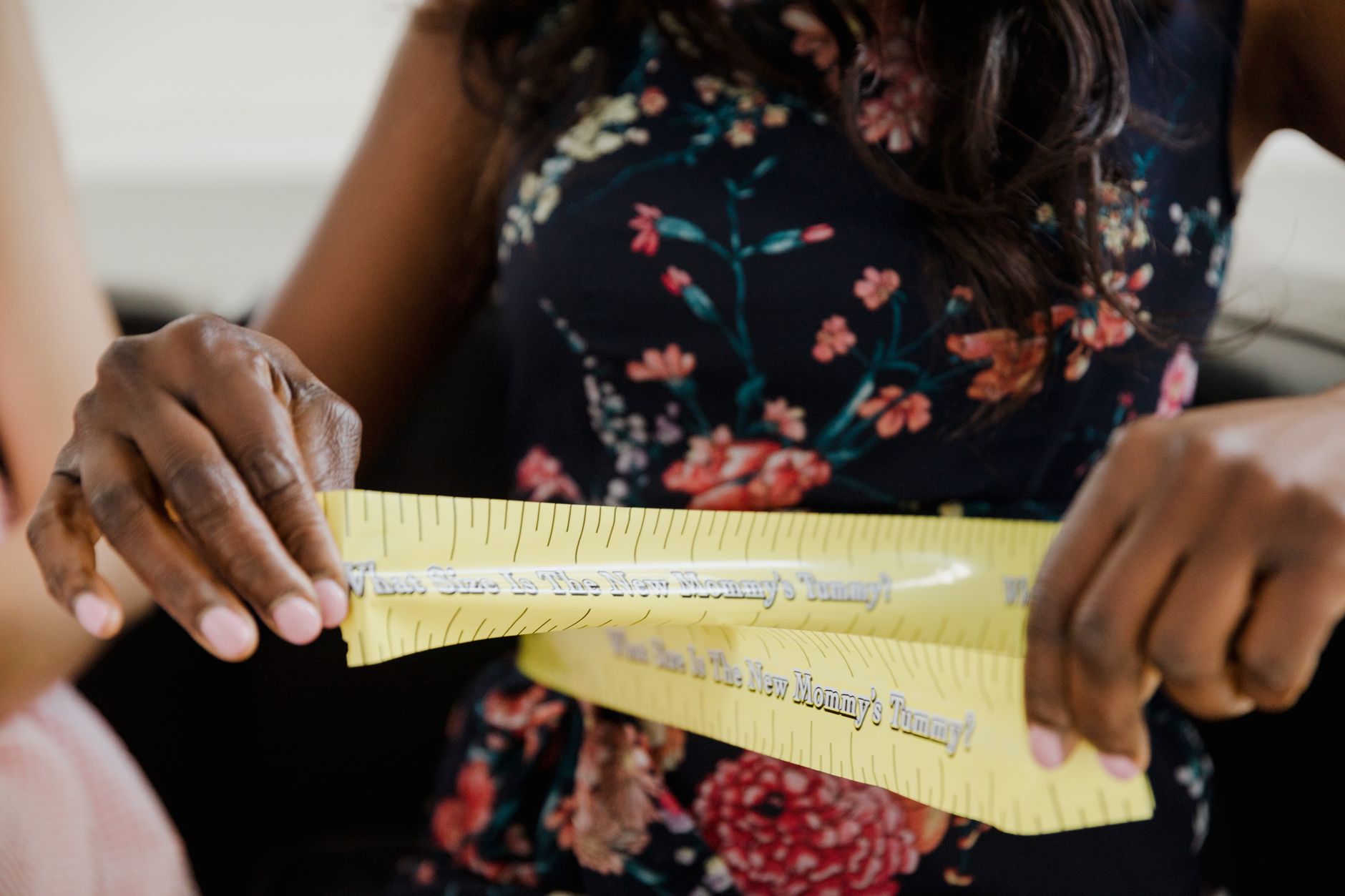
Use a soft cloth measuring tape for the most reliable waist circumference reading.
Normal belly size range for twins at 36 weeks
Carrying twins adds extra volume, so the average waist circumference rises to 92–100 cm (36–39 inches). Some twins may even measure up to 104 cm (41 inches) if the babies are larger or the amniotic fluid volume is higher.
Because twin pregnancies often involve more rapid uterine expansion, clinicians monitor growth closely with ultrasounds and fundal height checks. If your twin belly feels significantly larger than the upper end of this range, your provider may schedule an extra scan to confirm healthy fluid levels and fetal size.
What does a small belly size at 36 weeks indicate?
A smaller-than-expected belly—say, under 30 inches (76 cm)—can signal several possibilities:
Incorrect dating: The pregnancy may be earlier than you think.
Fetal growth restriction (FGR): The baby is not gaining weight as expected, which warrants close monitoring.
Low amniotic fluid (oligohydramnios): Less fluid can make the uterus feel flatter.
In any of these cases, your obstetrician will likely order an ultrasound and possibly a Doppler study to evaluate fetal well‑being. Early detection allows for interventions that can improve outcomes.
Does weight gain affect belly size at 36 weeks?
Yes. The Institute of Medicine (IOM) recommends a total pregnancy weight gain of 25–35 pounds (11.5–16 kg) for women with a normal pre‑pregnancy BMI. Excessive weight gain can increase waist circumference beyond the typical range, while insufficient gain may keep the belly smaller.
Weight gain consists of the baby, placenta, amniotic fluid, blood volume, and maternal fat stores. Tracking both your weight on a scale and your belly measurement gives a fuller picture of how your body is adapting. If you notice a rapid increase in weight without a corresponding change in belly size, discuss it with your provider—sometimes fluid shifts occur primarily in the legs.
Recommended clothing for 36 week belly size
Comfort is key as your belly expands. Here are a few wardrobe tips:
Stretch‑kissed maternity leggings: Look for high‑waist, breathable fabrics that hug without digging.
Wrap dresses or tops: Adjustable ties accommodate fluctuating measurements.
Supportive maternity belts: These can relieve pressure on the lower back and help the belly feel more supported.
Soft, breathable fabrics: Cotton, bamboo, and modal keep you cool, especially if you’re dealing with edema.
Choose pieces that can be layered, so you can add or remove layers as swelling changes throughout the day. A well‑chosen outfit can make the difference between feeling cramped and feeling comfortable.
Wrap dresses adapt easily to a growing belly and changing measurements.
Tracking belly size with a pregnancy journal
Keeping a simple pregnancy journal can turn the act of measuring into a meaningful self‑care ritual. Write down the date, the exact circumference, and any notes about how you felt that day—cravings, swelling, or mood changes. Over time you’ll see a pattern, and the visual record can be reassuring when you notice a dip or spike.
Many expectant parents find that pairing measurements with photos (taken from the same angle each month) creates a powerful visual timeline. This practice also gives you concrete data to discuss with your provider if something feels off. The journal doesn’t have to be fancy; a notebook or a notes app works just as well.
Nutrition and hydration tips for managing belly size
What you eat and drink can influence both your comfort and your belly’s appearance. Staying well‑hydrated helps prevent edema, while a balanced diet rich in protein, fiber, and healthy fats supports steady fetal growth without excessive maternal fat accumulation.
The FDA recommends limiting caffeine to less than 200 mg per day (about one 12‑oz cup of coffee) during pregnancy. High‑sugar drinks can contribute to rapid weight gain and fluid retention, so opt for water, herbal teas, or diluted fruit juices instead. If you’re experiencing swelling, a modest reduction in sodium—by choosing fresh foods over processed—can make a noticeable difference.
Physical activity and posture to support a growing belly
Gentle exercise, such as prenatal yoga, walking, or swimming, helps maintain muscle tone and can reduce lower‑back strain caused by the growing uterus. Strengthening the core (without heavy abdominal crunches) improves posture, which in turn can make the belly feel less “tight” and more evenly distributed.
Focus on exercises that promote pelvic stability, like pelvic tilts and side‑lying leg lifts. According to ACOG, most pregnant individuals can safely engage in moderate‑intensity activity for at least 150 minutes per week, provided there are no medical contraindications. Always check with your provider before starting a new routine.
Comparing belly size norms: singleton vs. twins vs. higher weight gain
Pregnancy type
Typical waist circumference
Typical fundal height
Key influencing factors
Singleton (average weight gain)
34–36 in (86–91 cm)
≈36 cm
Baby position, normal fluid volume
Twins
36–40 in (92–101 cm)
≈38 cm
Two fetuses, higher fluid volume
Higher maternal weight gain (>35 lb)
37–41 in (94–104 cm)
≈36 cm (may be slightly higher)
Additional adipose tissue, possible edema
This table gives a quick visual reference for the most common scenarios. Remember that individual variation is normal; the numbers are guides, not strict rules.
From our medical team
From our medical team: “Belly size is a helpful visual cue, but it’s only one piece of the puzzle. If you notice a sudden change—whether an unexpected increase or a smaller‑than‑expected measurement—reach out to your provider. They’ll assess fundal height, perform an ultrasound if needed, and ensure both you and your baby are thriving.”
Myth vs. fact
Myth: A larger belly always means a bigger baby.
Fact: Belly size reflects many factors, including amniotic fluid, baby position, and maternal weight gain. A larger belly can occur with twins or excess fluid, not just a larger single baby.
Myth: If my belly feels “tight,” I’m at risk for a breech birth.
Fact: Tightness is usually related to uterine muscle tone or skin elasticity, not baby position. Ultrasound confirms breech status.
Myth: Measuring waist circumference is unnecessary if my doctor checks fundal height.
Fact: Both measurements offer complementary information—fundal height tracks fetal growth, while waist circumference helps you monitor overall abdominal changes and comfort.
Key takeaways
Average waist circumference at 36 weeks is 34–36 inches (86–91 cm); twins add 2–4 inches.
Measure consistently each week using a flexible tape at the belly button level.
Rapid growth (>2 inches in a week) or a very small measurement (<30 inches) warrants a doctor’s call.
Baby position, amniotic fluid, weight gain, and multiple pregnancies all influence size.
Comfortable, stretchy clothing and supportive belts can ease daily life.
Tracking measurements in a journal and staying hydrated support accurate monitoring.
When in doubt, always discuss concerns with your obstetric provider.
Frequently asked questions
What is the average waist circumference at 36 weeks pregnant?
The typical range is 34–36 inches (86–91 cm), though 30–38 inches can still be normal depending on body type and pregnancy factors.
Can a small belly size at 36 weeks be a sign of trouble?
Yes, a significantly small measurement may indicate inaccurate dating, fetal growth restriction, or low amniotic fluid, and should be evaluated by your provider.
How do I measure my belly size correctly at 36 weeks?
Wrap a flexible tape around your belly at the level of the navel, keeping it snug but not tight, and record the number in inches or centimeters; repeat weekly for consistency.
Does the baby's position affect belly size measurements?
Absolutely—a head‑down baby tends to make the belly appear larger, while a breech or transverse position can result in a flatter look.
When should I contact my doctor about rapid belly growth?
If your waist circumference increases by more than 2 inches (5 cm) in a week, or you experience pain, swelling, or reduced fetal movement, call your provider right away.
Is it normal for my belly to be larger than the average at 36 weeks?
Yes, many factors—such as twins, higher weight gain, or a larger baby—can push measurements above the average without indicating a problem.
What should I do if my belly feels unusually tight or painful?
Gentle stretching, a warm (not hot) shower, and a supportive maternity belt can relieve discomfort. If tightness is accompanied by pain, cramping, or reduced fetal movement, contact your provider promptly.
Can I still exercise if my belly is getting larger?
Most pregnant people can safely continue moderate‑intensity activities like walking, prenatal yoga, or swimming, as long as there are no contraindications. Check with your obstetrician before starting a new routine.
When to call your doctor
Seek medical attention promptly if you notice any of the following:
Sudden increase of >2 inches (5 cm) in a week
Consistently small measurement (<30 inches / 76 cm) after confirming dating
Severe abdominal pain, cramping, or pressure
Rapid swelling of hands, feet, or face
Decreased fetal movement or unusual fetal activity
Bleeding, fluid leakage, or fever
This article is for informational purposes only and does not replace personalized medical advice. Always discuss your individual situation with your healthcare provider.
References
American College of Obstetricians and Gynecologists (ACOG). “Fundal Height Measurement.” 2023 Clinical Guidance.
National Health Service (NHS). “Measuring your belly during pregnancy.” Updated 2022.
World Health Organization (WHO). “Recommendations for weight gain during pregnancy.” 2021.
Institute of Medicine (IOM). “Weight Gain During Pregnancy Guidelines.” 2020.
Centers for Disease Control and Prevention (CDC). “Gestational Diabetes and Pregnancy Outcomes.” 2022.
Royal College of Obstetricians and Gynaecologists (RCOG). “Twin Pregnancy Management.” 2023.
Mayo Clinic. “Fundal height and what it tells you about your baby.” 2022.
Food and Drug Administration (FDA). “Caffeine in Pregnancy.” 2021.
American College of Obstetricians and Gynecologists (ACOG). “Physical Activity and Exercise During Pregnancy.” 2022.
Not sure about the label on 36 Weeks Pregnant Belly Size products?
Snap the ingredients list and SafeFilter checks every ingredient for your stage — only 3 free scans this month, then you're locked until reset. Unlimited from $7/mo or $50/yr.
When Shubhra Mishra was expecting her first child in 2016, she was overwhelmed by conflicting food advice — one site said yes, another said never. By the time her second baby arrived in 2019, she realized millions of mothers face the same confusion.
That sparked a five-year journey through clinical nutrition papers, cultural diets, and expert conversations — all leading to BumpBites: a calm, compassionate space where science meets everyday motherhood.
Her long-term vision is to build a global community ensuring safe, supported, and free deliveriesfor every mother — because no woman should face pregnancy alone or uninformed. 🌿
🌍 Stand with mothers, shape safer guidance
Join a small circle of experts who review BumpBites articles so expecting parents everywhere can decide with confidence.