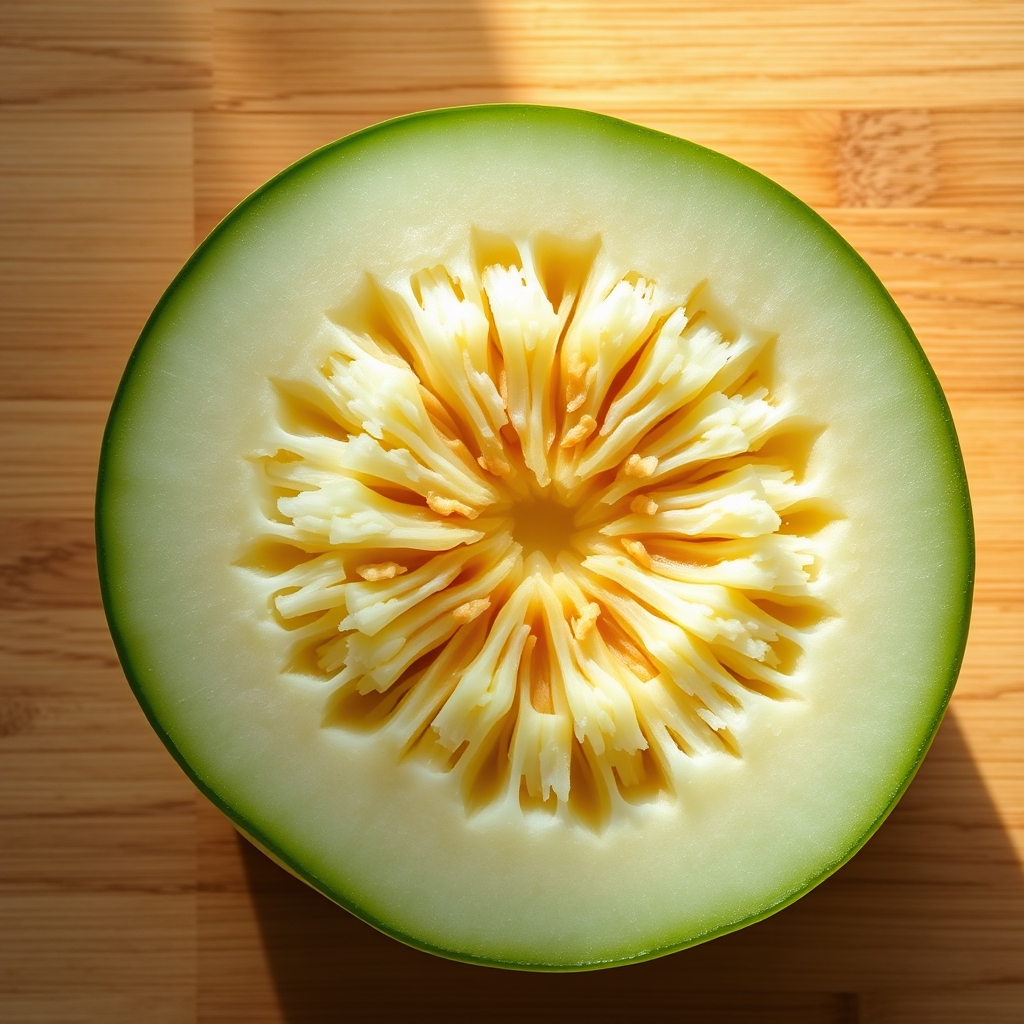
At 34 weeks pregnant, expect rapid baby growth, Braxton Hicks contractions, and nesting urges. Learn key symptoms, baby development, and tips for a smooth third trimester.
By Shubhra Mishra — a mom of two who turned her own confusion during pregnancy into BumpBites, a global mission to make food choices clear, safe, and stress-free for every expecting mother. 💛
Check whether any food is safe during pregnancy with the BumpBites Food Safety Checker.
Quick take: At 34 weeks you’re in the final stretch—your baby is about the size of a honeydew melon and weighs around 5.5 lb, while you may feel more pressure, swelling, and Braxton Hicks. Prenatal visits become monthly, nutrition stays focused on iron and calcium, and gentle exercise, a well‑packed hospital bag, and a solid birth plan keep you prepared. If you notice any signs of preterm labor or sudden swelling, call your provider right away.
It’s 2 a.m., you’re lying in bed feeling a flutter and a sudden, uncomfortable tightening, and you wonder, “Is this normal at 34 weeks?” You’re not alone. The third trimester can feel like a marathon, but knowing what to expect helps turn anxiety into confidence. Below we break down everything from your baby’s growth to the perfect hospital‑bag checklist, so you can focus on the excitement of meeting your little one.
In this guide we’ll cover your baby’s size and milestones, the symptoms you might be experiencing, how often you’ll see your provider, nutrition tips, warning signs that need urgent attention, and practical steps for staying active and preparing for birth. We’ve also added a quick‑reference table, a few real‑life anecdotes, and a doctor’s note to keep you grounded in evidence‑based care.
What is my baby’s size, weight, and development at 34 weeks pregnant?
By week 34 your baby is roughly the size of a honeydew melon, measuring about 17.5 inches (44 cm) long from crown to rump and weighing approximately 5.5 lb (2.5 kg). This is a useful visual cue: you could imagine your baby fitting snugly inside a small backpack.
Developmentally, the lungs are continuing to mature, producing surfactant that will help the air sacs stay open after birth. The brain is also hard at work, with billions of neurons forming connections that will later support breathing, vision, and hearing. Your baby can now respond to external sounds, and you might notice a stronger, more coordinated kicking pattern.
Because the baby’s head is still relatively large compared to the body, you may feel more pressure in your pelvis as it “drops” in preparation for birth—a process called lightening. This is a good sign that labor could be approaching in the next few weeks.
Baby measurement
Comparable everyday object
Approx. weight
Length: 17.5 in (44 cm)
Honeydew melon
5.5 lb (2.5 kg)
Head circumference: 13.5 in (34 cm)
Small grapefruit
—
Weight
Medium avocado
5.5 lb (2.5 kg)
These milestones are echoed in guidance from the American College of Obstetricians and Gynecologists (ACOG) and the UK’s National Health Service (NHS), which both note that by 34 weeks most babies are gaining about 0.5 lb per week and are preparing for extra‑uterine life.
Think of your baby as a honeydew melon—big enough to feel the kicks, yet still small enough to fit in your belly.
What are the common symptoms and discomforts at 34 weeks pregnancy?
Many expectant moms report a mix of physical and emotional changes at this stage. The most frequent symptoms include:
Increased pelvic pressure as the baby descends.
Swelling (edema) in the feet, ankles, and hands—often more noticeable after standing.
Backaches caused by the shifting center of gravity.
Shortness of breath when climbing stairs or lying flat.
Frequent urination due to pressure on the bladder.
Braxton Hicks contractions—irregular, painless tightening that can feel like a “practice” labor.
Heartburn and indigestion as the uterus pushes on the stomach.
Fatigue and occasional mood swings, often amplified by hormonal shifts.
While most of these are normal, swelling that is sudden, puffy, or accompanied by headaches or visual changes could signal preeclampsia—a condition that requires immediate medical attention (see “Warning signs” below). The CDC’s pregnancy health guidelines stress monitoring any rapid weight gain or severe swelling.
One reader told us she woke up at 3 a.m. with her hips aching and thought she might be going into labor, only to discover she was experiencing Braxton Hicks. She found relief by gently stretching and taking a warm shower, which helped the contractions subside.
How often are prenatal appointments and tests at 34 weeks, and what should I expect during a 34‑week ultrasound?
At 34 weeks most providers schedule monthly prenatal visits. During each visit you can expect:
Blood pressure measurement and urine dip‑test for protein.
Fetal heart rate monitoring with a Doppler.
Discussion of any new symptoms, such as swelling or contractions.
Weight check to ensure steady gain (about 0.5 lb per week).
Many clinicians also order a growth ultrasound around this time to confirm that the baby’s size matches the gestational age. The scan typically includes:
Measurement of head circumference, abdominal circumference, and femur length.
Estimation of fetal weight.
Assessment of amniotic fluid volume.
Check for placenta position (to rule out previa).
According to ACOG, a growth scan at 34 weeks helps identify growth restriction early, which can guide delivery timing. The ultrasound is painless, takes about 20–30 minutes, and provides a reassuring visual of your baby’s development.
What foods should I avoid and what should I eat at 34 weeks pregnant?
Nutrition remains a cornerstone of a healthy third trimester. Focus on iron‑rich foods, calcium, protein, and omega‑3 fatty acids, while steering clear of items that could harbor harmful bacteria or excess mercury.
Foods to prioritize:
Lean meats, poultry, and fortified plant‑based proteins for iron and protein.
Low‑fat dairy or fortified alternatives for calcium and vitamin D.
Leafy greens (spinach, kale) for folate and iron.
Salmon, sardines, and walnuts for DHA, an omega‑3 essential for brain development.
Whole grains, beans, and lentils for fiber and sustained energy.
Foods to limit or avoid:
Unpasteurized cheeses and soft cheeses (e.g., brie, feta) that may contain Listeria.
Raw or undercooked eggs and meats.
High‑mercury fish such as shark, swordfish, king mackerel, and tilefish.
Excess caffeine—keep it under 200 mg per day (about one 12‑oz coffee).
Alcohol—there is no known safe amount during pregnancy, so abstinence is recommended by the WHO.
The NHS advises that iron supplementation may be needed if dietary intake is insufficient, especially as blood volume expands. Pair iron‑rich foods with vitamin C (citrus, strawberries) to improve absorption.
What are the signs of preterm labor, preeclampsia, and when should I call the doctor at 34 weeks?
While most women will not go into labor before 37 weeks, it’s essential to recognize the red‑flag symptoms that warrant a call or visit to your provider:
Regular, rhythmic contractions occurring every 5–10 minutes, lasting 30–60 seconds, and increasing in intensity.
Change in vaginal discharge (watery, mucus‑filled, or tinged with blood).
Sudden, severe abdominal pain that does not ease with rest.
Rapid swelling of the face, hands, or feet, especially if accompanied by headaches, visual disturbances, or a sudden rise in blood pressure (≥140/90 mm Hg).
Persistent nausea or vomiting that does not improve with usual remedies.
If any of these occur, call your obstetrician, midwife, or go to the nearest labor‑and‑delivery unit. The CDC and ACOG both stress that early evaluation can prevent complications for both mother and baby.
What should I pack in my hospital bag when I’m 34 weeks pregnant, and when should I finalize my birth plan?
Even though you’re still a few weeks away from delivery, it’s wise to have a hospital bag ready by the end of the third trimester. Include:
Personal hygiene items (toothbrush, lip balm, maternity pads).
Entertainment (phone charger, books, headphones).
Insurance card and a list of emergency contacts.
Snacks for labor (e.g., fruit, granola bars) if your provider permits.
For the baby: a going‑home outfit, newborn hat, and blanket.
Regarding the birth plan, aim to have a finalized version by 36 weeks. This gives you time to discuss preferences with your provider, including pain‑management options, who will be present, and any cultural or religious considerations. The American College of Nurse‑Midwives (ACNM) recommends reviewing the plan during a prenatal visit at 35–36 weeks so that any needed adjustments can be made before labor begins.
Having your hospital bag ready now means less stress later—just grab and go when the time comes.
What are safe exercise and activity guidelines for 34 weeks pregnant, including sleeping positions, travel, and managing Braxton Hicks?
Staying active can ease many third‑trimester discomforts. The ACOG recommends at least 150 minutes of moderate‑intensity aerobic activity per week, spread over most days. Safe options include:
Walking—maintain a pace that lets you talk comfortably.
Prenatal yoga or gentle stretching—focus on pelvic‑floor and breathing.
Swimming or water aerobics—buoyancy reduces joint stress.
Avoid activities with a high risk of falling (e.g., downhill skiing, contact sports) and any exercise that causes pain or excessive shortness of breath.
Sleeping positions: From 34 weeks onward, the left side is best. It promotes optimal blood flow to the placenta and reduces pressure on the inferior vena cava. Use pillows to support your belly, back, and between your knees for added comfort.
Travel safety: Short flights are generally considered safe up to 36 weeks, but check airline policies and stay hydrated. If you’re driving, take frequent breaks to stretch and walk around. The WHO advises that long‑distance travel after 34 weeks may increase the risk of premature labor, so plan accordingly.
Managing Braxton Hicks: These “practice” contractions can be uncomfortable. Try the following:
Change positions—lying on your left side often eases pressure.
Hydrate—dehydration can trigger more frequent contractions.
Take a warm shower or bath to relax the uterine muscles.
Practice slow, deep breathing, which can reduce the perception of pain.
If contractions become regular, painful, or are accompanied by bleeding, treat them as potential preterm labor and contact your provider.
How many weeks until my due date when I’m at 34 weeks, and what weight‑gain expectations should I have?
Pregnancy is typically counted as 40 weeks from the first day of your last menstrual period. At 34 weeks, you have about six weeks left—roughly 42 days—until your estimated due date (EDD). Keep in mind that only about 5 % of babies are born on their exact EDD; most arrive within a two‑week window before or after.
Regarding weight gain, the Institute of Medicine (IOM) recommends a total gain of 25‑35 lb for women with a normal pre‑pregnancy BMI. By week 34, most have gained about 20‑25 lb, leaving a modest 5‑10 lb to go. Sudden large gains may signal fluid retention or gestational diabetes, so continue monitoring with your provider.
Is swelling normal at 34 weeks pregnant, and what are the best ways to reduce it?
Mild swelling in the feet, ankles, and hands is common after the 30th week due to increased blood volume and pressure on veins. Elevating your legs, wearing supportive stockings, and staying hydrated can help. However, swelling that is sudden, painful, or accompanied by a rapid weight gain of more than 2 lb in a day should be evaluated promptly for preeclampsia.
Gentle ankle‑circulation exercises—like rotating the feet while seated—or a short walk after meals can improve fluid return. The NHS suggests keeping a diary of swelling patterns to discuss at prenatal visits.
From our medical team: “At 34 weeks the focus shifts to fine‑tuning your comfort and safety. Continue eating a balanced diet, stay active within your limits, and keep your prenatal appointments. Trust your body’s signals—if anything feels out of the ordinary, reach out to your provider sooner rather than later.”
Myth vs. fact
Myth: “If I’m not feeling any contractions, labor won’t start until after 38 weeks.”
Fact: Labor can begin at any time after 34 weeks; Braxton Hicks are common, but true labor may start without strong pain signals.
Myth: “All swelling is harmless and will go away after birth.”
Fact: While mild edema is typical, sudden or severe swelling can indicate preeclampsia—a condition that needs medical evaluation.
Myth: “I must stay completely still to avoid preterm labor.”
Fact: Moderate, low‑impact exercise is safe and can actually reduce the risk of early labor, as long as you avoid over‑exertion.
Key takeaways
Your baby at 34 weeks is about the size of a honeydew melon, weighing roughly 5.5 lb.
Common symptoms include pelvic pressure, swelling, backaches, and Braxton Hicks.
Monthly prenatal visits, a growth ultrasound, and monitoring of blood pressure are standard.
Prioritize iron‑rich foods, calcium, DHA, and stay hydrated; avoid unpasteurized dairy, raw meats, and high‑mercury fish.
Call your provider if you notice regular contractions, sudden swelling, or any signs of preeclampsia.
Pack a hospital bag now and aim to finalize your birth plan by 36 weeks.
Safe exercise includes walking, prenatal yoga, and swimming; sleep on your left side and use supportive pillows.
Frequently asked questions
How big is my baby at 34 weeks?
At 34 weeks the baby measures about 17.5 inches long and weighs around 5.5 lb, roughly the size of a honeydew melon.
What are the most common symptoms at 34 weeks pregnant?
Typical symptoms include pelvic pressure, swelling of the feet and hands, backaches, frequent urination, heartburn, and occasional Braxton Hicks contractions.
When is my next prenatal appointment at 34 weeks?
Most providers schedule a monthly visit at 34 weeks, which will include blood pressure checks, a urine test, and a fetal heart rate assessment.
Can I still exercise safely at 34 weeks?
Yes—moderate activities like walking, prenatal yoga, and swimming are safe, as long as you avoid high‑impact or contact sports and listen to your body.
What should I include in my hospital bag at 34 weeks?
Pack comfortable clothing, personal hygiene items, phone charger, snacks, insurance information, and a newborn outfit; have the bag ready now.
How can I tell if I’m going into labor at 34 weeks?
Regular, rhythmic contractions every 5‑10 minutes, a change in vaginal discharge, or sudden abdominal pain are warning signs that merit a call to your provider.
When to call your doctor
If you experience any of the following, contact your obstetrician, midwife, or go to the nearest emergency department immediately: regular painful contractions, sudden swelling with headache or visual changes, bleeding, severe abdominal pain, or a rapid weight gain of more than 2 lb in a day. This article is for informational purposes only and does not replace personalized medical advice.
References
American College of Obstetricians and Gynecologists (ACOG). “Management of Late‑Term Pregnancy.” 2023 clinical guidance.
National Health Service (NHS). “Pregnancy week by week – 34 weeks.” Updated 2022.
Centers for Disease Control and Prevention (CDC). “Nutrition during Pregnancy.” 2023.
World Health Organization (WHO). “Guidelines for Safe Travel During Pregnancy.” 2022.
Institute of Medicine (IOM). “Weight Gain During Pregnancy: Reexamining the Guidelines.” 2020.
American College of Nurse‑Midwives (ACNM). “Birth Plan Recommendations.” 2023.
Royal College of Obstetricians and Gynaecologists (RCOG). “Braxton Hicks Contractions.” 2022.
Food Standards Agency (FSA). “Food Safety for Pregnant Women.” 2023.
Not sure about the label on 34 Weeks Pregnant What To Expect products?
Snap the ingredients list and SafeFilter checks every ingredient for your stage — only 3 free scans this month, then you're locked until reset. Unlimited from $7/mo or $50/yr.
When Shubhra Mishra was expecting her first child in 2016, she was overwhelmed by conflicting food advice — one site said yes, another said never. By the time her second baby arrived in 2019, she realized millions of mothers face the same confusion.
That sparked a five-year journey through clinical nutrition papers, cultural diets, and expert conversations — all leading to BumpBites: a calm, compassionate space where science meets everyday motherhood.
Her long-term vision is to build a global community ensuring safe, supported, and free deliveriesfor every mother — because no woman should face pregnancy alone or uninformed. 🌿
🌍 Stand with mothers, shape safer guidance
Join a small circle of experts who review BumpBites articles so expecting parents everywhere can decide with confidence.