At 30 weeks pregnant, symptoms like back pain, fatigue, and Braxton Hicks contractions are common. Learn what to expect and how to manage discomfort effectively.
By Shubhra Mishra — a mom of two who turned her own confusion during pregnancy into BumpBites, a global mission to make food choices clear, safe, and stress-free for every expecting mother. 💛
Check whether any food is safe during pregnancy with the BumpBites Food Safety Checker.
Quick take: At 30 weeks pregnant, your body is working overtime to grow your baby — and that can bring a mix of new symptoms, from back pain and pelvic pressure to Braxton Hicks contractions. Most of these are normal, but some (like sudden swelling or sharp, persistent pains) need a call to your doctor. Your baby is now the size of a large cabbage, and their movements may feel different as space gets tighter. This is a great time to prepare for the third trimester and learn the signs of preterm labor.
You’re 30 weeks pregnant, and suddenly, everything feels… different. Maybe your belly button has popped out like a tiny surprise button. Maybe your back aches after just five minutes of standing at the stove. Or maybe you’re staring at your feet, wondering if they actually belong to someone else now. This is the week when many moms-to-be start to feel the full weight — literally — of the third trimester. And with that weight comes a flood of questions: Is this normal? Should I be worried? When do I call my doctor?
First, take a deep breath. What you’re feeling is almost certainly part of the journey. At 30 weeks, your baby is growing rapidly, your body is shifting to make room, and your hormones are still doing their thing. But not all symptoms are created equal. Some are just annoying; others are your body’s way of saying, Hey, let’s check this out. In this guide, we’ll walk you through the most common (and not-so-common) symptoms at 30 weeks, what they mean, and when to reach out to your provider. We’ll also cover how to find relief, what’s happening with your baby, and what to prepare for in the weeks ahead.
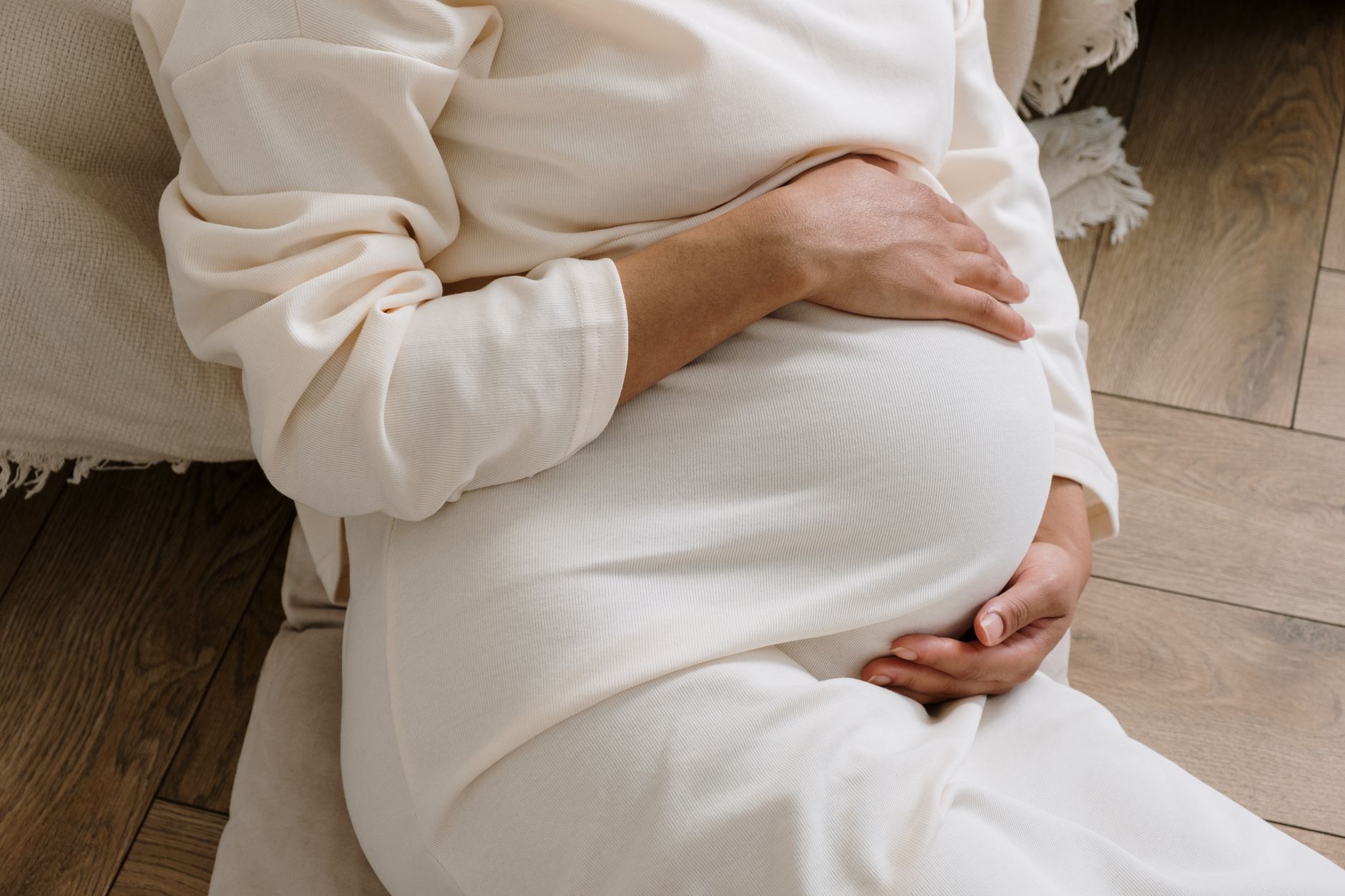
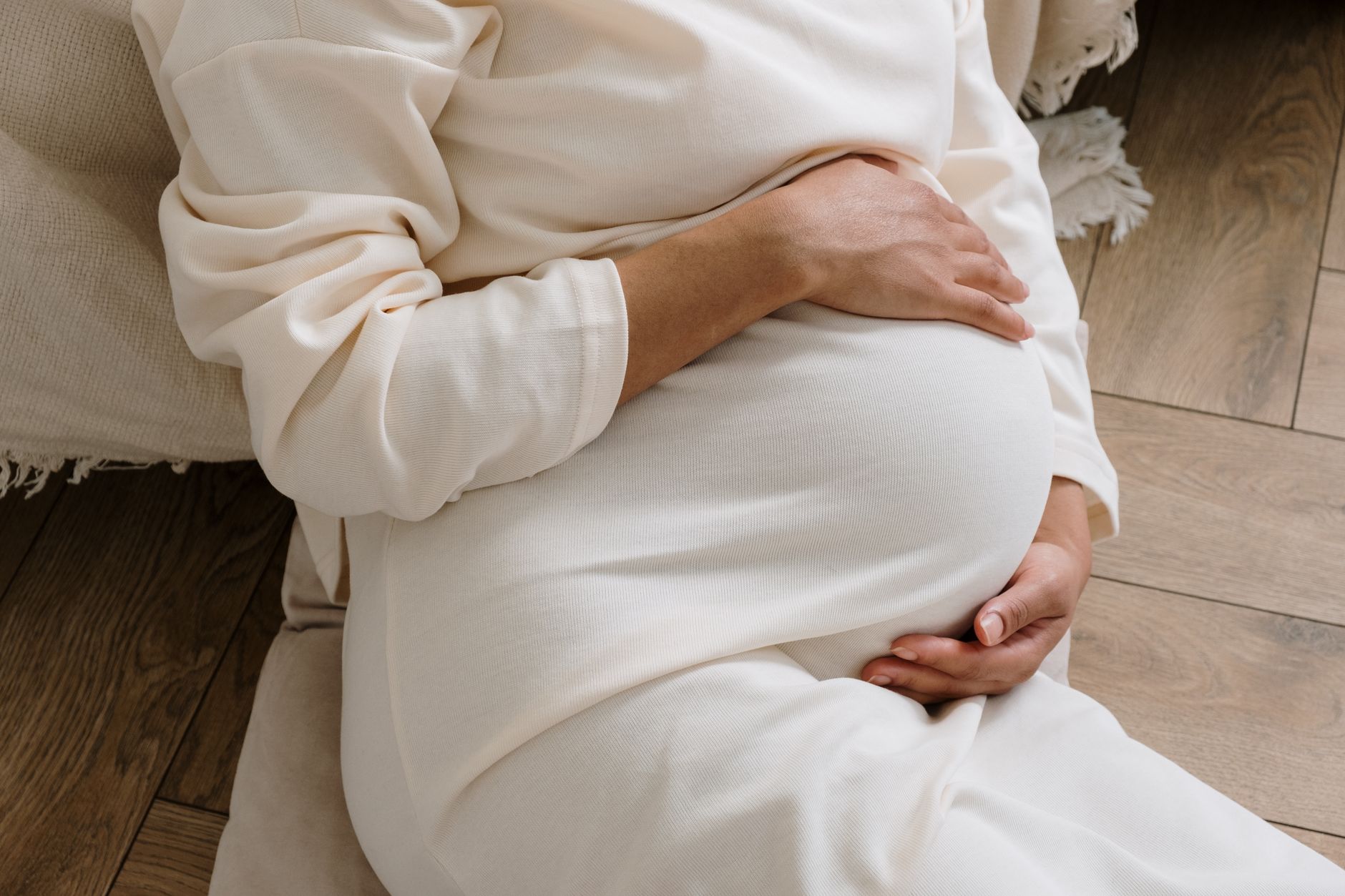
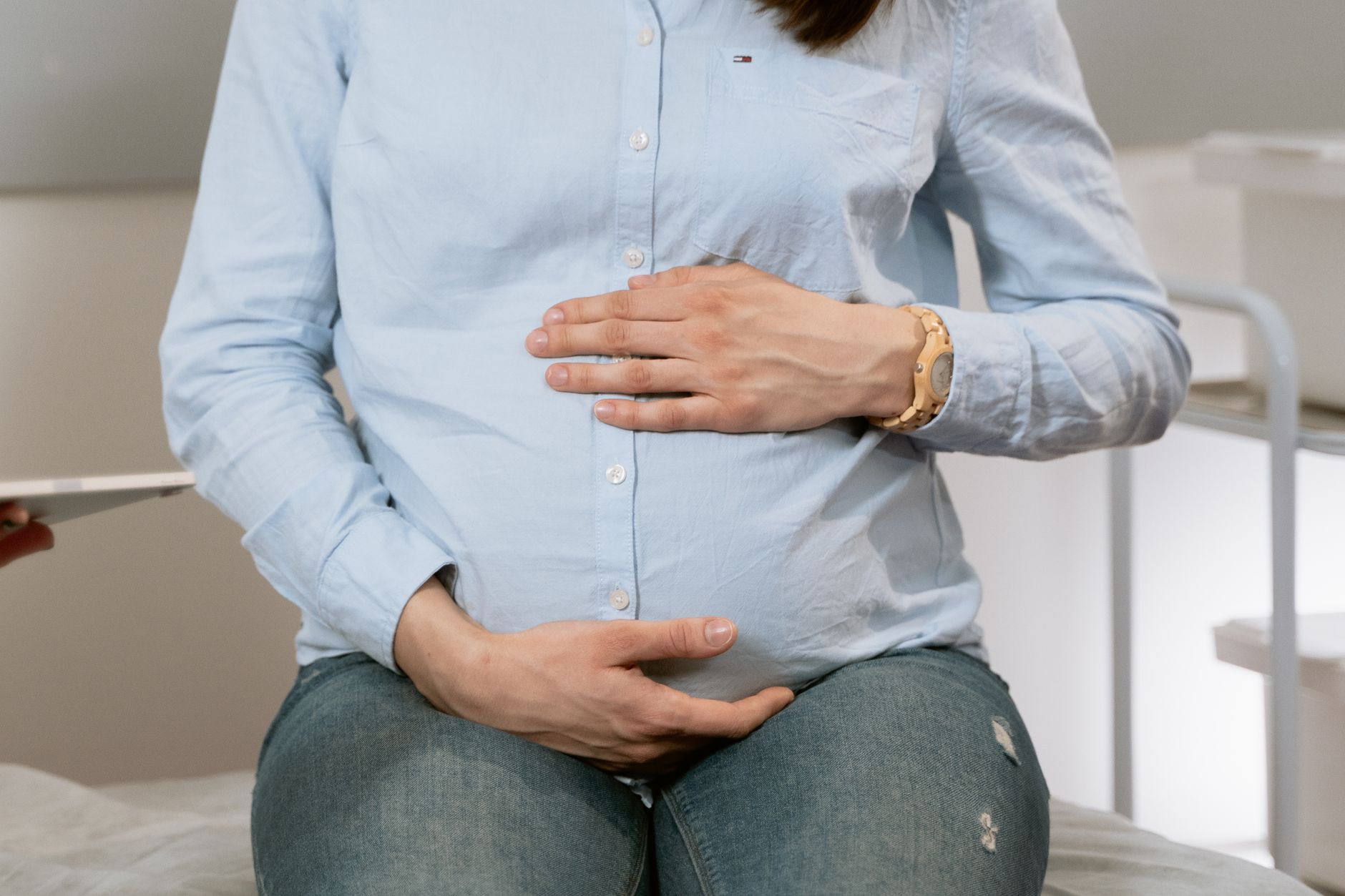
Your 30-week belly is a sign of how much your baby has grown — and how much your body is adapting to support them.
What are the most common symptoms at 30 weeks pregnant?
By 30 weeks, your body has been through a lot — and it’s not slowing down. Here’s what many women experience around this time, along with why it’s happening and what you can do about it.
Physical symptoms
Back pain and pelvic pressure: Your growing belly shifts your center of gravity, and the hormone relaxin loosens your joints to prepare for birth. This combo can leave your back and pelvis feeling achy or sore. Many moms describe it as a dull, constant ache that flares up after standing or walking.
Braxton Hicks contractions: These "practice contractions" feel like a tightening or squeezing across your belly. They’re usually painless, irregular, and go away when you change positions. If they start to feel stronger or more frequent, it’s worth paying attention (more on this later).
Swollen feet and ankles: Fluid retention (edema) is common in pregnancy, especially in the third trimester. Your body holds onto extra fluid to support your growing baby, and gravity pulls it down to your lower extremities. Swelling is usually worse at the end of the day or in hot weather.
Shortness of breath: Your uterus is now pushing up against your diaphragm, leaving less room for your lungs to expand. This can make even simple tasks, like climbing stairs, feel like a workout. It’s frustrating, but it’s also a sign that your baby is getting bigger.
Heartburn and indigestion: Progesterone relaxes the valve between your stomach and esophagus, allowing stomach acid to creep up. Add a growing uterus pressing on your stomach, and you’ve got a recipe for heartburn. Spicy or greasy foods can make it worse, but even bland meals might trigger it now.
Round ligament pain: These sharp, stabbing pains on the sides of your belly (or in your groin) happen when the ligaments that support your uterus stretch. They’re usually brief and harmless, but they can take you by surprise.
Varicose veins: Increased blood volume and pressure on your veins can cause swollen, twisted veins in your legs. They’re usually harmless but can be uncomfortable. Compression stockings and elevating your legs can help.
Hemorrhoids: These swollen veins in your rectum are another unwelcome side effect of pregnancy. They can be itchy, painful, or even bleed a little. Constipation (also common in pregnancy) makes them worse, so staying hydrated and eating fiber-rich foods is key.
Leaky breasts: Your body is already preparing for breastfeeding, and some women start producing colostrum (the first milk) as early as the second trimester. If you notice yellowish fluid leaking from your nipples, it’s completely normal — just keep some nursing pads handy.
Increased vaginal discharge: A thin, milky discharge (leukorrhea) is your body’s way of keeping your birth canal clean. It’s normal as long as it doesn’t have a strong odor or unusual color (like green or gray).
Emotional symptoms
Mood swings: Hormones, fatigue, and the sheer weight of what’s to come can leave you feeling like you’re on an emotional rollercoaster. One minute you’re excited, the next you’re anxious or overwhelmed. It’s okay to feel all of it — and it’s okay to ask for help when you need it.
Anxiety about labor and parenthood: As your due date gets closer, it’s natural to worry about labor, delivery, and how you’ll handle life with a newborn. Many moms find it helpful to talk about these fears with their partner, a therapist, or other moms who’ve been there.
Nesting instinct: That sudden urge to organize the nursery, deep-clean the kitchen, or alphabetize your baby’s onesies? That’s your nesting instinct kicking in. It’s a normal (and often productive) way to prepare for your baby’s arrival.
Forgetfulness ("pregnancy brain"): Between the fatigue and the mental load of preparing for a baby, it’s no wonder many women feel a little scattered. Jot down reminders, be kind to yourself, and know that this is temporary.
One mom we spoke to described her 30-week experience like this: "I felt like my body wasn’t mine anymore. Some days, I’d wake up and not recognize myself in the mirror. But then I’d feel the baby kick, and it would all feel worth it. Even the weird symptoms — like my belly button popping out or my feet swelling up like balloons — were little reminders that this was all for a reason."
Is it normal to feel baby move less at 30 weeks?
At 30 weeks, your baby is more active than ever — but their movements might feel different than they did a few weeks ago. Instead of those fluttery kicks you felt in the second trimester, you might now notice rolls, stretches, or even what feels like a little dance party in your belly. But what if you’re not feeling as much movement as you used to?
First, let’s talk about what’s normal. At this stage, your baby has a pattern of activity and rest, just like you do. They might be more active after you eat, when you’re lying down, or in the evening. Some babies are naturally more active than others, so what’s "normal" for one mom might not be for another. The key is to pay attention to your baby’s usual pattern. If you notice a sudden change — like fewer movements or movements that feel weaker — it’s time to check in with your provider.
Here’s why movements might feel different at 30 weeks:
Less space: Your baby is growing quickly, and there’s less room for big kicks and punches. Instead, you might feel more rolls, stretches, or wiggles. These can be harder to count, but they’re still a sign that your baby is active.
More coordinated movements: Your baby’s nervous system is maturing, so their movements might feel smoother or more deliberate. You might even feel them hiccuping (little rhythmic jumps in your belly).
Different position: If your baby is head-down (which many are by 30 weeks), you might feel kicks higher up, near your ribs. If they’re breech (bottom-down), you might feel more movement in your lower belly or pelvis.
Your activity level: If you’re on the go all day, you might not notice movements as much. But when you sit down or lie still, you’ll likely feel them more clearly.
So, how often should you feel your baby move? The American College of Obstetricians and Gynecologists (ACOG) recommends paying attention to your baby’s movement patterns and calling your provider if you notice a decrease in movement. There’s no set number of kicks you should feel each day, but many providers suggest doing a "kick count" once a day. Here’s how:
Pick a time when your baby is usually active (often after a meal or in the evening).
Sit or lie down in a quiet place and focus on your baby’s movements.
Count how long it takes to feel 10 movements (kicks, rolls, or jabs). Most babies will move 10 times within 30 minutes to 2 hours.
If you don’t feel 10 movements in 2 hours, call your provider. It’s probably nothing — but it’s always better to check.
One reader shared her experience: "At 30 weeks, I panicked when I realized I hadn’t felt my baby move all morning. I called my midwife, and she told me to drink some cold water, lie down, and count. Within 10 minutes, I felt a flurry of kicks! It turned out my baby was just having a lazy morning. But it was such a relief to know what to do — and that my provider took it seriously."
If you’re ever unsure about your baby’s movements, don’t wait. Call your provider. They’d rather hear from you and reassure you than miss something important.
Counting kicks is a simple way to check in with your baby — and ease your mind.
Why do I have sharp pains at 30 weeks pregnant and when should I worry?
Sharp pains during pregnancy can be alarming, especially when they come out of nowhere. At 30 weeks, there are a few common culprits — most of them harmless, but some worth a call to your provider. Here’s what might be causing those sudden stabs or twinges, and when to take them seriously.
Common causes of sharp pains at 30 weeks
Round ligament pain: These are the most common sharp pains in the second and third trimesters. The round ligaments support your uterus, and as it grows, these ligaments stretch and thin out. When they stretch too quickly (like when you roll over in bed or stand up suddenly), you might feel a sharp, stabbing pain on one or both sides of your lower belly or groin. It usually lasts just a few seconds and goes away when you change positions. While it’s uncomfortable, it’s not dangerous.
Gas and bloating: Pregnancy hormones slow down your digestion, which can lead to gas buildup. When gas moves through your intestines, it can cause sharp, crampy pains in your abdomen or sides. Drinking plenty of water, eating smaller meals, and avoiding gas-producing foods (like beans, cabbage, or carbonated drinks) can help.
Braxton Hicks contractions: These "practice contractions" can sometimes feel sharp or intense, especially if they’re strong. They usually start at the top of your uterus and spread downward, and they go away when you change positions or rest. If they’re irregular and don’t get stronger, they’re nothing to worry about. But if they start to feel more frequent or painful, it’s time to call your provider.
Baby’s movements: As your baby grows, their movements can feel sharper or more intense. A sudden jab to your ribs or bladder might take your breath away — but it’s usually just your baby stretching or changing positions.
Pelvic girdle pain (PGP): This is a sharp or shooting pain in your pelvic area, often triggered by movement like walking, climbing stairs, or getting out of bed. It happens when the joints in your pelvis become misaligned or unstable due to the hormone relaxin. A physical therapist or chiropractor who specializes in pregnancy can help manage PGP.
Heartburn or acid reflux: Stomach acid can creep up into your esophagus, causing a sharp, burning pain in your chest or upper abdomen. Eating smaller meals, avoiding spicy or greasy foods, and propping yourself up with pillows at night can help.
When to call your doctor
While most sharp pains are harmless, some can signal a problem that needs medical attention. Call your provider right away if you experience any of the following:
Sharp, persistent pain that doesn’t go away when you change positions or rest.
Pain accompanied by vaginal bleeding, spotting, or leaking fluid.
Pain with a fever, chills, or severe headache.
Pain that feels like contractions coming every 10 minutes or less (especially if they’re getting stronger or closer together).
Sharp pain in your upper abdomen, especially on the right side (this could be a sign of preeclampsia).
Sudden, severe swelling in your hands, face, or feet (another possible sign of preeclampsia).
Pain or burning when you pee (this could signal a urinary tract infection, which needs treatment).
Decreased fetal movement (always check in with your provider if you’re worried about your baby’s activity).
One mom described her experience with sharp pains: "At 30 weeks, I started getting these sudden, stabbing pains in my lower belly whenever I stood up too quickly. I was terrified it was something serious, but my doctor explained it was just round ligament pain. She told me to move more slowly and use a pregnancy support belt, and it made a huge difference. Still, I’m glad I called — it’s better to be safe than sorry."
If you’re ever unsure about a pain, trust your instincts. Your provider is there to help, and they’d rather you call than worry.
How much weight should I have gained by 30 weeks pregnant?
Weight gain in pregnancy isn’t one-size-fits-all. It depends on your pre-pregnancy weight, your body type, and whether you’re carrying one baby or multiples. But by 30 weeks, most women have gained somewhere between 18 and 25 pounds. Here’s what’s typical — and what to do if you’re above or below that range.
Recommended weight gain by 30 weeks
The Institute of Medicine (IOM) provides guidelines for weight gain during pregnancy based on your pre-pregnancy body mass index (BMI). Here’s a general breakdown for a single pregnancy:
Pre-pregnancy BMI
Recommended total weight gain
Recommended weight gain by 30 weeks
Underweight (BMI < 18.5)
28–40 lbs
20–28 lbs
Normal weight (BMI 18.5–24.9)
25–35 lbs
18–25 lbs
Overweight (BMI 25–29.9)
15–25 lbs
11–18 lbs
Obese (BMI ≥ 30)
11–20 lbs
8–15 lbs
If you’re carrying twins, the recommended weight gain is higher. For example, women with a normal pre-pregnancy BMI are advised to gain 37–54 pounds total, which would put you at around 26–38 pounds by 30 weeks.
Remember, these are just guidelines. Your provider will monitor your weight gain at each prenatal visit and let you know if they have any concerns. The goal isn’t to hit a specific number — it’s to support your health and your baby’s growth.
Where does the weight go?
It’s not all baby! Here’s a rough breakdown of where the extra pounds go by the end of pregnancy:
Baby: 7–8 lbs
Placenta: 1–2 lbs
Amniotic fluid: 2 lbs
Uterus: 2 lbs
Breast tissue: 1–3 lbs
Blood volume: 3–4 lbs
Extra fluid: 3–5 lbs
Fat stores: 6–8 lbs (your body’s way of preparing for breastfeeding and recovery)
What if I’m gaining too much or too little?
If you’re gaining more or less than the recommended amount, don’t panic. Your provider will help you figure out what’s going on and whether any adjustments are needed. Here are some possible reasons for rapid or slow weight gain:
Gaining too much weight
Overeating: Pregnancy cravings and hunger can lead to eating more than your body needs. Focus on nutrient-dense foods (like fruits, vegetables, lean proteins, and whole grains) rather than empty calories (like sweets or processed snacks).
Fluid retention: Swelling (edema) can cause rapid weight gain, especially in the third trimester. Drinking plenty of water, elevating your feet, and avoiding salty foods can help.
Gestational diabetes: This condition can cause your baby to grow larger than average, leading to more weight gain. If you’re diagnosed with gestational diabetes, your provider will work with you to manage it through diet, exercise, and possibly medication.
Multiples: If you’re carrying twins or triplets, you’ll naturally gain more weight. Your provider will monitor your weight gain closely to ensure you and your babies are healthy.
Gaining too little weight
Severe nausea or vomiting: If you struggled with morning sickness in the first trimester (or beyond), you might have had trouble keeping food down. Once the nausea subsides, focus on small, frequent meals to catch up.
Poor appetite: Some women lose their appetite in the third trimester due to heartburn, indigestion, or just feeling too full. Try eating smaller, more frequent meals, and choose calorie-dense foods like nuts, avocados, or smoothies.
Hyperemesis gravidarum: This severe form of morning sickness can make it difficult to keep any food down. If you’re losing weight or unable to stay hydrated, your provider may recommend medication or IV fluids.
Underlying health conditions: Conditions like thyroid disorders or digestive issues can affect weight gain. If your provider is concerned, they may run tests to rule out any underlying problems.
How to support healthy weight gain
Whether you’re trying to gain more or slow down your weight gain, these tips can help:
Focus on nutrient-dense foods: Fill your plate with fruits, vegetables, lean proteins, whole grains, and healthy fats. These foods give you and your baby the nutrients you need without excess calories.
Stay hydrated: Drink plenty of water throughout the day. Sometimes, thirst is mistaken for hunger, so staying hydrated can help you avoid unnecessary snacking.
Move your body: Regular exercise (like walking, swimming, or prenatal yoga) can help you maintain a healthy weight and reduce pregnancy discomforts. Check with your provider before starting any new exercise routine.
Listen to your hunger cues: Eat when you’re hungry, and stop when you’re full. It’s okay to indulge in cravings occasionally, but try to balance them with healthier choices.
Get enough sleep: Fatigue can lead to overeating or cravings for sugary foods. Aim for 7–9 hours of sleep per night, and take naps if you need them.
One reader shared her experience with weight gain: "I was so worried about gaining too much weight that I started restricting my diet in the second trimester. By 30 weeks, I’d only gained 12 pounds, and my doctor was concerned. She helped me create a meal plan with more calories and nutrients, and I started gaining at a healthier pace. It was a good reminder that pregnancy isn’t the time to diet — it’s about nourishing my baby and myself."
If you’re ever unsure about your weight gain, talk to your provider. They can help you set realistic goals and make sure you and your baby are on track.
What are the signs of preterm labor at 30 weeks I should watch for?
Preterm labor is labor that starts before 37 weeks of pregnancy. While most babies born at 30 weeks do well with medical care, preterm birth can come with health risks for your little one. That’s why it’s so important to know the signs of preterm labor — and to call your provider right away if you notice any of them. Here’s what to watch for, plus what to do if you’re worried.
Signs of preterm labor at 30 weeks
Preterm labor can feel different for everyone, but these are the most common signs:
Contractions: Regular, painful contractions that come every 10 minutes or less (even if they’re not as strong as full-term contractions). These might feel like a tightening or squeezing in your belly, or like menstrual cramps that come and go. Unlike Braxton Hicks contractions, preterm labor contractions don’t go away when you change positions or rest.
Pelvic pressure: A feeling like your baby is pushing down or like you need to have a bowel movement. This pressure might come and go or feel constant.
Low, dull backache: A persistent ache in your lower back that doesn’t go away when you change positions. This can be easy to dismiss as normal pregnancy back pain, but if it’s new or getting worse, it’s worth paying attention to.
Abdominal cramps: Cramps that feel like menstrual cramps or gas pains, with or without diarrhea. These might come and go or feel constant.
Vaginal discharge: A sudden increase in vaginal discharge, or a change in the type of discharge. This could be watery, mucus-like, or bloody. If you notice a gush or trickle of fluid, it could be your water breaking.
Vaginal bleeding or spotting: Light spotting can be normal in pregnancy, but heavier bleeding (like a period) is a red flag. Call your provider right away if you notice any bleeding.
One mom described her experience with preterm labor: "At 30 weeks, I started feeling these weird cramps in my lower belly. They weren’t super painful, but they kept coming every 10 minutes, like clockwork. I thought it was just Braxton Hicks, but my midwife told me to come in. Turns out, I was in preterm labor! They gave me medication to stop the contractions and steroids to help my baby’s lungs develop. I ended up on bed rest for a few weeks, but my baby was born healthy at 38 weeks. I’m so glad I trusted my instincts and called."
What to do if you think you’re in preterm labor
If you notice any signs of preterm labor, don’t wait. Call your provider or go to the hospital right away. Here’s what to do:
Empty your bladder: A full bladder can make contractions feel stronger.
Drink a glass of water: Dehydration can sometimes trigger contractions.
Lie down on your left side: This can help slow down contractions and improve blood flow to your baby.
Time your contractions: Use a timer or a contraction app to track how often they’re coming and how long they last. If they’re coming every 10 minutes or less, call your provider.
Call your provider or go to the hospital: Don’t worry about "bothering" them. Preterm labor is always worth checking out.
Who’s at risk for preterm labor?
While preterm labor can happen to anyone, some women are at higher risk. These risk factors include:
Chronic health conditions (like high blood pressure, diabetes, or kidney disease)
Smoking, drinking alcohol, or using drugs during pregnancy
Stressful life events or lack of social support
Being underweight or overweight before pregnancy
Getting pregnant too soon after a previous birth (less than 18 months between deliveries)
If you have any of these risk factors, your provider may monitor you more closely for signs of preterm labor. They might also recommend treatments like progesterone supplements or a cervical cerclage (a stitch in your cervix) to help reduce your risk.
How is preterm labor treated?
If you’re in preterm labor, your provider will work to stop the contractions and give your baby more time to grow. Treatment might include:
Medications to stop contractions: These are called tocolytics, and they can delay labor for a few days or weeks. This gives your baby more time to develop and allows time for steroids to work.
Steroids: These medications help speed up your baby’s lung development, reducing the risk of breathing problems after birth. They’re most effective if given between 24 and 34 weeks of pregnancy.
Antibiotics: If you have an infection, antibiotics can help treat it and reduce the risk of preterm labor.
Bed rest: While bed rest isn’t routinely recommended (it can come with risks like blood clots), your provider might suggest limiting your activity if you’re at high risk for preterm labor.
Hospitalization: If your contractions can’t be stopped or if your water breaks, you might need to stay in the hospital until your baby is born.
Can preterm labor be prevented?
While there’s no guaranteed way to prevent preterm labor, there are steps you can take to reduce your risk:
Get early and regular prenatal care: Your provider can monitor your health and your baby’s growth, and catch any potential problems early.
Manage chronic health conditions: Conditions like high blood pressure, diabetes, or thyroid disorders can increase your risk of preterm labor. Work with your provider to keep these under control.
Avoid smoking, alcohol, and drugs: These can increase your risk of preterm labor and other pregnancy complications.
Eat a healthy diet: Focus on nutrient-dense foods like fruits, vegetables, lean proteins, and whole grains. Avoid foods that are high in sugar, salt, or unhealthy fats.
Stay hydrated: Dehydration can trigger contractions, so drink plenty of water throughout the day.
Manage stress: High stress levels can increase your risk of preterm labor. Find healthy ways to cope, like exercise, meditation, or talking to a therapist.
Space out your pregnancies: Getting pregnant too soon after a previous birth (less than 18 months) can increase your risk of preterm labor. Talk to your provider about birth control options if you’re not ready for another baby.
If you’re at high risk for preterm labor, your provider might recommend additional steps, like progesterone supplements or more frequent prenatal visits.
If you’re worried about preterm labor, don’t hesitate to call your provider. They’re there to help.
How can I relieve back pain and pelvic pressure at 30 weeks pregnant?
Back pain and pelvic pressure are two of the most common complaints in the third trimester — and at 30 weeks, they’re likely to ramp up. Your growing belly shifts your center of gravity, your joints loosen, and your muscles work overtime to support your changing body. The good news? There are plenty of ways to find relief. Here’s what you can do to ease the discomfort and get through these last few months.
Why back pain and pelvic pressure happen
At 30 weeks, your uterus is about the size of a large cabbage, and it’s putting pressure on your back, pelvis, and hips. Here’s what’s going on:
Shifted center of gravity: Your growing belly pulls your body forward, straining your back muscles and causing poor posture. This can lead to aches and pains, especially in your lower back.
Relaxin hormone: This hormone loosens your joints and ligaments to prepare for birth. While it’s necessary, it can also make your pelvis feel unstable and your back feel achy.
Weakened core muscles: As your belly grows, your abdominal muscles stretch and weaken. This puts extra strain on your back muscles, which have to work harder to support you.
Increased weight: The extra pounds you’re carrying (from your baby, placenta, amniotic fluid, and more) add pressure to your back and pelvis.
Sciatica: Your growing uterus can press on the sciatic nerve, causing sharp, shooting pain that radiates from your lower back down your leg. This is called sciatica, and it can be incredibly uncomfortable.
Ways to relieve back pain and pelvic pressure
Here are some of the most effective ways to find relief. Try a few and see what works best for you:
At-home remedies
Improve your posture: Stand up straight, pull your shoulders back, and tuck your pelvis slightly. Avoid slouching or standing with your belly pushed forward. When sitting, use a cushion or rolled-up towel to support your lower back.
Wear a pregnancy support belt: These belts wrap around your lower back and under your belly, providing extra support. They can be especially helpful if you’re on your feet a lot or if you have pelvic girdle pain (PGP).
Sleep on your side with a pillow between your knees: This helps align your hips and reduces pressure on your lower back. A pregnancy pillow (or a regular pillow) can make side-sleeping more comfortable.
Apply heat or cold: A heating pad or warm bath can relax tight muscles, while an ice pack can reduce inflammation. Try both to see what feels better for you.
Stay active: Gentle exercise, like walking, swimming, or prenatal yoga, can strengthen your muscles and improve
Not sure about the label on 30 Weeks Pregnant Symptoms products?
Snap the ingredients list and SafeFilter checks every ingredient for your stage — only 3 free scans this month, then you're locked until reset. Unlimited from $7/mo or $50/yr.
When Shubhra Mishra was expecting her first child in 2016, she was overwhelmed by conflicting food advice — one site said yes, another said never. By the time her second baby arrived in 2019, she realized millions of mothers face the same confusion.
That sparked a five-year journey through clinical nutrition papers, cultural diets, and expert conversations — all leading to BumpBites: a calm, compassionate space where science meets everyday motherhood.
Her long-term vision is to build a global community ensuring safe, supported, and free deliveriesfor every mother — because no woman should face pregnancy alone or uninformed. 🌿
🌍 Stand with mothers, shape safer guidance
Join a small circle of experts who review BumpBites articles so expecting parents everywhere can decide with confidence.