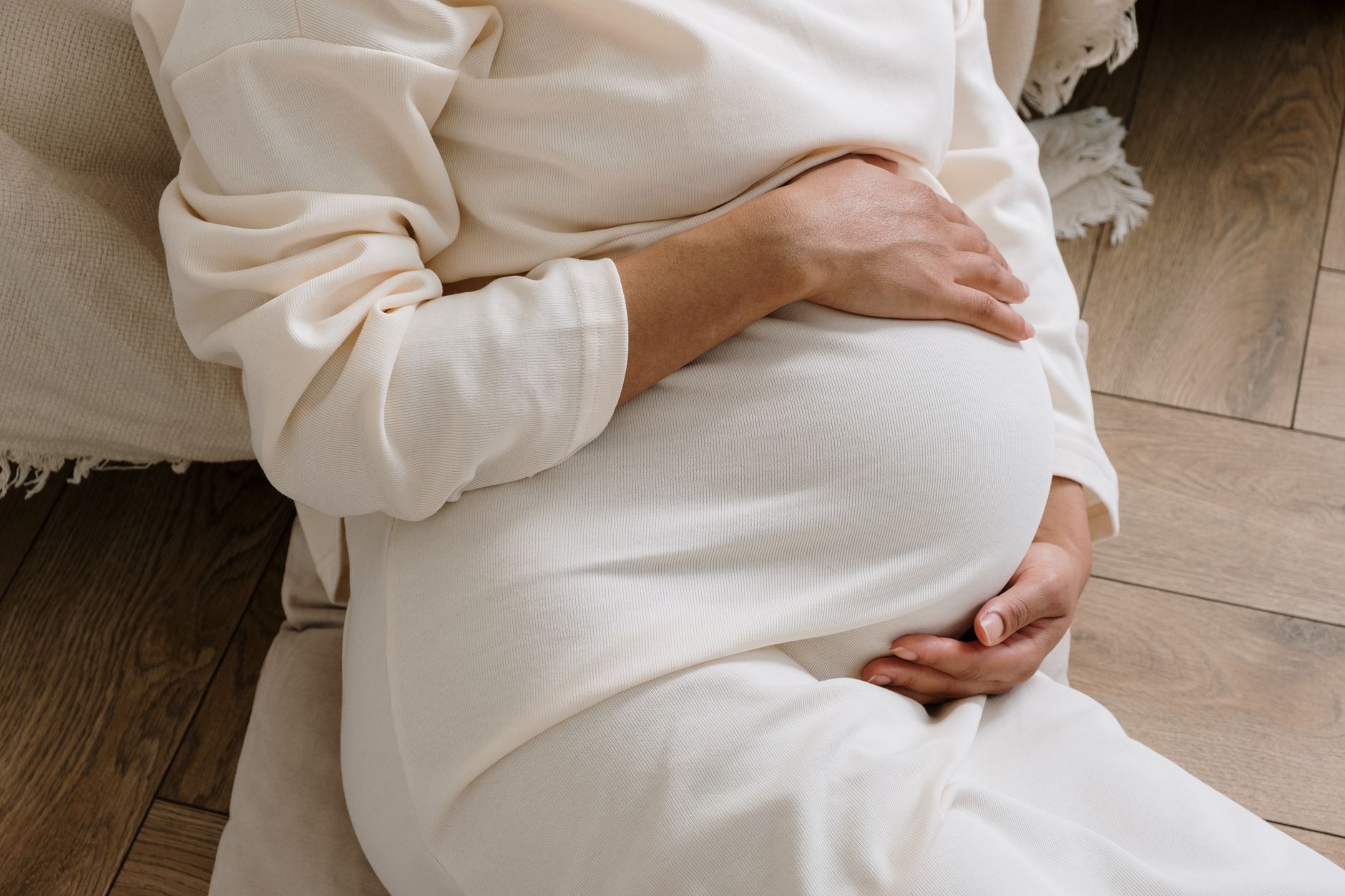
At 29 weeks pregnant, you may feel fatigue, back pain, Braxton‑Hicks contractions, swelling and more. Learn what to expect and how to manage symptoms safely.
By Shubhra Mishra — a mom of two who turned her own confusion during pregnancy into BumpBites, a global mission to make food choices clear, safe, and stress-free for every expecting mother. 💛
Check whether any food is safe during pregnancy with the BumpBites Food Safety Checker.
Quick take: At 29 weeks pregnant, you’re likely feeling a mix of excitement and discomfort—your baby is the size of a butternut squash, and your body is working overtime. Common symptoms include back pain, swelling, heartburn, and Braxton Hicks contractions. Most are normal, but some (like sudden swelling, severe headaches, or decreased fetal movement) need immediate medical attention. This week, focus on gentle exercise, hydration, and tracking your baby’s kicks.
You’re scrolling through your phone at 2 a.m., one hand on your belly, the other Googling every twinge. Is this normal? Should you call your doctor? At 29 weeks pregnant, your body is doing incredible things—but it’s also throwing curveballs. One minute you’re marveling at how your baby’s eyelashes are growing, the next you’re waddling to the bathroom for the third time in an hour.
This week marks the start of your third trimester, and with it comes a new set of symptoms, milestones, and questions. Maybe you’re wondering if that backache is just part of the deal or if it’s something more. Or perhaps you’re curious about how much your baby is moving (or not moving) right now. Whatever’s on your mind, we’ve got you covered. Below, we’ll walk through what’s typical, what’s not, and when to reach out to your provider—so you can spend less time worrying and more time enjoying these final weeks.
At 29 weeks, your baby is about the size of a butternut squash—and your body is working hard to keep up.
What Are the Common Symptoms at 29 Weeks Pregnant?
By now, you’ve probably noticed that pregnancy symptoms aren’t one-size-fits-all. Some days, you might feel like you could run a marathon (or at least make it through the grocery store without needing a nap). Other days, you’re Googling “why does my rib hurt when I breathe?” at 3 a.m. Here’s what’s common at 29 weeks—and why it’s happening.
Back Pain and Pelvic Pressure
Your baby is growing fast, and your uterus is now about 3.5 to 4 inches above your belly button. That extra weight shifts your center of gravity, putting strain on your lower back. Many women describe this as a dull ache or a sharp twinge when they stand up or roll over in bed. Pelvic pressure is also common as your body prepares for birth—your ligaments are loosening, and your baby is settling deeper into your pelvis.
One reader, Sarah, told us: “I thought I was doing something wrong because my back hurt so much. Turns out, it’s just my body adjusting to carrying an extra 20 pounds—and my baby’s head pressing on my sciatic nerve. A heating pad and prenatal yoga made a world of difference.”
Swelling (Edema)
If your feet look like they’ve been replaced with water balloons, you’re not alone. Swelling, or edema, happens because your body is holding onto extra fluid to support your growing baby. It’s most noticeable in your feet, ankles, and hands, especially after a long day or in hot weather. While mild swelling is normal, sudden or severe swelling (especially in your face or hands) can be a sign of preeclampsia—a serious condition we’ll cover later.
Heartburn and Indigestion
That burning sensation in your chest? Blame your hormones. Progesterone relaxes the valve between your stomach and esophagus, allowing stomach acid to creep up. Your growing uterus is also pressing on your stomach, making heartburn worse. Eating smaller meals, avoiding spicy or greasy foods, and propping yourself up with pillows at night can help.
Braxton Hicks Contractions
These “practice contractions” can feel like a tightening or squeezing in your belly. They’re usually painless and irregular—unlike real labor contractions, which become stronger, longer, and closer together. Braxton Hicks are your uterus’s way of warming up for the big day. If they’re making you uncomfortable, try changing positions, drinking water, or taking a warm bath.
Shortness of Breath
Your baby is taking up more space, and your lungs are getting squeezed. You might find yourself huffing and puffing after climbing a flight of stairs or even just walking across the room. This is normal, but if you’re struggling to catch your breath or notice a sudden change, let your provider know.
Frequent Urination
Your baby’s head is pressing on your bladder, so bathroom breaks are inevitable. You might also leak a little when you laugh, cough, or sneeze—thanks, pelvic floor muscles! Kegel exercises can help strengthen those muscles and reduce leaks.
Trouble Sleeping
Between back pain, heartburn, and the constant urge to pee, sleep can feel like a distant memory. Many women find that side-sleeping with a pillow between their knees and under their belly helps. If you’re struggling, try a warm bath before bed or a pregnancy-safe herbal tea (like chamomile).
Gentle movement, like prenatal yoga, can ease back pain and help you sleep better at 29 weeks.
How Much Weight Should I Gain by 29 Weeks Pregnant?
If you’re carrying twins, the recommendations are higher: 37–54 lbs for normal-weight women, with about 24–36 lbs gained by 29 weeks.
Where does the weight go? Here’s a rough breakdown for a 30-lb gain:
Baby: 7–8 lbs
Placenta: 1–2 lbs
Amniotic fluid: 2 lbs
Uterus: 2 lbs
Breast tissue: 1–2 lbs
Blood volume: 3–4 lbs
Fat stores: 6–8 lbs
Fluid retention: 4–6 lbs
If you’re gaining more or less than expected, don’t panic. Your provider will monitor your weight at each prenatal visit and let you know if there’s cause for concern. Sudden weight gain (more than 2 lbs in a week) or loss can be a sign of complications like preeclampsia or gestational diabetes, so always check in with your doctor if you notice a big change.
What If I’m Not Gaining Enough Weight?
If you’re struggling to gain weight, focus on nutrient-dense foods like avocados, nuts, whole grains, and lean proteins. Small, frequent meals can help if you’re dealing with nausea or heartburn. Your provider might also recommend a prenatal supplement or refer you to a nutritionist.
What If I’m Gaining Too Much Weight?
If you’re gaining more than recommended, your provider might suggest swapping processed snacks for whole foods, drinking more water, and staying active. Remember, pregnancy isn’t the time to diet—your baby needs those nutrients!—but it’s okay to make mindful choices.
Is It Normal to Have Swelling at 29 Weeks Pregnant?
Swelling, or edema, is one of the most common complaints in the third trimester. It happens because your body is holding onto extra fluid to support your growing baby and placenta. While mild swelling in your feet, ankles, and hands is normal, sudden or severe swelling can be a red flag for preeclampsia—a condition that affects about 5–8% of pregnancies and requires immediate medical attention.
What’s Normal?
Swelling that comes and goes, especially after standing or sitting for long periods.
Swelling that’s worse in the evening or in hot weather.
Swelling that improves after elevating your feet or lying on your left side.
Mild swelling in your hands (you might notice your rings feel tighter).
What’s Not Normal?
Call your provider right away if you notice:
Sudden swelling in your face, hands, or feet.
Swelling that doesn’t go away after resting or elevating your legs.
Swelling in just one leg (this could be a sign of a blood clot).
Swelling accompanied by headaches, vision changes, or upper abdominal pain (signs of preeclampsia).
How to Reduce Swelling
Elevate your feet: Prop them up on a stool or pillow whenever you sit.
Stay hydrated: It sounds counterintuitive, but drinking more water helps flush out excess fluid.
Wear compression socks: These can improve circulation and reduce swelling in your legs.
Avoid standing for long periods: Take breaks to sit or walk around.
Limit salt: Too much sodium can make swelling worse.
Sleep on your left side: This improves blood flow and reduces fluid buildup.
One reader, Maria, shared: “I was so self-conscious about my swollen feet that I stopped wearing sandals. But my midwife told me it’s just my body doing its job—and that compression socks would be my new best friend. She was right!”
Baby Development Milestones at 29 Weeks Gestation
At 29 weeks, your baby is about the size of a butternut squash—roughly 15.2 to 16.7 inches long and weighing 2.5 to 3.8 pounds. Here’s what’s happening inside your belly this week:
Brain and Senses
Your baby’s brain is growing rapidly, with billions of neurons forming every day.
They can now distinguish between light and dark, and their pupils can dilate and constrict.
Your baby’s hearing is fully developed, and they can recognize your voice (and your partner’s!).
Lungs and Breathing
Your baby’s lungs are maturing, and they’re practicing breathing movements by inhaling and exhaling amniotic fluid.
Surfactant, a substance that helps the lungs expand, is being produced—though your baby’s lungs won’t be fully mature until closer to 36 weeks.
Bones and Muscles
Your baby’s bones are hardening, but their skull remains soft and flexible to make delivery easier.
They’re gaining muscle tone, and their movements are becoming stronger and more coordinated.
Skin and Fat
Your baby’s skin is less wrinkled as they gain fat stores, which will help regulate their body temperature after birth.
They’re starting to shed the fine hair (lanugo) that covered their body, though some might still be present at birth.
Movement
You might notice your baby’s movements feel different now—they’re more like rolls and stretches than the flutters of early pregnancy. Your baby is running out of space, so their kicks might feel sharper or more concentrated in one area. Most providers recommend tracking your baby’s movements starting around 28 weeks. A good rule of thumb: You should feel at least 10 movements in two hours when your baby is active (usually after meals or in the evening). If you notice a decrease in movement, call your provider right away.
At 29 weeks, your baby is about the size of a butternut squash and their brain is growing rapidly.
What Foods Should I Avoid at 29 Weeks Pregnant?
At 29 weeks, your baby is growing fast—and what you eat (or don’t eat) can affect their development. While most foods are safe, some can pose risks like foodborne illness, mercury exposure, or excessive caffeine. Here’s what to steer clear of:
High-Mercury Fish
Mercury is a neurotoxin that can harm your baby’s developing brain and nervous system. Avoid:
Shark
Swordfish
King mackerel
Tilefish
Bigeye tuna (limit albacore tuna to 6 oz per week)
Safe fish options (2–3 servings per week): salmon, shrimp, pollock, catfish, and canned light tuna.
Raw or Undercooked Foods
These can carry bacteria like listeria, salmonella, or toxoplasma, which can cause miscarriage or stillbirth. Avoid:
Raw fish (sushi, sashimi, ceviche)
Undercooked meat or poultry
Raw eggs (including cookie dough, homemade mayo, or sunny-side-up eggs)
Unpasteurized dairy or cheese (like brie, feta, or blue cheese—unless labeled “pasteurized”)
Raw sprouts (alfalfa, clover, radish)
Deli Meats and Hot Dogs
These can also carry listeria. If you’re craving a sandwich, heat deli meat until steaming hot or opt for canned tuna or chicken salad.
Excessive Caffeine
The American College of Obstetricians and Gynecologists (ACOG) recommends limiting caffeine to 200 mg per day (about one 12-oz cup of coffee). Too much caffeine has been linked to miscarriage and low birth weight. Remember, caffeine is also in tea, chocolate, soda, and some medications.
Unwashed Fruits and Vegetables
These can carry toxoplasma or listeria. Wash all produce thoroughly, even if you’re peeling it.
Alcohol
There’s no safe amount of alcohol during pregnancy. It can cause fetal alcohol spectrum disorders (FASDs), which can lead to lifelong physical, behavioral, and intellectual disabilities.
Herbal Teas and Supplements
Not all herbs are safe in pregnancy. Avoid teas or supplements containing:
Black or blue cohosh
Dong quai
Pennyroyal
Sage
Licorice root
Stick to pregnancy-safe teas like ginger, peppermint, or chamomile.
What About Cravings?
It’s okay to indulge in the occasional craving, but try to balance it with nutrient-dense foods. If you’re craving something unhealthy, ask yourself if there’s a healthier swap. For example, if you’re craving ice cream, try Greek yogurt with honey and berries. If you’re craving salty chips, opt for roasted chickpeas or popcorn.
One reader, Priya, shared: “I was obsessed with pickles and peanut butter at 29 weeks. My doctor said it was fine—as long as I wasn’t eating them for every meal! She reminded me that cravings are my body’s way of telling me what it needs, but I still needed to eat a balanced diet.”
Can I Exercise Safely at 29 Weeks Pregnant?
Yes! Exercise is one of the best things you can do for your body and your baby in the third trimester. It can help reduce back pain, improve sleep, boost your mood, and even shorten labor. But not all exercises are safe at 29 weeks. Here’s what you need to know.
Benefits of Exercise in the Third Trimester
Reduces back pain and swelling
Improves circulation and reduces the risk of varicose veins
Boosts energy and mood
Helps prevent excessive weight gain
Strengthens muscles for labor and postpartum recovery
May reduce the risk of gestational diabetes and preeclampsia
Safe Exercises at 29 Weeks
The ACOG recommends 150 minutes of moderate-intensity aerobic activity per week (about 30 minutes, 5 days a week). Safe options include:
Walking: Low-impact and easy to fit into your day. Aim for a brisk pace that gets your heart rate up but still allows you to talk.
Prenatal yoga: Helps with flexibility, balance, and relaxation. Avoid hot yoga and poses that involve lying flat on your back.
Swimming: The water supports your belly and reduces swelling. It’s also gentle on your joints.
Stationary biking: A safe way to get your heart rate up without risking a fall.
Low-impact aerobics: Look for classes designed for pregnant women.
Pelvic floor exercises: Kegels strengthen the muscles that support your bladder, uterus, and bowels—helping to prevent leaks and prepare for labor.
Exercises to Avoid
Contact sports (soccer, basketball, hockey)
Activities with a high risk of falling (skiing, horseback riding, gymnastics)
Hot yoga or hot Pilates (overheating can be dangerous for your baby)
Scuba diving (the pressure changes can harm your baby)
Exercises that involve lying flat on your back (this can compress the vena cava, a major blood vessel, and reduce blood flow to your baby)
High-intensity interval training (HIIT) or exercises that involve jumping or bouncing (these can strain your pelvic floor)
Signs to Stop Exercising
Stop exercising and call your provider if you experience:
Vaginal bleeding or fluid leakage
Dizziness or fainting
Chest pain or shortness of breath
Headache
Muscle weakness
Calf pain or swelling (could be a sign of a blood clot)
Regular, painful contractions
Decreased fetal movement
Modifications for Common Discomforts
Back pain: Avoid exercises that involve arching your back (like some yoga poses). Focus on strengthening your core and glutes with gentle movements.
Swelling: Elevate your feet after exercise and stay hydrated.
Pelvic pressure: Avoid exercises that involve wide leg movements (like sumo squats). Stick to low-impact activities like walking or swimming.
Heartburn: Avoid exercises that involve bending forward (like toe touches). Opt for upright activities like walking or stationary biking.
One reader, Jamie, said: “I was nervous about exercising at 29 weeks, but my midwife encouraged me to keep moving. She said, ‘Your body was made for this—just listen to it.’ I started with 10-minute walks and worked up to 30 minutes. It made such a difference in my energy and mood!”
Signs of Preterm Labor at 29 Weeks
Preterm labor is labor that starts before 37 weeks of pregnancy. While most women at 29 weeks won’t go into labor early, it’s important to know the signs—especially since babies born before 34 weeks are at higher risk for health complications. Here’s what to watch for:
Symptoms of Preterm Labor
Call your provider immediately if you experience any of these:
Contractions: Regular, painful contractions (more than 4–6 per hour) that don’t go away with rest or hydration. Unlike Braxton Hicks, these contractions get stronger and closer together.
Pelvic pressure: A feeling like your baby is pushing down or like you need to have a bowel movement.
Low, dull backache: Especially if it’s constant or comes and goes in a pattern.
Vaginal bleeding or spotting: Light spotting can be normal, but heavy bleeding is a red flag.
Fluid leakage: A gush or trickle of fluid from your vagina could mean your water has broken.
Increase in vaginal discharge: Especially if it’s watery, mucus-like, or bloody.
Flu-like symptoms: Nausea, vomiting, or diarrhea that doesn’t go away.
What to Do If You Think You’re in Preterm Labor
Stop what you’re doing and rest on your left side.
Drink 2–3 glasses of water (dehydration can cause contractions).
Call your provider or go to the hospital. If you’re having contractions, they’ll likely want to monitor you and your baby.
Risk Factors for Preterm Labor
While preterm labor can happen to anyone, some factors increase your risk:
History of preterm labor or birth
Pregnancy with multiples (twins, triplets, etc.)
Certain uterine or cervical abnormalities
Infections (like urinary tract infections or sexually transmitted infections)
Chronic conditions like high blood pressure or diabetes
Smoking, drug use, or excessive alcohol consumption
Stress or trauma
How to Reduce Your Risk
Attend all your prenatal appointments.
Stay hydrated and eat a balanced diet.
Avoid smoking, drugs, and alcohol.
Manage chronic conditions like diabetes or high blood pressure.
Reduce stress with relaxation techniques like deep breathing or meditation.
Listen to your body and rest when you need to.
One reader, Lisa, shared: “I had no idea I was in preterm labor at 29 weeks. I thought the cramping was just Braxton Hicks, but when it didn’t stop, I called my doctor. Turns out, I was dilated to 2 cm! They gave me steroids to help my baby’s lungs develop and put me on bed rest. My little one was born at 34 weeks, but thanks to early intervention, she’s doing great.”
How to Manage Back Pain at 29 Weeks Pregnant
Back pain is one of the most common complaints in the third trimester—and for good reason. Your baby is growing fast, your uterus is expanding, and your hormones are loosening your ligaments to prepare for birth. All of this can put strain on your back. Here’s how to find relief.
Why Does My Back Hurt?
Shift in center of gravity: As your belly grows, your posture changes, putting extra pressure on your lower back.
Hormonal changes: Relaxin, a hormone that loosens your ligaments, can also make your joints less stable.
Weight gain: Carrying extra weight puts stress on your spine and muscles.
Stress: Emotional stress can cause muscle tension, which can worsen back pain.
Tips to Relieve Back Pain
Improve your posture: Stand up straight, keep your shoulders back, and avoid locking your knees. When sitting, use a chair with good back support or place a small pillow behind your lower back.
Wear supportive shoes: Skip the high heels and opt for low-heeled shoes with good arch support. Some women find that pregnancy support belts help, too.
Sleep on your side: Use a pregnancy pillow between your knees and under your belly to support your spine. Avoid sleeping on your back, as this can compress the vena cava and reduce blood flow to your baby.
Stay active: Gentle exercises like walking, swimming, or prenatal yoga can strengthen your back and core muscles. Avoid exercises that involve twisting or arching your back.
Apply heat or cold: A heating pad or warm bath can relax tense muscles, while an ice pack can reduce inflammation. Try alternating between the two for 15–20 minutes at a time.
Get a massage: A prenatal massage from a certified therapist can help relieve muscle tension. Just make sure they know you’re pregnant and avoid deep tissue work on your lower back.
Practice good body mechanics: When lifting something, bend at your knees and keep your back straight. Avoid lifting heavy objects if possible.
Try pelvic tilts: This simple exercise can strengthen your core and relieve back pain. Get on your hands and knees, arch your back like a cat, then flatten it like a table. Repeat 10 times.
Wear a maternity belt: These belts support your belly and reduce strain on your back. They’re especially helpful if you’re on your feet a lot.
When to Call Your Provider
Back pain is usually normal, but call your provider if:
The pain is severe or doesn’t improve with rest.
You have back pain along with contractions, vaginal bleeding, or fluid leakage.
You notice numbness or tingling in your legs or buttocks (this could be a sign of sciatica or a pinched nerve).
You have a fever or pain when urinating (this could be a sign of a kidney infection).
One reader, Emma, said: “I was in tears from back pain at 29 weeks. My doula suggested I try a tennis ball massage—she had me lean against a wall and roll a tennis ball up and down my back. It sounds weird, but it worked! I also started doing pelvic tilts every morning, and that made a huge difference.”
From our medical team: Back pain in the third trimester is incredibly common, but it’s not something you have to “just deal with.” Simple changes—like improving your posture, wearing supportive shoes, and staying active—can make a big difference. If your pain is severe or accompanied by other symptoms, don’t hesitate to reach out to your provider. We’re here to help you find relief and ensure everything is progressing normally.
Myth vs. Fact
When you’re 29 weeks pregnant, you’ll hear a lot of advice—some helpful, some not so much. Here’s the truth behind some common myths.
Myth: If you’re carrying low, you’re having a boy. If you’re carrying high, you’re having a girl.
Fact: How you carry has nothing to do with your baby’s sex. It’s determined by your body shape, muscle tone, and the position of your baby. The only way to know for sure is with an ultrasound or genetic testing.
Myth: You should “eat for two” in the third trimester.
Fact: While your calorie needs increase in the third trimester, you only need about 300–500 extra calories per day—the equivalent of a small snack. Focus on nutrient-dense foods rather than empty calories.
Myth: Heartburn means your baby will have a lot of hair.
Fact: There’s no scientific evidence to support this old wives’ tale. Heartburn is caused by hormonal changes and your growing uterus pressing on your stomach. Whether your baby has a full head of hair or none at all, it won’t affect your heartburn!
Myth: You shouldn’t exercise in the third trimester.
Fact: Exercise is safe and beneficial for most women in the third trimester. It can reduce back pain, improve sleep, and even shorten labor. Just avoid high-impact or high-risk activities, and listen to your body.
Key Takeaways
At 29 weeks, common symptoms include back pain, swelling, heartburn, Braxton Hicks contractions, and trouble sleeping. Most are normal, but sudden or severe symptoms warrant a call to your provider.
Your baby is about the size of a butternut squash, with rapidly developing brain, lungs, and senses. Track their movements and report any decrease to your provider.
Weight gain varies by pre-pregnancy BMI, but most women should aim for 16–22 lbs by 29 weeks if they started at a normal weight. Sudden weight gain or loss can signal complications.
Mild swelling is normal, but sudden swelling in your face, hands, or feet could be a sign of preeclampsia. Elevate your feet, stay hydrated, and call your provider if you notice concerning symptoms.
Avoid high-mercury fish, raw or undercooked foods, excessive caffeine, alcohol, and unpasteurized dairy. Focus on a balanced diet with plenty of fruits, vegetables, lean proteins, and whole grains.
Exercise is safe and beneficial at 29 weeks, but avoid high-risk activities. Walking, swimming, and prenatal yoga are great options. Stop if you experience contractions, bleeding, or dizziness.
Know the signs of preterm labor—regular contractions, pelvic pressure, backache, fluid leakage, or bleeding—and call your provider immediately if you experience them.
Manage back pain with good posture, supportive shoes, gentle exercise, and heat or cold therapy. Call your provider if the pain is severe or accompanied by other symptoms.
Not sure about the label on 29 Weeks Pregnant Symptoms products?
Snap the ingredients list and SafeFilter checks every ingredient for your stage — only 3 free scans this month, then you're locked until reset. Unlimited from $7/mo or $50/yr.
When Shubhra Mishra was expecting her first child in 2016, she was overwhelmed by conflicting food advice — one site said yes, another said never. By the time her second baby arrived in 2019, she realized millions of mothers face the same confusion.
That sparked a five-year journey through clinical nutrition papers, cultural diets, and expert conversations — all leading to BumpBites: a calm, compassionate space where science meets everyday motherhood.
Her long-term vision is to build a global community ensuring safe, supported, and free deliveriesfor every mother — because no woman should face pregnancy alone or uninformed. 🌿
🌍 Stand with mothers, shape safer guidance
Join a small circle of experts who review BumpBites articles so expecting parents everywhere can decide with confidence.