At 28 weeks pregnant, expect rapid baby growth, Braxton Hicks contractions, and new symptoms. Learn what’s normal, warning signs, and tips for a healthy third trimester.
By Shubhra Mishra — a mom of two who turned her own confusion during pregnancy into BumpBites, a global mission to make food choices clear, safe, and stress-free for every expecting mother. 💛
Check whether any food is safe during pregnancy with the BumpBites Food Safety Checker.
Quick take: At 28 weeks pregnant, you're in the third trimester — your baby is about the size of an eggplant, weighing around 2.2 pounds, and starting to hear your voice. You might feel more Braxton Hicks contractions, swelling, and fatigue, but these are usually normal. This week often includes a prenatal visit with a glucose test and Rh factor screening. Focus on eating iron-rich foods, staying active safely, and starting to prepare for labor. If you notice decreased fetal movement, severe headaches, or signs of preterm labor, call your provider right away.
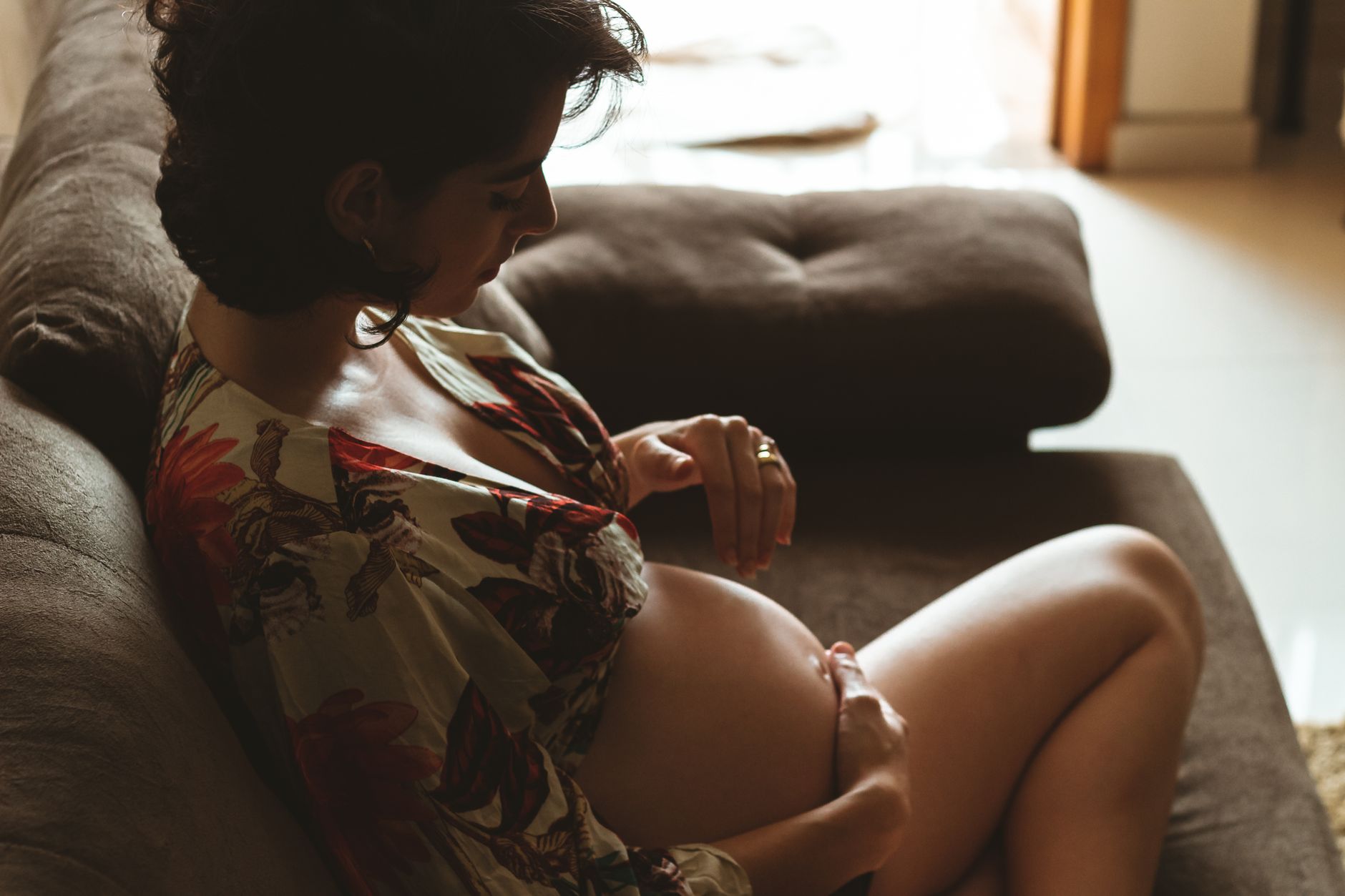
You're scrolling through your phone at 11 p.m., one hand on your belly, the other trying to find a comfortable position on the couch. The third trimester has arrived, and with it, a mix of excitement and "wait, is this normal?" moments. At 28 weeks pregnant, your baby is growing fast, your body is changing in new ways, and your to-do list feels longer than ever. One minute you're marveling at how strong those kicks are, the next you're Googling whether that twinge in your side is just another Braxton Hicks or something more.
Take a deep breath. This is a big week — but it's also a normal one. Most women at 28 weeks are feeling a mix of discomfort and anticipation, and there's a lot you can do to feel more prepared (and more comfortable) as you head into the home stretch. Below, we'll walk through exactly what to expect at 28 weeks pregnant, from your baby's development to your prenatal visit, diet tips, and how to start getting ready for labor. No medical jargon, no judgment — just the practical, reassuring answers you're looking for.
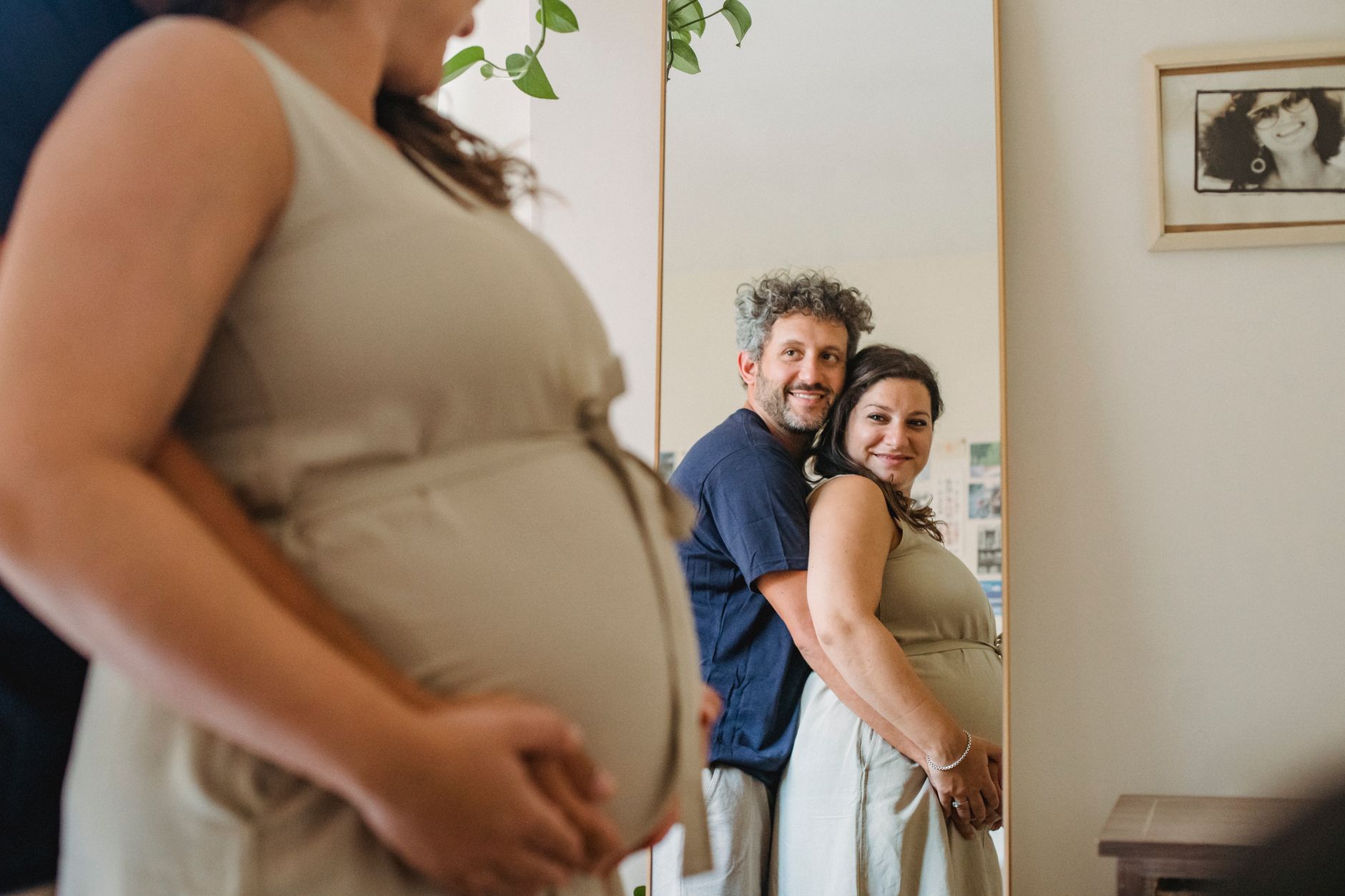
At 28 weeks, you might feel a mix of excitement and fatigue — both are completely normal.
What are the baby's development milestones at 28 weeks?
At 28 weeks, your baby is about the size of an eggplant — roughly 14.8 inches long and weighing around 2.2 pounds. But size isn't the only thing changing. This week marks some exciting (and visible) milestones in your baby's development.
One of the biggest changes? Your baby's eyes are starting to open. Until now, their eyelids have been fused shut, but around 28 weeks, they begin to separate. While their vision is still developing, they can now sense light filtering through your belly. If you shine a flashlight on your stomach, you might even feel them react with a kick or wiggle. Their brain is also growing rapidly, with billions of neurons forming connections that will help them learn and interact with the world after birth.
Another major development: your baby's hearing is becoming more refined. At 28 weeks, they can recognize your voice — and studies suggest they may even remember sounds they hear in the womb after birth. Many parents start talking, singing, or reading to their baby around this time, and while it might feel a little silly at first, it's a great way to bond. (Plus, your baby will likely recognize your voice as a source of comfort once they're born.)
Your baby's lungs are also maturing, though they're not quite ready to breathe air yet. They're practicing "breathing" movements by inhaling and exhaling amniotic fluid, which helps strengthen their respiratory muscles. Their bones are hardening, too, though they're still flexible enough to make the journey through the birth canal easier when the time comes.
One mom we spoke to described feeling her baby's hiccups for the first time at 28 weeks: "It was like little rhythmic taps, almost like a tiny drumbeat. At first, I thought it was just gas, but then I realized — it was my baby! It was one of those moments where it all felt so real." If you haven't felt hiccups yet, don't worry. Some babies get them earlier, some later, and some not at all. It's just another quirk of pregnancy.
28 weeks pregnant baby size comparison
Wondering how big your baby is at 28 weeks? Here's a quick size comparison to help you visualize:
Comparison
Size
Weight
Eggplant
14.8 inches (head to heel)
2.2 pounds
Large head of cauliflower
~15 inches
2–2.5 pounds
Two large baking potatoes
N/A
~2.2 pounds total
Standard laptop (13-inch)
~14 inches
N/A
It's worth noting that these comparisons are averages — your baby might be a little bigger or smaller, and that's usually nothing to worry about. Your provider will track their growth at your prenatal visits to make sure everything is on track.
When does the baby start to hear sounds at 28 weeks?
Your baby's hearing starts developing around 18 weeks, but by 28 weeks, it's much more refined. At this stage, they can hear your voice, your heartbeat, and even the sounds of your digestive system. They might also react to loud noises outside the womb — like a dog barking or a car horn — with a startle or a kick.
Some research suggests that babies can even recognize music they hear in the womb after birth. One study found that newborns who had been played a specific song while in utero showed signs of recognition (like calming down or turning their head) when they heard it again after birth. So if you've been playing your favorite playlist or singing lullabies, your baby might already be a fan!
28 weeks pregnant weight gain expectations
By 28 weeks, you've likely gained between 17 and 24 pounds if you started pregnancy at a "normal" BMI (body mass index). If you were underweight before pregnancy, your provider might recommend gaining a little more; if you were overweight, a little less. But remember: these are just guidelines. Every body is different, and weight gain can vary widely from person to person.
Here's a rough breakdown of where that weight goes:
Baby: ~2.2 pounds
Placenta: ~1.5 pounds
Amniotic fluid: ~2 pounds
Uterus: ~2.5 pounds
Breast tissue: ~2 pounds
Blood volume: ~4 pounds
Fluid retention: ~4 pounds
Fat stores: ~7 pounds
If your weight gain is outside the "recommended" range, try not to stress. What matters most is that your baby is growing well and you're eating a balanced diet. Your provider will let you know if there are any concerns.
One thing that can be frustrating? The way your weight is distributed. At 28 weeks, you might feel like your belly is the only part of you that's growing — but in reality, your hips, thighs, and even your face might be changing, too. Some women notice their rings feeling tighter or their shoes not fitting as well, thanks to fluid retention. If you're feeling self-conscious about these changes, you're not alone. Many moms describe feeling like their body "isn't theirs" during pregnancy, especially as the third trimester progresses.
"I remember looking in the mirror at 28 weeks and thinking, 'Who is that?' My face was rounder, my belly was huge, and I just didn't recognize myself," one reader told us. "But then I felt my baby kick, and it hit me — this is what growing a human looks like. It's not always pretty, but it's temporary, and it's worth it."
Your body is doing incredible work — even if it doesn't always feel that way.
Common symptoms at 28 weeks pregnant
At 28 weeks, your body is working overtime, and it's normal to feel a mix of discomforts. Some symptoms are just annoying; others might feel downright exhausting. Here are the most common ones at this stage — and what you can do to cope.
Braxton Hicks contractions
If you're feeling your belly tighten and relax at random times, you're likely experiencing Braxton Hicks contractions. These "practice contractions" are your uterus's way of preparing for labor, and they're completely normal at 28 weeks. Unlike real contractions, Braxton Hicks are usually irregular, painless, and go away if you change positions or drink water.
One mom described them like this: "It feels like my belly is turning into a rock for 30 seconds, then going back to normal. At first, I panicked every time, but now I just take a deep breath and wait for it to pass." If your contractions become regular, painful, or don't go away with rest, call your provider — it could be a sign of preterm labor.
Swelling (edema)
Swelling in your feet, ankles, and hands is common at 28 weeks, thanks to extra fluid retention. It's usually worse at the end of the day or in hot weather. To reduce swelling, try elevating your feet, drinking plenty of water, and avoiding salty foods. Compression socks can also help, especially if you're on your feet a lot.
When should you worry? If the swelling is sudden, severe, or accompanied by a headache, vision changes, or pain in your upper abdomen, call your provider right away. These could be signs of preeclampsia, a serious pregnancy complication.
Back pain and pelvic pressure
As your baby grows, your center of gravity shifts, putting extra strain on your back and pelvis. You might feel achy, especially after standing for long periods, or notice a dull pressure in your lower belly. A maternity support belt can help redistribute the weight, and prenatal yoga or gentle stretching might ease the discomfort.
One reader shared: "I started sleeping with a pillow between my knees at 28 weeks, and it made a huge difference. I didn't realize how much my hips were aching until I woke up without pain for the first time in weeks."
Shortness of breath
Your growing uterus is pushing up against your diaphragm, which can make it feel harder to take deep breaths. This is normal, but it can be frustrating — especially if you're used to being active. Try sitting up straight, taking slow breaths, and avoiding overexertion. If you ever feel like you can't catch your breath or notice chest pain, call your provider immediately.
Heartburn and indigestion
Progesterone, the hormone that relaxes your muscles during pregnancy, also relaxes the valve between your stomach and esophagus. This can cause stomach acid to creep up, leading to heartburn. To prevent it, try eating smaller meals, avoiding spicy or greasy foods, and not lying down right after eating. If heartburn is keeping you up at night, ask your provider about safe antacids.
Fatigue
Growing a baby is hard work, and by 28 weeks, you might feel more tired than ever. Your body is using extra energy to support your baby's growth, and your sleep might be disrupted by discomfort, frequent bathroom trips, or an active baby. Listen to your body — if you need a nap, take one. If you're struggling with insomnia, try a pregnancy pillow, a warm bath before bed, or a cup of caffeine-free tea.
Stretch marks
Stretch marks are a common (and normal) part of pregnancy, affecting up to 90% of women. They happen when your skin stretches faster than it can keep up with, causing tiny tears in the middle layer. They often appear on your belly, breasts, thighs, or hips, and can range from pink to purple to silver.
While there's no surefire way to prevent them, keeping your skin hydrated might help. Moisturizing with cocoa butter, shea butter, or a fragrance-free lotion can reduce itching and keep your skin supple. But remember: stretch marks aren't a sign of anything wrong. They're just a sign that your body is doing something amazing.
What tests are done at the 28-week prenatal visit?
Your 28-week prenatal visit is a big one. This is often when your provider will check for gestational diabetes, screen for the Rh factor, and discuss important topics like fetal movement, labor signs, and birth preferences. Here's what to expect:
Glucose screening test
Between 24 and 28 weeks, most providers recommend a glucose screening test to check for gestational diabetes, a type of diabetes that develops during pregnancy. The test involves drinking a sweet, syrupy liquid (usually orange or lemon-flavored) and having your blood drawn an hour later to measure your blood sugar levels.
If your results are high, you'll likely need a follow-up test called the glucose tolerance test. This one is longer (three hours) and requires fasting beforehand. If you're diagnosed with gestational diabetes, your provider will work with you to manage it through diet, exercise, and sometimes medication.
One mom described the glucose test like this: "I was so nervous about failing, but honestly, the drink wasn't as bad as I expected. It tasted like flat orange soda. The hardest part was sitting still for an hour afterward!"
Rh factor screening
If you haven't already been tested, your provider will check your blood type and Rh factor at 28 weeks. The Rh factor is a protein found on red blood cells. If you're Rh-negative and your baby is Rh-positive, your body could produce antibodies that attack your baby's blood cells in a future pregnancy. To prevent this, you'll receive a shot of Rh immunoglobulin (RhoGAM) at 28 weeks and again after delivery if your baby is Rh-positive.
Blood pressure check
Your provider will check your blood pressure at every prenatal visit. At 28 weeks, they're especially watching for signs of preeclampsia, a condition characterized by high blood pressure and protein in the urine. Preeclampsia can be serious, so it's important to report any symptoms like severe headaches, vision changes, or sudden swelling.
Urine test
You'll likely give a urine sample at this visit to check for protein, sugar, and signs of infection. Protein in your urine can be a sign of preeclampsia, while sugar might indicate gestational diabetes.
Fetal movement monitoring
Your provider will ask about your baby's movements. At 28 weeks, you should be feeling regular kicks, rolls, and jabs. If you notice a decrease in movement, call your provider right away. They might recommend a non-stress test or ultrasound to check on your baby.
What to expect during the 28-week ultrasound
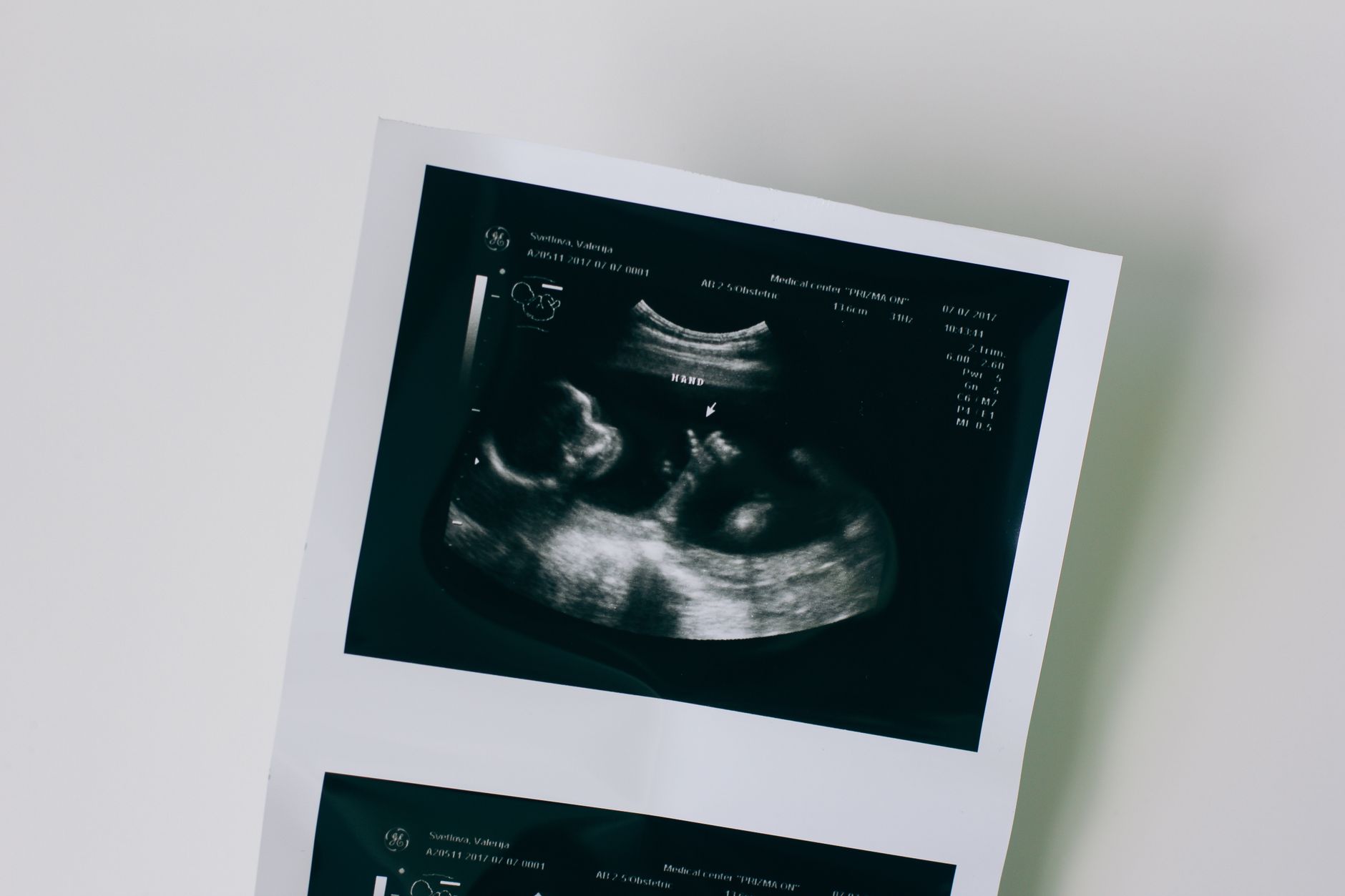
Some providers perform an ultrasound at 28 weeks, especially if you're high-risk or if there are concerns about your baby's growth. This ultrasound will check your baby's size, position, and amniotic fluid levels. You might also get a peek at their face, hands, or feet — and if you're lucky, you might even see them sucking their thumb or yawning!
One reader told us: "I was so nervous before my 28-week ultrasound, but seeing my baby's face on the screen — and realizing they looked like my husband — made it all feel so real. I left the appointment feeling like I could take on anything."
A 28-week ultrasound can give you a sneak peek at your baby's features — and maybe even their personality.
How to prepare for labor at 28 weeks
It might feel early, but 28 weeks is a great time to start preparing for labor and delivery. The more you know, the more confident you'll feel when the big day arrives. Here's what you can do now to get ready:
Take a childbirth class
Childbirth classes are a great way to learn about labor, delivery, and postpartum care. Many hospitals and birth centers offer classes, or you can find online options if you prefer. Topics often include:
Medical interventions (induction, C-sections, etc.)
Newborn care and breastfeeding basics
Postpartum recovery and emotional health
One mom shared: "I was so nervous about labor, but my childbirth class made me feel so much more prepared. Learning about the different stages — and realizing that labor is a marathon, not a sprint — helped me feel more in control."
Pack your hospital bag
At 28 weeks, it's not too early to start packing your hospital bag. You never know when labor might start, and having everything ready can give you peace of mind. Here's a checklist of what to include:
For you: Comfortable robe, non-slip socks, nursing bras, loose pajamas, toiletries, phone charger, snacks, lip balm, and a going-home outfit (think loose, comfortable clothes — you'll still look about 6 months pregnant after delivery).
For baby: Newborn-sized onesies, socks, mittens (to prevent scratching), a hat, swaddle blankets, and a going-home outfit. Don't forget a car seat — hospitals won't let you leave without one!
For your partner: Change of clothes, toiletries, snacks, and entertainment (like a book or tablet).
Extras: Insurance information, birth plan (if you have one), and a list of people to call or text after delivery.
Write a birth plan (but stay flexible)
A birth plan is a document that outlines your preferences for labor and delivery. It can include things like:
Whether you want delayed cord clamping or skin-to-skin contact immediately after birth
Your preferences for interventions like induction or C-sections
Remember: birth is unpredictable, and it's okay if things don't go exactly as planned. The goal of a birth plan isn't to control every detail — it's to communicate your wishes and feel more prepared. Share your plan with your provider and bring a copy to the hospital.
Practice perineal massage
Perineal massage is a technique that can help reduce the risk of tearing during delivery. It involves gently stretching the tissue between your vagina and anus (the perineum) to make it more flexible. You can start practicing at 28 weeks, either on your own or with your partner's help.
Here's how to do it:
Wash your hands and find a comfortable position (like sitting with your back against pillows or standing with one foot on a chair).
Apply a water-based lubricant to your thumbs and the perineum.
Insert your thumbs about an inch into your vagina and press downward toward your rectum.
Gently stretch the tissue by moving your thumbs in a U-shaped motion for about 2 minutes.
Repeat 2–3 times per week.
One reader said: "I was skeptical about perineal massage, but it really helped me feel more connected to my body. Plus, it gave my partner a way to be involved in the process."
Learn the signs of preterm labor
While most babies born at 28 weeks survive with medical care, preterm labor is still something to take seriously. Call your provider right away if you notice any of these signs:
Regular contractions (more than 4–6 per hour)
Low, dull backache
Pelvic pressure or cramping
Increase in vaginal discharge (especially if it's watery, bloody, or mucus-like)
Fluid leaking from your vagina (this could be your water breaking)
How many weeks until your due date from 28 weeks?
At 28 weeks, you're in the third trimester — and you're about 70% of the way through your pregnancy. You have roughly 12 weeks left until your due date (give or take a week or two, since only about 5% of babies are born on their exact due date). That's about 3 months, or one more trimester to go!
It might feel like a long time, but it'll fly by. One mom told us: "I remember thinking 28 weeks felt like the home stretch, but then I blinked and it was 38 weeks. The third trimester is a marathon, but you can do it — one day at a time."
28 weeks pregnant diet recommendations
At 28 weeks, your baby is growing rapidly, and your body needs extra nutrients to support that growth. Eating a balanced diet can also help manage common pregnancy symptoms like fatigue, constipation, and heartburn. Here's what to focus on — and what to avoid.
Iron-rich foods
Your blood volume has increased by about 50% during pregnancy, and your body needs iron to make hemoglobin, the protein in red blood cells that carries oxygen. At 28 weeks, your iron needs are higher than ever — about 27 mg per day. Low iron can lead to anemia, which can cause fatigue, dizziness, and an increased risk of preterm birth.
Good sources of iron include:
Lean red meat (beef, lamb)
Poultry (chicken, turkey)
Fish (salmon, sardines — but avoid high-mercury fish like shark or swordfish)
Beans and lentils
Tofu and tempeh
Dark leafy greens (spinach, kale)
Fortified cereals and breads
Nuts and seeds (pumpkin seeds, cashews)
To boost iron absorption, pair iron-rich foods with vitamin C (like oranges, bell peppers, or strawberries). Avoid drinking coffee or tea with meals, as the tannins can inhibit iron absorption.
Calcium for bone development
Your baby's bones are hardening, and they need calcium to do it. If you don't get enough calcium from your diet, your body will take it from your bones, which can increase your risk of osteoporosis later in life. Aim for 1,000 mg of calcium per day (1,300 mg if you're under 19).
Good sources of calcium include:
Dairy products (milk, yogurt, cheese)
Fortified plant-based milks (almond, soy, oat)
Leafy greens (kale, collard greens)
Tofu (if made with calcium sulfate)
Almonds and almond butter
Chia seeds
Protein for growth
Protein is essential for your baby's growth, especially in the third trimester. Aim for about 71 grams per day. Good sources include:
Lean meats (chicken, turkey, beef)
Fish (salmon, cod, tilapia)
Eggs
Beans and lentils
Greek yogurt
Nuts and seeds
Quinoa
Fiber to prevent constipation
Progesterone slows down your digestive system, which can lead to constipation. Eating plenty of fiber can help keep things moving. Aim for 25–30 grams of fiber per day. Good sources include:
Fruits (apples, pears, berries, prunes)
Vegetables (broccoli, carrots, sweet potatoes)
Whole grains (oatmeal, brown rice, whole-wheat bread)
Beans and lentils
Nuts and seeds (chia seeds, flaxseeds)
Drinking plenty of water is also key to preventing constipation. Aim for at least 8–10 cups per day.
Foods to avoid at 28 weeks
Some foods can pose risks during pregnancy, either because they might contain harmful bacteria or because they could affect your baby's development. Here's what to steer clear of:
Raw or undercooked meat, poultry, or seafood: These can contain harmful bacteria like listeria or salmonella. Make sure all meat is cooked to a safe internal temperature.
High-mercury fish: Avoid shark, swordfish, king mackerel, and tilefish. Limit canned tuna to 1–2 servings per week.
Raw or undercooked eggs: These can contain salmonella. Avoid foods like raw cookie dough, homemade Caesar dressing, or sunny-side-up eggs.
Unpasteurized dairy and soft cheeses: These can contain listeria. Avoid cheeses like brie, camembert, feta, and blue cheese unless they're labeled as pasteurized.
Unwashed fruits and vegetables: These can contain harmful bacteria or pesticides. Wash all produce thoroughly before eating.
Excess caffeine: Limit caffeine to 200 mg per day (about one 12-ounce cup of coffee). Too much caffeine can increase the risk of miscarriage or low birth weight.
Alcohol: There's no safe amount of alcohol during pregnancy. Avoid it completely.
28 weeks pregnant meal ideas
Here are a few simple, nutrient-packed meal ideas for 28 weeks:
Breakfast: Greek yogurt with berries, chia seeds, and a drizzle of honey; or scrambled eggs with spinach and whole-wheat toast.
Lunch: Grilled chicken salad with mixed greens, avocado, and a lemon-tahini dressing; or a quinoa bowl with roasted vegetables, chickpeas, and feta.
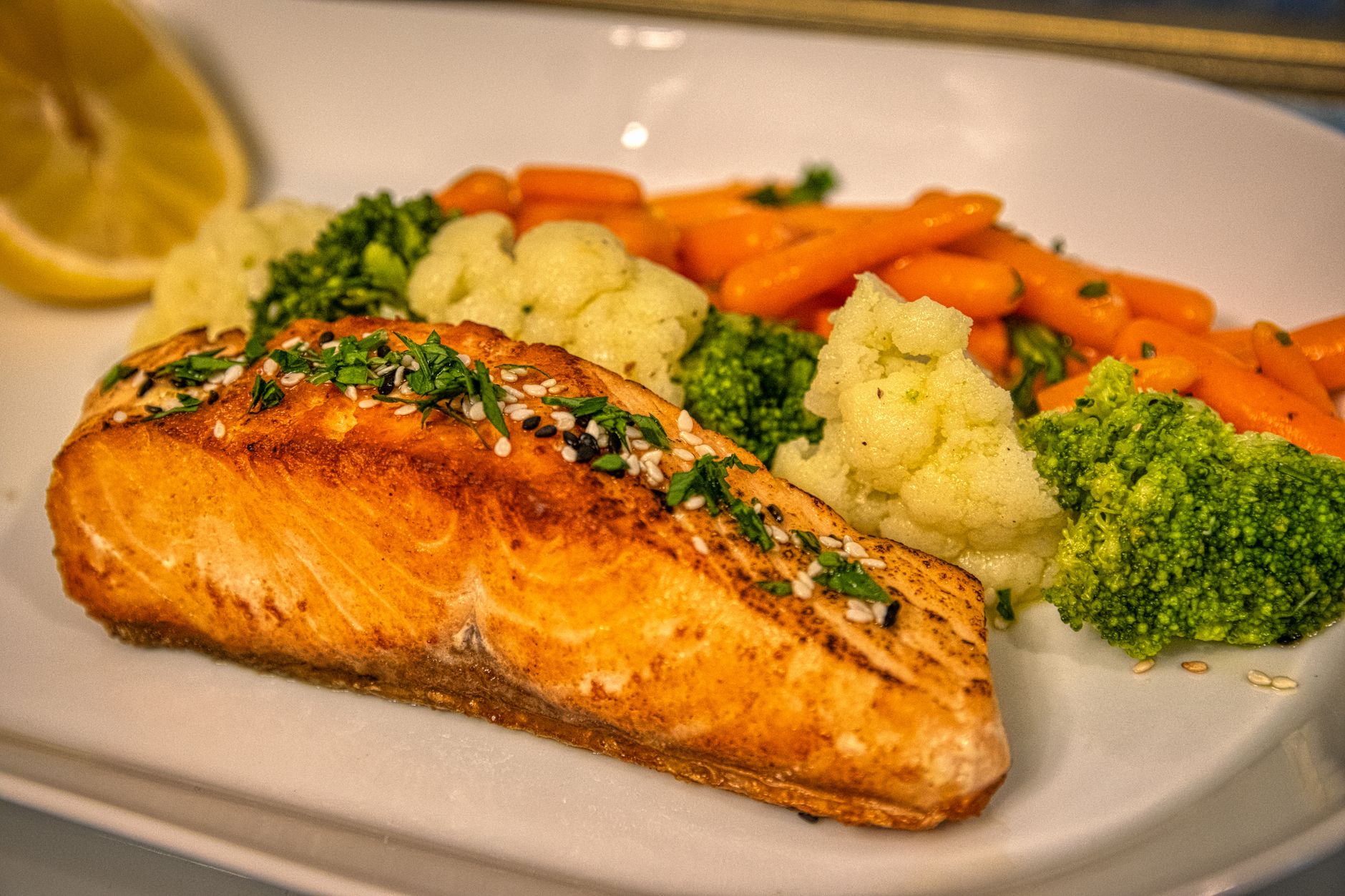
Dinner: Baked salmon with sweet potato and steamed broccoli; or lentil curry with brown rice and naan.
Snacks: Apple slices with almond butter; hummus with carrot and cucumber sticks; or a handful of trail mix.
Focus on balanced meals with iron, calcium, and protein to support your baby's growth.
Is it normal to have Braxton Hicks at 28 weeks?
Yes, it's completely normal to have Braxton Hicks contractions at 28 weeks — and even earlier. These "practice contractions" are your uterus's way of preparing for labor. They're usually irregular, painless, and go away if you change positions or drink water.
Braxton Hicks contractions can feel like:
A tightening or hardening of your belly
A mild cramping sensation (like menstrual cramps)
Pressure in your pelvis or lower abdomen
They're different from real contractions in a few key ways:
Braxton Hicks
Real Contractions
Irregular (don't follow a pattern)
Regular (come at predictable intervals)
Usually painless or mildly uncomfortable
Often painful (like strong menstrual cramps)
Go away with rest or hydration
Get stronger and closer together over time
Don't cause cervical changes
Cause the cervix to dilate and efface
If you're unsure whether you're experiencing Braxton Hicks or real contractions, call your provider. They can help you figure out what's going on and whether you need to be seen.
One mom described her first Braxton Hicks like this: "I was at work when I felt my belly tighten up like a drum. I panicked and called my provider, who reassured me it was just Braxton Hicks. Now I know — if it's not regular or painful, it's probably nothing to worry about."
28 weeks pregnant exercise safety
Staying active during pregnancy has tons of benefits: it can reduce back pain, improve your mood, boost your energy, and even help you sleep better. At 28 weeks, it's important to listen to your body and adjust your routine as needed. Here's what to keep in mind:
Safe exercises for 28 weeks pregnant
Most low-impact exercises are safe at 28 weeks, as long as you feel comfortable and your provider gives you the green light. Good options include:
Walking: A brisk walk is a great way to stay active without putting too much strain on your joints.
Swimming: The water supports your weight, making it easier to move without discomfort. Plus, it's a great way to cool off!
Prenatal yoga: Yoga can help improve flexibility, reduce stress, and prepare your body for labor. Look for a prenatal-specific class or follow along with a video at home.
Stationary biking: This is a low-impact way to get your heart rate up without risking a fall.
Strength training: Light weights or resistance bands can help maintain muscle tone. Focus on exercises that strengthen your core, back, and pelvic floor.
Pelvic floor exercises: Kegels can help prevent incontinence and prepare your body for labor. To do a Kegel, squeeze the muscles you use to stop the flow of urine, hold for 5 seconds, then release. Repeat 10–15 times, a few times per day.
Exercises to avoid at 28 weeks
Some exercises can be risky during pregnancy, especially in the third trimester. Avoid:
Contact sports (soccer, basketball, hockey)
Activities with a high risk of falling (skiing, horseback riding, gymnastics)
Hot yoga or hot Pilates (overheating can be dangerous for your baby)
Not sure about the label on 28 Weeks Pregnant What To Expect products?
Snap the ingredients list and SafeFilter checks every ingredient for your stage — only 3 free scans this month, then you're locked until reset. Unlimited from $7/mo or $50/yr.
When Shubhra Mishra was expecting her first child in 2016, she was overwhelmed by conflicting food advice — one site said yes, another said never. By the time her second baby arrived in 2019, she realized millions of mothers face the same confusion.
That sparked a five-year journey through clinical nutrition papers, cultural diets, and expert conversations — all leading to BumpBites: a calm, compassionate space where science meets everyday motherhood.
Her long-term vision is to build a global community ensuring safe, supported, and free deliveriesfor every mother — because no woman should face pregnancy alone or uninformed. 🌿
🌍 Stand with mothers, shape safer guidance
Join a small circle of experts who review BumpBites articles so expecting parents everywhere can decide with confidence.