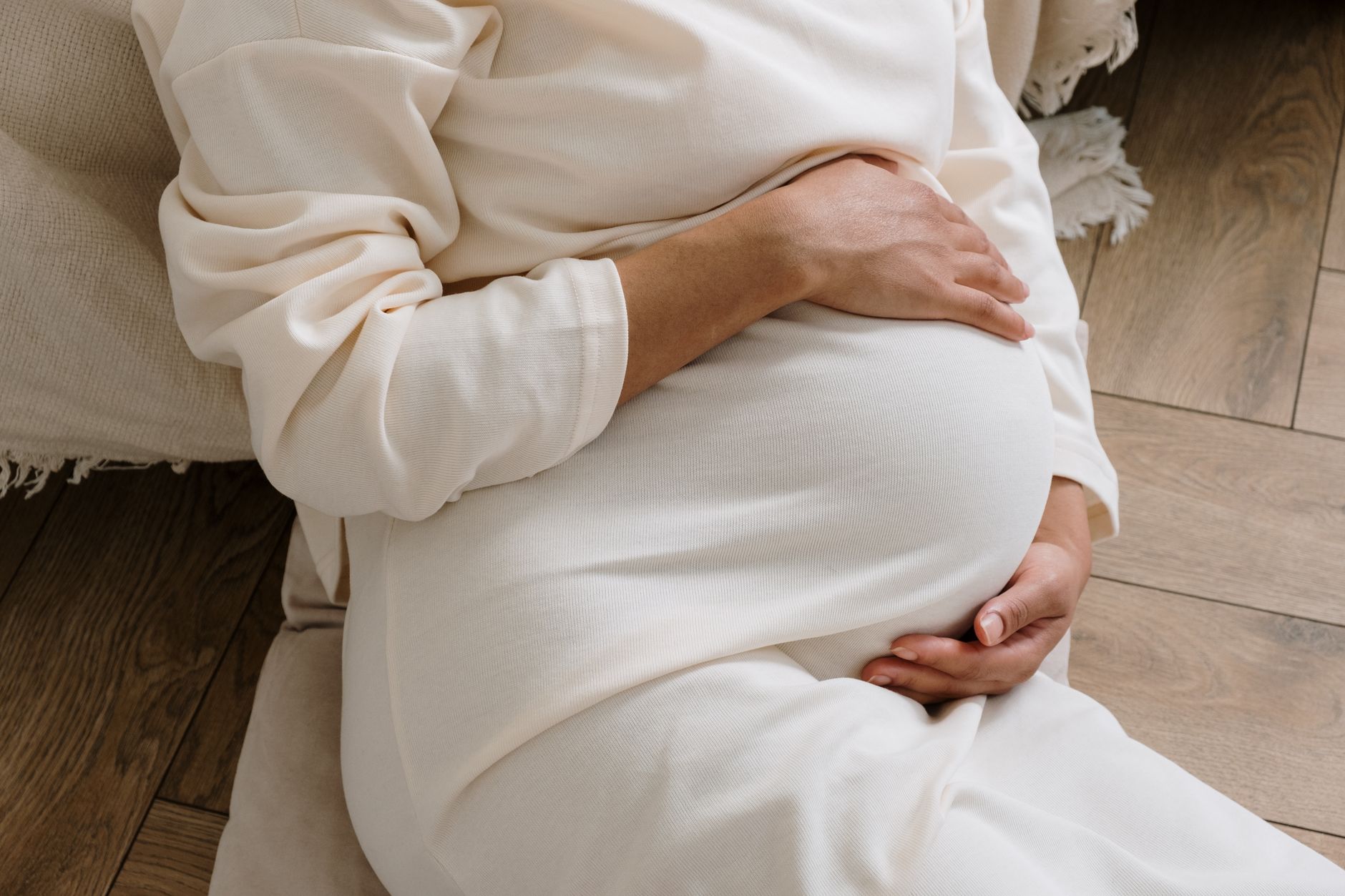
At 28 weeks pregnant, your belly size varies based on body type, baby’s position, and amniotic fluid. Learn what’s typical, why differences occur, and when to consult your doctor.
By Shubhra Mishra — a mom of two who turned her own confusion during pregnancy into BumpBites, a global mission to make food choices clear, safe, and stress-free for every expecting mother. 💛
Check whether any food is safe during pregnancy with the BumpBites Food Safety Checker.
Quick take: At 28 weeks, most pregnant bellies measure about 28 cm (11 in) from the top of the uterus to the pubic bone—a range that can vary by a few centimeters depending on your body type, whether it’s your first or later pregnancy, and the baby’s position. If your belly feels a bit larger or smaller, it’s usually normal, but sudden changes or persistent concerns should be discussed with your provider.
It’s 2 a.m., you’re curled up on the couch, and a gentle kick suddenly reminds you that you’re 28 weeks pregnant. A quick search later you’re staring at a screen wondering: “Is my belly size normal?” You’re not alone. Many expectant parents grapple with the same question, especially as the bump becomes more pronounced and daily life adjusts to its presence.
In this article we’ll walk through what a typical 28‑week belly looks like, why size can differ from person to person, how clinicians measure growth, and when a change might need a doctor’s eye. We’ll also share practical tips for easing the physical discomfort that often accompanies a growing belly.
By the end you’ll have a clear picture of what “average” means, which factors shape your bump, and the simple steps you can take to stay comfortable and confident through the third trimester.
What is the average belly size at 28 weeks pregnant?
When doctors talk about belly size in the second half of pregnancy they usually refer to fundal height—the distance from the top of the uterus (the fundus) to the top of the pubic bone. At 28 weeks, ACOG’s (American College of Obstetricians and Gynecologists) guidelines suggest a typical fundal height of ≈ 28 cm (11 in), give or take 2 cm. This measurement often mirrors the baby’s length, which at this stage averages about 35 cm (14 in) from head to heel and weighs roughly 1,100 g (2.4 lb).
Because the uterus expands in a roughly spherical shape, the external “bump” you see can seem larger or smaller than the fundal height number alone would predict. A visual comparison chart—commonly found in prenatal classes—shows that most 28‑week bellies fill the lower half of the abdomen, with the top of the uterus just below the rib cage. This measurement is a key screening tool, offering a simple, non-invasive way for your provider to monitor your baby's growth trajectory and ensure everything is progressing as expected. While it's a helpful guide, it's not a precise diagnostic tool on its own, and a slight deviation doesn't automatically mean there's a problem.
The 28-week mark is often considered the start of the third trimester, a period of rapid fetal growth and development. Your baby is busy gaining weight, their lungs are maturing, and their brain is developing complex connections. Feeling those strong kicks and movements is a wonderful sign of their activity and growth, and the size of your belly is simply the visible evidence of this incredible process unfolding within you.
Gestational Age
Typical Fundal Height (cm)
Average Fetal Length (cm)
Average Fetal Weight (g)
26 weeks
26 ± 2
33
950
27 weeks
27 ± 2
34
1,050
28 weeks
28 ± 2
35
1,150
29 weeks
29 ± 2
36
1,250
These numbers are averages; individual variation is normal. If your fundal height falls within the 26‑30 cm range, most providers will consider it appropriate for 28 weeks. Keep in mind that the measurement is a screening tool, not a definitive diagnosis—other factors such as fetal position and amniotic fluid volume also play a role. Your provider looks for a consistent growth pattern over time, rather than focusing on a single measurement.
What factors influence 28 week pregnant belly size?
S
everal variables can shift the size of a 28‑week belly, and understanding them helps you interpret what you see in the mirror. It’s a complex interplay of your body, your baby's position, and the unique conditions of your pregnancy. Often, what appears as a "larger" or "smaller" bump is simply a reflection of these normal variations, rather than a cause for concern.
Parity (first vs. later pregnancy)
Women who have been pregnant before often notice a slightly larger belly earlier in the third trimester. The abdominal muscles and skin have already been stretched, so the uterus can expand more freely, typically adding 1–2 cm to the fundal height compared with a first‑time pregnancy. This isn't because the baby is necessarily bigger, but because your body has a "memory" of pregnancy and adapts more readily to the expanding uterus.
Maternal body type and BMI
Pre‑pregnancy body mass index (BMI) influences how much of the uterus’s growth is visible externally. According to the NHS (National Health Service, UK), women with a higher BMI may have a less pronounced bump because subcutaneous fat can mask uterine expansion. Conversely, a very lean body may show a more obvious protrusion, even if the fundal height is within the normal range. Your body's natural shape and how your weight is distributed also play a role, making each bump unique.
Baby’s position
The fetus can be head‑down (cephalic), breech, or transverse. A head‑down baby often makes the belly feel narrower, while a breech or side‑lying baby can create a broader silhouette. The position also affects how the uterus sits—if the baby’s back is against the mother’s spine, the fundal height may read slightly higher. Your baby might also be tucked deep into your pelvis, making your bump appear smaller, or riding high, making it look larger. Their constant wiggles and shifts can even change your belly's appearance from one day to the next!
Amniotic fluid volume
Polyhydramnios (excess fluid) can enlarge the belly, whereas oligohydramnios (low fluid) may make it appear smaller. Ultrasound assessments at the 28‑week visit usually include an amniotic fluid index (AFI) to rule out significant deviations. These conditions are typically identified and monitored by your healthcare provider, and are not usually something you can detect simply by looking at your belly.
Multiple gestations (twins or more)
Carrying twins typically adds 2–3 cm to the fundal height at 28 weeks. A twin pregnancy often feels wider and heavier, and the fundal height may be 30–33 cm. Your provider will monitor growth closely with more frequent ultrasounds. It's perfectly normal for a multiple pregnancy to result in a significantly larger bump, reflecting the incredible feat of growing two or more babies at once!
Uterine tone and ligament laxity
Hormonal changes (especially increased relaxin) loosen ligaments, allowing the uterus to expand more easily. Some women notice a rapid change in belly size within a few days, which is usually harmless but worth noting at prenatal visits. Your uterine muscles also have varying degrees of tone, which can affect how firm or soft your belly feels and looks.
Other factors
Factors such as maternal age, previous abdominal surgeries, and genetic conditions can also alter how the belly looks. However, these are less common contributors compared with the ones listed above. Ultimately, your belly's size and shape are a unique reflection of your body and your baby's journey, and rarely a direct cause for concern without other clinical signs.
Understanding these influences can help you differentiate normal variation from something that truly needs medical attention.
Is my 28 week pregnant belly too big or too small?
Determining whether a belly is “too big” or “too small” hinges on the fundal height measurement and the overall health context. If your fundal height is consistently < 26 cm or > 30 cm at 28 weeks, your provider may investigate further. This doesn't mean there's definitely a problem, but it signals a need for a closer look, usually starting with an ultrasound to get a clearer picture of your baby's growth and the amniotic fluid levels.
A fundal height < 26 cm could signal:
Low amniotic fluid (oligohydramnios)
Intrauterine growth restriction (IUGR), meaning the baby isn't growing as expected
Incorrect dating of the pregnancy, which is often easily corrected
If IUGR is suspected, your provider will discuss monitoring strategies and potential interventions to support your baby's growth, which might include more frequent check-ups and specialized ultrasounds. Oligohydramnios would also be closely monitored, as it can affect fetal development and well-being.
A fundal height > 30 cm might indicate:
Polyhydramnios (excess fluid)
Gestational diabetes leading to a larger baby (macrosomia)
Multiple gestation (twins, triplets)
In cases of suspected gestational diabetes, you would likely undergo a glucose tolerance test if you haven't already, and receive guidance on managing blood sugar through diet and potentially medication. Polyhydramnios is also carefully monitored to prevent complications like preterm labor. Remember, these are possibilities, and often, a slightly larger or smaller measurement is simply a normal variation for you.
Most of the time, modest deviations are harmless. Your obstetrician will compare the measurement to your earlier growth curve and may order an ultrasound if the trend suggests a problem. Remember, the external size of the belly is only one piece of the puzzle; fetal growth charts, maternal weight gain, and symptom review all help paint the full picture. The goal is always to ensure the healthy development of your baby and your well-being.
How is fundal height measured at 28 weeks and what does it mean?
Fundal height is measured with a soft, flexible tape while you lie on your back with relaxed abdominal muscles. The clinician locates the top of the uterus (the fundus) by feeling for the highest point of the bump and then measures straight down to the pubic bone. The result is recorded in centimeters and compared to gestational age. This simple procedure is a routine part of your prenatal care from around 20 weeks onward, providing a consistent way to track your uterine growth.
Here’s a step‑by‑step guide you might hear during a prenatal visit:
Lie flat on an exam table with a pillow under your knees.
The provider gently palpates the abdomen to find the uterine fundus.
Using a non‑stretchable measuring tape, they measure from the fundus to the top of the pubic symphysis.
The number is recorded and plotted on the Fundal Height Growth Chart, which aligns the measurement with weeks of gestation.
The chart helps clinicians spot trends. A steady increase of about 1 cm per week from 20 to 36 weeks is expected. If the line plateaus or spikes sharply, it prompts further evaluation—often via ultrasound. This consistent tracking is more important than any single measurement, as it reveals the ongoing pattern of your baby's growth. According to the WHO’s recommendations for routine antenatal care, fundal height is a simple, low‑cost screening tool that, when combined with other assessments, can detect growth abnormalities early enough for intervention. It’s a foundational part of monitoring your pregnancy's progress.
What does a 28 week pregnant belly look and feel like?
Visually, a 28‑week belly typically forms a rounded mound that rises just below the rib cage. The skin may show a pinkish hue, and stretch marks (striae gravidarum) often begin to appear, especially on the hips, thighs, and abdomen. The belly may feel firm yet slightly give under gentle pressure, reflecting the growing uterus and the baby’s movements. You might also notice your belly button starting to flatten or even pop out, a common change as your uterus pushes outward.
Physically, many women notice these sensations:
Braxton Hicks contractions: Irregular, painless tightening that can feel like a mild “wave” across the belly. They’re normal and usually begin in the second trimester, becoming more noticeable as your uterus grows and practices for labor.
Increased fetal movement: At 28 weeks, kicks and rolls become more frequent and stronger. You may feel distinct “punches” or “rolls” as the baby stretches, practices breathing movements, and responds to sounds and light.
Round ligament pain: A sharp, brief ache on the sides of the lower abdomen, especially when standing up quickly or changing positions. This is due to the ligaments supporting your uterus stretching.
Back and hip ache: As the center of gravity shifts forward, the lumbar spine bears more load, leading to mild discomfort. Your posture naturally adjusts to accommodate the growing bump, which can strain muscles and joints.
A feeling of "heaviness": Many moms describe a general sensation of weight and fullness in the lower abdomen, especially by the end of the day or after prolonged activity.
These experiences are typical, but the intensity can vary. Some mothers describe the belly as “soft and squishy,” while others find it “tight and firm.” Both sensations are normal, reflecting the dynamic nature of uterine growth and your baby's activity. Embrace these changes as signs of your body's incredible work!
Feeling the bump can help you track growth and notice any sudden changes.
When should I be concerned about my 28 week pregnant belly size?
Most variations in belly size are benign, but certain signs warrant a prompt call to your provider. It's always better to err on the side of caution when it comes to your pregnancy, so don't hesitate to reach out if something feels off or doesn't sit right with you. Your healthcare team is there to support and reassure you.
Sudden rapid increase in size (e.g., gaining > 2 cm in a few days) without a clear reason, especially if accompanied by swelling in your face, hands, or feet.
Visible swelling or a feeling of fullness that doesn’t ease with rest, which could be a sign of pre-eclampsia or other fluid retention issues.
Severe or persistent abdominal pain, especially if accompanied by bleeding, fever, or fluid leakage. This could indicate preterm labor, placental issues, or other complications.
Decreased fetal movement—if you notice a noticeable drop in kicks over 24 hours, or if your baby's usual pattern changes significantly, contact your provider immediately. This is a critical sign that needs urgent attention.
Persistent feeling that the belly is “too small” despite normal weight gain, particularly if you haven't felt much growth over several weeks.
If any of these occur, schedule an appointment or go to urgent care. Your clinician may order an ultrasound, a non‑stress test (NST), or an amniotic fluid index check to ensure both you and the baby are thriving. Trust your instincts—if something doesn't feel right, get it checked out.
Tips for managing discomfort from a growing 28 week pregnant belly
Living with a larger belly can bring new aches, but simple strategies often make a big difference. The key is to listen to your body and make adjustments that provide comfort and support as your bump expands. Many of these tips can be incorporated into your daily routine to alleviate common third-trimester discomforts.
Supportive maternity belt: A well‑fitted belly band can offload pressure from the lower back and pelvis, especially when standing or walking. Look for one that's breathable and adjustable, and wear it for short periods as needed, rather than all day.
Mindful posture: Keep your shoulders back, hips aligned, and use a lumbar roll when seated. The “standing tall” cue helps distribute weight evenly and reduces strain on your lower back. Imagine a string pulling you up from the crown of your head.
Sleep on your left side: This position improves uterine blood flow and reduces pressure on the vena cava (a major vein), easing swelling and back pain. Use a pregnancy pillow to support your belly, back, and knees for optimal comfort.
Gentle stretching: Prenatal yoga poses like “Cat‑Cow” and “Child’s Pose” relieve tension in the lower back and hips. Pelvic tilts are also excellent for strengthening core muscles and easing back discomfort. Always move slowly and avoid overstretching.
Stay hydrated and eat fiber‑rich foods: Adequate fluids and fiber prevent constipation, which can exacerbate abdominal discomfort and bloating. Aim for at least 8-10 glasses of water daily and include plenty of fruits, vegetables, and whole grains in your diet.
Take frequent, short walks: Light activity keeps muscles flexible and reduces the “stiffness” many feel after sitting for long periods. Even a 15-minute stroll can boost circulation and improve your mood.
Warm baths or heat/cold packs: A warm bath (not too hot!) can soothe aching muscles, or you can use a warm compress on your back and a cold pack on swollen feet. Always consult your doctor before using heat packs on your abdomen.
Remember, each body responds differently. If a particular tip doesn’t help, talk with your provider—there may be personalized recommendations such as physical therapy or customized orthotics. Don't suffer in silence; there are many ways to find relief.
A supportive maternity belt can relieve back strain as the belly expands.
Skin and belly button changes at 28 weeks
As your belly expands rapidly in the third trimester, it's common to notice several changes to your skin and belly button. These are almost always normal, hormonally driven, and often temporary, but they can sometimes be a source of curiosity or concern.
Stretch marks (striae gravidarum)
Stretch marks are common, appearing as pink, red, or purple lines on your abdomen, hips, breasts, and thighs. They occur when the skin stretches quickly, tearing the underlying connective tissue. While genetics play a significant role in who gets them, staying well-hydrated and moisturizing your skin regularly with creams or oils can help maintain skin elasticity and potentially minimize their appearance. They often fade to a silvery-white color after birth.
Linea nigra
This is a dark line that can appear vertically down the center of your belly, from your navel to your pubic bone. It's caused by increased melanin production due to pregnancy hormones. The linea nigra is completely harmless and typically fades significantly, or disappears entirely, within a few months postpartum.
Belly button changes
Your belly button, or navel, may also undergo changes. As your uterus grows and pushes against the abdominal wall, your belly button might flatten out or even "pop out," becoming an outie. This is a normal phenomenon and usually reverts to its pre-pregnancy state after delivery. In some cases, the outward pressure can lead to a small umbilical hernia, where a portion of the intestine pushes through the abdominal wall. While this can be uncomfortable, it's usually benign during pregnancy and often resolves on its own or can be addressed postpartum.
These skin and belly button changes are a natural part of pregnancy, a testament to the incredible transformations your body is undergoing to grow your baby. If you experience any itching or discomfort that seems excessive, or notice any unusual rashes, always mention it to your provider.
How nutrition and weight gain influence belly size at 28 weeks
Nutrition doesn’t directly change the size of the uterus, but the patterns of maternal weight gain can affect how prominent the bump looks. The ACOG Nutrition Committee recommends a balanced diet rich in protein, iron, calcium, and omega‑3 fatty acids, while avoiding excessive empty calories. When you gain weight at a steady, guideline‑consistent pace, the belly’s outward appearance tends to match the internal growth of the baby, indicating healthy development.
If you’re gaining weight more rapidly than the WHO’s suggested 0.5 kg (1 lb) per week for a normal‑BMI pregnancy, you may notice a larger‑looking belly that isn’t solely due to fetal size but also to increased maternal fat stores. Conversely, very modest weight gain can make the bump appear smaller, even if the baby is developing normally. Tracking your weekly weight, staying hydrated, and choosing nutrient‑dense foods—like leafy greens, lean meats, legumes, and whole grains—helps keep the external and internal growth in sync. Eating well not only supports your baby's development but also provides you with the energy needed to navigate the demands of the third trimester.
Balanced meals support healthy weight gain and a comfortable belly.
Safe exercises and movement for a growing 28‑week belly
Staying active supports circulation, reduces back pain, and can even help maintain a more comfortable belly shape. The NHS advises that most pregnant people can continue low‑impact activities such as walking, swimming, stationary cycling, and prenatal yoga, provided there are no contraindications like placenta previa or pre‑eclampsia. Aim for at least 150 minutes of moderate‑intensity activity per week, split into manageable sessions. Regular movement can also help prepare your body for labor and recovery.
When you exercise, focus on core‑stabilizing moves that don’t compress the abdomen—think pelvic tilts, seated side‑bends, and gentle squats with support. Avoid deep twists, heavy lifting, or high‑impact aerobics that could strain the uterine ligaments. Listen to your body and modify exercises as your belly grows. For example, switch from crunches to pelvic tilts to protect your abdominal muscles. If you feel dizziness, shortness of breath, or any pain, stop immediately and discuss it with your provider. Always ensure you stay well-hydrated before, during, and after exercise.
Understanding diastasis recti in the third trimester
Diastasis recti is a common condition during pregnancy where the two large parallel bands of muscles that meet in the middle of your abdomen (the rectus abdominis muscles, or "six-pack" muscles) separate. This separation happens as your uterus expands and puts pressure on the connective tissue (linea alba) that runs down the center of your belly. While it's most often noticed postpartum, the separation can begin to develop and become apparent in the third trimester, contributing to the shape and feel of your belly.
You might notice a "doming" or "coning" effect in the center of your abdomen when you sit up, cough, or strain. This is the internal organs pushing through the gap between the separated muscles. Diastasis recti is not usually painful, but it can contribute to back pain, poor posture, and a feeling of abdominal weakness. Most women experience some degree of separation by the end of pregnancy, and it's a natural adaptation of your body. Your provider can check for diastasis recti during your prenatal visits.
While you can't always prevent diastasis recti, you can manage it and prevent it from worsening by avoiding exercises that put excessive strain on your abdominal muscles, such as traditional crunches or sit-ups. Instead, focus on gentle core-strengthening exercises that support the deep abdominal muscles (like pelvic tilts and transverse abdominis exercises) and maintain good posture. After birth, specific physical therapy can help to heal and strengthen the abdominal wall. Remember, it's a common and manageable condition, and your body is simply making space for your growing baby.
What to expect at your 28‑week prenatal appointment
By week 28, most obstetricians schedule a comprehensive check‑up that includes fundal height measurement, blood pressure monitoring, urine testing for protein and glucose, and a detailed ultrasound to assess fetal growth and amniotic fluid volume. The visit also offers a chance to discuss any new symptoms—such as swelling, back pain, or changes in fetal movement—and to review nutrition, weight‑gain goals, and birth‑plan questions. This appointment often marks the transition to more frequent visits, typically every two weeks until 36 weeks.
At this appointment, if you are Rh-negative, you will likely receive a RhoGAM shot to prevent your body from developing antibodies that could harm your baby. Your provider may also discuss the glucose tolerance test (if you haven't had it yet) to screen for gestational diabetes, and they will check for any signs of pre-eclampsia, such as high blood pressure and protein in your urine. Bring a list of any over‑the‑counter supplements you’re taking, and don’t hesitate to ask about anything that feels unclear—your next appointment is a perfect time for those conversations. This is a pivotal appointment as you enter the final stretch of pregnancy.
Preparing for the third trimester: What comes next for your growing bump?
The 28-week mark is a significant milestone, ushering you into the third and final trimester. As your bump continues its impressive growth spurt, you can expect an intensification of many of the sensations you're already feeling, along with some new ones. Your baby will gain most of their weight during these last twelve weeks, meaning your belly will grow even larger and more prominent.
You might notice more pronounced fetal movements, sometimes even seeing your baby's limbs push out against your skin. Discomforts like back pain, pelvic pressure, and shortness of breath can become more frequent as your uterus presses on your diaphragm and other organs. While these can be challenging, they are all signs of your body making the final preparations for birth. Focus on self-care, continuing with the comfort strategies we've discussed, and openly communicating any concerns with your healthcare provider. This is a time of both physical challenge and immense anticipation as you get closer to meeting your little one.
From our medical team: “Fundal height is a useful screening tool, but it’s not a diagnostic test on its own. If you have concerns about the size of your belly—whether it feels larger or smaller than expected—your provider will likely combine the measurement with an ultrasound and a review of your weight‑gain pattern. This comprehensive approach helps ensure both you and your baby stay healthy.”
Myth vs. fact
Myth: A small belly at 28 weeks means the baby is not growing.
Fact: Many women, especially those with a low pre‑pregnancy BMI or a first pregnancy, have a modest‑looking bump while the fetus grows normally. Fundal height and ultrasound confirm growth.
Myth: If the belly feels tight, you must be gaining too much weight.
Fact: Tightness often comes from uterine muscle tone or Braxton Hicks contractions, not excess weight. Monitoring your weight gain against WHO guidelines is a better indicator.
Myth: Twins always make the belly dramatically larger early on.
Fact: While twins usually add a few centimeters to fundal height, the difference may not be obvious until the third trimester, especially if the mother has a higher BMI.
Myth: All stretch marks are preventable if you moisturize enough.
Fact: While moisturizing can help skin elasticity, genetics play a major role in stretch marks. Many women develop them despite diligent skin care.
Key takeaways
At 28 weeks, a typical fundal height is ≈ 28 cm (11 in), with a normal range of 26‑30 cm.
Parity, BMI, baby’s position, amniotic fluid, and multiple gestations all influence belly size.
Small deviations are usually harmless, but sudden rapid changes or persistent concerns merit a provider visit.
Fundal height is measured with a tape from the uterine fundus to the pubic bone during prenatal exams.
Common sensations at 28 weeks include Braxton Hicks, increased fetal movement, and round‑ligament pain.
Skin changes like stretch marks, linea nigra, and belly button flattening/popping out are normal.
Diastasis recti (abdominal muscle separation) can occur and is common, often managed with gentle core exercises.
Comfort strategies: supportive belt, proper posture, left‑side sleeping, gentle stretching, hydration, and short walks.
Balanced nutrition and steady weight gain keep the external bump aligned with internal fetal growth.
Safe, low‑impact exercise supports circulation and reduces discomfort without stressing the uterus.
Frequently asked questions
What is the average fundal height at 28 weeks?
The average fundal height at 28 weeks is about 28 cm (11 in), with most clinicians accepting a range of 26‑30 cm as normal. This measurement is used as a screening tool to monitor your baby's growth.
Is it normal to have a small bump at 28 weeks?
Yes—especially for first‑time mothers, those with a low pre‑pregnancy BMI, or women whose babies are positioned head‑down, a modest‑looking belly can be perfectly normal. What matters most is a consistent growth trend as measured by your provider.
What should I be feeling at 28 weeks pregnant?
Typical sensations include frequent fetal kicks, occasional Braxton Hicks contractions, mild round‑ligament aches, and a growing sense of fullness as the uterus expands. You might also feel more tired and heavy as your body works harder.
How much weight should I have gained by 28 weeks?
Guidelines from the WHO suggest a total weight gain of ≈ 12‑16 kg (26‑35 lb) for a woman of normal BMI by the end of pregnancy; by 28 weeks most have gained about ≈ 8‑12 kg (18‑26 lb), depending on individual factors and starting BMI.
What is the baby doing at 28 weeks in the womb?
At 28 weeks the baby is about 35 cm (14 in) long, weighs around 1,150 g (2.5 lb), and is developing lungs, brain connections, and reflexes like sucking and swallowing. They are also practicing breathing movements and opening their eyes.
Can you feel baby move a lot at 28 weeks?
Yes—most mothers feel regular, strong movements at this stage, often described as kicks, rolls, or “punches,” and the frequency typically increases as the baby grows. It's important to be aware of your baby's usual movement patterns.
Does a small belly mean my baby isn’t growing well?
A small‑looking belly alone isn’t a reliable sign of poor growth; fundal height within the normal range and an ultrasound are needed to assess fetal development accurately. Many factors can influence the external appearance of your bump.
Is swimming safe for me at 28 weeks?
Swimming is generally safe and recommended for most pregnant people at 28 weeks, as the buoyancy reduces pressure on the spine and joints. Always avoid very hot pools and discuss any complications with your provider first. It's a great low-impact exercise option.
Is it normal to feel heavy and tired at 28 weeks?
Yes, it's very normal to feel heavy and more tired at 28 weeks. Your body is working hard to grow your baby, your blood volume has significantly increased, and the extra weight can be physically demanding. Prioritize rest, hydration, and nutrient-dense foods.
Can I still sleep on my back at 28 weeks?
It's generally recommended to avoid sleeping flat on your back from the second trimester onward (around 20 weeks). Sleeping on your side, especially your left side, is preferred as it optimizes blood flow to your uterus and baby. If you wake up on your back, don't worry, just roll to your side.
When to call your doctor
If you notice any of the following, seek medical attention promptly: sudden rapid increase in belly size, persistent abdominal pain, bleeding, fluid leakage, reduced fetal movement, or a fundal height consistently outside the 26‑30 cm range. This article provides general information and is not a substitute for personalized medical advice.
References
American College of Obstetricians and Gynecologists (ACOG). “Practice Bulletin: Routine Measurement of Fundal Height.” Clinical Guidance, 2023.
National Health Service (NHS). “Fundal Height and What It Means.” Patient Information, 2022.
World Health Organization (WHO). “Recommendations on Antenatal Care for a Positive Pregnancy Experience.” Global Guidelines, 2021.
Mayo Clinic. “Braxton Hicks Contractions.” Health Information, 2023.
Society of Obstetricians and Gynaecologists of Canada (SOGC). “Maternal Weight Gain During Pregnancy.” Clinical Practice Guidelines, 2023.
Royal College of Obstetricians and Gynaecologists (RCOG). “Fundal Height Chart.” Professional Reference, 2022.
Centers for Disease Control and Prevention (CDC). “Pregnancy Weight Gain.” Public Health Data, 2023.
American College of Obstetricians and Gynecologists (ACOG). “Nutrition During Pregnancy.” Committee Opinion, 2022.
National Health Service (NHS). “Exercise in Pregnancy.” Guidance for Pregnant Women, 2023.
American College of Obstetricians and Gynecologists (ACOG). “FAQs: Skin Changes During Pregnancy.” Patient Information, 2022.
American Physical Therapy Association (APTA). “Diastasis Recti Abdominis.” Patient Information, 2023.
Not sure about the label on 28 Weeks Pregnant Belly Size products?
Snap the ingredients list and SafeFilter checks every ingredient for your stage — only 3 free scans this month, then you're locked until reset. Unlimited from $7/mo or $50/yr.
When Shubhra Mishra was expecting her first child in 2016, she was overwhelmed by conflicting food advice — one site said yes, another said never. By the time her second baby arrived in 2019, she realized millions of mothers face the same confusion.
That sparked a five-year journey through clinical nutrition papers, cultural diets, and expert conversations — all leading to BumpBites: a calm, compassionate space where science meets everyday motherhood.
Her long-term vision is to build a global community ensuring safe, supported, and free deliveriesfor every mother — because no woman should face pregnancy alone or uninformed. 🌿
🌍 Stand with mothers, shape safer guidance
Join a small circle of experts who review BumpBites articles so expecting parents everywhere can decide with confidence.