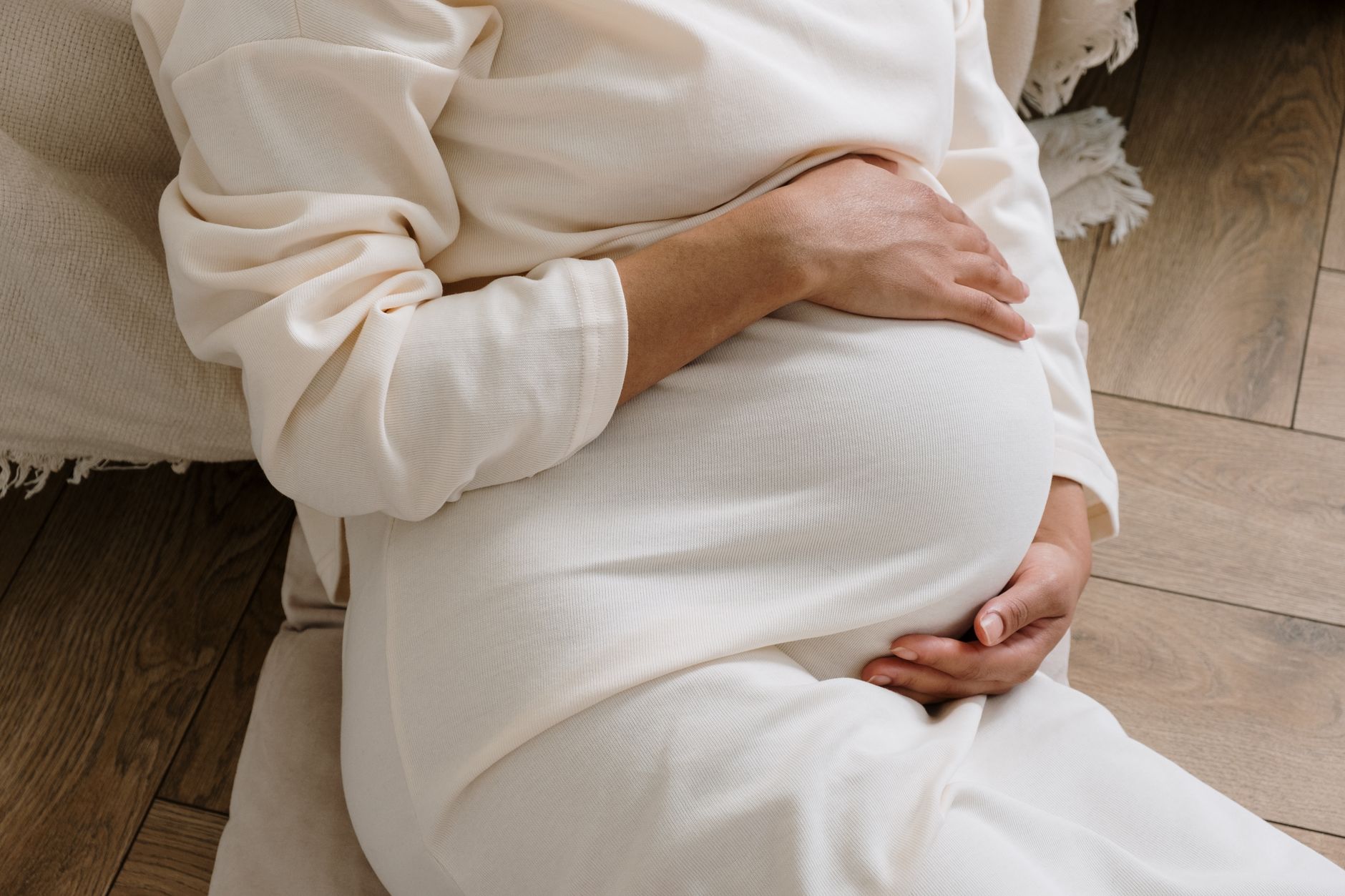
At 27 weeks pregnant, expect rapid baby growth, Braxton Hicks contractions, and new symptoms. Learn what’s normal, tips for relief, and how to prepare for the third trimester.
By Shubhra Mishra — a mom of two who turned her own confusion during pregnancy into BumpBites, a global mission to make food choices clear, safe, and stress-free for every expecting mother. 💛
Check whether any food is safe during pregnancy with the BumpBites Food Safety Checker.
Quick take: At 27 weeks pregnant, your baby is about the size of a head of cauliflower—roughly 14.4 inches long and weighing around 2 pounds. You’re in the third trimester now, and while every pregnancy is different, you can expect some new (and sometimes uncomfortable) symptoms like Braxton Hicks contractions, heartburn, and swelling. This is also a great time to start preparing for labor, scheduling important prenatal tests, and focusing on nutrition and gentle exercise. We’ll walk you through what’s normal, what’s not, and how to take care of yourself and your growing baby.
You’re 27 weeks pregnant—congratulations! You’ve officially entered the third trimester, and suddenly, the finish line feels both exciting and a little overwhelming. Maybe you woke up this morning feeling your baby’s tiny kicks turn into full-on somersaults, or perhaps you spent last night Googling whether that sharp pain in your side is normal (spoiler: it probably is). One thing’s for sure: your body is doing something incredible, and it’s okay to feel a mix of awe, impatience, and even a little fatigue.
At this stage, your baby is growing rapidly, and so are the changes in your body. You might be wondering: Is my baby’s development on track? How much weight should I have gained by now? What’s safe to eat, and what should I avoid? And let’s not forget the big questions: What should I be doing to prepare for labor? When will I see my provider next? We’ve got you covered. This guide will walk you through everything you need to know at 27 weeks pregnant—from your baby’s milestones to your own symptoms, prenatal tests, and even how to start getting ready for birth. Think of it as your go-to resource for this stage of the journey.
We’ll also tackle the less-talked-about stuff, like how to manage heartburn (because yes, it’s probably going to get worse), why your feet might be swelling by the end of the day, and how to tell the difference between Braxton Hicks contractions and the real deal. And because we know you’re tired of conflicting advice from well-meaning friends and the internet, we’ve grounded every tip in the latest guidance from organizations like the American College of Obstetricians and Gynecologists (ACOG) and the National Health Service (NHS). Let’s dive in.
At 27 weeks, your baby is about the size of a head of cauliflower—and just as active!
What Are the Baby’s Development Milestones at 27 Weeks Pregnant?
At 27 weeks, your baby is about 14.4 inches long (from head to heel) and weighs roughly 2 pounds—about the size of a head of cauliflower. But size isn’t the only thing changing. This week marks some major developmental leaps that are setting the stage for life outside the womb. Here’s what’s happening inside your belly:
Brain development: Your baby’s brain is growing rapidly, with billions of neurons forming connections. This is a critical time for cognitive development, and you might notice your little one responding more to sounds, light, and even your voice. Some parents swear their baby calms down when they play certain music or talk to them—it’s not just your imagination!
Lungs are maturing: While your baby’s lungs aren’t fully developed yet (they’ll continue to mature until around 36 weeks), they’re practicing breathing movements by inhaling and exhaling amniotic fluid. This helps strengthen the muscles needed for breathing after birth. If you’ve ever felt tiny, rhythmic flutters in your belly, those might be your baby’s "practice breaths."
Eyes are opening: Your baby’s eyelids, which have been fused shut since around week 12, are now beginning to open. They can even detect light filtering through your belly. Try shining a flashlight on your stomach (gently!)—you might feel your baby react with a kick or a wiggle.
Sleep cycles: Your baby is developing regular sleep-wake cycles, which means you might start noticing patterns in their movements. Many moms report feeling more kicks in the evening when they’re lying down and relaxing. If your baby seems quieter than usual, try drinking something cold or eating a snack—it might just be naptime.
Hearing is sharp: By now, your baby can hear and recognize your voice, as well as your partner’s or other close family members. Talking, singing, or reading to your baby isn’t just a sweet bonding activity—it’s helping them learn the sound of your voice, which they’ll recognize immediately after birth.
Fat is accumulating: Your baby is starting to build up layers of fat, which will help regulate their body temperature after birth. This is why their skin is becoming less translucent and more opaque. They’re also developing more defined features, like eyebrows and eyelashes.
One mom we spoke to described this stage as feeling like her baby was "training for the Olympics." "I’d feel these tiny flips and rolls all day, and then at night, it was like my baby was doing somersaults. It was wild—and a little exhausting!" she laughed. If you’re feeling a lot of movement, take it as a good sign: it means your baby is active and growing.
Of course, every baby develops at their own pace, so don’t panic if your little one isn’t hitting every milestone exactly on schedule. Your provider will monitor your baby’s growth at your prenatal appointments, and they’ll let you know if there’s anything to be concerned about. For now, enjoy those kicks and rolls—they’re a reminder that you’re growing a whole person in there!
At 27 weeks, your baby is about the size of a head of cauliflower—roughly 14.4 inches long.
How Much Weight Should I Gain by 27 Weeks Pregnant?
Weight gain during pregnancy isn’t one-size-fits-all, but by 27 weeks, most women have gained somewhere between 15 and 25 pounds. That said, where you fall in that range depends on your pre-pregnancy body mass index (BMI)—a measure of body fat based on your height and weight. Here’s a general breakdown of what’s considered healthy weight gain by this stage, according to ACOG and the Institute of Medicine (IOM):
Pre-pregnancy BMI
Recommended total weight gain (lbs)
Recommended weight gain by 27 weeks (lbs)
Underweight (BMI < 18.5)
28–40
18–25
Normal weight (BMI 18.5–24.9)
25–35
15–22
Overweight (BMI 25–29.9)
15–25
10–16
Obese (BMI ≥ 30)
11–20
7–13
If you’re carrying twins, the recommended weight gain is higher: 37–54 pounds total, or about 23–34 pounds by 27 weeks.
It’s normal to feel a little self-conscious about the number on the scale, especially if you’re gaining weight faster or slower than you expected. But remember: your body is doing an incredible job growing a baby, and weight gain is a necessary (and healthy) part of that process. That said, if you’re concerned about your weight gain—or if you’re gaining much more or less than the recommended range—talk to your provider. They can help you adjust your diet or activity level if needed.
Where Is the Weight Going?
It’s not just fat! Here’s a rough breakdown of where those extra pounds are distributed by the end of pregnancy:
Baby: 7–8 pounds
Placenta: 1–2 pounds
Amniotic fluid: 2 pounds
Uterus: 2 pounds
Breast tissue: 1–3 pounds
Blood volume: 3–4 pounds
Fluid retention (swelling): 3–5 pounds
Fat stores: 6–8 pounds (this is what your body uses for energy during breastfeeding)
What If I’m Gaining Too Much or Too Little?
If you’re gaining weight more quickly than recommended, your provider might suggest:
Focusing on nutrient-dense foods (like lean proteins, whole grains, and vegetables) instead of empty calories (like sugary snacks or processed foods).
Staying active with gentle exercises like walking, swimming, or prenatal yoga.
Monitoring portion sizes—it’s easy to overeat when you’re eating for two, but your baby only needs about 300 extra calories per day in the third trimester.
If you’re not gaining enough weight, your provider might recommend:
Adding healthy fats to your diet, like avocados, nuts, and olive oil.
Eating smaller, more frequent meals if you’re struggling with nausea or heartburn.
Incorporating calorie-dense snacks, like smoothies with Greek yogurt and fruit.
One mom we talked to described her weight gain journey as "a rollercoaster of guilt and acceptance." "I gained 10 pounds in the first trimester from all the carbs I was eating to fight nausea, and then I barely gained anything in the second trimester because I was too busy to eat. By 27 weeks, I was convinced I was doing everything wrong. But my provider reassured me that as long as my baby was growing well, I was on the right track. That really helped me relax."
At the end of the day, the number on the scale is just one piece of the puzzle. What matters most is that you’re eating a balanced diet, staying active, and attending your prenatal appointments so your provider can monitor your baby’s growth. If you’re ever worried, don’t hesitate to bring it up—your provider is there to support you, not judge you.
What Are Common Symptoms at 27 Weeks Pregnant?
By 27 weeks, you’re likely feeling a mix of excitement and discomfort as your body adjusts to the demands of the third trimester. Some symptoms are just annoying, while others might leave you wondering, Is this normal? Here’s a rundown of the most common symptoms at this stage—and what you can do to manage them.
Braxton Hicks Contractions
If you’ve started feeling your belly tighten and relax at random times, you’re probably experiencing Braxton Hicks contractions. These "practice contractions" are your body’s way of preparing for labor, and they’re completely normal. Unlike real contractions, Braxton Hicks are usually:
Irregular: They don’t follow a pattern or get closer together over time.
Painless: They might feel uncomfortable, like a mild tightening or pressure, but they shouldn’t be painful.
Short-lived: They typically last 30 seconds to 2 minutes and then go away.
You might notice Braxton Hicks more often in the evening, after physical activity, or when you’re dehydrated. To ease them, try:
Changing positions (if you’re sitting, stand up and walk around; if you’re lying down, sit up).
Drinking a glass of water.
Taking slow, deep breaths.
If your contractions become regular, painful, or are accompanied by other symptoms like vaginal bleeding or fluid leakage, call your provider—it could be a sign of preterm labor.
Heartburn and Indigestion
If you’re suddenly reaching for antacids like they’re candy, you’re not alone. Heartburn is one of the most common complaints in the third trimester, thanks to your growing uterus pressing on your stomach and the hormone progesterone, which relaxes the valve between your stomach and esophagus. This allows stomach acid to creep up, causing that burning sensation in your chest.
To keep heartburn at bay, try:
Eating smaller, more frequent meals instead of three large ones.
Avoiding trigger foods, like spicy or greasy foods, citrus, chocolate, and caffeine.
Sitting upright for at least 30 minutes after eating—lying down can make heartburn worse.
Wearing loose-fitting clothing that doesn’t press on your stomach.
Sleeping with your upper body elevated (try propping yourself up with an extra pillow).
If lifestyle changes aren’t enough, talk to your provider about safe antacids or other medications. Some over-the-counter options, like Tums or Pepcid, are generally considered safe during pregnancy, but always check with your provider first.
Swelling (Edema)
If your feet, ankles, or hands look puffier than usual, you’re experiencing edema—a common (and usually harmless) symptom caused by extra fluid retention. Swelling tends to worsen as the day goes on, especially if you’ve been on your feet a lot or the weather is hot.
To reduce swelling, try:
Elevating your feet whenever possible.
Wearing comfortable, supportive shoes (skip the heels for now).
Staying hydrated—it might sound counterintuitive, but drinking more water helps flush out excess fluid.
Avoiding standing or sitting for long periods. If you have a desk job, take short walks every hour.
Wearing compression socks (ask your provider for recommendations).
While mild swelling is normal, sudden or severe swelling—especially in your face or hands—can be a sign of pre-eclampsia, a serious pregnancy complication. Call your provider if you notice:
Swelling that comes on suddenly or is accompanied by headaches, vision changes, or upper abdominal pain.
Swelling that doesn’t go away after resting or elevating your feet.
Back Pain and Pelvic Pressure
As your belly grows, your center of gravity shifts, putting extra strain on your back and pelvis. You might also feel pressure in your lower abdomen as your baby drops lower into your pelvis in preparation for birth. This is called lightening, and while it can make breathing easier, it can also lead to:
Lower back pain, especially after standing or walking for long periods.
Pelvic pain or discomfort, which might feel like a dull ache or sharp twinges.
Round ligament pain, a sharp, stabbing pain on one or both sides of your lower abdomen (this happens as the ligaments supporting your uterus stretch).
To ease back and pelvic pain, try:
Prenatal yoga or stretching (focus on poses that strengthen your core and back).
Wearing a maternity support belt to take some pressure off your lower back.
Sleeping with a pillow between your knees to align your hips.
Using a heating pad (on a low setting) for short periods to soothe sore muscles.
Practicing good posture—stand up straight, and avoid slouching when sitting.
Shortness of Breath
If you find yourself huffing and puffing after climbing a flight of stairs, you’re not alone. As your uterus expands, it pushes up against your diaphragm, making it harder for your lungs to fully expand. This can leave you feeling breathless, even when you’re just sitting still.
To catch your breath, try:
Taking slow, deep breaths (inhale for 4 counts, exhale for 6).
Sitting or standing up straight to give your lungs more room to expand.
Avoiding overexertion—listen to your body and take breaks when you need to.
If your shortness of breath is sudden, severe, or accompanied by chest pain, dizziness, or a rapid heartbeat, call your provider—it could be a sign of a blood clot or other complication.
Stretch Marks
Love them or hate them, stretch marks are a common part of pregnancy for many women. They happen when your skin stretches faster than it can keep up with, causing tiny tears in the middle layer of your skin. Stretch marks usually appear on your belly, breasts, hips, or thighs, and they can range from faint pink lines to darker, more noticeable streaks.
While there’s no surefire way to prevent stretch marks (they’re largely genetic), you can help keep your skin healthy by:
Moisturizing daily with a fragrance-free lotion or oil (like cocoa butter or vitamin E oil).
Staying hydrated to keep your skin elastic.
Eating a balanced diet rich in vitamins C and E, zinc, and protein (all of which support skin health).
Avoiding rapid weight gain (easier said than done, we know!).
If you’re feeling self-conscious about stretch marks, remember: they’re a sign of the amazing work your body is doing. And while they might not disappear completely after pregnancy, they’ll likely fade over time.
Constipation and Hemorrhoids
Thanks to pregnancy hormones (again, thanks, progesterone), your digestive system slows down, which can lead to constipation. And if you’re straining to go, you might develop hemorrhoids—swollen veins in your rectum that can be itchy, painful, or even bleed.
To keep things moving, try:
Eating more fiber (aim for 25–30 grams per day). Good sources include fruits, vegetables, whole grains, and legumes.
Drinking plenty of water (at least 8–10 cups a day).
Staying active—even a short walk can help stimulate your digestive system.
Avoiding straining when you go to the bathroom. If you’re constipated, try a stool softener (like Colace) or a fiber supplement (like Metamucil), but check with your provider first.
If you do develop hemorrhoids, try:
Soaking in a warm bath (add a little baking soda for extra relief).
Using witch hazel pads or a hemorrhoid cream (like Preparation H).
Avoiding sitting for long periods—take breaks to walk around.
Insomnia and Trouble Sleeping
Between the frequent trips to the bathroom, the baby’s midnight dance parties, and the general discomfort of a growing belly, it’s no wonder many women struggle to sleep in the third trimester. If you’re tossing and turning at night, try:
Establishing a bedtime routine (like reading a book or taking a warm bath) to signal to your body that it’s time to wind down.
Sleeping on your left side (this improves blood flow to your baby and reduces pressure on your liver).
Using pillows to support your belly, back, and hips (a pregnancy pillow can be a game-changer).
Avoiding screens before bed—the blue light can interfere with your body’s production of melatonin, the hormone that regulates sleep.
Limiting fluids in the evening to reduce nighttime bathroom trips.
If you’re still struggling to sleep, talk to your provider about safe sleep aids or relaxation techniques. And remember: it’s normal to feel exhausted in the third trimester. Listen to your body and rest when you can—you’re growing a human, after all!
Gentle stretches and prenatal yoga can help ease back pain and pelvic pressure at 27 weeks.
What Foods Should I Avoid at 27 Weeks Pregnant?
By now, you’ve probably heard the list of foods to avoid during pregnancy a dozen times—but it’s worth repeating, because what you eat (and don’t eat) can have a big impact on your baby’s health. At 27 weeks, your baby is growing rapidly, and their immune system is still developing, which means they’re more vulnerable to foodborne illnesses like listeria and toxoplasmosis. Here’s a refresher on what to steer clear of, plus some safer alternatives.
Foods to Avoid
Raw or undercooked meat, poultry, and seafood: This includes sushi, rare steak, tartare, and raw oysters. These foods can harbor harmful bacteria like listeria, salmonella, and E. coli, which can lead to serious infections. Make sure all meat, poultry, and seafood is cooked to a safe internal temperature (use a food thermometer to check).
Deli meats and hot dogs: Unless they’re heated until steaming hot, deli meats and hot dogs can also carry listeria. If you’re craving a sandwich, opt for grilled chicken or turkey instead, or heat your deli meat in the microwave until it’s piping hot.
Raw or undercooked eggs: This includes foods like homemade Caesar dressing, cookie dough, and sunny-side-up eggs. Raw eggs can carry salmonella, so make sure your eggs are fully cooked (no runny yolks!). If you’re baking, look for pasteurized eggs or egg substitutes.
Unpasteurized dairy and soft cheeses: Cheeses like brie, camembert, feta, blue cheese, and queso fresco are often made with unpasteurized milk, which can carry listeria. Check the label to make sure the cheese is made with pasteurized milk, or opt for hard cheeses like cheddar or Swiss, which are generally safe.
Unpasteurized juices and ciders: These can also carry harmful bacteria. Stick to pasteurized versions, or make your own juice at home using washed, peeled fruits and vegetables.
Raw sprouts: Alfalfa, clover, and radish sprouts can carry salmonella and E. coli. If you’re craving crunch, try cooked sprouts or other veggies like cucumbers or bell peppers.
High-mercury fish: Some fish, like shark, swordfish, king mackerel, and tilefish, are high in mercury, which can harm your baby’s developing nervous system. Limit your intake of these fish, and opt for low-mercury options like salmon, shrimp, and cod instead. The FDA recommends eating 8–12 ounces of low-mercury fish per week during pregnancy.
Excess caffeine: While a cup of coffee or tea is generally safe, too much caffeine can increase your risk of miscarriage or low birth weight. The ACOG recommends limiting caffeine to 200 mg per day—about one 12-ounce cup of coffee. Be mindful of other sources of caffeine, like chocolate, energy drinks, and some sodas.
Alcohol: There’s no known safe amount of alcohol during pregnancy, so it’s best to avoid it altogether. Alcohol can cross the placenta and affect your baby’s development, leading to fetal alcohol spectrum disorders (FASDs).
Excess sugar and processed foods: While these aren’t strictly off-limits, eating too much sugar and processed food can lead to excessive weight gain, gestational diabetes, and other complications. Focus on whole, nutrient-dense foods like fruits, vegetables, lean proteins, and whole grains.
Foods to Enjoy (Safely)
Now for the good news: there are plenty of delicious and nutritious foods you can enjoy at 27 weeks pregnant. Here are some of our favorites:
Lean proteins: Chicken, turkey, fish (low-mercury options like salmon and cod), eggs, tofu, and beans are all great sources of protein, which is essential for your baby’s growth.
Whole grains: Oats, quinoa, brown rice, and whole-wheat bread are packed with fiber, which can help prevent constipation and keep you feeling full.
Fruits and vegetables: Aim for a rainbow of colors to get a variety of vitamins and minerals. Leafy greens like spinach and kale are high in folate, while citrus fruits are rich in vitamin C.
Healthy fats: Avocados, nuts, seeds, and olive oil are all great sources of healthy fats, which support your baby’s brain development.
Dairy: Milk, yogurt, and cheese (pasteurized) are rich in calcium, which is important for your baby’s bone development. If you’re lactose intolerant, opt for lactose-free dairy or fortified plant-based alternatives like almond or soy milk.
Iron-rich foods: Iron is crucial for preventing anemia during pregnancy. Good sources include lean red meat, poultry, fish, lentils, spinach, and fortified cereals. Pair iron-rich foods with vitamin C (like orange juice or bell peppers) to boost absorption.
What About Cravings?
Pregnancy cravings are real, and they can be intense. Whether you’re dreaming of pickles and ice cream or can’t get enough spicy food, it’s okay to indulge—within reason. If you’re craving something unhealthy, try to find a healthier alternative. For example:
If you’re craving sweets, opt for fruit or dark chocolate instead of candy or cake.
If you’re craving salty snacks, try air-popped popcorn or roasted chickpeas instead of chips.
If you’re craving fast food, try making a healthier version at home (like baked sweet potato fries instead of French fries).
One mom we talked to described her cravings as "a rollercoaster of weirdness." "One day I couldn’t get enough watermelon, and the next day I was inhaling pickles straight from the jar. My partner thought I was losing it, but I just went with it. As long as I was eating balanced meals most of the time, I figured a little indulgence was okay."
Hydration Matters
Staying hydrated is just as important as eating the right foods. Aim for at least 8–10 cups of water per day, and more if you’re active or it’s hot outside. Dehydration can lead to headaches, dizziness, and even preterm labor, so keep a water bottle with you at all times. If you’re struggling to drink enough water, try:
Adding a slice of lemon, lime, or cucumber for flavor.
Drinking herbal teas (like ginger or peppermint) or warm water with honey.
Eating water-rich foods like watermelon, cucumbers, and soups.
If you’re ever unsure about whether a food is safe, don’t hesitate to ask your provider. They can give you personalized advice based on your health and pregnancy.
What Prenatal Tests Are Scheduled Around 27 Weeks?
At 27 weeks, you’re likely due for one of your regular prenatal appointments—and depending on your health and pregnancy history, your provider might recommend some additional tests or screenings. Here’s what you can expect around this time:
Routine Prenatal Appointment
Even if no special tests are scheduled, your provider will likely check:
Your weight and blood pressure: These are routine checks at every appointment to monitor for signs of pre-eclampsia or other complications.
Your baby’s heartbeat: Using a Doppler device, your provider will listen to your baby’s heartbeat to make sure it’s strong and regular.
Your baby’s size and position: Your provider will measure your fundal height (the distance from your pubic bone to the top of your uterus) to estimate your baby’s size. They’ll also feel your belly to check your baby’s position (head down, breech, etc.).
Your urine: Your provider will test your urine for protein and sugar, which can be signs of pre-eclampsia or gestational diabetes.
Your symptoms: This is your chance to ask questions and share any concerns, like swelling, contractions, or unusual discharge.
Glucose Screening Test (Gestational Diabetes Test)
Between 24 and 28 weeks, most women are screened for gestational diabetes, a type of diabetes that develops during pregnancy. The test is usually done in two parts:
Glucose challenge test: You’ll drink a sweet, syrupy glucose solution, and an hour later, your blood will be drawn to check your blood sugar levels. If your results are high, you’ll need to take the second part of the test.
Glucose tolerance test: For this test, you’ll fast overnight, then drink a stronger glucose solution. Your blood will be drawn every hour for three hours to check how your body processes the sugar. If two or more of your results are high, you’ll be diagnosed with gestational diabetes.
If you’re diagnosed with gestational diabetes, don’t panic. It’s a common condition, and it can usually be managed with diet, exercise, and (in some cases) medication. Your provider will work with you to create a plan to keep your blood sugar levels in check and reduce the risk of complications for you and your baby.
Not sure about the label on 27 Weeks Pregnant What To Expect products?
Snap the ingredients list and SafeFilter checks every ingredient for your stage — only 3 free scans this month, then you're locked until reset. Unlimited from $7/mo or $50/yr.
When Shubhra Mishra was expecting her first child in 2016, she was overwhelmed by conflicting food advice — one site said yes, another said never. By the time her second baby arrived in 2019, she realized millions of mothers face the same confusion.
That sparked a five-year journey through clinical nutrition papers, cultural diets, and expert conversations — all leading to BumpBites: a calm, compassionate space where science meets everyday motherhood.
Her long-term vision is to build a global community ensuring safe, supported, and free deliveriesfor every mother — because no woman should face pregnancy alone or uninformed. 🌿
🌍 Stand with mothers, shape safer guidance
Join a small circle of experts who review BumpBites articles so expecting parents everywhere can decide with confidence.