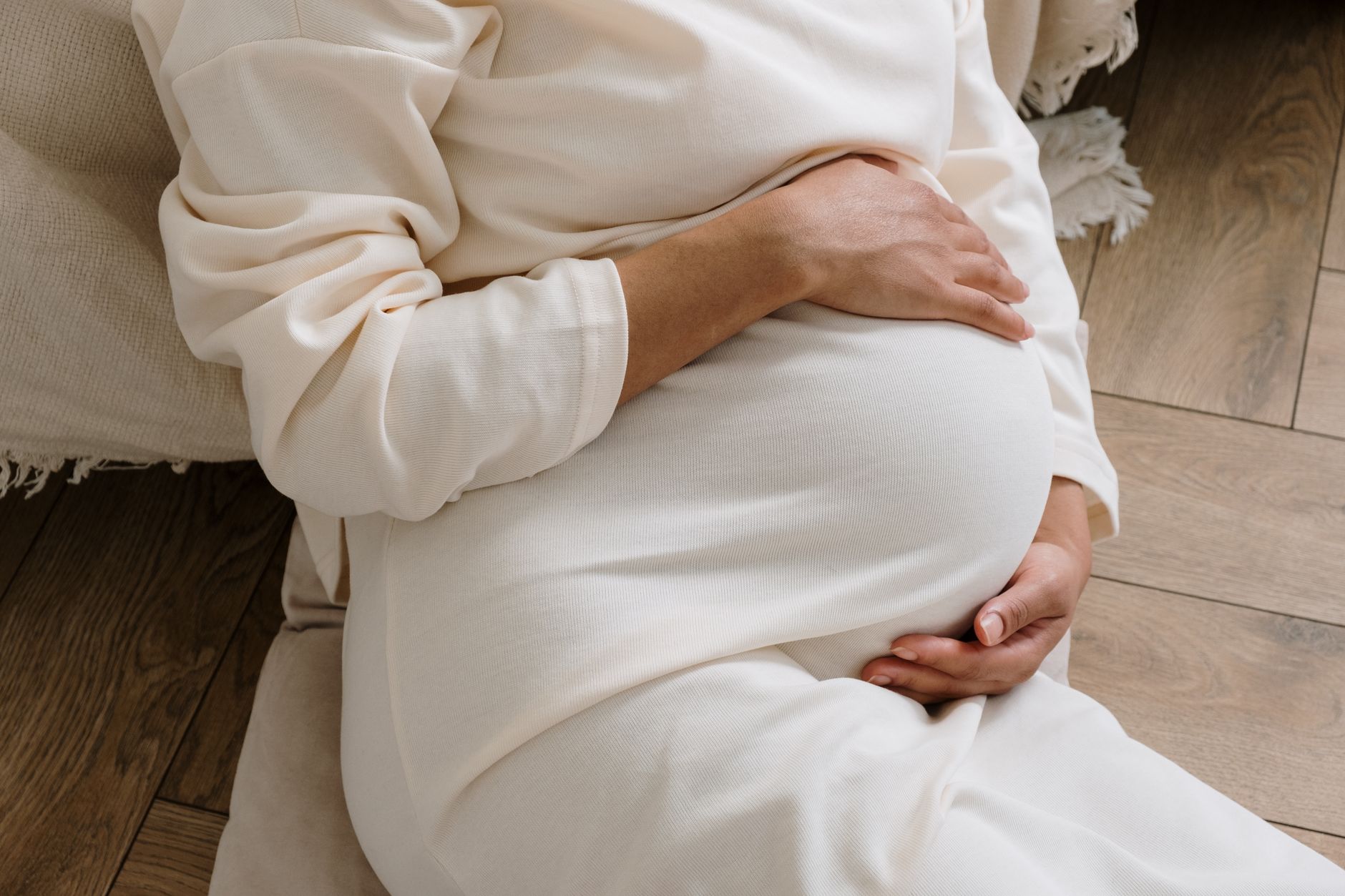
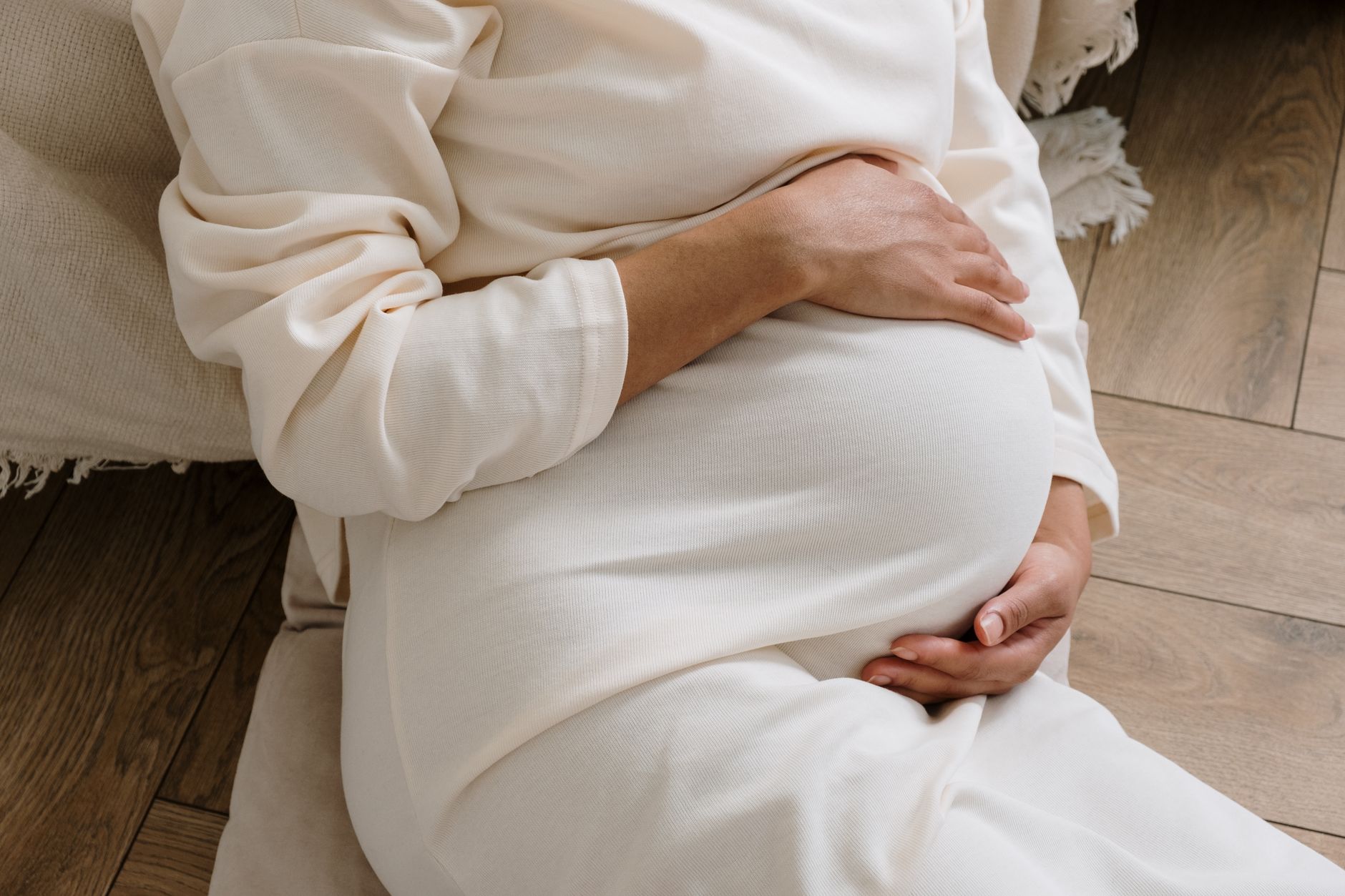
At 27 weeks pregnant, symptoms include back pain and fatigue, learn what to expect and how to manage them during this critical period
By Shubhra Mishra — a mom of two who turned her own confusion during pregnancy into BumpBites, a global mission to make food choices clear, safe, and stress-free for every expecting mother. 💛
Check whether any food is safe during pregnancy with the BumpBites Food Safety Checker.
Quick take: At 27 weeks pregnant, you’re likely feeling a mix of excitement and discomfort—your baby is the size of a cauliflower, and their movements are stronger than ever. Common symptoms include back pain, swelling in your feet, and heartburn, but most are normal parts of your body adapting to support your growing little one. Some signs, like sudden swelling or decreased fetal movement, do need a call to your provider. This week, focus on gentle exercise, a balanced diet, and keeping up with your prenatal appointments to stay on track.
You’re scrolling through your phone at 11 p.m., rubbing your lower back, wondering if the way your belly just tightened was normal—or if that twinge you felt earlier means something’s wrong. If this sounds familiar, welcome to week 27. The third trimester is here, and with it comes a whole new set of questions: Is this swelling normal? Why does my back hurt so much? And how can I tell if my baby’s movements are okay?
First, take a deep breath. What you’re feeling is almost certainly part of the journey. At 27 weeks, your baby is growing fast, and your body is working overtime to keep up. Some symptoms are uncomfortable but harmless, while others are your body’s way of asking for a little extra care. The key is knowing which is which—and when to reach out to your provider.
In this guide, we’ll walk you through everything you can expect at 27 weeks pregnant: the common (and not-so-common) symptoms, how your baby is developing, what’s safe to eat and do, and the red flags that mean it’s time to call your doctor. Think of it as your roadmap for the next few weeks—so you can focus less on Googling and more on enjoying this phase.
At 27 weeks, your baby’s movements are stronger—and your body is working hard to keep up.
What Are the Common Symptoms at 27 Weeks Pregnant?
If you’re feeling like your body is running a marathon it didn’t sign up for, you’re not alone. At 27 weeks, your baby is growing rapidly, and your body is adjusting to support them. Here’s what many moms experience this week:
Back pain: Your growing belly shifts your center of gravity, putting extra strain on your lower back. Many women describe it as a dull ache that worsens after standing or sitting for long periods.
Swollen feet and ankles: Fluid retention (edema) is common, especially in the third trimester. It’s usually worse at the end of the day or in hot weather.
Heartburn: Your expanding uterus is pushing up against your stomach, which can cause stomach acid to creep up into your esophagus. Spicy or greasy foods often make it worse.
Braxton Hicks contractions: These "practice contractions" feel like a tightening or squeezing in your belly. They’re usually painless and irregular, but they can be surprising if you’ve never felt them before.
Shortness of breath: Your uterus is now crowding your diaphragm, making it harder to take deep breaths. This often improves in the last few weeks as your baby drops lower into your pelvis.
Trouble sleeping: Between back pain, heartburn, and the constant need to pee, finding a comfortable position can feel impossible. Many moms also report vivid dreams or restless legs at night.
Increased fetal movement: Your baby is more active now, and you might feel kicks, rolls, or even hiccups throughout the day. Some moms describe it as feeling like popcorn popping in their belly.
Skin changes: Stretch marks, darkening of the linea nigra (the line down your belly), and itchy skin are all common as your belly expands.
One mom we spoke to put it this way: "At 27 weeks, I felt like a walking science experiment. My feet were swollen, my back ached, and I was pretty sure my baby was practicing karate in there. But the weirdest part? I also felt this overwhelming sense of excitement. Every kick reminded me that this was all leading to something amazing."
Most of these symptoms are normal, but if anything feels off—like pain that doesn’t go away, sudden swelling in your hands or face, or a fever—don’t hesitate to call your provider. It’s always better to check.
How Can I Tell If My Baby Is Moving at 27 Weeks?
By 27 weeks, your baby’s movements should be a regular part of your day. You might not feel every wiggle (especially if your placenta is anterior, meaning it’s positioned between your baby and your belly), but you should notice a pattern. Here’s what to expect—and how to keep track:
What Does Fetal Movement Feel Like at 27 Weeks?
At this stage, movements can range from gentle flutters to sharp jabs or rolls. Some moms describe it as feeling like:
A goldfish swimming in their belly.
Popcorn popping.
A gentle tapping or nudging.
Full-on kicks or punches (especially when you’re trying to sleep!).
If this is your first pregnancy, you might not recognize the movements right away. But by 27 weeks, they should be unmistakable. If you’re unsure, try lying down on your left side and placing your hands on your belly. You’ll likely feel your baby respond to the change in position.
How Often Should My Baby Move?
There’s no set number of movements you should feel each day, but most providers recommend paying attention to your baby’s pattern. By 27 weeks, you should notice:
Movements that are consistent from day to day (e.g., your baby is usually active after meals or in the evening).
At least 10 movements in a 2-hour period when you’re resting and focused on counting. This is often called a "kick count."
One mom shared: "I used to joke that my baby had a bedtime routine. Every night around 9 p.m., they’d start their nightly gymnastics session. It was reassuring to know they were in there, doing their thing."
How to Do a Kick Count
If you’re ever worried about your baby’s movements, try a kick count. Here’s how:
Pick a time of day when your baby is usually active (for many moms, this is after a meal or in the evening).
Sit or lie down on your left side (this position improves blood flow to your baby).
Set a timer for 2 hours and count every movement you feel—kicks, rolls, jabs, or flutters. Even small movements count!
If you feel at least 10 movements in 2 hours, your baby is likely doing fine. If not, try again later or call your provider.
When to Worry About Fetal Movement
While it’s normal for your baby’s movements to vary from day to day, call your provider right away if you notice:
A sudden decrease in movement (e.g., your baby usually moves 10 times in an hour, but today you’ve only felt 2).
No movement at all for several hours, even after eating or drinking something cold or sweet.
Movements that feel weaker or less frequent over the course of a day.
Remember: You know your baby’s patterns better than anyone. If something feels off, trust your instincts and reach out to your provider. It’s always better to be cautious.
Counting kicks is one of the easiest ways to monitor your baby’s well-being at 27 weeks.
Is Swelling in Feet Normal at 27 Weeks Pregnant?
You take off your shoes at the end of the day and—whoa. Your feet look like they’ve been inflated with a bicycle pump. If this sounds familiar, you’re in good company. Swelling (or edema) in the feet and ankles is one of the most common symptoms at 27 weeks pregnant. Here’s what’s going on and when to worry:
Why Does Swelling Happen?
During pregnancy, your body produces about 50% more blood and fluids to support your growing baby. Some of this extra fluid leaks into your tissues, especially in your lower extremities, where gravity pulls it downward. Other factors that contribute to swelling include:
Hormonal changes: Progesterone relaxes your blood vessels, making it easier for fluid to pool in your feet and ankles.
Increased pressure: Your growing uterus puts pressure on the veins that return blood from your legs to your heart, slowing circulation.
Heat and humidity: Warm weather can make swelling worse by causing your blood vessels to dilate.
Standing or sitting for long periods: This can cause fluid to accumulate in your lower legs.
How to Reduce Swelling
While you can’t completely prevent swelling, these tips can help keep it under control:
Elevate your feet: Prop your feet up on a stool or pillow whenever you sit. Try to keep them above the level of your heart for 20–30 minutes a few times a day.
Stay hydrated: It sounds counterintuitive, but drinking plenty of water helps flush out excess sodium and reduces fluid retention.
Wear comfortable shoes: Skip the tight shoes or heels. Opt for supportive, roomy footwear (or even compression socks if your provider recommends them).
Move regularly: Take short walks or do gentle ankle circles to keep blood flowing. Avoid sitting or standing in one position for too long.
Limit salt: Too much sodium can make swelling worse. Try to avoid processed foods and salty snacks.
Sleep on your left side: This position improves circulation and helps reduce swelling.
Try a foot massage: Ask your partner for a gentle massage or use a tennis ball to roll under your feet. It feels amazing and can help move fluid out of your tissues.
When Swelling Is a Red Flag
While swelling in your feet and ankles is usually harmless, sudden or severe swelling can be a sign of preeclampsia, a serious pregnancy complication. Call your provider immediately if you notice:
Swelling in your hands or face (especially if it appears suddenly).
Swelling that doesn’t go away after resting or elevating your feet.
Swelling accompanied by other symptoms, such as:
Severe headache that doesn’t go away with Tylenol.
Blurred vision or seeing spots.
Upper abdominal pain (especially under your ribs on the right side).
Nausea or vomiting in the second half of pregnancy.
Sudden weight gain (more than 2–3 pounds in a week).
One mom recalled: "I didn’t think much of my swollen feet until my hands started looking puffy too. My provider checked my blood pressure and urine, and it turned out I had preeclampsia. I was shocked—it happened so fast. Thankfully, we caught it early, and I delivered a healthy baby a few weeks later. Now I tell every pregnant friend: Don’t ignore sudden swelling."
What Foods Should I Avoid at 27 Weeks Pregnant?
You’re halfway through a bag of chips when it hits you: Wait, is this safe? At 27 weeks, your baby is growing rapidly, and what you eat (or don’t eat) can have a big impact on their development. While most foods are fine in moderation, there are a few you should steer clear of to reduce the risk of foodborne illness or other complications. Here’s what to skip—and what to enjoy instead.
Foods to Avoid at 27 Weeks
Food
Why It’s Risky
Safer Alternative
Raw or undercooked meat, poultry, or seafood (e.g., rare steak, sushi, ceviche, tartare)
Can contain harmful bacteria like Listeria, Salmonella, or Toxoplasma, which can cause miscarriage, stillbirth, or severe illness in newborns.
Cook meat, poultry, and seafood to a safe internal temperature (145°F for fish, 160°F for ground meat, 165°F for poultry).
Unpasteurized dairy and soft cheeses (e.g., Brie, Camembert, feta, blue cheese, queso fresco)
May contain Listeria, which can cross the placenta and harm your baby.
Choose pasteurized versions of these cheeses, or opt for hard cheeses like cheddar or Swiss.
Raw or undercooked eggs (e.g., sunny-side-up eggs, homemade Caesar dressing, cookie dough)
Risk of Salmonella infection, which can cause severe illness.
Cook eggs until the yolks and whites are firm. Use pasteurized eggs in recipes that call for raw eggs.
High-mercury fish (e.g., shark, swordfish, king mackerel, tilefish, bigeye tuna)
Mercury can harm your baby’s developing nervous system.
Choose low-mercury fish like salmon, shrimp, pollock, or canned light tuna (limit albacore tuna to 6 oz per week).
Deli meats and hot dogs (unless heated until steaming hot)
Risk of Listeria contamination, which can lead to miscarriage or stillbirth.
Heat deli meats and hot dogs to 165°F before eating.
Raw sprouts (e.g., alfalfa, clover, radish, mung bean)
Can harbor Salmonella or E. coli, which are difficult to wash off.
Cook sprouts thoroughly before eating.
Unwashed fruits and vegetables
Risk of Toxoplasma or Listeria contamination from soil or handling.
Wash all produce thoroughly under running water before eating, even if you plan to peel it.
Excess caffeine (more than 200 mg per day, or about 1–2 cups of coffee)
High caffeine intake has been linked to miscarriage and low birth weight.
Limit caffeine to 200 mg per day. Opt for decaf or herbal teas (but avoid teas with black or green tea leaves, which contain caffeine).
Alcohol
No amount of alcohol is safe during pregnancy. It can cause fetal alcohol spectrum disorders (FASDs), which can lead to lifelong physical, behavioral, and cognitive issues.
Skip alcohol entirely. Try mocktails or sparkling water with fruit for a festive alternative.
Excess sugar and processed foods
Can contribute to excessive weight gain, gestational diabetes, and other complications.
Focus on whole foods like fruits, vegetables, lean proteins, and whole grains. Save sweets for occasional treats.
Foods to Focus On at 27 Weeks
Now that you know what to avoid, here’s what to load up on to support your baby’s growth and your energy levels:
Iron-rich foods: Your blood volume is increasing, and iron helps prevent anemia. Good sources include lean red meat, poultry, fish, lentils, spinach, and fortified cereals. Pair iron-rich foods with vitamin C (like oranges or bell peppers) to boost absorption.
Calcium-rich foods: Your baby’s bones are hardening, and they need calcium to develop. Aim for 1,000 mg per day from sources like milk, yogurt, cheese, fortified plant-based milks, and leafy greens.
Fiber-rich foods: Constipation is common in the third trimester. Fiber helps keep things moving. Load up on whole grains, fruits, vegetables, beans, and nuts.
Healthy fats: Omega-3 fatty acids support your baby’s brain and eye development. Good sources include fatty fish (like salmon), chia seeds, flaxseeds, and walnuts.
Hydrating foods: Swelling and constipation can be eased by staying hydrated. Water-rich foods like cucumbers, watermelon, and soups can help.
One mom shared her go-to snack: "I kept a stash of pre-cut veggies and hummus in the fridge. It was an easy way to get fiber, protein, and hydration all in one. Plus, it helped me avoid the vending machine at work!"
What About Cravings?
Cravings are a normal part of pregnancy, and at 27 weeks, you might find yourself wanting everything from pickles to ice cream. While it’s okay to indulge occasionally, try to balance cravings with nutrient-dense foods. For example:
If you’re craving sweets, try frozen yogurt with fresh fruit or a small piece of dark chocolate.
If you’re craving salty foods, opt for air-popped popcorn or roasted chickpeas instead of chips.
If you’re craving carbs, choose whole-grain options like whole-wheat toast with peanut butter or brown rice with veggies.
Remember: There’s no need to stress over every bite. Focus on eating a balanced diet most of the time, and give yourself grace when you indulge. Your baby is getting what they need!
Focus on nutrient-dense foods to support your baby’s growth and your energy levels.
Can I Exercise Safely at 27 Weeks Pregnant?
You’re 27 weeks pregnant, and the idea of lacing up your sneakers feels about as appealing as climbing a mountain. But here’s the good news: Exercise can actually help with many of the symptoms you’re experiencing, like back pain, swelling, and trouble sleeping. The key is choosing activities that are safe, comfortable, and tailored to your energy levels. Here’s what you need to know.
Why Exercise Is Good for You (and Your Baby)
Staying active during pregnancy has benefits for both you and your little one. According to the American College of Obstetricians and Gynecologists (ACOG), regular exercise can:
Reduce back pain and improve posture.
Ease constipation and bloating.
Boost your mood and energy levels.
Improve sleep.
Lower your risk of gestational diabetes, preeclampsia, and cesarean delivery.
Help you maintain a healthy weight during pregnancy.
Prepare your body for labor and delivery.
For your baby, exercise can lead to a healthier birth weight and may even improve their brain development. One study published in the Journal of Clinical Medicine found that babies born to mothers who exercised during pregnancy had better motor skills at 1 month old compared to babies of sedentary moms.
Safe Exercises at 27 Weeks Pregnant
If you were active before pregnancy, you can usually continue your routine with some modifications. If you’re new to exercise, start slowly and listen to your body. Here are some of the best activities for the third trimester:
Walking: It’s low-impact, easy to do, and requires no special equipment. Aim for 30 minutes most days of the week. If you’re feeling tired, even a 10-minute walk can help.
Swimming or water aerobics: The water supports your growing belly and takes pressure off your joints. It’s also a great way to stay cool in the third trimester.
Prenatal yoga: Yoga can help improve flexibility, reduce stress, and prepare your body for labor. Look for a class specifically designed for pregnant women, or follow a prenatal yoga video at home.
Stationary biking: Cycling on a stationary bike is safer than outdoor biking (no risk of falling), and it’s a great way to get your heart rate up without jarring your joints.
Strength training: Light to moderate strength training can help maintain muscle tone and prepare your body for the physical demands of labor. Focus on exercises that target your legs, back, and core (but avoid lying flat on your back after the first trimester).
Pelvic floor exercises: Kegels (contracting and relaxing the muscles around your vagina and anus) can help prevent urinary incontinence and may make labor easier. Aim for 10–15 reps, 3 times a day.
Exercises to Avoid at 27 Weeks
While most activities are safe, there are a few you should skip to reduce the risk of injury or complications:
Contact sports: Avoid activities like soccer, basketball, or hockey, where there’s a risk of being hit in the belly.
Activities with a high risk of falling: Skip horseback riding, skiing, snowboarding, or gymnastics.
Hot yoga or hot Pilates: Overheating can be dangerous for your baby. Stick to classes at a normal temperature.
Scuba diving: The pressure changes can be harmful to your baby.
Exercises that involve lying flat on your back: After the first trimester, this position can compress the vena cava (a large vein that returns blood to your heart), reducing blood flow to your baby. Opt for side-lying or seated positions instead.
High-impact or jarring activities: Running or jumping can strain your pelvic floor and joints. If you were a runner before pregnancy, you may be able to continue with modifications, but check with your provider first.
Tips for Exercising Safely
No matter what activity you choose, keep these tips in mind to stay safe:
Stay hydrated: Drink water before, during, and after exercise to prevent overheating and dehydration.
Wear supportive shoes: Your feet may have grown during pregnancy, so make sure your shoes fit well and provide good arch support.
Listen to your body: If something doesn’t feel right, stop. It’s normal to feel more tired than usual, but you shouldn’t feel pain, dizziness, or shortness of breath.
Avoid overheating: Exercise in a cool, well-ventilated space, and wear loose, breathable clothing.
Warm up and cool down: Spend 5–10 minutes warming up before exercise and cooling down afterward to prevent injury.
Modify as needed: As your belly grows, you may need to adjust your routine. For example, switch to a wider stance for balance or use a chair for support during yoga poses.
When to Stop Exercising and Call Your Provider
Exercise is generally safe, but there are times when you should stop and call your provider. Stop exercising immediately and seek medical attention if you experience:
Vaginal bleeding or fluid leaking.
Regular, painful contractions.
Chest pain or heart palpitations.
Dizziness or fainting.
Severe headache.
Calf pain or swelling (could be a sign of a blood clot).
Decreased fetal movement.
Shortness of breath that doesn’t go away with rest.
One mom shared her experience: "I was a runner before pregnancy, and I really wanted to keep it up. My provider gave me the green light to continue as long as I listened to my body. By 27 weeks, I’d switched to walking most days, but I still felt so much better when I moved. It helped with my mood, my energy, and even my sleep. Plus, it gave me a chance to clear my head and connect with my baby."
When Should I Schedule My 27-Week Prenatal Appointment?
You’re in the home stretch of your second trimester, and your next prenatal appointment is an important one. At 27 weeks, your provider will check in on both you and your baby to make sure everything is progressing smoothly. Here’s what to expect—and when to schedule it.
What’s the Typical Schedule for Prenatal Visits?
By now, you’re probably used to the rhythm of prenatal care. In a low-risk pregnancy, appointments are usually scheduled:
Every 4 weeks until 28 weeks.
Every 2 weeks from 28 to 36 weeks.
Every week from 36 weeks until delivery.
At 27 weeks, you’re likely due for your next visit soon—either this week or next. If you haven’t already, call your provider’s office to schedule it. If you’re high-risk (e.g., you have gestational diabetes, preeclampsia, or a history of preterm labor), your provider may want to see you more often.
What to Expect at Your 27-Week Appointment
This visit is all about checking in on your health and your baby’s development. Here’s what typically happens:
Weight check: Your provider will weigh you and track your weight gain. At 27 weeks, most women have gained about 15–25 pounds, but this can vary widely depending on your pre-pregnancy weight.
Blood pressure check: High blood pressure can be a sign of preeclampsia, so your provider will monitor this closely.
Urine test: Your provider will check your urine for protein (a sign of preeclampsia) and sugar (a sign of gestational diabetes).
Fundal height measurement: Your provider will measure the distance from your pubic bone to the top of your uterus (the fundus). At 27 weeks, this measurement should be about 27 centimeters, give or take a centimeter or two. If it’s significantly smaller or larger, your provider may order an ultrasound to check on your baby’s growth.
Fetal heart rate check: Your provider will use a Doppler (a handheld ultrasound device) to listen to your baby’s heartbeat. At 27 weeks, the heart rate is usually between 120 and 160 beats per minute.
Discussion of symptoms: Your provider will ask how you’re feeling and address any concerns you have, like swelling, back pain, or trouble sleeping.
Glucose screening (if not done already): If you haven’t had your glucose screening test for gestational diabetes yet, this is often done between 24 and 28 weeks. You’ll drink a sugary solution and have your blood drawn an hour later to check your blood sugar levels.
Rh factor test (if needed): If you’re Rh-negative (meaning your blood lacks a certain protein), your provider may give you a shot of Rh immune globulin (RhoGAM) at 28 weeks to prevent complications in future pregnancies.
Vaccine check: Your provider will make sure you’re up to date on vaccines, including the Tdap (tetanus, diphtheria, and pertussis) vaccine, which is recommended between 27 and 36 weeks to protect your baby from whooping cough.
Questions to Ask at Your 27-Week Appointment
This is a great time to bring up any questions or concerns you’ve been saving. Here are a few to consider:
How is my baby’s growth progressing?
Are my symptoms (e.g., swelling, back pain, heartburn) normal, or should I be concerned?
What should I do if I notice decreased fetal movement?
Are there any warning signs I should watch for between now and my next appointment?
What’s the plan if my baby is breech at my next ultrasound?
When should I start thinking about childbirth classes or a birth plan?
Are there any restrictions on travel or activities I should know about?
What’s the best way to prepare for breastfeeding?
One mom shared: "I always kept a running list of questions on my phone. By 27 weeks, I had a million of them—about everything from car seat safety to how to swaddle. My provider was great about answering them all, and it helped me feel so much more prepared."
What If My Appointment Is Delayed?
If your provider’s office is backed up and your appointment gets pushed back a week or two, don’t panic. Unless you’re high-risk, a slight delay is usually fine. However, if you experience any of the following, call your provider right away to reschedule:
Vaginal bleeding or spotting.
Severe abdominal pain or cramping.
Sudden swelling in your hands or face.
Severe headache that doesn’t go away with Tylenol.
Blurred vision or seeing spots.
Decreased fetal movement.
Signs of preterm labor (see the next section for details).
What Are the Signs of Preterm Labor at 27 Weeks?
You’re scrolling through your phone, and suddenly your belly tightens. Is that a contraction? At 27 weeks, it’s natural to worry about preterm labor—especially if you’ve heard stories about babies born too early. The good news is that most women won’t go into labor this early, but it’s important to know the signs so you can act quickly if they do appear. Here’s what to watch for.
What Is Preterm Labor?
Preterm labor is labor that starts before 37 weeks of pregnancy. Babies born before 37
Not sure about the label on 27 Weeks Pregnant Symptoms products?
Snap the ingredients list and SafeFilter checks every ingredient for your stage — only 3 free scans this month, then you're locked until reset. Unlimited from $7/mo or $50/yr.
When Shubhra Mishra was expecting her first child in 2016, she was overwhelmed by conflicting food advice — one site said yes, another said never. By the time her second baby arrived in 2019, she realized millions of mothers face the same confusion.
That sparked a five-year journey through clinical nutrition papers, cultural diets, and expert conversations — all leading to BumpBites: a calm, compassionate space where science meets everyday motherhood.
Her long-term vision is to build a global community ensuring safe, supported, and free deliveriesfor every mother — because no woman should face pregnancy alone or uninformed. 🌿
🌍 Stand with mothers, shape safer guidance
Join a small circle of experts who review BumpBites articles so expecting parents everywhere can decide with confidence.