At 26 weeks pregnant, expect baby kicks, back pain, and swelling. Learn about fetal development, symptoms, and tips for a healthy third trimester.
By Shubhra Mishra — a mom of two who turned her own confusion during pregnancy into BumpBites, a global mission to make food choices clear, safe, and stress-free for every expecting mother. 💛
Check whether any food is safe during pregnancy with the BumpBites Food Safety Checker.
Quick take: At 26 weeks you’re well into the second trimester—your baby is about the size of a cauliflower, weighing roughly 1.5‑2 lb, and many milestones are underway. Your own body may feel more uncomfortable with swelling, leg cramps, and increased appetite, but most routine prenatal visits and tests are safe and straightforward. Keep up with balanced nutrition, gentle exercise, and stay alert for any signs of preterm labor.
It’s 2 a.m., you’re curled up on the couch with a heating pad, and a sudden cramp in your calf makes you wonder: “Is this normal at 26 weeks?” You’re not alone. Most expecting parents hit the midway point of pregnancy and feel a mix of excitement and anxiety about the baby’s growth, upcoming appointments, and the physical changes happening to their own bodies.
In this guide we’ll walk you through exactly what to expect when you’re 26 weeks pregnant. From the baby’s development milestones and size comparisons to your weight‑gain goals, nutrition, safe exercises, and the routine tests that lie ahead, we’ve compiled the most common questions into clear, bite‑size answers. By the end you’ll have a practical checklist, soothing tips for everyday discomforts, and a solid sense of what the next few weeks will look like.
Whether you’re working from home, planning a short trip, or simply trying to figure out what to pack for your next prenatal visit, we’ve got you covered. Let’s dive in.
What are the baby's development milestones at 26 weeks pregnant?
At 26 weeks the baby—often called a fetus now—is entering a period of rapid brain and lung maturation. Here are the key milestones:
Brain growth: The cerebral cortex is forming folds (gyri) that will increase cognitive capacity.
Eyes: The eyes can open and close, and the fetus can respond to light by moving away from bright sources.
Lung development: Surfactant production begins, preparing the lungs for breathing after birth.
Hearing: The inner ear is fully formed; the baby can now recognize familiar sounds, especially your voice.
Movement: More coordinated kicks and rolls are felt, often described as “punches” rather than gentle flutters.
These developments mean the baby is becoming more self‑aware and preparing for life outside the womb. While the exact timing varies, most babies at this stage can respond to external stimuli, a reassuring sign of healthy neurological growth.
26 weeks pregnant baby size comparison
By now the fetus measures about 14 inches (35 cm) from crown to rump—roughly the size of a medium cauliflower or a small cantaloupe. This visual helps many parents picture the growth and plan for clothing and nursery space.
Average fetal weight at 26 weeks
According to the World Health Organization (WHO) and the American College of Obstetricians and Gynecologists (ACOG), the average weight is 1.5 lb (≈ 680 g), though a healthy range spans 1.2–2.0 lb. Ultrasound estimates can vary by a few ounces, but any weight within this band is typically considered normal.
When to expect baby kicks at 26 weeks
Most mothers start feeling distinct kicks between 18–22 weeks. By 26 weeks, the movements become more forceful and frequent—often 10‑15 distinct kicks per hour. If you notice a sudden drop in activity, it’s wise to contact your provider.
At 26 weeks the baby is about the size of a cauliflower—helpful for visualizing growth.
How much weight should I gain by 26 weeks of pregnancy?
Weight‑gain recommendations depend on your pre‑pregnancy body mass index (BMI). The Institute of Medicine (IOM) and the U.S. National Academy of Medicine provide the following guidelines:
Pre‑pregnancy BMI
Total recommended gain
Typical gain by 26 weeks
Underweight (BMI < 18.5)
28–40 lb (12.5–18 kg)
≈ 20–24 lb (9–11 kg)
Normal weight (BMI 18.5‑24.9)
25–35 lb (11.5–16 kg)
≈ 18–22 lb (8–10 kg)
Overweight (BMI 25‑29.9)
15–25 lb (7–11.5 kg)
≈ 12–16 lb (5.5–7 kg)
Obese (BMI ≥ 30)
11–20 lb (5–9 kg)
≈ 8–12 lb (3.5–5.5 kg)
These numbers are averages; individual trajectories vary. A steady gain of about 0.5 lb (0.2 kg) per week after the first trimester is typical for most women. Rapid spikes may signal excess fluid retention or gestational diabetes, while very slow gain could suggest nutritional gaps.
26 weeks pregnant and still working tips
Balancing a full‑time job with pregnancy can be challenging. Here are a few practical strategies:
Schedule short “stretch breaks” every hour to improve circulation.
Keep a bottle of water at your desk—aim for 8‑10 cups daily.
Use a supportive chair or a pregnancy‑friendly lumbar pillow.
Prioritize tasks that require standing early in the day when energy levels are higher.
What to pack for a 26‑week prenatal appointment
Having a small, organized bag can make the visit smoother:
Latest ultrasound images (if you have them).
List of current supplements and any over‑the‑counter meds.
Questions you want to ask—write them down.
Insurance card and a copy of your prenatal record.
Comfort items: a water bottle, a snack, and a light jacket.
Common symptoms and discomforts at 26 weeks pregnant
By the third trimester, many mothers notice an increase in physical sensations. Below are the most frequent symptoms, why they happen, and gentle ways to relieve them.
Swelling (edema)
Fluid buildup in the feet, ankles, and hands is common as circulation slows. Elevating your legs for 15 minutes a few times a day, wearing supportive socks, and staying hydrated (ironically) can reduce puffiness. If swelling becomes sudden, severe, or is accompanied by shortness of breath, contact your provider immediately.
Leg cramps
Cramping often stems from increased pressure on the calf muscles and shifting calcium needs. Stretching your calves before bed, staying well‑hydrated, and ensuring adequate magnesium (e.g., through leafy greens, nuts, or a prenatal supplement) can help. Applying a warm compress or taking a warm foot bath before bedtime often eases the pain.
Signs of dehydration at 26 weeks
Dehydration can masquerade as fatigue, dry mouth, or reduced urine output. Aim for at least 2‑3 liters of water daily, especially if you’re active or live in a warm climate. Adding electrolyte‑rich drinks (like coconut water) can be beneficial, but watch added sugars.
Other typical discomforts
Backaches: Hormonal relaxin loosens ligaments; a supportive maternity belt and posture‑friendly ergonomics can mitigate strain.
Heartburn: Small, frequent meals and avoiding spicy or acidic foods reduce reflux.
Fatigue: The body’s energy is diverted to fetal growth; short naps and balanced meals help sustain stamina.
What prenatal tests are scheduled around 26 weeks?
The 26‑week mark is a checkpoint for several routine screenings that help monitor both maternal health and fetal development.
Glucose tolerance test (GTT)
Usually performed between 24‑28 weeks, the GTT checks for gestational diabetes. After fasting, you’ll drink a sugary solution and have blood drawn at intervals. Results guide dietary adjustments or medication if needed.
Group B Streptococcus (GBS) screening
While the standard GBS swab is done at 35‑37 weeks, some providers may offer an early screen at 26 weeks for high‑risk patients. The test detects bacteria that could affect the baby during delivery.
Anatomy ultrasound follow‑up
If you had an anatomy scan at 20 weeks, a follow‑up at 26 weeks may be scheduled to reassess growth, amniotic fluid volume, and placental position.
Blood work
Typical labs include a complete blood count (CBC) to monitor anemia, a thyroid‑stimulating hormone (TSH) test if you have a thyroid history, and a repeat iron panel if you’re at risk for deficiency.
What to expect during the 26‑week ultrasound
The ultrasound at this stage offers a clearer look at the baby’s anatomy and growth. Sonographers often measure the biparietal diameter (BPD) and femur length to estimate weight. You’ll likely see the baby’s limbs moving, hear a heartbeat, and possibly witness the first signs of facial features forming.
Diet and nutrition recommendations for week 26 of pregnancy
Nutrition remains the cornerstone of a healthy pregnancy, especially as your baby’s brain and lungs are maturing rapidly. Below are key nutrients and practical food ideas.
Key nutrients
Protein: Aim for 70‑100 g per day (≈ 1 g per pound of body weight). Good sources: lean poultry, beans, Greek yogurt, and tofu.
Calcium: 1,000 mg daily for bone development. Include fortified milk, cheese, kale, and almonds.
Iron: 27 mg/day; pair iron‑rich foods with vitamin C (citrus, bell peppers) for better absorption.
Omega‑3 DHA: 200‑300 mg daily to support brain growth. Fatty fish (low‑mercury), chia seeds, and algae‑based supplements are ideal.
Folate: Continue 400‑800 µg from prenatal vitamins; leafy greens and lentils add extra.
Sample day of meals
Breakfast: Whole‑grain toast with avocado, a poached egg, and a side of orange slices.
Snack: Greek yogurt with berries and a sprinkle of almonds.
Lunch: Quinoa salad with grilled chicken, kale, cherry tomatoes, and a lemon‑tahini dressing.
Afternoon snack: Carrot sticks with hummus.
Dinner: Baked salmon, sweet‑potato mash, and steamed broccoli.
Evening snack (if needed): A warm glass of milk and a small piece of dark chocolate.
Hydration and caffeine
The American College of Obstetricians and Gynecologists (ACOG) recommends limiting caffeine to under 200 mg per day (about one 12‑oz cup of coffee). Decaf, tea, and water are safe choices. Staying hydrated also helps reduce swelling and leg cramps.
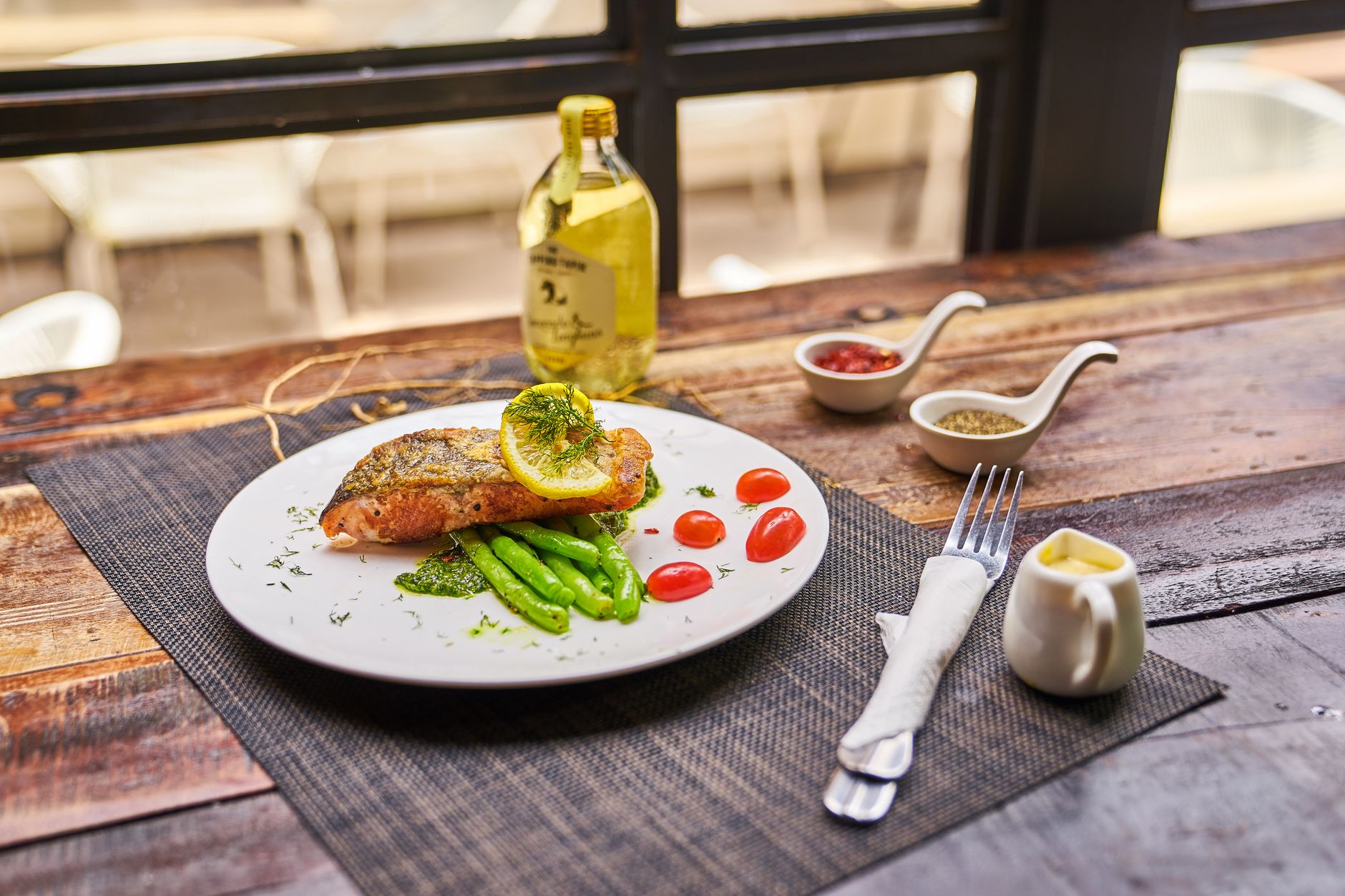
A nutrient‑rich meal that hits protein, calcium, iron, and omega‑3 goals.
What exercises are safe at 26 weeks pregnant?
Staying active supports circulation, mood, and prepares your body for labor. The American College of Obstetricians and Gynecologists (ACOG) and the Royal College of Obstetricians and Gynaecologists (RCOG) both endorse moderate‑intensity activities, provided there are no contraindications such as pre‑eclampsia or placenta previa.
Safe exercise options
Walking: A low‑impact staple—aim for 30 minutes most days.
Prenatal yoga: Focuses on gentle stretching, breathing, and pelvic floor strengthening.
Swimming or water aerobics: The buoyancy reduces joint stress and eases swelling.
Listen to your body. Stop if you feel dizziness, chest pain, sudden shortness of breath, or excessive uterine contractions. Keep your core engaged, avoid lying flat on your back for extended periods, and stay hydrated.
How to relieve leg cramps at 26 weeks pregnant
In addition to the stretching routine mentioned earlier, you can try a simple calf‑stretch: stand facing a wall, place hands on the wall, and step one foot back keeping the heel on the floor. Hold for 30 seconds and switch sides. Doing this before bedtime often reduces nighttime cramps.
Signs of preterm labor at 26 weeks
Preterm labor—when the body prepares for birth before 37 weeks—requires prompt attention. While many contractions are harmless Braxton‑Hicks, watch for the following red flags:
Regular uterine contractions occurring every 5‑10 minutes, lasting 30‑60 seconds.
Persistent lower‑back pain or pressure that does not ease with rest.
Change in vaginal discharge (increase, watery, or bloody).
Sudden decrease in fetal movement after previously feeling regular kicks.
If you notice any of these signs, call your obstetrician or go to the nearest labor unit right away. Early intervention—such as steroids to accelerate fetal lung maturity—can improve outcomes for babies born early.
What to expect during the 26‑week ultrasound
The 26‑week scan is a visual milestone for many parents. While the anatomy scan at 20 weeks gives a detailed look at organ formation, the 26‑week ultrasound focuses on growth, position, and overall health.
What the sonographer looks for
Fetal weight estimation: Using head, abdomen, and femur measurements.
Amniotic fluid volume: Ensuring there’s enough fluid to cushion the baby.
Placental location: Confirming it’s not covering the cervix (placenta previa).
Movement and heart rate: A heart rate of 110‑160 bpm is normal.
How to prepare
Come with a full bladder; it lifts the uterus for better imaging. Wear comfortable clothing and consider bringing a partner or support person for emotional comfort.
What you might hear
Many mothers report hearing the baby’s heartbeat clearly for the first time—often described as a “whoosh” or “thump.” This can be a reassuring moment, especially if you’ve felt reduced movement lately.
Doctor’s note
From our medical team: “Reaching 26 weeks is a milestone worth celebrating, but it also brings new challenges. Keep your prenatal vitamins, stay hydrated, and prioritize rest when you feel leg cramps or swelling. If any symptom feels out of the ordinary—especially sudden changes in fetal movement or persistent contractions—don’t hesitate to call your provider. Every pregnancy is unique; your care plan should reflect your specific health needs.”
Myth vs. fact
Myth: You must avoid all physical activity after the second trimester. Fact: Moderate, pregnancy‑safe exercise is encouraged and linked to better mood, reduced back pain, and smoother labor. Always check with your provider before starting a new routine.
Myth: Swelling at 26 weeks always means a problem. Fact: Mild edema is common due to fluid shifts, but sudden or severe swelling, especially with headaches or visual changes, warrants medical evaluation.
Myth: You can’t travel after the 25th week. Fact: Most airlines allow travel up to 36 weeks for domestic flights and 28 weeks for international, but always discuss travel plans with your obstetrician, stay hydrated, and move frequently.
Key takeaways
At 26 weeks the baby is about the size of a cauliflower, weighing 1.5‑2 lb, and its brain, lungs, and senses are rapidly maturing.
Weight‑gain goals depend on pre‑pregnancy BMI; aim for a steady 0.5 lb per week after the first trimester.
Common discomforts—swelling, leg cramps, and dehydration—can be eased with hydration, gentle stretching, and supportive footwear.
Schedule your glucose tolerance test, blood work, and possibly a follow‑up ultrasound during this period.
Eat a balanced diet rich in protein, calcium, iron, DHA, and folate, and limit caffeine to under 200 mg per day.
Safe exercises include walking, prenatal yoga, swimming, and low‑impact cycling; avoid activities that cause pain or overheating.
Know the warning signs of preterm labor and contact your provider promptly if they appear.
Frequently asked questions
How big is the baby at 26 weeks?
The baby measures roughly 14 inches long (crown‑to‑rump) and weighs about 1.5‑2 lb, comparable to a medium cauliflower.
What are the common symptoms at 26 weeks pregnant?
Typical symptoms include swelling in the feet and ankles, leg cramps, backaches, heartburn, and increased fetal kicks. Most are normal, but sudden or severe changes should be discussed with your provider.
Can I travel during the 26th week of pregnancy?
Yes, most airlines allow travel up to 36 weeks for domestic flights. Stay hydrated, move your legs regularly, and bring any needed medical documentation.
Is it normal to have swelling at 26 weeks?
Some swelling is typical due to fluid retention, especially in the lower extremities. If swelling is sudden, painful, or accompanied by headaches, seek medical advice.
What tests are done at 26 weeks of pregnancy?
Key tests include the glucose tolerance test for gestational diabetes, routine blood work (CBC, iron, thyroid), and possibly a follow‑up anatomy ultrasound to assess growth and amniotic fluid.
How much weight should I gain by the 26th week?
Weight‑gain recommendations vary by pre‑pregnancy BMI, but a typical goal is about 18‑22 lb (8‑10 kg) for women of normal weight by this point.
When to call your doctor
Contact your obstetrician or go to the nearest emergency department if you experience any of the following:
Regular contractions occurring every 5‑10 minutes, lasting over a minute.
Sudden, severe swelling of the hands, face, or eyes.
Persistent abdominal pain or pressure not relieved by rest.
Vaginal bleeding, spotting, or fluid leakage.
Noticeable decrease in fetal movement after feeling regular kicks.
This article is for informational purposes only and does not replace personalized medical advice. Always discuss any concerns with your own healthcare provider.
References
American College of Obstetricians and Gynecologists (ACOG). “Nutrition During Pregnancy.” 2023 clinical guidance.
World Health Organization (WHO). “Recommendations on Antenatal Care for a Positive Pregnancy Experience.” 2022.
National Institute of Medicine. “Weight Gain During Pregnancy: Reexamining the Guidelines.” 2020.
Royal College of Obstetricians and Gynaecologists (RCOG). “Maternal and Fetal Monitoring in the Third Trimester.” 2021.
Centers for Disease Control and Prevention (CDC). “Gestational Diabetes Mellitus (GDM).” Updated 2023.
Mayo Clinic. “Leg Cramps During Pregnancy.” 2022.
Nutrition.gov. “Pregnancy Nutrition.” 2023.
U.S. Food and Drug Administration (FDA). “Caffeine in Pregnancy.” 2022.
Not sure about the label on 26 Weeks Pregnant What To Expect products?
Snap the ingredients list and SafeFilter checks every ingredient for your stage — only 3 free scans this month, then you're locked until reset. Unlimited from $7/mo or $50/yr.
When Shubhra Mishra was expecting her first child in 2016, she was overwhelmed by conflicting food advice — one site said yes, another said never. By the time her second baby arrived in 2019, she realized millions of mothers face the same confusion.
That sparked a five-year journey through clinical nutrition papers, cultural diets, and expert conversations — all leading to BumpBites: a calm, compassionate space where science meets everyday motherhood.
Her long-term vision is to build a global community ensuring safe, supported, and free deliveriesfor every mother — because no woman should face pregnancy alone or uninformed. 🌿
🌍 Stand with mothers, shape safer guidance
Join a small circle of experts who review BumpBites articles so expecting parents everywhere can decide with confidence.