

Quick take: At 26 weeks pregnant, you’re likely feeling a mix of excitement and discomfort—baby kicks, backaches, and maybe some swelling. Most symptoms are normal, but knowing what’s typical (and what’s not) can ease your mind. Your baby is about the size of a zucchini, moving regularly, and packing on weight. Focus on gentle relief for aches, watch for warning signs like sudden swelling or contractions, and keep up with your prenatal visits. We’ll walk you through what’s normal, what to watch for, and how to feel your best.
You’re halfway through your second trimester, and suddenly, everything feels a little more real. The baby’s kicks are stronger, your belly is noticeably rounder, and you might be wondering, Is this all normal? One minute you’re marveling at the tiny flutters in your belly, and the next, you’re Googling whether that sharp back pain is just part of the deal—or something more.
Take a deep breath. At 26 weeks pregnant, your body is doing incredible work, and most of the symptoms you’re feeling are completely typical. But it’s also a time when new discomforts can pop up, and it’s natural to worry about what’s ahead. Maybe you’re struggling to find a comfortable position to sleep, or you’ve noticed your feet swelling after a long day. Or perhaps you’re just curious about what’s happening with your baby this week—how big they are, how much they’re moving, and what you should be doing to support their growth.
We’ve got you. In this guide, we’ll break down everything you need to know about being 26 weeks pregnant: the symptoms you can expect, how your baby is developing, and when to reach out to your provider. You’ll find practical tips for managing discomfort, what to eat (and what to avoid), and how to prepare for the weeks ahead. By the end, you’ll feel more confident about what’s normal, what’s not, and how to take care of yourself and your growing baby.
What Are Normal Symptoms at 26 Weeks Pregnant?
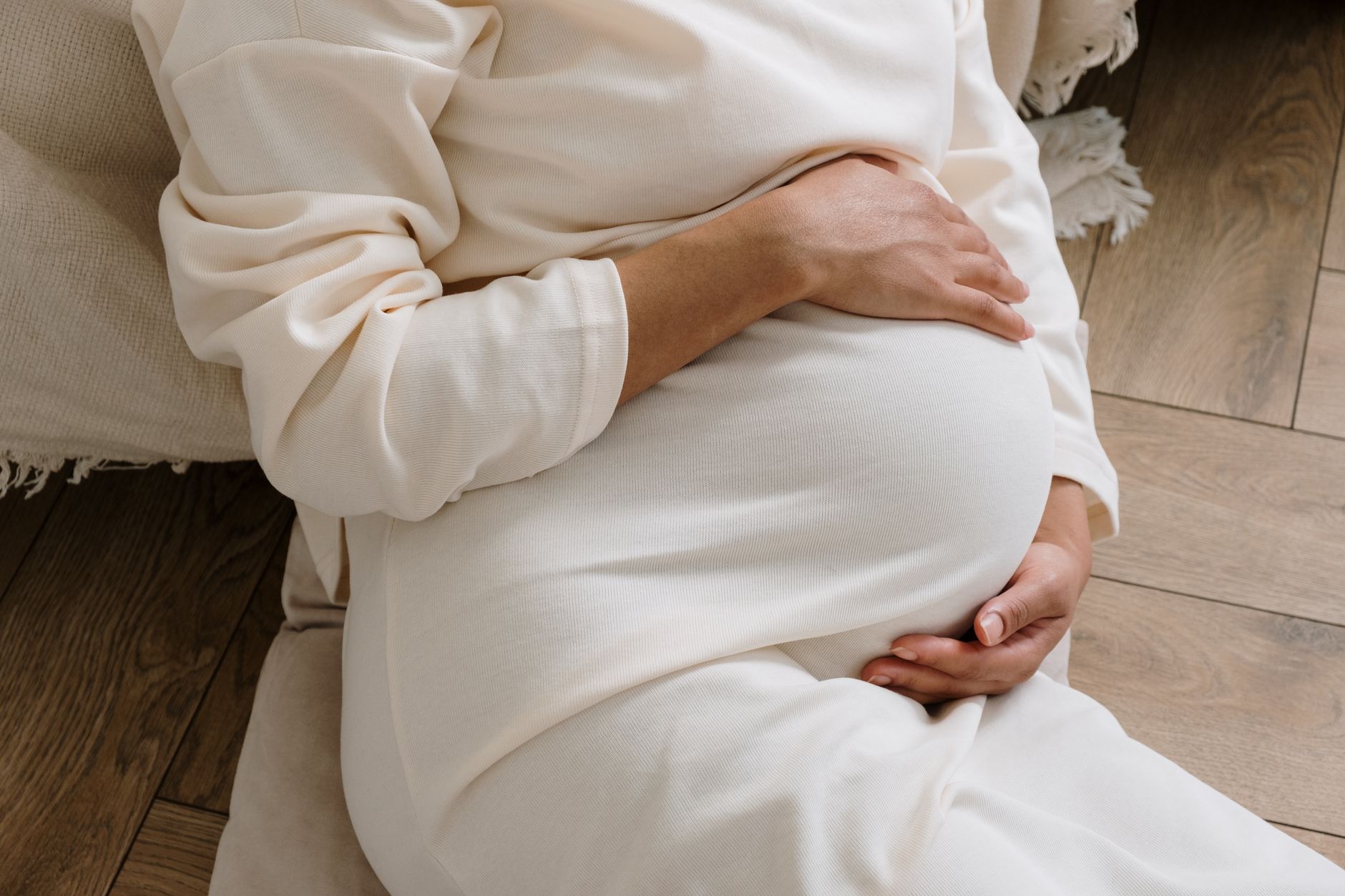
If you’re 26 weeks pregnant, you’re probably feeling a mix of familiar and new symptoms. Some days, you might feel like you’re finally getting the hang of this pregnancy thing—other days, it might feel like your body is throwing you curveballs. That’s completely normal. Your baby is growing rapidly, and your body is working hard to keep up. Here’s what you can expect this week:
- Baby kicks and movements: By now, you’re likely feeling regular flutters, rolls, and even some sharp jabs. These movements are a great sign that your baby is active and healthy. (More on what’s typical—and what’s not—later in this article.)
- Back pain: As your belly grows, your center of gravity shifts, putting extra strain on your lower back. You might also feel discomfort in your hips or pelvis as your body prepares for labor.
- Swelling (edema): Mild swelling in your feet, ankles, or hands is common, especially after standing or sitting for long periods. It’s usually harmless, but sudden or severe swelling can be a sign of a more serious condition.
- Braxton Hicks contractions: These "practice contractions" might feel like a tightening or squeezing in your belly. They’re usually painless and irregular, but if they become frequent or painful, it’s time to call your provider.
- Shortness of breath: Your growing uterus is pushing up against your diaphragm, making it harder to take deep breaths. This is normal, but if you’re struggling to breathe or notice a sudden change, let your provider know.
- Heartburn or indigestion: Hormonal changes slow down digestion, and your growing uterus can push stomach acid back up into your esophagus. Eating smaller meals and avoiding spicy or greasy foods can help.
- Sleep troubles: Finding a comfortable position is tougher than ever, and you might wake up frequently to pee or because of leg cramps. (We’ll share tips for better sleep later.)
- Urinary frequency: Your baby is pressing on your bladder, so you might feel like you’re running to the bathroom every hour. This is normal, but if you notice pain or burning, it could be a sign of a urinary tract infection (UTI).
- Skin changes: You might notice stretch marks, dark patches on your face (melasma), or a dark line down your belly (linea nigra). These are all normal and usually fade after pregnancy.
- Emotional ups and downs: Pregnancy hormones can make you feel more emotional than usual. It’s okay to have days when you feel overwhelmed or anxious—it’s all part of the journey.
Many women describe this stage as a "golden period" between the nausea of the first trimester and the discomfort of the third. But if you’re not feeling particularly golden, that’s okay too. Every pregnancy is different, and it’s normal to have good days and bad days. The key is to listen to your body and reach out to your provider if something doesn’t feel right.
One mom we spoke to put it this way: "At 26 weeks, I felt like I was finally getting my energy back, but my back was killing me. I’d go from feeling excited about the baby’s kicks to frustrated that I couldn’t even bend down to tie my shoes. It’s a weird mix of emotions and physical changes, but knowing what’s normal helped me feel more in control."
26 Weeks Pregnant: Baby Movement Patterns
At this stage, your baby is developing a more predictable sleep-wake cycle, which means you might notice patterns in their movements. Many moms describe feeling the most activity in the evenings or after eating a meal. That’s because your blood sugar levels rise after you eat, giving your baby a little energy boost. Some babies are also more active when you’re resting or lying down, which can make it easier to feel their movements.
So, what’s normal when it comes to baby movements at 26 weeks? Here’s what to expect:
- Frequency: You should feel your baby move several times a day. While there’s no set number of kicks you should count, most providers recommend paying attention to your baby’s usual pattern. If you notice a sudden decrease in movement, it’s worth checking in with your provider.
- Strength: By 26 weeks, your baby’s movements should feel stronger and more distinct. You might even see your belly move as they shift positions. If you’re not feeling much yet, don’t panic—some babies are just quieter than others, especially if your placenta is positioned in the front of your uterus (anterior placenta), which can cushion their movements.
- Type of movements: You might feel a mix of kicks, rolls, jabs, and even gentle flutters. Some moms describe it as feeling like popcorn popping or a fish swimming around in their belly. As your baby grows, their movements will become more coordinated and powerful.
- Hiccups: If you feel a rhythmic tapping or pulsing in your belly, it’s likely your baby’s hiccups. These are completely normal and can last anywhere from a few minutes to half an hour. They’re a sign that your baby’s diaphragm is developing.
It’s important to remember that every baby is different. Some are more active than others, and their movement patterns can vary from day to day. What matters most is that you’re feeling some movement regularly. If you’re ever concerned about a decrease in movement, don’t hesitate to reach out to your provider. They might ask you to do a "kick count" (tracking how long it takes to feel 10 movements) or come in for monitoring.
One mom shared her experience: "At first, I was obsessed with counting every little kick. But then my provider told me that what’s most important is noticing my baby’s usual pattern. Now, I just check in a few times a day—usually after meals or when I’m lying down—to make sure I feel something. It’s reassuring to know that my baby is active and healthy."
When to Worry About Baby Movements
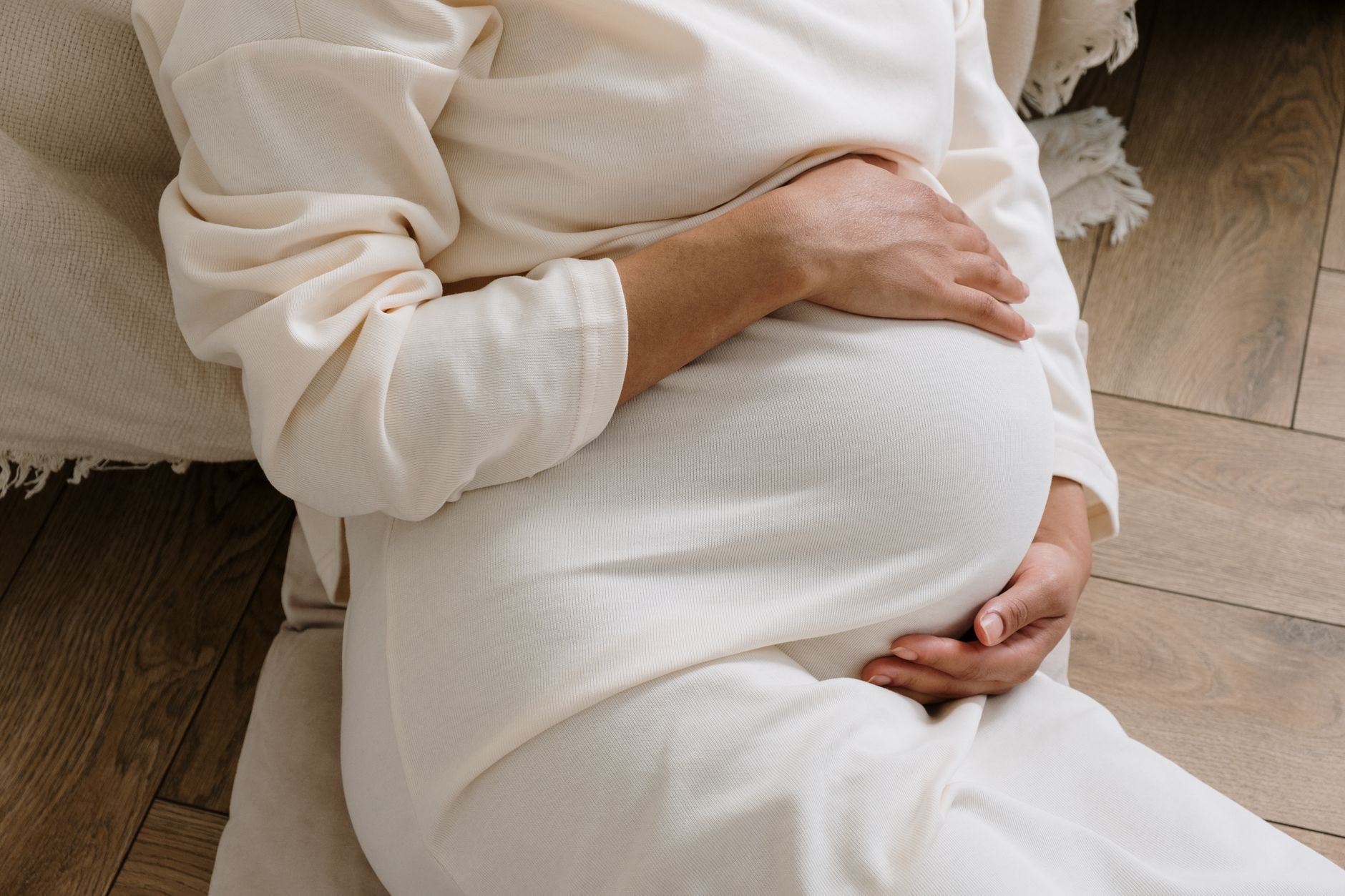
While most changes in movement are normal, there are a few red flags to watch for. Call your provider if you notice any of the following:
- A sudden decrease in movement, especially if you’re not feeling your baby move at all for several hours.
- No movement after eating or drinking something cold or sweet (which usually gets babies moving).
- Strong, painful kicks that feel different from your baby’s usual pattern.
- Fewer than 10 movements in two hours when you’re lying down and focusing on counting (this is a general guideline, but check with your provider for their specific advice).
It’s always better to be safe than sorry. If something doesn’t feel right, trust your instincts and reach out to your provider. They can perform a non-stress test or ultrasound to check on your baby’s well-being.
How Much Weight Should I Gain by 26 Weeks Pregnant?
Weight gain during pregnancy is a hot topic—and it’s one that can bring up a lot of emotions. You might feel proud of your growing belly one day and self-conscious the next. The truth is, weight gain is a normal and necessary part of pregnancy. Your body is building a whole new person, after all! But how much weight is healthy to gain by 26 weeks? And what can you do if you’re gaining too much or too little?
The amount of weight you should gain depends on your pre-pregnancy body mass index (BMI). Here’s a general guideline from the American College of Obstetricians and Gynecologists (ACOG) and the Institute of Medicine (IOM):
| Pre-Pregnancy BMI | Recommended Total Weight Gain | Recommended Weight Gain by 26 Weeks |
|---|---|---|
| Underweight (BMI < 18.5) | 28–40 lbs (12.7–18.1 kg) | 14–20 lbs (6.4–9.1 kg) |
| Normal weight (BMI 18.5–24.9) | 25–35 lbs (11.3–15.9 kg) | 12.5–17.5 lbs (5.7–7.9 kg) |
| Overweight (BMI 25–29.9) | 15–25 lbs (6.8–11.3 kg) | 7.5–12.5 lbs (3.4–5.7 kg) |
| Obese (BMI ≥ 30) | 11–20 lbs (5–9.1 kg) | 5.5–10 lbs (2.5–4.5 kg) |
These numbers are just guidelines, and every pregnancy is different. Some women gain weight steadily, while others have a growth spurt in the second trimester. What’s most important is that you’re gaining weight at a healthy rate and that your baby is growing well. Your provider will monitor your weight gain at each prenatal visit and let you know if they have any concerns.
If you’re gaining more or less than the recommended amount, don’t panic. Your provider might suggest small adjustments to your diet or activity level, but they won’t recommend drastic changes. The goal is to support your baby’s growth while keeping you healthy too.
One mom shared her experience: "I was so nervous about gaining too much weight, but my provider reminded me that my body knows what it’s doing. She told me to focus on eating nutritious foods and staying active, rather than obsessing over the number on the scale. That advice took a lot of pressure off."
Where Does the Weight Go?
It’s not just your baby that’s adding to the number on the scale. Here’s a rough breakdown of where the weight goes during pregnancy:
- Baby: 7–8 lbs (3.2–3.6 kg)
- Placenta: 1–2 lbs (0.5–0.9 kg)
- Amniotic fluid: 2 lbs (0.9 kg)
- Uterus: 2 lbs (0.9 kg)
- Breast tissue: 1–3 lbs (0.5–1.4 kg)
- Blood volume: 3–4 lbs (1.4–1.8 kg)
- Fluid retention: 2–3 lbs (0.9–1.4 kg)
- Fat stores: 6–8 lbs (2.7–3.6 kg)
As you can see, only a portion of the weight you gain is actually your baby. The rest is supporting your body’s changes and preparing for breastfeeding and postpartum recovery.
What If I’m Gaining Too Much or Too Little?
If you’re gaining weight too quickly, your provider might suggest:
- Focusing on nutrient-dense foods (like fruits, vegetables, lean proteins, and whole grains) rather than empty calories.
- Staying active with low-impact exercises like walking, swimming, or prenatal yoga.
- Avoiding excessive salt, which can contribute to swelling and water retention.
- Limiting sugary drinks and snacks, which can add extra calories without much nutritional benefit.
If you’re not gaining enough weight, your provider might recommend:
- Eating more frequent, smaller meals throughout the day.
- Adding healthy fats to your diet, like avocados, nuts, and olive oil.
- Including more protein-rich foods, like eggs, chicken, beans, and Greek yogurt.
- Drinking high-calorie smoothies or shakes if you’re struggling with nausea or appetite loss.
Remember, weight gain is just one part of a healthy pregnancy. What matters most is that you’re eating a balanced diet, staying active (if your provider approves), and taking care of your overall well-being.
26 Weeks Pregnant Back Pain Relief Tips
Back pain is one of the most common complaints during pregnancy, and by 26 weeks, you might be feeling it more than ever. As your belly grows, your center of gravity shifts forward, putting extra strain on your lower back. Hormonal changes also loosen your joints and ligaments, which can make your back feel less stable. The good news? There are plenty of ways to find relief—and you don’t have to suffer through it.
Here are some of the most effective strategies for easing back pain at 26 weeks pregnant:
1. Improve Your Posture
Slouching can make back pain worse, so focus on sitting and standing up straight. Here’s how:
- When sitting, keep your feet flat on the floor and your knees at a 90-degree angle. Use a small pillow or rolled-up towel to support your lower back.
- When standing, distribute your weight evenly on both feet. Avoid locking your knees, and try to keep your shoulders back and your chest lifted.
- If you’re on your feet for long periods, shift your weight from one leg to the other or prop one foot up on a low stool.
2. Wear Supportive Shoes
High heels and flip-flops might be off the table for now. Instead, opt for shoes with good arch support and a low, stable heel. If you’re on your feet a lot, consider adding orthotic inserts for extra support. Some women also find relief with a maternity support belt, which helps lift your belly and reduce strain on your back.
3. Sleep in a Supportive Position
Finding a comfortable position to sleep can be a challenge, but it’s worth the effort. Try sleeping on your side with a pillow between your knees to keep your hips aligned. You can also place a pillow under your belly for extra support. If you’re a back sleeper, try propping yourself up with pillows to avoid lying flat, which can worsen back pain.
4. Stay Active
Regular exercise can strengthen your back muscles and improve your posture, which can help prevent or reduce back pain. Some great options for pregnant women include:
- Prenatal yoga: Gentle yoga poses can stretch and strengthen your back, hips, and legs. Look for a prenatal yoga class or follow along with a video at home.
- Swimming or water aerobics: The buoyancy of the water takes pressure off your joints and can provide instant relief for achy muscles.
- Walking: A daily walk can improve circulation, reduce stiffness, and keep your back muscles strong.
- Pelvic tilts: This simple exercise can strengthen your abdominal muscles and ease lower back pain. To do it, get on your hands and knees, then gently arch your back up toward the ceiling (like a cat) and then dip it down toward the floor (like a cow). Repeat 10 times.
Always check with your provider before starting a new exercise routine, especially if you have any complications or concerns.
5. Apply Heat or Cold
Both heat and cold can help relieve back pain, depending on the cause. If your pain is due to muscle tension or stiffness, try applying a heating pad or warm compress to your lower back for 15–20 minutes. If your pain is due to inflammation or swelling, an ice pack wrapped in a towel can help reduce discomfort. Just be sure to limit cold therapy to 10–15 minutes at a time.
6. Get a Prenatal Massage
A prenatal massage can work wonders for back pain. Look for a massage therapist who is certified in prenatal massage and has experience working with pregnant women. They’ll know how to position you safely (usually on your side with plenty of pillows for support) and which techniques are best for relieving tension in your back, hips, and legs.
7. Try Acupuncture or Chiropractic Care
Some women find relief from back pain with alternative therapies like acupuncture or chiropractic care. If you’re interested in trying either of these, look for a practitioner who has experience working with pregnant women. Always check with your provider first to make sure it’s safe for you.
8. Lift Properly
As your belly grows, it’s important to avoid lifting heavy objects, but if you do need to lift something, use proper form to protect your back:
- Bend at your knees, not your waist.
- Keep the object close to your body.
- Engage your leg muscles to lift, rather than relying on your back.
- Avoid twisting your body while lifting.
If you have a toddler or young child, try to avoid carrying them for long periods. Instead, sit down and let them climb onto your lap, or use a stroller or carrier that distributes their weight evenly.
9. Practice Relaxation Techniques
Stress and tension can make back pain worse, so finding ways to relax is key. Try deep breathing exercises, meditation, or prenatal yoga to calm your mind and ease muscle tension. You might also find relief with a warm bath (just make sure the water isn’t too hot) or a gentle prenatal massage.
One mom shared her go-to routine: "I was really struggling with back pain at 26 weeks, but a combination of prenatal yoga, a heating pad, and a maternity support belt made a huge difference. I also started taking short walks every day, which helped more than I expected. It’s not a magic fix, but it’s made the pain much more manageable."

When to Call Your Provider
While back pain is usually normal during pregnancy, there are times when it can be a sign of something more serious. Call your provider if you experience any of the following:
- Severe or sudden back pain that doesn’t improve with rest.
- Back pain accompanied by vaginal bleeding, fever, or chills.
- Back pain that radiates down your legs or causes numbness or tingling.
- Back pain that’s accompanied by contractions or a change in your baby’s movement.
Your provider can help determine the cause of your pain and recommend safe treatments or interventions.
Signs of Preterm Labor at 26 Weeks
At 26 weeks, your baby is still considered very preterm, and their lungs and other organs are still developing. While most pregnancies go full-term (37–42 weeks), about 1 in 10 babies in the U.S. are born prematurely. Knowing the signs of preterm labor can help you act quickly if you notice any red flags. The sooner you get help, the better the chances of delaying delivery and giving your baby more time to grow.
Preterm labor is defined as labor that starts before 37 weeks of pregnancy. It can happen suddenly or develop over time, and the signs aren’t always obvious. Here’s what to watch for:
Common Signs of Preterm Labor
- Contractions: Regular contractions that feel like a tightening or squeezing in your belly. These might be painful or painless, and they don’t go away with rest or hydration. Unlike Braxton Hicks contractions, preterm labor contractions are usually regular and become stronger over time. They might feel like menstrual cramps or a dull ache in your lower back or pelvis.
- Change in vaginal discharge: An increase in vaginal discharge, especially if it’s watery, mucus-like, or bloody. This could be a sign that your water has broken or that your cervix is starting to dilate.
- Pelvic pressure: A feeling of pressure or heaviness in your pelvis, as if your baby is pushing down. This can be a sign that your cervix is starting to open.
- Low, dull backache: A constant, dull ache in your lower back that doesn’t go away with rest or position changes. This can be a sign of early labor.
- Abdominal cramps: Cramps that feel like menstrual cramps, with or without diarrhea. These can be a sign that your uterus is contracting.
- Fluid leaking from your vagina: A gush or trickle of fluid from your vagina could mean your water has broken. This is a sign that labor is starting, even if you’re not having contractions yet.
If you notice any of these signs, call your provider right away. They might ask you to come in for an exam to check your cervix and monitor your baby’s heartbeat. If you’re in preterm labor, they might recommend treatments to delay delivery, such as:
- Bed rest: Resting in bed (either at home or in the hospital) can help reduce pressure on your cervix and slow down labor.
- Hydration: Dehydration can sometimes trigger contractions, so drinking plenty of fluids might help stop early labor.
- Medications: Your provider might prescribe medications to stop contractions (tocolytics) or steroids to help your baby’s lungs mature more quickly.
- Cervical cerclage: If your cervix is starting to open too early, your provider might recommend a procedure called a cervical cerclage, where they stitch your cervix closed to help prevent preterm labor.
One mom shared her experience: "I started feeling cramping and pressure at 26 weeks, but I brushed it off as normal pregnancy discomfort. When I finally called my provider, they told me to come in right away. It turned out I was in early labor, but thanks to quick action, they were able to stop the contractions and give me steroids to help my baby’s lungs develop. I ended up delivering at 36 weeks, and my baby is doing great now. I’m so glad I didn’t wait to call."
Who’s at Risk for Preterm Labor?
While preterm labor can happen to anyone, some women are at higher risk. Factors that increase your risk include:
- Having a history of preterm labor or premature birth.
- Being pregnant with multiples (twins, triplets, or more).
- Having certain uterine or cervical abnormalities.
- Smoking, drinking alcohol, or using drugs during pregnancy.
- Having certain medical conditions, such as high blood pressure, diabetes, or infections.
- Experiencing high levels of stress or trauma during pregnancy.
- Being underweight or overweight before pregnancy.
- Having a short interval between pregnancies (less than 18 months).
If you’re at higher risk for preterm labor, your provider might recommend extra monitoring or preventive treatments, such as progesterone supplements or more frequent prenatal visits.
How to Reduce Your Risk of Preterm Labor
While you can’t always prevent preterm labor, there are steps you can take to reduce your risk:
- Attend all your prenatal visits: Regular check-ups can help your provider monitor your health and your baby’s growth, and catch any potential issues early.
- Stay hydrated: Dehydration can trigger contractions, so drink plenty of water throughout the day.
- Eat a balanced diet: Focus on nutrient-dense foods like fruits, vegetables, lean proteins, and whole grains. Avoid excessive sugar, salt, and processed foods.
- Manage stress: High stress levels can increase your risk of preterm labor. Find healthy ways to cope, such as exercise, meditation, or talking to a therapist.
- Avoid smoking, alcohol, and drugs: These can increase your risk of preterm labor and other complications.
- Practice good hygiene: Wash your hands frequently to avoid infections, which can sometimes trigger preterm labor.
- Listen to your body: If something doesn’t feel right, trust your instincts and call your provider.
26 Weeks Pregnant Swelling and Edema Causes
Swelling, or edema, is a common symptom during pregnancy, especially in the second and third trimesters. By 26 weeks, you might notice your feet, ankles, or hands looking a little puffier than usual. While mild swelling is usually harmless, it can be uncomfortable—and in some cases, it can be a sign of a more serious condition. Here’s what you need to know about swelling at 26 weeks pregnant.
What Causes Swelling During Pregnancy?
Swelling happens when your body retains extra fluid, which is a normal part of pregnancy. Here’s why it happens:
- Increased blood volume: During pregnancy, your blood volume increases by about 50% to support your growing baby. This extra fluid can leak into your tissues, causing swelling.
- Hormonal changes: Pregnancy hormones can cause your blood vessels to relax and widen, which can lead to fluid retention.
- Pressure on your veins: As your uterus grows, it puts pressure on the veins that return blood from your legs to your heart. This can slow down circulation and cause fluid to pool in your lower body.
- Gravity: Standing or sitting for long periods can cause fluid to accumulate in your feet and ankles.
Mild swelling is usually nothing to worry about, but if it’s sudden, severe, or accompanied by other symptoms, it could be a sign of a more serious condition, such as preeclampsia (a pregnancy complication characterized by high blood pressure and organ damage).
How to Reduce Swelling
While you can’t always prevent swelling, there are steps you can take to reduce it:
- Elevate your feet: Whenever you can, prop your feet up on a stool or pillow to help fluid drain from your legs.
- Stay active: Regular exercise, like walking or swimming, can improve circulation and reduce swelling.
- Wear comfortable shoes: Avoid tight shoes or high heels, which can worsen swelling. Opt for supportive, low-heeled shoes instead.
- Drink plenty of water: It might seem counterintuitive, but staying hydrated can help flush out excess fluid and reduce swelling.
- Limit salt: Eating too much salt can cause your body to retain fluid. Try to limit processed foods and salty snacks.
- Avoid standing or sitting for long periods: If you have a desk job, take breaks to walk around and stretch your legs. If you’re on your feet a lot, try to sit down and elevate your feet whenever possible.
- Wear compression stockings: These can help improve circulation and reduce swelling in your legs.
- Sleep on your side: Sleeping on your left side can improve blood flow and reduce swelling.
- Try a cool compress: Applying a cool, damp cloth to swollen areas can help reduce discomfort.
One mom shared her go-to trick: "I was really struggling with swollen feet at 26 weeks, but elevating them for 10 minutes every hour made a huge difference. I also started wearing compression socks, which helped a lot. It’s not a cure, but it made the swelling much more manageable."
When to Call Your Provider
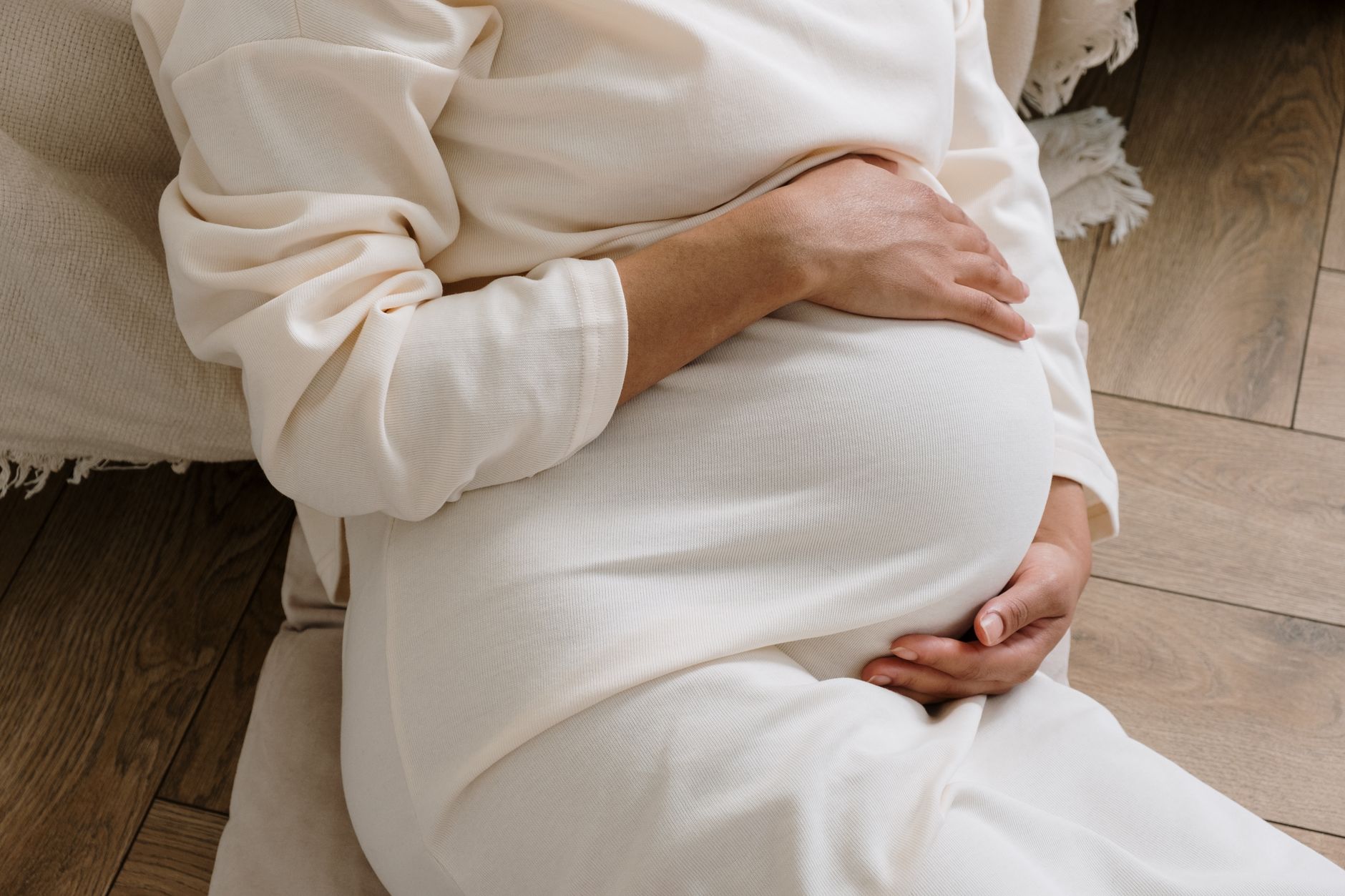
While mild swelling is usually normal, there are times when it can be a sign of a more serious condition. Call your provider if you notice any of the following:
- Sudden or severe swelling in your face, hands, or feet.
- Swelling that doesn’t go away after resting or elevating your feet.
- Swelling in only one leg, especially if it’s accompanied by pain or redness (this could be a sign of a blood clot).
- Swelling that’s accompanied by other symptoms, such as headaches, vision changes, or upper abdominal pain (these could be signs of preeclampsia).

