

Quick take: At 26 weeks pregnant, your baby is about the size of a head of cauliflower—roughly 35 cm (14 inches) long and weighing around 760 grams (1.7 pounds). Their lungs are practicing breathing, their brain is developing rapidly, and you’ll likely feel frequent kicks and rolls. While sizes vary, most babies fall within a healthy range, and your provider will monitor growth at your next ultrasound.
You’re lying on the couch, phone in hand, scrolling through pregnancy apps while your baby performs what feels like a full gymnastics routine in your belly. The app says "26 weeks" and flashes a picture of a cauliflower. A cauliflower? Really? You squint at your bump, trying to imagine what’s happening in there. Is your baby really that big? What does "the size of a cauliflower" even mean when you’re talking about a tiny human?
If you’ve ever found yourself Googling "26 weeks pregnant baby size" at 2 a.m., you’re not alone. Every parent-to-be wants to know: Is my baby growing as they should? What’s normal? What’s happening inside me right now? The good news is, at 26 weeks, your little one is hitting some exciting milestones—and yes, they’re probably about the size of that cauliflower in your fridge. Let’s break it down, so you can stop wondering and start celebrating just how far you’ve both come.

How Big Is a Baby at 26 Weeks Pregnant?
At 26 weeks pregnant, your baby is growing at a remarkable pace. On average, they measure about 35 centimeters (14 inches) from head to heel—roughly the length of a large banana or, yes, a head of cauliflower. But unlike a banana, your baby is starting to fill out, with their weight now around 760 grams (1.7 pounds). That’s about the same as a standard loaf of bread or a large sweet potato.
Many parents-to-be find it helpful to visualize their baby’s size using everyday objects. At this stage, your little one is also about the size of a:
- A large ear of corn
- A small butternut squash
- A standard football (soccer ball) in circumference
- A medium-sized grapefruit
One mom, Sarah, shared her experience: "I kept picturing my baby as a tiny avocado for weeks, but at 26 weeks, my midwife said they were more like a cauliflower. I laughed—until I held one in the grocery store and realized just how much my belly had grown to match!"
It’s important to remember that these comparisons are averages. Babies grow at their own pace, and what matters most is that your baby is following their own growth curve. Your healthcare provider will track this at your prenatal visits, so try not to stress if your baby is a little bigger or smaller than the "average."
Average Length of a 26-Week Fetus in Centimeters (and Inches)
But how do doctors measure this? During an ultrasound, your provider measures your baby’s length in a few different ways:
- Crown-rump length (CRL): This measures from the top of the baby’s head (crown) to their bottom (rump). At 26 weeks, this is usually around 23 cm (9 inches). CRL is most commonly used in the first trimester, but it’s still part of the overall assessment.
- Head circumference (HC): The distance around your baby’s head. At 26 weeks, this is typically about 24 cm (9.5 inches).
- Femur length (FL): The length of your baby’s thigh bone. At this stage, it’s usually around 4.8 cm (1.9 inches).
- Abdominal circumference (AC): The distance around your baby’s belly. At 26 weeks, this is roughly 22 cm (8.7 inches).
These measurements help your provider estimate your baby’s size and ensure they’re growing as expected. If you’ve ever wondered why your ultrasound technician spends so much time moving the wand around your belly, it’s because they’re capturing these key measurements to paint a full picture of your baby’s development.
It’s also worth noting that babies don’t grow in a perfectly straight line. Some weeks, they might focus on length; other weeks, they might pack on weight. This is completely normal. What your provider is looking for is a steady upward trend, not perfection in every single measurement.
What Is the Weight of a 26-Week Baby?
At 26 weeks, the average weight of a baby is about 760 grams, which is roughly 1.7 pounds. To put that in perspective, that’s about the same as:
- A large can of soup
- A standard loaf of bread
- Two medium-sized apples
- A small bag of flour
If you’re more familiar with ounces, 760 grams converts to about 26.8 ounces. So, your baby is roughly 1 pound and 10 ounces at this stage.
Weight gain is one of the most exciting parts of pregnancy for many parents. At 26 weeks, your baby is starting to build up layers of fat, which will help them regulate their body temperature after birth. This fat is also what gives newborns their adorable chubby cheeks and dimples!
But how does your baby’s weight compare to earlier weeks? Let’s take a quick look:
- 12 weeks: About 14 grams (0.5 ounces)
- 16 weeks: About 100 grams (3.5 ounces)
- 20 weeks: About 300 grams (10.6 ounces)
- 24 weeks: About 600 grams (1.3 pounds)
- 26 weeks: About 760 grams (1.7 pounds)
As you can see, your baby’s weight is increasing rapidly. In just the last two weeks (from 24 to 26 weeks), they’ve gained about 160 grams (5.6 ounces)—that’s like adding a small apple to their size every week!
One thing to keep in mind is that weight can vary significantly from baby to baby. Factors like genetics, your health, and even the position of the placenta can influence your baby’s size. For example, if you’re petite, your baby might be on the smaller side of the average range, while if you’re taller or have a larger frame, your baby might be a bit bigger. What’s most important is that your baby is growing steadily, not necessarily that they hit a specific number on the scale.

26-Week Fetal Size Compared to Fruit (and Other Fun Objects)
One of the most common ways to visualize your baby’s size during pregnancy is by comparing them to fruits, vegetables, and other everyday objects. At 26 weeks, your baby is about the size of a head of cauliflower, but let’s dive into some other fun comparisons to help you picture just how big (or small!) your little one is right now.
Here’s a quick reference table for some of the most popular size comparisons at 26 weeks:
| Object | Size Comparison | Why It’s a Good Match |
|---|---|---|
| Head of cauliflower | ~35 cm (14 inches) long | The florets mimic the shape of your baby’s developing limbs, and the overall size matches their length. |
| Large ear of corn | ~30 cm (12 inches) long | The length of the cob is similar to your baby’s crown-rump length (head to bottom). |
| Small butternut squash | ~35 cm (14 inches) long, ~760 grams (1.7 lbs) | The weight and length are a close match, and the shape resembles a curled-up baby. |
| Standard football (soccer ball) | ~68–70 cm in circumference | The circumference of a soccer ball is similar to the distance around your belly at 26 weeks. |
| Medium grapefruit | ~10 cm (4 inches) in diameter | The diameter of a grapefruit is similar to your baby’s head circumference at this stage. |
| Large sweet potato | ~30 cm (12 inches) long, ~500–700 grams (1.1–1.5 lbs) | The weight and length are a good match, and the shape is similar to a curled-up fetus. |
| Loaf of bread | ~760 grams (1.7 lbs) | The weight of a standard loaf of bread is similar to your baby’s weight at 26 weeks. |
Why do we use these comparisons? For many parents, it’s easier to picture a cauliflower or a loaf of bread than to imagine a tiny human inside their belly. These objects also help put your baby’s growth into perspective. For example, at 12 weeks, your baby was about the size of a lime. Now, at 26 weeks, they’re closer to a butternut squash—quite a jump in just a few months!
One mom, Priya, shared how these comparisons helped her bond with her baby: "I kept a little notebook where I’d draw the fruit or vegetable that matched my baby’s size each week. At 26 weeks, I drew a cauliflower and wrote, ‘You’re getting so big, little one!’ It made the whole experience feel more real and exciting."
Of course, these comparisons are just for fun. Your baby is unique, and their size might not match these objects exactly. What matters most is that they’re growing steadily and healthily, which your provider will monitor at your prenatal visits.
Development Milestones at 26 Weeks Pregnant
At 26 weeks, your baby isn’t just growing in size—they’re also hitting some incredible developmental milestones. Inside your belly, they’re busy practicing skills they’ll need for life outside the womb. Here’s what’s happening this week:
The Brain: A Burst of Activity
Your baby’s brain is developing at a rapid pace. The cerebral cortex—the part of the brain responsible for thinking, memory, and language—is starting to form distinct layers. This means your baby is beginning to process information, even though they’re still months away from being able to think or remember in the way we do as adults.
One of the most exciting brain developments at this stage is the formation of sleep cycles. Your baby is now experiencing periods of REM (rapid eye movement) sleep, which is the phase associated with dreaming in adults. While we don’t know for sure if babies dream, their brain activity during REM sleep suggests they might be processing the sounds and sensations they experience in the womb.
The Lungs: Practicing for the First Breath
Your baby’s lungs are one of the last major organs to fully develop, but at 26 weeks, they’re making significant progress. The lungs are now producing surfactant, a substance that helps the air sacs (alveoli) stay open after birth. Without surfactant, the lungs would collapse with each breath, making it impossible for your baby to breathe on their own.
While your baby’s lungs aren’t fully mature yet, they’re practicing "breathing" movements by inhaling and exhaling amniotic fluid. These movements help strengthen the muscles they’ll use to breathe after birth. You might even feel these movements as gentle, rhythmic flutters in your belly—almost like your baby is hiccuping!
The Eyes: Opening and Exploring
At 26 weeks, your baby’s eyes are starting to open. While they can’t see much in the dark, cozy environment of the womb, they can detect light. If you shine a bright light on your belly, your baby might turn their head toward it or even move away if it’s too bright. This is a great way to bond with your little one before they’re born!
Your baby’s retinas—the part of the eye that detects light—are also developing. While their vision will be blurry at birth, they’ll be able to focus on objects about 8–12 inches away, which is perfect for gazing into your eyes during feedings.
The Ears: Tuning Into the World
Your baby’s hearing is becoming more refined at 26 weeks. They can now recognize your voice and may even respond to it by moving or kicking. Many parents-to-be talk, sing, or read to their baby at this stage, and it’s a wonderful way to start bonding before birth.
Your baby can also hear other sounds, like your heartbeat, your stomach rumbling, or even loud noises outside the womb. Some studies suggest that babies remember sounds they hear in the womb, which is why many newborns are soothed by white noise or lullabies they heard before birth.
The Bones: Getting Stronger
At 26 weeks, your baby’s bones are hardening, but they’re still soft and flexible. This flexibility is important because it allows your baby to move more easily through the birth canal during delivery. The bones in their skull, in particular, remain soft and separated by spaces called fontanelles. These soft spots allow the skull to compress slightly during birth and also give your baby’s brain room to grow after they’re born.
Your baby’s skeleton is made up of more than 300 bones at this stage, but some of these will fuse together as they grow. By the time they’re an adult, they’ll have 206 bones.
The Skin: Less Transparent, More Opaque
At 26 weeks, your baby’s skin is becoming less transparent and more opaque. This is because they’re starting to build up layers of fat, which will help them regulate their body temperature after birth. Their skin is also covered in a fine, downy hair called lanugo, which helps protect their skin and keep them warm in the womb.
You might be surprised to learn that your baby is also starting to develop their own unique fingerprints at this stage. These tiny ridges on their fingers and toes are forming now and will be fully developed by the time they’re born.
The Immune System: Getting Ready for the Outside World
Your baby’s immune system is starting to develop at 26 weeks. While they’re still protected by your immune system, they’re beginning to produce their own white blood cells, which will help them fight off infections after birth. Your baby is also receiving antibodies from you through the placenta, which will give them a temporary boost of immunity in the early weeks of life.
Movement: Kicks, Rolls, and Stretches
By 26 weeks, your baby is moving a lot—and you’re probably feeling it! Many parents describe the movements at this stage as kicks, rolls, or even somersaults. Your baby is practicing all the skills they’ll need after birth, like stretching, grasping, and even sucking their thumb.
One mom, Lisa, shared her experience: "At 26 weeks, I could feel my baby moving all the time. It was like they were doing gymnastics in there! I’d put my hand on my belly and feel a little foot push back. It was the most amazing feeling."
If you haven’t already, now is a great time to start paying attention to your baby’s movement patterns. While there’s no set number of kicks you should feel each day, most providers recommend keeping track of how often your baby moves. If you notice a sudden decrease in movement, it’s always a good idea to call your provider.
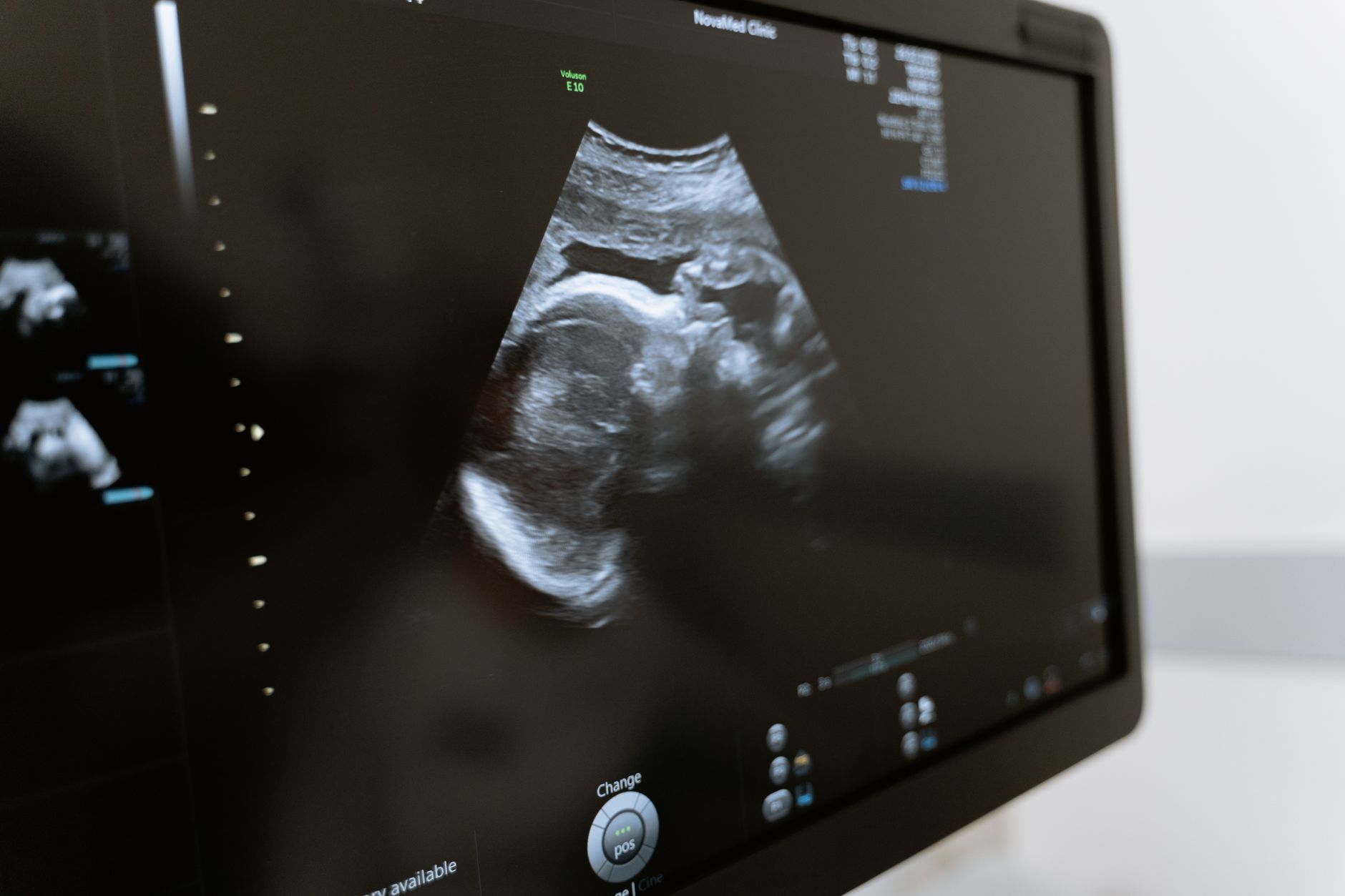
What Can I Feel at 26 Weeks Pregnant?
At 26 weeks, your baby’s movements are likely becoming a regular part of your day—and your night. Many parents-to-be find this stage both exciting and a little overwhelming, as their baby’s activity levels ramp up. Here’s what you might be feeling (and what it all means):
Kicks and Punches
By now, you’re probably feeling strong kicks and punches from your baby. These movements can range from gentle taps to full-on jabs that make you gasp. Your baby is getting stronger every day, and their movements are becoming more coordinated. You might even be able to tell the difference between a kick (a sharp, quick movement) and a punch (a longer, more sustained push).
One dad, Mark, shared his experience: "I was lying on the couch with my partner, and I felt this huge kick right where my hand was. It was like our baby was saying, ‘Hey, I’m in here!’ It was the first time I really felt connected to them."
Rolls and Flips
At 26 weeks, your baby has plenty of room to move around in your uterus, and they’re taking full advantage of it. You might feel them rolling from side to side or even doing full somersaults. These movements can feel like a wave or a gentle rocking sensation in your belly. Some parents describe it as feeling like a fish swimming inside them.
If your baby is particularly active, you might even see your belly move as they shift positions. This is completely normal and a sign that your baby is healthy and growing.
Hiccups
Yes, your baby can get hiccups—and you might feel them! Hiccups in the womb feel like gentle, rhythmic taps or pulses in your belly. They can last for a few minutes or even up to an hour. While it might feel strange, hiccups are a normal part of your baby’s development and a sign that their diaphragm is practicing for breathing after birth.
One mom, Emma, said: "I thought I was imagining things at first, but then I realized my belly was pulsing in a regular pattern. My midwife told me it was hiccups, and it was one of the sweetest things I’ve ever felt."
Stretches and Twists
Your baby is also practicing stretching and twisting movements at this stage. These can feel like a long, slow push or a sudden shift in your belly. You might even feel your baby stretching their legs or arms, which can cause your belly to bulge in one spot.
These movements are important because they help your baby develop muscle tone and coordination. They’re also a sign that your baby is getting ready for life outside the womb, where they’ll need to move and explore their surroundings.
Braxton Hicks Contractions
At 26 weeks, you might start to feel Braxton Hicks contractions. These are practice contractions that help your uterus prepare for labor. They feel like a tightening or squeezing sensation in your belly and can last for a few seconds to a couple of minutes. Unlike real contractions, Braxton Hicks are usually painless and irregular.
If you’re not sure whether you’re feeling Braxton Hicks or real contractions, try changing positions. If the contractions go away when you move or rest, they’re likely Braxton Hicks. If they continue or get stronger, call your provider.
Pelvic Pressure
As your baby grows, you might start to feel more pressure in your pelvis. This is because your baby is settling lower into your pelvis in preparation for birth. While this pressure can be uncomfortable, it’s a normal part of pregnancy. You might also feel a sharp, shooting pain in your pelvis or groin when your baby moves—this is called round ligament pain and is caused by the stretching of the ligaments that support your uterus.
Backaches and Discomfort
With your baby growing bigger every day, you might start to experience more backaches and general discomfort. This is because your center of gravity is shifting, and your ligaments are loosening to prepare for birth. You might also feel more tired or short of breath as your uterus presses against your diaphragm.
To ease these discomforts, try:
- Wearing supportive shoes
- Using a pregnancy pillow for better sleep
- Practicing good posture
- Taking breaks to rest and elevate your feet
- Doing gentle exercises like prenatal yoga or swimming
Emotional Changes
At 26 weeks, you might also be feeling a mix of emotions. Many parents-to-be feel excited, anxious, or even overwhelmed as they prepare for the arrival of their baby. It’s normal to have mixed feelings, especially as the reality of parenthood starts to sink in.
One mom, Rachel, shared: "At 26 weeks, I felt like I was on an emotional rollercoaster. One minute I was excited to meet my baby, and the next I was terrified about labor. Talking to my partner and my midwife helped me feel more grounded."
If you’re feeling anxious or overwhelmed, don’t hesitate to reach out to your provider or a mental health professional. They can offer support and resources to help you navigate this exciting but sometimes challenging time.
Is 26 Weeks Baby Size Normal for My Due Date?
One of the most common questions parents-to-be have at 26 weeks is whether their baby’s size is "normal" for their due date. The short answer is: it depends. Babies come in all shapes and sizes, and what’s normal for one baby might not be for another. However, there are some general guidelines that can help you understand whether your baby is growing as expected.
How Due Dates Are Calculated
First, it’s important to understand how due dates are calculated. Most providers use the first day of your last menstrual period (LMP) to estimate your due date. This method assumes a 28-day menstrual cycle and ovulation on day 14. However, not all women have 28-day cycles, and ovulation can vary. This means your due date might not be 100% accurate, and that’s okay.
If you’re unsure about your due date or have irregular cycles, your provider might use an ultrasound to estimate your baby’s age. Ultrasounds in the first trimester are the most accurate for dating a pregnancy, but even then, there’s a margin of error.
What’s Considered "Normal" Size at 26 Weeks?
At 26 weeks, most babies fall within a range of sizes. According to the American College of Obstetricians and Gynecologists (ACOG), the average length of a 26-week fetus is about 35 cm (14 inches), and the average weight is around 760 grams (1.7 pounds). However, babies can vary significantly in size and still be perfectly healthy.
Here’s a general range of what’s considered normal at 26 weeks:
- Length: 32–38 cm (12.6–15 inches)
- Weight: 600–900 grams (1.3–2 pounds)
If your baby falls outside this range, it doesn’t necessarily mean there’s a problem. Your provider will look at your baby’s growth over time, rather than just one measurement. For example, if your baby was on the smaller side at 20 weeks but has been growing steadily since then, that’s a good sign. On the other hand, if your baby’s growth slows down or stops, your provider might want to investigate further.
Factors That Can Affect Your Baby’s Size
Several factors can influence your baby’s size at 26 weeks, including:
- Genetics: If you or your partner were small or large at birth, your baby might follow a similar pattern.
- Your health: Conditions like gestational diabetes or high blood pressure can affect your baby’s growth. For example, gestational diabetes can cause your baby to grow larger than average, while high blood pressure might lead to slower growth.
- Your diet and lifestyle: Eating a balanced diet and staying active can support your baby’s growth. On the other hand, smoking, drinking alcohol, or using drugs can restrict your baby’s growth.
- Placental health: The placenta is your baby’s lifeline, delivering oxygen and nutrients. If the placenta isn’t functioning well, your baby might not grow as expected.
- Multiple pregnancies: If you’re carrying twins or more, your babies might be smaller than average because they’re sharing space and resources in the womb.
How Your Provider Monitors Your Baby’s Growth
Your provider will monitor your baby’s growth at your prenatal visits. Here’s what they’ll look for:
- Fundal height: This is the distance from your pubic bone to the top of your uterus. At 26 weeks, your fundal height should be about 26 centimeters (give or take a few). If it’s significantly larger or smaller, your provider might order an ultrasound to check your baby’s size.
- Ultrasound measurements: If your provider has concerns about your baby’s growth, they might order an ultrasound. During the ultrasound, they’ll measure your baby’s head circumference, abdominal circumference, and femur length to estimate their size.
- Growth curve: Your provider will plot your baby’s measurements on a growth curve to see how they’re progressing over time. This helps them identify any potential issues early.
What If My Baby Is Smaller or Larger Than Average?
If your baby is smaller or larger than average, your provider will want to figure out why. Here’s what might happen next:
- Additional ultrasounds: Your provider might order more frequent ultrasounds to monitor your baby’s growth.
- Non-stress tests (NSTs): These tests monitor your baby’s heart rate and movements to ensure they’re doing well.
- Doppler ultrasound: This test checks the blood flow in your baby’s umbilical cord and placenta to make sure they’re getting enough oxygen and nutrients.
- Lifestyle changes: If your baby is smaller than expected, your provider might recommend changes to your diet or activity level to support their growth.
- Early delivery: In rare cases, if your baby isn’t growing well or there are other concerns, your provider might recommend delivering your baby early. This is usually a last resort and is only done if the benefits outweigh the risks.
One mom, Jessica, shared her experience: "At my 26-week ultrasound, my baby was measuring small. My provider ordered a Doppler ultrasound and non-stress tests, and everything came back normal. It turned out my baby was just petite, like me! I felt so relieved after all the extra monitoring."
When to Talk to Your Provider
While variations in size are normal, there are some signs that might indicate a problem. Call your provider if you notice:
- A sudden decrease in your baby’s movements
- Your belly isn’t growing as expected
- You’re not gaining weight or are losing weight
- You have severe headaches, vision changes, or swelling (signs of preeclampsia)
- You have vaginal bleeding or leaking fluid
Remember, your provider is there to support you and your baby. If you have any concerns about your baby’s size or growth, don’t hesitate to reach out. It’s always better to ask questions than to worry in silence.
How Does 26-Week Baby Size Compare to 24 Weeks?
If you’re curious about how much your baby has grown in just two weeks, you’re not alone. Many parents-to-be are amazed by how quickly their little one is developing. At 24 weeks, your baby was about the size of an ear of corn—roughly 30 cm (12 inches) long and weighing around 600 grams (1.3 pounds). By 26 weeks, they’ve grown to the size of a head of cauliflower, measuring about 35 cm (14 inches) and weighing around 760 grams (1.7 pounds).
That’s a growth spurt of about 5 cm (2 inches) in length and 160 grams (5.6 ounces) in weight in just two weeks! To put it in perspective, that’s like your baby gaining the weight of a small apple every week.
Why the Rapid Growth?
Your baby’s rapid growth at this stage is driven by a few key factors:
- Fat storage: At 26 weeks, your baby is starting to build up layers of fat, which will help them regulate their body temperature after birth. This fat also gives them that adorable newborn chubbiness.
- Organ development: Your baby’s organs, like their lungs and brain, are maturing rapidly. This requires more energy and nutrients, which is why they’re growing so quickly.
- Muscle and bone growth: Your baby’s muscles and bones are getting stronger, which adds to their overall size and weight.
What’s Changed in Two Weeks?
In just two weeks, your baby has hit some major milestones. Here’s what’s different at 26 weeks compared to 24 weeks:
- Eyes: At 24 weeks, your baby’s eyes were still fused shut. By 26 weeks, they’re starting to open, and your baby can detect light.
- Lungs: At 24 weeks, your baby’s lungs were just beginning to produce surfactant. By 26 weeks, they’re making more surfactant, which is crucial for breathing after birth.
- Brain: At 24 weeks, your baby’s brain was developing rapidly, but by 26 weeks, the cerebral cortex is forming distinct layers, and your baby is starting to process information.
- Movements: At 24 weeks, you might have felt gentle flutters. By 26 weeks, you’re likely feeling strong kicks, rolls, and even hiccups.
- Skin: At 24 weeks, your baby’s skin was still thin and transparent. By 26 weeks, it’s becoming less see-through and more opaque as they build up fat layers.
One mom, Maria, shared her amazement at how quickly her baby grew: "At 24 weeks, I could barely feel my baby move. By 26 weeks, it felt like they were doing somersaults in there! It’s incredible how much can change in just two weeks."
How Does This Compare to Future Growth?
While your baby is growing rapidly now, their growth rate will slow down

