At 24 weeks pregnant, symptoms like back pain, Braxton Hicks, and fatigue are common. Learn what to expect, how to manage them, and when to seek help.
By Shubhra Mishra — a mom of two who turned her own confusion during pregnancy into BumpBites, a global mission to make food choices clear, safe, and stress-free for every expecting mother. 💛
Check whether any food is safe during pregnancy with the BumpBites Food Safety Checker.
Quick take: At 24 weeks you’re well into the second trimester, so it’s normal to feel more movement, notice some swelling, and experience back aches. Most symptoms are harmless, but sudden pain, heavy bleeding, or a rapid increase in swelling should prompt a call to your provider. Stay active, eat a balanced diet, and keep up with scheduled prenatal visits.
It’s 2 a.m., you’re curled up on the couch, and a gentle flutter in your lower belly makes you pause. “Is this normal?” you wonder, scrolling through endless forums while a tiny kick reminds you that your baby is growing fast.
Welcome to the 24‑week milestone. You’ve crossed the halfway point of pregnancy, and your body is sending a mix of familiar and new signals. In this guide we’ll walk through every symptom you might notice, explain what’s typical versus what needs medical attention, and give you practical tips on nutrition, exercise, and prenatal care.
Read on to get a clear picture of what to expect, how to soothe discomfort, and when a simple check‑in with your clinician can keep both you and your baby safe.
What are the common symptoms at 24 weeks pregnant?
By week 24 most women report a blend of physical changes that reflect both the baby’s rapid growth and the body’s adaptation. Below is a comprehensive 24‑weeks‑pregnant symptoms list and timeline:
Increased fetal movement: You’ll feel more distinct kicks, rolls, and even hiccups.
Back pain: The added weight and shift in center of gravity strain the lumbar spine.
Swelling (edema): Ankles, feet, and sometimes hands can puff up, especially after standing.
Night sweats: Hormonal changes can cause sudden warmth and dampness.
Breast tenderness: Still preparing for lactation.
Round ligament pain: Sharp, fleeting pain on one side of the lower abdomen.
Heartburn and indigestion: The growing uterus presses on the stomach.
Constipation: Slowed intestinal motility due to progesterone.
Fatigue: Though many women feel a resurgence of energy after the first trimester, the baby’s growth can be tiring.
These symptoms often appear gradually, but the intensity can vary day to day. For many, the first few weeks may feel like a “quiet” period, followed by a surge of sensations as the baby becomes more active.
It’s also useful to compare 24‑weeks‑pregnant symptoms vs 20‑weeks differences. At 20 weeks you might notice occasional flutters, but by 24 weeks the movements become stronger and more regular. Swelling tends to become more noticeable after 22 weeks, and back pain often escalates as the uterus rises above the pelvic brim.
If you’re experiencing any of the following, they are considered red‑flag 24‑weeks‑pregnant symptoms that require a doctor:
Severe abdominal pain or cramping that doesn’t subside.
Heavy vaginal bleeding or spotting.
Sudden, intense swelling in one leg (possible blood clot).
Fever over 100.4 °F (38 °C) without a clear cause.
Fluid leaking from the vagina.
These signs could indicate preterm labor, infection, or other complications and merit prompt medical evaluation.
How does baby movement change at 24 weeks?
A
t 24 weeks the baby measures about 12 inches (30 cm) long and weighs roughly 1.3 lb (600 g). This size allows for more defined movements that you can feel on the outside.
What to expect:
Pattern: Movements become rhythmic, often occurring after meals or when you’re relaxed.
Strength: Kicks feel like a gentle jab or a “bubble‑wrap” sensation.
Frequency: Most providers suggest counting 10 movements within two hours once a day, usually after a snack.
Tracking movement helps you monitor fetal well‑being. If you notice a sudden decrease in activity—such as a lull that lasts more than 24 hours—you should contact your provider.
Because the baby’s size is now comparable to a cantaloupe, the space inside the uterus is more limited, which can intensify the perception of each kick. Some moms describe it as a “dance party” in the womb.
Is swelling in feet normal at 24 weeks pregnancy?
Swelling, or edema, is common after the midway point of pregnancy. The increased blood volume and pressure on pelvic veins cause fluid to accumulate, especially in the lower extremities.
Typical swelling:
Occurs in ankles, feet, and sometimes the lower legs.
Worsens toward the end of the day or after long periods of standing.
Improves after lying down and elevating the feet.
If the swelling is asymmetrical (one leg much larger than the other), accompanied by pain, warmth, or redness, it could signal a blood clot—a medical emergency. Likewise, sudden, rapid swelling of the hands or face may indicate pre‑eclampsia, a serious rise in blood pressure.
Simple strategies to reduce normal swelling:
Stay hydrated—aim for 8–10 cups of water daily.
Elevate feet while sitting.
Wear supportive compression stockings.
Engage in gentle leg movements, such as ankle circles.
Even with these measures, a small amount of puffiness is usually harmless. However, always discuss any new or worsening edema with your clinician.
What foods should I avoid at 24 weeks pregnant?
Nutrition continues to be a cornerstone of a healthy pregnancy at 24 weeks. While many foods are safe, there are a few categories you should limit or avoid to protect both you and your baby.
Food Category
Why to Avoid
Safe Alternatives
Raw or undercooked seafood (sushi, oysters)
Risk of Listeria and parasites
Cooked fish, canned salmon, or shrimp
Unpasteurized dairy (soft cheeses, raw milk)
Listeria contamination
Pasteurized cheese, yogurt, kefir
Cold deli meats and hot dogs
Listeria risk if not reheated
Heat to steaming before eating
High‑mercury fish (shark, swordfish, king mackerel)
Mercury can affect fetal brain development
Low‑mercury options: salmon, sardines, trout
Alcohol
Fetal alcohol spectrum disorders
Non‑alcoholic mocktails, sparkling water
Caffeine > 200 mg/day
Linked to low birth weight
Limit to 1‑2 cups coffee, switch to decaf
In addition to avoiding these items, aim for a balanced diet rich in:
Iron‑rich foods (red meat, lentils, fortified cereals) paired with vitamin C for better absorption.
Staying mindful of these foods helps maintain steady weight gain and supports the baby’s rapid growth at this stage.
Can I exercise safely at 24 weeks pregnant?
Yes—moderate activity is encouraged for most pregnant people at 24 weeks, unless your provider advises otherwise. Exercise can reduce back pain, improve circulation, and help regulate blood sugar.
Safe activities include:
Walking briskly (30 minutes most days).
Low‑impact aerobics or prenatal yoga.
Swimming or water aerobics—water supports the joints.
Stationary cycling with moderate resistance.
Guidelines from the American College of Obstetricians and Gynecologists (ACOG) recommend at least 150 minutes of moderate‑intensity aerobic activity per week. Avoid high‑impact sports, contact activities, or anything that risks falling.
If you’re new to exercise, start with short sessions (10‑15 minutes) and gradually increase. Listen to your body: if you feel dizziness, shortness of breath, or pain, stop and rest.
For those who love strength training, light resistance bands or body‑weight exercises (like wall squats) are fine. Keep the weight light—no heavy lifting that strains the back.
Here’s a quick weekly routine you could try:
Monday: 30‑minute walk.
Tuesday: 20‑minute prenatal yoga.
Wednesday: Rest or gentle stretching.
Thursday: 30‑minute water aerobics.
Friday: 15‑minute resistance band circuit.
Saturday: 30‑minute walk + belly‑dance style movement.
Sunday: Rest or light stretching.
Should you notice any of the following during or after exercise, pause and contact your provider: persistent abdominal pain, vaginal bleeding, sudden shortness of breath, or a rapid heart rate that doesn’t settle within a few minutes.
Gentle prenatal yoga helps ease back pain and improve circulation at 24 weeks.
When to expect Braxton Hicks contractions at 24 weeks?
Braxton Hicks—often called “practice” contractions—usually begin in the second trimester. By 24 weeks many women start feeling them, though they can be irregular and painless.
Typical characteristics:
Irregular, infrequent tightening of the uterus.
Lasts 30 seconds to 2 minutes.
Disappears with a change in activity or position.
If you notice a pattern of regular, increasingly intense contractions accompanied by any of the following, it could signal preterm labor—a 24‑weeks‑pregnant symptom of preterm labor:
Contractions every 5‑10 minutes, lasting 30‑60 seconds.
Pelvic pressure or a “tugging” sensation.
Low, constant back pain.
Fluid leakage or vaginal bleeding.
Should you experience any of these, call your provider immediately. Early evaluation can lead to interventions that help prolong the pregnancy.
How much weight should I gain by 24 weeks pregnant?
Weight‑gain recommendations depend on pre‑pregnancy BMI. The Institute of Medicine (IOM) suggests the following total gains by the end of pregnancy, with roughly half achieved by week 24:
Pre‑pregnancy BMI
Recommended total gain
Typical gain by 24 weeks
Underweight (BMI < 18.5)
28–40 lb (12.5–18 kg)
≈ 14–20 lb (6–9 kg)
Normal weight (BMI 18.5‑24.9)
25–35 lb (11.5–16 kg)
≈ 13–18 lb (6–8 kg)
Overweight (BMI 25‑29.9)
15–25 lb (7–11.5 kg)
≈ 8–12 lb (3.5–5.5 kg)
Obesity (BMI ≥ 30)
11–20 lb (5–9 kg)
≈ 5–9 lb (2.5–4 kg)
These figures are averages; individual trajectories can vary. The key is steady, gradual gain rather than rapid spikes.
To support healthy weight gain, focus on nutrient‑dense foods and balanced meals. Include a source of protein at each meal, add healthy fats (avocado, nuts), and keep fiber intake high to prevent constipation.
Monitoring your weight at each prenatal visit helps ensure you’re on track. If your gain is far outside the recommended range, your provider may suggest dietary adjustments or additional testing.
What prenatal tests are scheduled at 24 weeks?
Mid‑pregnancy is a busy time for screening and diagnostic tests. At around 24 weeks you’ll typically have:
Anatomy ultrasound (Level II scan): Checks organ development, measures growth, and confirms amniotic fluid levels.
Glucose tolerance test (GTT): Screens for gestational diabetes, often performed between 24‑28 weeks.
Maternal blood tests: May include a repeat CBC, iron status, and screening for anemia.
Group B Streptococcus (GBS) screening: Usually done later (35‑37 weeks) but sometimes earlier if risk factors exist.
Fetal heart rate monitoring: Optional non‑stress test if there are concerns about growth or movement.
These assessments help identify issues early, allowing timely management. If any results are abnormal, your provider will discuss next steps, which might include additional imaging, dietary changes, or medication.
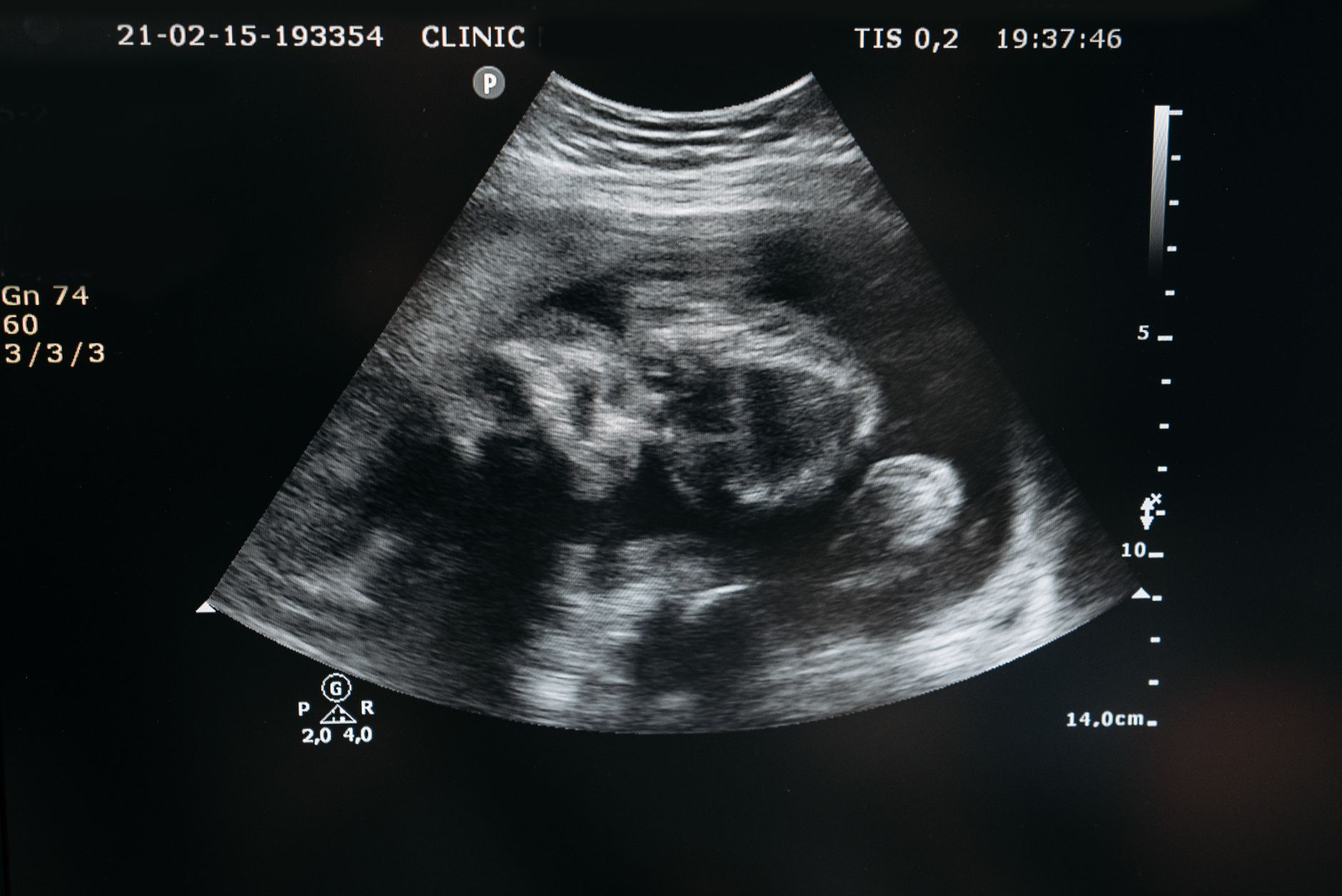
At the 24‑week anatomy scan, doctors check the baby’s organs and growth.
Doctor's note
From our medical team: “The second trimester is often called the ‘golden window’ because many early pregnancy symptoms subside and you have a clearer sense of how your baby is growing. Most of the changes you’re feeling at 24 weeks are normal, but keep an eye on any sudden, severe pain, heavy bleeding, or rapid swelling. Those are the cues that warrant a prompt call to your provider.”
Myth vs. fact
Myth: Swelling always means pre‑eclampsia. Fact: Mild, symmetrical swelling in the ankles is common and usually harmless; pre‑eclampsia involves high blood pressure, protein in the urine, and often sudden, severe swelling.
Myth: You should stop all exercise once you feel a baby kick. Fact: Gentle, regular activity is safe and can actually ease discomfort from those kicks.
Myth: All pregnant women need to avoid all caffeine. Fact: Up to 200 mg of caffeine a day (about one 12‑oz coffee) is considered safe for most pregnancies.
Key takeaways
By 24 weeks you’ll feel stronger fetal movements and may notice some ankle swelling.
Back pain and night sweats are common; gentle stretches and hydration help.
Maintain a balanced diet, avoiding raw seafood, unpasteurized dairy, and high‑mercury fish.
Moderate exercise—walking, prenatal yoga, swimming—supports health and reduces discomfort.
Watch for red‑flag symptoms like severe pain, heavy bleeding, or sudden swelling.
Schedule your anatomy ultrasound and glucose tolerance test if not already done.
Frequently asked questions
What symptoms are normal at 24 weeks of pregnancy?
Typical signs include increased fetal movement, mild ankle swelling, backaches, round‑ligament pain, occasional night sweats, and heartburn. These are generally harmless if they’re gradual and not accompanied by severe pain or bleeding.
How much weight should I have gained by 24 weeks?
Most women should have gained about half of the total recommended weight—roughly 13‑18 lb (6‑8 kg) if you started at a normal BMI. Your provider will track your individual pattern at each visit.
When will I feel my baby move more strongly?
At 24 weeks the baby’s movements become clearer and more rhythmic. You may notice stronger kicks after meals or when you’re lying down, and you can start counting 10 movements within two hours as a simple daily check.
Is swelling in my ankles a sign of a problem at 24 weeks?
Most ankle swelling is normal due to fluid retention, especially after a day of standing. However, if the swelling is sudden, painful, one‑sided, or accompanied by shortness of breath, call your provider right away.
Can I continue my regular exercise routine at 24 weeks?
Yes—moderate, low‑impact activities like walking, swimming, and prenatal yoga are safe. Avoid high‑impact sports, heavy lifting, and any exercise that makes you feel dizzy or causes pain.
What prenatal tests are done around 24 weeks?
Key appointments include the anatomy (Level II) ultrasound, the glucose tolerance test for gestational diabetes, and routine blood work to check anemia and overall health.
When to call your doctor
If you experience any of the following, seek medical attention promptly: severe abdominal pain, heavy vaginal bleeding, sudden swelling in one leg, fever over 100.4 °F, fluid leakage, or a noticeable decrease in fetal movement.
This article provides general information and is not a substitute for personalized medical advice. Always discuss your specific concerns with your healthcare provider.
References
American College of Obstetricians and Gynecologists (ACOG). “Physical Activity and Exercise During Pregnancy and the Postpartum Period.” 2023 clinical guidance.
National Health Service (NHS). “Pregnancy symptoms: what’s normal and what isn’t.” Updated 2022.
Centers for Disease Control and Prevention (CDC). “Nutrition for pregnant women.” 2023.
World Health Organization (WHO). “Recommendations on antenatal care for a positive pregnancy experience.” 2022.
Society of Obstetricians and Gynaecologists of Canada (SOGC). “Gestational Diabetes Screening.” 2023.
Mayo Clinic. “Braxton Hicks contractions.” 2023.
Institute of Medicine (IOM). “Weight Gain During Pregnancy: Reexamining the Guidelines.” 2022.
National Institute for Health and Care Excellence (NICE). “Routine antenatal care.” Updated 2022.
U.S. Food and Drug Administration (FDA). “Guidance on caffeine consumption during pregnancy.” 2023.
Not sure about the label on 24 Weeks Pregnant Symptoms products?
Snap the ingredients list and SafeFilter checks every ingredient for your stage — only 3 free scans this month, then you're locked until reset. Unlimited from $7/mo or $50/yr.
When Shubhra Mishra was expecting her first child in 2016, she was overwhelmed by conflicting food advice — one site said yes, another said never. By the time her second baby arrived in 2019, she realized millions of mothers face the same confusion.
That sparked a five-year journey through clinical nutrition papers, cultural diets, and expert conversations — all leading to BumpBites: a calm, compassionate space where science meets everyday motherhood.
Her long-term vision is to build a global community ensuring safe, supported, and free deliveriesfor every mother — because no woman should face pregnancy alone or uninformed. 🌿
🌍 Stand with mothers, shape safer guidance
Join a small circle of experts who review BumpBites articles so expecting parents everywhere can decide with confidence.